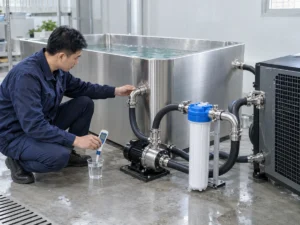
Ni un calentador de sauna eléctrico ni uno de leña son universalmente más baratos. Compare el sistema completo instalado y en funcionamiento, no el precio de etiqueta del calentador o la estufa. Los sistemas eléctricos pueden desplazar el costo hacia controles, trabajos eléctricos fijos y la tarifa eléctrica local. Los sistemas que queman leña pueden desplazar el costo hacia componentes de chimenea o conducto de humos, trabajos de construcción protectores, manejo de leña y mantenimiento del sistema de combustión. El resultado cambia según el paquete exacto de equipos, la infraestructura que ya existe en la propiedad, los precios locales de energía o combustible, la frecuencia de uso y la carga operativa del propietario. Un emplazamiento que ya admite una ruta puede dar un resultado muy distinto de uno que debe construir esa infraestructura desde cero. Para una comparación justa, ponga ambas opciones en el mismo alcance, patrón de uso y período de evaluación antes de decidir cuál cuesta menos.
Una comparación práctica separa cuatro capas de costo:
- Precio del equipo — el calentador o la estufa y los componentes necesarios para que el sistema seleccionado sea operativo.
- Infraestructura instalada — trabajos eléctricos, de chimenea, de ventilación, de protección u otros trabajos en sitio que aún deben realizarse.
- Insumo operativo — electricidad o leña en las condiciones locales reales del proyecto.
- Carga de propiedad — mantenimiento, manejo de combustible, cenizas, servicio técnico y tiempo del operador que son relevantes para el propietario.
El calentador más barato aún puede convertirse en el proyecto más caro si la infraestructura circundante y los costes de propiedad son diferentes.
Costo de calentador de sauna eléctrico vs. de leña: compare el mismo alcance
El primer error es comparar el precio de un calentador eléctrico con el de una estufa de leña y tratar el número más bajo como el proyecto más barato.
Esos precios responden solo a la cuestión del equipo. Una comparación útil pregunta qué debe añadirse a cada opción antes de que el sistema de calefacción de sauna esté instalado, sea operativo y se pueda mantener.
| Capa de coste | Calentador eléctrico | Estufa de leña |
|---|---|---|
| Equipo | Calentador, piedras requeridas, controles, sensores y otros componentes específicos del modelo. | Estufa, piedras requeridas, accesorios de la estufa y otros componentes específicos del modelo |
| Infraestructura instalada | Conexión eléctrica fija, instalación de controles, tendido de cableado y cualquier mejora en obra requerida por el sistema seleccionado | Conexión de chimenea o conducto de humos, trabajos de protección, trazado y otras interfaces de obra requeridas por el sistema seleccionado. |
| Insumo operativo | Energía eléctrica real consumida según la tarifa aplicable | Leña real utilizada al coste local del combustible entregado o al coste relevante aplicable |
| Carga de propiedad | Inspección o servicio de piedra, calentador, control y sistema eléctrico según corresponda | Manejo de combustible, ceniza, cuidado de la estufa, piedras, inspección o servicio de chimenea/conducto de humos y otras tareas del sistema de combustión |
La secuencia útil es:
precio del equipo → coste del sistema instalado → coste operativo → carga de propiedad
Cada capa responde a una pregunta diferente. Por eso ni “la electricidad es más barata” ni “la leña es más barata” funcionan como una regla general fiable.
Pregunta de coste a responder: ¿Qué debe añadirse a cada opción antes de que se convierta en un sistema de calefacción de sauna completo, instalado y utilizable?
Esta página se centra en el costo. La decisión más amplia sobre el tipo de calentador, el dimensionamiento y el modelo exacto corresponde al proceso de selección del calentador una vez que se conocen los datos del proyecto.
La pila de costes eléctricos: calentador, controles, trabajo eléctrico y tarifas eléctricas locales
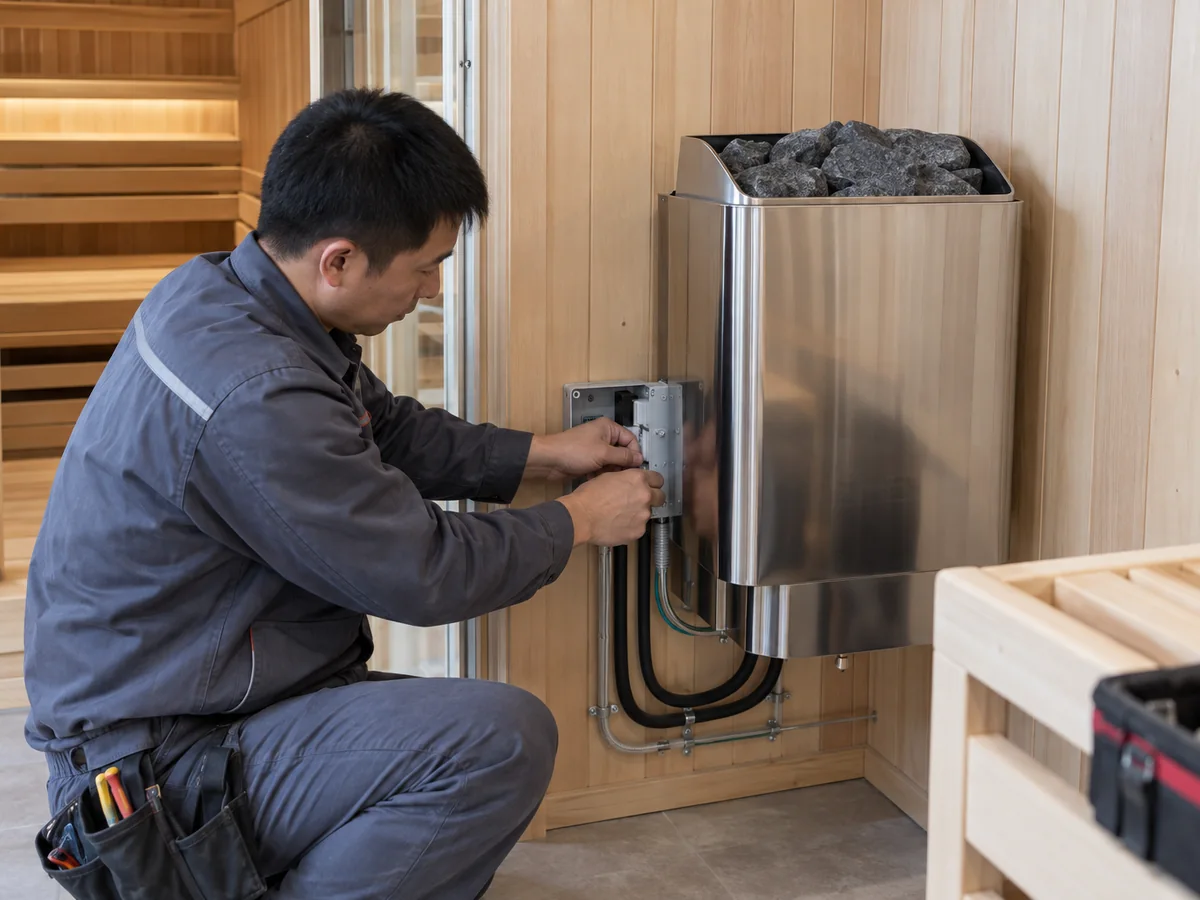
La estructura de costos eléctricos comienza con el calentador, pero el precio base del equipo puede no incluir el sistema de operación completo.
Costes de equipo y control
Los calentadores eléctricos para sauna no todos usan el mismo paquete o arquitectura de control. Algunos usan controles integrados, mientras que otros requieren o admiten un controlador separado. Las piedras, los sensores, el equipo de control y otros componentes también dependen del producto exacto.
Verificación de cotización: ¿Qué requiere este calentador para funcionar como el sistema especificado, y qué elementos requeridos están incluidos en el precio cotizado del equipo?
Un ejemplo actual de fabricante muestra por qué esto es importante. Manual de instalación y operación de HUUM’s U.S. CORE indica que el conjunto de entrega del calentador CORE contiene el calentador y los componentes de instalación enumerados, mientras que además se requieren un sistema de control y piedras para sauna.
Ese es un ejemplo específico de producto, no una regla para todo calentador eléctrico de sauna. Antes de comparar precios, verifique:
- el modelo exacto del calentador;
- las piedras requeridas;
- los controles compatibles;
- sensores requeridos u otros componentes del sistema;
- qué se incluye en el alcance del equipo cotizado; y
- qué debe comprarse o instalarse por separado.
Si el control remoto, la programación u otras funciones avanzadas son importantes para el proyecto, confirme la compatibilidad y los componentes incluidos para el sistema de control exacto en lugar de asumir que esas funciones son estándar.
Cuando el trabajo eléctrico en el sitio cambia el costo de instalación
La siguiente capa de costo pertenece a la propiedad. Los requisitos eléctricos exactos varían según el modelo de calentador, la potencia nominal, la configuración de suministro y la jurisdicción. Por lo tanto, el costo instalado depende tanto de los requisitos del equipo como de lo que el sitio ya puede soportar.
Los posibles factores que influyen en el coste pueden incluir:
- conexión eléctrica fija;
- tendido de cable o recorrido de conexión;
- instalación de controles;
- equipos de desconexión o control cuando lo exija el sistema seleccionado o la normativa local;
- y infraestructura adicional del sitio cuando el sistema eléctrico existente no puede soportar el equipo seleccionado según el diseño.
Esto no no significa que toda sauna eléctrica requiere una actualización eléctrica mayor. Significa que el precio de un calentador no puede establecer por sí solo el costo de la instalación eléctrica.
Dos propiedades que consideran equipos similares pueden enfrentar costos instalados muy diferentes porque una ya tiene una ruta práctica de suministro y canalización, mientras que la otra necesita trabajo adicional importante.
No infiera el tamaño del conductor, el tamaño del disyuntor, los requisitos de desconexión ni otros detalles de cableado fijo a partir de un artículo genérico de costos. El trabajo eléctrico final debe seguir la placa de características del equipo, las instrucciones exactas del fabricante y las normas aplicables a la ubicación de la instalación, utilizando profesionales debidamente cualificados cuando sea necesario.
Coste operativo eléctrico: use energía real y la tarifa aplicable
El coste operativo eléctrico es local y específico del proyecto. Una estimación útil para una evaluación preliminar es:
kWh estimados o medidos por sesión × tarifa eléctrica aplicable × sesiones previstas
Para el contexto de EE. UU., el Tabla mensual de electricidad por estado y sector de la U.S. Energy Information Administration muestra que los precios minoristas promedio varían según el estado y el sector de cliente. Es útil como referencia de mercado, pero no sustituye la tarifa real de servicios públicos del proyecto, la estructura de tiempo de uso, los cargos por demanda ni otras condiciones de facturación.
Esa distinción importa para proyectos B2B. Un hotel, gimnasio, spa u otro operador comercial debe usar la tarifa que realmente se aplica al sitio en lugar de un promedio nacional residencial.
Para el cribado, use la energía que realmente se espera consumir, no un “costo por sesión de sauna” nacional inventado. La potencia de placa por sí sola no describe cada minuto de operación real porque el comportamiento del control, las condiciones de la sala, el calentamiento, las aperturas de puertas y la duración de la sesión pueden cambiar el uso de energía.
La estructura de costes de la calefacción con leña: estufa, chimenea, obra en el emplazamiento y leña
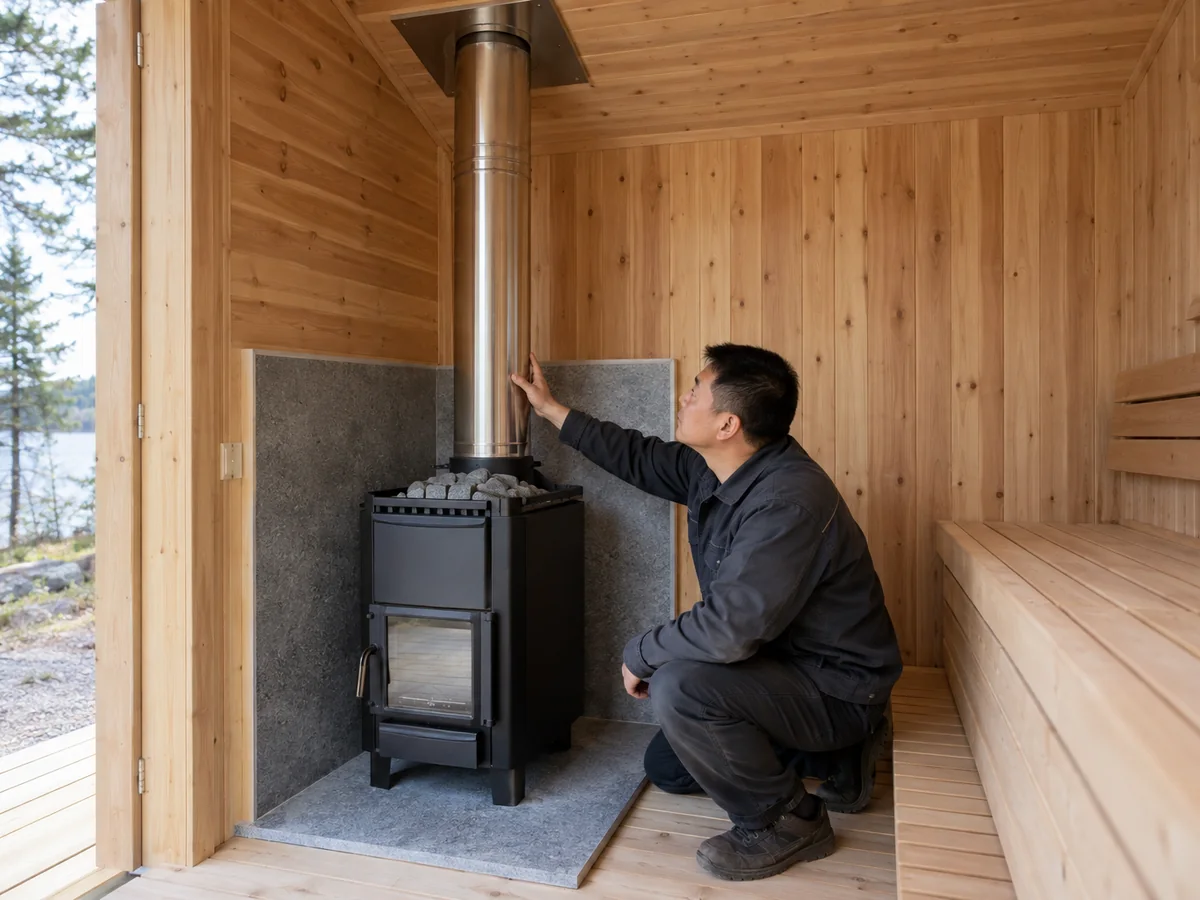
El precio de una estufa de leña también es solo la primera partida. El sistema instalado necesita una ruta segura para los productos de combustión, y el paquete de la estufa no incluye necesariamente todos los componentes necesarios para crear ese sistema.
Estufa e infraestructura de evacuación
El presupuesto de la parte de leña debe responder a dos preguntas distintas: ¿Cuánto cuesta la estufa? y ¿qué falta todavía por añadir para convertir la estufa seleccionada en un sistema instalado completo?
Según el producto, el edificio y la jurisdicción, el alcance de costos puede incluir:
- la estufa;
- las piedras o accesorios necesarios;
- los componentes de chimenea o conducto de humos;
- la conexión entre la estufa y el sistema de evacuación;
- la instalación;
- los trabajos de protección aplicables en suelo, pared u otras superficies;
- trabajos en techo, pared u otra interfaz del edificio generados por la ruta final; y
- costos de inspección o relacionados con permisos, cuando correspondan.
Un ejemplo actual de fabricante ilustra la distinción de alcance. Guía de HIVE Wood de HUUM indica que las piedras de sauna y la conexión con la chimenea no están incluidas en el conjunto HIVE Wood y deben obtenerse por separado.
Ese es un ejemplo específico de HUUM, no una regla de embalaje para toda estufa de sauna de combustión de leña.
Requerido no significa automáticamente incluido.
La configuración exacta de la chimenea, las separaciones de la estufa, las medidas de protección y los detalles de conexión son específicos del modelo y del sitio. Esos detalles importan aquí porque pueden cambiar el costo instalado—no porque este artículo deba sustituir el manual de la estufa ni el diseño de la chimenea.
Los trabajos eléctricos fijos, los trabajos de chimenea o conducto de humos y los trabajos de protección del edificio son categorías de costos aquí, no instrucciones de instalación para bricolaje. La instalación real debe seguir la documentación del equipo seleccionado y los requisitos locales aplicables, utilizando profesionales debidamente calificados donde se requiera.
Si la comparación se convierte en planificación de construcción, envolvente, chimenea o interfaz del edificio, continúe con HACHILL’s Cómo construir una sauna guía.
Responsabilidades sobre combustible, cenizas y chimenea
La combustión de leña también añade costes y responsabilidades continuos después de la instalación. Según la estufa y el sitio, pueden incluir:
- abastecimiento de leña;
- entrega y almacenamiento;
- manejo de cenizas;
- cuidado de la estufa y de la cámara de combustión;
- inspección o mantenimiento de piedras;
- inspección, limpieza y mantenimiento de chimenea o conducto de humos; y
- otras tareas requeridas por la estufa y el sistema de evacuación seleccionados.
El costo real de la leña es local. La madera comprada, la madera obtenida por cuenta propia, la distancia de entrega, el almacenamiento, la condición de humedad, el consumo de combustible y la frecuencia de uso pueden cambiar el resultado.
Un modelo simple de cribado es:
consumo estimado de leña por sesión × coste relevante del combustible entregado × sesiones previstas
Si la leña se obtiene por cuenta propia, el precio en efectivo del combustible puede ser bajo, pero eso no hace automáticamente que la carga total de propiedad sea cero. La recolección, el procesamiento, el almacenamiento y el tiempo del operador aún pueden importar al comprador, incluso si este decide no asignar un valor monetario a esas actividades.
El desglose útil de costos de leña es:
estufa → componentes del sistema requeridos → chimenea/conducto de humos → trabajos en obra → instalación → leña → mantenimiento del propietario
¿Qué cuesta más instalar? El sitio existente puede invertir la respuesta
No hay un ganador universal confiable en costo instalado. La pregunta decisiva suele ser:
¿Qué infraestructura costosa aún necesita crear esta propiedad para el sistema candidato?
En el lado eléctrico, el resultado puede verse influido por:
- el calentador candidato y sus controles;
- infraestructura eléctrica existente;
- capacidad de suministro y compatibilidad para el equipo seleccionado;
- distancia y trazado de conexión; y
- trabajo eléctrico sustancial aún requerido.
En el lado de combustión de leña, el resultado puede verse influido por:
- la estufa candidata;
- sistema de ventilación requerido;
- trazado de chimenea o conducto de humos;
- posición de la estufa;
- trabajos de protección y de interfaz con el edificio; y
- trabajo de instalación de materiales aún requerido.
Esto puede invertir el resultado de una propiedad a otra.
Sitio A ilustrativo: la propiedad ya cuenta con una ruta eléctrica práctica para el sistema eléctrico candidato, mientras que una instalación de combustión de leña requeriría una cantidad importante de obra nueva de chimenea e interfaz de edificación. La ruta eléctrica puede tener una exposición de coste instalado menor incluso si el precio de su calentador es más alto.
Sitio B ilustrativo: la propiedad tiene trabajo eléctrico significativo no resuelto, mientras que una ruta adecuada de estufa de leña y ventilación puede integrarse con menos infraestructura nueva. El resultado puede invertirse.
Estos son escenarios ilustrativos, no proyectos de clientes de HACHILL. Explican el mecanismo de costos sin afirmar que un tipo de calentador sea generalmente más barato que el otro.
Una comparación más sólida utiliza alcances de cotización equivalentes:
- equipo candidato;
- componentes incluidos y excluidos;
- trabajos importantes de electricidad o ventilación;
- trabajos en el sitio y de interfaz con el edificio;
- mano de obra de instalación;
- alcance de inspección o permiso cuando corresponda; y
- los mismos supuestos fiscales, de flete y otros supuestos comerciales cuando esos costes sean significativos.
Si un presupuesto contiene solo equipo mientras que el otro ya incluye trabajo de instalación importante, las cifras aún no son comparables.
¿Cuál cuesta más en propiedad? Compare energía, combustible, mantenimiento y tiempo del operador
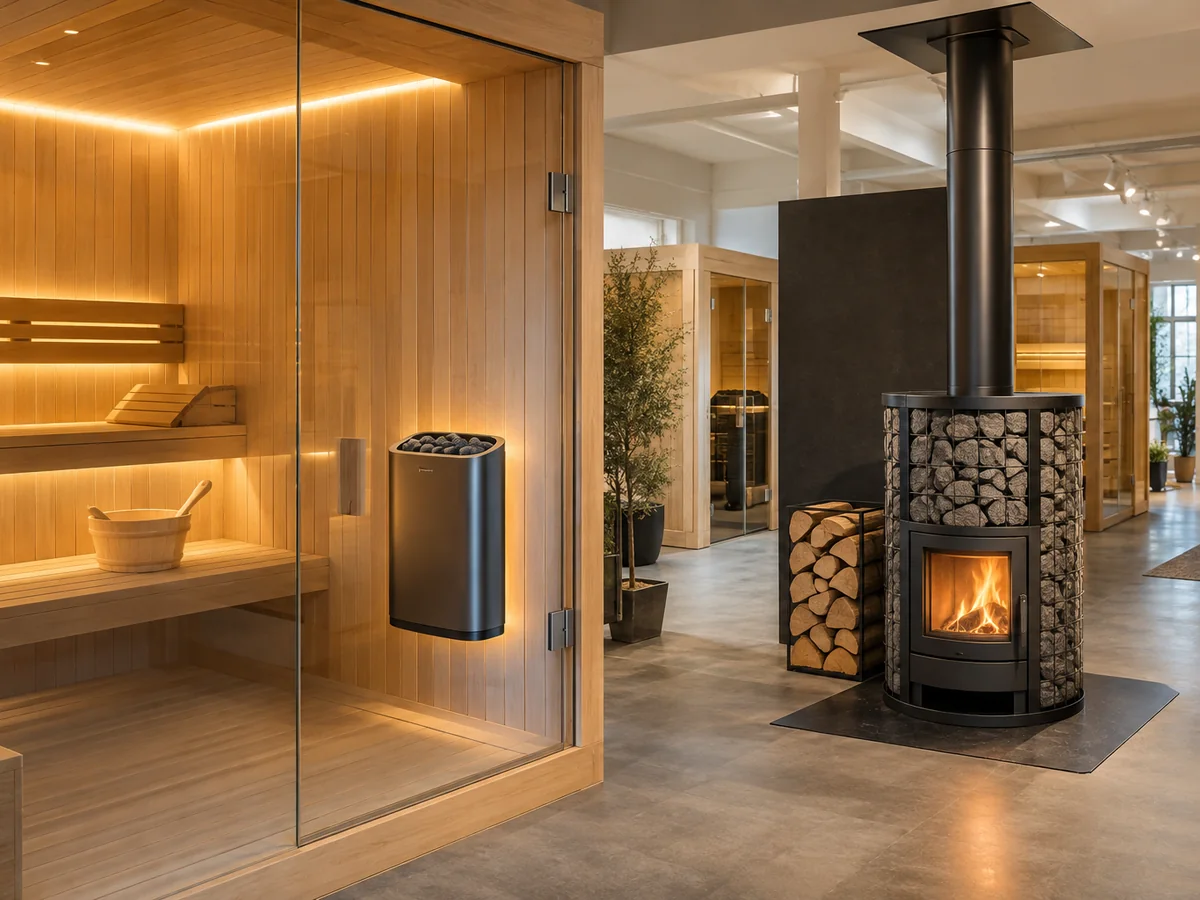
El coste instalado es solo la primera mitad de la comparación. La propiedad a largo plazo depende de la energía o el combustible local, la frecuencia de uso, el mantenimiento y cuánto trabajo operativo acepta el propietario.
Normalice el patrón de uso antes de comparar el costo operativo
Las estimaciones eléctricas y de combustión de leña deben usar el mismo patrón de funcionamiento supuesto. Si la estimación eléctrica representa un uso frecuente mientras que la estimación con leña representa un uso ocasional, la comparación está midiendo dos casos de propiedad diferentes.
Como mínimo, registre:
- sesiones por semana o mes;
- patrón típico de calentamiento y uso en ocupación para la sala real;
- base de coste de la tarifa eléctrica local o de la leña;
- condiciones estacionales si cambian materialmente la operación;
- elementos de mantenimiento incluidos en la comparación; y
- el periodo de evaluación.
No asuma un tiempo de calentamiento ni una cantidad de combustible universales. El volumen de la sala, el acristalamiento, el aislamiento, las condiciones ambiente, la apertura de la puerta, la selección del calentador/estufa y la práctica de operación pueden cambiar ambos.
La frecuencia de uso cambia el perfil de costos
Una sauna que se usa con frecuencia crea un perfil de propiedad distinto del de una que se usa ocasionalmente. Un mayor uso eléctrico aumenta el consumo de energía y la exposición al desgaste relacionada con el uso. Un mayor uso de leña implica más leña, encendidos, manejo de cenizas y actividad del sistema de combustión.
La preferencia del operador también importa, pero debe mantenerse separada de las afirmaciones técnicas o financieras. Un propietario que valora atender un fuego de leña puede aceptar más trabajo sesión a sesión que un propietario que desea una implicación operativa mínima. Esa preferencia no demuestra que un calentador tenga un calor técnicamente superior o un costo menor.
El mantenimiento es un conjunto de costos diferente, no “mantenimiento frente a no mantenimiento”
Los calentadores eléctricos de sauna no están exentos de mantenimiento. Según el sistema y el uso, las responsabilidades continuas pueden incluir:
- inspección y reemplazo de piedras según sea necesario;
- estado del calentador;
- controles o componentes de seguridad;
- elementos calefactores; y
- servicio eléctrico cualificado donde sea necesario.
La combustión de leña crea un conjunto diferente que puede incluir adicionalmente:
- manejo de leña;
- retirada de cenizas;
- cuidado de la estufa y de la cámara de combustión;
- inspección y limpieza de chimenea o conducto de humos; y
- otras responsabilidades del sistema de combustión definidas por la estufa seleccionada y la práctica local.
Pregunta de propiedad que debe responderse: ¿Qué responsabilidades de mantenimiento y operación conlleva cada opción, y son importantes para este propietario u operador?
El tiempo del operador pertenece a esa discusión, pero no debe convertirse en un costo horario universal inventado.
Una comparación realista de propiedad mantiene visibles cuatro entradas:
energía o combustible local + patrón de uso equivalente + mantenimiento + carga operativa
¿Cuándo debe poner la comparación de costes en HOLD?
A veces no hay suficiente información para afirmar que cualquiera de las dos rutas es más barata. La decisión correcta es detener la conclusión de costo hasta que se conozca el dato faltante.
MANTENGA la conclusión de costos cuando un lado todavía tiene un alcance sin resolver que podría cambiar materialmente el resultado.
Aquí, EN ESPERA es solo una etiqueta de selección de costos utilizada en este artículo. No significa que un calentador haya aprobado o reprobado una revisión de ingeniería, revisión de código, permisos o aprobación de instalación.
| Dato de entrada faltante o sin resolver | Resultado de comparación de costos |
|---|---|
| Se desconoce el alcance exacto del calentador/sistema eléctrico | MANTENGA la conclusión sobre el costo del equipo eléctrico |
| Se desconoce el trabajo eléctrico material en obra | MANTENGA la conclusión sobre el costo de instalación eléctrica |
| Se desconocen los componentes eléctricos requeridos | HOLD la comparación de alcance de equipos |
| El paquete exacto de estufa de leña/sistema es desconocido | MANTENGA EN SUSPENSO la conclusión sobre el costo del equipo de madera |
| Se desconocen los materiales de la chimenea, la ventilación o el trabajo en sitio | MANTENGA EN SUSPENSO la conclusión sobre el costo instalado de la madera |
| Se desconoce la base local de electricidad o leña | MANTENER la conclusión sobre el costo operativo |
| Las dos opciones utilizan supuestos diferentes de frecuencia de sesión o período de evaluación | MANTENER la comparación del costo de propiedad |
| Una cotización es solo de equipos y la otra incluye trabajos importantes de instalación | MANTENER la comparación general |
| Solo se conocen los precios de etiqueta del calentador/estufa | RETENER al ganador general |
| Tanto los alcances del sistema como los principales datos de instalación y los supuestos operativos locales están razonablemente definidos | Comparar las estructuras de costos |
Tres errores merecen especial atención.
Comparación solo por precio de etiqueta.
Saber que una estufa cuesta menos que un calentador eléctrico no establece qué sistema instalado cuesta menos.
Alcance desigual de la cotización.
El precio exclusivo del equipo no puede compararse de forma justa con un presupuesto que ya incluye trabajos eléctricos, de chimenea o de instalación sustanciales.
Distintos supuestos de funcionamiento.
Las estimaciones eléctricas y de leña deben usar patrones de uso y periodos de evaluación razonablemente equivalentes antes de comparar sus costes de propiedad.
Antes de solicitar precios o hacer una comparación final, prepara:
- equipo candidato y familia de modelos;
- componentes incluidos y excluidos;
- trabajos eléctricos importantes;
- obras importantes de chimenea, ventilación o emplazamiento;
- base de la tarifa eléctrica local;
- base de costos de leña local;
- frecuencia de uso esperada y patrón de funcionamiento;
- periodo de evaluación; y
- supuestos importantes de mantenimiento o del operador.
Una vez que el panorama de costos esté suficientemente maduro, la siguiente decisión ya no es simplemente “¿cuál cuesta menos?”. Es si el proyecto debe avanzar por la ruta eléctrica o de combustión de leña y qué configuración exacta de calentador se ajusta a la sauna, el sitio y el régimen de operación.
Para ese paso de selección más amplio, continúe en HACHILL’s Guía de compra de calentadores de sauna. Si está comparando un proyecto B2B o comercial específico y algunos datos de precios o el modelo exacto aún se están definiendo, prepare la información conocida del proyecto y solicitar presupuesto de proyecto.