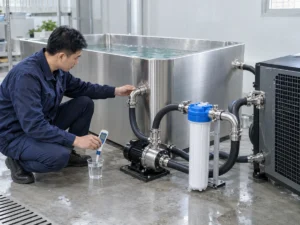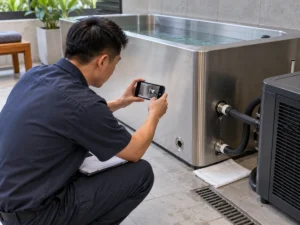
Краткий ответ: Не существует универсального победителя в выборе между установкой холодной купели внутри или снаружи решение. Размещение в помещении обычно обеспечивает лучшую защиту от погодных воздействий и удобство для пользователя, но может создать более сложные вопросы по несущей способности конструкций, дренажу, конденсату, отводу тепла от чиллера и шуму. Размещение на улице может упростить часть проблем с влажностью в помещении, но добавляет прямое солнечное воздействие, погодные факторы, воздействие отрицательных температур и требования к наружному электроснабжению и условиям окружающей среды. Лучшее место — то, которое способно обеспечить работу установленной системы, отвод нормального и аварийного объёма воды, дать чиллеру работоспособные условия, соответствовать точным требованиям к оборудованию и электроснабжению и оставаться доступным для обслуживания. Рассматривайте купель и чиллер как два связанных решения о размещении: они не всегда должны находиться в одной среде, но любое разделение должно оставаться в пределах гидравлических, тепловых и сервисных ограничений выбранной системы.
Внутренняя или наружная холодная купель: сначала сравните условия установки
Размещение внутри и снаружи создает разные проблемы с установкой. Ни один из вариантов не является inherently лучше.
| Область решения | Размещение в помещении | Размещение на улице |
|---|---|---|
| Поддержка | Пол или основание должны выдерживать фактическую установленную нагрузку | Плита, настил или основание должны выдерживать фактическую установленную нагрузку |
| Управление водными ресурсами | Слив воды, разбрызгивание, аварийная протечка и конденсат должны оставаться под контролем внутри здания | Слив воды, разбрызгивание и аварийная вода должны иметь приемлемое место отвода |
| Окружение чиллера | Помещение должно обеспечивать отвод тепла, воздушный поток, допустимый уровень шума и доступ для обслуживания | Условия забора и выброса воздуха должны соответствовать реальному наружному микроклимату |
| Климатическое воздействие | Температура и влажность внутри помещения по-прежнему имеют значение | Солнце, температура окружающей среды, дождь, мусор и замерзание могут стать прямыми исходными данными проекта |
| Пригодность оборудования | Точное оборудование должно соответствовать предполагаемой внутренней компоновке | Каждый открытый компонент должен соответствовать фактическим условиям окружающей среды |
| Сервис | Оборудование должно оставаться доступным и не быть скрытым за отделкой | Озеленение, ландшафтный дизайн и защита от погодных условий не должны препятствовать обслуживанию |
Два различия предотвращают большинство ошибок при выборе места:
Чиллер может подходить для внутренней установки, но в помещении может отсутствовать надежный путь отвода воды или адекватный отвод тепла. Аналогично, оборудование может быть предназначено для наружной установки, но на предлагаемой террасе могут оставаться нерешенные вопросы по конструкции, замерзанию, электрике или доступу для обслуживания.
Сравнение становится полезным только тогда, когда каждое место оценивается с учетом фактических границ установки.
Иллюстративное решение — не пример клиента HACHILL: предположим, что и внутреннее, и наружное место проходят проверки по несущей способности, управлению водой, чиллеру, условиям окружающей среды, электрике и обслуживанию. В этом случае техническая осуществимость больше не разделяет два варианта. Удобство, конфиденциальность, эстетика и общая стоимость установки могут стать решающим фактором.
Может ли пол, терраса и путь доступа выдержать установленную систему?
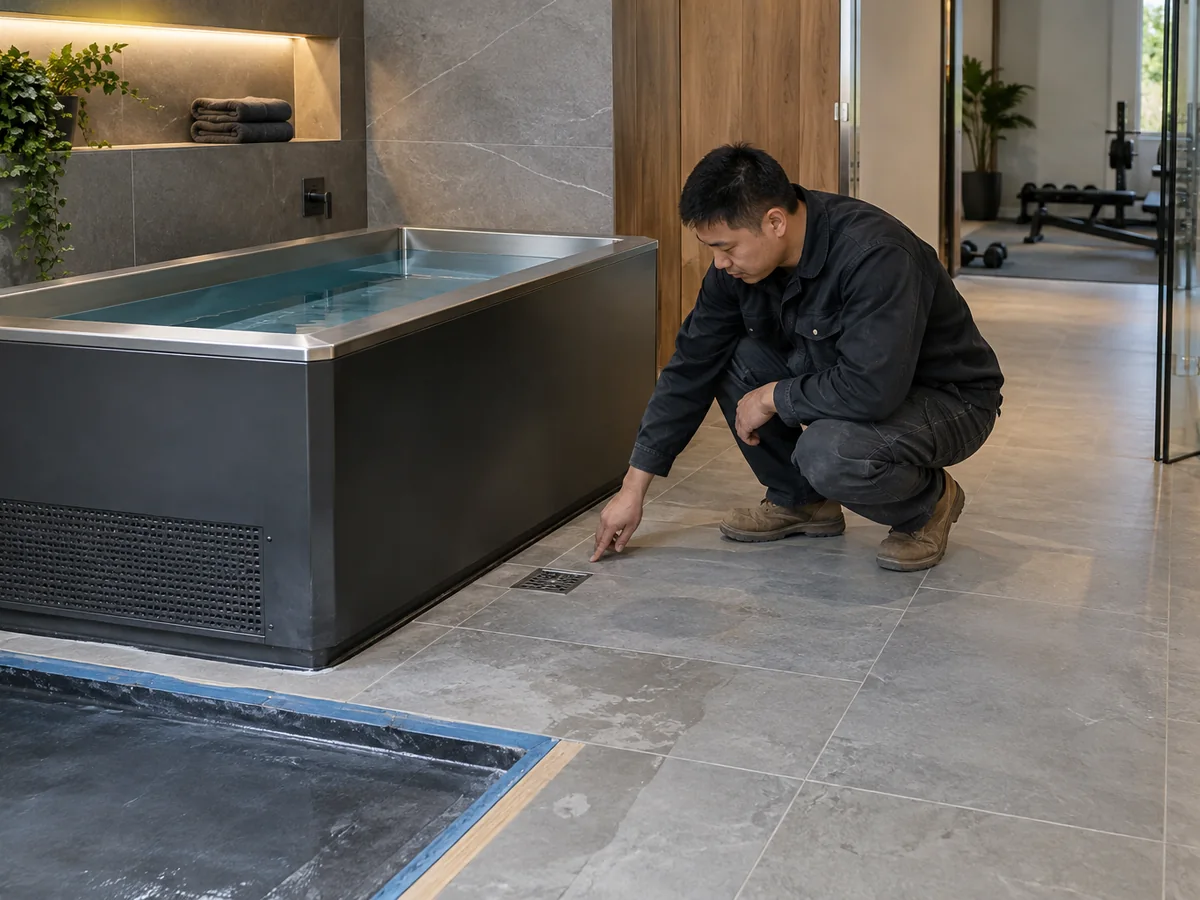
То, что купель для холодного погружения вписывается в доступную площадь, не означает, что место готово.
Несущая конструкция испытывает условие установки, а не только пустой резервуар. Соответствующая расчётная нагрузка может включать резервуар, воду, пользователей и оборудование, опирающееся на ту же несущую конструкцию.
Не следует предполагать, что пол дома, бетонная плита гаража или уличная терраса подходят только потому, что купель физически помещается. Если фактическое состояние опоры ещё не проверено, за основу проектного расчёта несущей способности следует принимать условие установки/нагрузки.
Граница ответственности по несущим конструкциям: для жилого контекста США, Раздел R301 IRC 2021 года использует фактические веса материалов и конструкций при определении постоянной нагрузки и рассматривает временные нагрузки отдельно. Используйте это только как подтверждение того, что несущую способность необходимо проверять по реальному расчётному случаю нагрузки; это не является правилом несущей способности, специфичным для холодных купелей, классификацией спа или глобальным требованием.
Вторая проблема — доступ. Купель может помещаться в готовом помещении, но не пройти к нему из-за габаритов упаковки, узких проёмов, лестниц, пространства для разворота, требований к подъёму или препятствий на пути доставки.
Доставка — лишь первый вопрос доступа. Оборудование также должно оставаться обслуживаемым.
| Проверить | Что необходимо знать |
|---|---|
| Поддержка | Допустимо ли фактическое условие установки/нагрузки для пола, террасы или основания? |
| Доставка | Сможет ли упакованное оборудование физически попасть на место установки? |
| Поворот / подъём | Требует ли маршрут подъёмника, частичной разборки или иного плана перемещения? |
| Соединения | Можно ли выполнить подключение воды, дренажа и электрики? |
| Сервис | Есть ли доступ к фильтрам, панелям, насосам и охлаждающему оборудованию? |
| Замена | Можно ли будет извлечь крупный компонент позже, не разбирая окружающее помещение или ландшафт? |
Точные сервисные зазоры зависят от модели. Размер, взятый из руководства другого производителя, не следует превращать в универсальное правило для холодной купели.
Если место проходит проверку по габаритам, но не проходит проверку по опоре, доставке или обслуживанию, оно не готово к выпуску.
Куда уйдёт вода? Дренаж, брызги, протечки и конденсат в помещении
Воду вокруг купели не следует рассматривать как одну общую проблему дренажа.
| Источник воды | Что это означает | Вопрос по размещению |
|---|---|---|
| Вода от брызг / уборки | Во время использования или уборки вода обычно выходит за пределы зоны купания | Можно ли удержать регулярное увлажнение в контролируемой зоне? |
| Перелив | Вода покидает ёмкость из-за вытеснения, уровня наполнения или другого события | Куда будет отводиться избыточная вода? |
| Протечка | Вода выходит из ёмкости, фитинга или компонента, которые должны её удерживать | Есть ли безопасный маршрут отвода аварийной воды и можно ли изолировать источник? |
| Конденсат | Водяной пар конденсируется на достаточно холодной поверхности | Справится ли помещение и близлежащие материалы с этой влагой? |
Конденсат в помещении — это проблема точки росы
ASHRAE описывает поверхностный конденсат как явление, возникающее, когда достаточно холодная непористая поверхность оказывается ниже точки росы окружающего воздуха. Именно поэтому относительная влажность в помещении сама по себе не является полным тестом на конденсат.
Соответствующая зависимость меняется в зависимости от температуры воздуха в помещении, влагосодержания, температуры воды в купели и температуры открытой поверхности.
Поэтому универсальное правило вроде “Держите влажность в помещении ниже X% RH, и конденсат решён” было бы вводящим в заблуждение.
Для размещения в помещении обратите особое внимание на поверхности купели, открытые холодные трубопроводы, подключения оборудования, отделку пола, близлежащие стены или мебель и любые зоны, которые должны оставаться сухими.
Это не означает, что каждая холодная купель в помещении создаёт проблему с влажностью. Это означает, что конденсат необходимо оценивать, а не считать, что его не будет.
Если вопрос о размещении уже сузился до проблемы влажности в помещении, используйте руководство HACHILL Конденсат в холодной купели в помещении для диагностики и предотвращения, а не расширяйте эту задачу по устранению неполадок внутри данной страницы сравнения.
Подключение к дренажу — это ещё не план водоотведения
Дренажный фитинг лишь показывает, откуда вода может уйти из одного компонента. Он не доказывает, куда вода уходит в конечном счёте, справится ли принимающий путь с этим событием, доходит ли вода от брызг до дренажа, удерживается ли аномальная протечка и приемлемо ли место сброса.
HACHILL’s Планирование дренажа для горизонтальной холодной купели руководство охватывает более глубокую задачу проектирования дренажа для горизонтальных установок; на этой странице достаточно информации, чтобы решить, имеет ли предлагаемое место надёжный путь управления водой.
Не существует универсального правила, согласно которому каждая холодная купель в помещении требует одинаковой схемы дренажа пола, или что уличную воду можно просто сбрасывать на ландшафт.
Оставьте размещение на УДЕРЖИВАЙТЕ когда путь воды все еще является предположением.
Купель и чиллер не обязательно должны располагаться в одном месте
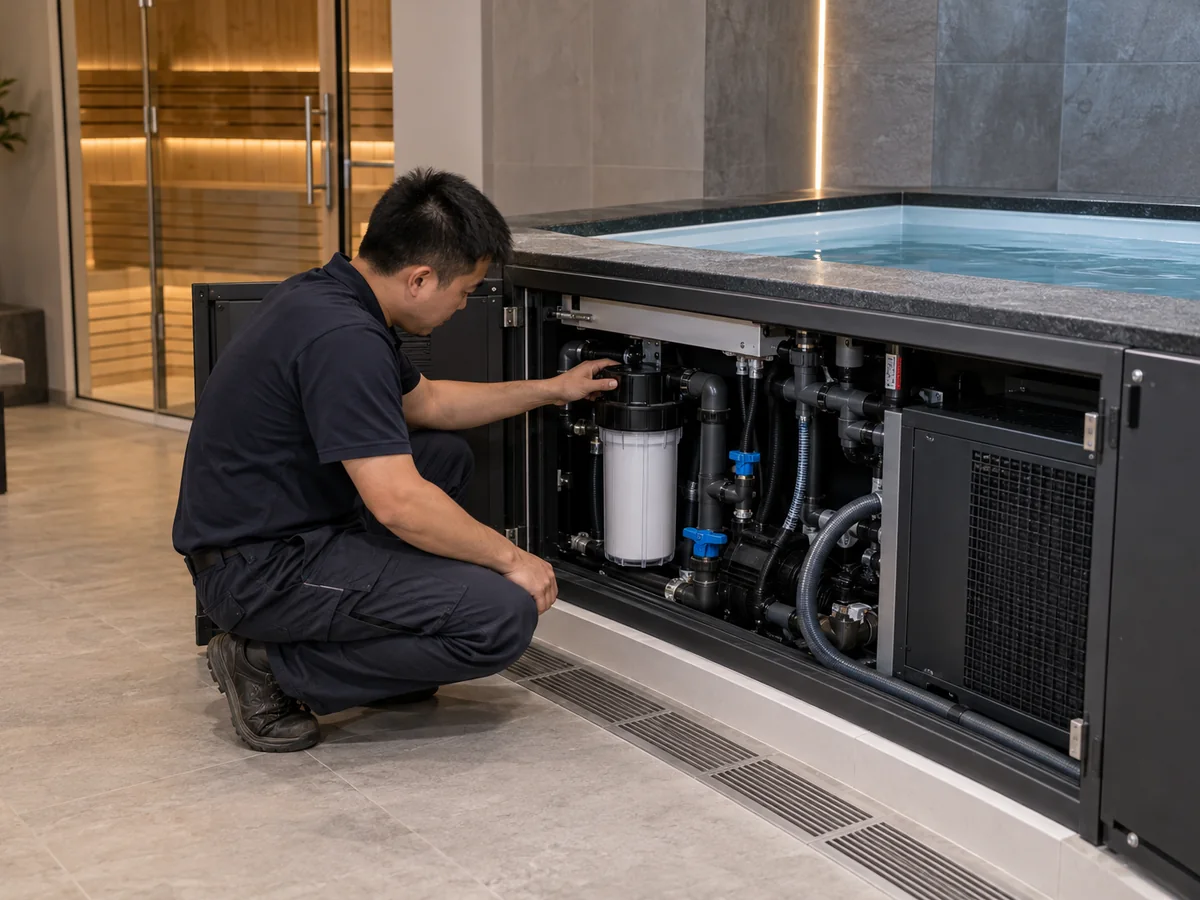
Сравнение помещения и улицы становится гораздо полезнее, когда купель и чиллер рассматриваются как два взаимосвязанных решения по размещению.
Некоторые системы используют архитектуру с внешним охлаждением, что означает, что купель для пользователя и холодильное оборудование физически разделены.
Купель в помещении может быть привлекательной из-за удобства для пользователя, тогда как охлаждающее оборудование лучше работает в другой сервисной зоне.
Выбранная система всё равно может предъявлять требования к прокладке труб или шлангов, расходу, перепаду высот, условиям работы насоса или его заполнения, длине подключения, условиям окружающей среды и доступу для обслуживания. Эти ограничения относятся к конкретному оборудованию.
| Вопрос по стороне купели | Вопрос по стороне чиллера |
|---|---|
| Выдержит ли это конструкция? | Сможет ли конденсатор правильно забирать и отводить воздух? |
| Куда будет отводиться вода? | Куда будет отводиться сбрасываемое тепло? |
| Удобны ли доступ и очистка? | Повлияет ли шум на занятые или соседние помещения? |
| Можно ли доставить саму ёмкость? | Можно ли осмотреть, очистить и демонтировать агрегат? |
| Будут ли холодные поверхности создавать проблемы с влажностью в помещении? | Подходит ли точное оборудование предлагаемой среде? |
Для более глубокой тепловой и гидравлической совместимости используйте руководство HACHILL Руководство по подбору купели для холодного погружения и чиллера а не решайте вопрос подбора размера внутри этой статьи сравнения.
Чиллер с воздушным охлаждением должен отводить тепло куда-либо
Конденсатор холодильной установки с воздушным охлаждением использует окружающий воздух для отвода тепла из холодильной системы. Руководство ASHRAE по конденсаторам описывает окружающий воздух как среду отвода тепла для конденсаторов с воздушным охлаждением и отмечает, что при размещении в помещении может потребоваться организованный путь сброса воздуха.
Поэтому при размещении чиллера с воздушным охлаждением в помещении отвод тепла становится вопросом вентиляции помещения или здания, если только выбранная компоновка оборудования не отводит это тепло в другое место проверенным способом.
Это не не не делают размещение чиллера в помещении автоматически неправильным. Это означает, что вопрос не сводится к “Помещается ли чиллер?”. Пути забора и сброса воздуха также должны работать.
Стены, экраны, декоративные ограждения, элементы благоустройства или соседнее оборудование могут создавать рециркуляцию и местные условия забора воздуха более тяжёлые, чем общая погода на улице.
HACHILL’s Руководство по температуре окружающего воздуха и выходу на режим охватывает более глубокий вопрос микроклимата конденсатора и эффективности охлаждения.
Шум и обслуживание могут изменить предпочтительное место размещения
Шум чиллера — реальный фактор при выборе места рядом со спальнями, зонами отдыха, процедурными кабинетами или соседними объектами, но не существует универсального правила, что размещение в помещении или на улице тише.
Точно так же, если скрывать чиллер из эстетических соображений, это может создать проблему с обслуживанием, если сервисные панели, фильтры или съёмные компоненты становятся недоступными.
Размещение на улице добавляет воздействие солнца, окружающего тепла, погодных условий и условий замерзания
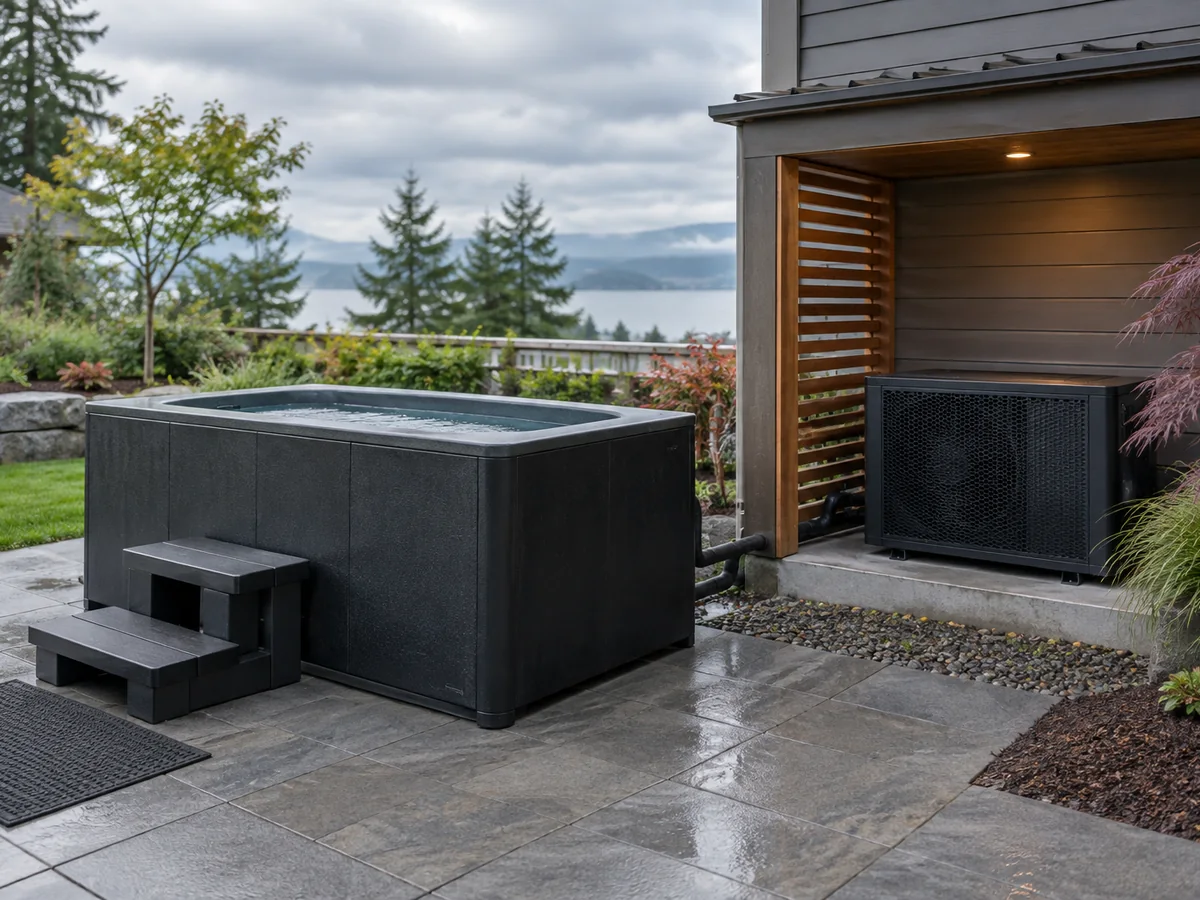
Улица — это не один климатический режим. Затенённый внутренний двор, крыша под прямым солнцем, прибрежная терраса и площадка с морозной зимой могут предъявлять очень разные требования к одной и той же базовой концепции холодной купели.
Уличное тепло влияет на обе стороны задачи охлаждения
Тёплые условия окружающей среды и прямое солнечное воздействие могут увеличить приток тепла в купель, воду и трубопроводы. В то же время чиллер с воздушным охлаждением должен отводить тепло в окружающий воздух.
Воздух, который наиболее важен для охлаждающего оборудования, может не соответствовать температуре, отображаемой в погодном приложении. На фактический забор воздуха конденсатором могут влиять прямое солнце, близлежащая горячая стена, экранирование, корпуса оборудования, рециркулирующий отводимый воздух или близлежащее оборудование, отводящее тепло.
Тень может снизить один тепловой приток, но это не универсальное решение для повышения производительности.
Пригодность к погодным условиям относится к конкретному компоненту
Размещение на улице может подвергать разные части системы воздействию дождя, влаги, переносимой ветром, солнца, мусора, орошения, температурных циклов, снега или льда, а также прибрежного или солевого воздействия, где это актуально.
То, что купель визуально выглядит прочной на улице, не доказывает, что чиллер, насос, системы управления, соединители и электрические корпуса обладают такой же пригодностью к условиям окружающей среды.
Для систем Thermowood HACHILL Руководство Thermowood по наружному климату проводит то же различие явно: одна только обшивка из Thermowood не делает всю систему «ванна/чиллер/управление» защищённой от погодных воздействий.
Защита от замерзания — это вопрос для всей системы
Условия замерзания особенно важны, поскольку видимый сосуд — не единственное место, где может оставаться вода. В зависимости от системы остаточная вода может находиться в насосах, фильтрах, чиллерах, теплообменниках, клапанах, шлангах или трубопроводах.
Правильная процедура подготовки к зиме зависит от оборудования. Не заимствуйте порог замерзания или процедуру слива у другого производителя и не применяйте их к оборудованию HACHILL.
Если ожидается воздействие замораживания, а точная стратегия по компонентам не документирована, оставляйте наружный маршрут в статусе on УДЕРЖИВАЙТЕ.
Проверьте электрическую и экологическую пригодность для конкретного оборудования
Не следует утверждать размещение только потому, что продукт выглядит подходящий для окружающей среды.
| Проверить | Не делать выводов |
|---|---|
| Точные ограничения чаши/окружающей среды, где это применимо | «Выглядит готовым к эксплуатации на улице» |
| Точные ограничения условий окружающей среды для чиллера | «Все чиллеры могут оставаться на улице» |
| Требования к насосу, контроллеру и корпусу | Номинал одного компонента распространяется на всю систему |
| Допустимое воздействие дождя/увлажнения | Универсальный чехол делает всепогодным оборудование, не рассчитанное на это |
| Точные инструкции по зимней консервации | Опорожняя сосуд защищает каждый водосберегающий компонент |
| Точные требования к электропитанию | Одна электрическая конфигурация подходит для любого рынка |
| Местные принятые требования | Требование США автоматически применяется во всём мире |
| Точная документация по продукту HACHILL | Рейтинг конкурента’ доказывает наличие у HACHILL соответствующей возможности |
Маркировки IP и NEMA имеют ограничения
IEC 60529 определяет IP Code как классификацию степеней защиты, обеспечиваемых оболочками электрооборудования.
FAQ по корпусам NEMA’s указывает, что степень защиты IP нельзя просто считать эквивалентной обозначению типа NEMA, поскольку эти две системы оценивают не один и тот же набор характеристик.
Для решения о размещении практический вывод важнее, чем заучивание переводов рейтингов:
Наличие компонента с номинальными характеристиками не делает автоматически всю установку купели для холодного погружения столь же нормированной.
Материал не обеспечивает квалификацию всей системы
Термодревесина, нержавеющая сталь или другая долговечная отделка могут подходить для конкретного воздействия, не доказывая, что каждый электрический компонент, компонент охлаждения, труба, соединитель, орган управления или уплотнение одобрены для той же среды.
Электрическая совместимость зависит от изделия и юрисдикции
Для проектов в США, NFPA 70 / Национальный электротехнический кодекс является ключевой основой для электромонтажа, но фактическая установка зависит от местных принятых требований, органа, обладающего юрисдикцией, и точных инструкций по оборудованию.
В других рынках действуют свои применимые требования.
Поэтому эта статья не предписывает универсальные размеры цепей, детали защитных устройств, размеры уравнивания потенциалов, расстояния до оборудования или методы наружной электропроводки.
Если электрическая пригодность предлагаемого места не подтверждена, место не готово к выпуску.
Выберите размещение: в помещении, на улице или отложить — проверка допуска к размещению
Окончательное решение должно основываться на окончательно определённых условиях монтажа, а не на подсчёте плюсов и минусов.
| Критерий решения | В ПОМЕЩЕНИИ ВОЗМОЖНО, когда… | ПРИГОДНО ДЛЯ УЛИЦЫ, КОГДА… | УДЕРЖИВАТЬ когда… |
|---|---|---|---|
| Опоры / доступ | Установленная нагрузка и маршрут доставки/обслуживания проверены | Основание/настил/опора и доступ проверены | Конструктивное состояние или условия доступа остаются неизвестными |
| Вода | Слив воды, брызги, утечки и конденсат имеют контролируемые пути отвода | Для слива воды и нештатных стоков предусмотрены приемлемые маршруты | Вода может достигать чувствительных областей или неразрешенных мест назначения. |
| Окружение чиллера | Отвод тепла, воздушный поток, шум и условия обслуживания работают | Забор/выпуск, микроклимат и условия обслуживания работают | Воздушный поток, рециркуляция или доступ для обслуживания не решены |
| Климат | Условия внутри помещения можно контролировать | Учтены солнечное излучение, температура окружающей среды, погодные условия и риск замерзания | Стратегия на случай погодных условий/замерзания остается непроверенной |
| Пригодность оборудования | Точная документация позволяет оценить предполагаемую среду | Каждый открытый компонент подходит для реальных условий наружной эксплуатации | Пригодность выводится из внешнего вида или другой модели |
| Электрика | Точное оборудование и местные требования могут быть соблюдены | Точное оборудование и применимые требования для улицы или влажных зон могут быть соблюдены | Пригодность электропитания не определена |
| Обслуживание | Оборудование можно осмотреть, очистить и демонтировать | Уличная планировка сохраняет практичный доступ для обслуживания | Основной компонент невозможно реально обслужить |
Выберите INDOOR
Используйте вариант для помещений, когда несущая способность, доступ, контроль воды, управление конденсацией, отвод тепла от чиллера, электрические условия, шум и доступ для обслуживания достаточно проработаны.
Выберите OUTDOOR
Используйте наружный вариант, когда опора, дренаж, солнечные и окружающие условия, поток воздуха через конденсатор, пригодность для окружающей среды, стратегия защиты от замерзания, электрические условия и доступ для обслуживания достаточно проработаны.
Выберите HOLD
Приостановите размещение, когда нерешённое условие может вынудить выбрать другое место, другое размещение чиллера, структурные изменения, другой дренаж, другой электрический подход или другую защиту от внешних воздействий.
Статус HOLD — это не проваленный проект. Это решение закрыть недостающую информацию прежде чем покупка или работы на площадке сделают ограничение более дорогим для решения.
Как только один вариант размещения окажется осуществимым: сравните форматы HACHILL для холодного погружения, которые действительно подходят для этой площадки. Если проект предназначен для отеля, спортзала, спа или восстановительного центра, перенесите проверенные исходные данные по размещению в маршрут коммерческого планирования.
Часто задаваемые вопросы
Что лучше: разместить холодную купель в помещении или на улице?
Ни один из вариантов не лучше универсально. Выбирайте место, которое закрывает фактические условия по несущей способности, управлению водой, чиллеру, окружающей среде, электрике и обслуживанию. Если вопрос, способный изменить установку, остается нерешенным, HOLD размещение до его проверки.
Можно ли разместить купель с холодной водой в помещении?
Потенциально да. Конкретное оборудование должно допускать предполагаемые условия эксплуатации, а помещение по-прежнему нуждается в подходящих опорах, контролируемых путях воды, управлении конденсатом, отводе тепла от чиллера, подходящих электрических условиях и доступе для обслуживания. Размещение внутри помещения автоматически не отменяет эти требования.
Может ли купель для холодного погружения стоять на улице круглый год?
Только когда точное наружное оборудование подходит для реальной окружающей среды, а при монтаже учтены солнечное воздействие, внешние условия, дождь/намокание, дренаж, замерзание, электрические требования и доступ для обслуживания. Не делайте вывод о круглогодичной пригодности для улицы по фотографии, материалу ванны или продукту другого производителя’.
Нужен ли трап в полу для холодной купели в помещении?
Нет универсального ответа для каждого здания или системы. Установке всё ещё нужна контролируемая стратегия для намеренного слива, брызг и воды для очистки, конденсата и аномальной утечки. Правильный принимающий маршрут зависит от фактической площадки и применимых местных требований.
Может ли чиллер находиться на улице, пока купель для холодного погружения стоит в помещении?
Потенциально да, если выбранная система с внешним охладителем допускает такую схему. Подключение всё равно должно удовлетворять точным требованиям системы к трубопроводам или шлангам, высоте или подготовке насоса к работе там, где это применимо, расходу, воздействию окружающей среды, воздушному потоку и доступу для обслуживания. Внешний охладитель не означает неограниченное удаление от ванны.