You want your steam generator to work well for many years. Doing regular maintenance helps it work better and saves you money. Experts say you should:
- Plan inspections and change parts when needed.
- Use sensors to find problems early.
- Do advanced checks to spot issues.
Some common mistakes are:
- Not paying attention to strange problems
- Not checking how it works
- Using chemicals that are not right
Use an Auto Flush or Manual Flush System
Keeping your steam generator clean inside is one of the best ways to make it last. Flushing the system removes minerals like calcium, magnesium, iron, and silica. These minerals can build up over time and cause your steam generator to work less efficiently or even break down.
Auto Flush System Benefits
An auto flush system does the hard work for you. After each use, it automatically drains the tank and flushes out impurities. This means every steam session starts with fresh water. You do not have to remember to do anything. If your steam generator is in a hard-to-reach spot or you want less maintenance, an auto flush system is a smart choice. It helps prevent mineral buildup, keeps your system running smoothly, and saves you time. Many people find that automatic flushing also improves hygiene and makes the whole process easier, especially if you use your steam generator often.
Tip: Auto flush systems are great for busy families or anyone who wants a maintenance-free experience.
Manual Flushing Steps
If you do not have an auto flush system, you can still keep your steam generator in top shape by flushing it yourself. Most manufacturers recommend flushing at least once a week to stop scale and sludge from building up. Here’s how you can do it:
- Turn off the power to your steam generator.
- Let the unit cool down.
- Open the drain valve and let the water flow out.
- Close the valve and refill the tank with fresh water.
- Turn the power back on.
Manual flushing takes a little more effort, but it works well if you remember to do it regularly. Skipping this step can lead to problems and costly repairs.
Add a Water Softener or Filtered Water
Hard Water Issues for Steam Generators
Hard water can really hurt your steam generator. If your water has lots of calcium and magnesium, these minerals stick inside the machine. Over time, they turn into scale, which looks white and chalky. Scale makes your steam generator work harder. It can even break your steam generator. You might have to clean or descale your steam generator every few days if you do not treat your water. That is a lot of work and can also harm your equipment.
Using softened water stops these problems. Softened water takes out calcium and magnesium, so scale forms much slower. Your steam generator lasts longer and you clean less.
Here is what softened water does:
- Takes away minerals that make scale.
- Puts in sodium ions instead, which do not make scale.
- Helps your steam generator work well.
But you should watch out for high total dissolved solids (TDS). Too much TDS can make foam and wet steam, so you might need more filtration.
Choosing a Water Softener or Filter
It is important to pick the right water softener or filter. You need a system that fits your steam generator. Look at these things:
| Criteria | Description |
|---|---|
| Size for Peak Service Flow | Pick a softener that matches your water flow. |
| Think in Systems | Duplex or triplex systems are good for busy homes. |
| Match Capacity to Salt Dose | Choose the right resin size for your water hardness. |
| Address Alkalinity When Needed | High alkalinity can make foam, so you may need extra treatment. |
| Regenerate on Volume | Demand-initiated systems save salt and work better. |
| Coordinate with Boiler Conductivity | Make sure your water treatment and boiler controls work together. |
Some places do not allow salt-based softeners because they can hurt plants and soil. If you care about the environment, try salt-free or other systems.
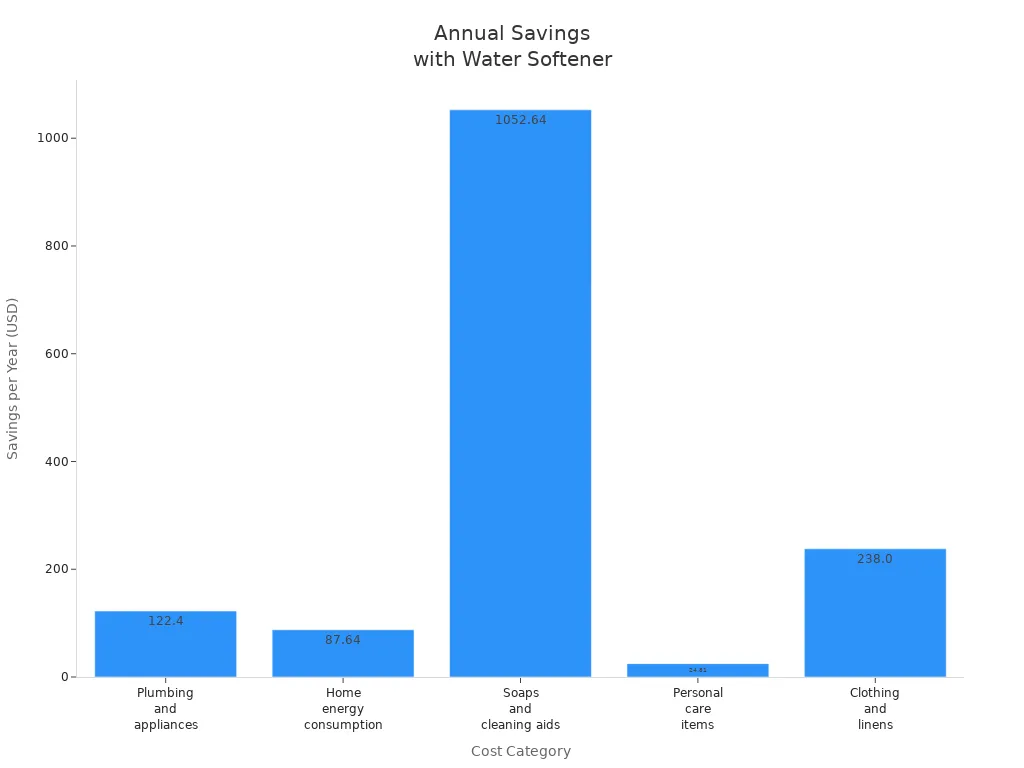
You can also save money. Using a water softener or filtered water can lower your yearly maintenance costs by more than half. That means you spend less on repairs, cleaning, and energy.
Descale and Clean Your Steam Generator

Keeping your steam generator clean helps it run better and last longer. Minerals from water can build up inside, so you need to descale and clean it often. If you skip this step, you might see less steam or even damage.
Descaling Steps
You should always read the manual before you start. Make sure the steam generator is cool and unplugged. Here’s a simple way to descale:
- Turn off and unplug the steam generator.
- Let it cool down completely.
- Open the tank and pour in a natural descaling solution, like vinegar.
- Let it sit for the time listed in your manual.
- Rinse the tank with warm water until it’s clear.
- Wipe the outside with a damp cloth.
Tip: Never use bleach or abrasive powders. These can harm your steam generator.
Here’s a table to help you know how often to descale, based on your water hardness:
| Water Hardness Level | Descale Interval |
|---|---|
| Soft | 50 fills |
| Medium | 45 fills |
| Hard | 30 fills |
| Very Hard | 20 fills |
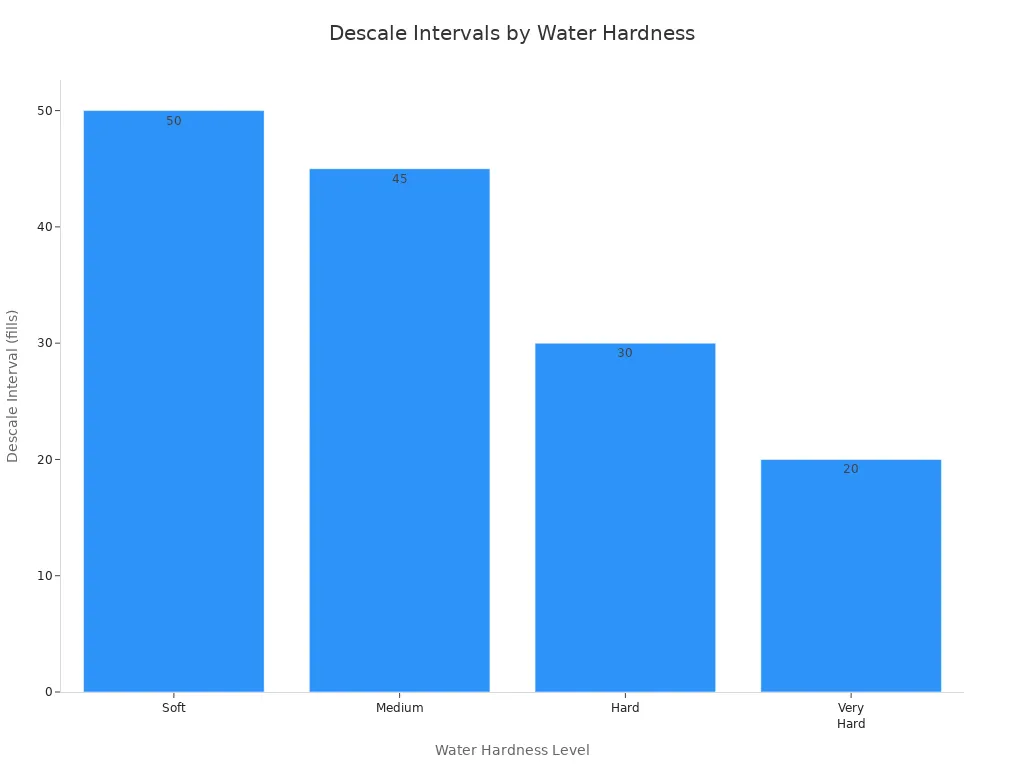
Even if you have soft water, try to descale every three months.
Cleaning Frequency
You should clean your steam shower surfaces every week. Use gentle, pH-neutral cleaners made for bathrooms. Here are some safe choices:
| Cleaning Agent Type | Description | Safety for Steam Surfaces |
|---|---|---|
| Specialized Steam Room Cleaners | Antibacterial cleaners for tile, stone, and glass. | Yes |
| Non-Abrasive Cleaners | Gentle, do not scratch surfaces. | Yes |
| Natural Solutions (e.g., Vinegar) | Good for descaling and cleaning without harsh chemicals. | Yes |
Rinse the shower with warm water before you clean. Use a soft scrubber for doors, walls, floors, and fixtures. Regular cleaning stops soap scum, hard water stains, mold, and mildew. If you keep up with these steps, your steam generator will stay in great shape for years.
Inspect Seals and Connections
What to Check
You want your steam generator to stay leak-free and safe. Checking seals and connections helps you catch problems early. Every month, take a close look at all the seals, gaskets, and connectors. Pay special attention to water side gaskets and fireside doors. These spots often show the first signs of trouble. Use a flashlight to see hidden areas. If you spot any moisture or rust, make a note. You can use the table below to keep track of your inspection schedule:
| Frequency | Inspection Tasks |
|---|---|
| Monthly | Inspect seals and connections for leaks, including water side gaskets and fireside doors. |
Tip: Set a reminder on your phone or calendar. Regular checks help you avoid big repairs later.
Signs of Wear or Leaks
You might wonder what problems to look for. Here are some common signs that seals or connections need attention:
- Discoloration, cracks, or burn marks on seals can mean overheating or electrical trouble.
- Moisture inside the chamber may point to a bad steam trap.
- A valve that keeps leaking often shows wear or a poor seal.
- Corrosion or debris on valves can block proper sealing and pressure release.
- Steam leaks from connectors may happen because of thermal expansion, loose threads, or old gaskets.
If you see any of these signs, act fast. Replace worn parts or tighten loose connections. Quick fixes keep your steam generator running smoothly and prevent bigger problems down the road. 🛠️
Steam Generator Maintenance Schedule
Daily, Weekly, Monthly Tasks
You want your steam generator to work its best every day. Setting up a simple routine makes everything easier. Here’s a handy table to help you remember what to do:
| Frequency | Tasks |
|---|---|
| Daily | Check water levels, monitor pressure and temperature, listen for leaks or strange noises, perform a bottom blowdown. |
| Weekly | Do an evaporation test, inspect the low water cutoff gauge, test fuel supply valves, check burner positioning system, clean visible calcium deposits. |
| Monthly | Inspect burner diffuser, pilot tube, air damper devices, look for hot spots on the boiler exterior, deep-clean the steam shower enclosure, check generator performance. |
Tip: Make a checklist and hang it near your steam generator. You’ll never forget a step!
Mixing up your tasks keeps things fresh. Some days you just check and listen. Other times, you get hands-on and clean or test parts. If you spot anything odd, write it down and fix it soon.
Keeping Maintenance Records
Keeping a log helps you spot problems before they get big. Write down what you do each day, week, and month. Track water levels, pressure, and any repairs. This record shows you how your steam generator is doing over time. You can see patterns, plan future fixes, and even meet safety rules. If you ever need help, your notes make it easy for a pro to jump in.
📒 A good maintenance record is like a diary for your steam generator. It helps you save money and keeps your steam sessions safe and smooth.
Stock Cleaning Supplies and Spare Parts
You want your steam generator to run without trouble. The best way to do that is to keep the right cleaning supplies and spare parts nearby. When you have what you need, you can fix small problems fast and avoid long waits for repairs.
Essential Cleaning Products
You do not need fancy products to keep your steam generator clean. Simple items work best. Here are the top cleaning products you should always have:
- Vinegar – This helps you remove mineral buildup and descale your steam generator.
- Sponges – These let you scrub tough spots without scratching any surfaces.
- Soft cloths – Use these to gently wipe and dry all parts of your steam shower.
Tip: Store your cleaning supplies in a small basket near your steam generator. You will always know where they are when you need them.
Replacement Parts to Keep
Sometimes, a part wears out or stops working. If you have spare parts ready, you can swap them out right away. Here are the most common parts you should keep on hand:
- Heating element
- Automatic flush valve
- On/off button
You do not want to wait days for a new part to arrive. Quick replacements mean you get back to relaxing steam sessions sooner.
Here is a quick look at why having supplies and parts ready helps you:
| Aspect | Explanation |
|---|---|
| Quick Replacements | You can fix problems right away and keep your steam generator running. |
| Preventive Maintenance | Cleaning and checking parts stops big failures before they start. |
| Proactive Planning | You stay ahead of issues and avoid surprise outages. |
When you stock up on supplies and parts, you save time and money. You also make sure your steam generator stays in top shape for years. 🧰
You can keep your steam generator working for years with simple steps. Regular checks, cleaning, and quick fixes help you avoid big problems.
- You save money by lowering repair costs and using less energy.
- Routine inspections catch issues early, so you enjoy reliable steam and peace of mind.
Start your easy routine today!