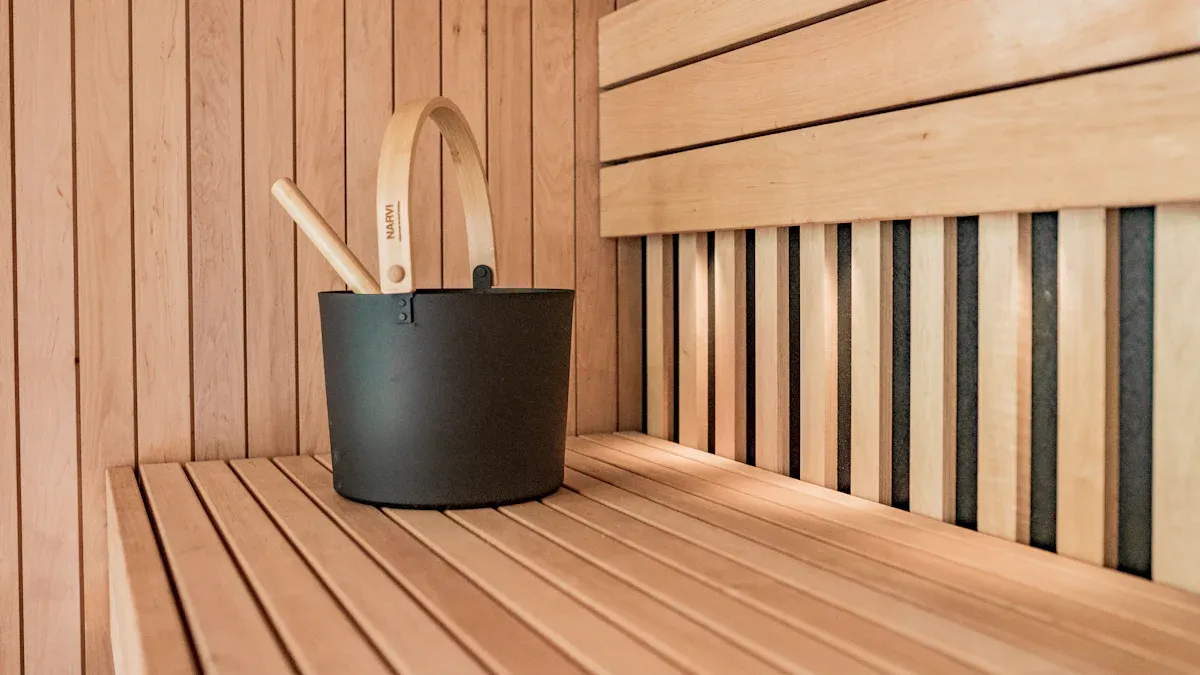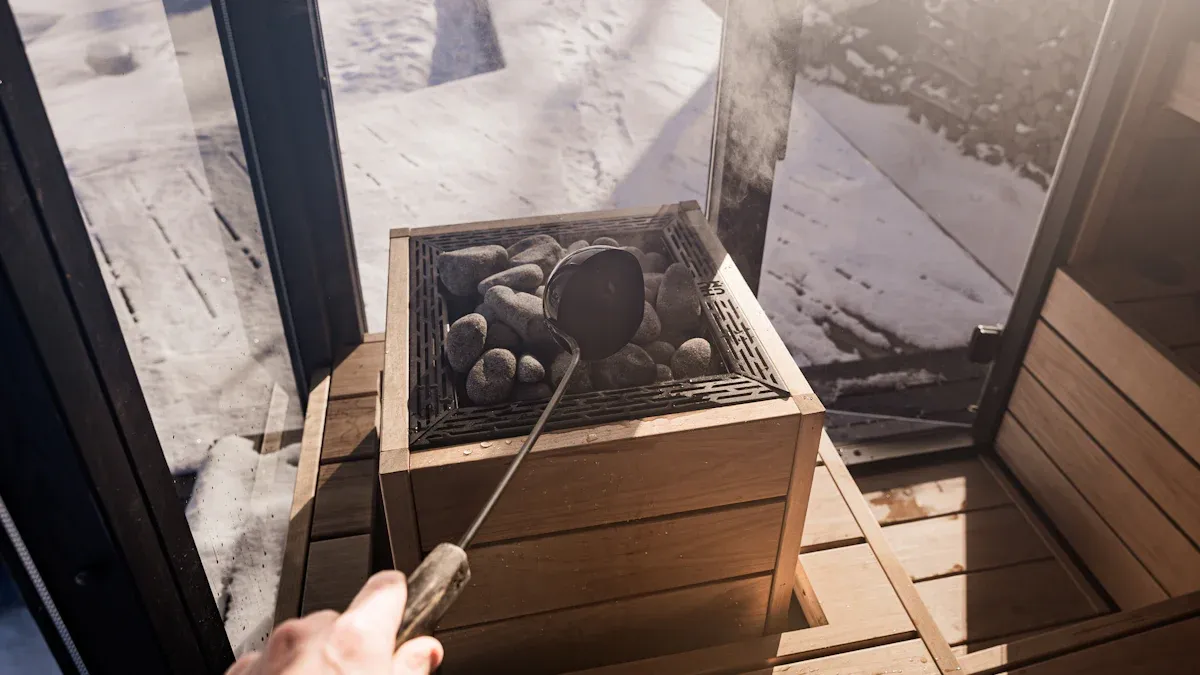
Picture this: You go outside and want to use your wood fired sauna. But you see the heater is slow to warm up or the benches look old. Many sauna owners have these problems. Simple, regular care helps a lot. You stop heater problems, keep the wood nice, and have safer sauna times. Here are some common problems:
| Challenge | Description |
|---|---|
| Heater Issues | Bad heaters take longer to warm up and can be unsafe if heat gets out. |
| Cleaning Requirements | You need to clean heater stones and sauna surfaces often to keep them working well and clean. |
| Exterior and Interior Care | The sauna’s wood needs care so resin does not leak and water does not hurt it. |
If you take care of your sauna often, it will last longer and work well.
Key Takeaways
- Taking care of your wood fired sauna helps it stay safe and work well. Clean the surfaces every time you use it. This stops dirt and water from building up.
- Pick the best wood for your sauna. Western Red Cedar is a good choice. It does not get damaged by water easily. It can last more than 20 years.
- Put wood protection on once a year. Use oils that are safe for saunas. These oils protect the wood from weather and sunlight. This helps the wood last longer.
- Check your sauna often for mold or damage. Quick checks help you find problems early. This keeps your sauna in good shape.
- Do safety checks before you use your sauna. Make sure it has good airflow. Keep a fire extinguisher close in case of emergencies.
Protecting Wood in Your Wood Fired Sauna
Choosing Outdoor Sauna Wood
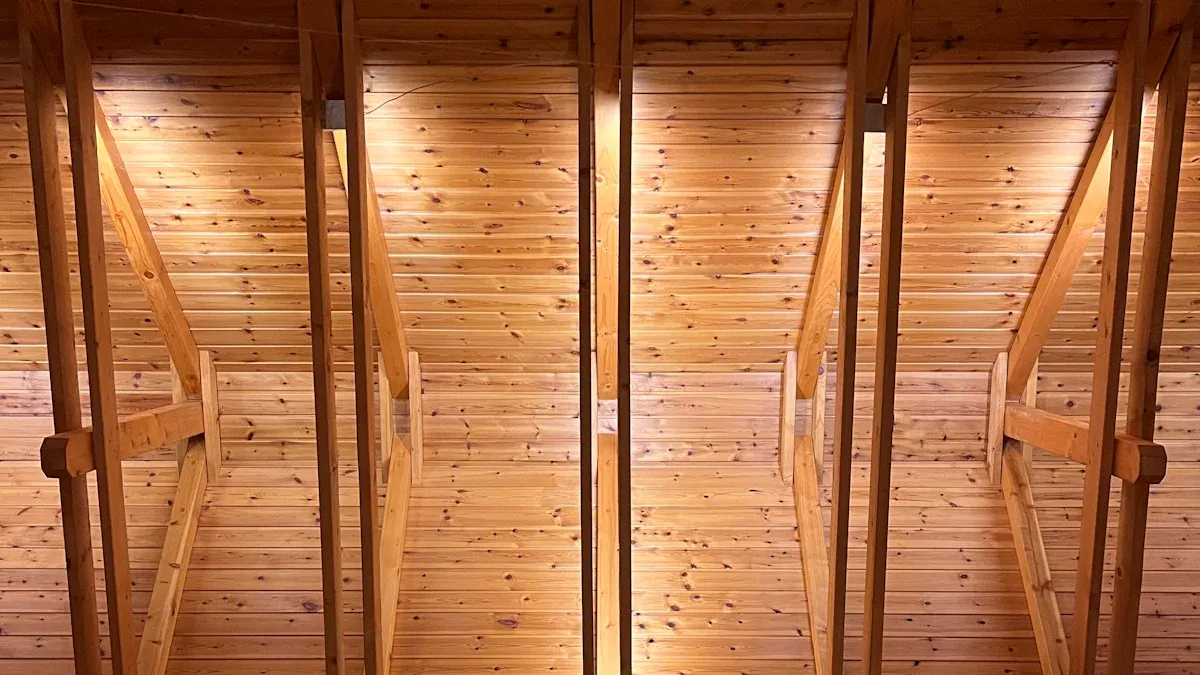
Picking good wood is important for your outdoor sauna. Some woods do better in bad weather. You want wood that can handle rain, snow, and heat. Here are some popular choices:
| Wood Species | Key Characteristics |
|---|---|
| Thermowood | It lasts longer because it gets special heat treatment. |
| Western Red Cedar | It has oils that stop water damage and rot. It works well in wet places. |
| Norway Spruce | It does not crack or shrink much when it gets cold. It is good for cold areas. |
If you pick cedar, your sauna can last many years. Barrel saunas often use Western Red Cedar, Canadian Hemlock, or Pine that is treated with heat. These woods fight off rot and bugs. If you take care of them, your sauna can last over 20 years.
Applying Wood Protection
You need to keep your sauna’s wood safe from weather. Rain, sun, and snow can hurt even strong wood. Use a special oil or stain that lets the wood breathe. Wood wax oil is good because it can handle heat and is safe for saunas. It keeps the wood safe in hot and wet places. Eco-friendly paint is another choice, but wood wax oil works better outside.
Tip: Always read and follow the instructions before using wood protection. Pick a wood oil with UV protection to keep your sauna looking new. Put it on again as needed, depending on your weather and the product.
Annual Oiling and Staining
Oiling and staining every year keeps your sauna wood strong and nice. Treat the outside wood once a year. This helps your sauna stand up to tough weather and sun. Here are some things you get from yearly oiling and staining:
| Benefit | Explanation |
|---|---|
| Protection from weather | Oiling and staining every year keeps the wood safe from bad weather that can ruin it. |
| UV protection | Taking care of the wood stops sun damage and keeps it from changing color. |
| Longevity of wood | Doing this often makes the wood last longer and look good. |
If you keep up with this, your sauna will look nice and last a long time.
Avoiding Interior Sealants and Hard Water
You might think sealing the inside is smart. Experts say not to do it. Sealants can let out bad chemicals when they get hot. These chemicals can make you feel sick or give you skin problems. Wood needs to breathe and soak up moisture. Sealants stop this and can cause mold or wood rot.
Hard water is also a problem. It has minerals like calcium and magnesium. These leave hard spots on your sauna. You will have to clean more, and your sauna may not look as good.
Note: Let the inside wood stay natural. Use soft water if you can. This makes cleaning easier and keeps your sauna safe and healthy.
Cleaning and Mold Prevention
Regular Sweeping and Wiping
You want your wood fired sauna to feel fresh every time you step inside. Dirt and sweat build up fast, especially if you use your sauna often. Make it a habit to sweep and wipe down all surfaces after each session. Pay extra attention to benches, backrests, walls, and floors. These spots collect the most grime and moisture. Don’t forget the heater area, since minerals can build up there.
Here’s a simple cleaning routine you can follow:
- Sweep the floor and corners weekly.
- Wipe benches, backrests, and walls after every use.
- Remove debris from under benches and around the heater.
- Keep the sauna door and vents open until everything dries out.
- Never leave damp towels inside.
Tip: If you use your sauna a lot, clean more often. Regular cleaning keeps your sauna safe and comfortable.
Deep Cleaning Schedule
Once a year, give your sauna a deep clean. This helps stop mold and keeps the wood looking good. You don’t need fancy tools. Use a soft-bristle brush or a mop with a removable head. Microfibre cloths work well for drying surfaces without leaving lint.
When you deep clean, avoid soaking the wood. Too much water can cause damage. Skip the hose and pressure washer. Instead, use a whisk broom and sheets to clean benches and walls. After cleaning, apply a protective layer to the wood if needed.
Try these natural cleaning solutions:
- Mix white vinegar with warm water to remove light stains.
- Make a baking soda paste for tough sweat marks.
Note: Disinfecting is important because the sauna’s humid air helps germs grow. Deep cleaning once a year keeps your sauna healthy.
Mold and Mildew Checks
Mold and mildew can sneak up on you. They love damp wood and warm air. Check for mold often, especially in corners and under benches. Look for dark spots, fuzzy patches, or a musty smell. If you spot mold, act fast.
Here’s what you can do:
- Scrub the area with a mold cleaner.
- Use a diluted bleach solution (1/4 cup bleach to 1 gallon water) for stubborn spots.
- Dry out the sauna completely after cleaning.
Keep air moving inside your sauna. Use a fan or dehumidifier if you don’t use the sauna much. Good air flow helps stop mold from coming back.
Alert: Mold can cause breathing problems and allergies. Regular checks and quick cleaning keep your sauna safe.
Safe Cleaning Products
Not all cleaners are safe for your sauna. Some products can damage wood or release harmful fumes when heated. Choose cleaners made for wood saunas. SaunaLife sauna cleaner and disinfectant works well. It breaks down dirt, grease, and mold. It also keeps your sauna smelling fresh.
Here’s a quick guide:
| Safe Products | Avoid These Products |
|---|---|
| SaunaLife sauna cleaner | Bleach or chlorine-based cleaners |
| White vinegar solution | Ammonia-based cleaners |
| Baking soda paste | Abrasive powders or scouring pads |
| Mild detergent | Furniture polish, varnish, polyurethane |
| Microfibre cloths | Pressure washers or excessive water |
Tip: Always read the label before using any cleaner. Stick to gentle products that won’t harm the wood or your health.
Keeping your wood fired sauna clean and mold-free doesn’t take much effort. With regular care, you’ll enjoy a safe and relaxing space for years.
Maintaining Sauna Components
Wood Fired Heater Care
Your wood fired sauna heater needs regular attention to stay safe and efficient. Clean the heater surfaces with a mild, non-toxic solution. This stops bacteria and residue from building up. Check the firebox and chimney for soot. Soot can block heat and make your sauna less effective. Arrange sauna stones so air can move easily and heat spreads evenly. Look at the wooden parts near the heater. If you see any weak panels, replace them right away.
Tip: Use cedar for the sauna interior. Cedar lasts longer and handles heat well.
Sauna Stones Maintenance
Sauna stones help your sauna heat up fast and stay warm. You should inspect the stones often. Look for cracks or chips. Replace stones every one to two years if you use your sauna normally. If you heat your sauna every day, change the stones once a year. Proper stone care keeps your sauna working smoothly.
- Check stones for damage each month.
- Replace stones if you see cracks or they look worn.
- Arrange stones to allow air to flow and heat to spread.
Door, Vents, and Windows
Doors, vents, and windows protect your sauna from leaks and warping. Make sure the glass in the door is secure. Clean it with glass cleaner when the sauna is cold. If the door jams, sand down rough edges for a better fit. Check the latch and hinges. Tighten loose screws or replace them if needed. For sliding fans, sand the edges lightly and tighten screws to reduce friction.
- Inspect doors and windows for gaps.
- Clean vents and remove debris weekly.
- Adjust hinges and latches for a tight seal.
Accessory Upkeep
Sauna accessories need care to stay clean and safe. Here’s a quick guide:
| Task | Frequency | Why It Matters |
|---|---|---|
| Wipe benches and walls | After each use | Stops sweat stains and bacteria buildup |
| Leave door open to dry | After each use | Reduces mold risk by 70% |
| Clean air vents | Weekly | Keeps airflow strong |
| Vacuum or sweep floor | Weekly | Prevents dust on components |
| Deep clean wood surfaces | Monthly | Maintains appearance and prevents damage |
| Test safety systems | Monthly | Prevents overheating |
Note: Always vent your sauna after use. Use a fan to help dry the wood faster.
Taking care of your sauna components means you get safe, relaxing sessions every time.
Exterior Protection and Placement
Weatherproofing Strategies
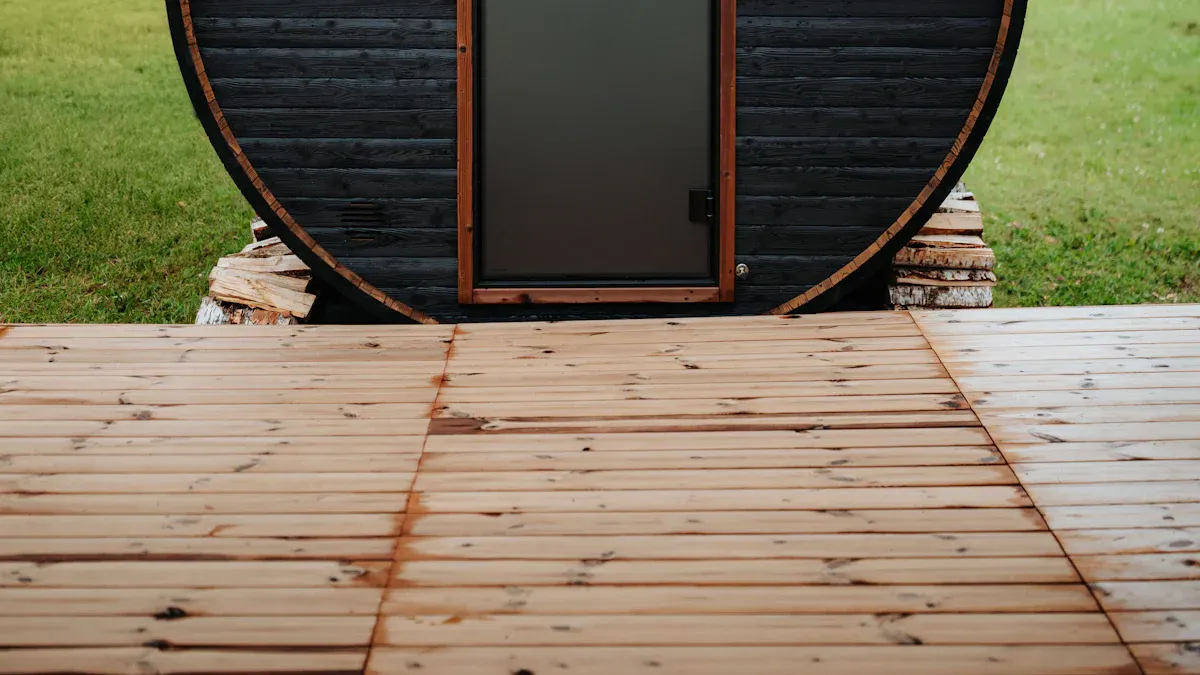
You want your wood fired sauna to stand strong through rain and snow. Start with high-quality materials like cedar wood. Cedar resists water and lasts for years. A metal roof helps keep water out and makes snow removal easy. During installation, add a vapor barrier to block moisture from getting inside. Regular maintenance matters too. Inspect insulation and apply wood wax oil every year. These steps protect your sauna from harsh weather and keep it looking fresh.
Top Weatherproofing Tips:
- Choose water-resistant wood such as cedar.
- Install a metal roof for better protection.
- Use a vapor barrier to stop moisture damage.
- Maintain insulation and reapply wood wax oil yearly.
Tip: Check your sauna after big storms. Early fixes prevent bigger problems later.
Best Location for Outdoor Saunas
Picking the right spot for your sauna makes a big difference. Place your sauna where it gets some shade. Shade keeps the surface cooler in summer. A stable, level foundation supports the structure and keeps it safe. Windbreaks like fences or bushes help block strong winds. This makes your sauna warmer and more comfortable. Leave space around the sauna for airflow and easy cleaning. Gravel or pavers under the base stop water from pooling. If you need power or water, set up near utility sources.
Location Checklist:
- Find a spot with natural shade.
- Build on a level, stable base.
- Add windbreaks for comfort.
- Leave room for airflow and maintenance.
- Use gravel or pavers under the sauna.
Note: Good placement helps your sauna last longer and saves you work in the future.
Long-Term Exterior Care
You need to watch for signs of wear on your sauna’s exterior. Check the framing and outside wood for fading or cracks from the sun. Look for loose screws, peeling varnish, or spots where water gets in. Fix these problems right away to stop bigger damage. Regular inspections help you catch issues early. Your sauna will stay strong and beautiful for years.
What to Monitor:
- UV damage or faded wood
- Warping, cracks, or stains
- Loose or weathered screws
- Peeling varnish
- Water leaks
Alert: Quick repairs keep your wood fired sauna safe and extend its life.
Safety and Professional Help
Routine Safety Checks
You want your wood fired sauna to be safe every time you use it. Regular safety checks help prevent accidents and keep everything working well. Here are some things you should look at often:
- Make sure the chimney and vents let smoke out. Good ventilation stops carbon monoxide from building up.
- Use dry, seasoned wood. Wet wood makes more smoke and can be dangerous.
- Keep a fire extinguisher close by. You never know when you might need it.
- Check the chimney for blockages or damage. A clean chimney works better and keeps you safe.
Tip: Write down your safety checks in a notebook. This helps you remember what you have done and what needs fixing.
Fire Safety Tips
Fire safety matters every time you heat your sauna. Before you go inside, check that everything is set up right. Here are some fire safety tips:
- Always follow safety steps before you enter your sauna.
- Never drink alcohol before using your sauna. Alcohol can make you dizzy or cause you to faint.
- Make sure the fire is out before you leave the sauna area.
Alert: If you ever smell smoke inside the sauna, leave right away and check for problems.
When to Call a Pro
Sometimes you need help from a professional. If you see any of these signs, call someone with experience:
- The stove does not work or fails to heat up.
- You notice big drops in heat or the sauna does not stay warm.
- You see cracks, warping, or other damage to the structure.
- Your sauna has been unused for a long time and needs an inspection.
| Sign to Watch For | What It Means |
|---|---|
| Stove failure | May need repair or replacement |
| Significant heat loss | Possible insulation or heater issue |
| Visible structural damage | Safety risk, needs expert attention |
| Long storage or inactivity | Inspection needed before use |
Note: Getting help early can save you money and keep your sauna safe for everyone.
Taking care of your wood fired sauna is simple when you stick to a routine. Wipe benches with a soft towel, leave the door open after each session, and check for mold often. Use sauna-safe oil on the wood every year and keep the base level and dry. Trim plants nearby and sweep the chimney yearly. When you follow these steps, you get a sauna that lasts longer and gives you peace of mind. Enjoy every relaxing moment!
FAQ
How often should you clean your wood fired sauna?
You should sweep and wipe surfaces after every use. Deep clean once a year. If you use your sauna a lot, clean more often. Regular cleaning keeps your sauna fresh and safe.
What oil or stain works best for outdoor sauna wood?
Pick a sauna-safe wood oil with UV protection. Wood wax oil works well for outdoor saunas. Always check the label to make sure it is safe for high heat and moisture.
Can you use regular household cleaners inside your sauna?
No, you should not use regular cleaners. Many release fumes or damage wood. Use mild detergent, white vinegar, or sauna-specific cleaners. These keep your sauna safe and smelling fresh.
How do you prevent mold in your sauna?
Keep the sauna dry after each use. Leave the door open and use a fan if needed. Check for mold often. Clean any spots right away with a safe cleaner.
When should you call a professional for sauna maintenance?
Call a pro if you see cracks, warping, or stove problems. If your sauna does not heat up or has been unused for a long time, get an expert to inspect it.