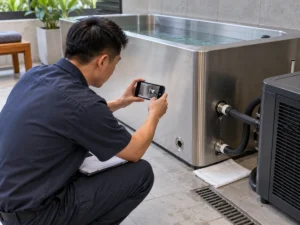
Kurzantwort: Sortiment nach Kundenaufgaben aufbauen, nicht nach Modellanzahl
Ein starkes Außensauna-Sortiment beginnt bei den Kunden und Projekten, die ein Distributor tatsächlich bedient – nicht bei einer Zielanzahl an Modellen.
Definieren Sie die Käuferaufgabe, die Kabinenbauweise, Standort und Klima, den elektrischen Kontext, den Lieferweg, die Dokumentation und den lokalen Support, bevor Sie entscheiden, welche Produkte einen dauerhaften Platz im Sortiment verdienen. Jede SKU sollte ein eigenes Problem lösen oder eine klare Portfolio-Rolle erfüllen. Wenn zwei Produkte im Wesentlichen dieselbe Käuferaufgabe bedienen, aber unterschiedliche Schulungen, Ersatzteile, Dokumente oder Logistik erfordern, kann das größere Sortiment mehr Komplexität als Wert schaffen.
Für Distributoren sollte ein nutzbares Sortiment drei Fragen beantworten:
- Für wen ist dieses Produkt gedacht?
- Kann es im Zielmarkt wiederholt angeboten, geliefert, installiert und unterstützt werden?
- Welches Kunden- oder Projektproblem löst es, das das aktuelle Sortiment noch nicht abdeckt?
Das ist eine verlässlichere Grundlage für die Planung eines Außensauna-Sortiments als einfach mehr Modelle zu führen.
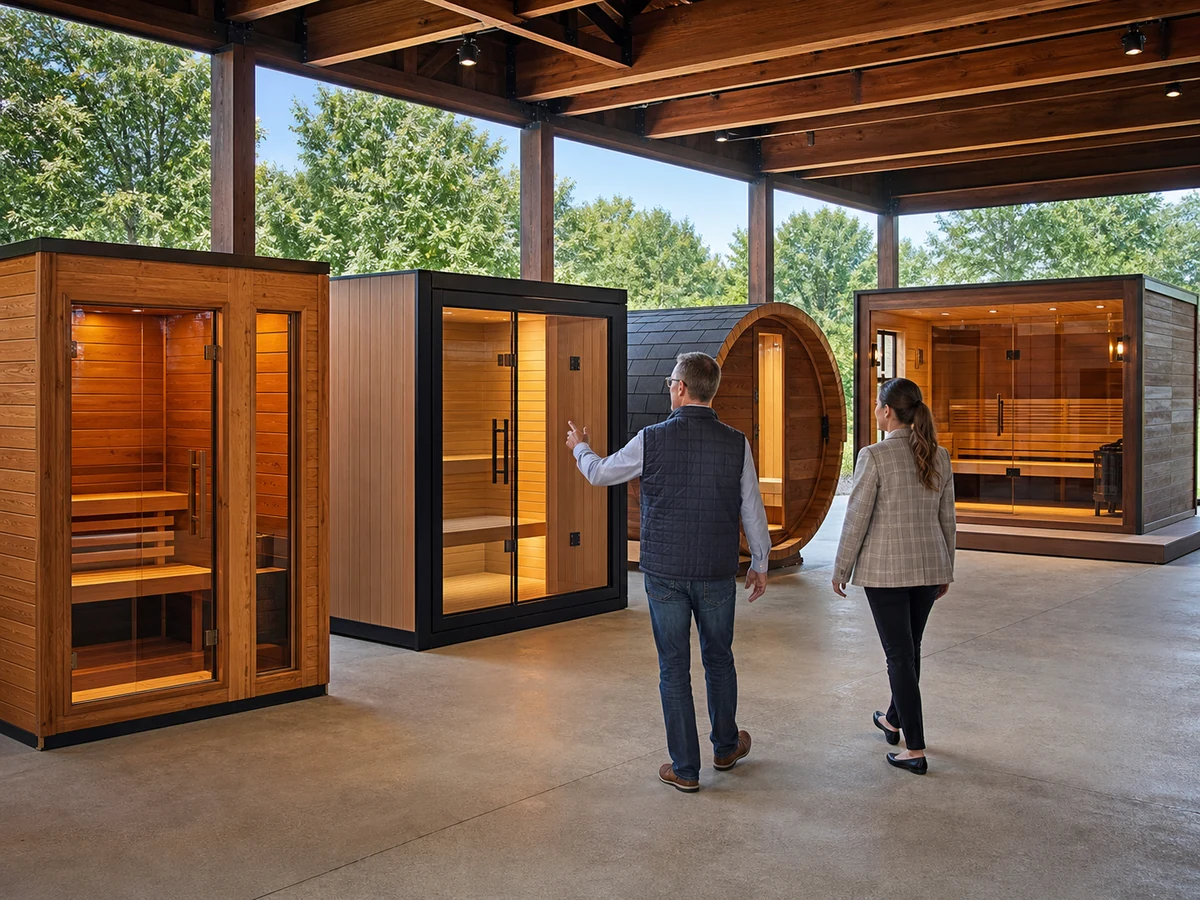
Marktzellen festlegen, bevor Außensauna-Modelle ausgewählt werden
Nicht mit einer Produktliste beginnen.
Mit den Marktzellen beginnen, die der Distributor bedienen will: private Gartenprojekte, Resorts und Hotels, Fitnessstudios und Recovery-Bereiche, Glamping-Plätze, Händler-Showrooms, kompakte urbane Installationen oder andere klar definierte Anwendungen.
Ein Marktsegment ist hilfreicher als eine allgemeine Käuferkategorie, weil es die Frage, wer kauft, damit verbindet, wo und wie das Produkt verkauft, installiert und betreut wird.
Beispielsweise bestimmt “Hotel” allein nicht das richtige Sortiment. Zwei Hospitality-Projekte können unterschiedliche Klimazonen, Elektrosysteme, Zufahrtsmöglichkeiten, Dokumentationsanforderungen und lokale Servicefähigkeiten haben.
Qualifizierungsmatrix für Marktzellen
| Eingabe | Was zu definieren ist | Warum es das Sortiment verändert |
|---|---|---|
| Zielmarkt | Land oder Vertriebsregion | Anforderungen am Zielort und elektrischer Kontext können abweichen |
| Aufgabe des Käufers | Privatgarten, Hotellerie, Glamping, Fitnessstudio, Ausstellungsraum oder andere Nutzung | Definiert das Problem, das die Produktreihe lösen muss |
| Vertriebskanal | Projektverkauf, Ausstellungsraum, Lagerprogramm oder Händlernetz | Verändert, wie viele Informationen vor dem Verkauf bereitstehen müssen |
| Standort und Klima | Regen, Wind, Frost, Küstenluft, Sonneneinstrahlung und Entwässerung | Verändert die Prüfung von Standort und Gehäuse |
| Versorgungsanschlüsse | Spannung, Frequenz, Phase und bekannter elektrischer Kontext | Verhindert, dass ein öffentlich angegebener Ofenwert zu einer endgültigen elektrischen Annahme wird |
| Lieferung | Zugang, Handhabung, Entladung und Lagerung | Kann ein ansonsten geeignetes Produkt ausschließen |
| Dokumentation | Zeichnungen, Handbücher, Etiketten, Verpackungsinformationen und Zielmarkt-Anforderungen | Beeinflusst Angebot und Bestellbereitschaft |
| Serviceroute | Händler, Installateur, lokaler Partner oder ein anderer definierter Verantwortlicher | Bestimmt, ob das Produkt nach der Installation unterstützt werden kann |
| Bestellmuster | Ausstellungsstück, Projektbestellung, Wiederholungsbestellung oder ein anderes Muster | Hilft, einen strategischen Sortimentsartikel von einer Einzelanfrage zu unterscheiden |
| Offene Positionen | Alles, was noch unbekannt ist | Hält Annahmen sichtbar, statt sie in Spezifikationen umzuwandeln |
Ein sinnvolles Sortiment beginnt daher mit einer Markt- und Support-Übersicht, nicht mit einer Modellanzahl.
Wenn der Distributor die Käuferaufgabe, die Marktbedingungen und die Support-Route für ein vorgeschlagenes Produkt noch nicht beschreiben kann, kann dieses Produkt ein Kandidat bleiben, ohne als vollständig etablierter Sortimentsartikel behandelt zu werden.

Jeder SKU eine primäre Portfolio-Rolle zuweisen
Jedes Außensauna-Modell im Sortiment sollte einen Grund haben, dort zu sein.
Dieser Grund sollte für den Käufer relevant sein – nicht einfach ein anderer Modellname oder eine kleine optische Variante.
Ein Produkt kann einen Platz verdienen, weil es einen kompakten Standort, eine größere Nutzergruppe, eine bestimmte Kabinenpräferenz, eine andere Lieferbeschränkung oder eine spezifisch geforderte Wärmekonfiguration bedient.
Jede Portfolio-Route einer Käuferaufgabe zuordnen
Bevor ein Governance-Status wie Core oder Hold vergeben wird, sollte definiert werden, welche Aufgabe die Route für den Käufer erfüllen soll. Eine SKU kann strategisch wichtig sein wegen der Kundenaufgabe, die sie bedient, noch bevor der Distributor entscheidet, wie breit sie bevorratet, präsentiert oder beworben wird.
| Portfolio-Rolle | Beste passende Käuferaufgabe | Was zu prüfen ist |
|---|---|---|
| Einstiegs- und Präsentationsweg | Händler-Showroom und einfache Residential-Shortlist | Klare Visuals, stabiles Angebotspaket und eine Support-Story, die das Vertriebsteam konsistent erklären kann |
| Kompakter Standortweg | Kleine Terrassen, Glamping-Einheiten oder Projekte mit eingeschränktem Zugang | Stellfläche, Liefermaß, elektrischer Kontext und Serviceabstand |
| Signature-Außenroute | Resort-, Garten- oder Destination-Wellness-Projekte | Witterungsbereich, Kapazität, Fundament-Schnittstelle und lokaler Installationsplan |
| Hybrid-Konfigurationsweg | Projekte mit einem definierten Bedarf an einer spezialisierten Hybrid-Heizkonfiguration | Zulässiges Betriebskonzept, Steuerungen, elektrische Last, Lüftungsannahmen und Benutzeranweisungen |
Anschließend einordnen, wie jede SKU gesteuert werden soll
| Portfolio-Rolle | Wann es sinnvoll ist | Was klar sein muss |
|---|---|---|
| Kern | Deckt eine wiederkehrende Käuferaufgabe im Zielmarkt ab | Produktverantwortlicher, Dokumentation, Liefer- und Supportweg |
| Unterstützend | Deckt einen Bedarf ab, den das Kernsortiment nicht löst | Der Unterschied ist wesentlich und nicht nur kosmetisch |
| Pilotkandidat | Potenzieller Bedarf besteht, aber Markt- oder Supportannahmen müssen noch validiert werden | Offene Punkte bleiben sichtbar und kontrolliert |
| Zurückhalten | Kritische Eingaben bleiben ungeklärt oder das Produkt überschneidet sich stark mit dem aktuellen Sortiment | Nicht zwanghaft ins Sortiment aufnehmen |
“Pilotkandidat” ist in diesem Leitfaden ein Planungslabel, kein formaler HACHILL-Programmstatus.
Vor der Aufnahme einer weiteren SKU einen Überschneidungstest durchführen
Stellen Sie eine einfache Frage:
Wenn dieses Modell aus dem vorgeschlagenen Sortiment entfernt würde, welche Kundenentscheidung wäre dann schwieriger zu treffen?
Eine sinnvolle Ergänzung sollte mindestens eine aussagekräftige Unterscheidung bewahren, wie zum Beispiel:
- eine andere Umhausung oder Standortbeschränkung;
- eine andere Kapazität oder Projektrolle;
- eine andere Liefer- oder Zugangslösung;
- eine klar definierte Heizanforderung;
- abweichender Käufer- oder Supportbedarf.
Wenn das Entfernen eines Modells aus Sicht des Käufers das Sortiment kaum verändert, fügt es möglicherweise operative Komplexität hinzu, ohne eine sinnvolle Kundenlösung zu bieten.
Das ist wichtig, weil jede zusätzliche SKU mehr Arbeit verursachen kann bei Vertriebsschulung, Angeboten, technischer Erklärung, Zeichnungen und Dokumenten, Ersatzteilidentifikation, Verpackung und Lieferung, Installationskoordination, After-Sales-Support und Änderungskontrolle bei Wiederholungsbestellungen.
Mehr Auswahl ist für sich genommen nicht genug. Ein breiteres Sortiment benötigt für jede zusätzliche SKU einen klaren Käufer- oder Projektgrund.
Kabinenbauweise von Heizkonfiguration trennen
Die Planung des Sortiments für Außensaunen wird klarer, wenn zwei unterschiedliche Entscheidungen nicht vermischt werden.
Im aktuellen HACHILL-Konzept für Außensaunen sind Barrel, Cube und Outdoor Cabin Gehäuseformen. Hybrid Outdoor bezeichnet eine spezialisierte Heizkonfiguration und keine vierte Gehäuseform.
Zuerst die Gehäusevariante wählen
Das Gehäuse sollte die Anforderungen von Standort, Layout und Käufer lösen.
Fasssauna
Eine Fasssauna-Variante kann in die engere Auswahl kommen, wenn geschwungene Geometrie, Außenpräsentation und die verfügbare Fasssauna-Modellreihe zu Standort und Nutzergruppe passen. Genaue Modelldetails gehören auf die jeweiligen Fasssauna-Produktseiten und sollten nicht als kategorieweite Spezifikation behandelt werden.
Außensaunakabine
Eine Saunakabinen-Variante bietet eine konventionelle, raumähnliche Geometrie, doch einzelne Modelle haben weiterhin eigene Proportionen, Zugangs-, Dach- und Standortanforderungen. Allein die Kapazität sollte nicht die Auswahl bestimmen.
Cube-Sauna
Cube-Sauna-Varianten können zu modernen, designorientierten Projekten passen, doch Modelle mit derselben vermarkteten Kapazität können dennoch unterschiedliche Produkthüllen haben. Ein Vergleich von Standort und Modell bleibt erforderlich.
Dann entscheiden, ob das Projekt tatsächlich Hybrid benötigt
Hybrid sollte eine zweite Entscheidungsachse sein.
Die bessere Reihenfolge ist:
- Welche Bauform des Saunaraums passt zum Projekt?
- Hat das Projekt einen tatsächlichen Bedarf an einer spezialisierten Hybrid-Wärmekonfiguration?
Eine Hybrid-Route sollte nicht allein deshalb aufgenommen werden, weil ein Distributor einen weiteren “Typ” im Katalog wünscht.
Wenn Hybrid für das Projekt relevant ist, müssen Betriebskonzept, Geräte, Steuerung, elektrische Last, Lüftungsannahmen und Benutzeranweisungen für die gewählte Konfiguration noch festgelegt werden. Nutzen Sie die Kategorie Hybrid-Außensaunen, wenn diese spezialisierte Lösung passt.
Zweiachsige Sortimentslogik
| Entscheidungsachse | Frage für Distributoren |
|---|---|
| Gehäuse | Passt Fasssauna, Cube-Sauna oder Außensaunakabine am besten zum Standort und zur Aufgabe des Käufers? |
| Heizkonfiguration | Erfordert das Projekt die zutreffende Standardausführung oder eine spezifisch definierte Hybrid-Konfiguration? |
Diese Unterscheidung verhindert, dass Hybrid verglichen wird, als wäre es einfach eine weitere Gehäuseform.
Klima, Versorgungsanschlüsse und Marktkompatibilität vor der Sortimentsfreigabe prüfen
Eine Außensauna, die für einen Markt passt, ist nicht automatisch für einen anderen bereit.
Klima, Versorgungsanschlüsse, Installationspraktiken, Zielmarktanforderungen und Servicefähigkeit können alle verändern, was ein Distributor zuverlässig anbieten und unterstützen kann.
Die tatsächliche Exposition prüfen, nicht nur das Klima-Label
“Kaltes Klima”, “feuchtes Klima” oder “Küstenmarkt” ist zu pauschal für eine endgültige Entscheidung.
Nützliche Prüfungsangaben sind:
- direkter und windgetriebener Regen;
- Frost- oder Frost-Tau-Bedingungen;
- Schnee und Oberflächenwasser;
- Küstenexposition;
- direkte Sonneneinstrahlung;
- Fundament- und Entwässerungsbedingungen;
- Servicezugang nach der Installation.
Nutzen Sie den Leitfaden zu Klimaanforderungen für Außensaunen, wenn die Witterungseinflüsse im Projekt genauer geprüft werden müssen, und die Checkliste zur Wetterbeständigkeit von Außensaunen, wenn Dach, Entwässerung, Öffnungen und Anschlüsse am Unterbau besondere Aufmerksamkeit benötigen.
Diese Angaben sind für die Sortimentsprüfung nützlich, dürfen aber nicht in unbelegte Aussagen über eines bestimmten HACHILL-Modells’ Windklasse, Lebensdauer oder Wetterbeständigkeitszertifizierung umgewandelt werden.
Elektrische Kompatibilität erfordert eine separate Prüfung
Eine öffentliche Heizleistungsreferenz ist keine vollständige elektrische Auslegung.
Bevor ein Produkt Teil eines aktiven regionalen Sortiments wird, identifizieren Sie die relevanten:
- Heizgerät oder Heizausrüstung;
- Spannung;
- Häufigkeit;
- Phase;
- Steuerungsanordnung;
- Montageweg;
- örtliche fachliche oder behördliche Prüfung.
Es gibt außerdem eine wichtige Abgrenzung zwischen Geräteanforderungen und Anforderungen an die Elektroinstallation.
IEC 60335-2-53 behandelt besondere Sicherheitsanforderungen für Sauna-Heizgeräte und Infrarotkabinen. IEC 60364-7-703 gilt für elektrische Installationen in Saunaräumen und -kabinen im angegebenen Geltungsbereich und schließt vorgefertigte Saunakabinen aus, die einer relevanten Gerätenorm entsprechen. Diese Geltungsbereichsgrenze ist der Grund, warum sie nicht als universelle Installationsregel für jede Saunakonfiguration behandelt werden sollte.
Für Händler lautet die nützliche Frage nicht „Führt dieses Modell eine Heizleistung auf?“, sondern:
Kann dieses ausgewählte Produkt und die Heizkonfiguration im elektrischen Kontext des Zielmarkts dokumentiert und installiert werden?
Zielortanforderungen zielortspezifisch halten
Anforderungen, die für einen Markt gefunden wurden, dürfen nicht stillschweigend zu globalen Anforderungen werden.
Der Access2Markets-/EU-Importleitfaden der Europäischen Kommission bietet beispielsweise EU-spezifische Informationen zu Zöllen, Ursprungsregeln, Einfuhrverfahren und Produktanforderungen. Deshalb ist die Prüfung des Zielmarkts wichtig; die EU-Anforderungen gelten dadurch jedoch nicht weltweit.
Eine sinnvolle Reihenfolge für die Freigabe zur Sortimentsaufnahme ist:
Klima → Versorgungsanschlüsse → Installationsweg → Zielanforderungen → Produktdokumente → READY oder HOLD
Wenn ein kritischer Eingangswert ungeklärt ist, halten Sie ihn sichtbar, statt ihn durch eine Annahme zu ersetzen.
Service- und Logistikaufwand messen, bevor das Sortiment erweitert wird
Die Sortimentsplanung endet nicht mit dem Verkauf. Der Distributor braucht weiterhin wiederholbare Abläufe für Angebotserstellung, Warenannahme, Installation, Produkterklärung, Wartung und Nachbestellung. Deshalb sind Gemeinsamkeiten bei Service und Support ein wichtiger Aspekt der Sortimentsentscheidung.
Die tatsächliche Supportlast überprüfen
Erfinden Sie keine numerische „Support-Punktzahl“. Prüfen Sie die tatsächliche Arbeit.
| Aspekt des Supports | Frage |
|---|---|
| Produktwissen | Erfordert diese SKU eine andere Vertriebs- oder technische Erläuterung? |
| Installation | Führt es eine neue Installationsstrecke oder Gewerkeschnittstelle ein? |
| Ersatzteile | Erfordert es eine andere Kennzeichnung oder Lagerlogik? |
| Dokumentation | Entsteht Mehraufwand für Handbücher, Etiketten oder Dokumente für das Bestimmungsland? |
| Lieferung | Sind Verpackungs-, Entlade- oder Zugangsanforderungen wesentlich unterschiedlich? |
| After-Sales | Ist die Zuständigkeit für Fehlerbehebung und Eskalation klar? |
Ein neues Modell muss nicht mit der aktuellen Produktpalette identisch sein. Das Ziel ist zu verstehen, welchen zusätzlichen Unterstützungsaufwand der Distributor bewusst übernimmt.
Supportprüfungen in kundenrelevante Ergebnisse übersetzen
Die interne Support-Prüfung sollte etwas hervorbringen, das die Vertriebs-, Installations- und After-Sales-Teams tatsächlich nutzen können. Übersetzen Sie diese Prüfung in Ergebnisse, die diese Teams bei Angebot, Lieferung, Installation und After-Sales-Support konsistent anwenden können.
| Prüfen | Warum das wichtig ist | Käuferorientierte Ausgabe |
|---|---|---|
| Gemeinsame Teile und Schulungen | Reduziert Supportkomplexität | Servicehinweise des Händlers und ein definierter Ersatzteilplan |
| Lieferumfang | Verhindert Zugriffsfehler | Anforderung an die Routenprüfung, wenn große Packstücke, Module oder vormontierte Einheiten sie benötigen |
| Dokumentationspaket | Unterstützt präzise Angebote | Modellzeichnungen, Handbücher und klare Optionsgrenzen |
| Produktaussagen und Ersatzvorschläge | Verhindert unbegründete Versprechen | Ein klarer Prozess zur Prüfung und Freigabe von Alternativen, bevor sie als gleichwertig dargestellt werden |
Logistik nicht allein anhand der installierten Stellfläche planen
Eine Sauna kann zum endgültigen Standort passen, aber dennoch an der Lieferroute scheitern.
Bevor ein Produkt als einfach zu unterstützen eingestuft wird, prüfen Sie die tatsächliche Bestellung’s:
- Verpackungs- oder Modulabmessungen;
- Entlademethode;
- Tore und enge Durchgänge;
- Bögen und Gefälle;
- Beschränkungen der Durchfahrtshöhe;
- Zwischenlagerung;
- Handhabungsgeräte;
- Witterungsschutz während der Lieferung.
Exportverpackungsanforderungen konditional halten
ISPM 15 ist ein gutes Beispiel dafür, warum Logistikvorschriften einen Geltungsbereich benötigen.
Der IPPC-/ISPM-15-Standard gilt für bestimmte Holzverpackungsmaterialien im internationalen Handel und nennt Ausnahmen, etwa bestimmte verarbeitete Holzmaterialien. Daraus lässt sich nicht ableiten, dass jede HACHILL-Saunalieferung automatisch eine ISPM-15-Behandlung benötigt.
Die richtige Frage an den Händler lautet:
Welches Verpackungsmaterial wird tatsächlich verwendet, und was verlangt der Bestimmungsort?
Wiederholbestellungen erfordern weiterhin Änderungskontrolle
Eine erfolgreiche Erstbestellung sollte nicht zur dauerhaften Annahme werden, dass alle künftigen Bestellungen identisch sind.
Überprüfen Sie die Bestellung erneut, wenn sich Modell, Komponente, Konfiguration oder Option, Dokumentation, Verpackung, Zielortanforderung, Servicevereinbarung oder kommerzieller Umfang wesentlich ändern.
Ein nützliches Betriebsprinzip ist:
Erste freigegebene Bestellung ≠ dauerhaft fixierte Spezifikation.
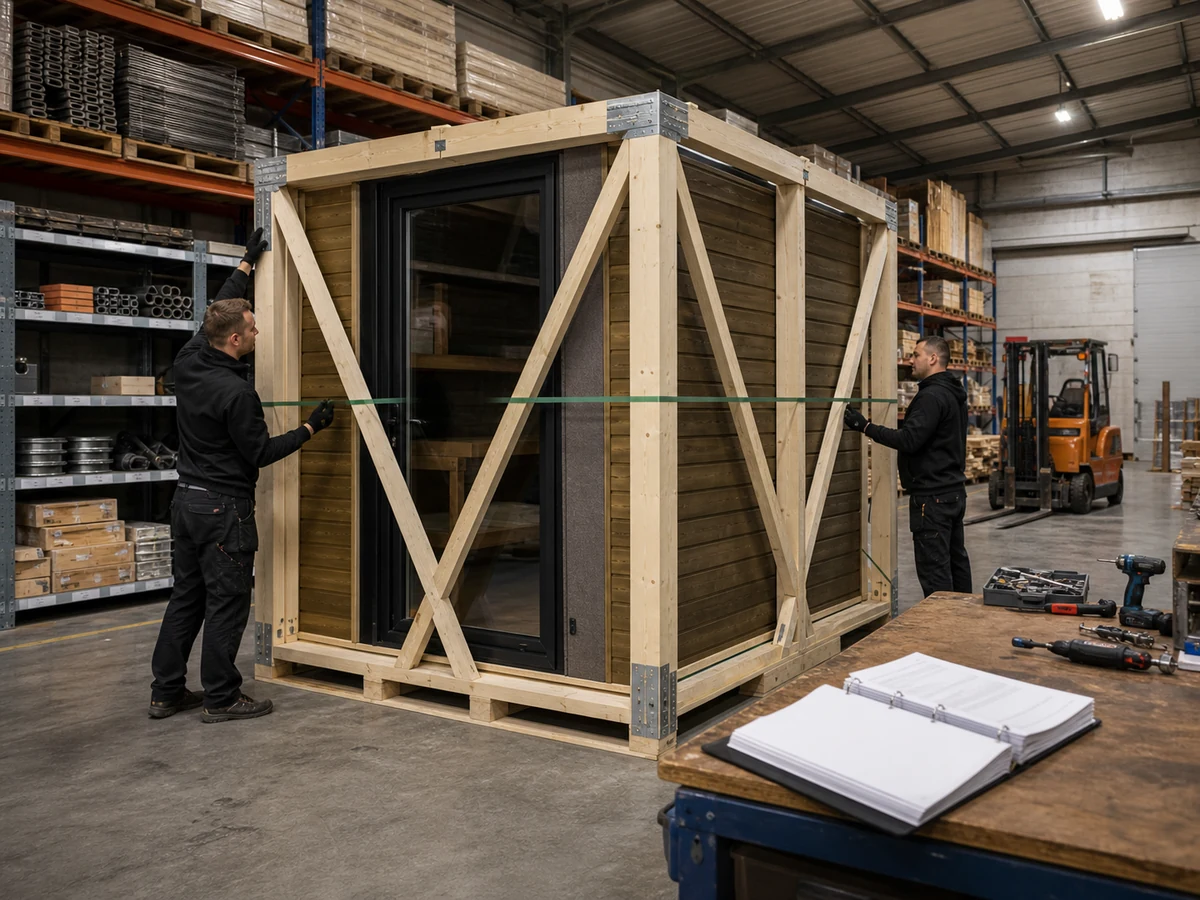
Die Sortimentsanfrage (RFQ) als Freigabegate nutzen
Eine Distributor-RFQ sollte mehr tun, als eine Liste von Modellnamen zu senden.
Es sollte genügend Informationen enthalten, um festzustellen, ob eine vorgeschlagene Route angebotsreif ist, ob noch Nachweise fehlen oder ob ein Produkt weiterhin zurückgestellt bleiben sollte.
RFQ-Angaben für das Außensauna-Sortiment
| RFQ-Eingabe | Was bereitzustellen ist |
|---|---|
| Zielmarkt | Land oder Vertriebsregion |
| Käufersegmente | Wohn-, Hospitality-, Glamping-, Fitnessstudio-, Showroom- oder andere Gruppen |
| Vertriebskanal | Projektverkauf, Lagerbestand, Showroom, Händlernetz oder ein anderer Weg |
| Aktuelles Sortiment | Bestehende Einhausung und Wärmewege |
| Vorgeschlagene Ergänzungen | In Betracht gezogene Produkte oder Kategorien |
| Klima | Relevante Regen-, Wind-, Frost-, Küsten-, Solar- und Entwässerungsbedingungen |
| Versorgungsanschlüsse | Spannung, Frequenz, Phase und Installationskontext |
| Lieferung | Typische Zugangs-, Entlade- und Lagerbedingungen |
| Service | Installateur, Distributor, Partner oder anderer After-Sales-Verantwortlicher |
| Dokumentation | Zeichnungen, Handbücher, Kennzeichnungen, Verpackungsdaten und Bedarf an Marktdokumenten |
| Displayplan | Ob die Route für Ausstellungspräsentation, Demonstration, Projektangebot oder einen anderen Vertriebszweck vorgesehen ist |
| Erwartete Mengen | Erst-, Projekt- oder Wiederholungsbestellschätzung bzw. -prognose, getrennt von jeder unbestätigten kommerziellen Verpflichtung gehalten |
| Branding-Anforderungen | Jegliche angeforderte Branding- oder Kennzeichnungsanforderung für die kommerzielle Prüfung; gehen Sie nicht von einer Private-Label-Genehmigung aus |
| Bestellmuster | Display-, Projekt-, Wiederholungs- oder erwartetes Bestellmuster |
| Offene Positionen | Alles, was noch nicht bestätigt ist |
Checkliste zur Sortimentsfreigabe
- Ist die Marktzelle definiert?
- Hat die SKU eine eigenständige Rolle?
- Ist die Klassifizierung von Gehäuse / Wärmeweg korrekt?
- Sind die Standort-, Klima- und Versorgungsbedingungen ausreichend verstanden?
- Sind Fragen zu den Bestimmungsdokumenten identifiziert?
- Sind Lieferung und Verpackung ausreichend geklärt, um ein Angebot abzugeben?
- Ist die Zuständigkeit für Installation und Service geklärt?
- Sind ungelöste Punkte klar dokumentiert?
Wenn die wesentlichen Ausgangsdaten vorliegen, kann sich das Produkt dem Status VORAUSWAHL / BEREIT FÜR DIE ANGEBOTSANFRAGE nähern.
Wenn kritische Eingaben fehlen, verwenden Sie HOLD / FEHLENDE ANGABEN ANFORDERN statt zu raten.
Beispiel: Sollte eine weitere SKU hinzugefügt werden?
Nehmen Sie an, dass ein Distributor bereits eine Außensauna führt, die seine wichtigsten Privat- und Showroom-Käufer abdeckt.
Ein zweites Modell wird vorgeschlagen.
Fragen Sie nicht nur, ob das Modell anders aussieht. Fragen Sie:
- Löst es eine andere Anforderung an Gehäuse, Kapazität, Standort oder Beheizung?
- Unterstützt der Zielmarkt seinen elektrischen Versorgungsweg?
- Kann es typische Kundenstandorte erreichen?
- Sind die erforderlichen Dokumente verstanden?
- Kann das lokale Team die Installation und After-Sales-Fragen unterstützen?
- Dupliziert es ein Produkt, das bereits im Sortiment ist?
Wenn mehrere dieser Fragen ungeklärt bleiben, kann das Produkt weiterhin unter Prüfung bleiben.
Das bedeutet nicht, dass das Produkt ungeeignet ist. Es bedeutet, dass die Nachweise noch nicht stark genug sind, um es als etablierten Sortimentsartikel zu behandeln.
Sortimentsplanung und Ernennung zum Distributor getrennt behandeln
Eine Überprüfung des Produktsortiments bestätigt nicht automatisch die Bestellung als Vertragshändler, Gebietsrechte, Exklusivität, Preisgestaltung, MOQ, Private-Label-Genehmigung oder OEM-Bedingungen.
Diese Punkte gehören in die gesonderte kaufmännische Prüfung. Nutzen Sie das HACHILL-Distributorenprogramm, sobald es um die Eignung als Vertriebspartner und die kaufmännischen Voraussetzungen geht.

Häufig gestellte Fragen
Wie viele Außensauna-Modelle sollte ein Distributor führen?
Es gibt keine universelle Anzahl. Führen Sie genügend Modelle, um unterschiedliche Kunden- und Projektaufgaben abzudecken, ohne unnötige Überschneidungen oder Supportlast zu erzeugen. Rollenklarheit, Marktpassung und Supportfähigkeit sind wichtiger als die Kataloggröße.
Sollte jeder Distributor Barrel-, Cabin-, Cube- und Hybrid-Saunen führen?
Nein. Barrel, Outdoor Cabin und Cube sind Gehäusevarianten und sollten nach Bedarf, Standortpassung und Unterstützungsfähigkeit ausgewählt werden. Hybrid Outdoor ist eine spezialisierte Heizkonfiguration und sollte in Betracht gezogen werden, wenn ein Projekt tatsächlich diese Betriebsart erfordert.
Was ist eine weniger komplexe erste Auswahl?
Beginnen Sie mit einem schmalen Sortiment, bei dem Käuferrollen, Dokumente, Lieferwege und Serviceverantwortlichkeiten klar sind. Erweitern Sie es, wenn echte Anfragen, Angebotsmuster und Support-Erfahrungen zeigen, dass ein anderes Produkt eine klar abgegrenzte Lücke füllt.
Wann sollte ein Distributor eine weitere SKU aufnehmen?
Fügen Sie ein Produkt hinzu, wenn es eine Kundenaufgabe, eine Umhausungsbeschränkung, eine Kapazitätsanforderung, ein Standortproblem oder einen Heizbedarf löst, die das aktuelle Sortiment noch nicht abdeckt – und wenn der Dokumentations-, Liefer- und Supportweg etabliert werden kann.
Wann sollte das Sortiment erneut überprüft werden?
Prüfen Sie sie, wenn sich relevante Eingaben ändern, statt sich nur auf ein willkürliches Kalenderintervall zu verlassen. Änderungen bei Modellen, Komponenten, Dokumenten, Verpackung, Zielortanforderungen, Supportvereinbarungen oder wiederkehrender Käufernachfrage sind praktische Auslöser für eine erneute Prüfung.
Offizieller Referenzumfang
- IEC 60335-2-53 behandelt besondere Anforderungen an Saunaheizgeräte und Infrarotkabinen. Sein Geltungsbereich zertifiziert kein HACHILL-Produkt und ersetzt nicht die marktspezifische Anwendbarkeitsprüfung.
- IEC 60364-7-703 behandelt Elektroinstallationen in Räumen und Kabinen mit Saunaheizgeräten innerhalb seines angegebenen Geltungsbereichs und schließt vorgefertigte Saunakabinen aus, die einer relevanten Gerätenorm entsprechen. Die lokale Übernahme und die tatsächliche Installation bestimmen weiterhin die Anwendbarkeit.
- Importleitfaden der Europäischen Kommission / Access2Markets ist ein Beispiel für eine zielortspezifische Prüfung von Import- und Produktanforderungen für die EU; es ist keine globale Regel.
- IPPC / ISPM 15 definiert den Geltungsbereich phytosanitärer Maßnahmen für Holzverpackungsmaterial im internationalen Handel; die Anwendbarkeit hängt vom tatsächlichen Verpackungsmaterial und vom Zielort ab.
Vorbereitung einer Außensauna-Sortimentsprüfung
Bevor Sie eine Sortimentsprüfung anfordern, bereiten Sie die Zielmärkte, Käufersegmente, den Vertriebskanal, aktuelle und vorgeschlagene Produktrollen, Klima, Versorgung, Lieferbedingungen, Serviceweg, erwartetes Bestellmuster und Dokumentationsbedarf vor.
Bestätigte Informationen von offenen Punkten trennen.
Das gibt HACHILL eine klarere Grundlage, um Wege, die für die Angebotserstellung bereit sind, von Punkten zu unterscheiden, die noch Produkt-, Markt-, Logistik- oder Dokumentationsprüfung erfordern.