Comece pelos locais ao ar livre que seus clientes trazem repetidamente ao balcão. Essas condições recorrentes de acesso, utilidades, água, exposição e manutenção devem definir quais famílias de produtos pertencem ao mix.
Sauna externa, banheira de imersão fria e banheira aquecida a lenha podem fazer parte de uma única oferta de varejo, mas cada uma gera uma conversa inicial diferente sobre o local e uma carga operacional diferente após a venda.
Use o padrão recorrente de local como filtro e depois avalie se o negócio consegue receber o produto, explicar suas questões básicas de local e encaminhar problemas pós-entrega sem adivinhar respostas técnicas.
As três famílias compartilham uma única decisão de sortimento; seus dados técnicos, sistemas fornecidos e requisitos de local permanecem separados.
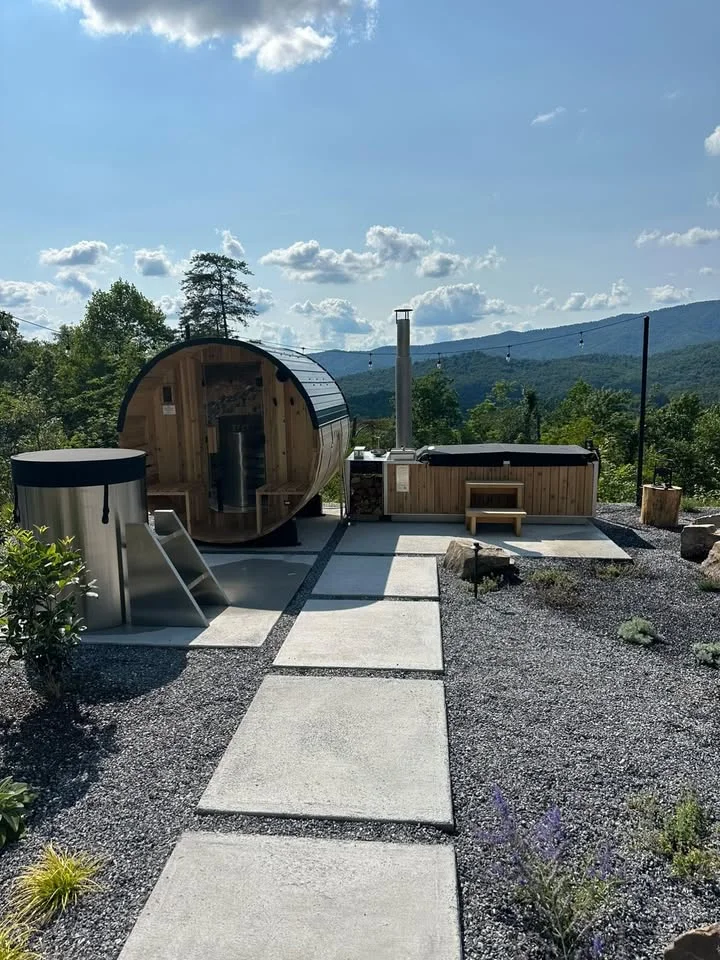
Apenas contexto de local ao ar livre misto. A imagem não confirma a identidade exata do modelo, sistemas incluídos, estoque, projeto do local, aprovação local ou o escopo comercial de um pedido futuro.
Esta página não projeta a propriedade de um cliente. Ela busca condições recorrentes que alteram se uma família é prática para o varejista estocar, entregar e dar suporte.
Registre o tipo de cliente, o mercado de destino, o tipo de imóvel comum, o padrão de espaço disponível, os limites recorrentes de acesso e o nível de preparação do local quando a conversa comercial começa.
Um projeto incomum não deve definir o sortimento; condições de local recorrentes são o sinal de varejo mais útil.
Pergunte onde o produto precisa ficar e se portões, rampas, degraus, caminhos estreitos ou outros limites de acesso tornam a entrega, a montagem ou a manutenção futura excepcionalmente difíceis.
Essas perguntas revelam restrições desde o início; elas não definem um método de movimentação, entrega ou instalação.
Identifique quais serviços do local podem mudar a decisão da família: alimentação elétrica, água, drenagem, contexto de resfriamento/chiller, contexto de aquecedor/controle ou questões relacionadas ao fogão.
A página de varejo termina antes do dimensionamento elétrico, do projeto de drenagem, dos cálculos de resfriamento ou da seleção exata do aquecedor.
Registre exposição, uso sazonal, acesso para manutenção e alcance de serviço futuro. Essas condições indicam ao varejista o que ainda precisa ser verificado; elas não criam classificações de desempenho, congelamento, carga de neve ou estruturais.
Um sortimento externo misto só funciona quando cada família mantém suas próprias perguntas iniciais de local. Sauna, banheira de imersão fria e banheira aquecida a lenha não devem tomar emprestadas as premissas de engenharia umas das outras.
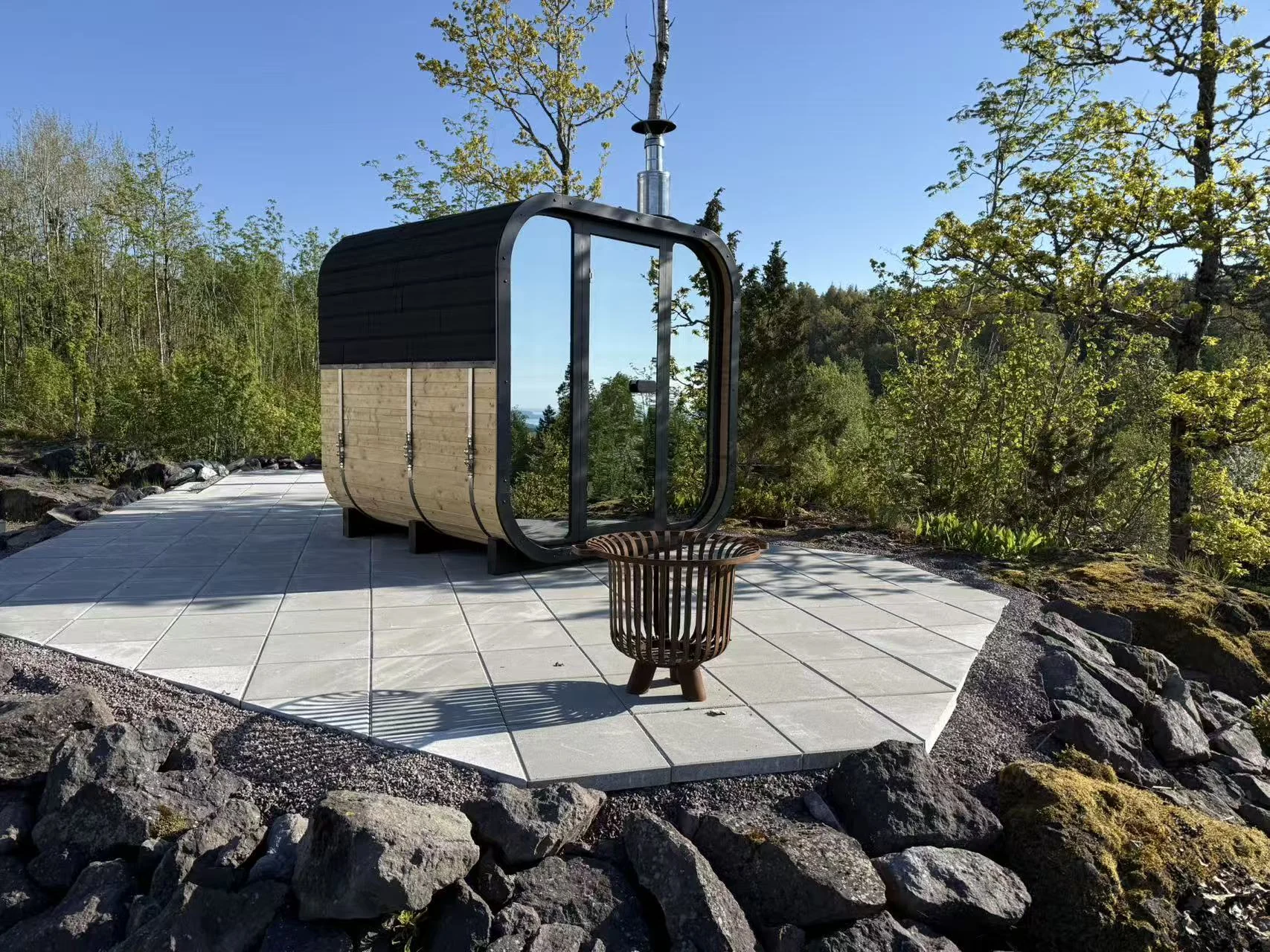
Para sauna externa, pergunte sobre área ocupada, posicionamento, acesso, contexto de base/drenagem, utilidades, direção do aquecedor/controle quando já conhecida e alcance de serviço futuro.
Esses dados ajudam a selecionar a próxima rota de sauna; eles não se tornam projeto de fundação, aquecedor, elétrica, ventilação ou carga climática.
Para clientes que estão considerando uma sauna, o guia de compra de sauna externa ajuda a comparar questões de local, clima, acesso e aquecedor antes de um modelo exato ser orçado.
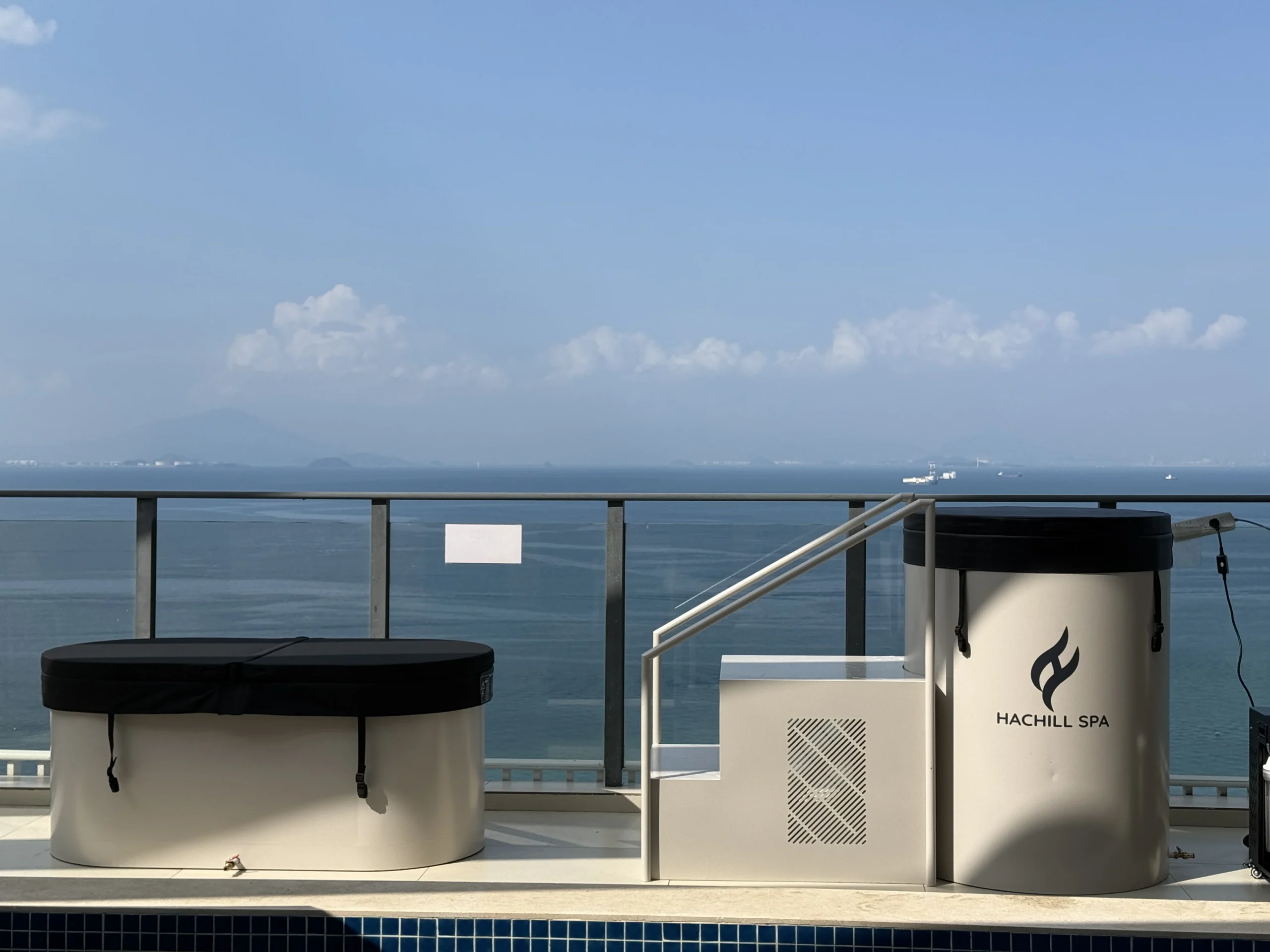
Para banheira de imersão fria, pergunte como a unidade chega ao local, onde fica, como água e drenagem são tratadas, qual contexto elétrico existe e se a rota selecionada introduz perguntas sobre resfriamento/chiller ou acesso para manutenção.
A imagem de uma banheira não comprova que um chiller, pacote de filtragem ou sistema de gestão de água esteja incluído.
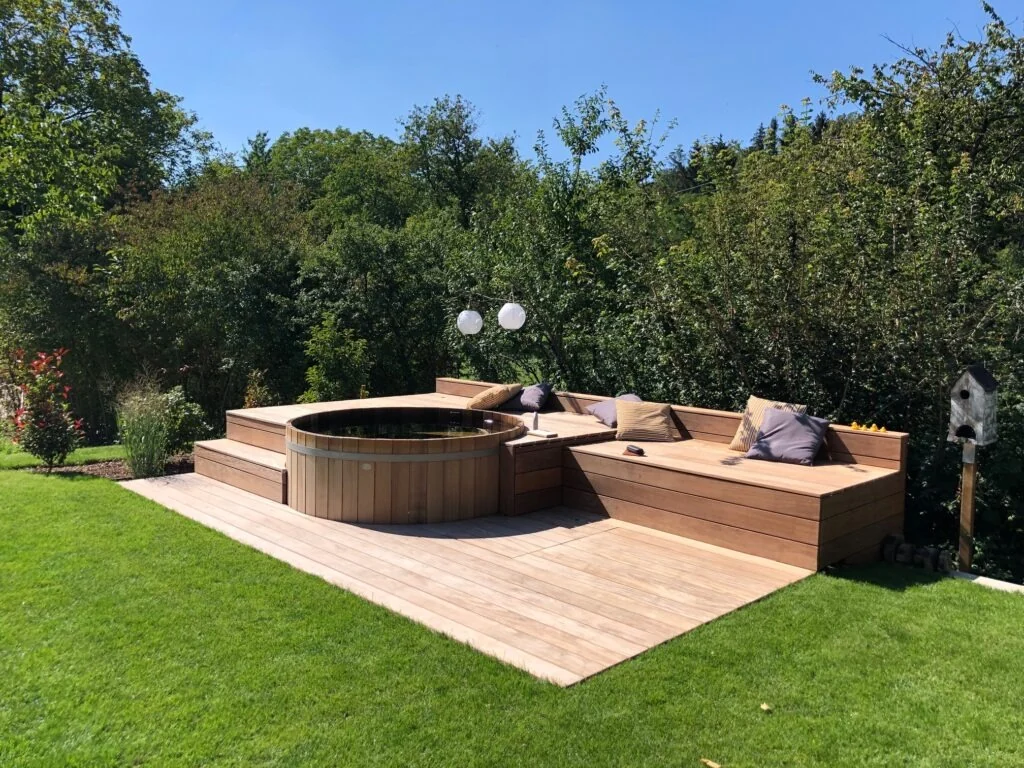
Para banheira aquecida a lenha, pergunte sobre área ocupada, posicionamento, acesso para entrega/montagem, manejo de água, drenagem, contexto do aquecedor, questões de chaminé/conduto de fumaça, acesso para manutenção e responsabilidades locais.
A conversa no ponto de venda pode revelar uma questão de aquecedor ou conduto de fumaça, mas não pode projetar o sistema de combustão/chaminé nem conceder aprovação local.
Vá além da página de varejo assim que a resposta depender de um modelo exato, componente fornecido, projeto de aquecedor/elétrico, sistema de resfriamento, projeto de aquecedor/conduto de fumaça, requisito de instalação, evidência de certificação ou configuração não padrão.
Identifique o obstáculo cedo e use o recurso técnico ou de produto apropriado para a resposta exata.
A adequação do sortimento também é uma decisão operacional. Antes de adicionar uma família, teste o trabalho que ela gera no recebimento, durante a explicação ao cliente e após a entrega do equipamento.
Verifique se o acesso a itens grandes, o descarregamento, a contagem de volumes ou as dúvidas no recebimento interrompem repetidamente a venda. O varejista só precisa reconhecer quando os dados de embarque se tornam decisivos; dimensões embaladas, pesos, contagem de volumes e detalhes de frete específicos do pedido permanecem com Embalagem e Logística.
A equipe deve entender a diferença básica entre as três famílias externas e as primeiras perguntas sobre o local exclusivas de cada uma, deixando o trabalho de instalador, elétrica, engenharia de produto e combustão para os especialistas apropriados.
Antes de adicionar uma família, saiba para onde irão os manuais, as informações de manutenção, as consultas de peças e o suporte pós-entrega. Garantia, devolução, substituição, compatibilidade e resolução de problemas pertencem ao caso de suporte real.
O varejista pode exibir, manter em estoque local ou orçar sob encomenda de acordo com seu próprio modelo de operação. Essas escolhas permanecem secundárias diante da questão maior: a empresa consegue lidar com a carga de recebimento e suporte no local para essa família de produtos?
Permaneça nesta página enquanto a decisão for sobre o ajuste de sortimento misto para ambientes externos em sites recorrentes de clientes. Continue para o programa relevante quando a questão passar a ser merchandising de showroom, vendas digitais, distribuição regional ou planejamento de produtos de marca.
Envie as informações de mercado e do site do cliente já disponíveis. O primeiro briefing não precisa de trabalho de precificação de frete, dimensões finais embaladas, seleção de Incoterm, dimensionamento de aquecedor, projeto elétrico/drenagem, cálculos de resfriamento, projeto de fogão/chaminé, plano de QC, decisão de garantia ou termos de território/exclusividade.
O resultado útil é uma linha que corresponde a sites reais de clientes e um varejista que entende o trabalho de entrega e suporte que cada família traz consigo.