Руководство по сравнению холодных ванн
Холодная купель против ледяной ванны: стоимость, контроль температуры, фильтрация и ежедневное использование
Выбор между купелью холодного погружения и ледяной ванной в основном касается метода эксплуатации, а не того, какая из них может ощущаться холоднее. Ледяная ванна использует добавленный лёд и обычно требует от пользователя или персонала больше подготовки, проверки температуры, слива и очистки. Холодная купель на основе чиллера добавляет оборудование, коммуникации и обслуживание, но может обеспечивать более воспроизводимый контроль температуры и, в зависимости от точной конфигурации, поддерживать компоненты циркуляции, фильтрации и обработки.
Для периодического личного использования ледяная ванна может быть более простым и доступным вариантом. Для частого, общего или коммерческого использования система на основе чиллера может сократить повторную работу со льдом и повысить ежедневную готовность — при условии, что водоподготовка, дренаж, питание, воздушный поток через конденсатор и доступ для обслуживания спланированы правильно.
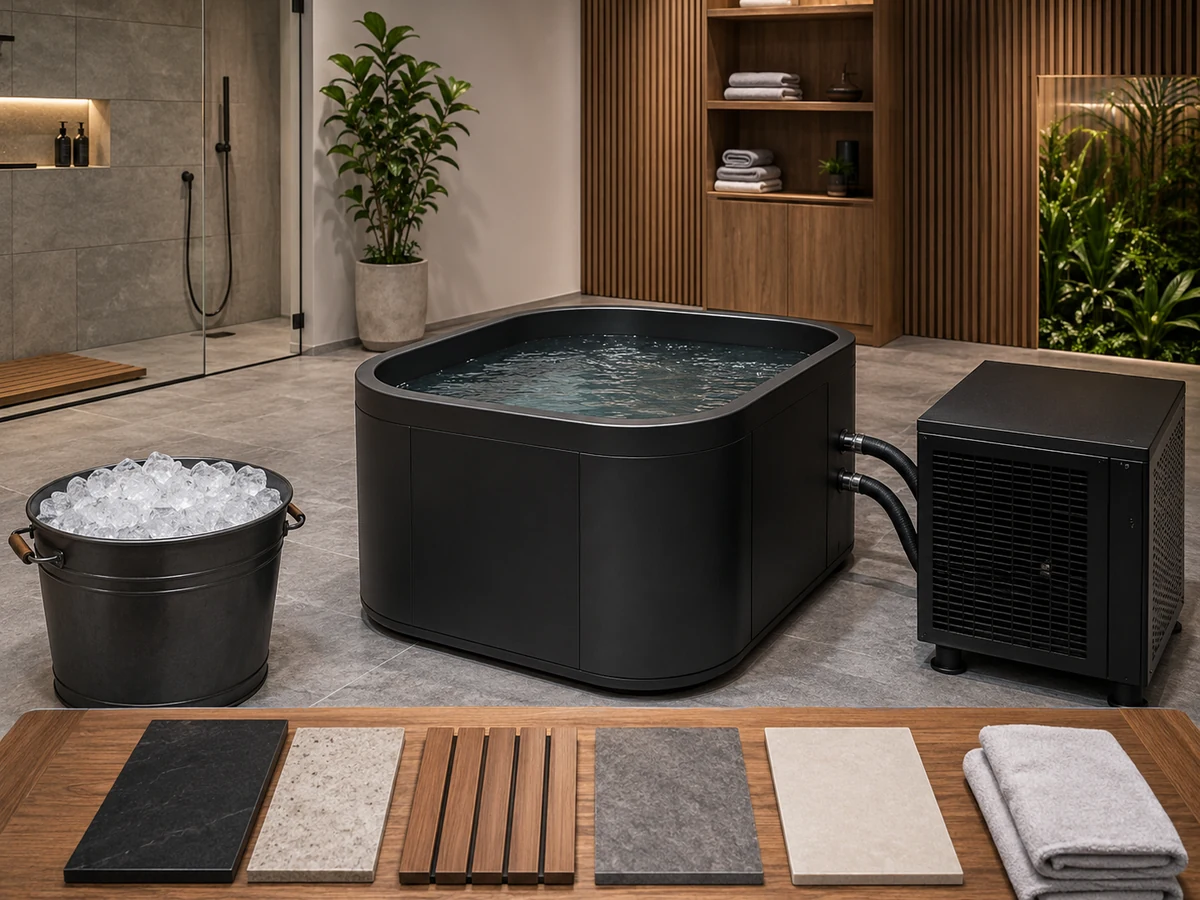
Концептуальная визуализация для обучения покупателя; не является реальным фото проекта HACHILL или заявлением о характеристиках конкретной модели.
Холодная ванна vs ледяная ванна: краткий ответ
Выберите купель для холодного погружения когда использование нечастое, бюджет и простота настройки важнее всего, ручная работа со льдом приемлема, а колебания температуры не являются проблемой.
Выберите купель с холодной водой на базе чиллера когда повторяемая температура, меньшая ручная подготовка, варианты циркуляции/фильтрации и ежедневная готовность достаточно важны, чтобы оправдать оборудование, инженерные системы и обслуживание.
Коммерческим покупателям следует сравнивать полную эксплуатационную нагрузку: ожидаемых пользователей, целевую температуру, полезный объем воды, условия окружающей среды, метод ухода за водой, дренаж, электропитание, воздушный поток чиллера, время персонала и ответственность за обслуживание.
Определите два маршрута, прежде чем сравнивать их
В этом руководстве ледяная ванна означает сосуд, охлаждаемый в первую очередь добавлением льда. Это может быть простая ванна или термоизолированная купель, но охлаждение остаётся преимущественно ручным, и оператор обычно управляет температурой, заменой воды и очисткой напрямую.
A купель с чиллером означает чан, подключённый к активному охлаждению и циркуляции воды. В зависимости от модели и конфигурации система также может включать насос, фильтр, компоненты обработки, крышку, дренажное подключение и средства управления. Эти особенности должны быть подтверждены по точному объёму поставки продукта, а не выведены из термина «холодная купель».
Сравнив представленные здесь варианты эксплуатации, покупатели могут изучить HACHILL варианты холодных купелей для выбора направления по семейству продуктов.
Купель для холодного погружения против ледяной ванны: ключевые различия
На мобильном устройстве смахните таблицу по горизонтали, чтобы сравнить два эксплуатационных маршрута.
| Фактор решения | Ледяная ванна | Холодное погружение на чиллере |
|---|---|---|
| Способ охлаждения | Лёд добавляется вручную. | Активное холодильное/охлаждающее оборудование. |
| Начальная стоимость | Обычно ниже для базовой комплектации. | Обычно выше, потому что включено больше оборудования. |
| Повторяемость температуры | В большей степени зависит от количества льда, начальной температуры воды и времени. | Более воспроизводимо, когда мощность чиллера, расход, условия окружающей среды и средства управления правильно согласованы. |
| Ежедневная подготовка | Больше обработки льда и ручных сбросов. | Меньше повторяющихся операций со льдом, но проверки и обслуживание системы остаются. |
| Фильтрация / обработка | Часто отсутствует, если не добавлено отдельно. | Может включать компоненты циркуляции, фильтрации или обработки; точный состав зависит от модели. |
| Совместное / коммерческое использование | Может создавать значительную нагрузку на персонал и на уход за водой между пользователями. | Может лучше поддерживать повторное использование, если уход за водой, инженерные коммуникации и рабочие процедуры должным образом определены. |
| Требования к участку | Вода, дренаж, безопасность пола и логистика льда. | Вода, дренаж, электроснабжение, воздушный поток/отвод тепла, доступ для обслуживания и уход за водой. |
Стоимость: сравните покупку и режим эксплуатации
Ледяная ванна обычно дешевле на старте, поскольку позволяет обойтись без чиллера, циркуляционного насоса, фильтра и связанного объема электромонтажных работ. Взамен приходится регулярно обращаться со льдом, чаще вручную готовить температуру и зачастую чаще сливать/чистить/наполнять.
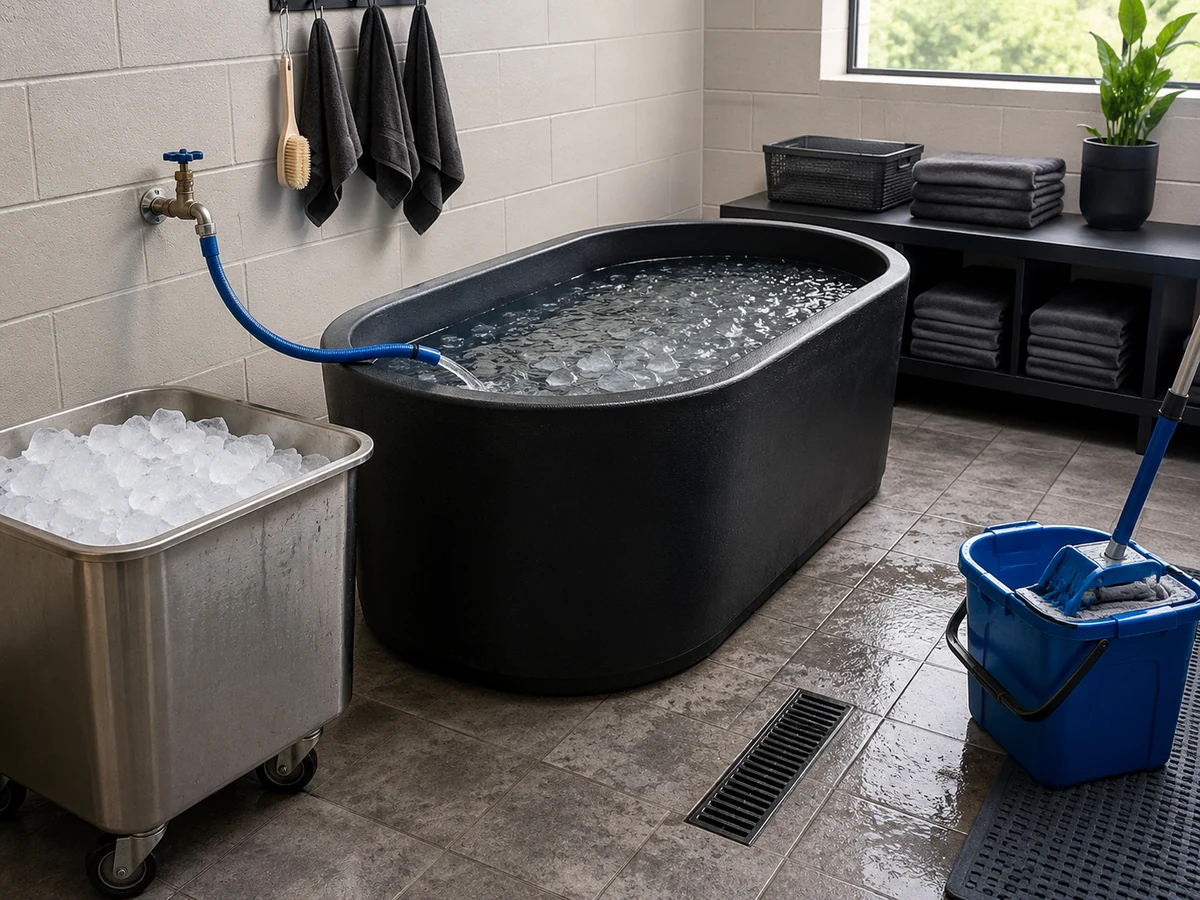
Концептуальная визуализация; не подразумеваются фиксированная стоимость льда, температура или результат эксплуатации.
Купель для холодных погружений на основе чиллера обычно стоит дороже на начальном этапе и добавляет электроэнергию, обслуживание и компоненты, требующие сервиса. Ее экономическое обоснование становится сильнее только тогда, когда снижение нагрузки на подготовку, воспроизводимая доступность или коммерческий рабочий процесс ценны для покупателя.
Не используйте одно универсальное число месячных эксплуатационных расходов. Цена льда, водопотребление, электроэнергия, окружающие условия, изоляция, график работы, обслуживание и труд персонала зависят от площадки. Для полной границы бюджета используйте HACHILL’s руководство по стоимости купели для холодного погружения.
Контроль температуры: ручное охлаждение против активного охлаждения
Лед понижает температуру воды, но результат меняется в зависимости от количества льда, объема воды, начальной температуры, условий окружающей среды, изоляции, времени и нагрузки от пользователей. Поэтому ледяная ванна может быть вполне пригодной для использования, но при этом менее воспроизводимой от сеанса к сеансу.
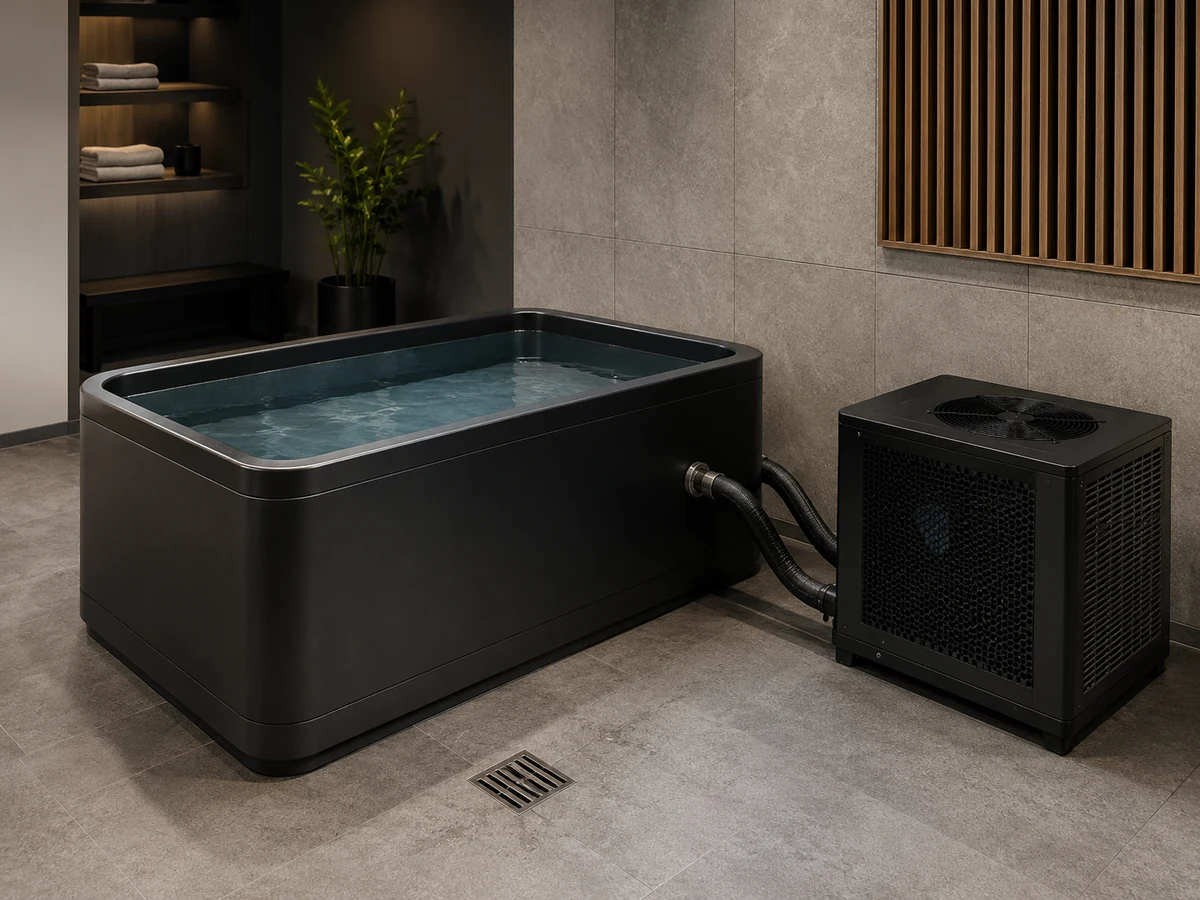
Концептуальная визуализация; не подразумевается гарантированная температура, время снижения температуры или производительность чиллера.
Чиллер может удерживать или восстанавливать значение к уставке, но только в пределах своей полезной холодопроизводительности, расхода воды, теплообменника, изоляции, использования крышки, состояния воздуха на конденсаторе и рабочего цикла. Более высокая маркировка HP сама по себе не устанавливает более быстрое охлаждение или лучшее соответствие проекту.
Для технического выбора оставляйте эту страницу сравнения на уровне маршрута и используйте специализированные руководства для HP чиллера против холодопроизводительности, температура окружающей среды и время выхода на режим, или полный методика подбора чиллера для купели с холодной водой.
Фильтрация и уход за водой: охлаждение не делает воду гигиеничной
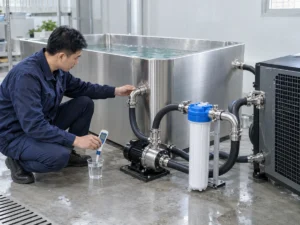
Уход за водой является одним из наиболее важных практических отличий между простой ледяной ванной и системой, предназначенной для многократного использования. Базовая ледяная ванна часто зависит от ручной дренажной системы, очистки и пополнения. Погружение на основе чиллера может добавить компоненты циркуляции, фильтрации и обработки, но эти компоненты не снимают ответственности оператора за тестирование, очистку и замену воды на основе состояния.
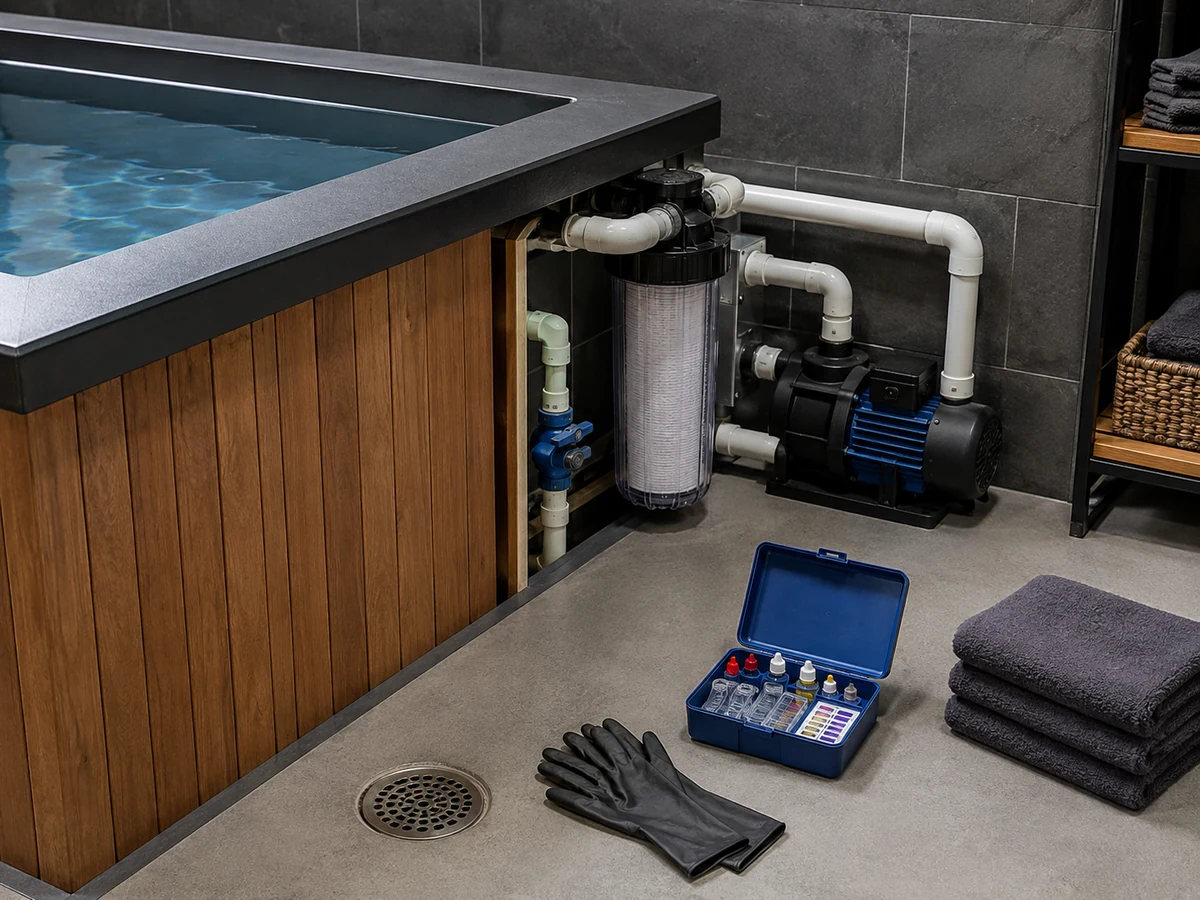
Концептуальная визуализация; точные компоненты фильтра, насоса и санитарной обработки должны быть подтверждены моделью и конфигурацией.
Специфичный для холодного погружения Краткий обзор доказательств NCCEH отмечает, что общие ёмкости для холодных купелей могут создавать опасности, связанные с водой и физическими факторами, и отличает системы с рециркуляцией от автономных ёмкостей без фильтрации/обеззараживания. Его рекомендации являются руководством по общественному здоровью, а не универсальной спецификацией продукта; местные правила и точная конфигурация системы по-прежнему имеют приоритет.
Фильтрация удаляет отдельные взвешенные материалы; она не является автоматическим обеззараживанием. Если продукт заявляет УФ, озон, химическую обработку или другой способ обработки, подтвердите точный компонент, совместимую химию воды, требование по обслуживанию и ограничения по предполагаемому использованию. Для подробного метода эксплуатации см. как поддерживать чистоту воды при холодном погружении.
Ежедневное использование: какую процедуру вы действительно сможете выполнять?
Лучшее сравнение — это процедура, которую пользователь или персонал должен повторять.
Типичный ритуал ледяной ванны
- наполнить или проверить купель;
- перемещать и добавлять лёд;
- подождать и проверить температуру воды;
- контролируйте мусор и состояние воды;
- сливать, чистить и наполнять заново по мере необходимости.
Типичная процедура с чиллером
- проверить температуру воды и состояние системы;
- подтвердите циркуляцию и состояние фильтра;
- выполнять указанный регламент водоподготовки;
- очистить контактные поверхности и окружающую влажную зону;
- обеспечивать свободный поток воздуха к конденсатору и доступ для обслуживания.
Чиллер меняет характер труда; он не устраняет обслуживание. Ледяная ванна предполагает более простое оборудование, но более повторяющуюся подготовку. Вариант с чиллером обеспечивает эксплуатационную повторяемость, но требует правильного обслуживания технических компонентов.
Коммерческое использование меняет сравнение
Как только несколько человек совместно используют воду, покупка становится решением об операционной системе. Оборачиваемость пользователей, очистка, обработка воды, контроль влажного пола, обучение персонала, доступ для обслуживания, документация и местные требования общественного здравоохранения могут иметь большее значение, чем разница в цене купели.
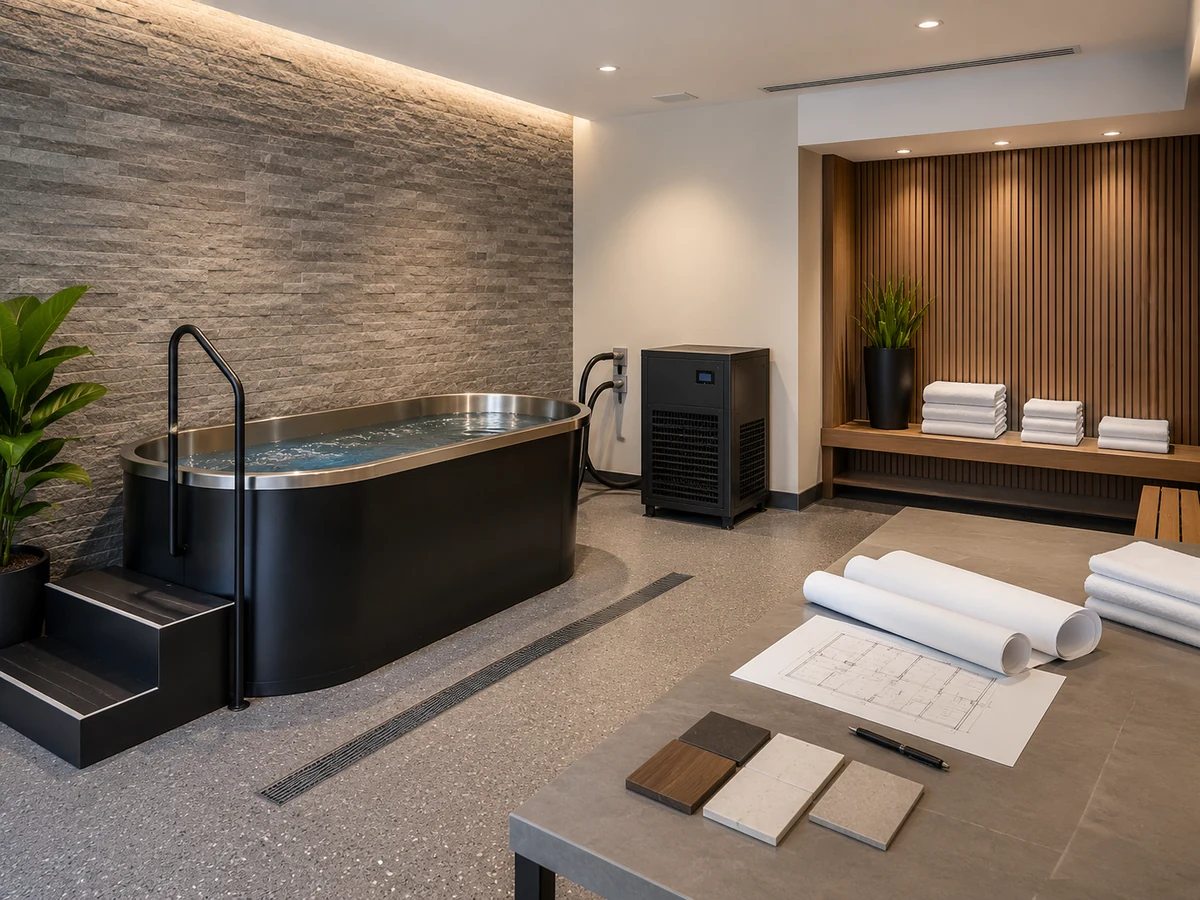
Концептуальная визуализация; не является реальным объектом клиента, примером проекта или результатом эксплуатации.
Для спортзалов, студий восстановления, спа и отелей маршрут на основе чиллера может быть проще интегрировать в повторяющуюся ежедневную эксплуатацию, когда контроль температуры и компоненты ухода за водой правильно подобраны. Простую ледяную ванну всё ещё можно использовать в некоторых условиях, но режим личного использования не следует автоматически считать подходящим для совместной коммерческой эксплуатации.
Для планирования объекта ознакомьтесь с материалами HACHILL планированию ванн холодного погружения для центров восстановления маршрут до фиксации конфигурации изделия.
Чек-лист по площадке перед выбором любого из вариантов
Многие проблемы с холодной купелью начинаются с отсутствующих исходных данных площадки, а не с самой купели.
Окончательное решение: выберите операционную нагрузку, а не название продукта
Выбирайте ледяную ванну, если
Использование эпизодическое, число пользователей невелико, ручная загрузка льда допустима, водоотвод и очистка просты, а изменение температуры от сеанса к сеансу допустимо.
Выбирайте холодное погружение с чиллером, если
Воспроизводимое охлаждение, меньше ручной подготовки, ежедневная готовность и интегрированный маршрут циркуляции/фильтрации достаточно важны, чтобы оправдать инженерные сети, обслуживание и ремонтопригодное оборудование.
Отложите покупку, если
Вы пока не можете определить пользователей, объём воды, целевую температуру, дренаж, электроснабжение, расположение чиллера, метод обработки, ответственность за очистку или коммерческие правила эксплуатации.
Для B2B-проектов превратите это сравнение в краткое эксплуатационное задание, прежде чем запрашивать коммерческое предложение на конкретную модель.
Что подготовить перед запросом котировки на холодное погружение
Предоставьте эксплуатационные условия, которые влияют на выбор продукта, вместо запроса общей цены на купель с холодной водой.
Исходные данные по эксплуатации и объекту
- тип покупателя и предполагаемое использование;
- ожидаемое число пользователей и сеансов в день;
- целевая температура воды и ожидаемый рабочий объём воды;
- расположение в помещении/на улице и условия окружающей среды;
- доступное электропитание;
- дренаж, пополнение и размещение чиллера.
Исходные данные по уходу за водой и коммерческой эксплуатации
- ожидания по фильтрации и обработке;
- ответственность за очистку и проверку;
- количество и целевой рынок;
- требования к брендированию или упаковке;
- документация, запасные части и ожидания по послепродажному обслуживанию.
После определения этих входных данных, запросить коммерческое предложение на уровне модели через канал запроса предложений HACHILL.
Доказательства и справочные примечания
Внешние источники подтверждают только границы общественного здравоохранения и холодового воздействия. Они не доказывают производительность, состав компонентов, способность к санитарной обработке, статус соответствия или медицинские результаты для конкретного продукта HACHILL.
- NCCEH: резервуары для холодного погружения — соображения для экологического общественного здравоохранения — обсуждение рисков общей воды, рециркуляции, фильтрации/обеззараживания и очистки применительно к купели с холодной водой.
- CDC: обработка и тестирование воды в домашнем бассейне и гидромассажной ванне — общий справочник по воде для водных объектов для принципов обработки/тестирования; не является стандартом, специфичным для холодного погружения.
- American Heart Association: риски погружения в холодную воду — используется для контекста холодового шока и сердечно-сосудистого риска.
- Cleveland Clinic: рекомендации по безопасности купели с холодной водой — используется для осторожной формулировки пригодности по медицинским показаниям и прекращения использования.
Часто задаваемые вопросы
Холодное погружение — это то же самое, что и ледяная ванна?
Не всегда. Ледяная ванна обычно предполагает ручное добавление льда. Холодная купель с чиллером использует активное охлаждение и оборудование для циркуляции воды. Некоторые продавцы используют эти термины нестрого, поэтому сравнивайте фактическую систему, а не название.
Ледяная ванна дешевле, чем криотерапевтическая ванна?
Базовая купель со льдом обычно дешевле на старте, но при сравнении эксплуатационных расходов также учитываются лёд, вода, очистка и трудозатраты. Купель с чиллером обычно дороже на этапе покупки и требует электроэнергии и обслуживания, но позволяет сократить повторную подготовку льда.
Всегда ли холодная купель поддерживает заданную температуру?
Нет. Производительность зависит от полезной мощности чиллера, объёма воды, условий окружающей среды, теплоизоляции, использования крышки, расхода, состояния фильтра, воздушного потока конденсатора и нагрузки от пользователей.
Означает ли наличие фильтрации, что мне не нужно менять или обрабатывать воду?
Нет. Фильтрация — лишь одна из составляющих ухода за водой. В общих системах также может потребоваться совместимый метод обработки, тестирование, очистка и замена воды по состоянию в соответствии с действующими местными требованиями.
Какой вариант лучше подходит для фитнес-клуба, спа или центра восстановления?
Система с чиллером часто лучше подходит для ежедневной эксплуатации с повторяющимися циклами, когда важны готовность температуры и организованный уход за водой, однако пригодность зависит от нагрузки на пользователей, инженерных коммуникаций площадки, объёма водоподготовки, доступа для обслуживания и местных требований.
Безопасны ли холодные купели и ледяные ванны для всех?
Нет. Холодовое погружение может вызвать быстрые дыхательные, артериальные и сердечно-сосудистые реакции, а продолжительное воздействие может привести к гипотермии или потере моторного контроля. Людям с соответствующими медицинскими состояниями следует обсудить погружение в холодную воду с квалифицированным медицинским специалистом.
Примечание о безопасности, здоровье и ограничениях использования
Холодные погружения и ледяные ванны рассматриваются здесь как продукты для велнеса или восстановительных процедур, а не как медицинское лечение. В этой статье не утверждается, что холодовое воздействие лечит, излечивает или предотвращает заболевания или гарантирует результаты восстановления.
Коммерческие объекты должны установить надзор, правила проверки пользователей, процедуры на случай чрезвычайной ситуации, гигиенические процедуры и условия прекращения использования, соответствующие объекту и местным требованиям.