زوّد HACHILL بسؤال فني محدد يتعلق بالمنتج عندما يكون المنتج معروفاً بالفعل ولكن لا تزال هناك مسألة مهمة تتعلق بالملاءمة أو الواجهة أو الرسم أو التكوين بحاجة إلى مراجعة من الجهة المصنعة.
هذه الصفحة موجهة للمشترين والمصممين ومهندسي المشاريع والموزعين والمركّبين الذين يحتاجون إلى توضيح بشأن منتج HACHILL المختار نفسه، وليس بشأن التركيب العام في الموقع أو التصميم الهندسي المحلي.
يركز قسم الهندسة الفنية لمنتجات HACHILL على معلومات المنتج من جانب الجهة المصنعة والواجهات الفنية. أما التصميم المعماري والتصميم الإنشائي وهندسة الأنظمة الميكانيكية والكهربائية والصحية المحلية والتراخيص والتنفيذ الميداني فتبقى من مسؤولية المختصين المعنيين بالمشروع.
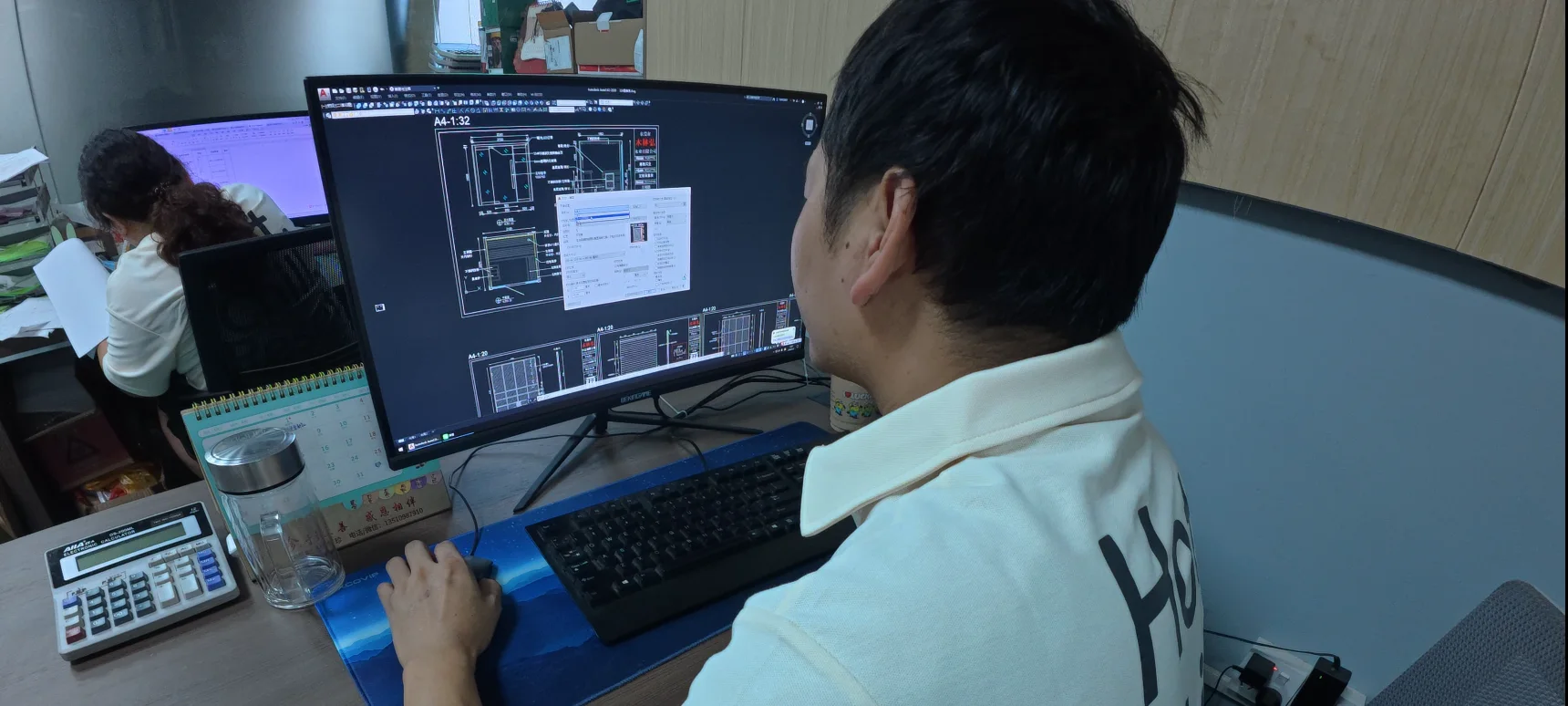
ابدأ بالمنتج المختار، ثم حدّد مسألة الملاءمة أو الواجهة أو الرسم أو التكوين التي لا تزال بحاجة إلى مدخلات من الجهة المصنعة.
حدّد عائلة المنتج أو الطراز والتكوين ذا الصلة بالسؤال. إذا لم يكن الطراز الدقيق معروفاً بعد، فاستخدم صفحات المنتج الحالية أو دعم المنتج قبل الاعتماد على افتراضات هندسية خاصة بطُرز محددة.
صِف الحالة المتعلقة بالمنتج التي تحتاج إلى مراجعة. قد يتعلق ذلك بأحد أبعاد المنتج، أو نقطة توصيل، أو موقع واجهة، أو خلوص ذي صلة، أو حالة تكامل، أو أي نقطة أخرى يلتقي فيها الجهاز المختار بالمشروع.
يبقى تصميم المبنى المحيط والإنشائي وأنظمة MEP والكود المحلي مسؤولية المختصين المعنيين بالمشروع.
استخدم معلومات الطراز التي تنطبق فعلاً على المسار أو التكوين المختار. حيثما توفرت، يمكن أن يساعد الرسم أو المستند الفني أو مرجع الطراز المنطبق في تسهيل تقييم المسألة الفنية.
لا تفترض أن ملفاً من طراز آخر أو تكوين آخر أو مشروع سابق ينطبق تلقائياً.
حدد أي واجهة غير معتادة، أو قيد في الملاءمة، أو استفسار حول التكوين، أو أي حالة أخرى تتطلب مراجعة فنية من جهة المصنع.
لا يعني السؤال غير القياسي تلقائياً أنه يمكن تعديل المنتج. يجب تحويل متطلبات تطوير المنتج المختلفة جوهرياً إلى مسار OEM أو ODM المناسب.
الملاءمة الفنية تتجاوز مجرد إمكانية استيعاب المنتج للمساحة المقصودة. قد تؤثر أيضاً واجهات الربط الخاصة بالمنتج والمعدات المرتبطة وإمكانية الوصول للصيانة مستقبلاً في القرار.
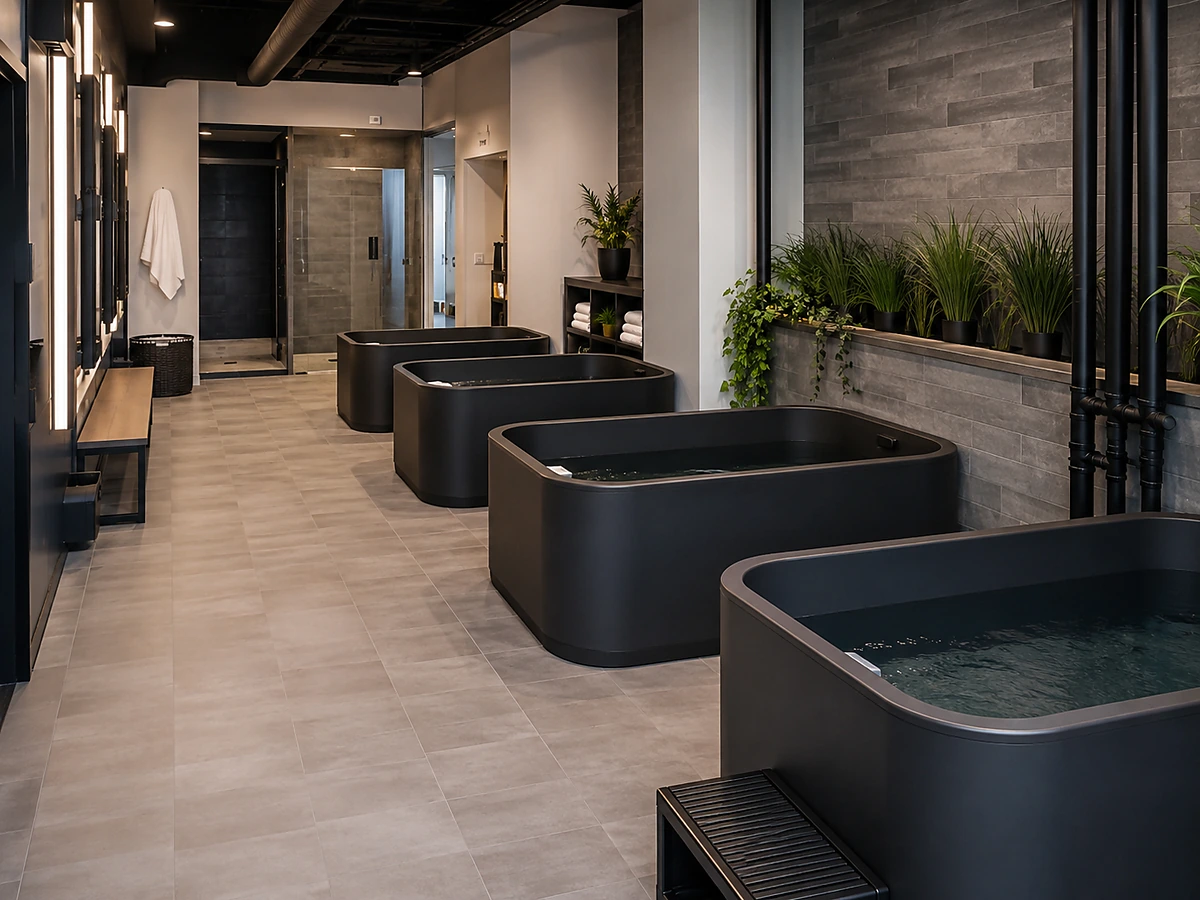
راجع أبعاد المنتج والظروف الفيزيائية ذات الصلة بالمسألة الفنية المحددة، مثل المحيط الكلي للمنتج أو موقع واجهة ربط أو علاقة معدات أو بُعد آخر يؤثر في الملاءمة.
لا يُغني هذا عن التصميم المعماري أو الإنشائي للمشروع.
حيث يعتمد المنتج المختار على معدات تسخين أو تبريد أو معدات أخرى مرتبطة، أدرج علاقة تلك المعدات ضمن المراجعة. يعتمد التكامل المنطبق على منتج HACHILL المختار.
لا تنقل افتراضات السخان أو نظام التبريد أو تكامل المعدات بين عائلات منتجات أو موديلات غير مرتبطة.
راجع فقط الواجهات التي تنطبق على المعدات المختارة. حسب المنتج، قد تشمل هذه توصيلات كهربائية أو مائية أو صرف أو تهوية أو توصيل آخر ذي صلة.
يبقى توجيه الموقع والحماية وتصميم الأنظمة والامتثال المحلي مسؤولية المهنيين المؤهلين المختصين بالمشروع.
المنتج الذي يتناسب مع موقع التركيب لا يزال بحاجة إلى مساحة وصول مناسبة لأنشطة الخدمة أو الصيانة التي تنطبق على تلك المعدات.
يختلف ذلك عن مساحة العمل المؤقتة للمقاولين أثناء التركيب. فهو يتعلق بالوصول المستمر إلى المنتج حيث قد تتطلبه الخدمة أو الصيانة مستقبلاً.
تبقى هندسة المنتج على جانب المعدات من القرار. أما التصميم المعماري والهندسة المحلية والتنفيذ الميداني وتطوير المنتجات الجديدة فينبغي أن تبقى مع المتخصصين المسؤولين عن تلك الأنشطة.
قيادة تخطيط مساحة المشروع والتكامل المعماري وتنسيق التصميم المرئي ومتطلبات مستندات التصميم.
يتولون الأعمال الإنشائية والأعمال الكهروميكانيكية وتصميم الأنظمة المحلية والامتثال للكود والأعمال المتعلقة بالتصاريح.
يتولون الاستلام والوصول الميداني ومساحة العمل والتجميع في الموقع والمهن المحلية والتنفيذ.
تتولى المهمة عندما يتحول المتطلب من مراجعة على مستوى المنتج إلى تخصيص تجاري أو تطوير منتج جديد جوهرياً.
دعم التركيب هو المسار الخاص بجهة التصنيع عندما يكون المنتج معروفاً ويكون السؤال الرئيسي هو كيفية ارتباط معلومات HACHILL الحالية بموقع التركيب الفعلي.
قد يكشف أي مشكلة فنية عن سؤال في التصميم أو التركيب أو التطوير أو التصنيع أو الجودة يخص مساراً آخر من مسارات HACHILL.
أرسل إلى الفريق الهندسي سؤالاً محدداً يخص المعدات عندما يكون منتج HACHILL معروفاً بالفعل ولكن لا يزال هناك عدم يقين بشأن الملاءمة أو الواجهة أو الرسم أو التكوين.
ابدأ بمرجع المنتج، والمسألة الفنية، وأي حالة حالية مفيدة للملف أو المشروع متاحة بالفعل. لا يُشترط حزمة رسمية لضبط المستندات لطلب المراجعة الأول.