قبل نشر أي عرض عبر الإنترنت، تأكد من أن الصفحة وصورة المنتج والتكوين ووعد العميل تشير جميعها إلى نفس المنتج القابل للبيع.
بالنسبة لعلامات العافية في التجارة الإلكترونية، تعد هوية المنتج هي المرتكز. يجب ألا تنحرف المواصفات والصور والعناصر المشمولة ولغة التنفيذ والنصوص بعد الشراء عن المنتج الذي يشتريه العميل فعلياً.
يمكن لـ HACHILL مساعدة الفرق على البدء من عائلة الساونا أو حوض الغطس البارد ذات الصلة، وكشف الحقائق التي لا تزال مفقودة من القائمة، وإرسال الأسئلة الخاصة بالمنتج أو الشحنة أو الدعم إلى الفريق القادر على الإجابة عليها.
تبقى الساونا وحوض الغطس البارد العائلتين الأساسيتين في هذه الصفحة. أحواض الاستحمام الساخنة التي تعمل بالحطب هي امتداد اختياري ولا ينبغي افتراض أنها تتبع نفس متطلبات معلومات التجارة الإلكترونية تلقائياً.
أبقِ بيانات المخزون والشحن المباشر والتنفيذ من المستودع وشروط التسليم والضمان والإرجاع وبيانات الدعم خارج النصوص الموجهة للعملاء حتى يؤكدها الترتيب التجاري الفعلي.
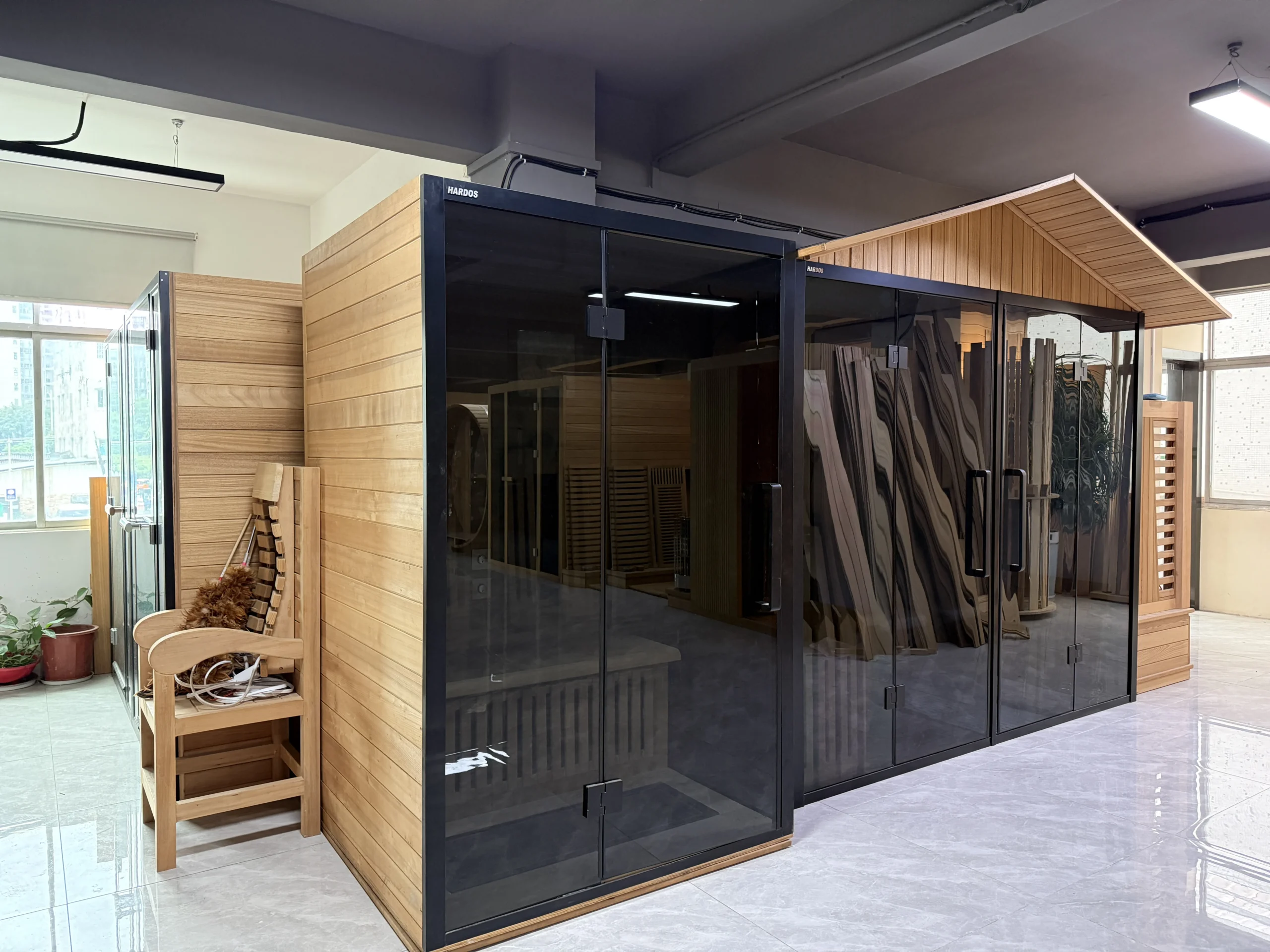
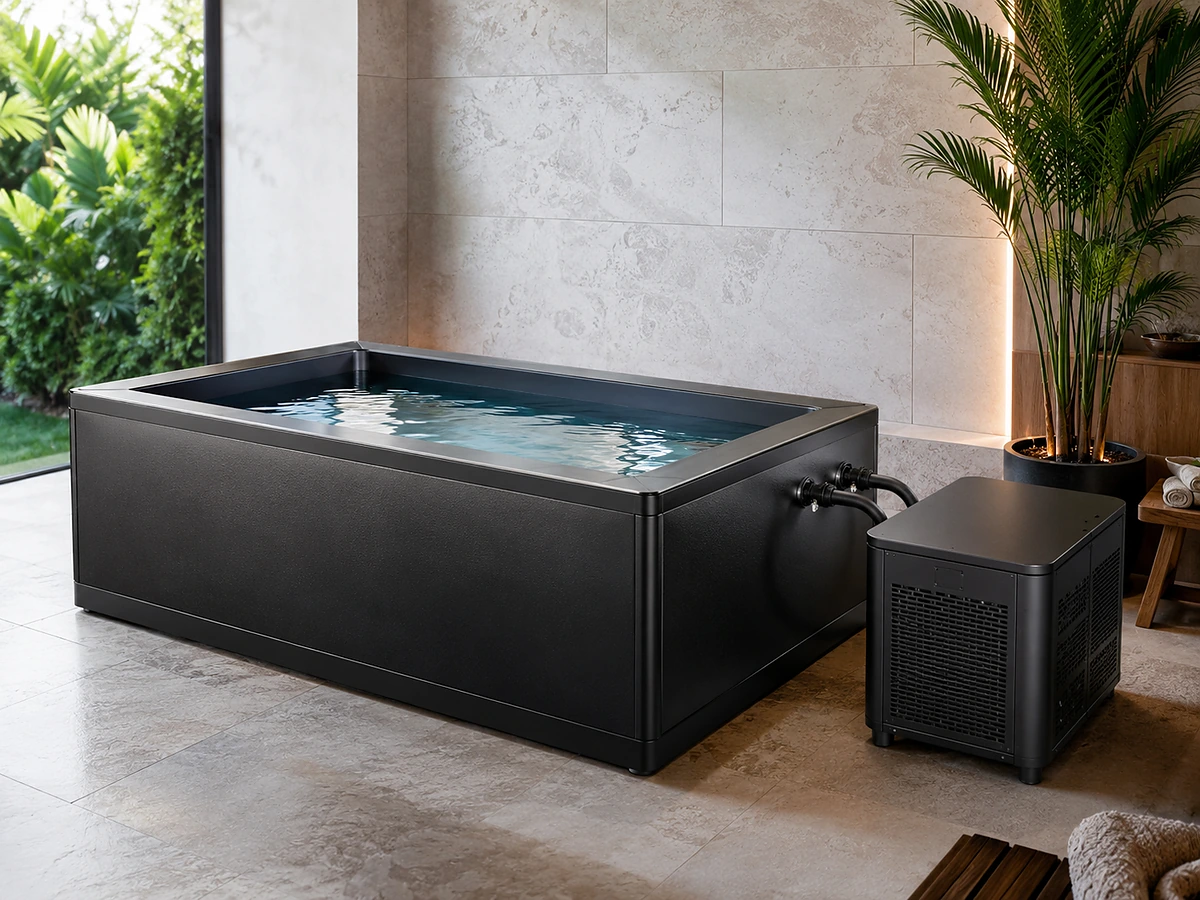
سياق النطاق فقط. صورة منتج تمثيلية لا تؤكد التكوين النهائي للتجارة الإلكترونية أو الملحقات المشمولة أو حالة المخزون أو التوفر التجاري.
يجب أن تكون القائمة قابلة للتتبع إلى هوية منتج حقيقية. يمكن أن تبقى الحقائق المفقودة مفقودة؛ المهم هو منع صفحة قديمة أو صورة تمثيلية أو بيان على مستوى الفئة من أن يصبح وعداً كاذباً على صفحة المنتج.
سجّل العائلة، والطراز الدقيق حيث يكون معروفاً، والتهيئة الحالية، والعناصر المشمولة، والخيارات المعروفة، ومصدر معلومات المنتج التي يستخدمها فريق التجارة الإلكترونية.
يجب ألا يرى العميل طرازاً في الصورة، وتهيئة أخرى في النص، ونطاقاً ثالثاً في معلومات الطلب.
استخدم معلومات الطراز الحالية للمواصفات والمشمولات. أبقِ الصور التمثيلية واضحة السياق، واحذف أي عبارات عن الأداء أو الملحقات لا يتحقق منها المنتج المختار.
تعامل مع الصورة كدليل فقط على ما تُظهره فعلاً. الصور الفئوية والإدراجات السابقة ولقطات نمط الحياة لا تثبت الخيارات النهائية أو الملحقات المشمولة أو التوافر الحالي أو التهيئة.
اذكر الأدلة والملصقات والتحذيرات حيث تنطبق، والمخططات ومستندات المنتج الخاصة بالسوق المستهدف التي يتوقع البائع الإلكتروني نشرها أو تقديمها للعميل.
ذكر السوق المستهدف لا يثبت أن الطراز المختار يمتلك بالفعل كل شهادة أو مستند امتثال أو ملف تنظيمي مترجم قد تحتاجه قناة البيع.
إذا كان المخزون أو التوفر أو أحد الخيارات أو بيان الأداء أو نطاق التغليف النهائي أو شهادة الوجهة أو ادعاء جاهزية التركيب غير محسوم، فاتركه غير منشور حتى يؤكده المصدر المعني.
بعد التأكد من دقة حقائق القائمة، حدد ما يمكن إخبار المشتري به فعلياً عن تدفق الطلبات والتوصيل ودعم ما بعد الشراء. يجب أن تصف نصوص التجارة الإلكترونية الترتيبات المؤكدة، وليس افتراضات تنفيذ متفائلة.
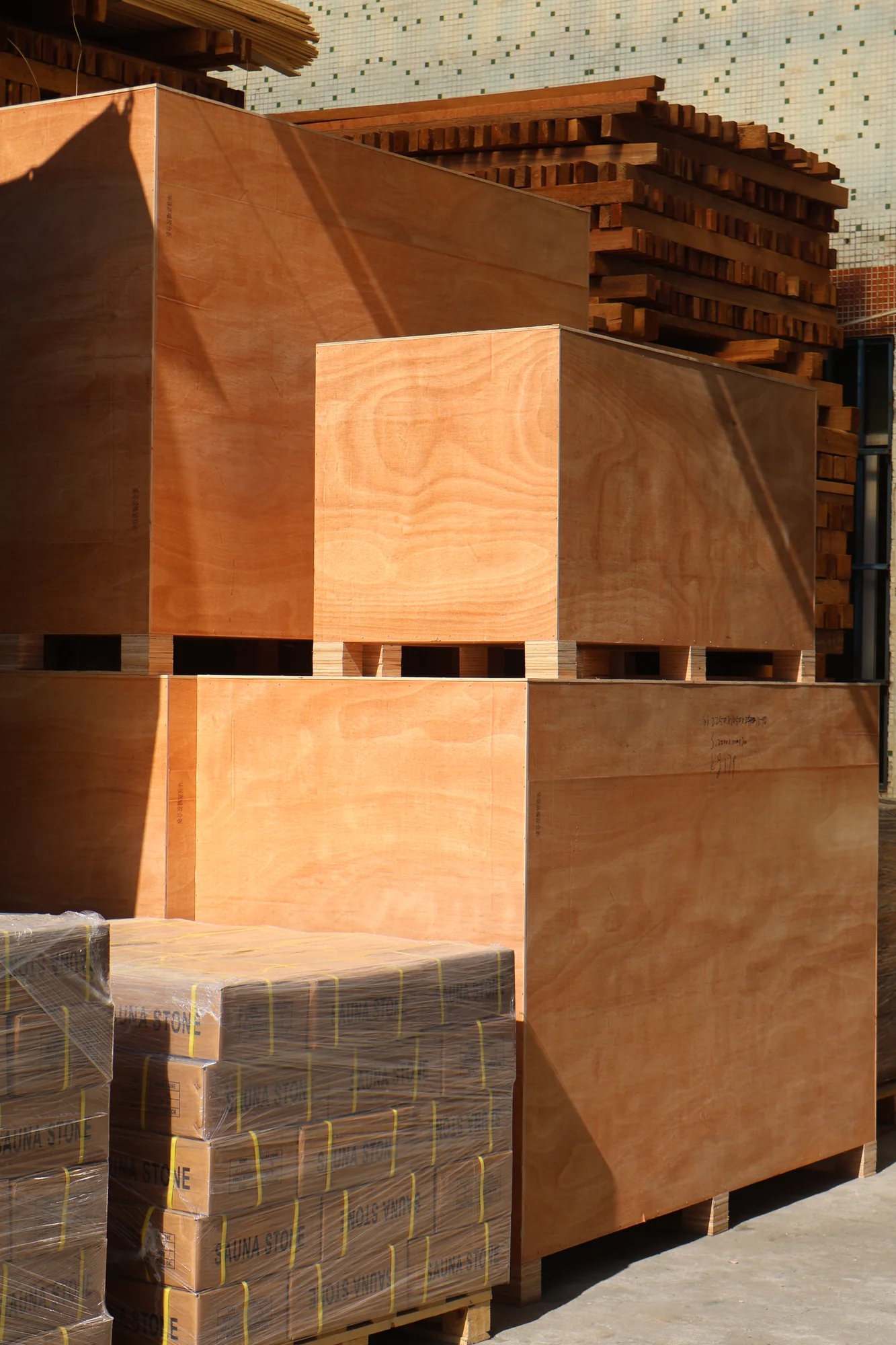
سياق التغليف فقط. لا تؤكد الصورة أبعاد التغليف أو الأوزان أو عدد الطرود أو المحتويات أو نطاق الشحن أو مسؤولية التوصيل لطلب محدد.
صف المكان المتوقع وجود المخزون فيه، وما إذا كان المستودع أو مزود الخدمات اللوجستية الخارجي جزءاً من النموذج المقترح، وقناة البيع التي تستقبل الطلب، ومن المتوقع أن ينسق خطوة التنفيذ التالية.
تصف هذه المدخلات نموذج التشغيل المقصود من جهة البائع؛ وهي لا تثبت أنه تم الاتفاق على خدمات مخزون HACHILL أو المستودعات أو 3PL أو الشحن المباشر أو الخدمة المباشرة للعميل.
دوّن معلومات التسليم التي يحتاج العميل إلى رؤيتها والأسئلة التي لا تزال تعيق صياغة دقيقة لمحتوى التسليم، مثل قيود الوجهة أو شروط الاستلام أو بيانات الشحنة الناقصة.
تبقى الأبعاد المعبأة الخاصة بكل طلب والأوزان وعدد الطرود وتخطيط الشحن ومستندات الشحنة ضمن مسؤولية التغليف والخدمات اللوجستية.
سجّل الوجهة ونوع العميل وبيئة الاستلام وقيود التسليم المعروفة وتفاصيل التسليم أو الاستلام التي يجب توضيحها قبل الدفع أو تأكيد الطلب.
لا تنشر أي صياغة عن التسليم على الرصيف أو التسليم داخل المبنى أو التفريغ أو التركيب أو خدمة الميل الأخير إلا إذا أكد الطلب الفعلي أو البرنامج تلك المسؤولية.
صُغ المعلومات الموجهة للعميل حول قطع الغيار والضمان والإرجاع والدعم فقط بالمستوى الذي يمكن للمنتج الفعلي والبرنامج التجاري إثباته.
ينبغي نشر فترات الضمان وموافقات الإرجاع وقواعد الاستبدال وتوافر قطع الغيار والتزامات الاستجابة فقط بعد تأكيدها من الفريق التجاري أو فريق الدعم المختص.
يمكن أن تظهر عائلة الساونا أو حوض الغطس البارد نفسها في عدة خطط قنوات، لكن المهمة تختلف. التجارة الإلكترونية تدير ما يمكن تسويقه عبر الإنترنت؛ العلامات التجارية الخاصة تحدد العرض ذا العلامة؛ تخطيط الموزعين يحدد التشكيلة الإقليمية القابلة للتكرار.
عندما تفتقد قائمة ما إلى حقيقة فنية أو قيمة شحن أو إجابة دعم خاصة بالحالة، أكّدها مع المختص المناسب بدلاً من تكرار إرشادات المختص في صفحة التجارة الإلكترونية.
أرسل أسئلة قائمة المنتجات والإطلاق التي لا تزال مفتوحة إلى جانب معلومات المنتج المتاحة بالفعل. لا يحتاج الموجز الأول للتجارة الإلكترونية إلى إنهاء كل التفاصيل.
حدّد أحواض الاستحمام الساخنة التي تعمل بالحطب أو أي مجموعة إضافية أخرى بشكل منفصل بحيث تبقى متطلبات المنتج والقناة الخاصة بها واضحة.
النتيجة المفيدة هي قرار إطلاق أكثر وضوحاً: يمكن نشر الحقائق المؤكدة، وتبقى الادعاءات غير المحسومة خارج النشر، وتُوجَّه الأسئلة المتخصصة إلى الفريق المختص.