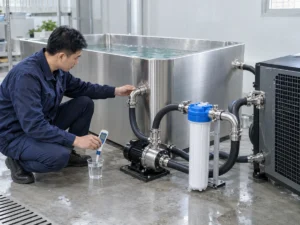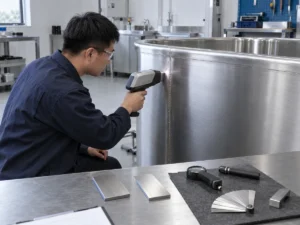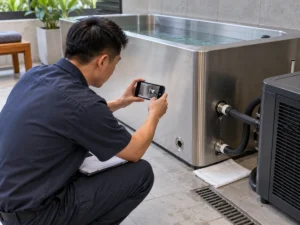
Direkte Antwort: Wählen Sie ein Kaltwasserbecken in Liegeausführung für ein Spa oder Regenerationszentrum erst dann, wenn die exakte Konfiguration zur vorgesehenen Körperhaltung, zum Einstieg, zur Regeneration bei Spitzenauslastung, zum Betriebswasservolumen, zu den Eingaben der Fülllast, zu Raum und Anlieferungsweg, zum Ablauf, zum Reinigungsaufwand und zum Servicezugang passt. Die Außenlänge oder eine gewerbliche Kennzeichnung allein reicht nicht aus. Klären Sie unverhandelbare strukturelle, hydraulische, betriebliche und lokale Nutzungsbedingungen, bevor Sie Preis, Oberfläche oder Optionen bewerten.
Eine vertretbare Auswahl erstellt eine Leistungsbeschreibung, ein Modellgeometrie-Verzeichnis, Wasser-/Last- und Wärmeaufzeichnungen, einen Installationshüllenplan, Aufgabenzeitdaten, ein Ausschlusskriterien-Register, eine gewichtete Shortlist, eine Evidenzklasse, eine Verantwortlichkeitsmatrix und einen Abnahme-/Wiederholungstestplan. Sie garantiert keinen Komfort, keine Barrierefreiheit, keine medizinische Eignung, keine Zertifizierung und keine Feldleistung außerhalb des dokumentierten Rahmens.
Beginnen Sie mit dem Spa- oder Regenerationsservice-Modell
Ein Kaltwasserbecken in Liegeausführung sollte anhand der Serviceaufgabe ausgewählt werden, nicht anhand der Beckenlänge oder einer Showroom-Haltung. Erfassen Sie, ob die Einrichtung private Termine, betreute Regenerationssitzungen, offenen Wellnessbetrieb oder geplante Teamnutzung anbietet. Das Servicemodell bestimmt die vorgesehenen Nutzer, Spitzenankünfte, Aufsicht, Einstiegshilfe, Sitzungswechsel, Reinigungsfenster, Wassertestpflicht und Schließungsbefugnis.
Sammeln Sie echte Daten, wo eine Einrichtung bereits in Betrieb ist. Verwenden Sie Zeitstempel-Buchungen oder Eintrittszahlen, beobachten Sie Warteschlangen- und Rücksetzzeiten, erfassen Sie Zeiträume ohne Personalaufsicht und messen Sie die tatsächlichen Wassertest-, Reinigungs- und Filteraufgaben. Bei einem neuen Projekt kennzeichnen Sie Eingaben als Planungswert, Lieferantenwert, qualifizierte Schätzung oder offen. Eine tägliche Nutzerzahl verbirgt die kurze Spitze, die oft die Regeneration und Personalbesetzung bestimmt.
| Eingabe | Beschaffungsmethode | Betroffene Entscheidung | Nachweisstand |
|---|---|---|---|
| Servicetyp | Freigegebenes Betriebskonzept | Privatsphäre, Aufsicht und Raumfluss | Freigegeben / offen |
| Spitzenankünfte | Zeitgestempelte Buchungen oder Intervallanzahl | Warteschlange, Regeneration und Wasserdienst | Gemessen / geplant |
| Vorgesehene Haltung/Nutzer | Servicepolitik mit qualifizierter Grenzprüfung | Innengeometrie und Einstiegsaufgabe | Definiert / ausstehend |
| Umsatz/Reset | Zeitgesteuerte Beobachtung oder skriptartiger Test | Buchungsabstand und Personalaufwand | Beobachtet / geschätzt |
| Betriebszeiten | Dienstplan und Öffnungsplan | Bereitschaftslast und Wartungsfenster | Freigegeben / offen |
| Aufsicht/Schließung | SOP- und Sichtlinien-Begehung | Stopp-Reaktion und Zugangskontrolle | Beobachtet / offen |
| Lokale Anforderungen | Qualifizierte Projekt-/AHJ-Prüfung | Öffentliche Nutzung, Barrierefreiheit und regulierte Bereiche | Bestätigt / ausstehend |
Das Ergebnis ist ein datierter Service-Brief mit einem Verantwortlichen und einer Revision. Wenn sich der Service von betreuten Terminen zu offenem Zugang ändert, gilt die ursprüngliche Schlussfolgerung nicht mehr. Überprüfen Sie Nutzerzugang, Personalbesetzung, Wasseraufbereitung, Aufgabenfrequenz und Abnahme, anstatt anzunehmen, dass dasselbe Becken weiterhin geeignet ist.
Trennen Sie die nutzbare Innen-Geometrie von den Außen- und Packmaßen
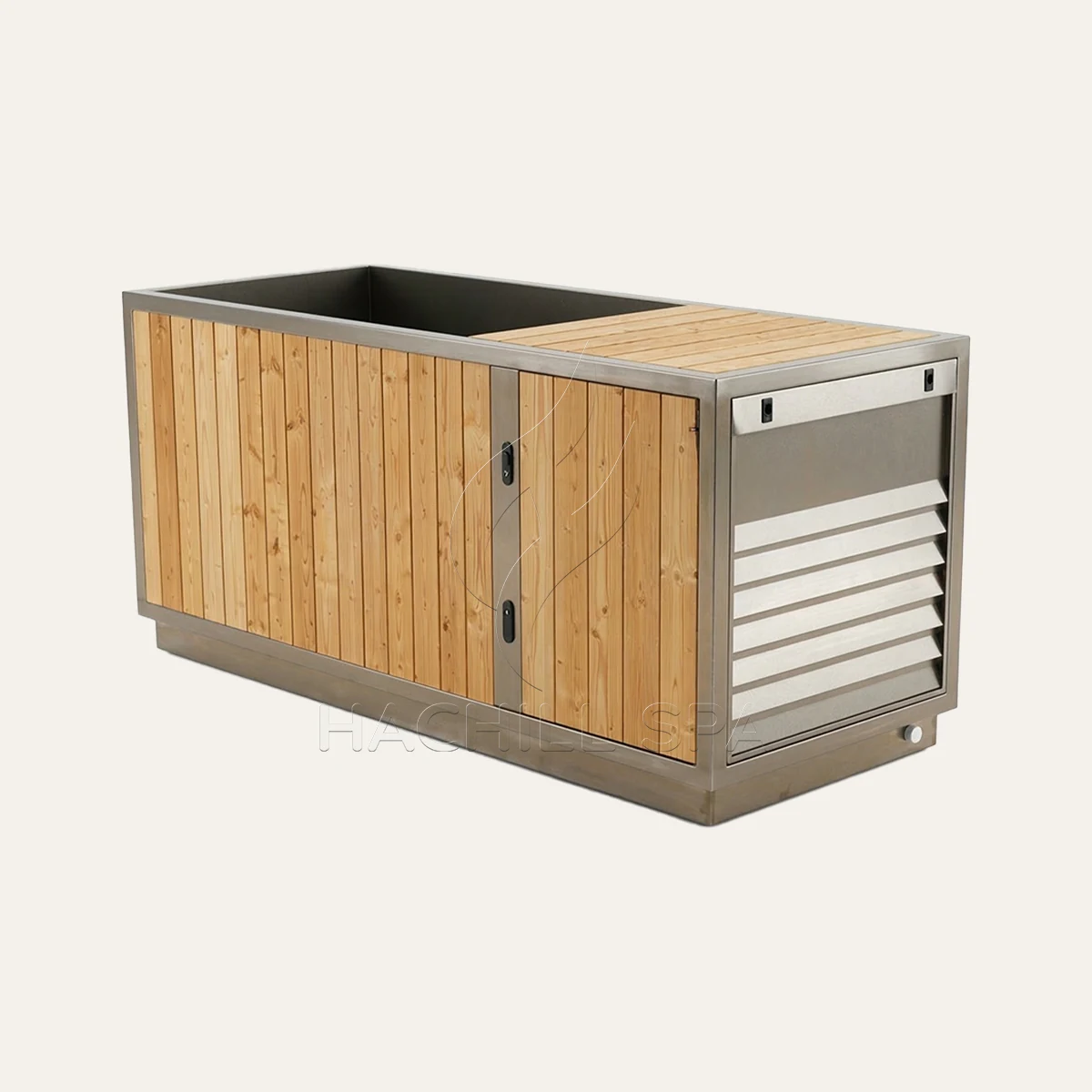
Außenmaße bestimmen den Standort- und Transportbedarf. Packmaße bestimmen die Lieferbarkeit. Nutzbare Innenlänge, -breite, -tiefe, Neigungen, Sitz- oder Fußgeometrie und Betriebswasserspiegel bestimmen die vorgesehene Haltungsaufgabe. Diese Angaben sind verwandt, aber nicht austauschbar. Wandstärke, Isolierung, Verkleidung, abgeschrägte Enden und Ausrüstungsfächer können den Innenraum reduzieren, ohne das Marketing-Kapazitätslabel zu ändern.
Beschaffen Sie die exakte Modell-/Konfigurationszeichnung mit definierten Bezugspunkten und Revision. Dokumentieren Sie, welche Werte nominal, minimal, maximal oder gemessen sind. Wenn die Körperhaltung wichtig ist, verwenden Sie eine kontrollierte Trockenprüfung oder ein genehmigtes Mock-up mit repräsentativen vorgesehenen Nutzern; leiten Sie keine universelle Körpergrößenbegrenzung von einem Teilnehmer ab. Fotos unterstützen die Orientierung, beweisen aber keine versteckte Geometrie oder Maßstab.
| Feld | Bevorzugte Nachweise | Entscheidung | Begrenzung |
|---|---|---|---|
| Externe installierte Maße | Genehmigte Modellzeichnung | Raum- und Servicekoordination | Kein Innenraum |
| Verpackungsmaße/Ausrichtung | Verpackungs- und Handhabungszeichnung | Türen, Wendungen, Hebevorgänge und Entfernungsphase | Schutz enthalten |
| Interne Nutzgeometrie | Schnitt-/Planzeichnung oder kontrolliertes Muster | Reichweite für Haltung, Drehen und Reinigung | Nur exakte Konfiguration |
| Rand-/Einstiegsgeometrie | Freigegebene Höhenlage und Standortdetail | Einstiegs-, Ausstiegs- und Spritzwasserbereich | Keine Barrierefreiheitsbewertung |
| Betriebswasserspiegel | Manueller oder gesteuerter Nachweis | Auftrieb, Verdrängung und Freibord | Zustandsabhängig |
| Anschlüsse und Servicebereich | Anschlusszeichnung | Rohrleitungen, Ablauf und Wartung | Nicht aus dem Foto ableiten |
| Abdeckung/Zubehör | Lieferumfang-Plan | Lagerung, Handhabung und Störungen | Enthalten / optional / lokal |
| Revisionsstand | Genehmigtes Dokumentenverzeichnis | Produktions-/Standortfreigabe | Offene Felder bleiben offen |

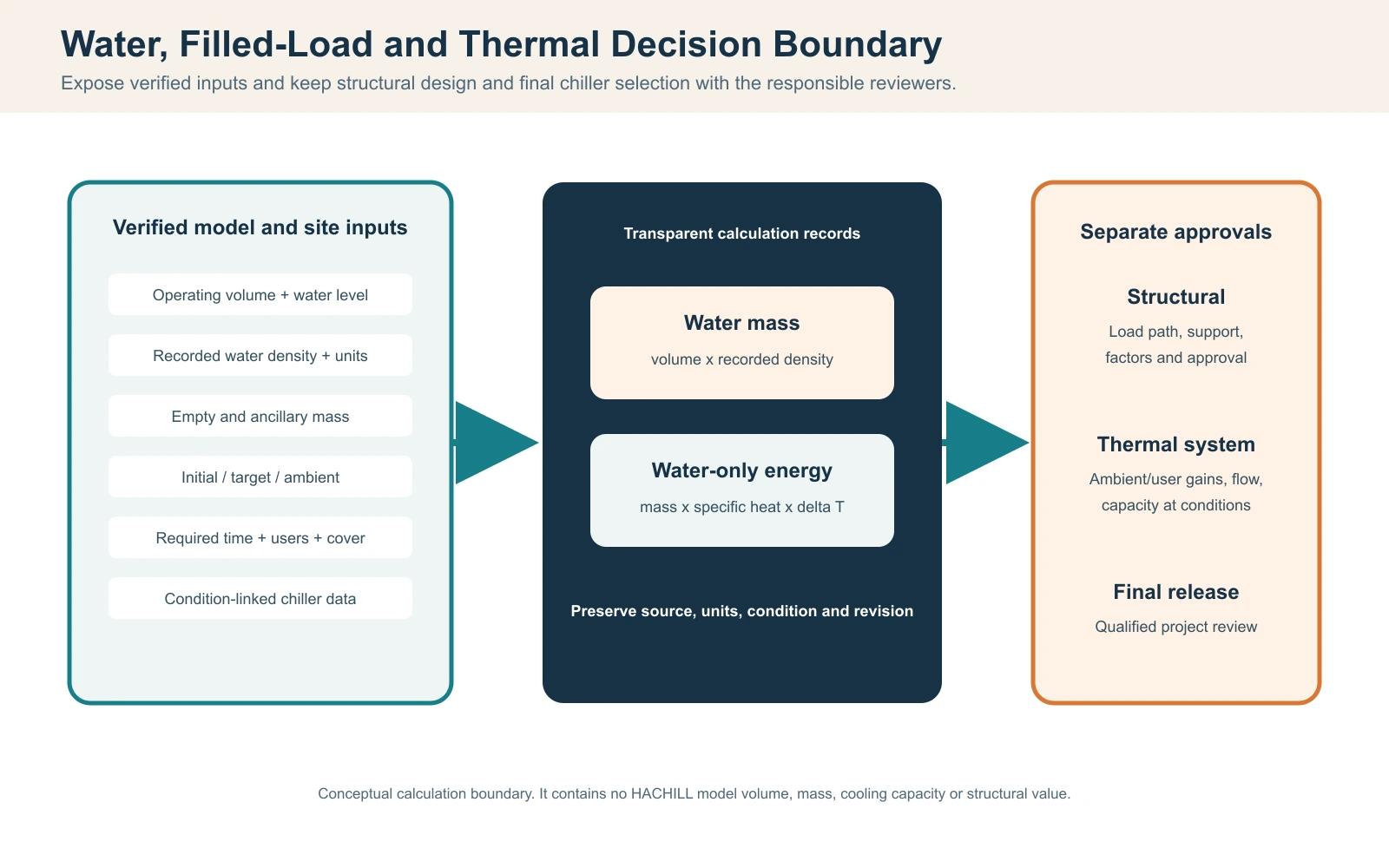
Berechnen Sie die Wassermasse und legen Sie jede Befüllungs-Eingabe offen
Schätzen Sie das Betriebsvolumen nicht aus dem äußeren rechteckigen Kasten ab. Verwenden Sie das verifizierte Betriebsvolumen des Lieferanten für den exakten Wasserstand oder eine kontrollierte Füllmessung nach einer freigegebenen Methode. Wenn ein Standort das Volumen misst, dokumentieren Sie die Zähler- oder Behältermethode, Anfangs- und Endzustand, Überlauf-/Ablaufzustand, Einheiten, Beobachter und Revision. Die Verdrängung durch Benutzer ändert Freibord und Spritzwasser, ersetzt jedoch nicht den kontrollierten Betriebsvolumen-Nachweis.
Eine transparente Berechnung ist Betriebswassermasse = verifiziertes Betriebsvolumen x aufgezeichnete Wasserdichte. Halten Sie die Einheiten konsistent und geben Sie den angenommenen Wasserzustand an. Für die statische Koordination legen Sie offen: Fülllast-Eingabe = Leermasse der Ausrüstung + Betriebswassermasse + bestätigte Zusatzmasse + projektspezifischer Benutzerzuschlag. Dies ist ein Eingabeledger, keine statische Konstruktion; Unterstützung, dynamische Effekte, Sicherheitsfaktoren und Genehmigung liegen in der Verantwortung des qualifizierten Statikers.
| Begriff | Quelle/Methode | Berechnungszweck | Eigentümer/Status |
|---|---|---|---|
| Betriebsvolumen | Exakter Modellnachweis oder kontrollierte Befüllung | Wassermasse und thermische Grundlage | Lieferant/Inbetriebnahme |
| Wasserdichte | Dokumentierte technische Annahme und Einheiten | Umrechnung von Volumen in Masse | Projektingenieur |
| Leergewicht der Ausrüstung | Freigegebener technischer/Verpackungsdatensatz | Eingabe der Fülllast | Lieferant |
| Zusätzlich installierte Masse | Bestätigte Abdeckung, Stufen und angebautes Equipment | Vollständigkeit der installierten Last | Lieferanten-/Standortteam |
| Benutzerreserve | Projektspezifische Auslegungsvorgabe | Struktureller Betriebsfall | Qualifiziertes Projektteam |
| Auflage-/Kontaktfläche | Freigegebene Fundament-/Standortzeichnung | Überprüfung des Lastpfads | Statiker |
| Berechnete Gesamtlast | Versionskontrolliertes Lastenheft | Vergleich mit der Freigabe vor Ort | Qualifizierter Prüfer |
| Änderungsauslöser | Modell, Ausführung oder Zubehör-Revision | Betroffene Eingaben neu berechnen | Entscheidungsträger |
Jeden Quellwert einzeln erfassen, statt nur eine Summe zu notieren. Wenn sich Wasserstand, Abdeckung, Anbaugeräte oder Konfiguration ändern, kann der Prüfer erkennen, was neu berechnet werden muss. Geben Sie nicht an, dass die Last gleichmäßig verteilt ist, es sei denn, das zugelassene Produkt und die statische Auslegung belegen diesen Zustand.
Definieren Sie die thermische Last für Abkühlung, Regeneration und Standby
Ein Liegeformat erfordert nicht automatisch einen größeren Kühler. Die Leistungsanforderung hängt von der verifizierten Wassermasse, der Anfangs- und Zieltemperatur, der geforderten Abkühlzeit, der Umgebungsluft, der Sonneneinstrahlung, der Oberfläche, der Isolierung, der Nutzung der Abdeckung, der Wärmezufuhr durch den Benutzer, der Zirkulation und der tatsächlichen Kälteleistung des Kühlers unter den relevanten Bedingungen ab. Benennen Sie, ob es sich um die erste Abkühlung, die Erholung zwischen Benutzern oder die kontinuierliche Temperaturhaltung handelt.
Die Energiebilanz nur für das Wasser ist fühlbare Wärmeabfuhr aus dem Wasser = Wassermasse x spezifische Wärme x Temperaturänderung. Die Division dieses Ergebnisses durch die Zeit ergibt eine durchschnittliche Rate nur für das Wasser, nicht die endgültige Geräteauswahl. Addieren Sie die zustandsabhängigen Umgebungs- und Benutzergewinne und vergleichen Sie diese mit den Leistungsdaten des Herstellers bei der Ziel-Umgebungs-/Wasserbedingung. Die Angabe der elektrischen Leistungsaufnahme oder der PS-Zahl entspricht nicht der gelieferten Kälteleistung.
| Eingabe | Erfassung | Warum das wichtig ist | Aufzeichnung |
|---|---|---|---|
| Wassermasse | Verifizierte Volumenberechnung | Fühlbare Energie | Wert, Einheiten, Quelle |
| Anfangs-/Zieltemperatur | Kalibrierte oder identifizierte Messgeräte | Temperaturänderung | Ort und Zeit |
| Erforderliche Abkühlung/Erholung | Leistungsbeschreibung | Erforderliche Durchschnittsrate | Start-/Endgrenze |
| Umgebungs-/Sonneneinstrahlungsbedingung | Standort-/Testbeobachtung | Wärmegewinn und Kondensatorleistung | Innen/Außen, Schatten |
| Abdeckung/Isolierung | Exakte Konfiguration | Bereitschafts- und Abkühlgewinn | Offener/Geschlossener Zustand |
| Nutzer/Spitzenintervall | Zeitgestempelte Servicedaten | Rückgewinnungslast | Anzahl und Reihenfolge |
| Durchfluss-/Filterzustand | Inbetriebnahmemessungen | Wärmeaustausch und Sensorvalidität | Methode/Instrument |
| Nachweis der Kälteleistung | Modelldaten unter den angegebenen Bedingungen | Vergleich der Kandidaten | Leistung, Zustand, Revision |
Bei der Inbetriebnahme sollten Zeitreihen von Wasser- und Umgebungstemperaturen, Zirkulationszustand, Abdeckungsposition, Benutzerereignissen und Regelungsstatus protokolliert werden. Ein Test unter milden Innenraumbedingungen kann die Spitzenleistung im Freien nicht belegen. Wenn ein Ergebnis nicht stimmt, müssen Grenzen und Messgeräte überprüft werden, bevor der Kühler als unterdimensioniert eingestuft wird.
Koordinieren Sie den Zugang für Zirkulation, Behandlung, Probenahme, Entleerung und Reinigung
Wasserqualität und -temperatur hängen vom gesamten Kreislauf ab, nicht von einzelnen Komponenten. Erfassen Sie Wannenanschlüsse, Rohrgröße, äquivalente Länge, Formstücke, Ventile, Pumpenkennlinie, Filterdruckverlust, Aufbereitungsgeräte, Probenahmestelle, Ablaufanschluss, Entlüftung und Durchflussanforderungen des Kühlers. Der Betriebspunkt liegt dort, wo sich Pumpen- und Anlagenkennlinie schneiden; der maximale Durchfluss einer Pumpe ist nicht der Betriebsdurchfluss.
Prüfen Sie, ob die Zirkulation das vorgesehene Wasservolumen ohne unzugängliche Niedrigdurchfluss- oder Reinigungszonen erreicht. Ziehen Sie keine hydraulischen Leistungen aus Anschlussfotos. Bei gemeinsamer Nutzung müssen Filterung, Aufbereitung, Chemie, Reinigung und lokale öffentliche Gesundheitsanforderungen von verantwortlichen Fachleuten koordiniert werden; eine Ozon- oder UV-Option ersetzt nicht das übrige Betriebsprogramm.
| Schnittstelle | Nachweis | Abnahme-Beobachtung | Verantwortliche Partei |
|---|---|---|---|
| Wanneneinlass/-auslass | Exakter Anschlussplan | Korrekte Identität, Ausrichtung und Dichtheitszustand | Lieferant/Monteur |
| Pumpen-/Rohrsystem | Pumpen- und Anlagendaten | Befüllung, Durchfluss und stabiler Betrieb | Systemplaner/Installateur |
| Filter | Druckverlust-/Betriebsdaten | Saubere Ausgangsbasis und zugängliche Entnahme | Lieferant/Betreiber |
| Behandlungsgerät | Exaktes Modell/Handbuch | Aktiviert, zugänglich und innerhalb des zugelassenen Betriebs | Lieferant/Betreiber |
| Probenahme | SOP und Entnahmestelle | Repräsentative, reproduzierbare Probe | Betreiber |
| Entleerung/Ableitung | Standort- und Produktdetails | Kontrollierte Entleerung und ordnungsgemäße Ableitung | Projektplaner/Gewerk |
| Entlüftung/Frostschutz | Freigegebenes Verfahren | Keine Lufteinschlüsse oder Frostgefahr | Installateur/Betreiber |
| Steuerung ändern | Überarbeiteter Kreislaufplan | Betroffener Durchfluss/Behandlung erneut geprüft | Entscheidungsträger |
Zeichnen Sie den Durchfluss mit dem freigegebenen Instrument und der freigegebenen Methode auf, statt sich auf einen visuellen Eindruck zu verlassen. Wenn ein Filter blockiert, ein Ventil wechselt oder ein kleinerer Schlauch hinzugefügt wird, können sich Betriebspunkt und Wärmeaustausch ändern. Bewahren Sie eine saubere System-Baseline, damit spätere Fehler mit einem bekannten Zustand verglichen werden können.
Berechnen Sie die vollständige Installations- und Betriebsumgebung
Ein Liegebehälter kann die vorgesehene Position ermöglichen, benötigt jedoch Raumlänge, Zugang, Ausgang, Abdeckungsbewegung, Reinigungsreichweite, Entwässerung, Rohrleitungen, Kühlluftstrom und Platz für den Komponentenausbau. Zeichnen Sie diese als separate Hüllen in den fertigen Raumplan ein. Zählen Sie Überlappungen nur, wenn das Betriebsverfahren sicherstellt, dass sich die Aufgaben nicht widersprechen.
Verwendung installierte Stationshülle = Vereinigung von Behälter + Ein-/Ausgang + Rückgewinnung + Abdeckung + Reinigung + Wartung + Anlage + Umwälzhüllen. Dies ist eine geometrische Vereinigung, keine Summe aller Rechtecke. Prüfen Sie neben der Grundfläche auch Höhe und Weg: verpackte Ausrichtung, Korridorwendungen, Aufzüge, Deckenhöhen und die Phase, in der die Verpackung entfernt werden kann, können die Lieferung blockieren, selbst wenn die endgültige Stellfläche passt.
| Hülle | Quelle | Aktiver Zustand | Überlappungsregel |
|---|---|---|---|
| Behälter/Unterstützung | Freigegebenes Modell/Standortzeichnungen | Immer | Keine unzulässige Beeinträchtigung |
| Ein-/Ausgang/Rückgewinnung | Kontrollierte Benutzerfluss-Überprüfung | Jede Sitzung | Keine Überlappung von Warteschlange/Ausgang |
| Bewegung/Lagerung abdecken | Zugelassene Abdeckmethode | Öffnen/Schließen | Landebereich und Personalaufgaben schützen |
| Reinigungsreichweite | Zeitgesteuerte Aufgabenprüfung/Werkzeuge | Zurücksetzen/Grundreinigung | Schließung kann Zeitteilung ermöglichen |
| Service/Entfernung | Manueller und Ersatzpfad | Wartung | Erzwungene Schließung erforderlich |
| Luftstrom des Kühlers | Exakte Gerätedaten | Betrieb | Kein Eindringen in Möbel/Gehäuse |
| Nasszirkulation/Entwässerung | Projekt-/Lokalplan | Betrieb/Reinigung | Route kontrolliert halten |
| Verpackte Lieferroute | Dreidimensionale Routenvermessung | Warenannahme | Getrennt von der endgültigen Stellfläche |
Reinigungs- und Betriebsarbeitsaufwand messen, bevor Sie den Durchsatz festlegen
Der kommerzielle Durchsatz wird durch mehr als nur die Eintauchzeit begrenzt. Die Station muss Einstieg, Ausstieg, Trocknen, Inspektion, Oberflächenreinigung, Wassertests, Filter- oder Abschäumaufgaben, Aufzeichnungen und außergewöhnliche Schließungen aufnehmen. Messen Sie jede Aufgabe mit dem tatsächlichen Layout, Werkzeugen und Zugang. Konvertieren Sie ein Marketing-Umsatzziel nicht in eine Betriebsbehauptung.
Ein Planungsausdruck ist Arbeitslastminuten pro Zeitraum = Summe (Ereignishäufigkeit x beobachtete Aufgabenminuten) + Einrichtung + erforderliche Warte-/Kontaktzeit + Aufzeichnungen. Halten Sie Routine-, Spitzen- und außergewöhnliche Ereignisse getrennt. Kontaktzeit und passiver Gerätebetrieb entsprechen nicht immer Arbeitsminuten, können aber dennoch die Station schließen oder Buchungen einschränken.
| Aufgabe/Ereignis | Auslösefrequenz | Zeit-/Datenmethode | Betriebliche Konsequenz |
|---|---|---|---|
| Rücksetzung zwischen Benutzern | Jede Sitzung oder genehmigter Auslöser | Zeitgesteuerte tatsächliche Aufgabe | Buchungsintervall |
| Wassertest/-anpassung | SOP/lokale Anforderung | Beobachteter Test plus Aufzeichnungen | Personalqualifikation/Schließung |
| Filter-/Abschäumaufgabe | Druck/Zeit/Zustand | Zeitgesteuerter Zugang und Wiederherstellung | Wartungsfenster |
| Wasserlinie/Innenreinigung | Zeitplan/Zustand | Werkzeug- und Reichweitentest | Raum- und Abflussanforderung |
| Ablassen/Nachfüllen | Geplante oder Kontaminationsreaktion | Kontrolliertes Volumen-/Zeitprotokoll | Wasser-/Ablass-Ausfallzeit |
| Abnormale Messwerte/Leckage | Stopp-Regel | Vorfall-/Diagnoseprotokoll | Ungeplante Schließung |
| Wiedereröffnungsprüfung | Nach Korrektur | Bezeugter Abnahmeschritt | Befugnis zur Wiedereröffnung |
| Personalspitze | Spitzenbuchungsintervall | Dienstplan vs. Aufgabenanforderung | Kapazitäts- oder Zeitplanlimit |
Vergleichen Sie die Arbeitslast mit dem Dienstplan und dem tatsächlichen Wartungsfenster. Wenn die einzige für Wassertests geschulte Person während der Spitzenzeiten nicht verfügbar ist, ist die nominelle Stationskapazität nicht die Betriebskapazität. Dokumentieren Sie die Schließung und den Eskalationsweg vor der Öffnung.
Unverhandelbare Haltebedingungen vor der Bewertung klären
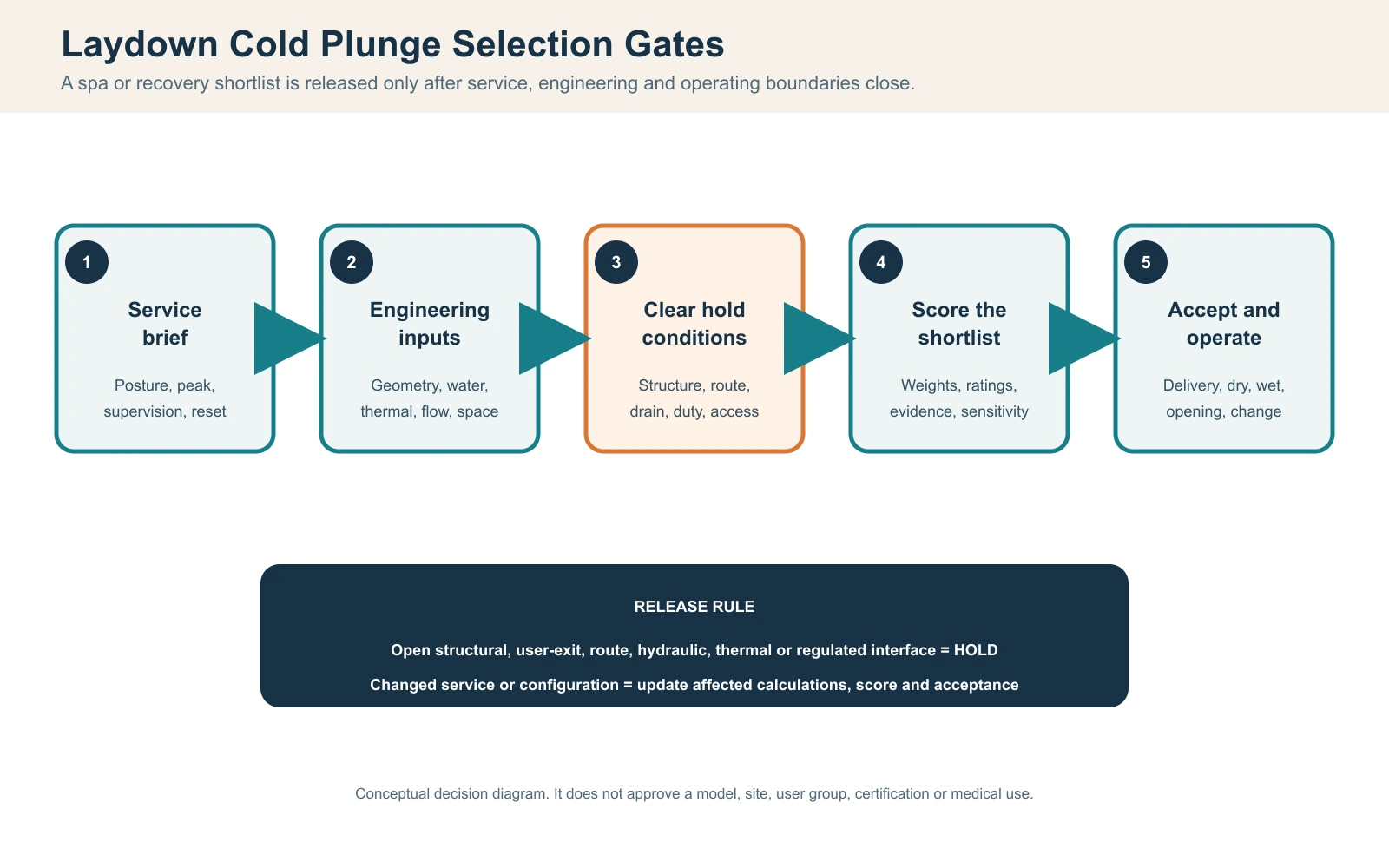
Ein gewichteter Vergleich kann eine kritische offene Schnittstelle nicht wegmitteln. Behandeln Sie ungelöste nutzbare Geometrie, Beladungs-/Unterstützungsbasis, Lieferweg, Benutzerausgang, Entwässerung, Elektroarbeiten, Kühlmittel-Luftstrom, Zirkulation, Behandlung, Servicezugang oder Anforderungen an gemeinsame Nutzung als Haltebedingungen. Ein Kandidat mag bei Preis und Ausführung attraktiv erscheinen, bleibt aber möglicherweise nicht freigebbar.
| Haltebedingung | Erforderliche Nachweise | Freigabebefugnis |
|---|---|---|
| Beabsichtigte Körperhaltung/Einstieg kann nicht validiert werden | Exakte Geometrie und kontrollierte Aufgabenprüfung | Käufer/Betreiber plus qualifizierte Prüfung |
| Belastungs-/Stützbasis ist offen | Freigegebene Massenbilanz und statische Entscheidung | Qualifizierter Statiker |
| Transportweg oder Hebeplan scheitert | Streckenbegehung und freigegebener Handhabungsplan | Logistik-/Baustellenteam des Lieferanten |
| Entwässerung/Nassweg ist ungeklärt | Abgestimmter Entwässerungs-, Boden- und Ableitungsplan | Projektplaner/Betreiber |
| Thermische Belastung ohne belastbare Nachweise | Eingangs-/Prüfprotokoll und Kapazitätsnachweis | Technische Verantwortung des Käufers |
| Durchfluss-/Behandlungsgrenze ist unvollständig | Freigegebener Kreislauf und Betriebsverantwortung | Systemplaner/Betreiber |
| Reinigungs-/Wartungskomponenten sind unzugänglich | Praktischer Test des fertigen Layouts | Lieferant/Installateur/Betreiber |
| Lokale Freigabe zur gemeinsamen Nutzung bleibt angenommen | Projektspezifische Entscheidung durch Qualifizierten/AHJ | Zuständige Behörde/Fachkraft |
Eine gewichtete Shortlist mit offengelegten Nachweisen und Sensitivität verwenden
Nachdem Ausschlusskriterien geklärt sind, bewerten Sie die Kriterien, die zum Leistungsverzeichnis passen: Haltungsaufgabe, Spitzenerholung, installierte Hüllkurve, Reinigungsaufwand, Servicezugang, Nachweiszuverlässigkeit und Lebenszyklusverantwortung. Legen Sie die Gewichtungen fest, bevor Sie die Gesamtwerte der Anbieter prüfen. Verwenden Sie für jeden Kandidaten dieselbe Nachweisregel und zeigen Sie Abweichungen auf, statt fehlende Informationen zu belohnen.
Eine Methode ist gewichtete Shortlist-Punktzahl = Summe(Gewicht x Bewertung) / Summe(Gewichte). Definieren Sie die Bewertungsskala, behalten Sie die Rohdaten bei und führen Sie eine Sensitivitätsprüfung durch, indem Sie die höchsten Gewichtungen innerhalb eines angemessenen Projektbereichs ändern. Wenn eine kleine Gewichtungsänderung die Auswahl umkehrt, ist die Entscheidung nicht robust und sollte durch Nachweise oder betriebliche Priorität geklärt werden.
| Kriterium | Nachweis | Gewichtungsbegründung | Begrenzung |
|---|---|---|---|
| Haltung/Benutzeraufgabe | Exakte Geometrie und kontrollierte Überprüfung | Kernergebnis der Dienstleistung | Keine universelle Komfortbehauptung |
| Thermische Regeneration | Zustandsabhängige Daten/Prüfung | Spitzenlast bei Buchung | Nicht Nennleistung |
| Installations-/Streckenpassung | Verbandszeichnung und Streckenvermessung | Standort-Machbarkeit | Ausschlusskriterium zuerst |
| Reinigungsaufwand | Zeitgesteuerte Aufgabenaufzeichnung | Betriebspersonal/Schließung | Tatsächliches Layout |
| Wartungsfreundlichkeit | Panel-/Filter-/Ausbauversuch | Stillstand und Wartung | Exakte Konfiguration |
| Vertrauen in die Beweislage | Qualitäts- und Revisionsregister | Beschaffungsunsicherheit | Offen ist nicht bestanden |
| Kommerzieller Umfang | Normalisierte Ein-/Ausschlüsse | Vergleichbarer Preis | Keine versteckte Substitution |
| Sensitivität | Alternative vertretbare Gewichtungen | Entscheidungsrobustheit | Instabiles Ergebnis eskalieren |
Veröffentlichen Sie die Bewertung nicht als HACHILL-Modellranking. Sie gehört ausschließlich der bewerteten Einrichtung, dem Servicemodell, der Konfiguration, dem Evidenzstand und dem Entscheidungsträger.
Nachweise nach Modell, Zustand, Methode und Revision bewerten
Eine freigegebene Zeichnung für das exakt bestellte Modell ist aussagekräftiger als ein Kategoriebild für die Geometrie. Ein bezeugter Test unter den Zielwasser- und Umgebungsrandbedingungen ist aussagekräftiger als eine nicht dokumentierte Showroom-Beobachtung für die thermische Leistung. Ein Zertifikat oder Prüfprotokoll muss Umfang und Modell identifizieren; eine Normreferenz ist kein Nachweis, dass ein Produkt zertifiziert ist.
| Stufe | Nachweis | Zulässige Verwendung | Grenze |
|---|---|---|---|
| A – kontrolliert | Exaktes Modell/Konfiguration, Methode, Bedingung, Zeuge und Revision | Abnahme innerhalb dokumentierter Grenze | Keine automatische Übertragung |
| B – modellspezifisch | Freigegebene Zeichnung/Handbuch/Prüfprotokoll mit klarem Umfang | Eingabe für Design und Beschaffung | Standort/Betrieb bestätigen weiterhin |
| C – analog | Verwandtes Modell, Mock-up oder unvollständiger Zustand | Risikoerkennung/vorläufige Planung | Keine endgültige Freigabe |
| D – illustrativ | Marketingbild, generisches Etikett oder nicht dokumentierte Angabe | Nur zur Orientierung | Keine Dimensions-/Leistungsschlussfolgerung |
| Offen | Fehlende, widersprüchliche oder revisionsunklare Eingabe | Maßnahmenregister | Kann nicht zur Annahme werden |
Quelle, Eigentümer, Datum und betroffene Entscheidung dokumentieren. Bewahren Sie ersetzte und fehlgeschlagene Aufzeichnungen mit ihrem Status auf. Wenn ein Lieferant eine Komponente, ein Material, eine Firmware, einen Anschluss oder eine Verpackungsanordnung ändert, legen Sie fest, welche Berechnungen, Zeichnungen und Abnahmeprüfungen wiederholt werden müssen.
Produkt-, Standort- und Betriebsverantwortung vor der Auftragsfreigabe zuweisen
Der Käufer/Betreiber definiert das Servicemodell, den Benutzer und die Abnahmegrenze. Der Lieferant liefert exakte Produkt-/Konfigurationsdaten, enthaltene Ausrüstung, Handbücher und vereinbarte Nachweise. Der Projektplaner koordiniert Struktur, Nassbereich, Entwässerung, Trasse und Versorgungsleitungen. Installateure bauen die freigegebene Anordnung auf und dokumentieren sie. Der Betreiber ist verantwortlich für Wasser, Reinigung, Abschluss, Protokolle und Kompetenz. Qualifizierte Fachkräfte und die zuständige Behörde entscheiden über regulierte Schnittstellen.
| Entscheidung | Lead | Erforderliche Ausgabe | Zeuge/Freigabe |
|---|---|---|---|
| Service-/Benutzergrenze | Käufer/Betreiber | Nutzungsmuster, Körperhaltung, Spitzenlast und Aufsicht | Qualifizierte Prüfer, sofern zutreffend |
| Produkt/Konfiguration | Lieferant | Modell, Geometrie, Masse, Anschlüsse und enthaltene Leistungen | Technische Verantwortung des Käufers |
| Struktur/Nassbereich/Trasse | Projektplanungsteam | Koordinierte Unterstützungs-, Entwässerungs- und Lieferzeichnungen | Qualifizierte lokale Fachkräfte |
| Thermisches/hydraulisches System | Benannter Systemplaner | Aufzeichnung von Kapazität, Durchfluss, Behandlung und Schnittstellen | Inbetriebnahme-Befugnis |
| Installation | Installateur/Gewerke | Dokumentation zu Ist-Zustand, Leckagen, Durchfluss und Elektrik | Projektzeuge |
| Betrieb | Betreiber | SOP, Prüfung, Reinigung, Abschluss und Schulung | Lokale Prüfung, sofern zutreffend |
| Abnahme/Änderung | Benannter Entscheidungsträger | Abweichungen, Wiederholungsprüfung und Freigabe | Ursprüngliche Schnittstellen-Eigentümer |
| Ersatzteile/Support | Käufer und Lieferant | Teileliste, Handbücher und Eskalationsweg | Beschaffung/Betrieb |
Wenn eine Partei Wanne, Pumpe und Kühler liefert, müssen Entwässerung, Gebäude, Elektrik, Lüftung, Wasser- und Betriebsschnittstellen dennoch separat identifiziert werden. Kommerzielle Bequemlichkeit schafft kein unausgesprochenes Gesamtsystemdesign.
Dokumente, Lieferung, Nassleistung und Eröffnung getrennt akzeptieren
Verwenden Sie getrennte Tore. Die Dokumentfreigabe verifiziert das freigegebene Modell, Zeichnungen, Nachweise und Verantwortlichkeiten. Der Wareneingang verifiziert Verpackung, Identität, Schäden, Armaturen, Zubehör und Revisionen vor der Installation. Das Trockenlayout verifiziert Unterstützung, Route, Zugang, Abdeckung, Reinigung und Serviceschnittstellen. Die Nassinbetriebnahme verifiziert Leckstatus, Befüllung, Durchfluss, Filter, Steuerungen, Temperaturanzeige, Behandlung, Entwässerung und Alarme/Verriegelungen gemäß dem freigegebenen Verfahren. Die Eröffnungsprüfung verifiziert Personalkompetenz, Protokolle, Abschluss, Reaktion und Ersatzteile.
| Meilenstein | Rohaufzeichnung | Bestanden-Grenze | Fehler-/Wiederholungsprüfungsregel |
|---|---|---|---|
| Dokument-/Auftragsfreigabe | Register für freigegebenen Umfang/Nachweise | Kritische Eingaben und Abweichungen abgeschlossen | Produktions-/Baustellenfreigabe zurückhalten |
| Warenannahme | Verpackung, Identität, Fotos und Schadensprotokoll | Bestellte Konfiguration trifft ohne offene Schäden ein | Quarantäne und Verwahrung sicherstellen |
| Trockenlayout | Ist-Maße und Aufgabenversuche | Unterstützung, Route, Zugang, Abdeckung und Zugriff stimmen überein | Ursache korrigieren; abhängige Aufgaben wiederholen |
| Nass-Inbetriebnahme | Protokoll für Leck, Durchfluss, Behandlung, Entwässerung und Temperatur | Vereinbarte zustandsbezogene Kriterien erfüllt | Stopp, Diagnose und kontrollierte Wiederholungsprüfung |
| Eröffnung | SOP, Schulung, Abschluss- und Reaktionsübung | Benannte Mitarbeiter können bedienen und stoppen | Nicht ungeklärt öffnen |
| Nach der Änderung | Bewertung der Auswirkungen von Revisionen | Betroffene Nachweise wiederholt/genehmigt | Geänderte Konfiguration unter Quarantäne stellen |
| Streitfall | Ursprüngliche Anforderung, Rohdaten, Fotos und Revisionen | Rückverfolgbarer Zustand und Entscheidung | Fehlgeschlagene Nachweise nicht überschreiben |
Verwendung bei aktiven Lecks, instabiler Abstützung, scharfen oder strukturellen Schäden, vermuteter elektrischer Gefährdung, wiederholten Schutzauslösungen, Verlust des erforderlichen Durchflusses, unkontrollierten Wasserbedingungen, blockierter Entwässerung oder manuellen/Standort-Stoppregeln einstellen. Ein erneuter Test sollte die identifizierte Ursache ändern, während gültige Kontrollen beibehalten werden. Bewahren Sie den fehlgeschlagenen Datensatz und die korrigierende Revision auf, damit Lieferant, Installateur und Käufer die tatsächliche Schnittstelle lösen können.
Einen normalisierten Liege-RFQ und Abnahmezettel ausstellen
Senden Sie jedem Lieferanten dieselbe Leistungsbeschreibung, Raum- und Wegepläne, Haltungsaufgabe, Wasser-/Thermalgrenzen, Versorgungseinrichtungen, Entwässerung, Wasseraufbereitungsplan, Reinigungs-/Wartungsanforderungen, Dokumentation und Abnahmepunkte. Verlangen Sie, dass jede Antwort Konformität, Abweichung, Alternative oder offen kennzeichnet. Vergleichen Sie Preise erst, nachdem enthaltene, ausgeschlossene und lokal gelieferte Artikel abgeglichen sind.
| RFQ-Feld | Eingaben des Käufers/Projekts | Lieferantenantwort |
|---|---|---|
| Anwendung/Service | Spa-/Erholungsmodell, Benutzer, Spitzenzeiten und Aufsicht | Erklärte Nutzungsgrenzen und -bedingungen |
| Geometrie/Konfiguration | Haltungsaufgabe, Raum und Weg | Exakte Modellzeichnungen, Optionen und Verpackungsdaten |
| Wasser/Last | Erforderlicher Füllstand-/Volumennachweis und Standortprüfung | Betriebsvolumen, Leermasse und Schnittstellen |
| Thermische Leistung | Anfang/Ziel, Umgebung, Zeitplan, Nutzer und Abdeckung | Zustandsabhängige Kapazität und Steuerungen |
| Hydraulik/Aufbereitung | Kreislauf, Wasserpflege und Verantwortungsgrenze | Anschlüsse, Durchfluss, Filtration/Aufbereitung und Ausschlüsse |
| Standort/Service | Entwässerung, Reinigung, Abdeckung und Wartungsfenster | Erforderliche Umschläge und Aufgaben-Zugriff |
| Nachweis/Abnahme | Dokumente, Zeugen, Haltepunkte und erneute Prüfung | Verfügbarer Umfang, Abweichungen und Methode |
| Kommerziell | Menge, Zielort, Branding und Zeitplan | Eingeschlossener/ausgeschlossener Umfang und Änderungskontrolle |
Für eine HACHILL-Modellprüfung stellen Sie diese Eingaben bereit, anstatt zu fragen, welche Liegewanne am besten ist. Das Team kann Produkt- und Fertigungsschnittstellen prüfen, während strukturelle, behördlich geregelte Baustellenarbeiten, Zugänglichkeit und Betriebsfreigabe bei den verantwortlichen Projektparteien verbleiben.
Kaufratgeber für kommerzielle Kaltwasser-Tauchbecken in Liegeausführung
Eine modellbezogene Auswahlmethode für Spa-Betrieb, Geometrie, thermische Last, Aufstellfläche, Betriebsaufwand und Abnahme.
Direkte Antwort: Für einen Spa- oder Recovery-Bereich wählen Sie ein Kaltwasser-Tauchbecken in Liegeausführung, indem Sie das exakte Modell mit der vorgesehenen Nutzerhaltung und Einstiegsaufgabe, der Kühlleistung bei Spitzenlast, dem verifizierten Betriebswasservolumen und den Fülllastangaben, der gesamten Aufstell- und Anlieferungshülle sowie dem Entwässerungs-, Wasserpflege-, Reinigungs-, Personal- und Serviceplan der Einrichtung abgleichen. Wählen Sie nicht allein anhand der Außenlänge, eines Ein-Personen-Labels, der Kühlerleistung in PS oder einer allgemeinen kommerziellen Aussage. Klären Sie alle strukturellen, elektrischen, entwässerungstechnischen, barrierefreien, gesundheitsbehördlichen oder sonstigen lokalen Nutzungsanforderungen, die gelten, bevor Sie Oberfläche, Optionen und Preis vergleichen.
Die Kaufentscheidung sollte mit einer kurzen Liste enden, die gegenüber dem realen Betriebsprofil verteidigbar ist: exakte Konfigurationszeichnungen, zustandsgebundene thermische Nachweise, Prüfungen von Nutzfläche und Servicezugang, klare Verantwortungsgrenzen und ein Abnahmeplan. Diese Seite erklärt, wie diese Auswahl getroffen wird, ohne dass ein Kaufratgeber zum Ersatz für Tragwerksplanung, lokale Genehmigungen, detaillierte Kühlerauslegung, Wasseraufbereitungsverfahren oder medizinische Beratung wird.
Beginnen Sie mit dem Spa- oder Regenerationsservice-Modell
Ein Kaltwasserbecken in Liegeausführung sollte anhand der Serviceaufgabe ausgewählt werden, nicht anhand der Beckenlänge oder einer Showroom-Haltung. Erfassen Sie, ob die Einrichtung private Termine, betreute Regenerationssitzungen, offenen Wellnessbetrieb oder geplante Teamnutzung anbietet. Das Servicemodell bestimmt die vorgesehenen Nutzer, Spitzenankünfte, Aufsicht, Einstiegshilfe, Sitzungswechsel, Reinigungsfenster, Wassertestpflicht und Schließungsbefugnis.
Sammeln Sie echte Daten, wo eine Einrichtung bereits in Betrieb ist. Verwenden Sie Zeitstempel-Buchungen oder Eintrittszahlen, beobachten Sie Warteschlangen- und Rücksetzzeiten, erfassen Sie Zeiträume ohne Personalaufsicht und messen Sie die tatsächlichen Wassertest-, Reinigungs- und Filteraufgaben. Bei einem neuen Projekt kennzeichnen Sie Eingaben als Planungswert, Lieferantenwert, qualifizierte Schätzung oder offen. Eine tägliche Nutzerzahl verbirgt die kurze Spitze, die oft die Regeneration und Personalbesetzung bestimmt.
| Eingabe | Beschaffungsmethode | Betroffene Entscheidung | Nachweisstand |
|---|---|---|---|
| Servicetyp | Freigegebenes Betriebskonzept | Privatsphäre, Aufsicht und Raumfluss | Freigegeben / offen |
| Spitzenankünfte | Zeitgestempelte Buchungen oder Intervallanzahl | Warteschlange, Regeneration und Wasserdienst | Gemessen / geplant |
| Vorgesehene Haltung/Nutzer | Servicepolitik mit qualifizierter Grenzprüfung | Innengeometrie und Einstiegsaufgabe | Definiert / ausstehend |
| Umsatz/Reset | Zeitgesteuerte Beobachtung oder skriptartiger Test | Buchungsabstand und Personalaufwand | Beobachtet / geschätzt |
| Betriebszeiten | Dienstplan und Öffnungsplan | Bereitschaftslast und Wartungsfenster | Freigegeben / offen |
| Aufsicht/Schließung | SOP- und Sichtlinien-Begehung | Stopp-Reaktion und Zugangskontrolle | Beobachtet / offen |
| Lokale Anforderungen | Qualifizierte Projekt-/AHJ-Prüfung | Öffentliche Nutzung, Barrierefreiheit und regulierte Bereiche | Bestätigt / ausstehend |
Das Ergebnis ist ein datierter Service-Brief mit einem Verantwortlichen und einer Revision. Wenn sich der Service von betreuten Terminen zu offenem Zugang ändert, gilt die ursprüngliche Schlussfolgerung nicht mehr. Überprüfen Sie Nutzerzugang, Personalbesetzung, Wasseraufbereitung, Aufgabenfrequenz und Abnahme, anstatt anzunehmen, dass dasselbe Becken weiterhin geeignet ist.
Trennen Sie die nutzbare Innen-Geometrie von den Außen- und Packmaßen
Außenmaße bestimmen den Standort- und Transportbedarf. Packmaße bestimmen die Lieferbarkeit. Nutzbare Innenlänge, -breite, -tiefe, Neigungen, Sitz- oder Fußgeometrie und Betriebswasserspiegel bestimmen die vorgesehene Haltungsaufgabe. Diese Angaben sind verwandt, aber nicht austauschbar. Wandstärke, Isolierung, Verkleidung, abgeschrägte Enden und Ausrüstungsfächer können den Innenraum reduzieren, ohne das Marketing-Kapazitätslabel zu ändern.
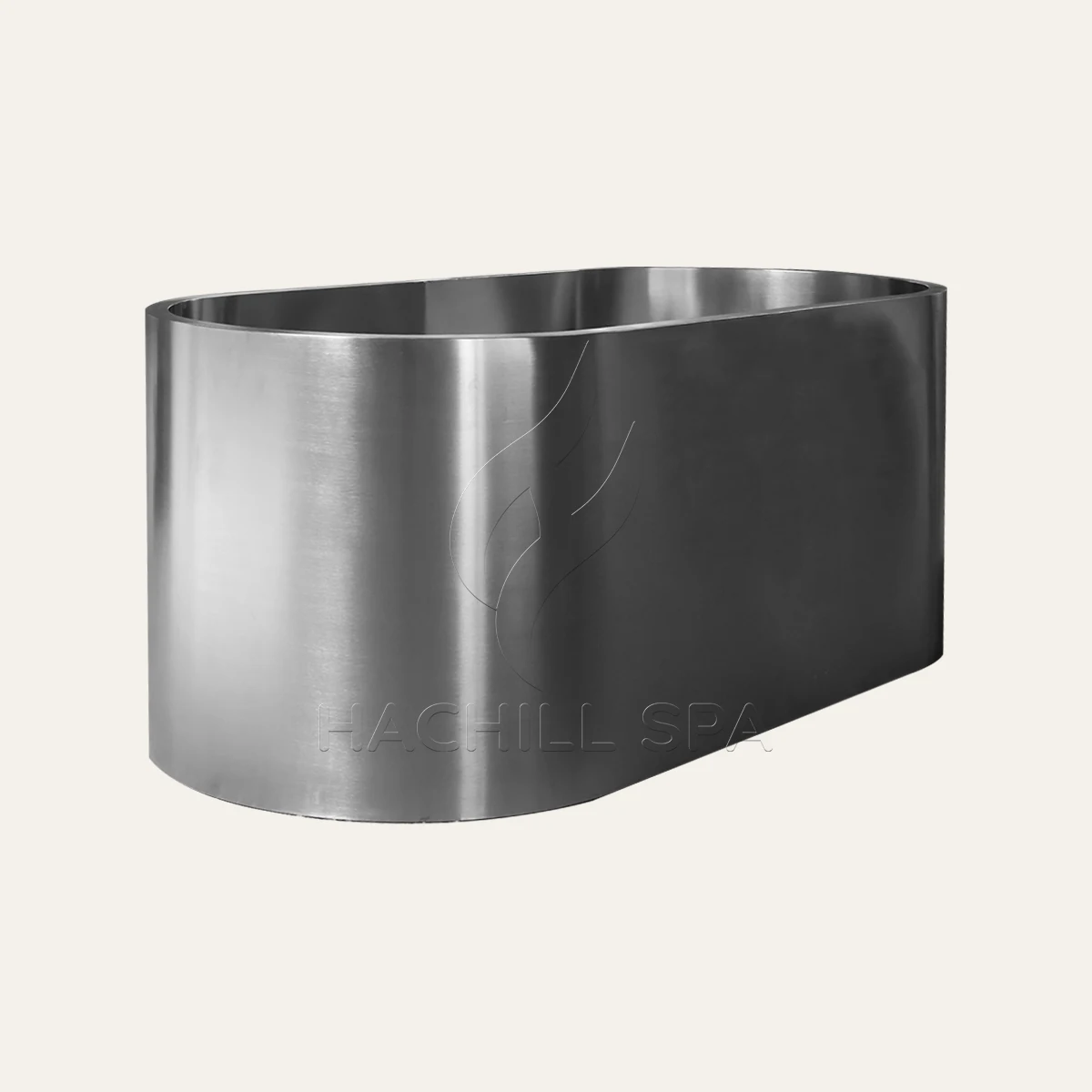
Beschaffen Sie die exakte Modell-/Konfigurationszeichnung mit definierten Bezugspunkten und Revision. Dokumentieren Sie, welche Werte nominal, minimal, maximal oder gemessen sind. Wenn die Körperhaltung wichtig ist, verwenden Sie eine kontrollierte Trockenprüfung oder ein genehmigtes Mock-up mit repräsentativen vorgesehenen Nutzern; leiten Sie keine universelle Körpergrößenbegrenzung von einem Teilnehmer ab. Fotos unterstützen die Orientierung, beweisen aber keine versteckte Geometrie oder Maßstab.
| Feld | Bevorzugte Nachweise | Entscheidung | Begrenzung |
|---|---|---|---|
| Externe installierte Maße | Genehmigte Modellzeichnung | Raum- und Servicekoordination | Kein Innenraum |
| Verpackungsmaße/Ausrichtung | Verpackungs- und Handhabungszeichnung | Türen, Wendungen, Hebevorgänge und Entfernungsphase | Schutz enthalten |
| Interne Nutzgeometrie | Schnitt-/Planzeichnung oder kontrolliertes Muster | Reichweite für Haltung, Drehen und Reinigung | Nur exakte Konfiguration |
| Rand-/Einstiegsgeometrie | Freigegebene Höhenlage und Standortdetail | Einstiegs-, Ausstiegs- und Spritzwasserbereich | Keine Barrierefreiheitsbewertung |
| Betriebswasserspiegel | Manueller oder gesteuerter Nachweis | Auftrieb, Verdrängung und Freibord | Zustandsabhängig |
| Anschlüsse und Servicebereich | Anschlusszeichnung | Rohrleitungen, Ablauf und Wartung | Nicht aus dem Foto ableiten |
| Abdeckung/Zubehör | Lieferumfang-Plan | Lagerung, Handhabung und Störungen | Enthalten / optional / lokal |
| Revisionsstand | Genehmigtes Dokumentenverzeichnis | Produktions-/Standortfreigabe | Offene Felder bleiben offen |
Berechnen Sie die Wassermasse und legen Sie jede Befüllungs-Eingabe offen
Betriebsvolumen nicht aus dem äußeren rechteckigen Gehäuse schätzen. Verwenden Sie das vom Lieferanten verifizierte Betriebsvolumen für den exakten Wasserstand oder eine kontrollierte Füllstandsmessung nach einem freigegebenen Verfahren. Wenn ein Standort das Volumen misst, erfassen Sie Messgerät- oder Behälterverfahren, Anfangs- und Endzustand, Überlauf-/Ablaufzustand, Einheiten, Beobachter und Revision. Die Verdrängung durch Nutzer verändert Freibord und Spritzwasser, ersetzt jedoch nicht den kontrollierten Betriebsvolumen-Nachweis.
Eine transparente Berechnung ist Betriebswassermasse = verifiziertes Betriebsvolumen x aufgezeichnete Wasserdichte. Halten Sie die Einheiten konsistent und geben Sie den angenommenen Wasserzustand an. Für die statische Koordination legen Sie offen: Fülllast-Eingabe = Leermasse der Ausrüstung + Betriebswassermasse + bestätigte Zusatzmasse + projektspezifischer Benutzerzuschlag. Dies ist ein Eingabeledger, keine statische Konstruktion; Unterstützung, dynamische Effekte, Sicherheitsfaktoren und Genehmigung liegen in der Verantwortung des qualifizierten Statikers.
| Begriff | Quelle/Methode | Berechnungszweck | Eigentümer/Status |
|---|---|---|---|
| Betriebsvolumen | Exakter Modellnachweis oder kontrollierte Befüllung | Wassermasse und thermische Grundlage | Lieferant/Inbetriebnahme |
| Wasserdichte | Dokumentierte technische Annahme und Einheiten | Umrechnung von Volumen in Masse | Projektingenieur |
| Leergewicht der Ausrüstung | Freigegebener technischer/Verpackungsdatensatz | Eingabe der Fülllast | Lieferant |
| Zusätzlich installierte Masse | Bestätigte Abdeckung, Stufen und angebautes Equipment | Vollständigkeit der installierten Last | Lieferanten-/Standortteam |
| Benutzerreserve | Projektspezifische Auslegungsvorgabe | Struktureller Betriebsfall | Qualifiziertes Projektteam |
| Auflage-/Kontaktfläche | Freigegebene Fundament-/Standortzeichnung | Überprüfung des Lastpfads | Statiker |
| Berechnete Gesamtlast | Versionskontrolliertes Lastenheft | Vergleich mit der Freigabe vor Ort | Qualifizierter Prüfer |
| Änderungsauslöser | Modell, Ausführung oder Zubehör-Revision | Betroffene Eingaben neu berechnen | Entscheidungsträger |
Jeden Quellwert einzeln beibehalten statt nur eine Summe zu erfassen. Wenn sich Wasserstand, Abdeckung, angebautes Equipment oder Konfiguration ändern, kann der Prüfer erkennen, was neu berechnet werden muss. Nicht angeben, dass die Last gleichmäßig verteilt ist, sofern das freigegebene Produkt- und Tragwerksdesign diese Bedingung nicht belegt. Für eine tiefergehende Betrachtung der Betriebsvolumen-Zustände und ihrer Folgewirkungen nutzen Sie den Leitfaden zum Wasservolumen von Kaltwasser-Tauchbecken in Liegeausführung.
Definieren Sie die thermische Last für Abkühlung, Regeneration und Standby
Eine Liegeausführung erfordert nicht automatisch einen größeren Wasserkühler. Die Auslegung hängt von verifizierter Wassermasse, Anfangs- und Zieltemperatur, erforderlicher Abkühlzeit, Umgebungsluft, Sonneneinstrahlung, Oberfläche, Isolierung, Abdeckungsnutzung, Wärmeeintrag durch Nutzer, Umwälzung und der tatsächlichen Leistung des Wasserkühlers unter den relevanten Bedingungen ab. Benennen Sie, ob die Anforderung erstmaliges Abkühlen, Erholung zwischen Nutzern oder kontinuierliche Temperaturhaltung ist.
Die Energiebilanz nur für das Wasser ist fühlbare Wärmeabfuhr aus dem Wasser = Wassermasse x spezifische Wärme x Temperaturänderung. Die Division dieses Ergebnisses durch die Zeit ergibt eine durchschnittliche Rate nur für das Wasser, nicht die endgültige Geräteauswahl. Addieren Sie die zustandsabhängigen Umgebungs- und Benutzergewinne und vergleichen Sie diese mit den Leistungsdaten des Herstellers bei der Ziel-Umgebungs-/Wasserbedingung. Die Angabe der elektrischen Leistungsaufnahme oder der PS-Zahl entspricht nicht der gelieferten Kälteleistung.
| Eingabe | Erfassung | Warum das wichtig ist | Aufzeichnung |
|---|---|---|---|
| Wassermasse | Verifizierte Volumenberechnung | Fühlbare Energie | Wert, Einheiten, Quelle |
| Anfangs-/Zieltemperatur | Kalibrierte oder identifizierte Messgeräte | Temperaturänderung | Ort und Zeit |
| Erforderliche Abkühlung/Erholung | Leistungsbeschreibung | Erforderliche Durchschnittsrate | Start-/Endgrenze |
| Umgebungs-/Sonneneinstrahlungsbedingung | Standort-/Testbeobachtung | Wärmegewinn und Kondensatorleistung | Innen/Außen, Schatten |
| Abdeckung/Isolierung | Exakte Konfiguration | Bereitschafts- und Abkühlgewinn | Offener/Geschlossener Zustand |
| Nutzer/Spitzenintervall | Zeitgestempelte Servicedaten | Rückgewinnungslast | Anzahl und Reihenfolge |
| Durchfluss-/Filterzustand | Inbetriebnahmemessungen | Wärmeaustausch und Sensorvalidität | Methode/Instrument |
| Nachweis der Kälteleistung | Modelldaten unter den angegebenen Bedingungen | Vergleich der Kandidaten | Leistung, Zustand, Revision |
Die Inbetriebnahme sollte Wasser- und Umgebungstemperaturen als Zeitreihe, Umwälzzustand, Abdeckungsposition, Nutzerereignisse und Steuerungsstatus protokollieren. Ein Test bei milden Innenraumbedingungen kann die Spitzenleistung im Außenbereich nicht belegen. Wenn ein Ergebnis nicht erfüllt wird, prüfen Sie Grenzbedingungen und Messgeräte, bevor Sie den Wasserkühler als unterdimensioniert erklären. Detaillierte Kompatibilität zwischen Becken und Wasserkühler, Pumpenbetriebspunkt, Steuerungen und Inbetriebnahme gehören in den Leitfaden zur Abstimmung von Kaltwasser-Tauchbecken und Wasserkühler.
Koordinieren Sie den Zugang für Zirkulation, Behandlung, Probenahme, Entleerung und Reinigung
Wasserqualität und Temperatur hängen vom gesamten Kreislauf ab, nicht von einzelnen Komponenten. Erfassen Sie Beckenanschlüsse, Rohrgröße, äquivalente Länge, Fittings, Ventile, Pumpenkennlinie, Filterdruckverlust, Aufbereitungsgeräte, Probenahmestelle, Ablaufanschluss, Entlüftung und Durchflussanforderungen des Wasserkühlers. Der Betriebspunkt liegt dort, wo sich Pumpen- und Anlagenkennlinie schneiden; der maximale Durchfluss einer Pumpe ist nicht der Betriebsdurchfluss.
Prüfen Sie, ob die Zirkulation das vorgesehene Wasservolumen ohne unzugängliche Niedrigdurchfluss- oder Reinigungszonen erreicht. Ziehen Sie keine hydraulischen Leistungen aus Anschlussfotos. Bei gemeinsamer Nutzung müssen Filterung, Aufbereitung, Chemie, Reinigung und lokale öffentliche Gesundheitsanforderungen von verantwortlichen Fachleuten koordiniert werden; eine Ozon- oder UV-Option ersetzt nicht das übrige Betriebsprogramm.
| Schnittstelle | Nachweis | Abnahme-Beobachtung | Verantwortliche Partei |
|---|---|---|---|
| Wanneneinlass/-auslass | Exakter Anschlussplan | Korrekte Identität, Ausrichtung und Dichtheitszustand | Lieferant/Monteur |
| Pumpen-/Rohrsystem | Pumpen- und Anlagendaten | Befüllung, Durchfluss und stabiler Betrieb | Systemplaner/Installateur |
| Filter | Druckverlust-/Betriebsdaten | Saubere Ausgangsbasis und zugängliche Entnahme | Lieferant/Betreiber |
| Behandlungsgerät | Exaktes Modell/Handbuch | Aktiviert, zugänglich und innerhalb des zugelassenen Betriebs | Lieferant/Betreiber |
| Probenahme | SOP und Entnahmestelle | Repräsentative, reproduzierbare Probe | Betreiber |
| Entleerung/Ableitung | Standort- und Produktdetails | Kontrollierte Entleerung und ordnungsgemäße Ableitung | Projektplaner/Gewerk |
| Entlüftung/Frostschutz | Freigegebenes Verfahren | Keine Lufteinschlüsse oder Frostgefahr | Installateur/Betreiber |
| Steuerung ändern | Überarbeiteter Kreislaufplan | Betroffener Durchfluss/Behandlung erneut geprüft | Entscheidungsträger |
Durchfluss mit dem freigegebenen Messgerät und Verfahren erfassen, nicht nach visuellem Eindruck. Wenn ein Filter verstopft, ein Ventil verändert oder ein kleinerer Schlauch verwendet wird, können sich Betriebspunkt und Wärmeaustausch ändern. Eine Baseline im sauberen Systemzustand beibehalten, damit spätere Störungen mit einem bekannten Zustand verglichen werden können. Gebäudeentwässerung, Gefälle im Nassbereich, Ablaufereignisse und Planung für außergewöhnliche Freisetzungen sollten im dedizierten Ablauf-Workflow für Liegeausführungen geklärt werden und nicht aus dem Beckenauslass abgeleitet werden.
Berechnen Sie die vollständige Installations- und Betriebsumgebung
Ein Liegebehälter kann die vorgesehene Position ermöglichen, benötigt jedoch Raumlänge, Zugang, Ausgang, Abdeckungsbewegung, Reinigungsreichweite, Entwässerung, Rohrleitungen, Kühlluftstrom und Platz für den Komponentenausbau. Zeichnen Sie diese als separate Hüllen in den fertigen Raumplan ein. Zählen Sie Überlappungen nur, wenn das Betriebsverfahren sicherstellt, dass sich die Aufgaben nicht widersprechen.
Verwendung installierte Stationshülle = Vereinigung von Behälter + Ein-/Ausgang + Rückgewinnung + Abdeckung + Reinigung + Wartung + Anlage + Umwälzhüllen. Dies ist eine geometrische Vereinigung, keine Summe aller Rechtecke. Prüfen Sie neben der Grundfläche auch Höhe und Weg: verpackte Ausrichtung, Korridorwendungen, Aufzüge, Deckenhöhen und die Phase, in der die Verpackung entfernt werden kann, können die Lieferung blockieren, selbst wenn die endgültige Stellfläche passt.
| Hülle | Quelle | Aktiver Zustand | Überlappungsregel |
|---|---|---|---|
| Behälter/Unterstützung | Freigegebenes Modell/Standortzeichnungen | Immer | Keine unzulässige Beeinträchtigung |
| Ein-/Ausgang/Rückgewinnung | Kontrollierte Benutzerfluss-Überprüfung | Jede Sitzung | Keine Überlappung von Warteschlange/Ausgang |
| Bewegung/Lagerung abdecken | Zugelassene Abdeckmethode | Öffnen/Schließen | Landebereich und Personalaufgaben schützen |
| Reinigungsreichweite | Zeitgesteuerte Aufgabenprüfung/Werkzeuge | Zurücksetzen/Grundreinigung | Schließung kann Zeitteilung ermöglichen |
| Service/Entfernung | Manueller und Ersatzpfad | Wartung | Erzwungene Schließung erforderlich |
| Luftstrom des Kühlers | Exakte Gerätedaten | Betrieb | Kein Eindringen in Möbel/Gehäuse |
| Nasszirkulation/Entwässerung | Projekt-/Lokalplan | Betrieb/Reinigung | Route kontrolliert halten |
| Verpackte Lieferroute | Dreidimensionale Routenvermessung | Warenannahme | Getrennt von der endgültigen Stellfläche |
Reinigungs- und Betriebsarbeitsaufwand messen, bevor Sie den Durchsatz festlegen
Der kommerzielle Durchsatz wird durch mehr als nur die Eintauchzeit begrenzt. Die Station muss Einstieg, Ausstieg, Trocknen, Inspektion, Oberflächenreinigung, Wassertests, Filter- oder Abschäumaufgaben, Aufzeichnungen und außergewöhnliche Schließungen aufnehmen. Messen Sie jede Aufgabe mit dem tatsächlichen Layout, Werkzeugen und Zugang. Konvertieren Sie ein Marketing-Umsatzziel nicht in eine Betriebsbehauptung.
Ein Planungsausdruck ist Arbeitslastminuten pro Zeitraum = Summe (Ereignishäufigkeit x beobachtete Aufgabenminuten) + Einrichtung + erforderliche Warte-/Kontaktzeit + Aufzeichnungen. Halten Sie Routine-, Spitzen- und außergewöhnliche Ereignisse getrennt. Kontaktzeit und passiver Gerätebetrieb entsprechen nicht immer Arbeitsminuten, können aber dennoch die Station schließen oder Buchungen einschränken.
| Aufgabe/Ereignis | Auslösefrequenz | Zeit-/Datenmethode | Betriebliche Konsequenz |
|---|---|---|---|
| Rücksetzung zwischen Benutzern | Jede Sitzung oder genehmigter Auslöser | Zeitgesteuerte tatsächliche Aufgabe | Buchungsintervall |
| Wassertest/-anpassung | SOP/lokale Anforderung | Beobachteter Test plus Aufzeichnungen | Personalqualifikation/Schließung |
| Filter-/Abschäumaufgabe | Druck/Zeit/Zustand | Zeitgesteuerter Zugang und Wiederherstellung | Wartungsfenster |
| Wasserlinie/Innenreinigung | Zeitplan/Zustand | Werkzeug- und Reichweitentest | Raum- und Abflussanforderung |
| Ablassen/Nachfüllen | Geplante oder Kontaminationsreaktion | Kontrolliertes Volumen-/Zeitprotokoll | Wasser-/Ablass-Ausfallzeit |
| Abnormale Messwerte/Leckage | Stopp-Regel | Vorfall-/Diagnoseprotokoll | Ungeplante Schließung |
| Wiedereröffnungsprüfung | Nach Korrektur | Bezeugter Abnahmeschritt | Befugnis zur Wiedereröffnung |
| Personalspitze | Spitzenbuchungsintervall | Dienstplan vs. Aufgabenanforderung | Kapazitäts- oder Zeitplanlimit |
Vergleichen Sie die Arbeitslast mit dem Dienstplan und dem tatsächlichen Wartungsfenster. Wenn die einzige für Wassertests geschulte Person während der Spitzenzeiten nicht verfügbar ist, ist die nominelle Stationskapazität nicht die Betriebskapazität. Dokumentieren Sie die Schließung und den Eskalationsweg vor der Öffnung.
Unverhandelbare Haltebedingungen vor der Bewertung klären
Ein gewichteter Vergleich kann eine kritische offene Schnittstelle nicht wegmitteln. Behandeln Sie ungelöste nutzbare Geometrie, Beladungs-/Unterstützungsbasis, Lieferweg, Benutzerausgang, Entwässerung, Elektroarbeiten, Kühlmittel-Luftstrom, Zirkulation, Behandlung, Servicezugang oder Anforderungen an gemeinsame Nutzung als Haltebedingungen. Ein Kandidat mag bei Preis und Ausführung attraktiv erscheinen, bleibt aber möglicherweise nicht freigebbar.
| Haltebedingung | Erforderliche Nachweise | Freigabebefugnis |
|---|---|---|
| Beabsichtigte Körperhaltung/Einstieg kann nicht validiert werden | Exakte Geometrie und kontrollierte Aufgabenprüfung | Käufer/Betreiber plus qualifizierte Prüfung |
| Belastungs-/Stützbasis ist offen | Freigegebene Massenbilanz und statische Entscheidung | Qualifizierter Statiker |
| Transportweg oder Hebeplan scheitert | Streckenbegehung und freigegebener Handhabungsplan | Logistik-/Baustellenteam des Lieferanten |
| Entwässerung/Nassweg ist ungeklärt | Abgestimmter Entwässerungs-, Boden- und Ableitungsplan | Projektplaner/Betreiber |
| Thermische Belastung ohne belastbare Nachweise | Eingangs-/Prüfprotokoll und Kapazitätsnachweis | Technische Verantwortung des Käufers |
| Durchfluss-/Behandlungsgrenze ist unvollständig | Freigegebener Kreislauf und Betriebsverantwortung | Systemplaner/Betreiber |
| Reinigungs-/Wartungskomponenten sind unzugänglich | Praktischer Test des fertigen Layouts | Lieferant/Installateur/Betreiber |
| Lokale Freigabe zur gemeinsamen Nutzung bleibt angenommen | Projektspezifische Entscheidung durch Qualifizierten/AHJ | Zuständige Behörde/Fachkraft |
Eine gewichtete Shortlist mit offengelegten Nachweisen und Sensitivität verwenden
Nachdem Ausschlusskriterien geklärt sind, bewerten Sie die Kriterien, die zum Leistungsverzeichnis passen: Haltungsaufgabe, Spitzenerholung, installierte Hüllkurve, Reinigungsaufwand, Servicezugang, Nachweiszuverlässigkeit und Lebenszyklusverantwortung. Legen Sie die Gewichtungen fest, bevor Sie die Gesamtwerte der Anbieter prüfen. Verwenden Sie für jeden Kandidaten dieselbe Nachweisregel und zeigen Sie Abweichungen auf, statt fehlende Informationen zu belohnen.
Eine Methode ist gewichtete Shortlist-Punktzahl = Summe(Gewicht x Bewertung) / Summe(Gewichte). Definieren Sie die Bewertungsskala, behalten Sie die Rohdaten bei und führen Sie eine Sensitivitätsprüfung durch, indem Sie die höchsten Gewichtungen innerhalb eines angemessenen Projektbereichs ändern. Wenn eine kleine Gewichtungsänderung die Auswahl umkehrt, ist die Entscheidung nicht robust und sollte durch Nachweise oder betriebliche Priorität geklärt werden.
| Kriterium | Nachweis | Gewichtungsbegründung | Begrenzung |
|---|---|---|---|
| Haltung/Benutzeraufgabe | Exakte Geometrie und kontrollierte Überprüfung | Kernergebnis der Dienstleistung | Keine universelle Komfortbehauptung |
| Thermische Regeneration | Zustandsabhängige Daten/Prüfung | Spitzenlast bei Buchung | Nicht Nennleistung |
| Installations-/Streckenpassung | Verbandszeichnung und Streckenvermessung | Standort-Machbarkeit | Ausschlusskriterium zuerst |
| Reinigungsaufwand | Zeitgesteuerte Aufgabenaufzeichnung | Betriebspersonal/Schließung | Tatsächliches Layout |
| Wartungsfreundlichkeit | Panel-/Filter-/Ausbauversuch | Stillstand und Wartung | Exakte Konfiguration |
| Vertrauen in die Beweislage | Qualitäts- und Revisionsregister | Beschaffungsunsicherheit | Offen ist nicht bestanden |
| Kommerzieller Umfang | Normalisierte Ein-/Ausschlüsse | Vergleichbarer Preis | Keine versteckte Substitution |
| Sensitivität | Alternative vertretbare Gewichtungen | Entscheidungsrobustheit | Instabiles Ergebnis eskalieren |
Veröffentlichen Sie die Bewertung nicht als HACHILL-Modellranking. Sie gehört ausschließlich der bewerteten Einrichtung, dem Servicemodell, der Konfiguration, dem Evidenzstand und dem Entscheidungsträger.
Nachweise nach Modell, Zustand, Methode und Revision bewerten
Eine freigegebene Zeichnung für das exakt bestellte Modell ist aussagekräftiger als ein Kategoriebild für die Geometrie. Ein bezeugter Test unter den Zielwasser- und Umgebungsrandbedingungen ist aussagekräftiger als eine nicht dokumentierte Showroom-Beobachtung für die thermische Leistung. Ein Zertifikat oder Prüfprotokoll muss Umfang und Modell identifizieren; eine Normreferenz ist kein Nachweis, dass ein Produkt zertifiziert ist.
| Stufe | Nachweis | Zulässige Verwendung | Grenze |
|---|---|---|---|
| A - kontrolliert | Exaktes Modell/Konfiguration, Methode, Bedingung, Zeuge und Revision | Abnahme innerhalb dokumentierter Grenze | Keine automatische Übertragung |
| B - modellspezifisch | Freigegebene Zeichnung/Handbuch/Prüfprotokoll mit klarem Umfang | Eingabe für Design und Beschaffung | Standort/Betrieb bestätigen weiterhin |
| C - analog | Verwandtes Modell, Mock-up oder unvollständiger Zustand | Risikoerkennung/vorläufige Planung | Keine endgültige Freigabe |
| D - illustrativ | Marketingbild, generisches Etikett oder nicht dokumentierte Angabe | Nur zur Orientierung | Keine Dimensions-/Leistungsschlussfolgerung |
| Offen | Fehlende, widersprüchliche oder revisionsunklare Eingabe | Maßnahmenregister | Kann nicht zur Annahme werden |
Quelle, Eigentümer, Datum und betroffene Entscheidung dokumentieren. Bewahren Sie ersetzte und fehlgeschlagene Aufzeichnungen mit ihrem Status auf. Wenn ein Lieferant eine Komponente, ein Material, eine Firmware, einen Anschluss oder eine Verpackungsanordnung ändert, legen Sie fest, welche Berechnungen, Zeichnungen und Abnahmeprüfungen wiederholt werden müssen.
Produkt-, Standort- und Betriebsverantwortung vor der Auftragsfreigabe zuweisen
Der Käufer/Betreiber definiert das Servicemodell, den Benutzer und die Abnahmegrenze. Der Lieferant liefert exakte Produkt-/Konfigurationsdaten, enthaltene Ausrüstung, Handbücher und vereinbarte Nachweise. Der Projektplaner koordiniert Struktur, Nassbereich, Entwässerung, Trasse und Versorgungsleitungen. Installateure bauen die freigegebene Anordnung auf und dokumentieren sie. Der Betreiber ist verantwortlich für Wasser, Reinigung, Abschluss, Protokolle und Kompetenz. Qualifizierte Fachkräfte und die zuständige Behörde entscheiden über regulierte Schnittstellen.
| Entscheidung | Lead | Erforderliche Ausgabe | Zeuge/Freigabe |
|---|---|---|---|
| Service-/Benutzergrenze | Käufer/Betreiber | Nutzungsmuster, Körperhaltung, Spitzenlast und Aufsicht | Qualifizierte Prüfer, sofern zutreffend |
| Produkt/Konfiguration | Lieferant | Modell, Geometrie, Masse, Anschlüsse und enthaltene Leistungen | Technische Verantwortung des Käufers |
| Struktur/Nassbereich/Trasse | Projektplanungsteam | Koordinierte Unterstützungs-, Entwässerungs- und Lieferzeichnungen | Qualifizierte lokale Fachkräfte |
| Thermisches/hydraulisches System | Benannter Systemplaner | Aufzeichnung von Kapazität, Durchfluss, Behandlung und Schnittstellen | Inbetriebnahme-Befugnis |
| Installation | Installateur/Gewerke | Dokumentation zu Ist-Zustand, Leckagen, Durchfluss und Elektrik | Projektzeuge |
| Betrieb | Betreiber | SOP, Prüfung, Reinigung, Abschluss und Schulung | Lokale Prüfung, sofern zutreffend |
| Abnahme/Änderung | Benannter Entscheidungsträger | Abweichungen, Wiederholungsprüfung und Freigabe | Ursprüngliche Schnittstellen-Eigentümer |
| Ersatzteile/Support | Käufer und Lieferant | Teileliste, Handbücher und Eskalationsweg | Beschaffung/Betrieb |
Wenn eine Partei Wanne, Pumpe und Kühler liefert, müssen Entwässerung, Gebäude, Elektrik, Lüftung, Wasser- und Betriebsschnittstellen dennoch separat identifiziert werden. Kommerzielle Bequemlichkeit schafft kein unausgesprochenes Gesamtsystemdesign.
Dokumente, Lieferung, Nassleistung und Eröffnung getrennt akzeptieren
Verwenden Sie getrennte Tore. Die Dokumentfreigabe verifiziert das freigegebene Modell, Zeichnungen, Nachweise und Verantwortlichkeiten. Der Wareneingang verifiziert Verpackung, Identität, Schäden, Armaturen, Zubehör und Revisionen vor der Installation. Das Trockenlayout verifiziert Unterstützung, Route, Zugang, Abdeckung, Reinigung und Serviceschnittstellen. Die Nassinbetriebnahme verifiziert Leckstatus, Befüllung, Durchfluss, Filter, Steuerungen, Temperaturanzeige, Behandlung, Entwässerung und Alarme/Verriegelungen gemäß dem freigegebenen Verfahren. Die Eröffnungsprüfung verifiziert Personalkompetenz, Protokolle, Abschluss, Reaktion und Ersatzteile.
| Meilenstein | Rohaufzeichnung | Bestanden-Grenze | Fehler-/Wiederholungsprüfungsregel |
|---|---|---|---|
| Dokument-/Auftragsfreigabe | Register für freigegebenen Umfang/Nachweise | Kritische Eingaben und Abweichungen abgeschlossen | Produktions-/Baustellenfreigabe zurückhalten |
| Warenannahme | Verpackung, Identität, Fotos und Schadensprotokoll | Bestellte Konfiguration trifft ohne offene Schäden ein | Quarantäne und Verwahrung sicherstellen |
| Trockenlayout | Ist-Maße und Aufgabenversuche | Unterstützung, Route, Zugang, Abdeckung und Zugriff stimmen überein | Ursache korrigieren; abhängige Aufgaben wiederholen |
| Nass-Inbetriebnahme | Protokoll für Leck, Durchfluss, Behandlung, Entwässerung und Temperatur | Vereinbarte zustandsbezogene Kriterien erfüllt | Stopp, Diagnose und kontrollierte Wiederholungsprüfung |
| Eröffnung | SOP, Schulung, Abschluss- und Reaktionsübung | Benannte Mitarbeiter können bedienen und stoppen | Nicht ungeklärt öffnen |
| Nach der Änderung | Bewertung der Auswirkungen von Revisionen | Betroffene Nachweise wiederholt/genehmigt | Geänderte Konfiguration unter Quarantäne stellen |
| Streitfall | Ursprüngliche Anforderung, Rohdaten, Fotos und Revisionen | Rückverfolgbarer Zustand und Entscheidung | Fehlgeschlagene Nachweise nicht überschreiben |
Verwendung bei aktiven Lecks, instabiler Abstützung, scharfen oder strukturellen Schäden, vermuteter elektrischer Gefährdung, wiederholten Schutzauslösungen, Verlust des erforderlichen Durchflusses, unkontrollierten Wasserbedingungen, blockierter Entwässerung oder manuellen/Standort-Stoppregeln einstellen. Ein erneuter Test sollte die identifizierte Ursache ändern, während gültige Kontrollen beibehalten werden. Bewahren Sie den fehlgeschlagenen Datensatz und die korrigierende Revision auf, damit Lieferant, Installateur und Käufer die tatsächliche Schnittstelle lösen können.
Einen normalisierten Liege-RFQ und Abnahmezettel ausstellen
Senden Sie jedem Lieferanten dieselbe Leistungsbeschreibung, Raum- und Wegepläne, Haltungsaufgabe, Wasser-/Thermalgrenzen, Versorgungseinrichtungen, Entwässerung, Wasseraufbereitungsplan, Reinigungs-/Wartungsanforderungen, Dokumentation und Abnahmepunkte. Verlangen Sie, dass jede Antwort Konformität, Abweichung, Alternative oder offen kennzeichnet. Vergleichen Sie Preise erst, nachdem enthaltene, ausgeschlossene und lokal gelieferte Artikel abgeglichen sind.
| RFQ-Feld | Eingaben des Käufers/Projekts | Lieferantenantwort |
|---|---|---|
| Anwendung/Service | Spa-/Erholungsmodell, Benutzer, Spitzenzeiten und Aufsicht | Erklärte Nutzungsgrenzen und -bedingungen |
| Geometrie/Konfiguration | Haltungsaufgabe, Raum und Weg | Exakte Modellzeichnungen, Optionen und Verpackungsdaten |
| Wasser/Last | Erforderlicher Füllstand-/Volumennachweis und Standortprüfung | Betriebsvolumen, Leermasse und Schnittstellen |
| Thermische Leistung | Anfang/Ziel, Umgebung, Zeitplan, Nutzer und Abdeckung | Zustandsabhängige Kapazität und Steuerungen |
| Hydraulik/Aufbereitung | Kreislauf, Wasserpflege und Verantwortungsgrenze | Anschlüsse, Durchfluss, Filtration/Aufbereitung und Ausschlüsse |
| Standort/Service | Entwässerung, Reinigung, Abdeckung und Wartungsfenster | Erforderliche Umschläge und Aufgaben-Zugriff |
| Nachweis/Abnahme | Dokumente, Zeugen, Haltepunkte und erneute Prüfung | Verfügbarer Umfang, Abweichungen und Methode |
| Kommerziell | Menge, Zielort, Branding und Zeitplan | Eingeschlossener/ausgeschlossener Umfang und Änderungskontrolle |
Für eine HACHILL-Modellprüfung stellen Sie diese Eingaben bereit, anstatt zu fragen, welche Liegewanne am besten ist. Das Team kann Produkt- und Fertigungsschnittstellen prüfen, während strukturelle, behördlich geregelte Baustellenarbeiten, Zugänglichkeit und Betriebsfreigabe bei den verantwortlichen Projektparteien verbleiben.
Häufig gestellte Fragen
Wie wählen Spas das richtige Kaltwasserbecken in Liegeausführung aus?
Beginnen Sie mit dem Servicemodell, der vorgesehenen Körperhaltung, der maximalen Nutzerzahl und der Aufsicht. Vergleichen Sie dann die exakte Innenraumgeometrie, das Betriebswasservolumen, die Eingaben zur Fülllast, die thermische Regeneration, Zirkulation/Behandlung, den Installationsraum, den Reinigungsaufwand, den Servicezugang, die Nachweise und die Abnahme. Klären Sie strukturelle Bedingungen, Wege, Entwässerung, Nutzerausstieg und regulierte Haltebedingungen, bevor Sie Preis oder Ausführung bewerten.
Benötigt ein Kaltwasserbecken in Liegeausführung immer einen größeren Kühler?
Nr. Die Kühlleistung des Kühlers hängt von der verifizierten Wassermenge, der Anfangs- und Zieltemperatur, der erforderlichen Abkühl- oder Erholungszeit, Umgebungs- und Sonneneinstrahlung, Isolierung, Abdeckungsnutzung, Zirkulation und Nutzungsmuster ab. Vergleichen Sie die gelieferte Kühlleistung unter relevanten Bedingungen, nicht nur Format, PS-Angabe oder elektrische Eingangsleistung.
Welche Maße eines Kaltwasserbeckens in Liegeausführung sollte eine RFQ-Anfrage enthalten?
Externe Einbaumaße, Packmaße und nutzbare Innenmaße getrennt halten. Plan- und Schnittzeichnungen, Rand- und Einstiegsgeometrie, Betriebswasserspiegel, Anschlüsse, Wartungsseite, Abdeckungsbewegung und exakte Konfigurationsrevision anfordern. Fotos und Angaben zur Ein-Personen-Kapazität legen diese Werte nicht fest.
Wie sollte die Befüllung bei einem Kaltwasserbecken in Liegeausführung geprüft werden?
Verwenden Sie das geprüfte Betriebsvolumen zur Berechnung der Wassermasse und geben Sie dann die leere Gerätemasse, die bestätigte Zusatzmasse und die projektspezifische Benutzerreserve an. Übergeben Sie diese Eingaben sowie die genehmigte Stützzeichnung an einen qualifizierten Statiker. Eine Blog-Berechnung bestimmt weder die Lastverteilung, Sicherheitsfaktoren noch die statische Freigabe.
Was sollte ein gewerbliches Kaltwasserbecken in Liegeausführung davon abhalten, eröffnet zu werden?
Nicht bei aktiven Lecks, instabiler Abstützung, ungelöstem elektrischen Schutz, unzureichendem Durchfluss, unkontrollierten Wasserbedingungen, blockiertem Abfluss, unzugänglichem erforderlichem Service, ungeschultem Personal, einem ungelösten Benutzerausstiegsproblem oder einem manuellen/Standort-Stoppzustand öffnen. Bewahren Sie die fehlgeschlagenen Beweise auf, korrigieren Sie die identifizierte Ursache und führen Sie den erforderlichen kontrollierten Wiederholungstest durch.
Zugehörige HACHILL-Ressourcen
Lagerbereich Kaltwasserbecken-Sortiment
Verwenden Sie die verifizierte Kategorie, nachdem der Service- und Evidenz-Brief definiert ist.
Anforderungen an das Wasservolumen der Liegewanne
Nutzen Sie den speziellen Leitfaden für tiefere Auswirkungen auf Wassermasse und System.
Kommerzielle Kaltwasserbecken-Lösungen
Nutzen Sie den verifizierten kommerziellen Projektweg.
Lösungen für Spa- und Wellnesszentren
Nutzen Sie die Anwendungsseite für einen breiteren Einrichtungs-Brief.
Kaltwasser-Tauchbecken mit einem Wasserkühler abstimmen
Den dedizierten Engineering-Leitfaden nutzen, sobald die Auswahl thermische, hydraulische und steuerungstechnische Kompatibilität erreicht.
Entwässerungsplanung für Kaltwasser-Tauchbecken in Liegeausführung
Den Installationsleitfaden für Entleerungsvorgänge, Nassbereich-Schnittstellen und Prüfung des Ableitungspfads nutzen.
Projektangebot anfordern
Senden Sie die normalisierte RFQ und die Abnahmegrenze zur Prüfung.
Referenzgrundlage
- CDC-Modell-Gesundheitskodex für Schwimmbäder - aktuelle US-Modellvorgaben für öffentliche Wasseranlagen. Es handelt sich nicht um Bundesrecht; Übernahme und Anwendbarkeit hängen von der jeweiligen Jurisdiktion ab.
- NSF/ANSI/CAN 50 Überblick über Schwimmbad- und Spa-Ausrüstung - Geltungsbereich-Referenz für Umwälzung, Filtration, Behandlung und zugehörige Schwimmbad-/Spa-Ausrüstung. Diese Angabe ist keine HACHILL-Produktzertifizierungsaussage.
- OSHA 1910.22 Verkehrswege und Arbeitsflächen - US-Arbeitsplatzanforderungen für Verkehrswege und Arbeitsflächen von Beschäftigten, einschließlich Nassprozess-Entwässerung soweit zutreffend; es handelt sich nicht um eine universelle Vorschrift für Besucherbereiche.
- NFPA 70 / National Electrical Code - US-Elektroreferenz, die nur als jurisdiktionsabhängiger Quellkontext dient; die übernommene Ausgabe und die genauen Projektanforderungen sind vor Ort zu bestätigen.
Verwandeln Sie den Service-Brief in eine Modell-Shortlist
Senden Sie HACHILL das Servicemodell, die beabsichtigten Benutzer und Körperhaltung, das Spitzenintervall, Raum- und Wegezeichnungen, Zielwasser- und Umgebungsbetrieb, Versorgungsleitungen, Entwässerung, Behandlungsplan, Reinigungs-/Serviceeinschränkungen, Evidenzanforderungen, Zielort, Menge und Markenumfang. Nicht unterstützte Felder können offen bleiben, bis die Modellebene-Evidenz sie schließt.
Eine Projektprüfung der Liegewanne anfordern