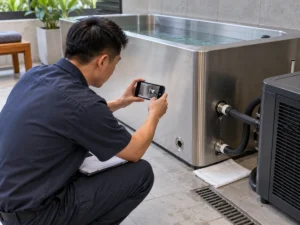
HACHILL KALTWASSER-TAUCHBECKEN VERGLEICHSLEITFADEN
Direkte Antwort: Ein Cold-Plunge-Tub behält üblicherweise mehr vom Gefäß- und Ausstattungsumfang innerhalb eines hergestellten Produktpakets, während ein Cold-Plunge-Pool mehr Verantwortung in den Standortbau, die Nassbereichsplanung und ein gemeinsames Wassersystem verlagern kann. Keines der Formate ist automatisch besser. Für gewerbliche Projekte vergleichen Sie den vollständigen installierten Umfang, das Modell der gleichzeitigen Nutzung, den seriellen Durchsatz, das Wassermanagement, die Servicestrategie und die lokale Klassifizierung—nicht allein Gefäßgröße, Wasservolumen oder Produktname.
Dadurch ist dies mehr als ein Größenvergleich. Ein größeres Becken kann ein gleichzeitiges Konzept zur gemeinsamen Nutzung unterstützen, während eine Batterie unabhängiger Wannen betrieblich besser geeignet sein kann, wenn Privatsphäre, parallele Sitzungen oder Serviceisolierung wichtig sind. Auch die Kosten ändern sich mit der Projektgrenze: Der Wannenpreis ist nur ein Teil des installierten Systems.
Die Begriffe Becken und Wanne sind nützliche Planungsbezeichnungen, nicht universelle rechtliche Kategorien. Lokale Behörden können ähnliche Kaltwasserinstallationen unterschiedlich einstufen, daher sollten regulatorische Anforderungen für den tatsächlichen Bestimmungsort und das Betriebsmodell geprüft werden.
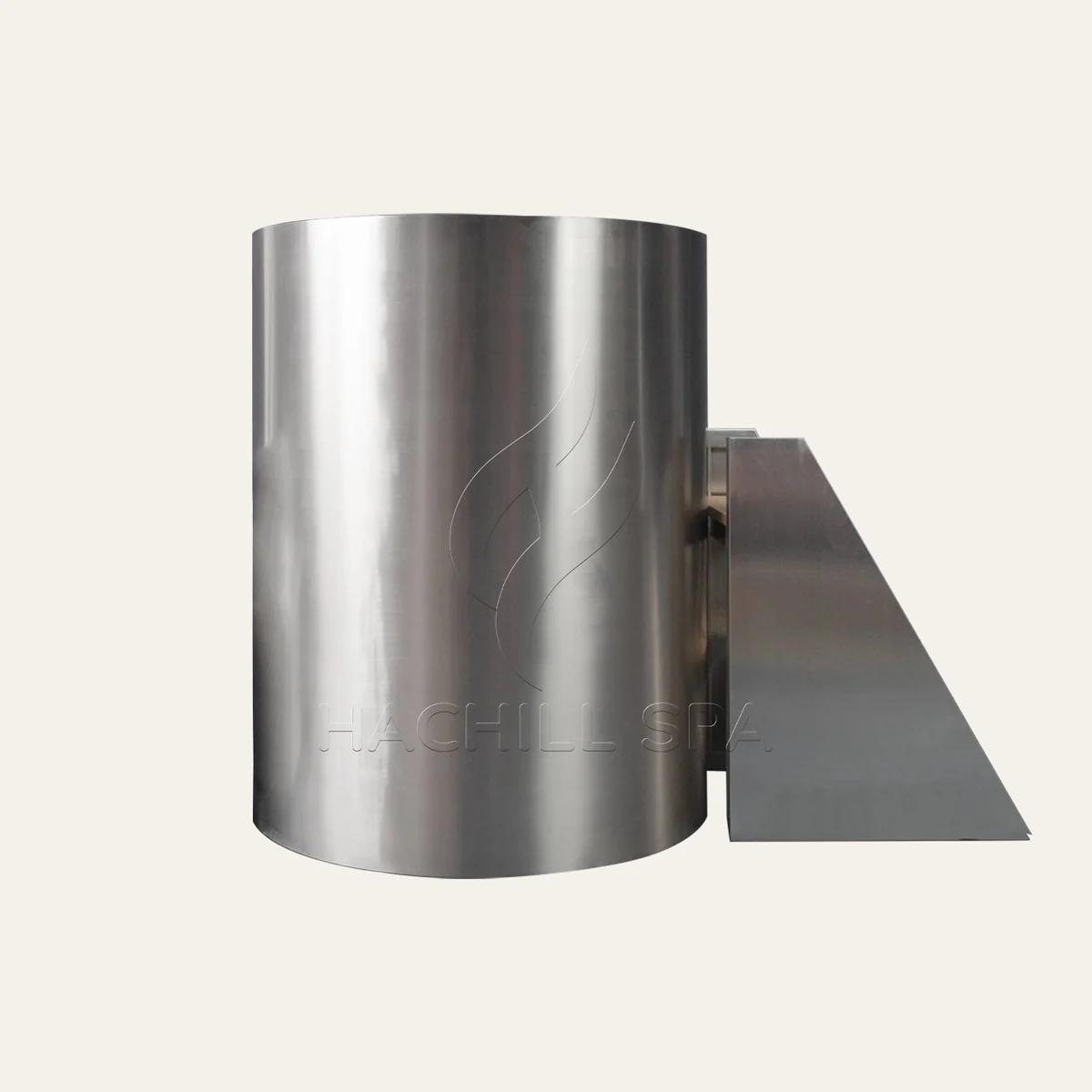
Kaltwasser-Tauchbecken vs. Kaltwasser-Tauchwanne: Was ist der praktische Unterschied?
Die nützlichste Unterscheidung ist nicht einfach “klein versus groß”. Sie ist wie viel des Projekts innerhalb einer gelieferten Produktgrenze bleibt und wie viel in die umgebende Baustelle übergeht.
Ein Kaltwasser-Tauchbecken kommt häufig als definiertes Becken oder System und hält mehr des physischen Produktumfangs innerhalb der gefertigten Einheit. Ein Kaltwasser-Tauchpool erstreckt sich häufiger in ein größeres oder integriertes Wasserkörperkonzept, was Schnittstellen zu Gebäude, Nassbereich, Entwässerung, technischer Gebäudeausrüstung und gemeinschaftlichem Betriebsplan hinzufügt.
| Vergleichspunkt | Kaltwasserbecken | Tauchbecken |
|---|---|---|
| Produktgrenze | Mehr Umfang kann innerhalb eines gelieferten Beckens oder Systems verbleiben | Mehr Umfang kann sich in die Baustelle oder das Gebäude erstrecken |
| Installationscharakter | Häufig eher produktgeführt | Häufig eher projektgeführt |
| Dauerhaftigkeit | Je nach Ausführung möglicherweise leichter umzustellen | Häufig stärker in den Raum integriert |
| Nutzermodell | Häufig geeignet für kontrollierte Einzelsitzungen | Kann ein Konzept zur gemeinsamen oder gleichzeitigen Nutzung unterstützen |
| Regulatorischer Status | Muss für den tatsächlichen Standort und die tatsächliche Nutzung geprüft werden | Muss für den tatsächlichen Standort und die tatsächliche Nutzung geprüft werden |
Dies sind Planungstendenzen, keine rechtlichen Definitionen. Ein kompaktes integriertes Becken kann erhebliche bauliche und wassersystembezogene Verantwortlichkeiten schaffen, während ein größeres industriell gefertigtes Becken nicht allein aufgrund der im Marketing verwendeten Bezeichnung in eine bestimmte regulatorische Klasse fällt.
HACHILL-Produktgrenze: Das aktuell veröffentlichte HACHILL-Kaltwasser-Tauchbecken-Sortiment konzentriert sich auf Einzelbecken-Formate und -Modelle. Ein größeres Mehrpersonen-Pool-Konzept wird hier als Projektformat-Vergleich behandelt, nicht als implizierte HACHILL-Pool-Produktfähigkeit.
Was kostet in der Regel mehr: ein Kaltwasser-Tauchpool oder ein Tauchbecken?
Ein Pool kann insgesamt höhere Projektkosten verursachen, aber der Preis allein ist eine zu grobe Kaufregel. Der sinnvolle Vergleich ist der vollständige installierte Leistungsumfang.
Ein Tub kann mehr vom Gefäß und der Ausrüstung in einem vorgefertigten Paket bündeln, dennoch kann er Lieferplanung, geeignete Auflagebedingungen, Versorgungsanschlüsse, Entwässerung und Wartungsfreiraum erfordern. Ein Pool kann mehr Standort- oder Gebäudeumfang um den Wasserkörper herum hinzufügen und die Arbeiten erhöhen, die außerhalb des Gefäßes selbst liegen. In beiden Formaten sollte die Auflagebasis aus der tatsächlich gefüllten Installation budgetiert werden, nicht allein aus Leergewicht oder Grundfläche des Gefäßes.
Vergleichen Sie diese Kostengrenzen: Becken oder Fertigung, Lieferung und Zugang, Standortvorbereitung, Entwässerung, elektrische und versorgungstechnische Schnittstellen, Wassersystemausstattung, Nassbereich- oder Bauarbeiten, Servicezugang und laufende Wartungsverantwortlichkeiten.
Zwei Projekte mit ähnlich aussehenden Wasserflächen können daher sehr unterschiedliche Budgets haben. Der Produktpreis zeigt nicht, wer für Untergrund, Entwässerung, Bauschnittstellen, Wasseraufbereitung, Versorgungsanschlüsse oder zukünftigen Zugang zu Geräten verantwortlich ist.
Für einen vollständigen Budgetrahmen statt eines relativen Pool-versus-Wannen-Vergleichs verwenden Sie den Cold-Plunge-Kostenplanungsleitfaden .
Wie unterscheiden sich Installations- und Standortanforderungen?
Der Installationsunterschied lässt sich am besten als Änderung bei wo die Abstimmung erfolgt. Ein vorgefertigter Whirlpool kann einige Produktschnittstellen vereinfachen, beseitigt jedoch keine Baustellenarbeiten. Ein Pool kann mehr von der Lösung in die Architektur und Gebäudetechnik verlagern.
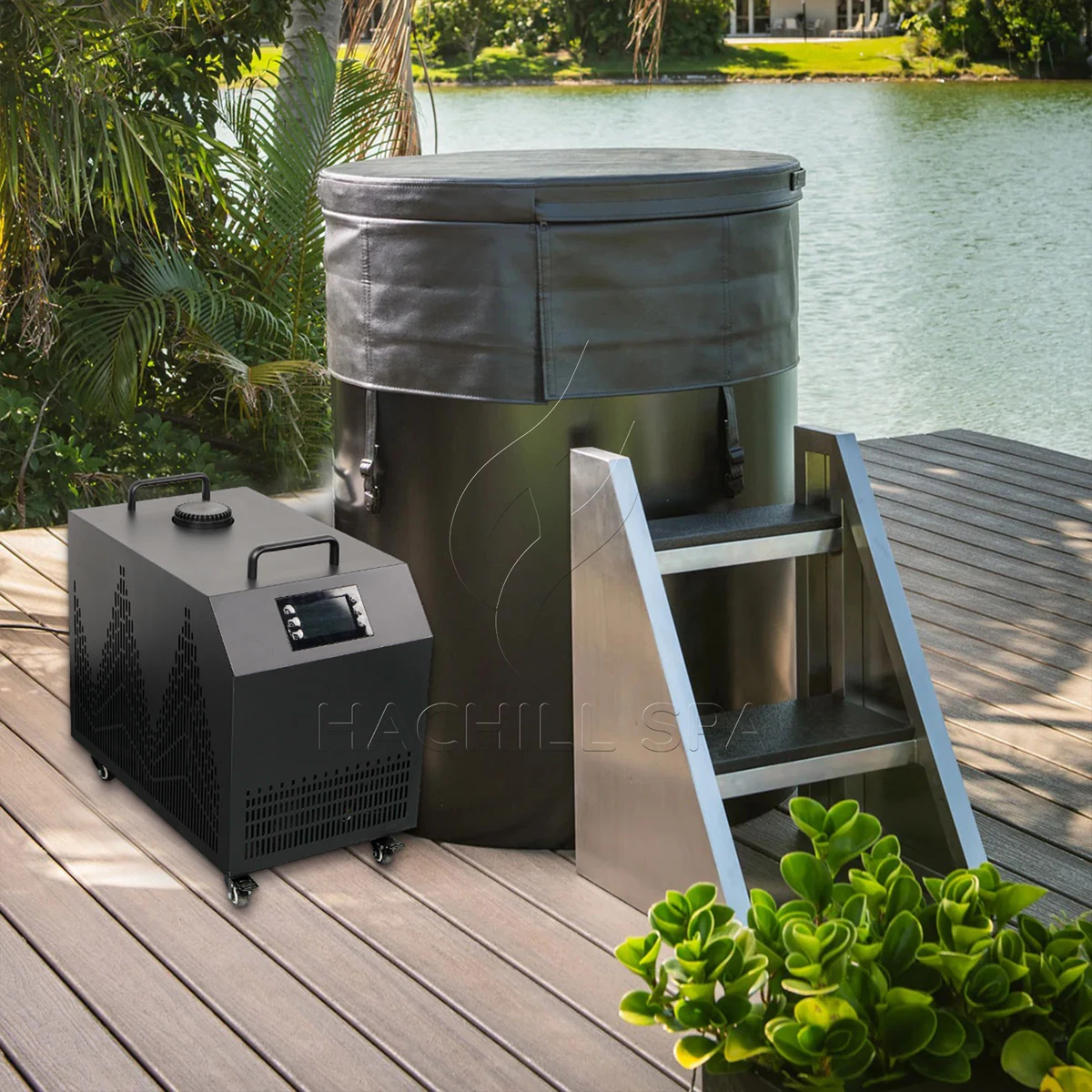
Für eine Wanne kann die Projektplanung Lieferroute, endgültige Positionierung, die gefüllte Betriebslast, Auflagebedingungen, elektrische Versorgung, Entwässerung, umgebende Feuchtigkeitsbedingungen und Zugang zum Kühler oder zu Servicepanels umfassen. Für einen stärker integrierten Pool können sich dieselben Fragen auf umfassendere Nassbereichs-, Sanitär-, Medienweg- und Gebäudekoordination ausweiten. Wo die Installation auf einem Gebäudeboden, einer erhöhten Terrasse oder einer anderen strukturellen Auflage beruht, sollte die verantwortliche Projektrolle den fertiggestellten Lastfall für das tatsächliche Gefäß, Wasser, Nutzer und Ausstattung verifizieren.
Vermeiden Sie die Abkürzungen „Wanne bedeutet keinen Bau“ und „Pool bedeutet dauerhaften Beton“. Keine davon ist über alle Produkte und Projekte hinweg verlässlich. Identifizieren Sie stattdessen, welche Schnittstellen im gelieferten Equipment enthalten sind und welche beim Standort, Installateur oder Planungsteam verbleiben.
Wenn die Entscheidung über das Format hinaus zu Kühlleistung, Pull-down, Halte- oder Erholungslast geht, verwenden Sie den separaten Leitfaden zur Kältetechnik und Kühlergrößenbestimmung für Kältebecken .
Belegung vs. Durchsatz: Ein Pool, ein Whirlpool oder mehrere Whirlpools?
Für ein Fitnessstudio, Spa, Erholungszentrum oder Hotel ist diese Unterscheidung oft nützlicher als der Vergleich von Beckenabmessungen: Gleichzeitige Belegung ist nicht dasselbe wie sequenzieller Durchsatz.
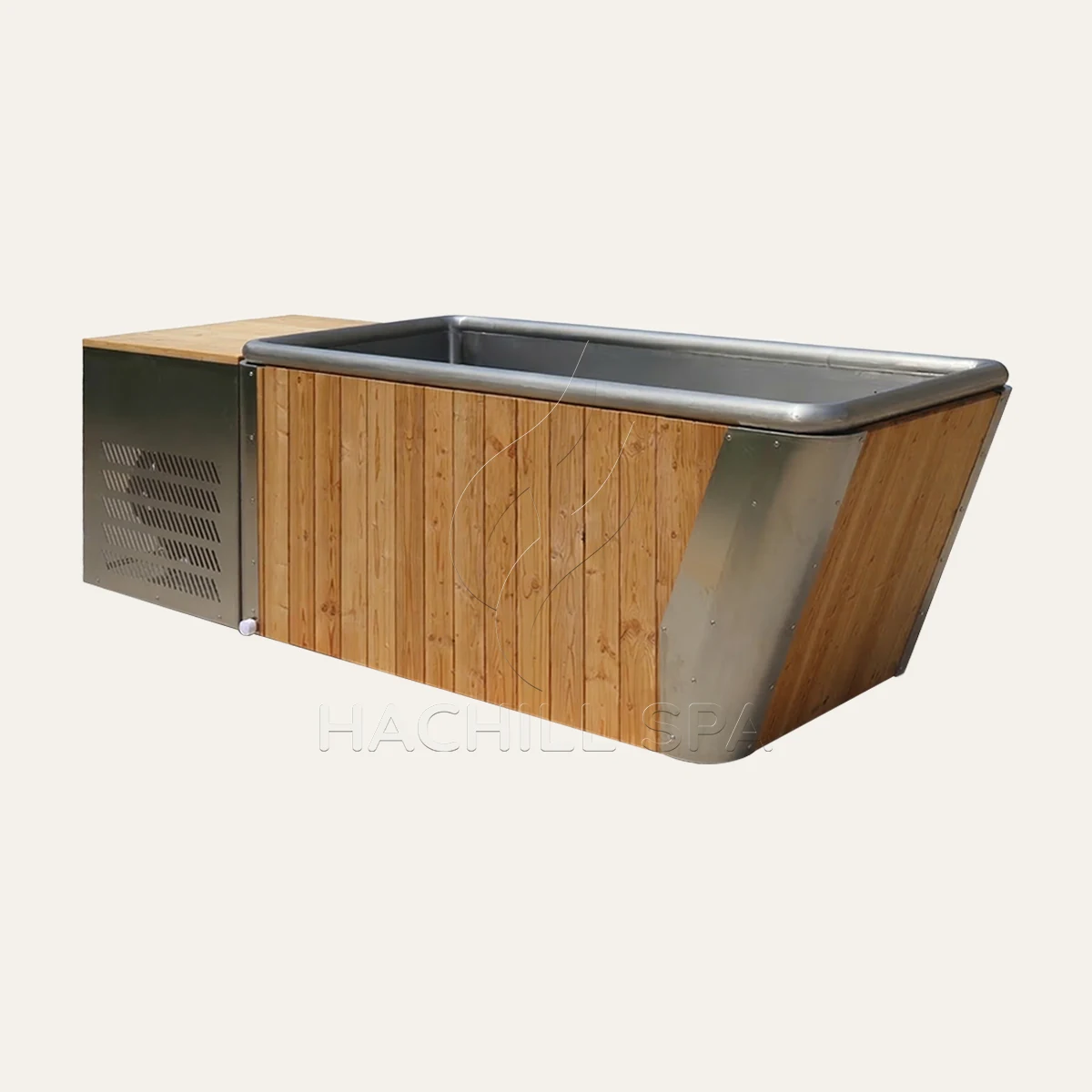
Ein Pool kann mehreren Personen die gleichzeitige Nutzung eines gemeinsamen Wasserkörpers ermöglichen, wenn Auslegung, Aufsicht, Betriebsrichtlinie und geltende lokale Anforderungen diese Nutzung unterstützen. Ein für einen Nutzer ausgelegter Tub bietet eine kontrollierte Station, während ein anderes Tub-Design eine abweichende zugelassene Belegung haben kann. Mehrere unabhängige Tubs schaffen einen dritten Weg: Mehrere Nutzer können parallel betreut werden, während sie in getrennten Gefäßen bleiben.
| Format | Potenzieller Vorteil | Wichtigster zu prüfender Trade-off |
|---|---|---|
| Eine Wanne | Kontrollierte Einzelsitzung, Privatsphäre und eine kompakte Servicegrenze | Begrenzt durch das ausgewählte Modell und die Betriebsrichtlinie |
| Ein Pool | Kann ein gemeinsames Erlebnis oder ein echtes Konzept der gleichzeitigen Nutzung unterstützen | Größere Verantwortlichkeiten für gemeinsam genutztes Wasser, Standort und Betrieb können folgen |
| Mehrere Hot Tubs | Parallele Einzelsitzungen und Trennung zwischen Stationen | Erfordert Platz, wiederholte Ausrüstung und einen klaren Betriebsplan für jede Einheit |
Mehrere Wannen können auch eine betriebliche Trennung schaffen. Wenn ein unabhängiges Becken nicht für den Betrieb verfügbar ist, können andere unabhängige Einheiten nutzbar bleiben, sofern ihre eigenen Betriebsbedingungen erfüllt sind. Das unterscheidet sich von der Behauptung, dass mehrere Wannen stets eine höhere Tageskapazität erzeugen.
Der tatsächliche Durchsatz hängt weiterhin von Sitzungsdauer, Wechselzeit, Reinigungs- bzw. Wasserablassverfahren, Kühlregeneration, Personalbesetzung, Buchungsmodell und Ausfallzeiten ab. Ein größeres Wasservolumen, mehr Sitzplätze oder eine größere Grundfläche belegen für sich genommen keine Nutzer pro Stunde.
Kaufmännische Entscheidungsregel: Wählen Sie die Architektur, die dem tatsächlichen Nutzerfluss der Einrichtung entspricht – nicht einfach die Option, die das meiste Wasser fasst oder die meisten Personen gleichzeitig aufnimmt.
Wie beeinflussen Wasseraufbereitung und lokale Vorschriften die Wahl?
Die Wahl eines Produkts, das „Becken“ genannt wird, beseitigt nicht automatisch öffentlich-aquatische oder gewerbliche Wasserbewirtschaftungspflichten. Entscheidend ist, wie die Installation in der am Bestimmungsort zuständigen Rechtsordnung eingestuft und betrieben wird.
In den Vereinigten Staaten, die CDC-Modell-Gesundheitskodex für Schwimmbäder ist freiwillige Musterleitlinie und nicht Bundesrecht. Bei dieser redaktionellen Überprüfung im September 2026 identifiziert die CDC die 2024 MAHC, 5th Edition, als die jüngste Ausgabe. Bundesstaaten, lokale, territoriale und Stammesbehörden entscheiden, ob und wie Anforderungen an die Wasserhygiene übernommen oder geändert werden.
Beispiele aus einzelnen Rechtsräumen zeigen, warum die Produktbezeichnung die Compliance-Frage nicht beantworten kann. Ontario’s Vorschrift für öffentliche Schwimmbäder definiert ein öffentliches Kaltwasser-Tauchbecken speziell als öffentliches Becken, das bei 15°C oder weniger gehalten wird und nicht vor jeder individuellen Nutzung entleert, gereinigt, desinfiziert und wiederbefüllt wird.
Utah Code 26B-7-124 bietet eine wesentlich andere öffentliche Kaltbad-Definition, die auf Nutzung durch einen Badenden und anderen gesetzesspezifischen Bedingungen ausgerichtet ist. Sie ist hier nur enthalten, um die Variation zwischen Rechtsordnungen zu zeigen, nicht als übertragbare Konstruktionsregel.
Wenn eine gewerbliche Installation unter geltende Vorschriften für Wasseranlagen fällt, können Zirkulation, Filtration, Behandlung, Prüfung, Aufzeichnungen oder andere betriebliche Verantwortlichkeiten Teil des Projekts werden. Die genauen Anforderungen gehören zur geltenden Gerichtsbarkeit und zum Betriebsplan, nicht allein zum Produktetikett.
Die praktische Reihenfolge besteht darin, das Ziel, die vorgesehenen Nutzer, das Modell der gemeinsamen Wassernutzung und die lokale Klassifizierung zu bestätigen, bevor das Wassersystem-Briefing fixiert wird.
Welches Format passt zu Ihrem Projekt?
Für viele individuelle Installationen oder Installationen mit kontrollierten Sitzungen ist eine Kaltwasser-Tauchwanne die stärker produktintegrierte Lösung. Ein Kaltwasser-Tauchpool wird relevanter, wenn gemeinsame gleichzeitige Nutzung oder architektonische Integration eine echte Projektanforderung ist. Mehrere Wannen sind eine weitere Option, wenn parallele Einzelsitzungen, Privatsphäre oder Wartungstrennung wichtig sind.
Beginnen Sie nicht mit „Pool ist Premium“ oder „Tub ist einfacher“. Beginnen Sie mit dem Betriebsmodell.
| Entscheidungsbedarf | Tauchbecken | Becken | Mehrere Hot Tubs |
|---|---|---|---|
| Individuelle Privatsphäre | Häufig eine gute Passung | Meist nicht der Hauptgrund, sich dafür zu entscheiden | Kann separate Nutzerstationen beibehalten |
| Gleichzeitige gemeinsame Nutzung | Begrenzt durch das ausgewählte Modell | Kann ein Grund sein, einen Pool in Betracht zu ziehen | Parallele Nutzung, aber in getrennten Becken |
| Produktinterne Route | Oft stärker | Meist weniger eingefasst | Wiederholter Produkt-/Systemumfang |
| Architektonische Integration | Optional | Oft relevanter | Meist stärker produktorientiert |
| Wartungsabsperrung | Eine definierte Einheit | Gemeinsam genutztes System kann einen größeren Betriebsbereich beeinflussen | Getrennte Einheiten können eine teilweise Isolierung bieten |
| Örtliche Einstufung als Wasseranlage | Muss geprüft werden | Muss geprüft werden | Muss geprüft werden |
In der Praxis passt ein Bottich oft zu kontrollierten Einzelsitzungen und einer stärker produktgebundenen Installation. Ein Pool wird relevanter, wenn gleichzeitige gemeinsame Nutzung und architektonische Integration echte Anforderungen sind. Mehrere Bottiche sind eine Überlegung wert, wenn parallele Einzelsitzungen, Privatsphäre oder Trennung zwischen Servicebereichen wichtiger sind als ein gemeinsames Becken.
HACHILL’s aktuell veröffentlichtes Cold-Plunge-Sortiment konzentriert sich auf einzelne Wannenformate. Wenn das die Richtung des Projekts ist, vergleichen Sie die aktuellen HACHILL Cold Plunge Modelle und Formatwege .
Für ein Briefing auf Anlagenebene mit Nutzern, Standortbedingungen, Wassermanagement, Entwässerung, Kühlung und Servicekoordination fahren Sie fort mit HACHILL Commercial Cold Plunge Projektroute .
Häufig gestellte Fragen
Ist ein Kaltbecken besser als eine Kaltwanne?
Nicht pauschal. Eine Wanne hält oft mehr Funktionsumfang innerhalb eines gefertigten Produkts und kann für kontrollierte Einzelsitzungen geeignet sein. Ein Pool wird relevanter, wenn gemeinsame gleichzeitige Nutzung oder architektonische Integration eine echte Projektanforderung ist. Vergleichen Sie das Betriebsmodell, nicht das Produktetikett.
Was kostet üblicherweise mehr, ein Cold-Plunge-Becken oder eine Wanne?
Ein Pool kann einen größeren Projektumfang erzeugen, aber der Preis des Beckens allein kann die Antwort nicht festlegen. Vergleichen Sie Lieferung, Unterstützung, Entwässerung, Versorgungsanschlüsse, Wassersystemausrüstung, Gebäude- oder Nassbereichsarbeiten, Servicezugang und Betriebsverantwortlichkeiten auf derselben Bilanzgrenze.
Können mehrere Personen ein Kaltbecken gleichzeitig nutzen?
Ein Pool kann die gleichzeitige gemeinsame Nutzung unterstützen, wenn Design, Aufsicht, Betriebsrichtlinie und geltende örtliche Anforderungen dies unterstützen. Das belegt keinen täglichen Durchsatz, der auch von Sitzungszeiten, Wechselzeiten, Wasseraufbereitungsverfahren, Kühlregeneration, Personalbesetzung und Ausfallzeiten abhängt.
Erfordern Cold-Plunge-Becken eine andere Wasseraufbereitung als Whirlpools?
Das Wort „Pool“ oder „Wanne“ bestimmt nicht von sich aus den Behandlungsbedarf. Gemeinschaftliche Wassernutzung und die lokale regulatorische Einstufung der Installation können Verantwortlichkeiten für Umwälzung, Filtration, Hygiene, Tests und Aufzeichnungspflichten verändern. Bestätigen Sie die zuständige Behörde, bevor Sie das System-Briefing festlegen.
Sind mehrere Kaltwasserwannen für den gewerblichen Durchsatz besser?
Mehrere Tubs können parallele Einzelsitzungen unterstützen und können Servicegrenzen zwischen unabhängigen Einheiten trennen. Sie schaffen nicht automatisch eine höhere Tageskapazität; der tatsächliche Durchsatz hängt weiterhin von Sitzungsdauer, Wechselzeiten, Kühlregeneration, Reinigung, Personalbesetzung und dem Buchungsmodell ab.
Referenzbasis
- CDC — aktuelle MAHC-Ausgabe und 2024 Model Aquatic Health Code, 5. Ausgabe — US-Modellleitfaden und die Grenze der Übernahme durch Gerichtsbarkeiten für öffentliche Wasseranlagen; die CDC identifiziert die 5. Ausgabe 2024 als die aktuellste Ausgabe bei dieser Prüfung im September 2026.
- CDC — Betrieb und Management öffentlicher Schwimmbäder, Whirlpools und Wasserspielplätze — Betriebskontext für Wassertests, Umwälzung, Filtration, Wartung und Aufzeichnungen in zutreffenden öffentlichen/gemeinsam genutzten Einrichtungen.
- Ontario Regulation 565 — Öffentliche Schwimmbäder — rechtsraumspezifische Definition und Anforderungen für öffentliche Cold-Plunge-Becken.
- Utah Code 26B-7-124 — Vorschriften für öffentliche Kaltbäder — rechtsraumbezogenes Beispiel mit einer anderen Definition des Kaltbads; prüfen Sie das aktuelle Gesetz und die lokale Anwendbarkeit für das tatsächliche Projekt.
Regulatorischer Geltungsbereich: Die Referenzen CDC, Ontario und Utah zeigen, warum Klassifizierung und Betriebsverantwortlichkeiten für den tatsächlichen Bestimmungsort geprüft werden müssen. Sie sind keine vollständige Compliance-Prüfung für ein Projekt. Das Produktformat allein ist kein Nachweis der Konformität, und dieser Vergleich beansprucht keine nicht verifizierte HACHILL-Poolkapazität, Durchsatzleistung oder Code-Genehmigung.
Wählen Sie das Projektformat, bevor Sie das endgültige System wählen
Definieren Sie zuerst die Nutzer, den Bedarf an gleichzeitiger Nutzung, den Standort, den Ansatz für die Wasserbewirtschaftung, den Kühlbedarf und die Service-Strategie. Vergleichen Sie dann die verfügbare HACHILL-Wannenroute oder gehen Sie mit einer klareren Systemgrenze in eine gewerbliche Projektprüfung.
Gewerbliches Cold-Plunge-Projekt prüfen