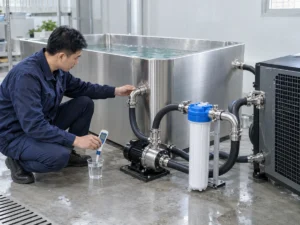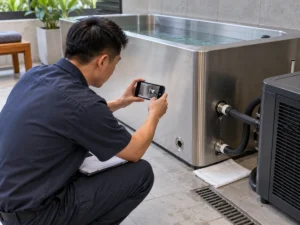
Kort antwoord: De kosten van een cold plunge hangen in de eerste plaats af van wat de opgegeven prijs daadwerkelijk omvat. Per 28 september 2026omvatten de huidige, in de VS gerichte voorbeelden van fabrikanten: $150 product met alleen een bad, stand-alone koelmachines in de buurt $ 3,490–$ 3,999,99, geselecteerde met koelmachines uitgeruste woonpakketten vanaf ongeveer $3,590en vijfcijferige commerciële of projectapparatuur. Dit zijn gedateerde voorbeelden van budgettering – geen universeel marktminimum, -maximum of -gemiddelde.
Apparatuur: bad, chiller en meegeleverde watercircuitcomponenten.
Geïnstalleerd project: levering, toegang, nutsvoorzieningen, afvoer, terreinwerk en inbedrijfstelling.
Eigendom: elektriciteit, water, verbruiksartikelen, onderhoud, reserveonderdelen en, voor commerciële faciliteiten, stilstand.
Voor een eenvoudige thuisopstelling kan de online apparatuurprijs het grootste deel van de initiële aankoopbeslissing bepalen. Voor een sportschool, hotel, spa of herstelcentrum kan datzelfde bedrag slechts één regel zijn in een groter projectbudget.
Wat kost een cold plunge in 2026?
Het snelste bruikbare antwoord is te beginnen met de apparatuurklasse, omdat een kuip, een losse chiller, een geïntegreerde thuisplunge en een commercieel systeem verschillende aankopen zijn.
| Apparatuurklasse | Representatieve actuele voorbeelden | Wat de prijs betekent |
|---|---|---|
| ALLEEN KUIP | Plunge Pop-Up $150; Ice Barrel 300 $1,149.99; Ice Barrel 500 $1,749.99 | Alleen het vat; actieve koeling kan apart zijn. |
| ALLEEN KOELER | Plunge Pro-koelmachine $ 3,490 actueel; IJsvatkoeler $3,999.99 | Koelcomponent, geen compleet duikproject. |
| THUIS SYSTEEM | Invalpop-up met koeler $ 3,590 actueel; Zon Thuis Verticaal $ 3,799 verkoop; IJsvatbundels $ 5,149,98–$ 5,749,98; De duik $ 6,790 actueel; Duik all-in $ 7,990 actueel | Tub plus aanzienlijk meer van de reikwijdte van het koel-/watersysteem. |
| PREMIUM RESIDENTIEEL | Geselecteerd Renu voorbeelden $ 7,200 - $ 14,099 | Hoger geprijsde residentiële systemen; De uitrustingsomvang verschilt per model. |
| COMMERCIEEL / ARCHITECTURAAL | Commerciële duik uitrusting vanaf $ 12,990 / $ 15,990; Blauwe Kubus projectgeconfigureerde modulaire / grenzeloze apparatuur vanaf $ 29,000 | Alleen de prijs van de apparatuur, niet een compleet commercieel projectbudget. |
Verschillende van deze pagina's tonen promoties, referenties met vergelijkbare waarde of 'vanaf'-prijzen, en dat is de reden prijsdatum en prijsstatus horen bij het nummer. Een tijdelijke verkoop vertelt u waarvoor die configuratie op de controledatum wordt aangeboden; het bewijst niet dat de prijs de marktnorm op de lange termijn is.
De tabel moet niet worden gelezen als ‘een koude duik kost tussen de 150 en 29,000 dollar’. Dat zou fundamenteel verschillende reikwijdten met elkaar vergelijken en van geselecteerde producten een verzonnen marktgrens maken.
Vraag eerst: Is deze prijs voor de badkuip, de koelmachine, een compleet woonsysteem of commerciële apparatuur?
Prijzen voor alleen tubs kunnen ervoor zorgen dat de categorie er goedkoper uitziet dan de volledige opstelling
Plunge's Pop-Up van $ 150 wordt expliciet alleen als badkuip verkocht en bevat geen koel- of filtersysteem. In een andere huidige productfamilie kost een Ice Barrel-vat minder dan de standalone koelmachine die ermee wordt gebruikt. Daarom heeft een prijstabel scopelabels nodig.
Classificeer elke prijs voordat u deze vergelijkt:
Als u twijfelt tussen een route voor handmatige onderdompeling in ijs en speciaal gebouwde actieve koeling, houd dan de vergelijking met die van HACHILL aan. Koudwaterbad vs ijsbad gids. Als uw budget al is verschoven van categorieonderzoek naar productselectie, bekijk dan de huidige situatie HACHILL Cold Plunge-serie.

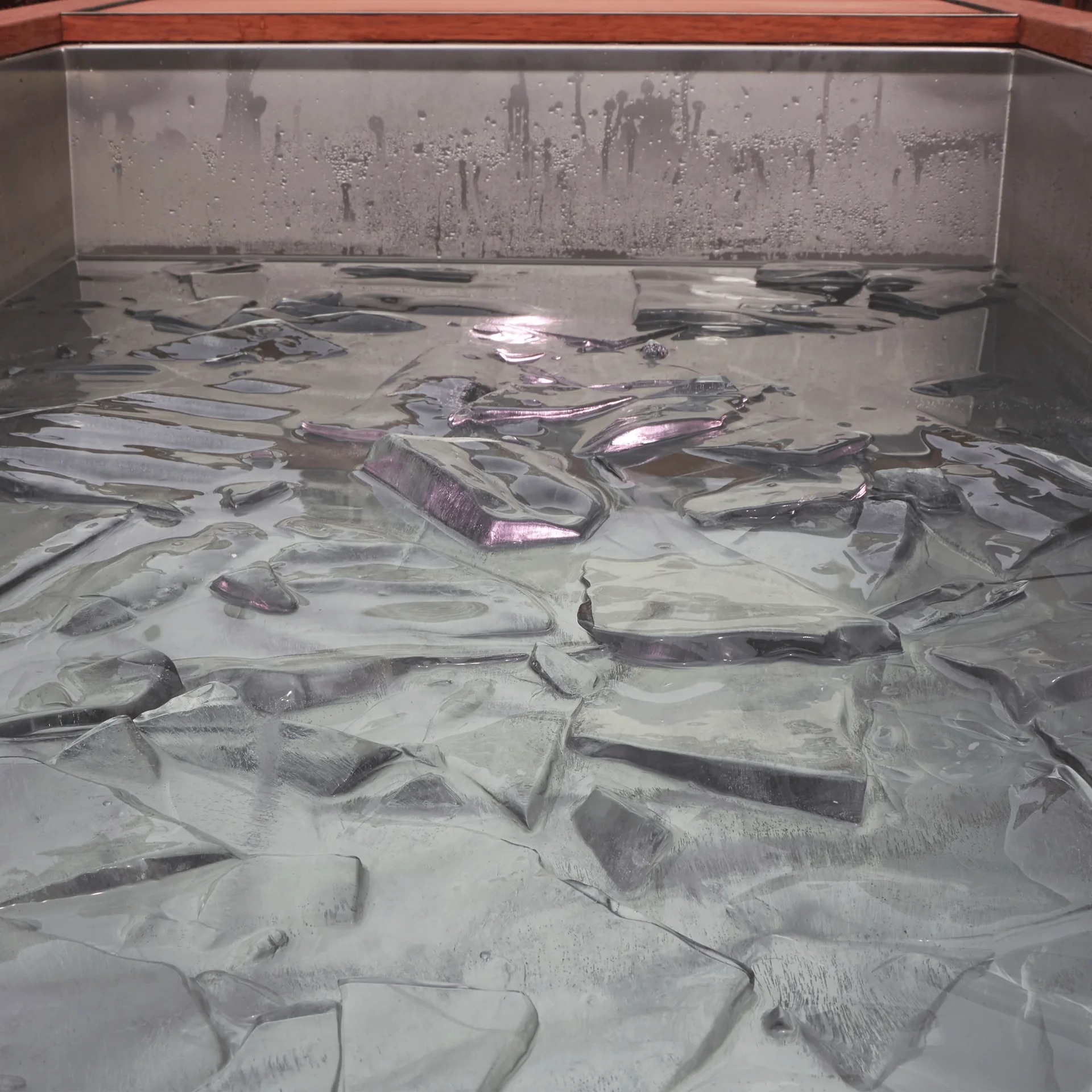
Waarom de prijzen voor koude duikers variëren: badkuip, koelmachine, watersysteem en thermisch gebruik
Twee koude sprongen kunnen er hetzelfde uitzien en tegelijkertijd heel verschillende technische vereisten oplossen.
De prijs kan veranderen afhankelijk van de scheepsconstructie en isolatie, koelapparatuur, circulatie en filtratie, behandelingscomponenten, bedieningselementen, meegeleverde aansluitingen en accessoires, servicearchitectuur en de thermische belasting waaraan het systeem moet voldoen.
Het bad is slechts een onderdeel van het systeem
Een schip heeft invloed op de fabricage, het transport, de isolatie, het onderhoud en toekomstige reparaties, maar de prijs van de kuip alleen is niet bepalend voor het volledige koudeduiksysteem.
De ene koper kan bewust kiezen voor een goedkoper schip en de koelapparatuur afzonderlijk selecteren. Een ander betaalt misschien meer voor een geïntegreerd pakket dat een groter deel van de systeemverantwoordelijkheid in één aankoop verhuist. Geen van beide routes is automatisch beter. Het gaat erom te weten wie elk onderdeel van het systeem levert en bezit.
Een koelmachine kan het uitrustingsbudget aanzienlijk veranderen
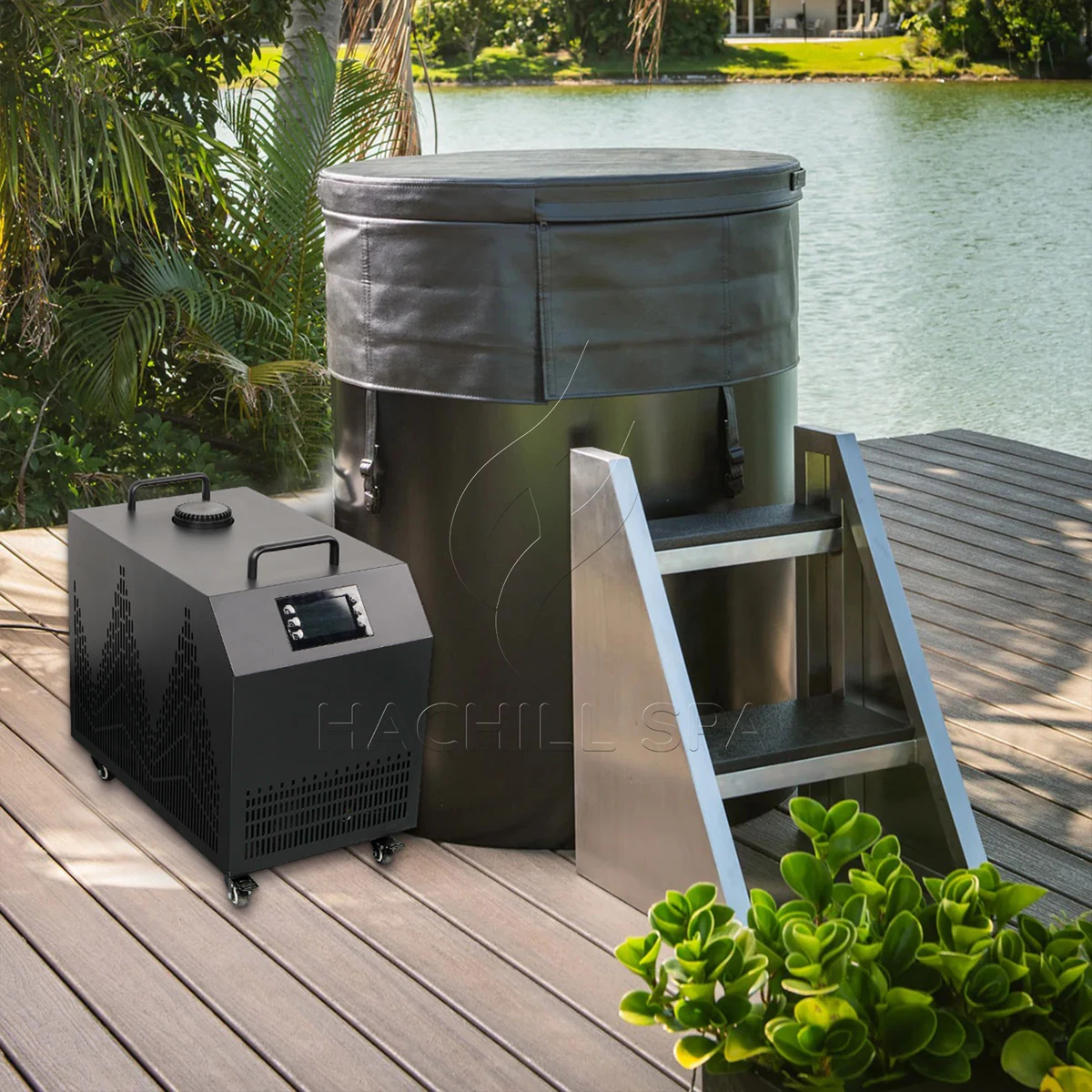
De huidige detailhandelsprijzen maken dit zichtbaar: bij sommige productfamilies kost de koelapparatuur meer dan de kuip zelf. Dat maakt “Is de koelmachine inbegrepen?” een van de eerste vragen die u moet stellen over een prijs voor een koude duik.
Maar de selectie van koelmachines kan niet worden beperkt tot paardenkracht of prijs alleen. Een zinvolle taak hangt af van het bedrijfswatervolume, de start- en doelwatercondities, de vereiste pull-down-tijd, herstelvereisten, omgevingsomstandigheden, isolatie en afdekking, warmtewinst in de leidingen, circulatie en gebruikersbelasting.
Een systeem dat bedoeld is om 's nachts langzaam af te koelen, heeft niet dezelfde taak als een commercieel systeem dat naar verwachting herhaaldelijk zal herstellen tijdens bedrijfsuren. Als de vraag rijst welke koelmachine daadwerkelijk aan de gedefinieerde thermische en hydraulische eisen kan voldoen, gebruik dan die van HACHILL Koppelingsgids voor cold plunge-vaten en chillers.
De reikwijdte van het watersysteem kan ook de prijs beïnvloeden
Afhankelijk van de configuratie kan een geleverd systeem een combinatie van circulatiepomp, filtratie, behandelingsapparatuur, kleppen en fittingen, slangen of hard-pipe-interfaces, bedieningselementen en sensoren, deksel, trappen en initiële filters of reserveonderdelen omvatten.
Een geïntegreerd uiterlijk bewijst niet dat elk onderdeel dat nodig is voor de uiteindelijke installatie is inbegrepen.
| Systeem lijn | Controleer dit voordat u de prijs vergelijkt | Veelvoorkomend risico van weglating |
|---|---|---|
| Vat | Materiaal, afmetingen, toegang en afwerking | Afdekking, treden of afvoer niet inbegrepen |
| Thermische apparatuur | Aangegeven plicht- en beoordelingsvoorwaarden | Paardenkracht behandeld als koelcapaciteit |
| Hydraulica | Stroming, opvoerhoogte, leiding en kleppen | Pomp- en leidingomvang komen niet overeen |
| Waterbehandeling | Gebruik frequentie, componentomvang en operationeel plan | Filtratie gepresenteerd als het volledige behandelplan |
| Bediening / elektrisch | Bedieningselementen, sensoren, alarmen en elektrische vereisten voor de bestemming | Lokale elektrische beveiliging toegewezen na bestelling |
| Accessoires / reserveonderdelen | Afdekking, treden, gereedschap en eerste reserveonderdelen | Vereiste artikelen met een prijs na de hoofdbestelling |
De betere prijsvraag: Welke aanvullende eis, onderdeel of verantwoordelijkheid lost deze prijs op?
De prijs alleen mag nooit worden gebruikt als bewijs van betere koelprestaties, lager energieverbruik, betere sanitaire voorzieningen, langere levensduur, eenvoudiger onderhoud of commerciële geschiktheid. Deze conclusies vereisen modelspecifiek bewijs.
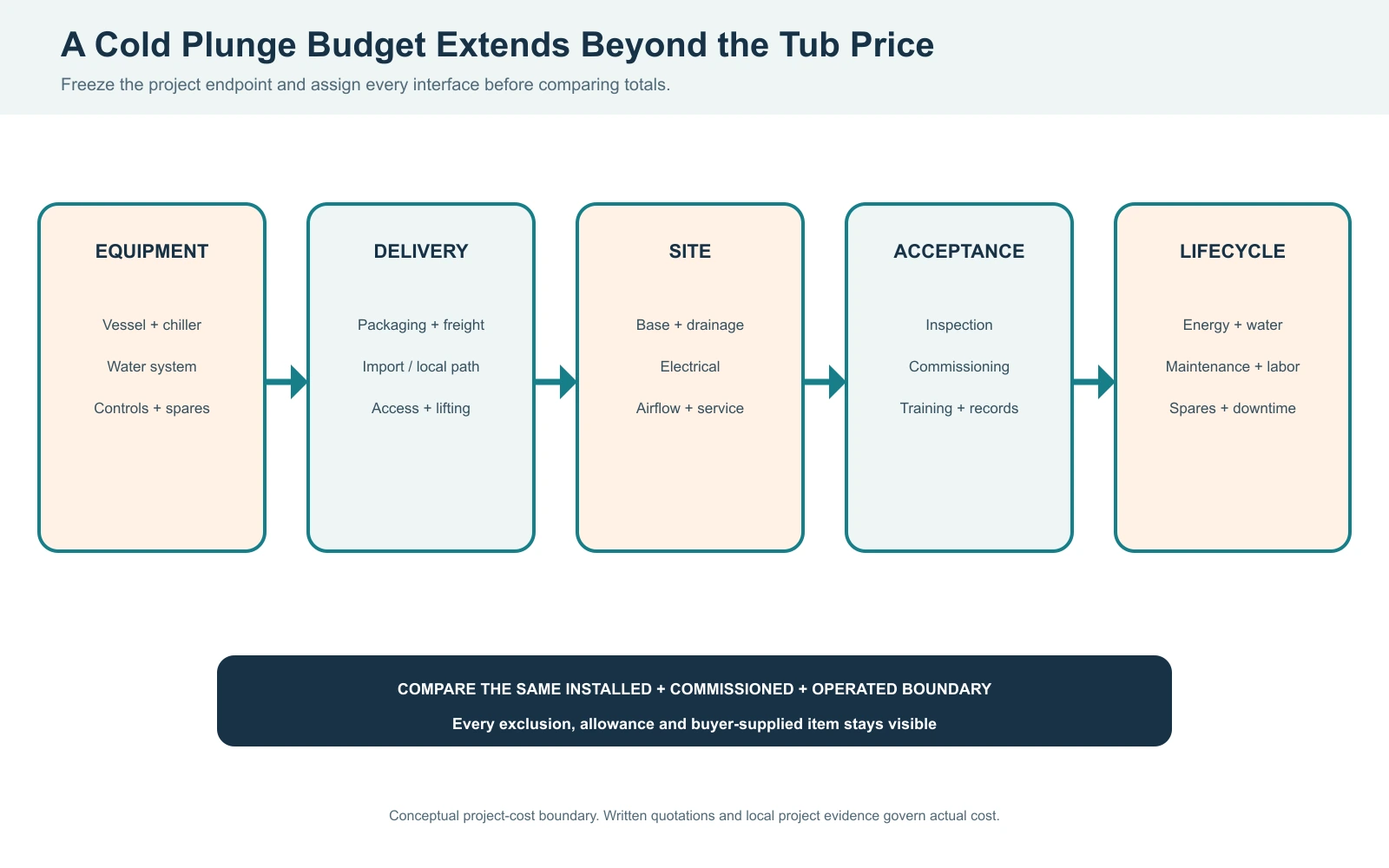
Van onlineprijs naar geïnstalleerd budget
Zodra de apparatuur geleverd, geplaatst, aangesloten en in bedrijf gesteld moet worden, is de online productprijs niet langer het volledige budget.
Projectgrens: Apparatuurprijs → landkosten → werk op locatie → budget voor installatie en inbedrijfstelling.
Bepaal eerst waar het citaat eindigt
Twee offertes kunnen op verschillende punten eindigen: fabriek, haven, stoeprand, opgeleverd gebouw, opgeleverde kamer, aangesloten, in bedrijf gesteld of getest en overgedragen.
Een lagere uitrustingsprijs die op de stoep wordt afgeleverd, is niet direct vergelijkbaar met een hogere omvang die extra logistiek of inbedrijfstelling omvat. Bevries hetzelfde commerciële eindpunt voordat u de totalen vergelijkt.
Locatieomstandigheden die de geïnstalleerde kosten kunnen veranderen
| Interface | Controleer dit voordat u bestelt | Waarom het de kosten kan veranderen |
|---|---|---|
| Toegang / tillen | Verpakkingsafmetingen, route, trap, draairuimte en hijsbehoefte | Speciale afhandeling of herzien toegangsplan |
| Basis / vloer | Gevulde bedrijfslast en niveautoestand | Ondersteunend of structureel werk |
| Afwatering/water | Aftappen, bijvullen, overlopen en reinigingstraject | Loodgieters-/werfwerk |
| Elektrisch | Spanning, frequentie, fase, circuit en toepasselijke bescherming | Lokale elektrische reikwijdte |
| Ventilatie / warmteafvoer | Inlaat/uitlaat van de koelmachine en vereiste speling | Indelings- of ventilatiewerkzaamheden |
| Service-toegang | Routes voor het verwijderen van filters, panelen en componenten | Haalbaarheid van toekomstig onderhoud |
| Inbedrijfstelling | Toetsomvang, instrumenten en verantwoordelijkheid | Aanwezigheid, correctie of hertoetsing |
Houd een register van logistieke kosten bij
| Kostenlijn | Basis | Bewijs | Typische variatietrigger |
|---|---|---|---|
| Apparatuur | Bevroren configuratie en hoeveelheid | Gespecificeerde offerte | Goedgekeurde specificatiewijziging |
| Vracht/verpakking | Route, afmetingen, gewicht en leveringstermijn | Actuele logistieke offerte | Route- of hoeveelheidswijzigingen |
| Import/lokale kosten | Bestemming en toepasselijke classificatie | Bewijs koper/makelaar | Regel- of tariefwijzigingen |
| Site / lokale handel | Uitgegeven ontwerp en locatieonderzoek | Reikwijdte aannemer | Onbekende toestand van de locatie |
| Inbedrijfstelling | Overeengekomen testmethode en aanwezigheid | Inbedrijfstellingsplan | Reikwijdte opnieuw testen of herzien |
| Onvoorziene omstandigheden | Benoemd onopgelost risico | Risico register | Risico wordt gedefinieerd werk |
Valuta, belastingen, geldigheid van offertes en uitsluitingen moeten zichtbaar blijven. Hergebruik de vracht-, import- of arbeidsaannames van een andere bestemming niet alsof ze bij het huidige project horen.
Houd de grenzen van de autoriteit duidelijk
Voor Amerikaans werk is NFPA 70 / de National Electrical Code is een belangrijk elektrisch raamwerk. De NEC 2026 is de huidige editie, maar de afdwingbare vereisten voor een project zijn nog steeds afhankelijk van de lokale acceptatie, de bevoegde autoriteit, de geselecteerde apparatuur en de installatie-instructies ervan.
Voor projecten buiten de Verenigde Staten mag u geen Amerikaanse elektriciteitsaannames in de begroting importeren. Bevestig de bestemmingsvereisten, apparatuurclassificaties, verantwoordelijkheden van installateurs en eventuele koel- of watersysteeminterfaces die lokaal handelsbereik kunnen creëren.
Budgetregel: Beoordeel lokale compliance, elektrische werkzaamheden of koelinterfaces niet op basis van een algemene blogaanname.
Wat kost het gebruik van een cold plunge?
Er is geen betrouwbaar universeel antwoord, zoals ‘een koude duik kost $30 per maand’. De exploitatiekosten zijn afhankelijk van het exacte systeem, de omgevingsomstandigheden, isolatie, bedrijfsschema, waterbeheer, onderhoudsplan en lokale energieprijzen.
Elektriciteit: gebruik stroom en werkelijke looptijd
Een compleet systeem kan meerdere belastingen bevatten, waaronder een koelcompressor, condensorventilator, circulatiepomp, behandelingsapparatuur, bedieningselementen en verwarming, indien aanwezig.
Systeem ingeschakeld ≠ compressor draait continu.
HACHILL's Bedrijfscyclus en energieverbruik van koude duikkoelmachine guide is eigenaar van de gedetailleerde runtime-vraag. Gebruik voor de kostenberekening de werkelijke looptijd van de componenten of de gemeten energie van het hele systeem, in plaats van een maximum op het typeplaatje vermenigvuldigd met 24 uur als normaal verbruik te beschouwen.
De elektriciteitsprijs moet ook gelokaliseerd zijn. De Amerikaanse EIA Electric Power Monthly publiceert de gemiddelde elektriciteitsprijzen op staatsniveau per klantsector; het werkelijke tarief van een individueel project moet nog steeds afkomstig zijn van het relevante nutsbedrijf of contract.
Elektriciteit is slechts één input gedurende de levenscyclus
| Kosteninvoer | Hoofdbestuurder |
|---|---|
| Water/afvalwater | Aftappen, bijvullen en schoonmaakplan |
| Filters/behandelingsverbruiksartikelen | Exact systeem en gebruiksschema |
| Schoonmaakarbeid | Faciliteitsprocedure en gebruikersbelasting |
| Gepland onderhoud | Apparatuurvereisten |
| Reserveonderdelen | Faalkriticiteit en vervangingsroute |
| Dienst arbeid / reizen | Locatie- en ondersteuningsmodel |
| Commerciële stilstand | Echte onbeschikbare tijd en operationele consequenties |
Bedenk geen universeel jaarlijks onderhoudspercentage, de levensduur van een product of een terugverdientijd.
Vervang vroege aannames door gemeten gegevens
Bij het budgetteren zullen sommige cijfers aannames zijn. Houd ze gelabeld. Zodra het systeem in werking is, registreert u energie, watervervanging, filters en verbruiksartikelen, onderhoudswerkzaamheden en uitvaltijd, en past u vervolgens de huidige energie- en arbeidskosten toe.
Hierdoor wordt een initiële voorspelling omgezet in een op bewijsmateriaal gebaseerd levenscyclusoverzicht in plaats van met terugwerkende kracht te doen alsof de oorspronkelijke aannames gegarandeerd waren.
Hoe u Cold Plunge-citaten op dezelfde reikwijdte kunt vergelijken
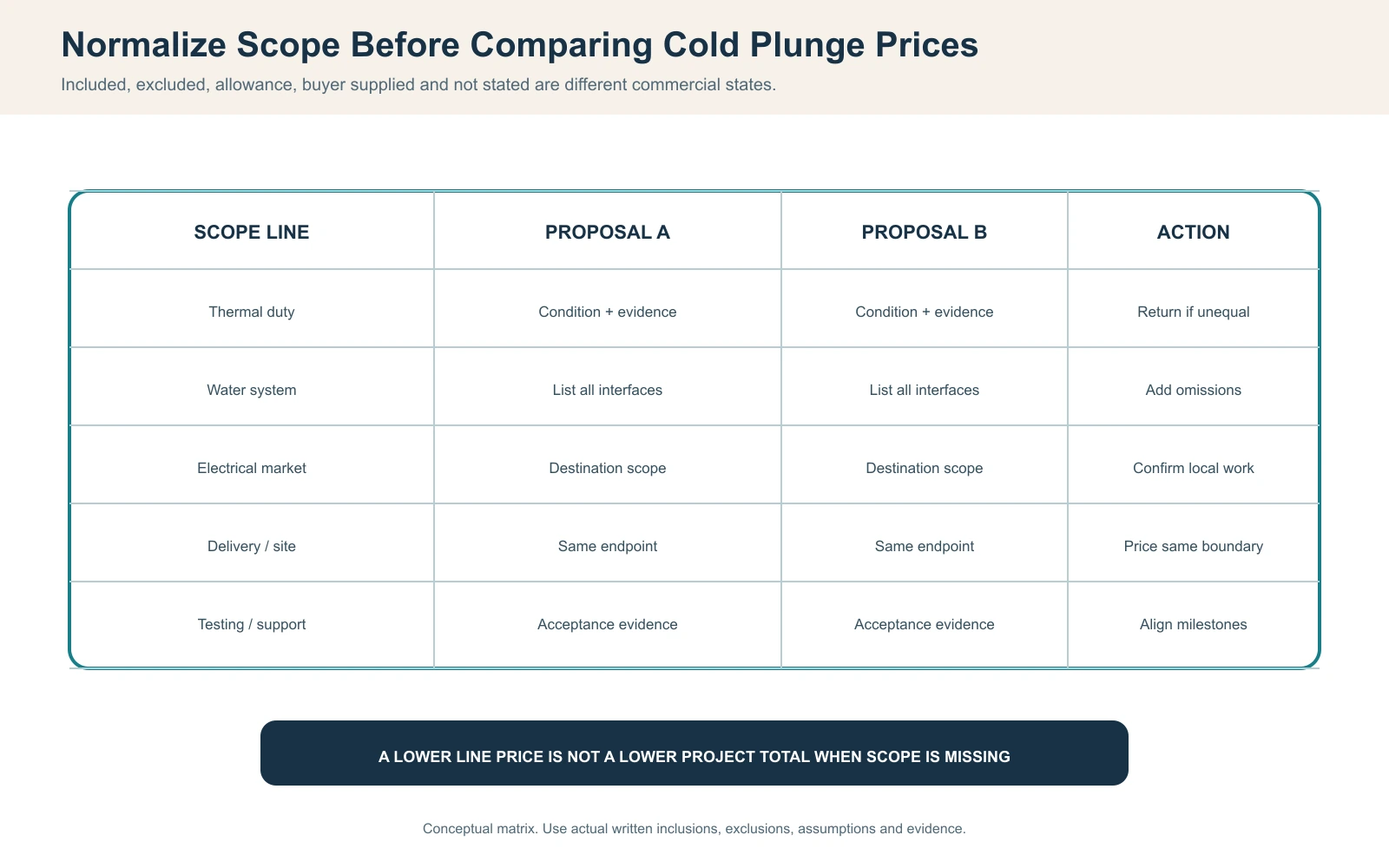
De goedkoopste zichtbare offerte is niet noodzakelijkerwijs de laagste projectkosten. Voordat u voorstellen rangschikt, moet u ze normaliseren op basis van één gemeenschappelijke vereiste.
Gebruik statussen zoals inbegrepen, uitgesloten, toelage, koper geleverd en niet vermeld. Los elke materiële “niet vermelde” regel op voordat u de definitieve prijsvergelijking maakt.
Normaliseer het voorstel
| Vergelijkingslijn | Wat elk voorstel moet vermelden |
|---|---|
| Thermische plicht | Watervolume, bedrijfsomstandigheden en vereiste prestaties |
| Watersysteem | Pomp, filtratie, behandeling en aansluitingen |
| Elektrische markt | Spanning, frequentie en apparatuurvereisten |
| Accessoires / reserveonderdelen | Afdekking, treden, gereedschap en eerste reserveonderdelen |
| Leveringseindpunt | Fabriek, haven, stoeprand, kamer of geïnstalleerd |
| Testen / inbedrijfstelling | Fabriekstest, sitetest, documenten en aanwezigheid |
| Ondersteuning / garantie | Exact aangeboden grens en uitsluitingen |
| Ondersteuning van de levenscyclus | Reserve-identificatie en servicepad |
Vergelijk dit: Welke offerte heeft het laagste totaal voor dezelfde geleverde en geaccepteerde omvang?
Beoordeel zowel het bewijsmateriaal als het aantal
| Kwaliteitsklasse | Bewijs | Gebruik bij besluitvorming |
|---|---|---|
| A | Contract / goedgekeurde specificatie / toepasselijke vereiste | Laatste verplichtingen |
| B | Exacte modelgegevens en relevant testbewijs | Technische vergelijking onder genoemde omstandigheden |
| C | Uitgegeven tekeningen, offerte en projectlogistiek/locatiebewijs | Projectkosten |
| D | Ontvangst, inbedrijfstelling, energie- en onderhoudsgegevens | Acceptatie en levenscyclusupdate geïnstalleerd |
| E | Openbare online prijs, afbeelding of niet-ondersteunde marketingverklaring | Alleen vroege marktoriëntatie |
Maak verantwoordelijkheid zichtbaar
| Beslissingsgebied | Leverancier | Koper / website | Andere rol indien van toepassing |
|---|---|---|---|
| Productconfiguratie | De staat bood ruimte | Bedoeld gebruik goedkeuren | Ontwerper verifieert interfaces |
| Logistiek | Aanleveren van overeengekomen verpakkings-/leveringsgegevens | Toegangs-/importingangen leveren | Makelaar/liftende rol |
| Hulpprogramma's voor de site | Vermeld de apparatuurvereisten | Zorg voor een compatibele site | Gekwalificeerde lokale handel |
| Inbedrijfstelling | Geef overeengekomen bewijs/ondersteuning | Zorg voor locatieomstandigheden | Genoemd inbedrijfstellingsleider |
| Variatie | Bewaar leveranciersgegevens | Bewaar locatiegegevens | Zelfstandige rol indien overeengekomen |
Een leverancier kan geen prijs bepalen voor een hijsvereiste die nooit openbaar is gemaakt. Een koper mag een expliciet uitgesloten lokale handel niet classificeren als een leveranciersfout. En de logistieke dienstverlener is geen eigenaar van de koelprestaties.
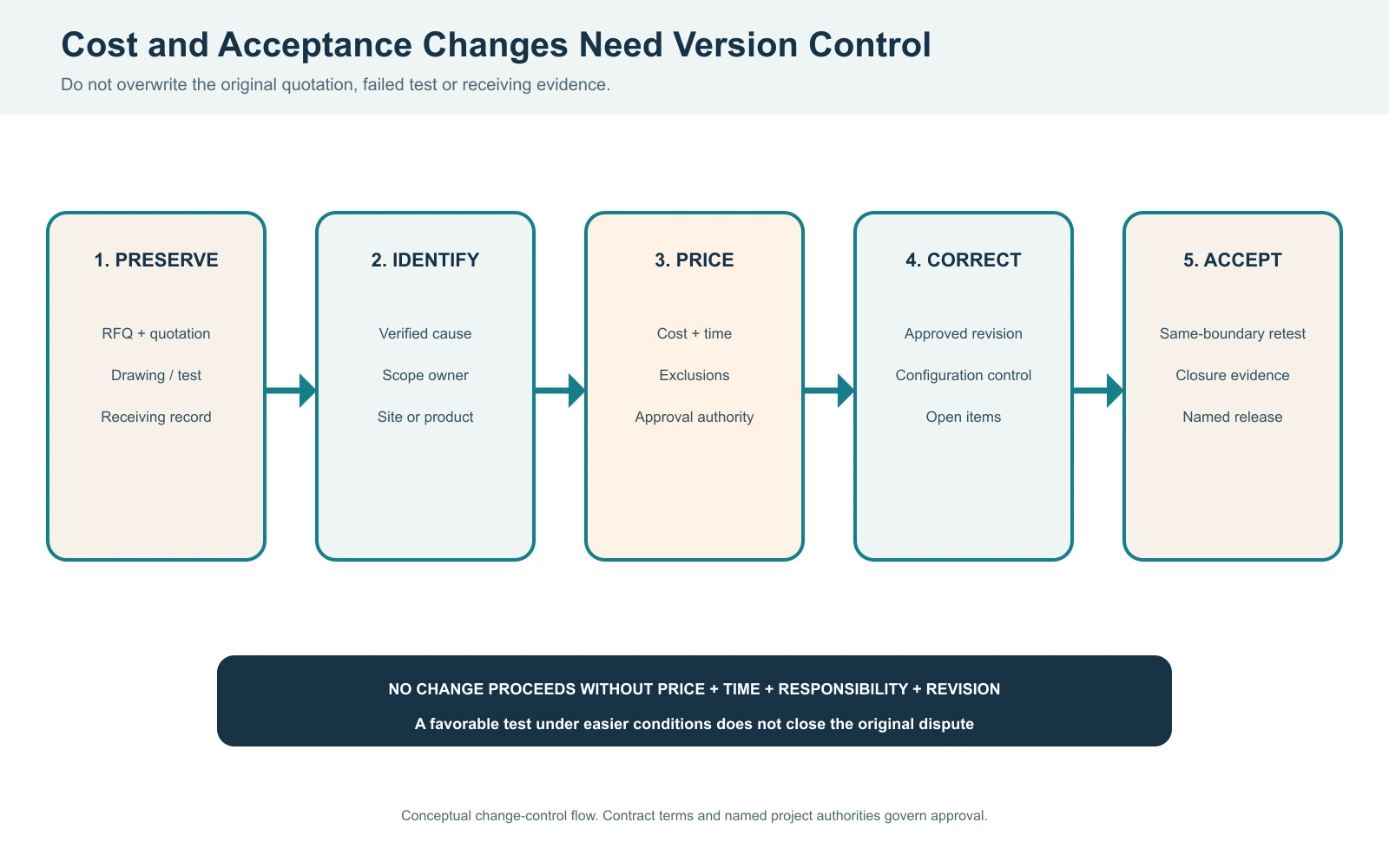
Behoud de oorspronkelijke scope als het project verandert
Registreer voor elke variatie de oorspronkelijke vereiste, de ontdekte toestand of de gevraagde wijziging, het prijseffect, het planningseffect, de goedkeurende partij, de herziene tekening of configuratie en het afsluitingsbewijs.
| Probleem | Bewaren | Onmiddellijke actie | Sluitingsbewijs |
|---|---|---|---|
| Ontbrekende opname | RFQ, offerte, stuklijst en verduidelijking | Houd vast aan de betwiste veronderstelling | Ondertekend scopebesluit |
| Wijziging van de site | Opmeten, tekenen en ontdekte staat | Recordprijs en planningseffect | Goedgekeurde variant |
| Schade / tekort | Verpakking, ontvangstfoto's en hoeveelheidsregistratie | Quarantaine of claim indien van toepassing | Acceptatie van reparatie / vervanging |
| Prestatieprobleem | Overeengekomen protocol, ruwe testgegevens en configuratie | Houd de goedgekeurde acceptatiegrens aan | Opnieuw testen op dezelfde grens of goedgekeurde wijziging |
| Geschil over exploitatiekosten | Metergegevens, planning, omgevingsomstandigheden en tarief | Verzoen de oorspronkelijke aannames | Representatief bedrijfsrecord |
Residentiële versus commerciële kosten voor koude duik
Een commerciële koude duik is niet zomaar een residentiële duik met een hoger prijskaartje.
De huidige openbare prijzen laten een aanzienlijke overlap zien tussen premium residentiële en commerciële apparatuur. Het kostenmodel verandert omdat de toepassing en operationele verantwoordelijkheid verandering.
Woonbudgetten zijn vaak gericht op apparatuur
Een huizenkoper moet mogelijk vooral de prijs van apparatuur, levering, beschikbare ruimte, elektrische compatibiliteit, afvoer, basisinstallatie, energie en onderhoud oplossen. Wanneer deze interfaces eenvoudig zijn, kan het project relatief dicht bij de online aankoopbeslissing blijven.
Commerciële budgetten zijn vaak systeem- en operatiegericht
Commerciële planning kan eisen toevoegen rond herhaald of gedeeld gebruik, architectuur voor waterbeheer, koeling en terugwinning, locatie-interfaces, documentatie, toegang tot service, reserveonderdelen, inbedrijfstelling, operationele verantwoordelijkheid en stilstand.
HACHILL's Commerciële cold plunge route is eigenaar van de bredere facilitaire en projectplanningstaak.
Een commerciële koper kiest de laagste apparatuurofferte. Later ontdekt het team dat er nooit een vereiste water-systeeminterface is opgenomen. Het is mogelijk dat de oorspronkelijke offerteaanvraag nooit de exploitatie- of behandelingsgrens heeft gedefinieerd.
Besluit: normaliseer de reikwijdte van het watersysteem voordat de totalen worden vergeleken.
Het afgewerkte bad past in de kamer, maar het verpakte exemplaar past niet op de geplande route in de kamer. Een ander hijs- of toegangsplan is noodzakelijk.
Besluit: bevestig de afmetingen, het gewicht, de route en de hefmethode van de verpakking vóór verzending.
Een relatief klein onderdeel faalt. De faciliteit kan de vervangings- of serviceprocedure niet snel identificeren, dus de duik blijft niet beschikbaar.
Besluit: controleer reserve-identificatie, servicetoegang, documentatie en escalatie vóór commerciële acceptatie.
Dit zijn illustratieve engineeringscenario's, geen klantcases van HACHILL.
Wanneer onlineprijzen niet meer bruikbaar zijn
Online prijsonderzoek is handig bij het bepalen van de apparatuurklasse, alleen tub-koeling versus actieve koeling, residentiële versus commerciële route en het algemene budgetniveau.
Het wordt minder nuttig zodra de kosten afhankelijk zijn van een specifieke bestemming, dienst, locatie of verantwoordelijkheidsgrens. Dat is het moment waarop de koper moet stoppen met het verzamelen van meer prijsscreenshots en één consistente offerteaanvraag moet uitbrengen.
Stel een budget op dat gereed is voor een offerteaanvraag
Toepassing
Thermische en systeemvereisten
Locatie
Commercieel/logistiek
Acceptatie
Ontvangst en inbedrijfstelling beschermen de kostengrens
| Poort | Bewijs | Beslissing | Kosten / betalingsimplicaties |
|---|---|---|---|
| Vóór verzending | Goedgekeurde configuratie, tekeningen en overeengekomen tests | Laat los / houd vast | Ondersteunt de overeengekomen verzend- of betalingsmijlpaal |
| Ontvangst | Verpakking, schade, aantal en labels | Accepteren / quarantaine / claimen | Bewaart bewijsmateriaal voor tekorten of schadeclaims |
| Installatie | Basis, nutsvoorzieningen, stroom, luchtstroom en toegang | Klaar / punchlijst | Wijs vóór de inbedrijfstelling correctiewerkzaamheden of een goedgekeurde variant toe |
| Inbedrijfstelling | Lekkage, temperatuur, herstel en overeengekomen controles | Passeren / corrigeren / opnieuw testen | Correctie of hertest gaat aan acceptatie vooraf als niet aan de afgesproken criteria wordt voldaan |
| Overdracht | Handleidingen, training, reserveonderdelen en open items | Accepteren/behouden | Sluit openstaande deliverables en eventuele contractueel toepasselijke retentie af |
Fabriekstests bewijzen alleen de overeengekomen fabrieksgrens. Het bewijst niet de uiteindelijke elektrische omstandigheden van het gebouw, de uiteindelijke afvoer, de geïnstalleerde condensorluchtstroom, het definitieve veldleidingwerk of het daadwerkelijke herstel van de locatie tijdens piekgebruik. Deze voorwaarden horen bij de inbedrijfstelling van de locatie.
Wanneer moet u een projectofferte aanvragen?
Ga verder dan openbaar prijsonderzoek wanneer exacte thermische belasting, bestemming, niet-standaard elektrische omstandigheden, beperkte toegang tot de locatie, gedeelde/commerciële exploitatie, watersysteemverantwoordelijkheid, aangepaste afwerking of branding, installatiecoördinatie, documentatie, inbedrijfstelling, vereisten voor reserveonderdelen of acceptatiecriteria de beslissing wezenlijk beïnvloeden.
Op dat moment maakt een prijs van een andere concurrent het budget niet nauwkeuriger. Geef de uit dezelfde offerteaanvraaginvoer voor elke bieder en vergelijk de daaruit voortvloeiende aanbiedingen op dezelfde technische, leverings- en acceptatiegrens.
Voor een gedefinieerd HACHILL-project: Zodra de productfamilie, toepassing, hoeveelheid, bestemming en relevante locatievereisten voldoende zijn gedefinieerd, kunt u overstappen van marktprijsonderzoek naar een projectspecifieke reikwijdtebeoordeling.
Offerte voor een project aanvragenVeelgestelde vragen
Hoeveel kost een koude duik?
De huidige voorbeelden van fabrikanten die op 28 september 2026 zijn gecontroleerd, variëren van goedkope producten voor alleen badkuipen tot met koelmachines uitgeruste residentiële systemen van enkele duizenden dollars en premium of commerciële apparatuur met vijf cijfers. De bruikbare prijs hangt in de eerste plaats af van de vraag of het nummer een badkuip, een zelfstandige koelmachine, een compleet huissysteem of commerciële apparatuur vertegenwoordigt. De online apparatuurprijs kan ook exclusief levering, werk op locatie, nutsvoorzieningen en inbedrijfstelling zijn.
Hoeveel kost een koude duik met een koelmachine?
In de geselecteerde voorbeelden van fabrikanten die voor deze gids zijn onderzocht, komen thuissystemen met koelmachines uit ongeveer de hele wereld voor midden $ 3,000 tot en met de hoogste $ 7,000, with premium integrated systems above that. Dit zijn gedateerde voorbeelden, geen universele marktband. Pakketinsluitsels moeten worden gecontroleerd voordat prijzen worden vergeleken.
Hoeveel kost het om een koude duik te installeren?
Er is geen universele installatieprijs. De installatiekosten kunnen afhankelijk zijn van de toegang tot de levering, het tillen, de staat van de vloer of de basis, afvoer, elektrische werkzaamheden, koelluchtstroom, loodgieterswerkinterfaces, servicetoegang, lokale handel en inbedrijfstelling.
Hoeveel kost een koude duik elke maand?
Er bestaat geen betrouwbaar universeel maandbedrag. Bereken elektriciteit op basis van het werkelijke systeemvermogen en de looptijd met behulp van het toepasselijke lokale tarief, en voeg vervolgens water, verbruiksartikelen, schoonmaak, gepland onderhoud, reserveonderdelen en eventuele relevante commerciële stilstand toe.
Waarom kunnen commerciële koude duikprojecten meer kosten?
Commerciële projectbudgetten kunnen toenemen omdat de toepassing mogelijk andere koeltaken, waterbeheermogelijkheden, servicetoegang, documentatie, inbedrijfstelling, locatiecoördinatie, planning van reserveonderdelen en operationele verantwoordelijkheid vereist. De prijzen van premium residentiële en commerciële apparatuur kunnen elkaar overlappen, dus vergelijk de vereiste omvang in plaats van alleen het label.