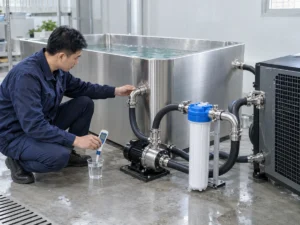
Руководство по проектированию холодных купелей
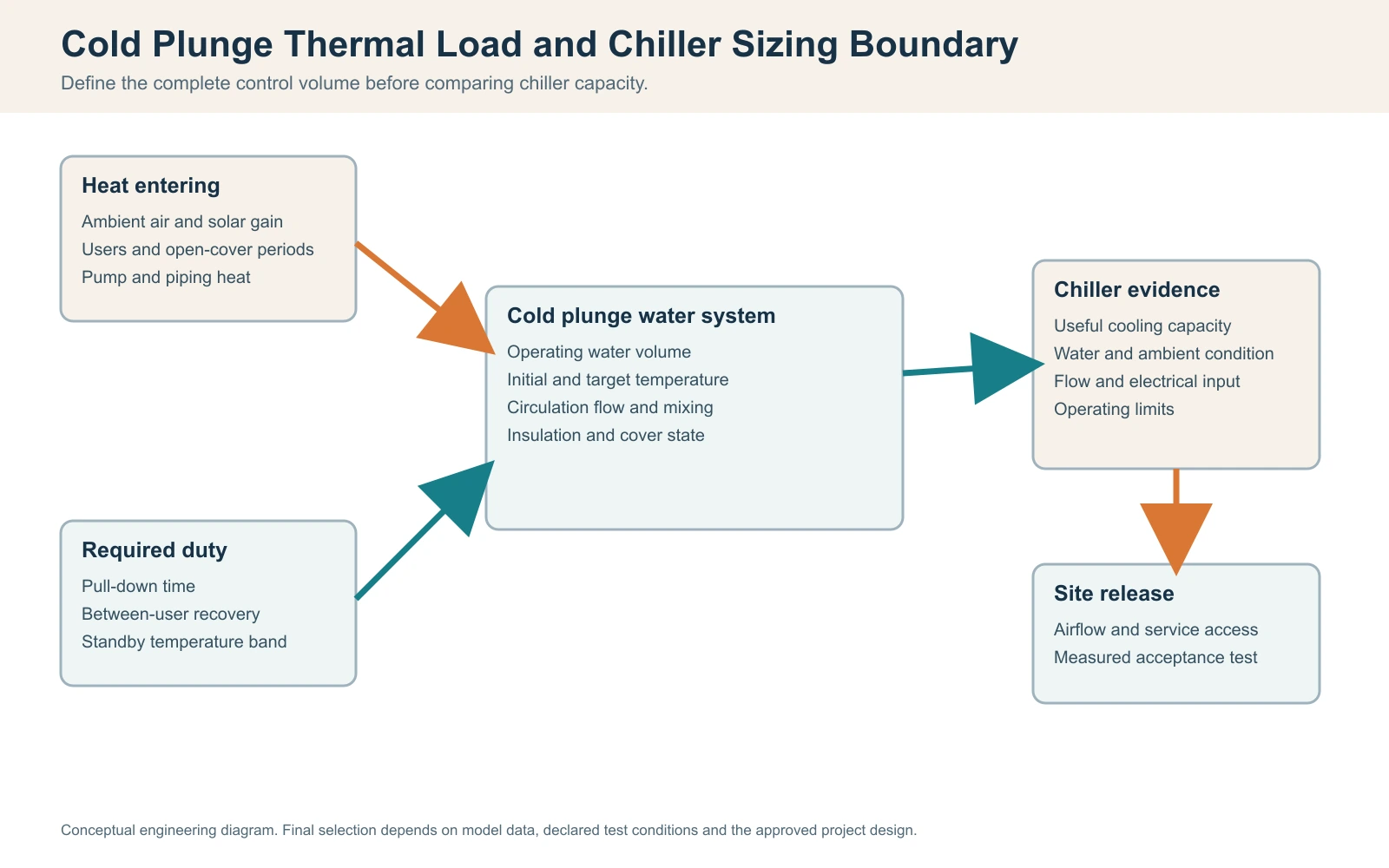
Прямой ответ: Подбор чиллера для холодной купели начинается с фактического рабочего объёма воды, начальной и целевой температур, требуемых окон выхода на режим и восстановления, а также ожидаемых теплопритоков во время использования. Используйте Q = m x cp x Delta T только для оценки явной энергии в заявленной массе воды, затем сравните эту нагрузку с полезной холодопроизводительностью, указанной при соответствующей температуре воды, температуре воздуха на входе конденсатора, расходе и состоянии фильтра, наличии крышки и нагрузке от пользователей, электропитании и условиях регулирования. Объём купели или мощность компрессора сами по себе не определяют мощность чиллера. Фактическая производительность всё равно требует письменно зафиксированных границ испытаний на выход на режим, удержание и восстановление, когда проекту нужны доказательства приёмки.
Область применения страницы: Эта страница содержит полную методику расчёта тепловой нагрузки и подбора чиллера. Согласование интерфейса купели с чиллером, сравнение мощности и производительности, а также диагностика выхода на режим при данной температуре остаются смежными темами, чтобы эти решения не дублировались здесь.
Основной расчёт: Q = m x cp x Delta T оценивает запасённую энергию воды; это не гарантирует время охлаждения в реальных условиях.
Ключевое сравнение: Полезная холодопроизводительность при заявленных условиях важнее входной мощности или максимальной отметки на этикетке.
Граница сдачи: Отсутствие данных об объёме, расходе, температуре окружающей среды, нагрузке, электропитании или испытаниях оставляет соответствующее решение по подбору или приёмке открытым.
Определите контрольный объём воды и полную границу оборудования
Используйте две связанные границы. Сначала определите контрольный объём воды используемый в расчёте энергии: фактическая рабочая вода в сосуде плюс любой включённый объём воды, который расчёт намеренно учитывает. Во-вторых, определите полную границу оборудования и площадки: вкладыш и корпус, трубопроводы, фильтр, насос, теплообменник, чиллер, средства управления, крышка, воздух конденсатора и электропитание. Укажите, включает ли заявленный объём шланги, балансировочный бак или корпус фильтра, и не переносите значение для родственной модели или номинальное значение в расчёт без подтверждения его применимости.
Терморегулирующий клапан
| Элемент | Требуемые исходные данные | Источник данных | Условие открытия/удержания |
|---|---|---|---|
| Объём воды | Измеренный или проектный объём и состояние | Исполнительная документация/пусконаладка | Только номинальный размер |
| Охладитель/теплообменник | Точная модель и конфигурация | Технический паспорт/руководство | Связанная модель |
| Контур/фильтр/насос | Труба, фильтр, расход и напор | Гидравлическая характеристика | Непроверенный расход |
| Крышка/теплоизоляция | Конструкция и правила эксплуатации | Согласованная спецификация | Принятая крышка |
| Площадка: воздух/электричество | Параметры окружающей среды, напряжение, частота, фаза | Данные о площадке и инженерных сетях | Общие климатические/паспортные данные |
| Граница управления | Уставка, датчик, сигнализация и связь | Выпущенная запись управления | Логика без замерзания |
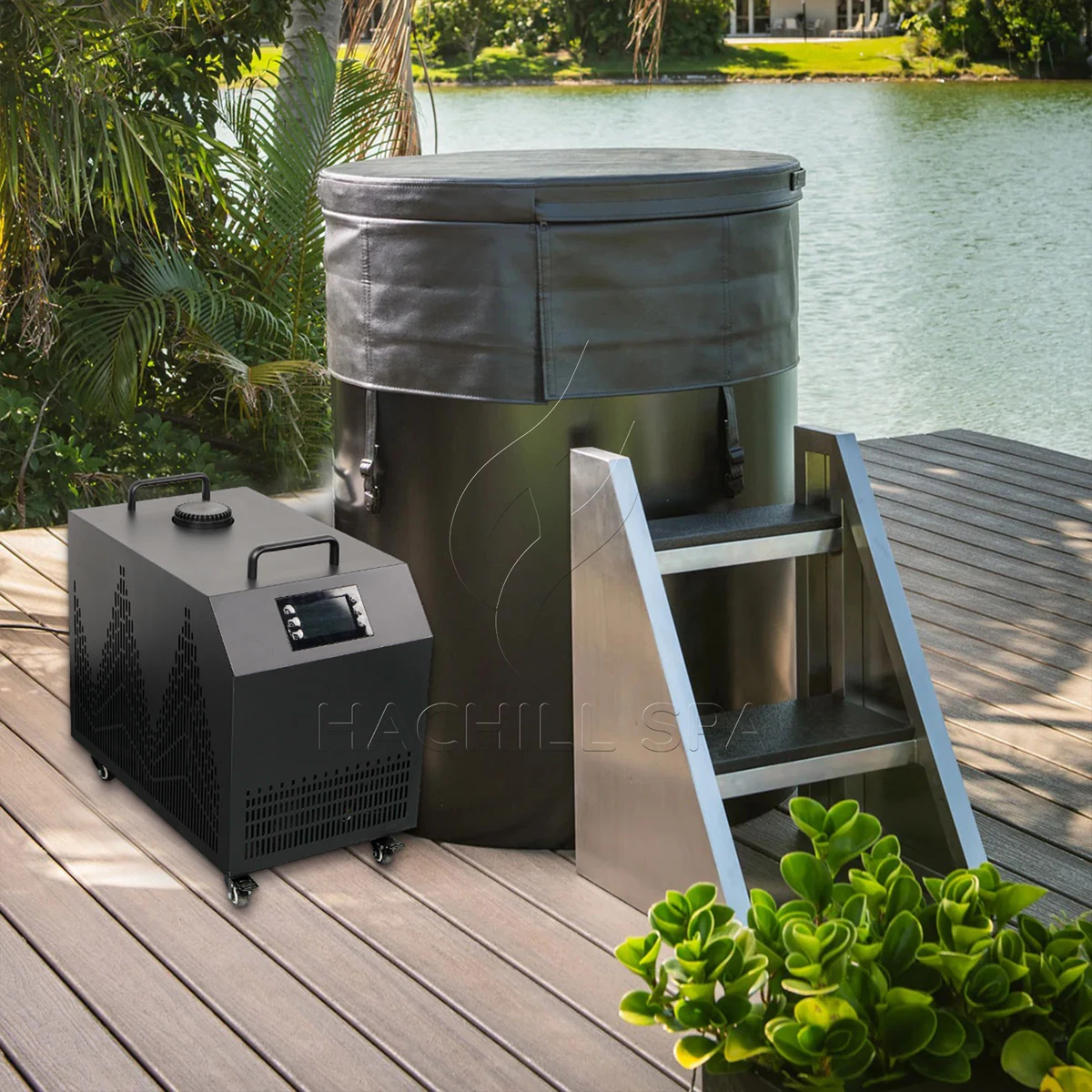
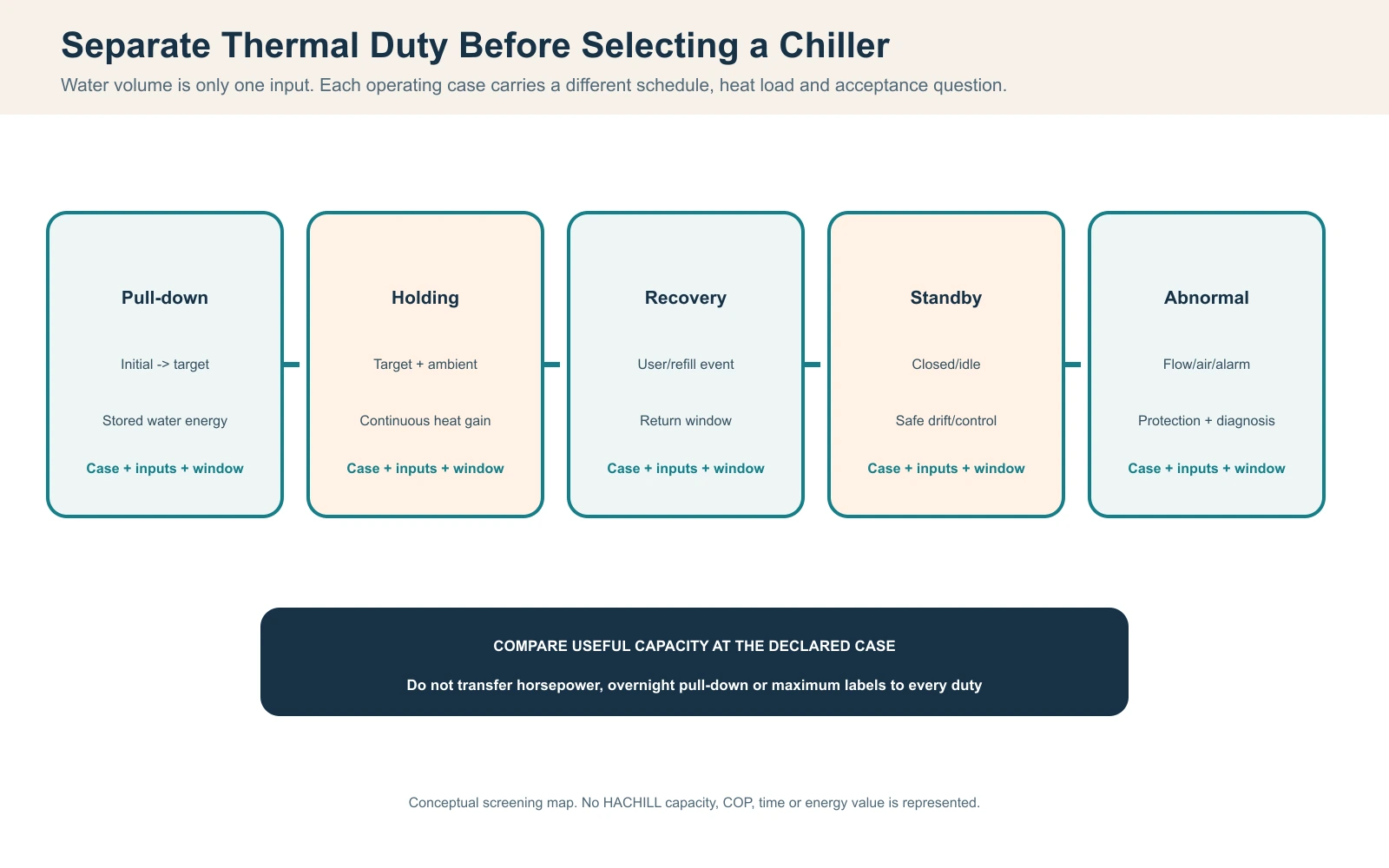
Раздельные режимы: охлаждение до заданной температуры, поддержание, восстановление и дежурный режим
Один чиллер может сталкиваться с разными тепловыми режимами. Охлаждение до заданной температуры удаляет запасённую энергию воды; поддержание температуры компенсирует теплопритоки от окружающей среды, солнца, трубопроводов, оборудования, утечек через крышку и пользователей; восстановление следует за событием пользователя или очисткой/заполнением; в режиме ожидания может сохраняться тепловая нагрузка от помещения или оборудования. Для каждого режима определите начальные и целевые условия, продолжительность, положение крышки, нагрузку пользователя, допустимое отклонение и график работы.
Реестр режимов холодной купели
| Режим | Условие запуска/эксплуатации | Требуемая производительность | Не делать выводов |
|---|---|---|---|
| Выпадающий список | Начальная вода до целевой температуры, заявленная температура окружающей среды | Средняя скорость в пределах окна | Номинальная потребляемая мощность равна охлаждению |
| Удержание | Целевая температура воды, температура окружающей среды, покрытие и тепловая нагрузка площадки | Стабильная уставка/допустимое отклонение | Ночной тест подтверждает интенсивное использование |
| Восстановление | Событие пользователя/долива и график | Возврат в пределах заявленного окна | Одно событие представляет все режимы работы |
| Ожидание | Закрытая/неработающая система и тепло установки | Безопасное управление и ограниченный дрейф | Отсутствие теплопритоков |
| Аварийное/событийное состояние | Загрязнение фильтра, высокий расход воздуха, питание или сигнализация | Защитная реакция и диагностика | Защита байпаса |
Регистр чувствительности теплового скрининга
| Переменная | Изменить на тест | Ожидаемое направление | Граница доказательств |
|---|---|---|---|
| Объём воды | Измеренное состояние против номинального | Изменение энергии и средней скорости | Нет результата поля |
| Дельта T | Начальные/целевые альтернативы | Изменения накопленной энергии | Основа уставки |
| Окно снижения температуры | Требуемые случаи расписания | Требуемые изменения средней ставки | Нет подтверждения мощности |
| Окружающий/входящий воздух | Заявленные случаи горячего/холодного режима | Полезная мощность может измениться | Условия на объекте |
| Состояние потока/фильтра | Одобренные рабочие случаи | Теплопередача может измениться | Гидравлические доказательства |
| Нагрузка на крышку/пользователя | Закрытые/открытые и рабочие случаи | Изменения нагрузки при удержании/восстановлении | Политика эксплуатации |
Инженерный сценарий: выбранная мощность проходит ночной тест, но не проходит график
Наблюдаемая проблема: Сосуд достигает целевой температуры до открытия, но не может восстановиться между повторными коммерческими сессиями.
Вероятная причина: В предложении сравнивалась входная мощность с результатом снижения температуры, но были упущены тепловыделение пользователя, обращение с крышкой, окно восстановления и условия приточного воздуха.
Как проверить: Воссоздайте график с журналами воды, окружающей среды, нагрузки, крышки и управления; отделите среднюю нагрузку восстановления от ночного случая снижения температуры.
Меры по предотвращению или устранению: Выпустите RFQ с рабочими случаями и окнами приемки. Выберите или скомпонуйте оборудование, используя полезную мощность в заявленной рабочей точке, затем протестируйте окончательный график.
Расчет энергии воды без заявленных характеристик
Для проверочного расчёта явной теплоты воды используйте Q = m x cp x Delta T, где m — это заявленная масса воды, cp — это выбранная базовая удельная теплоёмкость, а Дельта T — это заявленное изменение температуры. Соотношение показано в руководстве Министерства энергетики США по термодинамике, теплопередаче и течению жидкостей. Если объём переводится в массу, укажите плотность и единицы измерения, чтобы перевод был проверяемым; NIST SP 811 содержит рекомендации по использованию единиц СИ. Результат — это ощутимая энергия в заявленной массе, а не обещание, что чиллер отведёт её за указанное время.
Для ориентировочной средней скорости отвода разделите заявленную ощутимую энергию на требуемое время снижения температуры, затем сравните эту скорость с отдельно указанными случаями теплопритока и привязанной к условиям холодопроизводительностью чиллера. Не скрывайте тепло от труб, покрытия, пользователей, солнечного излучения, режима ожидания или оборудования внутри необъяснённого процента. Фиксируйте округление, погрешность датчиков, допущение о перемешивании и то, является ли объём воды полным, нормальным рабочим или иным заявленным состоянием. Если в расчётном контуре используется жидкость, отличная от воды, применяйте свойства этой заявленной жидкости, а не используйте повторно водную основу.
Запись расчета энергии воды
| Ввод | Значение/источник | Дисциплина единиц | Причина |
|---|---|---|---|
| Состояние объёма | Измерение/чертёж и входящие компоненты | л, м³ или заявленная база | Определяет массу |
| Основа плотности | Заявленное состояние/источник воды | кг/л или кг/м³ | Преобразует объём в массу |
| Удельная теплоёмкость | Заявленная техническая основа | кДж/кг·К или эквивалент | Энергетический фактор |
| Начальное/целевое значение | Измеренные или требуемые заданные значения | °C/°F с переводом | Определяет дельту T |
| Окно снижения температуры | Требуемый график | с, мин или ч | Преобразует энергию в мощность |
| Прочие нагрузки | Отдельные измеренные/предполагаемые случаи | Вт или кВт с указанием источника | Предотвращает скрытый допуск |
Иллюстративная последовательность проверки единиц
| Шаг | Выражение | Что это доказывает | Граница |
|---|---|---|---|
| Масса | m = rho x V | Пересчёт объёма в массу | Плотность заявлена |
| Изменение температуры | Delta T = Tinitial – Ttarget | Направление и величина | Предполагается смешанная вода |
| Запасённая энергия | Q = m x cp x Delta T | Энергия фильтрации | Нет результата по чиллеру |
| Средняя мощность | Pavg = Q / t | Требуемое среднее удаление тепла | Теплопритоки учитываются отдельно |
| Сравнение | Полезная холодопроизводительность >= заявленный случай | Скрининг предложений | Требуется точное условие испытания |
Согласуйте полезную холодопроизводительность с условиями
Холодопроизводительность полезна только вместе с условиями и границами, стоящими за числом. Фиксируйте температуру воды, температуру окружающей среды на входе конденсатора, расход, состояние на входе, состояние регулирования и электрическую базу. Входная мощность, мощность компрессора в л.с. и холодопроизводительность — это разные величины. терминология AHRI для чиллеров с жидкостным охлаждением разграничивает холодопроизводительность, общую входную мощность, COP и номинальные условия; используйте эту страницу как справочник по терминологии и номинальным условиям, а не как доказательство того, что конкретный чиллер для холодной купели сертифицирован AHRI или входит в область действия конкретного стандарта AHRI.
Сравнивайте предложения по одному и тому же режиму нагрузки и требуйте, чтобы каждый поставщик указал, что включают опубликованные значения производительности и мощности. Если граница испытаний или номинальное условие отсутствуют, рассматривайте значение как предварительное подтверждение и включите отсутствующее условие в список вопросов для запроса предложения (RFQ). Для более узкого сравнения данных поставщиков см. HP чиллера для холодной купели и холодопроизводительность.
Сравнение полезной вместимости
| Состояние | Доказательства поставщика | Сравнение для покупателя | Удерживать, если |
|---|---|---|---|
| Вход воды / целевое значение | Точная температура и расход при испытании | Тот же случай с водой | Условие отсутствует |
| Окружающий/всасываемый воздух | Измеренный или заявленный испытательный воздух | Тот же корпус конденсатора | Только удалённая погода |
| Поток/фильтр | Утверждённое состояние потока и давления | Тот же гидравлический контур | Только номинальный поток |
| Состояние управления | Уставка, циклы и защиты | Одинаковые нагрузка и органы управления | Защита отключена |
| Электрика | Напряжение/частота/фаза/ток | Соответствие целевому рынку | Несоответствие коммунальных условий |
| Основание результата | Определение нетто/брутто и погрешность | Сопоставимая полезная мощность | Только максимальное значение на шильдике |
Инженерный сценарий: чиллер выглядит слабым после закрытия технического помещения
Наблюдаемая проблема: Одно и то же оборудование работает при открытой пусконаладке, но отключается или дрейфует после установки панелей и экранов.
Вероятная причина: Воздух сброса конденсатора рециркулирует, и всасываемый воздух горячее, чем в условиях испытания; номинал был перенесен без подтверждения воздушного потока на конечной площадке.
Как проверить: Измерьте всасываемый и сбросный воздух в готовом корпусе при воде, потоке, крышке и состоянии управления; сохраните записи об отключениях перед сбросом.
Меры по предотвращению или устранению: Исправьте утвержденный путь воздушного потока или измените корпус оборудования, затем повторите заявленное приемочное испытание в горячем состоянии.
Проверьте расход, диаметр трубы, потери давления и напор насоса
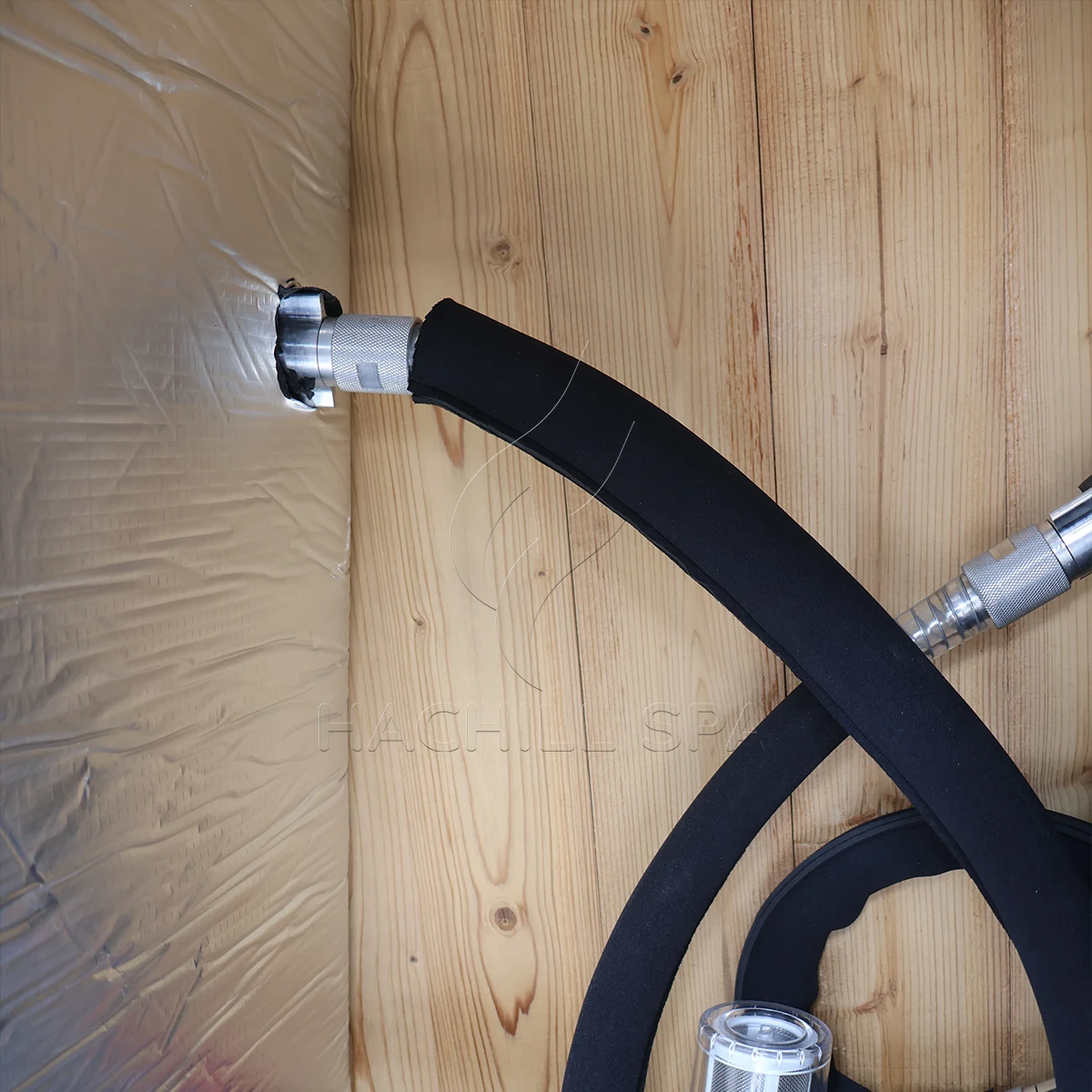
Теплопередача зависит от фактического движения воды по утвержденному контуру. Малая труба, длинный шланг, колена, клапаны, грязный фильтр, воздух, неправильное направление насоса или ограничивающий теплообменник могут снизить расход, даже если насос работает. Запишите диаметры и длины труб, фитинги, высоту, состояние фильтра, измеренный или утвержденный косвенный расход и рабочее состояние управления.
Входной лист гидравлического расчета
| Ввод | Приобрести | Почему это важно | Недопустимое сокращение |
|---|---|---|---|
| Внутренний диаметр и длина трубы/шланга | Замер по факту и чертеж | Потеря давления | Только номинальное подключение |
| Фитинги/клапаны/высота | Количество и схема | Полный напор | Допущение о прямом трубопроводе |
| Состояние фильтра | Состояние и сервисная запись | Ограничение | Допущение о чистом фильтре |
| Кривая насоса/напор | Точная модель и скорость управления | Доступный расход | Мощность насоса |
| Требование к теплообменнику | Ручной режим/точка данных | Передача рабочего режима | Паспортная табличка чиллера |
| Состояние воздуха/заливки | Наблюдение при пусконаладке | Избегайте сухого хода/воздушной пробки | Только слышимый насос |
Инженерный сценарий: высокопроизводительный чиллер не может поддерживать целевую температуру
Наблюдаемая проблема: Выбранный агрегат на бумаге большой, но реакция температуры со стороны воды плохая.
Вероятная причина: В контуре чрезмерные потери давления и воздух, поэтому теплообменник получает меньший расход, чем в заявленных условиях.
Как проверить: Зафиксируйте утвержденный метод измерения расхода, состояние фильтра, насос/управление, удаление воздуха и схему трубопроводов; сравните с точной базой испытаний.
Меры по предотвращению или устранению: Устраните гидравлическую причину или подберите согласованный насос/контур в утвержденных пределах, затем повторите испытания расхода и тепловые испытания вместе.
Учитывайте окружающий воздух, солнечное излучение и установку конденсатора
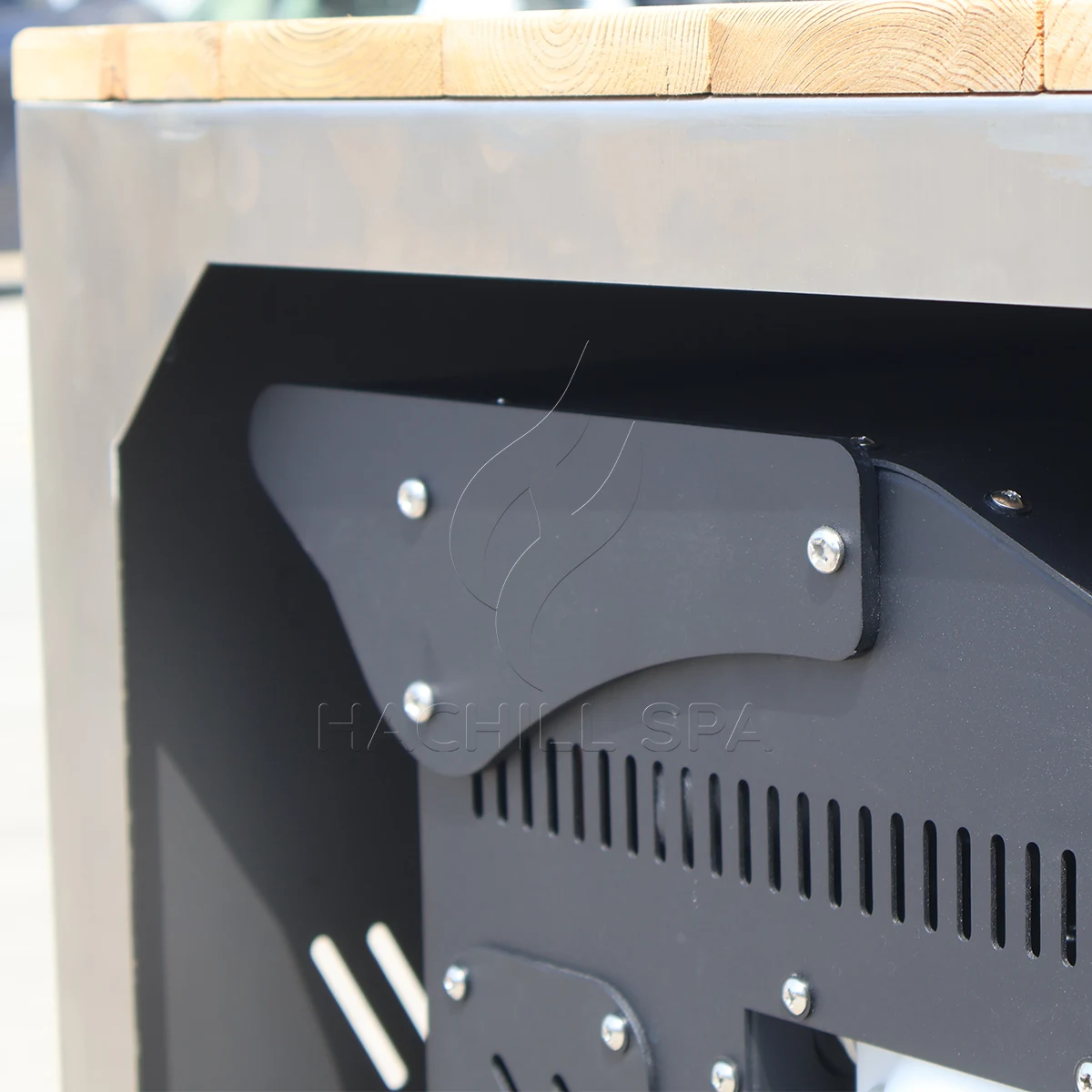
Измеряйте воздух там, где конденсатор фактически его забирает. Стены, крыши, экраны, растительность и солнечная нагрузка могут создавать более горячий микроклимат, чем погодное приложение или близлежащая тень. Проверьте рециркуляцию выбрасываемого воздуха, сервисные зазоры, мусор, защиту от дождя и то, изменяет ли принятый кожух или ограждение отвод тепла.
Для целевой диагностики влияния воздуха на площадке на выход на режим охлаждения используйте Как температура окружающей среды влияет на время снижения температуры холодной купели; эта страница сохраняет условия окружающей среды в рамках более широкого метода подбора.
Запись состояния конденсатора
| Ввод | Метод | Приёмка в эксплуатацию | Недопустимое состояние |
|---|---|---|---|
| Всасываемый воздух | Регистратор на фактическом всасывании | Производительность, связанная с состоянием | Данные удаленного города |
| Путь вытяжного воздуха | Наблюдение на конечном объекте | Проверка рециркуляции | Открытая схема испытаний |
| Солнце/крыша/экран | Запись объекта с отметкой времени | Одновременное теплопоступление | Затенение отличается |
| Доступ к мусору/змеевику | Осмотр и сервисное испытание | Устойчивый воздушный поток | Доступ предполагается |
| Дождь/конденсат | Наблюдение во влажном состоянии | Защита оборудования | Заявление о погодных условиях |
| Электрика/управление | Квалифицированная запись и состояние сигнализации | Поведение защиты | Только обход/сброс |
Включить изоляцию, крышку, трубопровод и теплопритоки от пользователей
Режим удержания часто определяется теплопритоками после снижения температуры. Зафиксируйте конструкцию и целостность изоляции, посадку и обращение с крышкой, открытые участки трубопровода, тепло от оборудования, температуру в помещении или на улице, солнечное излучение, очистку/заполнение и доступ пользователей. Крышка может снизить теплоприток, но также изменяет доступ к конденсатору и практику эксплуатации. Не превращайте визуальное заявление о крышке в количественную экономию без объявленного испытания.
Реестр теплопритоков
| Источник | Приобрести | Влияние на нагрузку | Граница доказательств |
|---|---|---|---|
| Стена/основание ванны | Конструкция и тепловой путь | Коэффициент удержания тепла в режиме ожидания | Нет общего значения R |
| Крышка/отверстие | Подгонка, политика и журнал событий | Теплоприток от поверхности/пользователя | Тест только в закрытом состоянии |
| Труба/оборудование | Длина, воздействие и изоляция | Непрерывный теплоприток | Предположение о скрытом маршруте |
| Пользователи/долив/очистка | Количество, состояние воды и график | Нагрузка восстановления | Ночной прокси |
| Солнечное/комнатное воздушное воздействие | Условия на конечном объекте | Теплоприток от окружающей среды | Региональное среднее значение |
| Тепловой мост/утечка | Осмотр и тенденция | Неожиданный прирост | Причина неизвестна |
Зафиксируйте электрические интерфейсы и интерфейсы управления до заказа
Напряжение, частоту, фазу, номинальный ток, поведение при запуске, защиту, отключение, заземление, связь, расположение датчиков и ответственность за управление необходимо установить для точного заказанного оборудования и места назначения. Выбор охлаждения может быть термически подходящим, но непригодным, если питание или защита не соответствуют. Окончательный подбор проводников, защита от сверхтока, отключающие устройства, заземление и монтаж на объекте должны соответствовать документации оборудования и применимым местным требованиям к электрике, а регулируемые работы должны выполняться квалифицированными местными специалистами.
График электрических интерфейсов и интерфейсов управления
| Интерфейс | Требуемые исходные данные | Документация | Условия удержания |
|---|---|---|---|
| Напряжение/частота/фаза | Электроснабжение целевого рынка | Заводская табличка и утвержденная заявка | Несоответствие или позднее изменение |
| Ток/пуск/защита | Квалифицированная электрическая основа | Протокол проектирования/испытаний | Предполагаемая защита |
| Разъединение/заземление | Окончательное расположение и ответственность | Квалифицированный монтаж | Доступ/заземление открыто |
| Датчики/уставки | Местоположение, диапазон и владелец управления | Запись управления | База датчика неизвестна |
| Сигнализация/блокировки | Логика расхода, температуры, давления и отключений | Функциональное испытание | Обход защиты |
| Связь/данные | Протокол и передача | Утвержденная запись интеграции | Неуправляемый интерфейс |
Создайте защищаемый тест охлаждения с привязкой к условиям
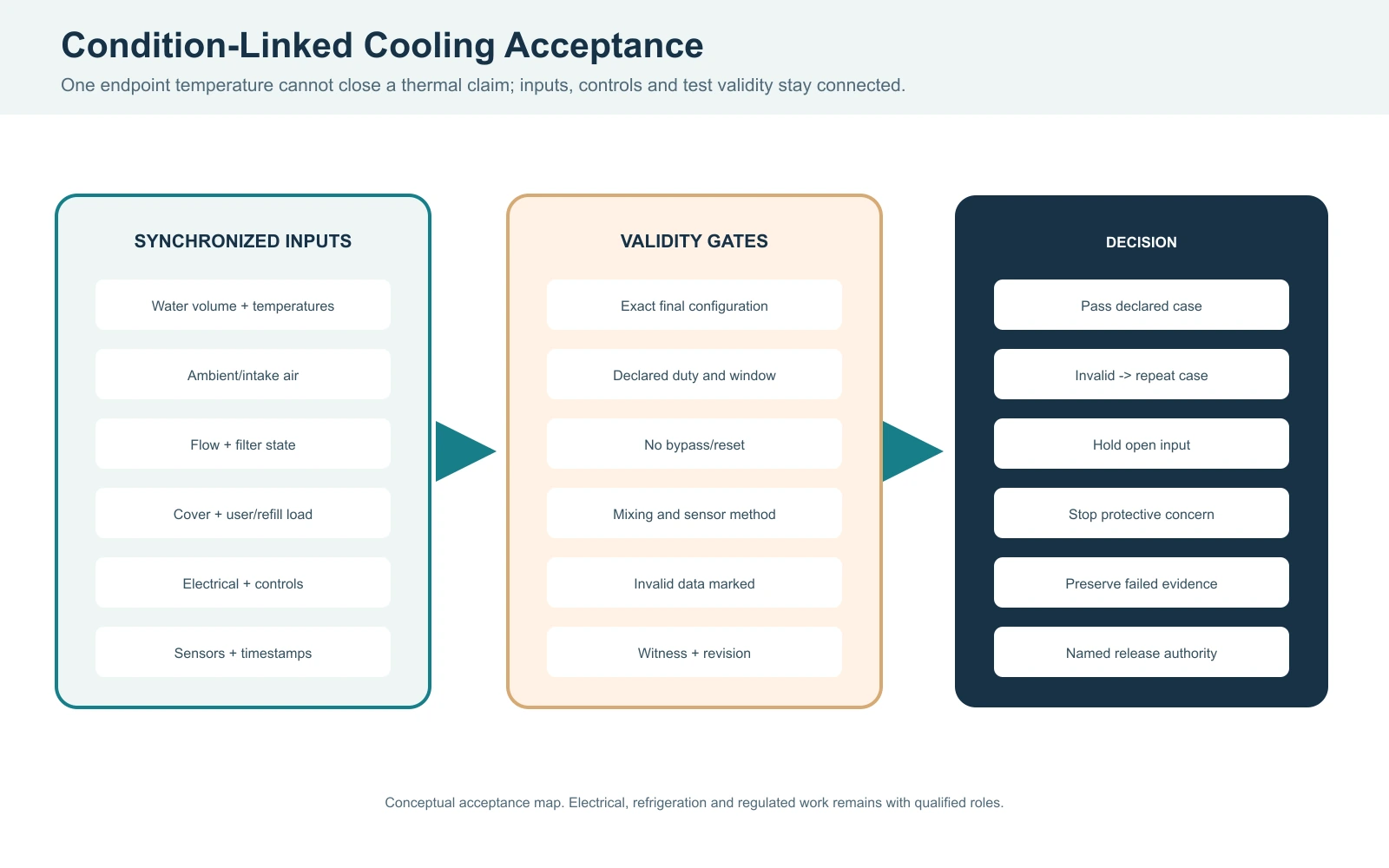
Перед тестированием задекларируйте точное оборудование, объем воды, начальную и целевую температуры, температуру окружающей среды/всасываемого воздуха, расход и состояние фильтра, крышку, нагрузку пользователя или долива, электропитание, органы управления, продолжительность, интервал сбора данных, условия остановки и окно приемки. Синхронизируйте данные по воде, воздуху, расходу, управлению и аварийным сигналам. Одна конечная температура не может объяснить тепловой результат.
Разделите тесты на охлаждение, удержание и восстановление. Помечайте данные как недействительные, если конечный корпус изменен, датчики перемещены, вода не перемешана, расход выходит за пределы задекларированного случая, защита отключена или отсутствуют необходимые входные данные. Сохраняйте неудачные тесты и повторяйте их только после устранения причины.
Протокол приемки охлаждения холодной ванны
| Этап | Обязательная запись | Граница прохождения | Условие остановки/недействительности |
|---|---|---|---|
| Документы | Точная модель, пределы, конфигурация и роли | Все входные данные зафиксированы | Доказательства по связанным моделям |
| Выпадающий список | Временные ряды воды/воздуха/расхода/управления | Задекларированное окно и условие | Отсутствует объем или датчик |
| Удержание | Цель, крышка, окружающая среда и тренд дрейфа | Задекларированный допустимый дрейф | Другая крышка/нагрузка |
| Восстановление | Случай пользователя/долива и состояние перезапуска | Задекларированный график | Ночной прокси |
| Защита | Аварийный сигнал/блокировка и квалифицированная реакция | Функции работают как задумано | Обход/сброс |
| Выпуск | Причина, устранение, повторное испытание и ответственное лицо | Документально оформленное разрешение для конкретных условий от указанного органа | Открытая зависимая проверка |
Инженерный сценарий: испытание в благоприятных погодных условиях используется для закрытия коммерческой приемки
Наблюдаемая проблема: Агрегат проходит испытание в прохладной тени, но не существует испытания на восстановление или при высокой температуре окружающей среды для рабочего графика.
Вероятная причина: Команда приняла одну конечную точку испытания как доказательство для всех режимов нагрузки и не сохранила отсутствующее условие как открытый пункт.
Как проверить: Сравните подписанный план испытаний с фактическими данными по воде, окружающей среде, расходу, покрытию, нагрузке и графику; выявите непроверенные случаи и недействительные допущения.
Меры по предотвращению или устранению: Оставьте неподтвержденный случай открытым и проведите испытания на снижение температуры, выдержку и восстановление для конкретного условия перед выпуском.
Оцените тепловые доказательства и распределите обязанности
Иерархия тепловых доказательств проекта — редакционная система принятия решений для этой страницы, а не отраслевой стандарт или уровень сертификации.
| Оценка | Документация | Разрешённое использование | Граница |
|---|---|---|---|
| A | Испытание реальной системы при заявленном условии, подтвержденное свидетелем | Приемка по конкретным условиям | Заявленная продолжительность/метод |
| B | Утвержденная точка данных/руководство для точной модели | Основание для расчета размеров/представления | Отдельное полевое условие |
| C | Запись о компоненте или расчете | Поддержка скрининга/интерфейса | Полная производительность не доказана |
| D | Квалифицированная оценка с допущениями | Планирование/открытый вопрос | Не удается закрыть выпуск |
| E | Маркировка мощности или общее заявление | Ориентация | Нет доказательства полезной мощности |
Матрица ответственности по тепловым нагрузкам
| Решение | Поставщик | Покупатель/проект | Квалифицированная/локальная роль |
|---|---|---|---|
| Доказательства модели/мощности | Укажите точную основу испытаний | Сравните и зафиксируйте исходные данные | Просмотрите проектный кейс |
| Кейс по объему/тепловым нагрузкам | Указать допущения | Предоставить измеренные/фактические данные | Утвердить проектную основу |
| Гидравлические/воздушные интерфейсы | Указать пределы | Согласовать окончательную площадку | Проектирование/монтаж/проверка |
| Электрика/управление | Предоставить данные интерфейсов | Зафиксировать целевой рынок | Квалифицированное проектирование/испытания |
| Приемка/повторное испытание | Предоставить затрагиваемые исходные данные | Зафиксировать/сохранить записи | Санкционировать регулируемые работы/выпуск |
Инженерный отдел продукции HACHILL может рассмотреть входные данные по поставляемому продукту и RFQ. Она не может заменить квалифицированный местный орган, ответственный за электрические, конструктивные, холодильные, санитарные или строительные работы.
Использовать контрольные точки, записи разногласий и контролируемые повторные испытания
Приостановить выпуск, если неизвестны объемное состояние, условие полезной вместимости, расход, приточный воздух, электрический интерфейс, защита управления, расположение датчиков или режим нагрузки. Сохранить временные метки испытаний, приборы, редакцию конфигурации, условия воды и воздуха, состояние фильтра/потока, крышку/нагрузку, состояние управления, фотографии и личность свидетеля. Определить причину до изменения нескольких переменных.
Запись теплового спора и повторного испытания
| Проблема | Доказательства для сохранения | Корректировка | Зависимое повторное испытание |
|---|---|---|---|
| Разногласие по производительности | Состояние, единицы измерения, данные и основа испытаний | Нормализовать входные данные | Тот же рабочий режим |
| Ограничение потока | Состояние трубы/фильтра/насоса/воздуха | Устранить гидравлическую причину | Поток + температура |
| Аварийное отключение при высокой температуре окружающей среды | Журнал впуска/выпуска и управления | Скорректировать расход воздуха/объект | Испытание в горячем состоянии |
| Электрическое несоответствие | Состояние сети/защиты/управления | Квалифицированная корректировка | Защита + эксплуатация |
| Спор по датчику/данным | Местоположение/калибровка/временной ряд | Переместить/проверить | Повторить затронутый случай |
| Приемка не пройдена | Оригинальный отчет и свидетель | Причина/решение | Все затронутые ворота |
Инженерный сценарий: корректный расчет отклоняется, поскольку полевая запись неполна
Наблюдаемая проблема: Закупочная команда рассчитывает правдоподобную среднюю скорость охлаждения, но поставщик и монтажник приходят к разным выводам во время пусконаладки. В расчете указаны объем сосуда и изменение температуры, а в полевой записи отсутствуют фактический уровень воды, состояние перемешивания, давление фильтра, температура всасываемого воздуха, положение крышки и режим управления.
Вероятная причина: Стороны сравнивают разные границы системы и разные режимы нагрузки. Один результат представляет энергию запасенной воды при предполагаемом полном объеме; другой отражает ограниченный контур, открытую крышку и более теплый корпус оборудования. Ни один из результатов не может быть согласован только по конечной температуре воды.
Как проверить: Зафиксируйте тестовый лист с точной моделью и конфигурацией, местами установки приборов, часовым поясом, интервалом выборки, состоянием объема воды, начальной и целевой температурами, всасываемым и выпускным воздухом, расходом или утвержденным гидравлическим аналогом, состоянием фильтра, событием крышки/нагрузки, напряжением/частотой/фазой, уставкой, сигнализацией и именами свидетелей. Записывайте те же поля в начале, во время выполнения и при выпуске. Храните исходные показания, фотографии, статус калибровки и редакцию расчета вместе.
Меры по предотвращению или устранению: Классифицируйте расчет как предварительную запись до тех пор, пока не будет засвидетельствовано испытание с точными условиями. Если полевой результат отличается, сначала нормализуйте единицы измерения и граничные условия, затем изолируйте одну причину за раз: восстановите поток, скорректируйте воздушный поток, стабилизируйте смешивание воды или повторите заявленный режим нагрузки. Не изменяйте одновременно чиллер, насос и систему управления, поскольку это лишает доказательств, необходимых для определения ответственности. Решение о выпуске должно идентифицировать испытанный случай, непроверенные случаи, открытые риски и лицо, принимающее ограничение.
Правило доказательств: Сохраните исходную неудачную запись в файле проекта. Повторное испытание с исправлениями является доказательством для исправленного условия, а не доказательством того, что предыдущее условие было пройдено. Запишите, кто принял границу, какие случаи остались непроверенными и какие зависимые проверки должны быть повторены перед выпуском.
Запрос коммерческого предложения на нормализованный расчет чиллера
Укажите объем воды и входящие компоненты, начальную и целевую температуры, график охлаждения/поддержания/восстановления, условия окружающей среды и расположение конденсатора, покрытие и изоляцию, нагрузку от пользователя/долива, схему трубопроводов и фильтров, расход/напор, напряжение/частоту/фазы, целевой рынок, условия эксплуатации (внутри/снаружи), количество, системы управления, цель сертификации и свидетеля приемки. Попросите каждого поставщика пометить значения как проверенные, расчетные, оценочные и открытые.
Поля запроса КП на расчет чиллера для холодных ванн
| Поле | Почему это необходимо | Ответ поставщика | Закрытие |
|---|---|---|---|
| Точный объем/конфигурация | Определяет контрольный объем | Модель, спецификация и допущения | Техническое предложение |
| Режимы нагрузки | Определяет полезный результат | Базис охлаждения/поддержания/восстановления | План испытаний |
| Окружающая среда/воздушный поток | Определяет условия конденсатора | Ограничения и планировка объекта | Установка |
| Гидравлика/расход | Определяет условия теплопередачи | Входные данные по трубам/фильтрам/насосам | Ввод в эксплуатацию |
| Электрика/управление | Определяет соответствие целевому рынку | Напряжение, защита, датчики | Квалифицированная проверка |
| Доказательства/приемка | Делает предложения сопоставимыми | Данные, свидетельства и повторное тестирование | Контрольная точка выпуска |
Часто задаваемые вопросы
Как подобрать охладитель для холодной купели?
Начните с объёма воды, начальной и целевой температуры, требуемого времени охлаждения, режима поддержания/восстановления, температуры окружающей среды, теплоизоляции, крышки, нагрузки пользователей, условий расхода и электрических параметров. Используйте Q = m x cp x Delta T для предварительного расчёта, затем сравните полезную мощность при заявленных условиях.
Мощность охладителя в лошадиных силах — это то же самое, что и холодопроизводительность?
Внимание: потребляемая мощность или мощность компрессора не являются фактической холодопроизводительностью. Запросите расчёт производительности с указанием условий: температуры воды, температуры окружающей среды, расхода, системы управления, а также уточните, является ли значение полным или полезным.
Почему мощный охладитель всё равно плохо охлаждает?
Низкий расход, засорённый фильтр, воздух в контуре, зауженный трубопровод, рециркуляция воздуха конденсатора, высокая температура окружающей среды, защита по крышке/нагрузке или управлению могут ограничивать теплопередачу. Согласуйте гидравлические, воздушные, водяные данные и данные управления перед заменой оборудования.
Что должна включать приёмочная проверка коммерческой системы охлаждения?
Укажите точную конфигурацию, режим работы с водой и нагрузкой, температуру окружающего/входящего воздуха, состояние потока/фильтра, крышку/нагрузку, электропитание, управление, продолжительность, датчики, условия остановки и окно приёмки. Разделите испытания на вытягивание, удержание и восстановление.
Может ли расчёт с учётом вытягивания гарантировать время охлаждения?
№ Q = m x cp x Delta T — расчётная энергия, запасённая в воде. Фактическое время зависит от полезной ёмкости в рабочих условиях, а также от теплопритоков, расхода, системы управления, окружающей среды и метода измерения.
Справочная основа и ограничения
Министерство энергетики США: термодинамика, теплопередача и течение жидкости подтверждает соотношение для явного тепла, используемое для предварительной оценки; оно не даёт рейтинг HACHILL для купели с холодной водой или гарантию эксплуатационных характеристик на площадке.
NIST SP 811, Руководство по использованию Международной системы единиц (СИ) поддерживает единообразное обозначение единиц и дисциплину преобразования; она не проверяет исходные данные проекта.
терминология AHRI для чиллеров с жидкостным охлаждением поддерживает различие между холодопроизводительностью, общей потребляемой мощностью, COP и номинальными условиями. Здесь он цитируется для терминологии; никакого заявления о сертификации AHRI или области применения стандарта для чиллера HACHILL не делается.
Технические границы: Здесь не заявляются точные значения холодопроизводительности HACHILL, COP, времени снижения температуры, энергозатрат, уровня шума, расхода, температурных пределов, гарантии или сертификации. Действительными являются точные данные о продукте, условия испытаний, руководства и квалифицированные местные требования.
Преобразуйте тепловые исходные данные в согласованный бриф на чиллер
Отправьте HACHILL точный объем воды, начальную и целевую температуры, эксплуатационные сценарии, температуру окружающей среды и место установки конденсатора, наличие крышки и изоляции, пользовательскую нагрузку, расход и состояние фильтра, напряжение/частоту/число фаз, целевой рынок, количество и требования к приемке. Команда может рассмотреть предоставленные исходные данные по продукту, при этом квалифицированные местные стороны сохраняют проектную ответственность.