Руководство по использованию сауны и технике безопасности
Время сеанса в сауне лучше рассматривать как консервативный ориентир для планирования, а не как цель, которую нужно выдержать. Интенсивность тепла, влажность, тип сауны, гидратация, индивидуальная переносимость и состояние здоровья могут изменить момент, когда следует покинуть сауну.
Краткий ответ
Для многих в целом здоровых взрослых около 15–20 минут является распространенным общим ориентиром для сауны, в то время как новичок может начать примерно с 5 минут. Рассматривайте эти цифры как ориентировочные справочные значения, а не как порог безопасности или цель, которую нужно обязательно достичь. Тип сауны, температура, влажность, гидратация, индивидуальная переносимость и состояние здоровья могут стать причиной выйти раньше.
Контекст источника: Рекомендации по безопасности сауны Cleveland Clinic рекомендует придерживаться продолжительности сеанса около 15–20 минут, новичкам начинать более осторожно, поддерживать водный баланс и выходить из сауны при появлении головокружения, слабости, затруднённого дыхания или другого дискомфорта.
Используйте часы как инструмент планирования, но используйте переносимость тепла и симптомы как критерии для прекращения сеанса. Опубликованная продолжительность — это общий ориентир или протокол исследования, а не требование оставаться внутри до окончания таймера.
Правило интерпретации: правильное решение для одного сеанса зависит от фактической тепловой среды и человека, который ее использует.
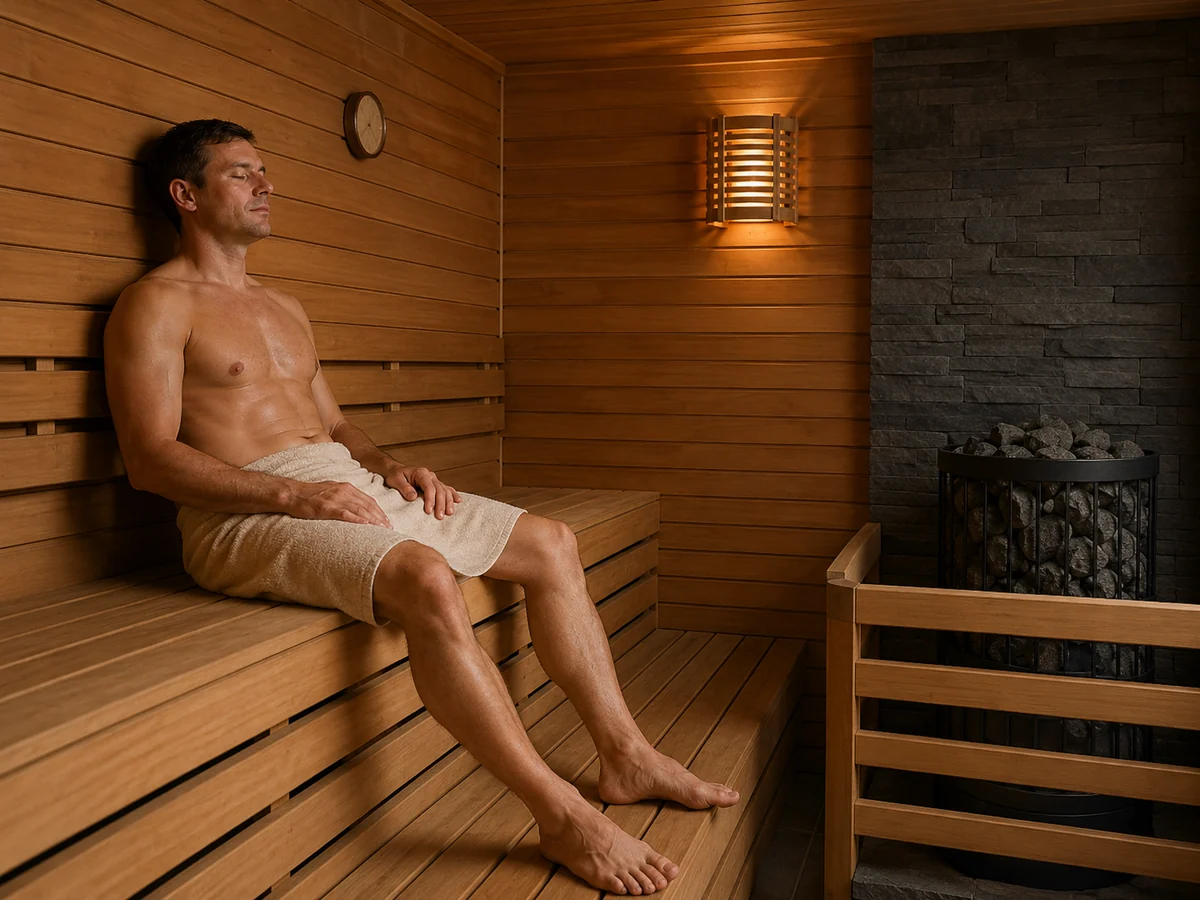
Концептуальная визуализация; не является рекомендацией по конкретной продолжительности сауны.
Не существует единой “лучшей” продолжительности сеанса в сауне
В результатах поиска использование сауны часто сводят к одной цифре: 10 минут, 15 минут или 20 минут. Это легко запомнить, но такое упрощение искажает представление о тепловой нагрузке.
Два человека могут провести в сауне одинаковое время, но получить разную тепловую нагрузку. Даже один и тот же человек в разные дни может по-разному переносить одну и ту же сауну.
Условия нагрева меняются
Температура воздуха, влажность, мощность нагревателя, подача пара, высота полка и геометрия помещения могут влиять на интенсивность ощущений во время сеанса.
Люди тоже меняются
Гидратация, недавняя физическая нагрузка, болезнь, прием лекарств, алкоголь, акклиматизация и индивидуальная реакция сердечно-сосудистой системы — все это может изменить переносимость.
Протокол исследования — не личное предписание
Если в исследовании используется 15-минутное воздействие в определённых условиях, это говорит лишь о том, что проверяли исследователи. Это не устанавливает универсальный ориентир для всех пользователей сауны. Более полезный вопрос — остаётся ли фактическая тепловая среда комфортно переносимой для человека, который её использует.
Что влияет на то, как долго вы можете комфортно находиться в сауне?
Продолжительность сеанса имеет смысл только при понимании условий, в которых он проходит.
| Переменная | Почему это меняет решение |
|---|---|
| Тип сауны | Традиционные, инфракрасные и высоковлажные среды создают разные тепловые условия. |
| Температура | Более высокая температура обычно увеличивает тепловую нагрузку и может сократить комфортное время пребывания. |
| Влажность / löyly | Добавленная влага может сделать ту же температуру воздуха значительно более интенсивной. |
| Положение полка | Более высокие места для сидения могут быть горячее, чем нижние уровни, во многих традиционных планировках саун. |
| Акклиматизация | Человек, впервые посещающий сауну, может переносить меньшее воздействие, чем тот, кто знаком с той же средой. |
| Гидратация | Потоотделение увеличивает потерю жидкости, а обезвоживание может снизить переносимость тепла. |
| Недавняя физическая нагрузка | Физические упражнения могут изменить температуру тела и уровень гидратации перед входом. |
| Алкоголь | Алкоголь может ухудшить рассудительность и плохо сочетается с намеренным тепловым воздействием. |
| Лекарства | Некоторые лекарства могут влиять на артериальное давление, потоотделение или реакцию на тепло. |
| Состояние здоровья | Медицинские обстоятельства могут изменить целесообразность использования сауны и могут потребовать индивидуальных рекомендаций. |
Перед началом: проверьте человека, тепло и оборудование
Более безопасное решение о сеансе начинается до запуска таймера. Цель — заметить условия, из-за которых универсальный временной ориентир становится менее полезным.
| Проверить | Вопросы, которые следует задать | Почему это важно |
|---|---|---|
| Текущее состояние | Чувствуете ли вы уже обезвоживание, головокружение, необычную усталость или недомогание? | Начинать при наличии симптомов — значит затруднять переносимость тепла. |
| Среда сауны | Эта сауна горячее, более влажная или иным образом отличается от той, которой вы обычно пользуетесь? | Обычная для вас продолжительность не переносится автоматически на непривычные тепловые условия. |
| Личные факторы | Возможны ли беременность, соответствующее заболевание, обмороки в анамнезе или приём лекарств, способных изменить реакцию на тепло? | Общие рекомендации для потребителей не заменяют индивидуальные консультации в ситуациях повышенного риска. |
| Инструкции по оборудованию | Проверили ли вы руководство по эксплуатации конкретной сауны или нагревательной системы? | Предупреждения и рабочие ограничения для конкретного оборудования имеют приоритет над универсальной онлайн-методикой. |
Если у вас есть медицинские опасения по поводу теплового воздействия, обратитесь за индивидуальной консультацией к квалифицированному медицинскому специалисту.
Тип сауны меняет значение “10 или 20 минут”
Традиционная сауна
Традиционные сауны нагревают окружающий воздух и могут сопровождаться кратковременным повышением влажности при правильном использовании воды на подходящих горячих камнях для сауны. Более горячая сауна, более сильный лёйлю, более высокое положение на полке или незнакомое помещение могут стать причиной выйти раньше, чем при ориентировочном времени.
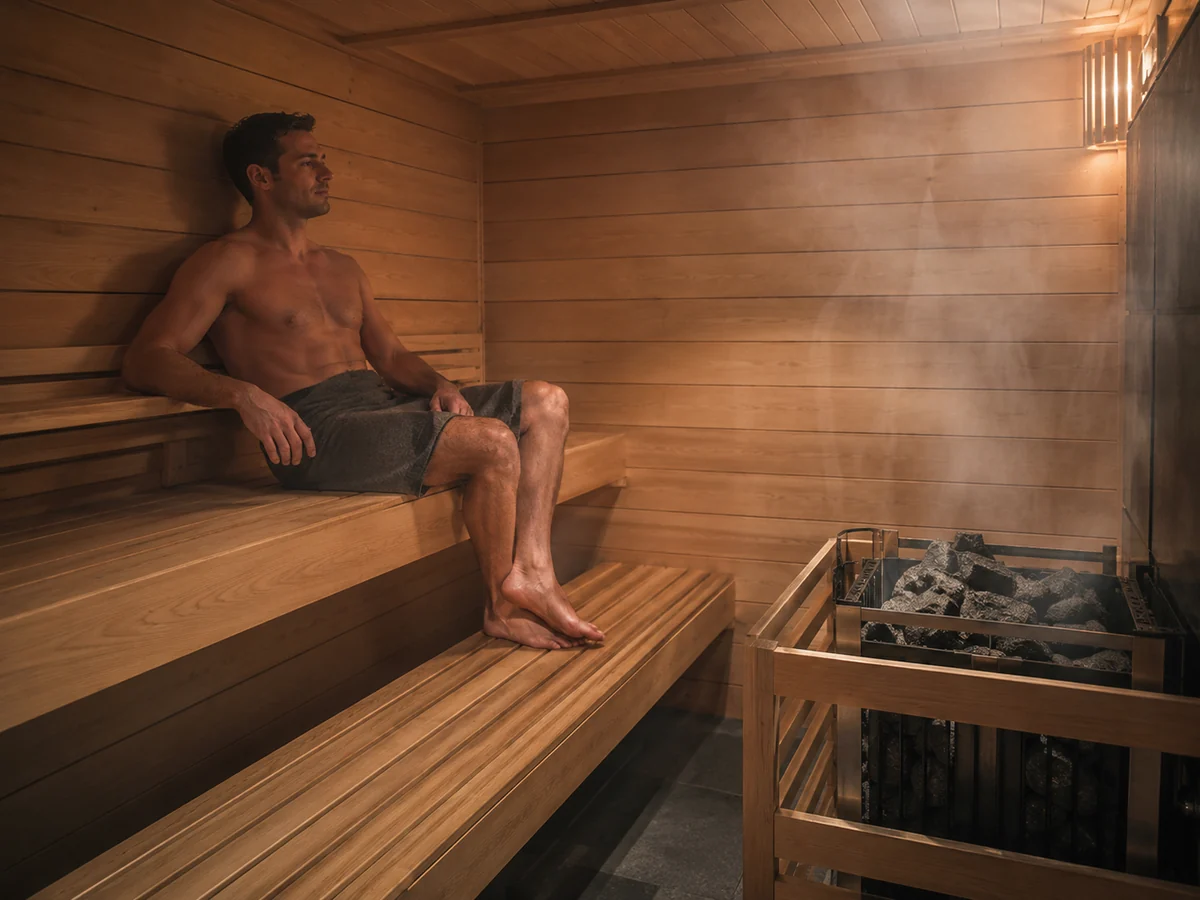
Концептуальная иллюстрация тепловой среды; не подразумевается универсальная температура или продолжительность.
Инфракрасная сауна
Инфракрасная сауна создаёт иную тепловую среду и обычно работает при более низкой температуре воздуха, чем традиционная сауна. Более низкая температура воздуха не означает неограниченное воздействие или универсально более длительный безопасный сеанс. Конкретные инструкции по оборудованию и индивидуальная переносимость тепла по-прежнему имеют значение.
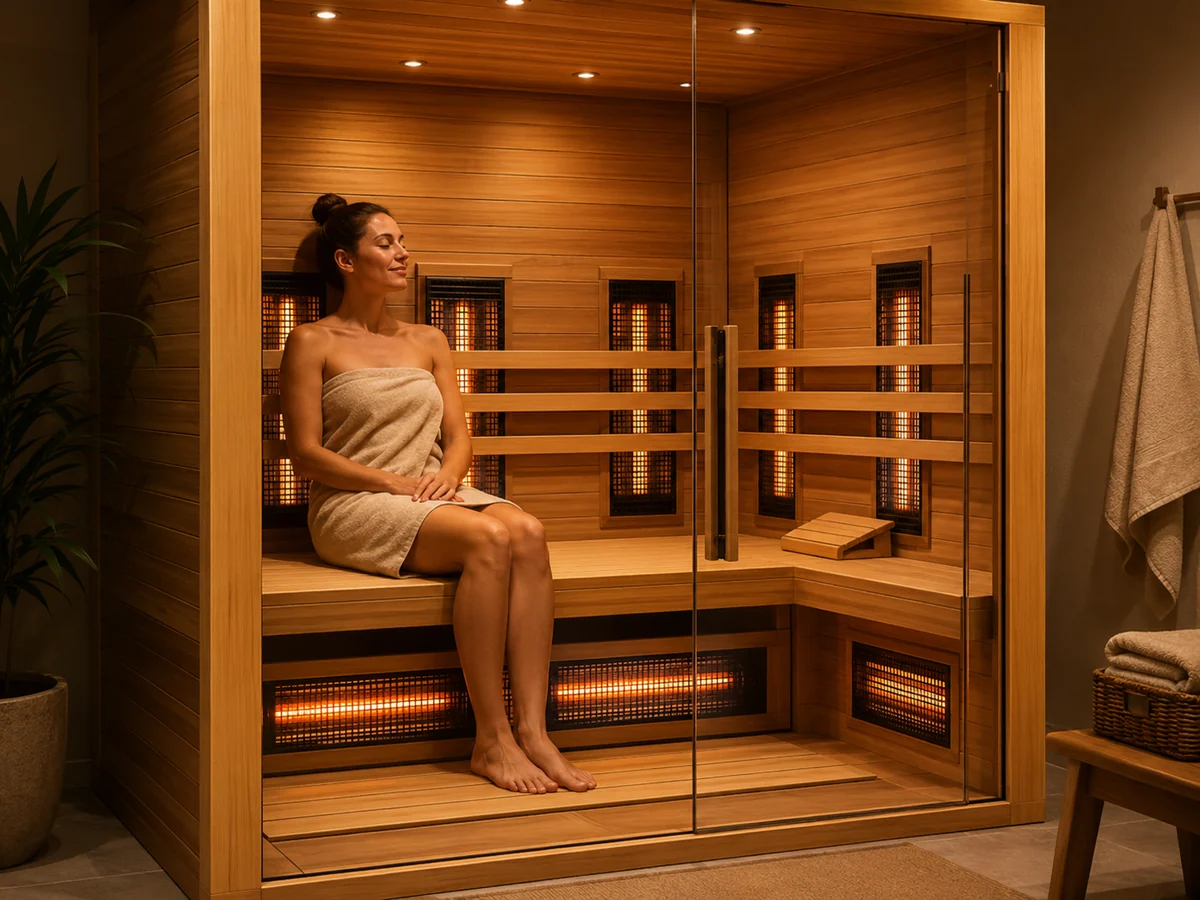
Концептуальное изображение среды инфракрасной сауны; не является медицинской или лечебной визуализацией.
Паровые комнаты — это другая тепловая среда
В паровых комнатах влажность значительно выше, чем в типичной сухой сауне. Высокая влажность изменяет эффективность испарения пота и, следовательно, меняет восприятие тепла. Режим паровой комнаты не следует автоматически переносить из режима сухой сауны.
Для более подробного сравнения различий в механизме нагрева, влажности, коммуникациях и выборе оборудования, сравните типы нагрева саун. Эта страница посвящена тому, как эти различия влияют на продолжительность сеанса и переносимость.
Более высокая температура обычно означает, что следует быть более консервативным со временем
Заманчиво составить таблицу с точной продолжительностью для каждой температуры. Это подразумевало бы уровень точности, который не подтверждается данными.
Если вам нужны полные диапазоны температур, контекст измерений и различия по типам саун, используйте руководство по температуре сауны. Здесь температура рассматривается только как один из факторов, влияющих на продолжительность сеанса.
| Тепловое условие | Практический подход к продолжительности |
|---|---|
| Мягкое или относительно низкоинтенсивное воздействие | Начинайте осторожно и оценивайте свою реакцию. |
| Умеренный привычный жар | Контролируйте воздействие; не гонитесь за временным показателем. |
| Сильный жар | Будьте осторожнее с длительным воздействием. |
| Сильный жар и высокая влажность | Обращайте больше внимания на ранние признаки непереносимости. |
| Незнакомая сауна | Относитесь к ней как к новой тепловой среде, даже если вы регулярно посещаете сауну в других местах. |
| Незнакомый режим нагрева или подачи пара | Не предполагайте, что ваше обычное время сеанса применимо. |
Почему влажность может сократить комфортное время пребывания
Потоотделение помогает телу рассеивать тепло частично за счет испарения. Когда влажность повышается, испарение становится менее эффективным, что является одной из причин, почему сильный пар (лёйли) может ощущаться гораздо интенсивнее, даже если время почти не прошло.
Практическая система принятия решений для сеанса
Используйте простую последовательность вместо того, чтобы воспринимать таймер как дозу:
- Заходите с осторожностью. По возможности используйте привычный, контролируемый режим нагрева и не начинайте с целью достичь максимального времени.
- Переоценивайте состояние во время сеанса. Обращайте внимание на комфорт, дыхание, головокружение, слабость, тошноту и любые необычные изменения в ощущении тепла.
- Выходите, когда меняется переносимость. Не оставайтесь только для того, чтобы завершить запланированную длительность, если жара больше не переносится комфортно.
- Остыньте, прежде чем решать о следующем заходе. Переоцените состояние после выхода из жара; следующий заход необязателен.
Заходите с осторожностью → Переоценивайте → Выходите, если меняется переносимость → Остыньте → Решите, стоит ли прекращать
Новичкам следует постепенно повышать переносимость тепла
Первый сеанс должен быть консервативным и направленным на изучение реакции вашего организма на конкретную тепловую среду, а не на повторение чужой рутины.
- Начинайте консервативно.
- Избегайте соревновательного поведения и временных целей.
- Выходите до того, как жара станет трудно переносимой.
- Охладитесь, прежде чем решать, уместен ли еще один заход.
- Восполняйте жидкость в соответствии с вашими обычными потребностями и обстоятельствами.
Опыт не делает вас неуязвимым к жаре
Регулярное посещение сауны может сделать среду привычной, но ваша обычная рутина может не подойти, если сауна горячее, влажность выше, вы обезвожены, больны, недавно интенсивно тренировались, употребляли алкоголь или принимаете лекарства, влияющие на реакцию на тепло.
Несколько коротких заходов отличаются от одного длительного непрерывного сеанса
Многие саунные процедуры включают повторяющиеся периоды нагрева и охлаждения, а не одну непрерывную попытку оставаться в помещении как можно дольше.
Тепло → Выход → Охлаждение → Оценка состояния → Необязательный следующий заход
Ключевое слово — необязательно. Охлаждение между раундами меняет тепловую ситуацию, но повторные раунды всё равно увеличивают тепловое воздействие и потерю жидкости. После охлаждения оцените состояние заново, прежде чем решать, имеет ли смысл ещё один раунд.
Гидратация важнее, чем достижение целевого времени
Потоотделение в сауне вызывает потерю жидкости. Обезвоживание может снизить переносимость тепла и способствовать головной боли, слабости, головокружению и другим признакам теплового стресса.
Не ставьте завершение сеанса выше поддержания нормальной гидратации и переносимости тепла. Потребность в жидкости варьируется, поэтому данное руководство не предписывает универсальный объём воды.
Избегайте алкоголя в сочетании с жаром сауны
Алкоголь плохо сочетается с целенаправленным тепловым воздействием, поскольку он может нарушить способность оценивать ситуацию и повысить риск обезвоживания. Не совмещайте алкоголь с тепловой процедурой в сауне.
Покиньте сауну раньше, если ваш организм плохо переносит жару
Ваша физическая реакция должна иметь приоритет над запланированным временем сеанса.
- головокружение или предобморочное состояние;
- необычная слабость;
- тошнота;
- головная боль;
- спутанность сознания;
- затруднённое дыхание;
- дискомфорт в груди;
- ощущение обморока; или
- необычная неспособность переносить жару.
Научное обоснование безопасности: Кливлендская клиника рекомендует покинуть сауну при плохом самочувствии, головокружении, слабости, одышке или дискомфорте. Рекомендации Mayo Clinic по тепловому истощению относит слабость, головокружение, тошноту, головную боль и лёгкую спутанность сознания к предупреждающим признакам теплового поражения.

Визуализация концепции оздоровительного использования; не является руководством по неотложной или медицинской помощи.
Когда симптомы более серьезные
Обморок, выраженная спутанность сознания или возбуждение, судороги, невозможность пить или подозрение на тепловой удар требуют экстренной помощи. Покиньте зону нагрева и свяжитесь с местной службой экстренной помощи. Тяжёлое затруднение дыхания, симптомы со стороны грудной клетки или другие тяжёлые либо стойкие симптомы также требуют незамедлительной медицинской оценки. Не возвращайтесь в сауну, чтобы проверить, улучшаются ли серьёзные симптомы.
Некоторым людям следует быть осторожнее с жаром сауны
Общие рекомендации по продолжительности пребывания в сауне не заменяют индивидуальные медицинские указания. Людям с сердечно-сосудистыми заболеваниями или нарушениями артериального давления, при беременности, при приёме лекарств, которые могут влиять на реакцию на тепло, при неврологических заболеваниях, в случае обмороков в анамнезе или ранее выявленной непереносимости тепла следует получить индивидуальные рекомендации у квалифицированного медицинского специалиста.
Cleveland Clinic рекомендует избегать сауны после недавнего инфаркта или инсульта и советует консультироваться с медицинским специалистом, когда заболевания, беременность или приём лекарств могут изменить безопасность посещения сауны.
Граница медицинского применения: Рекомендации по безопасности сауны Cleveland Clinic. В этой статье не даётся разрешение в отношении диагноза, приёма лекарств или беременности.
Эта страница намеренно не присваивает конкретное количество минут диагнозу, приему лекарств, статусу беременности или другим личным медицинским обстоятельствам.
Что исследования сауны могут — и не могут — рассказать вам о продолжительности сеанса
Исследования сауны полезны, но значение длительности сеанса зависит от типа доказательств и изученных условий.
| Тип доказательств | Что он может подтвердить | Что они не могут установить сами по себе |
|---|---|---|
| Клинические рекомендации по безопасности | Общие практические меры предосторожности | Оптимальная длительность сеанса для одного человека |
| Контролируемое вмешательство | Реакция на определенный протокол исследования | Универсальный рецепт для сауны |
| Обсервационные исследования | Связи между привычками и результатами | Гарантированная причинно-следственная связь |
| Систематический обзор | Общие закономерности и ограничения доказательств | Индивидуализированная дозировка процедуры |
| Рекомендации производителя | Эксплуатация и предупреждения для конкретного оборудования | Медицинская эффективность |
| Традиционная практика | Культурные модели использования | Универсальный порог безопасности |
Протокол исследования не является лечебной дозировкой
Исследование, в котором используется определённая температура и продолжительность сеанса, описывает то, что исследователи проверяли в заданных условиях. Оно не устанавливает, что такое же воздействие подходит другому человеку или другой сауне. A рецензируемый систематический обзор исследований сухой сауны выявили существенные различия в типе сауны, продолжительности, частоте и дизайне исследований и пришли к выводу, что доказательств недостаточно для рекомендации конкретной температуры, частоты или продолжительности для определённого результата для здоровья.
A 2026 нарративный обзор, индексируемый в PubMed также отмечает, что условия купания и контекст популяции влияют на результаты, и призывает к будущим исследованиям с чётко определёнными параметрами воздействия и клиническими конечными точками.
Что это означает для данного руководства
Клинические рекомендации могут поддерживать консервативные практики безопасности, а исследования могут описывать реакции в рамках определённых протоколов. Ни то, ни другое не превращает опубликованное число минут в персональное предписание. Именно поэтому на этой странице даётся общая временная ориентировка, а интенсивность нагрева, влажность, тип сауны, гидратация и симптомы остаются в основе решения.
Распространенные ошибки при определении времени сеанса в сауне
| Ошибка | Почему это проблема | Лучший подход |
|---|---|---|
| Считать 20 минут обязательными | Индивидуальная переносимость и тепловые условия различаются. | Используйте время как ориентир, а не как цель. |
| Копирование чужой методики | Реакция на тепло у разных людей разная. | Ориентируйтесь на собственную реакцию в конкретном помещении. |
| Полагать, что опыт исключает риск | Питьевой режим, самочувствие и условия в помещении меняются. | Переоценивайте ситуацию при каждом сеансе. |
| Полагать, что более низкая температура воздуха означает неограниченное время | Инфракрасные и другие типы саун всё равно создают тепловую нагрузку. | Следуйте инструкциям по оборудованию и учитывайте личную переносимость. |
| Игнорирование головокружения или необычной слабости | Эти симптомы могут указывать на низкую переносимость тепла. | Выйдите из зоны нагрева и охладитесь. |
| Копирование протокола исследования | Исследуемые группы и состояния могут не соответствовать вашей ситуации. | Используйте исследования как контекст, а не как персональное предписание. |
Один иллюстративный сценарий
Ситуация: Постоянный пользователь сауны обычно находится дома привычное время, а затем посещает сауну, которая ощущается более горячей и влажной.
Более правильное решение: Относитесь к незнакомому помещению как к новой тепловой среде, а не предполагайте, что привычная длительность по-прежнему применима. Входите осторожно, переоценивайте состояние во время сеанса и выходите раньше, если переносимость изменится.
Иллюстративный сценарий; это не пример из практики клиента HACHILL и не индивидуальная медицинская рекомендация.
Часто задаваемые вопросы
Сколько времени следует находиться в сауне?
Для многих практически здоровых взрослых около 15–20 минут — распространённый общий ориентир, тогда как новичок может начать примерно с 5 минут. Это ориентировочные значения, а не универсальный безопасный порог, и тепловые условия, гидратация, тип сауны, состояние здоровья и индивидуальная переносимость могут стать причиной выйти раньше.
Не слишком ли долго находиться в сауне 20 минут?
Может быть. Двадцать минут могут переноситься одними людьми в одних условиях и быть чрезмерными для другого человека или в более жаркой и влажной среде. Не рассматривайте 20 минут как обязательную цель.
Сколько времени новичку следует находиться в сауне?
Начинайте осторожно. Cleveland Clinic отмечает, что новым пользователям может потребоваться начать примерно с пяти минут и увеличивать продолжительность постепенно. Выходите раньше, если вы чувствуете себя плохо или жара становится трудно переносимой.
Можно ли находиться в инфракрасной сауне дольше, чем в традиционной?
Не автоматически. В инфракрасной сауне температура воздуха часто ниже, чем в традиционной сауне, но это не создаёт универсальной более длительной безопасной продолжительности. Следуйте инструкциям к оборудованию и своей реакции на жару.
Следует ли покинуть сауну, если вы чувствуете головокружение?
Да. Выйдите из зоны нагрева, а не пытайтесь завершить таймер. Тяжёлые, усиливающиеся или стойкие симптомы требуют соответствующей медицинской оценки.
Дает ли более длительное пребывание больше пользы от сауны?
Дольше не автоматически значит лучше. Современные исследования не устанавливают универсального правила, при котором дополнительные минуты гарантируют дополнительную пользу, и протоколы исследований не следует рассматривать как индивидуальные предписания.
Научное обоснование и основы безопасности
Статья разделяет общие рекомендации по использованию сауны и индивидуальные медицинские советы. Время воздействия в исследованиях рассматривается как протоколы исследований, а не как лечебные дозировки или универсальные целевые показатели для потребителей.
- Cleveland Clinic — рекомендации по продолжительности пребывания в сауне, гидратации и прекращению сеанса при плохом самочувствии
- Рецензируемый систематический обзор — закономерности исследований сухой сауны и ограничения доказательной базы
- Mayo Clinic — тепловой контекст инфракрасных и традиционных саун
- Mayo Clinic — предупреждающие признаки теплового истощения и порядок действий в экстренных ситуациях
- 2026 Рецензируемый нарративный обзор, индексируемый в PubMed — данные о тепловых процедурах и ограничения параметров воздействия
Дата проверки доказательств: 28 сентября 2026 г. Эти источники служат общей основе для оценки безопасности и интерпретации доказательств; они не устанавливают индивидуальные предписания по использованию сауны.
Выбираете сауну, а не только пользуетесь ею?
Продолжительность сеанса — лишь часть решения. Если вы сравниваете оборудование для сауны, начните с Категории саун HACHILL и оцените предполагаемых пользователей, размещение в помещении или на улице, вместимость, печь и систему управления, электропитание, вентиляцию, климат, ограничения по монтажу и документацию производителя.
Область редакционного охвата: Это руководство содержит общую информацию по использованию сауны и безопасности. Оно не ставит диагнозы, не даёт медицинского допуска и не предписывает индивидуальную дозу теплового воздействия.
Границы доказательной базы: Исследования сауны различаются по типу сауны, температуре, влажности, выборке, частоте и протоколу сеанса. Доказательства и заявления о безопасности на этой странице были повторно сверены с указанными медицинскими и рецензируемыми источниками 28 сентября 2026 г.; независимая врачебная проверка не заявлена.