Ни электрическая, ни дровяная печь для сауны не является универсально более дешёвой. Сравнивайте полную установленную и эксплуатируемую систему, а не цену самой печи или дровяного нагревателя. Электрические системы могут смещать затраты в сторону блоков управления, стационарных электромонтажных работ и местного тарифа на электроэнергию. Дровяные системы могут смещать затраты в сторону компонентов дымохода или газохода, защитных строительных работ, обращения с дровами и обслуживания системы сгорания. Результат меняется в зависимости от конкретного комплекта оборудования, уже имеющейся на объекте инфраструктуры, местных цен на энергию или топливо, частоты использования и эксплуатационной нагрузки на владельца. Объект, который уже поддерживает один вариант, может дать совсем иной результат, чем объект, которому эту инфраструктуру нужно создавать с нуля. Для честного сравнения приведите оба варианта к одинаковому объёму работ, режиму использования и периоду оценки, прежде чем решать, какой из них дешевле.
Практическое сравнение разделяет четыре слоя затрат:
- Цена оборудования — печь или дровяной нагреватель и компоненты, необходимые для работоспособности выбранной системы.
- Установленная инфраструктура — электромонтажные, дымоходные, вентиляционные, защитные или иные работы на объекте, которые ещё предстоит выполнить.
- Эксплуатационные затраты — электроэнергия или дрова в фактических местных условиях проекта.
- Бремя владельца — обслуживание, обращение с топливом, зола, сервис и время оператора, которые важны для владельца.
Более дешёвая печь всё равно может привести к более дорогому проекту, если окружающая инфраструктура и затраты на владение отличаются.
Стоимость электрической и дровяной печи для сауны: сравнение в одинаковом объёме работ
Первая ошибка — сравнивать цену электрической печи с ценой дровяной печи и считать меньшую сумму более дешёвым проектом.
Эти цены отвечают только на вопрос об оборудовании. Для практичного сравнения нужно понять, что необходимо добавить к каждому варианту, прежде чем система отопления сауны будет установлена, работоспособна и обслуживаема.
| Слой затрат | Электрический нагреватель | Дровяная печь |
|---|---|---|
| Оборудование | Нагреватель, необходимые камни, блок управления, датчики и другие компоненты, зависящие от модели | Печь, необходимые камни, аксессуары для печи и другие компоненты, зависящие от модели |
| Установленная инфраструктура | Стационарное электрическое подключение, монтаж блока управления, прокладка трасс и любые доработки на объекте, требуемые выбранной системой | Подключение дымохода или газохода, защитные работы, прокладка трасс и другие строительные интерфейсы, требуемые выбранной системой |
| Эксплуатационные затраты | Фактическое потребление электроэнергии по действующему тарифу | Фактический расход дров по поставленной или иной применимой местной стоимости топлива |
| Бремя владельца | Проверка или обслуживание камней, нагревателя, блока управления и электрической системы в применимых случаях | Обращение с топливом, зола, уход за печью, камни, проверка или обслуживание дымохода/газохода и другие задачи по системе сгорания |
Полезная последовательность:
цена оборудования → стоимость установленной системы → эксплуатационные расходы → стоимость владения
Каждый слой отвечает на свой вопрос. Поэтому ни “электричество дешевле”, ни “дрова дешевле” не работают как надёжное общее правило.
Вопрос по стоимости, на который нужно ответить: что необходимо добавить к каждому варианту, прежде чем он станет полностью установленной и готовой к использованию системой отопления сауны?
Эта страница посвящена только стоимости. Более широкое решение о типе нагревателя, подборе мощности и конкретной модели относится к процессу выбора нагревателя после того, как станут известны входные данные проекта.
Стоимость электрического нагрева: нагреватель, управление, электромонтаж и местные тарифы на электроэнергию
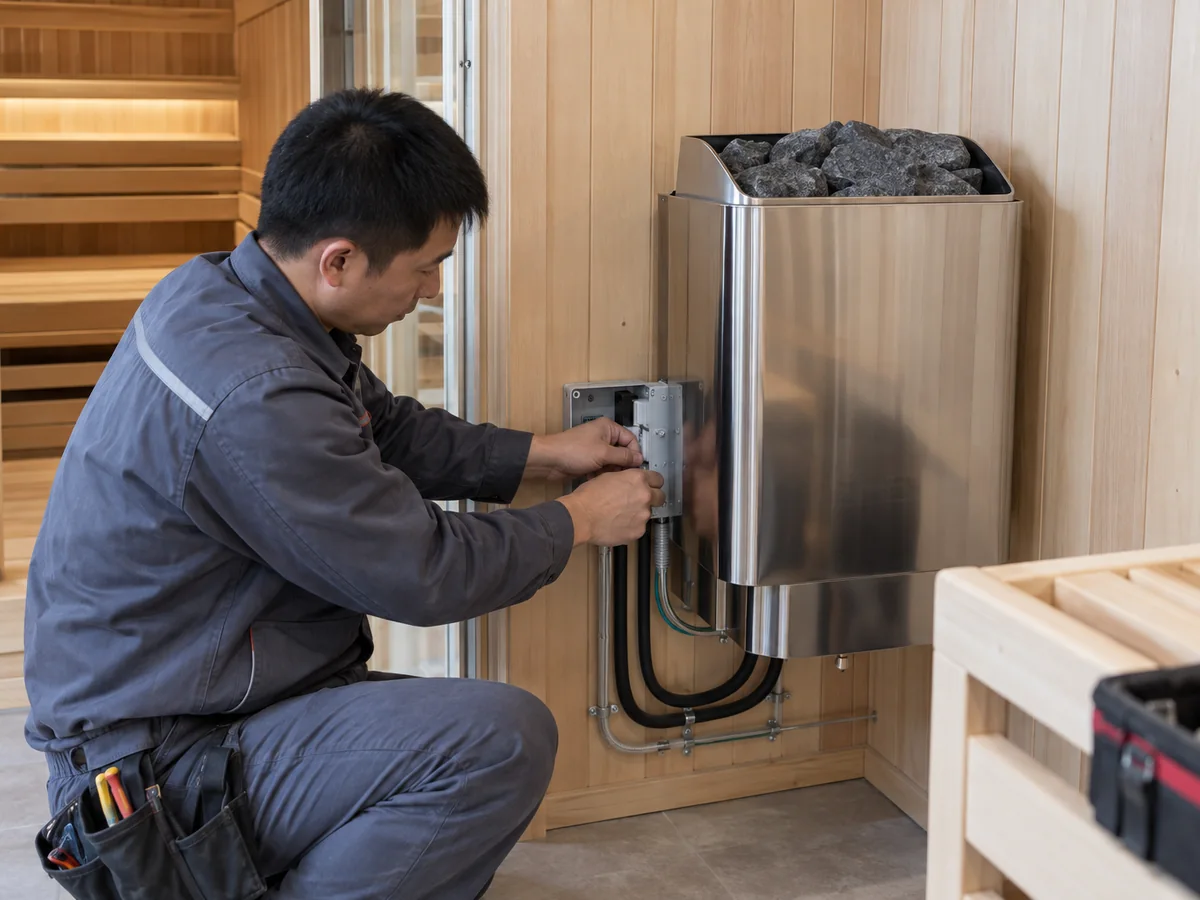
Стоимость электрической системы начинается с печи, но базовая цена оборудования может не включать полную рабочую систему.
Затраты на оборудование и управление
Электрические печи для сауны не все используют одинаковый комплект или архитектуру управления. Некоторые используют встроенные элементы управления, тогда как другие требуют или поддерживают отдельный контроллер. Камни, датчики, оборудование управления и другие компоненты также зависят от конкретного продукта.
Проверка предложения: что требуется данной печи для работы в качестве указанной системы и какие необходимые элементы включены в цену предложенного оборудования?
Текущий пример производителя показывает, почему это важно. Руководство по установке и эксплуатации HUUM’s U.S. CORE указывает, что комплект поставки печи CORE содержит печь и перечисленные компоненты для установки, тогда как система управления и камни для сауны требуются дополнительно.
Это пример конкретного продукта, а не правило для всех электрических печей для сауны. Перед сравнением цен уточните:
- точную модель печи;
- требуемые камни;
- совместимые системы управления;
- необходимые датчики или другие компоненты системы;
- что включено в объем предложенного оборудования; и
- что необходимо приобрести или установить отдельно.
Если дистанционное управление, программирование или другие расширенные функции важны для проекта, подтвердите совместимость и включенные компоненты для конкретной системы управления, а не предполагайте, что эти функции являются стандартными.
Когда электромонтажные работы на объекте меняют стоимость установки
Следующий слой затрат относится к объекту недвижимости. Точные требования к электроснабжению зависят от модели нагревателя, номинальной мощности, конфигурации питания и юрисдикции. Поэтому стоимость установки зависит как от требований оборудования, так и от того, что площадка уже может обеспечить.
Возможные факторы, влияющие на стоимость, могут включать:
- стационарное электрическое подключение;
- прокладка кабеля или линии подключения;
- монтаж системы управления;
- отключающее или управляющее оборудование, если это требуется выбранной системой или местными правилами;
- и дополнительная инфраструктура площадки, когда существующая электрическая система не может поддерживать выбранное оборудование в соответствии с проектом.
Это не не означает, что каждая электрическая сауна требует серьёзной модернизации электроснабжения. Это означает, что цена нагревателя сама по себе не определяет стоимость электромонтажа.
Два объекта, рассматривающие аналогичное оборудование, могут столкнуться с очень разными затратами на монтаж, потому что на одном уже есть практичный путь подвода и прокладки, а другому требуется существенная дополнительная работа.
Не выводите сечение проводника, номинал автоматического выключателя, требования к разъединителю или другие детали стационарной проводки из общей статьи о затратах. Окончательные электромонтажные работы должны выполняться в соответствии с шильдиком оборудования, точными инструкциями производителя и правилами, применимыми к месту установки, с привлечением квалифицированных специалистов соответствующего профиля, где это требуется.
Стоимость электрической эксплуатации: используйте фактическое энергопотребление и применимый тариф
Стоимость электроэнергии при эксплуатации зависит от местных условий и проекта. Полезная предварительная оценка:
расчётное или измеренное потребление кВт·ч за сеанс × применимый тариф на электроэнергию × ожидаемое количество сеансов
Для контекста США, Ежемесячная таблица электроэнергии по штатам и секторам Управления энергетической информации США показывает, что средние розничные цены различаются по штатам и секторам потребителей. Это полезно как рыночный ориентир, но не заменяет фактический тариф на коммунальные услуги проекта, структуру тарификации по времени использования, плату за мощность или другие условия выставления счетов.
Это различие важно для B2B-проектов. Отель, спортзал, спа или другой коммерческий оператор должен использовать тариф, который фактически применяется к площадке, а не средний национальный бытовой тариф.
Для предварительной оценки используйте энергию, которая фактически, как ожидается, будет потреблена, а не выдуманную общенациональную «стоимость одного сеанса сауны». Только лишь мощность по шильдику не описывает каждую минуту реальной работы, потому что поведение системы управления, условия в помещении, прогрев, открывание дверей и длительность сеанса могут изменять потребление энергии.
Стоимость дровяного отопления: печь, дымоход, подготовка площадки и дрова
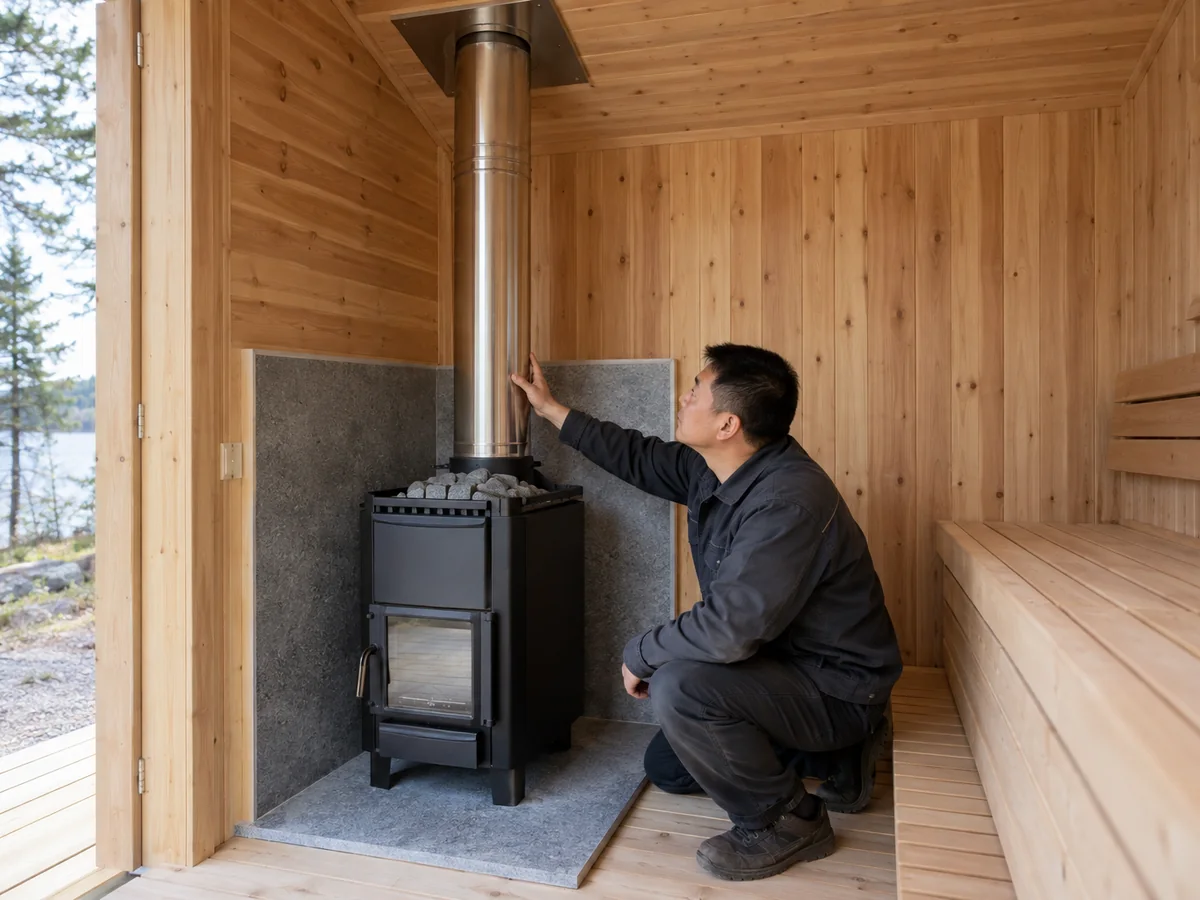
Цена дровяной печи — тоже лишь первая статья. Установленной системе нужен безопасный путь для продуктов сгорания, и комплект печи не обязательно включает все компоненты, необходимые для создания этой системы.
Печь и инфраструктура вентиляции/дымохода
Коммерческое предложение по дровяной части должно ответить на два отдельных вопроса: Сколько стоит печь? и что ещё нужно добавить, чтобы выбранная печь стала полностью установленной системой?
В зависимости от изделия, здания и юрисдикции объём затрат может включать:
- печь;
- необходимые камни или аксессуары;
- компоненты дымохода или дымовой трубы;
- соединение между печью и системой вентиляции;
- монтаж;
- соответствующие защитные работы для пола, стен или другие;
- работы по кровле, стене или другому интерфейсу здания, созданные окончательной трассой; и
- расходы на инспекции или разрешения, где они применимы.
Современный пример производителя иллюстрирует различие в объёме. Руководство HUUM по HIVE Wood указывает, что камни для сауны и подключение к дымоходу не входят в комплект HIVE Wood и должны быть приобретены отдельно.
Это пример, относящийся конкретно к HUUM, а не правило упаковки для каждой дровяной саунной печи.
Требуемое не обязательно означает включённое в комплект.
Точная конфигурация дымохода, зазоры до печи, защитные меры и детали подключения зависят от модели и площадки. Эти детали важны здесь потому, что они могут изменить стоимость установки, — а не потому, что эта статья должна заменять руководство по печи или проект дымохода.
Стационарные электромонтажные работы, работы по дымоходу или дымоходной трубе и защитные строительные работы здесь являются категориями затрат, а не инструкциями по самостоятельному монтажу. Фактическая установка должна следовать документации на выбранное оборудование и применимым местным требованиям, с использованием соответствующим образом квалифицированных специалистов там, где это требуется.
Если сравнение переходит в планирование конструкции, ограждающих конструкций, дымохода или интерфейсов здания, продолжите с HACHILL Как построить сауну Руководство.
Топливо, зола и обязанности по дымоходу
Дровяное отопление также добавляет постоянные расходы и обязанности после монтажа. В зависимости от печи и площадки они могут включать:
- заготовка дров;
- доставка и хранение;
- обработку золы;
- уход за печью и топкой;
- осмотр или обслуживание камней;
- осмотр, очистка и обслуживание дымохода или дымоходной трубы; и
- другие задачи, требуемые выбранной печью и системой дымохода.
Фактическая стоимость дров определяется локально. Покупные дрова, самостоятельно заготовленные дрова, расстояние доставки, хранение, влажность, расход топлива и частота использования могут изменить результат.
Простая модель предварительной оценки:
расчётное количество дров, используемых за сеанс × соответствующая стоимость поставленного топлива × ожидаемое количество сеансов
Если дрова заготавливаются самостоятельно, денежная цена топлива может быть низкой, но это не делает автоматически полную стоимость владения нулевой. Сбор, переработка, хранение и время оператора всё ещё могут иметь значение для покупателя, даже если покупатель решает не оценивать эти действия в деньгах.
Практичная структура затрат на дрова:
печь → необходимые компоненты системы → дымоход/газоход → работы на участке → монтаж → дрова → обслуживание при эксплуатации
Что дороже установить? Существующая площадка может изменить ответ
Не существует надёжного универсального победителя по стоимости монтажа. Решающий вопрос часто таков:
Какую дорогостоящую инфраструктуру этому объекту ещё необходимо создать для рассматриваемой системы?
Со стороны электрики на результат могут влиять:
- рассматриваемый нагреватель и элементы управления;
- существующая электрическая инфраструктура;
- пропускная способность подачи и совместимость с выбранным оборудованием;
- расстояние подключения и маршрут прокладки; и
- всё ещё требуется значительный объём электромонтажных работ.
Со стороны дровяного отопления на результат могут влиять:
- рассматриваемая печь;
- требуемая система отвода дымовых газов;
- маршрут дымохода или дымоотвода;
- расположение печи;
- защитные работы и работы на стыке со зданием; и
- существенные монтажные работы, которые еще требуются.
Это может изменить результат в пользу другого варианта.
Иллюстративный объект A: у объекта уже есть практичный электрический маршрут для рассматриваемой электрической системы, тогда как установка с дровяным отоплением потребовала бы существенных новых работ по дымоходу и строительным интерфейсам. Электрический маршрут может иметь более низкую стоимость установки, даже если его нагреватель дороже.
Иллюстративный объект B: на объекте есть значительный объём нерешённых электромонтажных работ, тогда как подходящую схему с дровяной печью и вентиляцией можно интегрировать с меньшим объёмом новой инфраструктуры. Результат может измениться в другую сторону.
Это иллюстративные сценарии, а не проекты клиентов HACHILL. Они объясняют механизм затрат, не утверждая, что тот или иной тип нагревателя в целом дешевле.
Более сильное сравнение использует эквивалентные объёмы предложений:
- рассматриваемое оборудование;
- включённые и исключённые компоненты;
- работы по электрике, вентиляции или подведению коммуникаций;
- работы на объекте и в зоне сопряжения со зданием;
- работы по монтажу;
- объём инспекции или разрешения, где применимо; и
- те же налоговые, транспортные и прочие коммерческие допущения там, где эти затраты существенны.
Если одно предложение включает только оборудование, а другое уже учитывает основные монтажные работы, цифры пока несопоставимы.
Что стоит дороже в собственности? Сравните энергию, топливо, обслуживание и время оператора
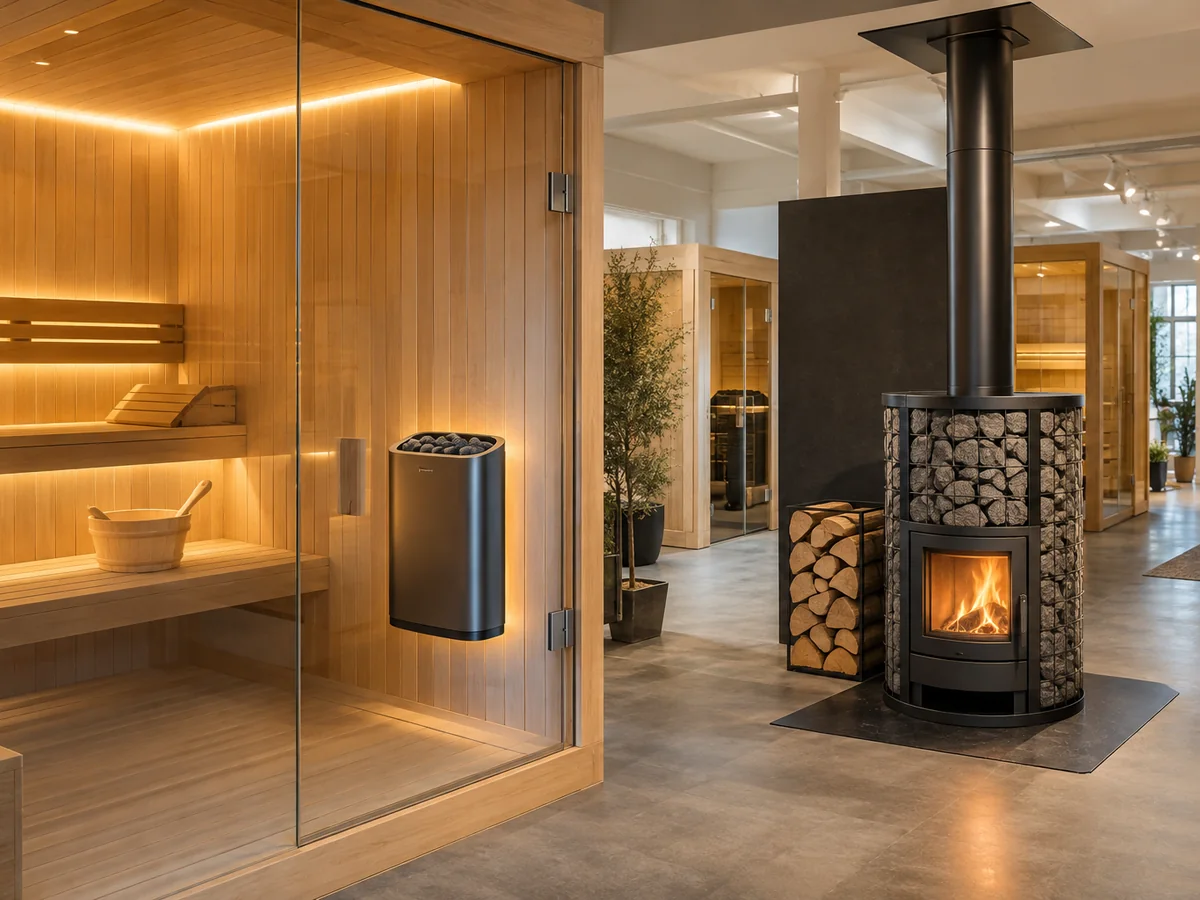
Стоимость установки — это только первая половина сравнения. Долгосрочное владение зависит от местной энергии или топлива, частоты использования, обслуживания и того, какой объём эксплуатационной работы принимает владелец.
Приведите сценарий использования к единому виду перед сравнением эксплуатационных затрат
В расчетах для электрического и дровяного вариантов следует использовать один и тот же предполагаемый режим эксплуатации. Если электрическая оценка представляет частое использование, а дровяная — редкое, сравнение измеряет два разных сценария владения.
Как минимум, фиксируйте:
- сеансов в неделю или месяц;
- типовой режим прогрева и использования с людьми для фактического помещения;
- основа расчёта местного тарифа на электроэнергию или стоимости дров;
- сезонные условия, если они существенно меняют работу;
- пункты технического обслуживания, включенные в сравнение; и
- период оценки.
Не предполагайте универсальное время нагрева или количество топлива. Объём помещения, остекление, изоляция, условия окружающей среды, дверной проём, выбор нагревателя/печи и практика эксплуатации могут изменить и то, и другое.
Частота использования меняет структуру затрат
Сауна, используемая часто, создает иной профиль владения, чем сауна, используемая иногда. Большее потребление электроэнергии увеличивает энергопотребление и подверженность износу, связанному с использованием. Более частое использование дровяного отопления означает больше дров, растопок, обращения с золой и активности системы сгорания.
Предпочтения оператора также важны, но их следует отделять от технических или финансовых утверждений. Владелец, которому важно самостоятельно топить дровами, может согласиться на больше рутинных действий перед каждым сеансом, чем владелец, желающий минимального участия в эксплуатации. Это предпочтение не доказывает, что один нагреватель технически превосходит другой по нагреву или обходится дешевле.
Обслуживание — это отдельный набор затрат, а не “обслуживание против отсутствия обслуживания”
Электрические нагреватели для сауны не являются необслуживаемыми. В зависимости от системы и использования текущие обязанности могут включать:
- проверка камней и замена при необходимости;
- состояние печи;
- органы управления или компоненты безопасности;
- нагревательные элементы; и
- квалифицированное электроснабжение там, где необходимо.
Дровяной нагрев формирует другой набор задач, который дополнительно может включать:
- обращение с дровами;
- удаление золы;
- уход за печью и топкой;
- осмотр и очистка дымохода или газохода; и
- другие обязанности по системе сгорания, определенные выбранной печью и местной практикой.
Вопрос собственника, на который нужно ответить: какие обязанности по обслуживанию и эксплуатации связаны с каждым вариантом и важны ли они для этого владельца или оператора?
Время оператора относится к этому обсуждению, но его не следует превращать в выдуманную универсальную почасовую стоимость.
Реалистичное сравнение затрат на владение учитывает четыре параметра:
местная энергия или топливо + эквивалентный режим использования + обслуживание + эксплуатационная нагрузка
Когда сравнение затрат следует отложить?
Иногда информации недостаточно, чтобы назвать какой-либо из вариантов дешевле. Правильное решение — воздержаться от вывода о затратах, пока не будет известен недостающий исходный параметр.
ПРИОСТАНОВИТЕ вывод о стоимости, если с одной стороны остается нерешенный объем работ, способный существенно изменить результат.
Здесь, УДЕРЖИВАЙТЕ является лишь ярлыком для предварительной оценки стоимости, используемым в этой статье. Это не означает, что нагреватель прошел или не прошел инженерную проверку, проверку на соответствие нормам, разрешительные процедуры или утверждение монтажа.
| Отсутствующий или нерешённый параметр | Результат сравнения затрат |
|---|---|
| Точный состав электрического нагревателя/системы неизвестен | НЕ ПОДТВЕРЖДАТЬ вывод о стоимости электрического оборудования |
| Материальные электромонтажные работы на объекте неизвестны | НЕ ПОДТВЕРЖДАТЬ вывод о стоимости установки электрического оборудования |
| Требуемые электрические компоненты неизвестны | НЕ ПОДТВЕРЖДАТЬ сравнение объёма оборудования |
| Точный комплект дровяной печи/системы неизвестен | НЕ ПОДТВЕРЖДАТЬ вывод о стоимости дровяного оборудования |
| Материальные работы по дымоходу, вентиляции или на объекте неизвестны | НЕ ПОДТВЕРЖДАТЬ вывод о стоимости установки дровяного оборудования |
| Местная база по электричеству или дровам неизвестна | НЕ ПОДТВЕРЖДАТЬ вывод об эксплуатационных расходах |
| В двух вариантах используются разные допущения по частоте сеансов или периоду оценки. | ПРИОСТАНОВИТЬ сравнение стоимости владения |
| Одно предложение включает только оборудование, а другое — значительный объём монтажных работ | Сравнение в целом — НА ПАУЗЕ |
| Известны только цены на печи/нагреватели по прайсу | Победитель в целом — НА ПАУЗЕ |
| Оба объёма систем, основные исходные данные для монтажа и местные эксплуатационные допущения определены достаточно | Сравните структуры затрат |
Три ошибки заслуживают особого внимания.
Сравнение только по цене по прайсу.
То, что одна печь стоит меньше одного электрического нагревателя, не означает, что одна установленная система обойдётся дешевле другой.
Несопоставимый объём предложения.
Цену только на оборудование нельзя справедливо сравнивать с предложением, которое уже включает значительный объём электромонтажных работ, монтажа дымохода или установки.
Разные эксплуатационные допущения.
Оценки для электрического и дровяного вариантов должны использовать сопоставимые режимы эксплуатации и периоды оценки, прежде чем сравнивать стоимость владения.
Перед запросом цен или окончательным сравнением подготовьте:
- рассматриваемое оборудование и семейство моделей;
- включённые и исключённые компоненты;
- значительные электромонтажные работы;
- значительные работы по дымоходу, вентиляции или участку;
- основа местного тарифа на электроэнергию;
- основа для расчёта местной стоимости дров;
- ожидаемая частота использования и режим работы;
- период оценки; и
- допущения по капитальному обслуживанию или оператору.
Когда картина затрат станет достаточно полной, следующее решение уже не сводится к простому «что дешевле?». Это вопрос о том, следует ли проекту идти по электрическому или дровяному пути и какая именно конфигурация нагревателя подходит для сауны, площадки и режима эксплуатации.
Для этого более широкого этапа выбора перейдите к HACHILL’s Руководство по покупке печи для сауны. Если вы сравниваете конкретный B2B- или коммерческий проект и некоторые исходные данные по ценам или точная модель ещё определяются, подготовьте известную информацию о проекте и запросить предложение по проекту.