Для обычной традиционной электрической сауны полезный ориентир при планировании — примерно от середины 30-минутного диапазона до порядка часа при подходящих условиях, но универсального времени нагрева не существует.
Этот диапазон для планирования — синтез актуальных рекомендаций Harvia, а не гарантия для всей категории: один пример таймера Harvia говорит, что сауна нагревается около одного часа, тогда как диагностика медленного нагрева Harvia указывает, что в том контексте устранения неполадок желаемая температура обычно достигается за 35–45 минут. Фактическое время нагрева сауны меняется в зависимости от объёма помещения, соответствия нагревателя помещению, стекла или других неизолированных поверхностей, изоляции, начальной температуры, вентиляции, открывания дверей, состояния камней, поведения управления и — что самое важное — того, что означает «готово» и где измеряется температура.
Не сравнивайте два времени нагрева сауны, пока оба утверждения не используют одинаковые условие начала, условие окончания и точка измерения.
Это руководство посвящено прогрев традиционной электрической сауны. Инфракрасные кабины, дровяные сауны и паровые комнаты используют разные источники тепла, логику управления и критерии готовности, поэтому их заявления о времени прогрева не следует напрямую сравнивать с цифрами на этой странице. Для контекста рабочих температур используйте HACHILL’s руководство по температуре сауны.
Сколько времени нужно сауне, чтобы нагреться? Начните с условий испытания
Результаты поиска часто сводят прогрев сауны к одному числу. Это полезно для грубого планирования, но технически неполно. Холодная уличная кабина с большим остеклением, компактное утепленное помещение и “всегда готовая” печь могут давать совершенно разные результаты, даже если каждый источник использует фразу “время прогрева”.”
Текущие контрольные точки производителя
Пример таймера Harvia
Около одного часа
В текущих кратких инструкциях Harvia для механически управляемых нагревателей приведён пример таймера, в котором сауна нагревается около одного часа перед купанием.
Контекст устранения неполадок Harvia
Обычно 35–45 минут
Текущая диагностика медленного нагрева HARVIA указывает, что желаемая температура обычно достигается за 35–45 минут в контексте проверки термостата, а также рекомендует пользователям проверять мощность нагревателя, камни, вентиляцию и поведение датчика или термостата, когда нагрев занимает значительно больше времени.
Особая архитектура
Не каждый отсчет времени — это холодный старт
Конструкция Forte «ever-ready» от Harvia поддерживает каменную камеру тёплой в режиме ожидания, поэтому её заявленная готовность за несколько минут начинается из принципиально иного состояния, чем у обычного нагревателя с холодным стартом.
Почему опубликованный диапазон не является гарантией производительности HACHILL
Справочные данные по времени прогрева от стороннего производителя печей описывают оборудование этого производителя и заявленные им условия. Они не устанавливают время прогрева для каждой сауны, каждой конструкции печи или любой непротестированной модели HACHILL.
При планировании проекта рассматривайте прогрев как результат работы всей системы помещения. Определите помещение, нагреватель, стекло, утепление, климат площадки, вентиляцию, режим эксплуатации и метод измерения, прежде чем использовать значение времени для закупки, рекламных материалов или приемки при пусконаладке.
Для выбора модели и печи используйте Руководство по покупке печи для сауны и более подробное руководство по подбору печи и тепловому проектированию.
Определите условия теста, прежде чем сравнивать время прогрева саун
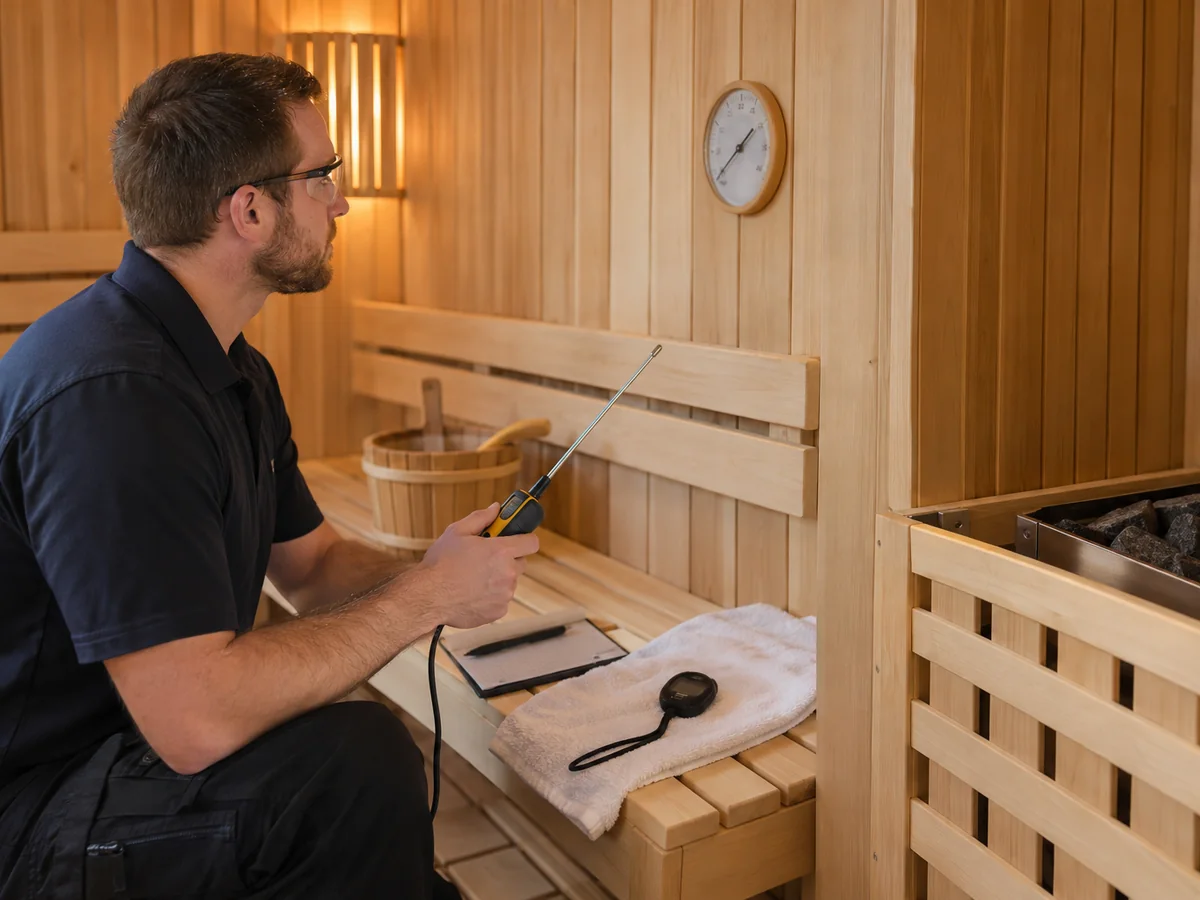
Самый надежный способ сравнить заявления о времени прогрева сауны — определить три параметра теста до того, как смотреть на результат.
Начальное состояние: холодный старт, режим ожидания или предварительно нагретые камни?
Помещение, стартующее при температуре, близкой к комнатной, не испытывает такой же нагрузки, как уличная сауна, которая провела несколько часов в холодную погоду. Аналогично, постоянно готовый нагреватель с горячей каменной камерой не стартует из того же состояния, что и обычный нагреватель с холодным стартом.
Зафиксируйте начальную температуру окружающей среды, были ли помещение и камни уже теплыми, состояние двери, режим вентиляции и состояние нагревателя в момент времени ноль.
Конечное условие: что означает “готова”?
“Готова” может означать, что контроллер достиг своей уставки, занятая зона верхнего полка достигла согласованного рабочего состояния проекта, камни готовы обеспечить желаемую реакцию пара, или объект достиг определенной точки ввода в эксплуатацию.
Эти конечные точки могут наступать в разное время. Harvia поддерживает отдельный путь диагностики для случая, когда сауна быстро нагревается, но камни недостаточно горячие, что служит полезным напоминанием: температура воздуха в помещении сама по себе не доказывает одинаковую готовность камней.
Точка измерения: датчик — это не все помещение
Воздух в сауне стратифицируется по вертикали, и показания вблизи нагревателя, потолка, двери, приточного отверстия, верхнего и нижнего полков могут различаться. Датчик управления является частью системы нагревателя; он не обязательно является той же точкой измерения, которая используется для сравнения производительности помещения.
Для полезного журнала прогрева держите место измерения фиксированным и задокументированным. Не перемещайте защитный датчик или датчик управления, чтобы улучшить показатели прогрева.
Что влияет на время прогрева сауны?
Объём помещения и соответствие печи объёму помещения
Мощность нагревателя важна, но значение на его табличке полезно только тогда, когда оно соотнесено с фактическим помещением. Текущие рекомендации Harvia по подбору явно используют объём помещения и добавляют нагрузку для стекла и других неизолированных или теплоаккумулирующих поверхностей. Окончательный выбор нагревателя всё равно должен следовать утверждённому диапазону для помещения и инструкциям для конкретной модели.
Нагреватель недостаточной мощности может дольше выходить на заданный режим и работать на высокой мощности более длительное время. Превышение мощности тоже не является универсальным решением; окончательный подбор всё равно требует утверждённого производителем диапазона помещения, зазоров, средств управления и электрического контекста.
Стекло, утепление и уличный климат
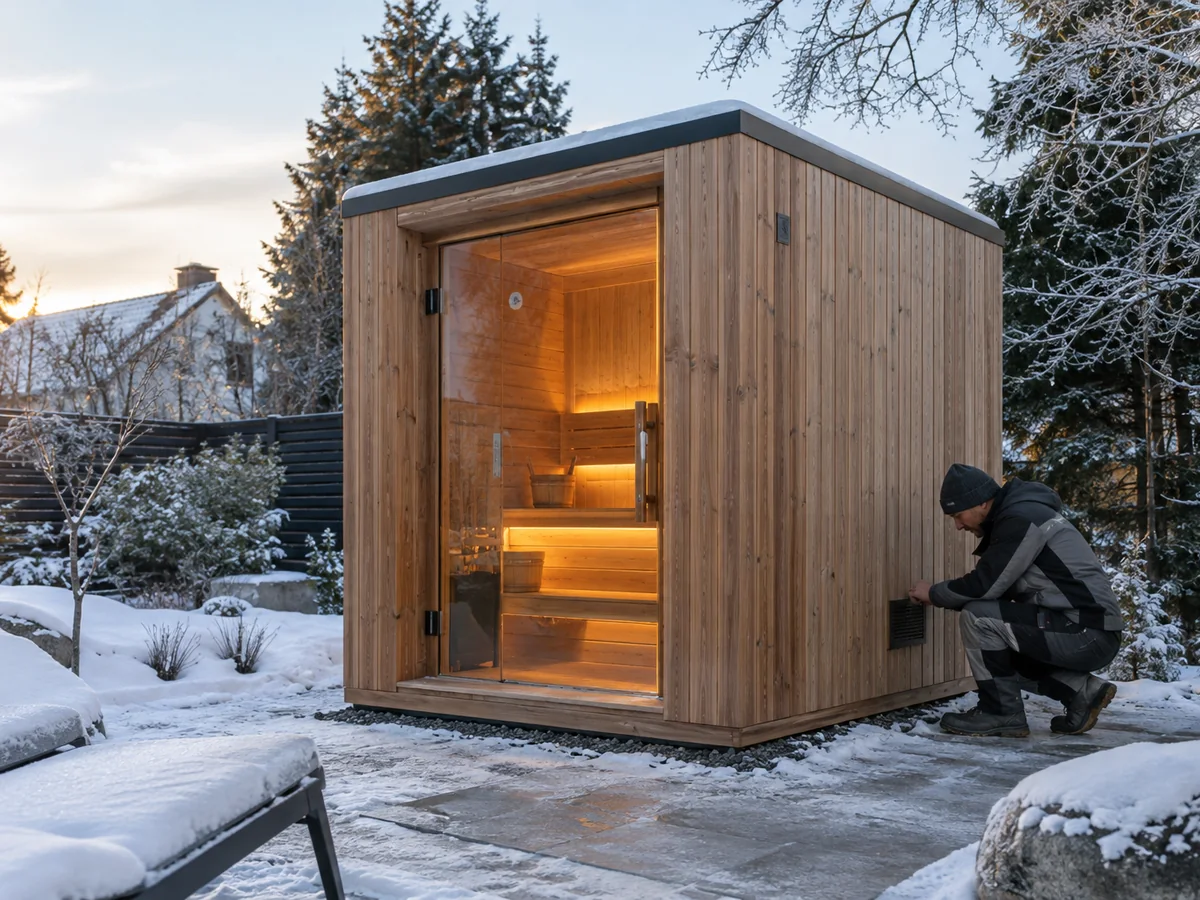
Стеклянные двери и стеклянные стены могут существенно изменить основу для подбора мощности нагревателя. Текущие рекомендации Harvia по подбору рассматривают стекло и другие неизолированные или теплоаккумулирующие поверхности как дополнительную эффективную нагрузку, поэтому две комнаты с одинаковым геометрическим объёмом могут требовать разных нагревателей.
Именно поэтому две сауны с одинаковыми физическими размерами могут прогреваться по-разному. В одной могут быть утеплённые деревянные поверхности в стабильной внутренней среде; в другой — большой стеклянный фасад, больше открытых поверхностей и холодный запуск на улице.
Для уличных проектов сравнивайте конструкцию и маршрут нагревателя с реальными условиями площадки, а не переносите ожидания по прогреву от помещения. HACHILL линейка уличных саун следует оценивать с учётом фактического климата, остекления, инженерных коммуникаций и условий площадки.
Вентиляция, использование двери, камни и поведение датчика
Наблюдаемая производительность прогрева также может меняться, когда воздух покидает помещение быстрее ожидаемого, дверь открывается повторно, камни ограничивают воздушный поток через нагреватель или датчик управления заставляет нагреватель циклически включаться до того, как предполагаемая зона пребывания достигнет проектной цели.
Текущее руководство Harvia по медленному нагреву предлагает пользователям проверять мощность нагревателя, состояние и укладку камней, вентиляцию и поведение термостата/датчика, а не предполагать, что единственный ответ — ждать дольше.
Не обходите устройство аварийного ограничения температуры, не переносите датчик безопасности в обход инструкции к оборудованию, не закрывайте требуемую вентиляцию вслепую и не изменяйте стационарные электрические работы ради более быстрого прогрева. Используйте точную документацию нагревателя/контроллера и квалифицированных местных специалистов там, где это требуется.
Как сравнивать опубликованные заявления о времени нагрева сауны и не быть введённым в заблуждение
Матрица сравнения заявлений о времени прогрева
| Источник / система | Опубликованный справочный показатель | Указанные или подразумеваемые условия | Какие выводы допустимы | Какие выводы недопустимы |
|---|---|---|---|---|
| Краткое руководство Harvia по механическому управлению | Около одного часа в приведённом примере таймера | Сценарий использования обычной электрической печи для сауны | Примерно один час — это указанный Harvia пример планирования для такого контекста использования таймера | Что любая сауна или любая модель Harvia прогревается ровно за один час |
| Диагностика медленного нагрева Harvia | Обычно 35–45 минут до желаемой температуры в контексте проверки термостата. | Диагностическая процедура при работающем нагревателе и проверке помещения на нормальное поведение при нагреве | Более короткий справочный показатель может быть действителен в определённом контексте диагностики | 35–45 минут — это универсальный предел приёмки для каждой электрической сауны |
| Архитектура Harvia Forte с режимом постоянной готовности | Готовность сауны в течение нескольких минут после выбора HI | Каменная камера поддерживается в тёплом состоянии в режиме ожидания | Начальное состояние печи может принципиально изменить отсчёт времени | Несколько минут сопоставимо с обычным нагревателем при холодном пуске |
Если два заявления о времени нагрева не используют одинаковое начальное состояние, базовые параметры помещения, конструкцию нагревателя, конечное условие и место измерения, рассматривайте сравнение как пока не эквивалентно.
Отраслевой тест-кейс: укладка камней изменила результат за один час
Harvia испытала одну и ту же сауну объёмом 10 m³ и нагреватель 7 kW с разными состояниями камней
Harvia сообщает об испытании с использованием сауны 10 m³ и нагревателя Cilindro PC70E 7 kW. Через один час результат по температуре помещения различался примерно на 10°C между новыми камнями, уложенными плотно, и новыми камнями, уложенными свободно согласно методу испытания. Harvia объяснила лучший результат улучшенным воздушным потоком через нагреватель.
Почему это важно: даже если объем помещения и мощность нагревателя остаются неизменными, обслуживание и укладка камней могут изменить поведение при разогреве. Поэтому медленный нагрев сауны не обязательно означает проблему слишком маломощного нагревателя.
Границы доказательной базы: это опубликованное испытание Harvia с указанными конфигурациями помещения, нагревателя и камней. Это не универсальное правило 10°C и не данные испытаний HACHILL.
Источник: Harvia — замена камней для сауны ускоряет нагрев сауны.
Отраслевые применения: домашние, уличные и коммерческие сауны
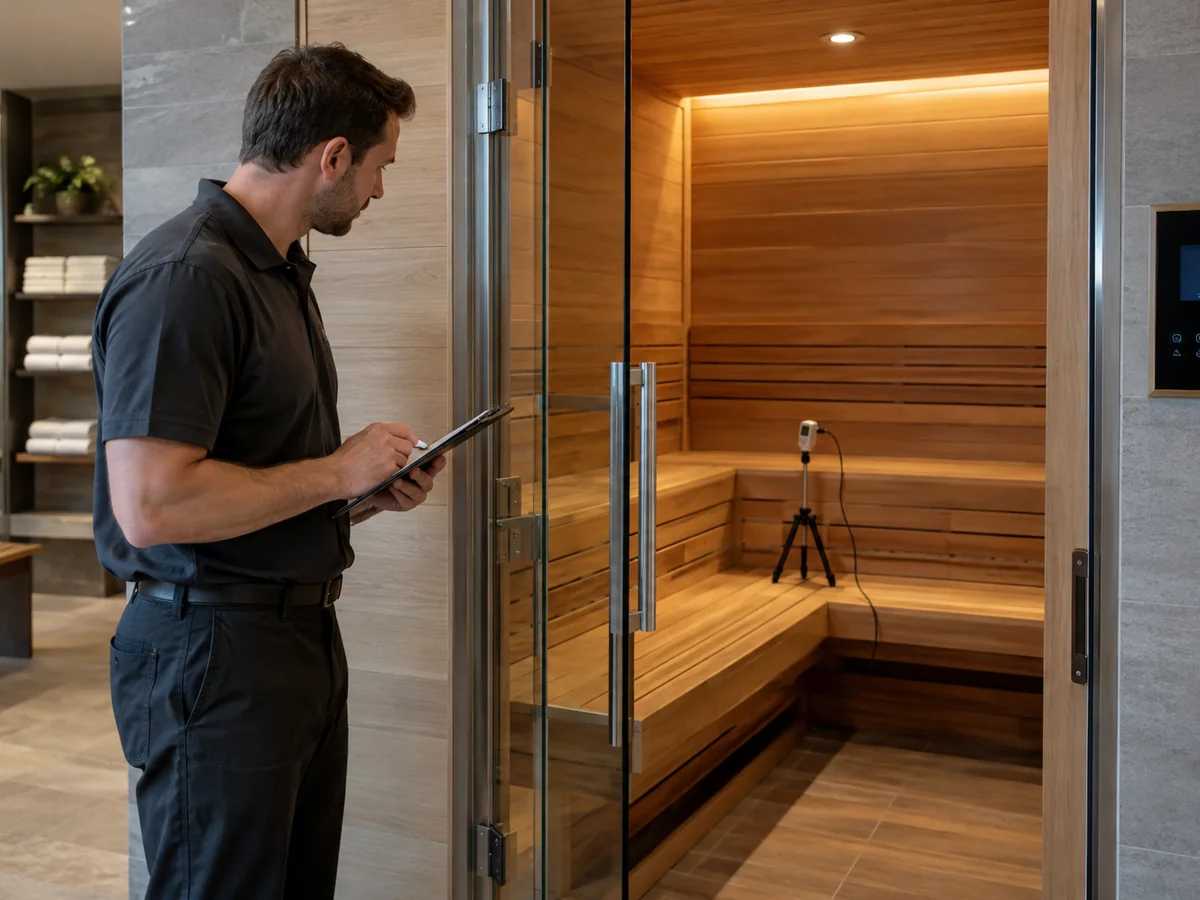
Жилые и уличные проекты требуют разных запасов при планировании
Жилое помещение
Стабильные начальные условия
Компактную утеплённую сауну в помещении с правильно подобранным электрическим нагревателем можно планировать вокруг воспроизводимой процедуры предварительного прогрева, как только владелец проверит фактическое поведение помещения.
На улице / глэмпинг
Холодные пуски и обледенение имеют значение
Уличная сауна Cabin или сауна-куб может начинаться с гораздо более низкой температуры и может иметь больше стекла. При планировании следует использовать реальные сезонные начальные условия, а не результат пусконаладки в теплую погоду или в помещении.
Поставка через дилера / под проект
Не назначайте срок без основания в виде испытаний
Для коммерческих предложений и проектных документов указывайте нагреватель, помещение, климат, остекление, конечную точку испытания и основу измерения, лежащие в основе любого утверждения о времени нагрева, вместо публикации одного числа для всей категории.
Перепроектирование стеклянной фронтальной части после выбора нагревателя
Ситуация: сауна изначально выбрана с преимущественно утеплённым фасадом, затем в проекте появляется значительно больше остекления без повторного теплового расчёта.
Почему результат прогрева может измениться: В текущих рекомендациях Harvia по подбору мощности стекло и другие неутеплённые или теплоаккумулирующие поверхности прямо рассматриваются как дополнительная эффективная нагрузка при выборе нагревателя.
Правильный ответ по проекту: заново откройте основу для подбора нагревателя, электрическую/площадочную проверку и план приёмки прогрева. Не обещайте старое время нагрева только потому, что внешние размеры помещения не изменились.
Коммерческим объектам нужны данные восстановления, а не только прогрев с холодного старта
У отелей, курортов, спортзалов и общих велнес-центров другой эксплуатационный вопрос. Сауна может успешно достичь заданной температуры к открытию и всё же испытывать трудности после многократных открываний двери и смены пользователей.
Это значит начальный прогрев, стабильное поддержание и восстановление в занятом помещении следует рассматривать как отдельные вопросы производительности. Коммерческого оператора волнует, возвращается ли помещение к согласованному рабочему состоянию при фактическом графике, — а не только то, достигло ли оно температуры один раз перед открытием.
Сауна в отеле достигает уставки до открытия, но отстаёт в периоды высокой загрузки.
Не переходите сразу к более высокой уставке. Сначала сравните синхронизированные показания, циклы нагревателя, события открывания двери, состояние вентиляции и температуры в занятой зоне. Результат может указывать на нагрузку восстановления, вентиляцию, потери через оболочку или измерения, а не просто на «медленный нагреватель».
Когда медленный нагрев означает, что нужно искать неисправность, а не ждать дольше
Более длительный, чем ожидалось, прогрев — полезная диагностическая информация, когда основа сравнения известна. Она становится гораздо менее полезной, когда исходное ожидание взято от другого нагревателя, помещения, климата или точки измерения.
Проверьте систему перед заменой нагревателя или уставки
- Проверьте часы: одинаковая начальная температура окружающей среды, одинаковое целевое/конечное условие и одинаковая точка измерения.
- Проверьте помещение: фактический внутренний объём, остекление, утепление и другие неутеплённые поверхности.
- Проверьте нагреватель: точная модель, одобренный производителем диапазон помещения и рабочее состояние.
- Проверьте участок: условия эксплуатации в помещении/на улице и репрезентативная сезонная температура окружающей среды.
- Подтвердите путь воздуха: утверждённая схема вентиляции, состояние двери и очевидные утечки.
- Проверьте камни: правильный тип, состояние и размещение согласно инструкциям к нагревателю.
- Подтвердите элементы управления и датчики: утверждённое положение датчика и нормальное поведение контроллера/защитного устройства.
- Повторно проверьте ту же нагрузку: после подтверждённого исправления повторите то же начальное состояние и метод измерения.
точный нагреватель неизвестен, остекление/изоляция изменились после выбора, наружные начальные условия не были записаны, точка измерения переместилась, вентиляция или использование двери изменились, срабатывают защитные устройства, или сравнение опирается на условия помещения/испытания другого производителя.
Для проверки на уровне проекта зафиксируйте приведённую ниже информацию, прежде чем запрашивать обязательство по времени нагрева или рекомендацию по устранению неполадок.
| Ввод | Запись | Почему это важно |
|---|---|---|
| Помещение | Готовые внутренние размеры, стеклянные/неизолированные поверхности, база по утеплению | Определяет тепловую нагрузку, которую необходимо нагреть |
| Печь | Точная модель, конфигурация управления/датчика и рабочее состояние | Не допускает сравнений на уровне категорий |
| Пуск | Температура окружающей среды, состояние помещения/камней, состояние двери и вентиляции | Определяет нулевой момент времени |
| Конец | Заявленный целевой показатель или критерий готовности к купанию | Определяет, когда останавливается таймер |
| Измерение | Прибор и фиксированное местоположение | Обеспечивает сопоставимость повторных проверок |
| События | Дверные проёмы, использование воды, изменения в управлении, аварийные сигналы или сбои | Объясняет нарушения на кривой |
Начните с HACHILL маршруты продуктов для сауны, затем отправьте окончательные внутренние размеры, остекление, основу утепления, климат площадки, предпочтения по нагревателю, доступное электропитание, предполагаемый рабочий режим и предлагаемый метод испытаний через маршрут подготовки сметы по проекту. Любая цель прогрева проекта должна быть привязана к выбранной конфигурации и заявленным условиям приёмки, а не к общему обещанию категории.
В этой статье используются актуальные материалы поддержки производителя и опубликованные производителем испытательные материалы, чтобы объяснить, как следует интерпретировать заявления о времени прогрева традиционной электрической сауны. Внешние испытания обозначены как внешние испытания; иллюстративные сценарии обозначены как сценарии. Эта статья не заявляет независимые результаты испытаний прогрева HACHILL, результаты клиентов, врачебную проверку или универсальную производительность нагревателя.
- Harvia — Краткие инструкции по нагревателю для моделей с механическим управлением
- Harvia — Сауна нагревается медленно
- Harvia — Сауна быстро нагревается, но камни недостаточно горячие
- Harvia — Выбор мощности нагревателя: объём помещения и неизолированные поверхности
- Harvia — опубликованный тест прогрева при заданном состоянии камней
- HARVIA — нагреватель Forte Ever-Ready: другая архитектура начального состояния
Проверка доказательств: 26 сентября 2026 г. Инструкции производителя и документация на модель могут меняться; проверьте актуальный документ для точного оборудования, прежде чем рассматривать время разогрева как требование приемки проекта.