بالنسبة لساونا كهربائية تقليدية عادية، من المفيد للتخطيط توقع نطاق يبدأ من منتصف الـ30 دقيقة تقريبًا إلى حوالي ساعة في ظروف مناسبة—ولكن لا يوجد وقت تسخين موحد.
نطاق التخطيط هذا هو تجميع لإرشادات Harvia الحالية، وليس ضماناً لكل الفئات: يقول أحد أمثلة مؤقت Harvia إن الساونا تستغرق نحو ساعة واحدة للتسخين، بينما يقول تشخيص Harvia لبطء التسخين إن درجة الحرارة المطلوبة تُبلغ عادة خلال 35–45 دقيقة في سياق استكشاف الأخطاء ذلك. يتغيّر زمن تسخين الساونا الفعلي حسب حجم الغرفة، وملاءمة السخّان للغرفة، والأسطح الزجاجية أو غير المعزولة الأخرى، والعزل، ودرجة الحرارة الابتدائية، والتهوية، وفتحات الأبواب، وحالة الأحجار، وسلوك التحكم، والأهم من ذلك ما يعنيه “جاهزة” وأين تُقاس درجة الحرارة.
لا تقارن بين وقتين لتسخين الساونا إلا إذا استخدم كلا الادعاءين نفس حالة البداية، حالة النهاية ونقطة القياس.
يركّز هذا الدليل على تسخين غرفة الساونا الكهربائية التقليدية. تستخدم كابينات الأشعة تحت الحمراء، والساونا التي تعمل بالحطب، وغرف البخار مصادر حرارة ومنطق تحكم ومعايير جاهزية مختلفة، لذلك لا ينبغي مقارنة ادعاءات التسخين الخاصة بها مباشرةً بالأرقام الواردة في هذه الصفحة. لسياق درجة حرارة التشغيل، استخدم HACHILL’s دليل درجة حرارة الساونا.
كم من الوقت تستغرق الساونا حتى تسخن؟ ابدأ بشروط الاختبار
غالبًا ما تختصر نتائج البحث وقت تسخين الساونا في رقم واحد. هذا مفيد للتخطيط التقريبي، لكنه غير مكتمل تقنيًا. كابينة خارجية باردة بزجاج كبير، وغرفة داخلية معزولة ومدمجة، وسخان “جاهز دائمًا” يمكن أن تعطي إجابات مختلفة جدًا حتى عندما يستخدم كل مصدر عبارة “وقت التسخين”.”
النقاط المرجعية الحالية للشركة المصنعة
مثال مؤقت Harvia
حوالي ساعة واحدة
تستخدم إرشادات Harvia’s السريعة الحالية للسخانات ذات التحكم الميكانيكي مثالاً لمؤقت تستغرق فيه الساونا نحو ساعة للتسخين قبل الاستحمام.
سياق استكشاف أخطاء Harvia وإصلاحها
عادةً 35–45 دقيقة
تنص تشخيصات HARVIA الحالية لبطء التسخين على أن درجة الحرارة المطلوبة تُبلَغ عادةً خلال 35–45 دقيقة في سياق فحص الثرموستات، مع توجيه المستخدمين أيضًا إلى فحص قدرة السخان والأحجار والتهوية وسلوك المستشعر أو الثرموستات عندما يستغرق التسخين وقتًا أطول بكثير.
هندسة معمارية خاصة
ليست كل ساعة بداية باردة
يحافظ تصميم Harvia’s Forte “ever-ready” على دفء غرفة الأحجار في وضع الاستعداد، لذا يبدأ سلوك الجاهزية المنشور خلال دقائق قليلة من حالة مختلفة جوهرياً عن سخان تقليدي ببدء بارد.
لماذا لا يُعد النطاق المنشور وعدًا بأداء HACHILL
يشير مرجع التسخين المسبق من جهة تصنيع سخانات خارجية إلى معدات تلك الجهة والظروف المذكورة. وهو لا يحدد زمن التسخين لكل ساونا أو لكل بنية سخان أو لأي طراز HACHILL غير مُختبر.
لتخطيط المشروع، تعامل مع الإحماء باعتباره لنظام الغرفة. حدّد الغرفة، والسخان، والزجاج، والعزل، ومناخ الموقع، والتهوية، ونمط التشغيل، وطريقة القياس قبل استخدام قيمة زمنية للمشتريات أو المواد التسويقية أو قبول التشغيل التجريبي.
لاختيار الطراز والسخان، استخدم دليل شراء سخان الساونا والدليل الأكثر تفصيلاً دليل تحديد حجم السخان والتصميم الحراري.
حدد الساعة قبل مقارنة أوقات تسخين الساونا
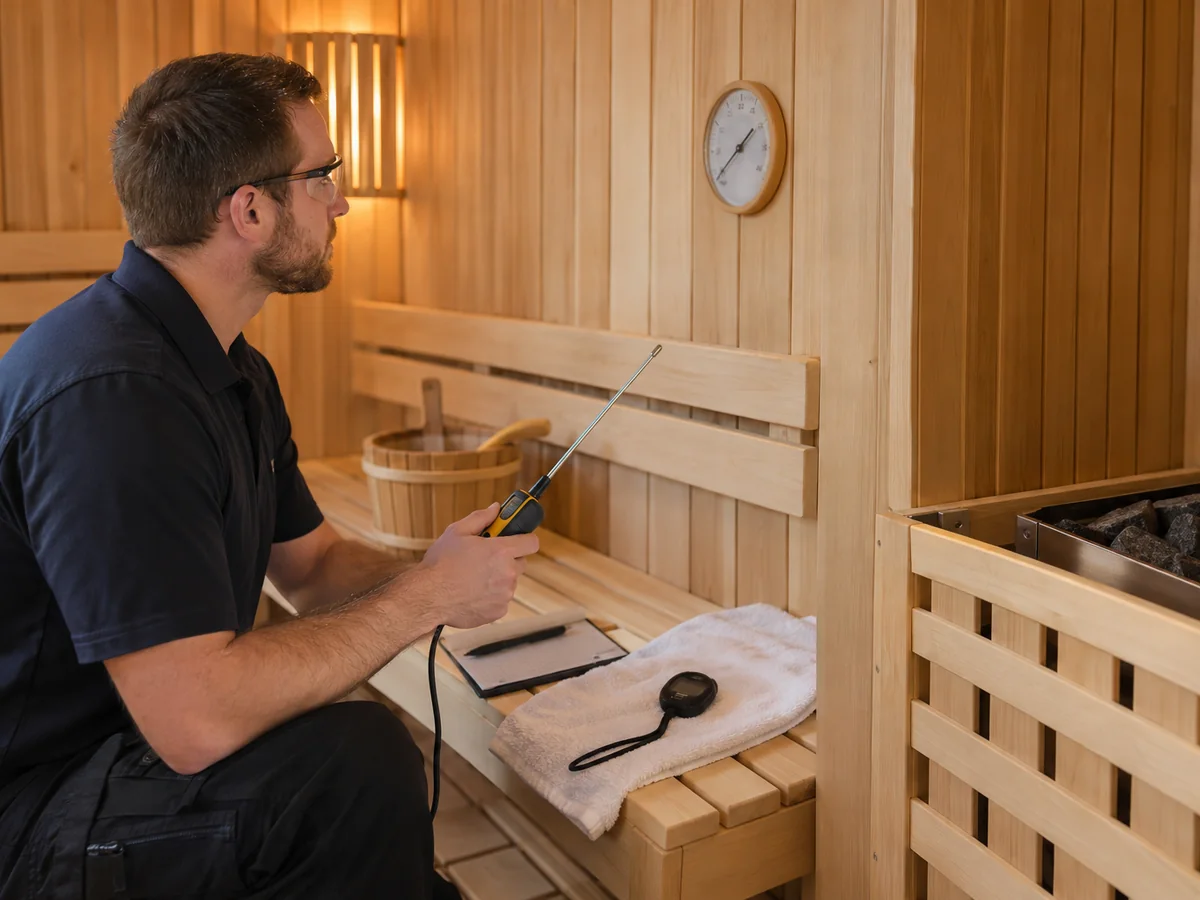
أقوى طريقة لمقارنة ادعاءات تسخين الساونا هي تحديد ثلاثة عناصر للاختبار قبل النظر إلى النتيجة.
حالة البداية: بدء بارد، وضع الاستعداد، أو أحجار مسخنة مسبقًا؟
الغرفة التي تبدأ بالقرب من درجة حرارة البيئة الداخلية لا تواجه نفس الحمل الذي تواجهه ساونا خارجية أمضت ساعات في الطقس البارد. وبالمثل، فإن السخان الجاهز دائمًا بحجرة أحجار ساخنة لا يبدأ من نفس الحالة التي يبدأ منها السخان التقليدي ذو البداية الباردة.
سجل درجة حرارة البيئة عند البداية، وما إذا كانت الغرفة والأحجار دافئة بالفعل، وحالة الباب، ووضع التهوية، وحالة السخان عند الوقت صفر.
حالة النهاية: ماذا يعني “جاهز”؟
“جاهز” يمكن أن يعني أن وحدة التحكم وصلت إلى نقطة الضبط، أو أن منطقة المقعد العلوي المشغولة وصلت إلى حالة التشغيل المتفق عليها في المشروع، أو أن الأحجار جاهزة لإنتاج استجابة البخار المقصودة، أو أن المنشأة حققت نقطة إطلاق تشغيل محددة.
يمكن أن تحدث هاتان النقطتان النهائيتان في أوقات مختلفة. تحتفظ Harvia بمسار منفصل لاستكشاف الأخطاء وإصلاحها للحالة التي تسخن فيها الساونا بسرعة لكن الحجارة ليست ساخنة بدرجة كافية، وهو تذكير مفيد بأن درجة حرارة هواء الغرفة وحدها لا تثبت جاهزية الحجارة بالمثل.
نقطة القياس: المستشعر ليس الغرفة بأكملها
هواء الساونا يترتب طبقيًا عموديًا، ويمكن أن تختلف القراءات بالقرب من السخان والسقف والباب والمدخل والمقعد العلوي والمقعد السفلي. مستشعر التحكم هو جزء من نظام السخان؛ وهو ليس بالضرورة نفس نقطة القياس المستخدمة لمقارنة أداء الغرفة.
للسجل المفيد لوقت التسخين، حافظ على موقع القياس ثابتًا وموثقًا. لا تنقل مستشعر السلامة أو التحكم لجعل ادعاء التسخين يبدو أفضل.
ما الذي يغير وقت تسخين الساونا؟
حجم الغرفة وملاءمة السخان للغرفة
تهمّ قدرة السخان، لكن الملصق على السخان لا يكون مفيدًا إلا عندما يتطابق مع الغرفة الفعلية. تستخدم إرشادات تحجيم Harvia الحالية حجم الغرفة صراحةً وتضيف حملًا للزجاج والأسطح الأخرى غير المعزولة أو المخزّنة للحرارة. يجب أن يظل اختيار السخان النهائي وفقًا لنطاق الغرفة المعتمد وتعليمات الموديل الدقيق.
قد يستغرق السخان الأصغر من المطلوب وقتًا أطول للوصول إلى الحالة المقصودة، وقد يعمل عند خرج مرتفع لفترات أطول. كما أن المبالغة في الحجم ليست اختصارًا عالميًا؛ فلا يزال الاختيار النهائي يحتاج إلى نطاق الغرفة المعتمد من المصنّع الدقيق، والخلوصات، وأدوات التحكم، والسياق الكهربائي.
الزجاج والعزل والمناخ الخارجي
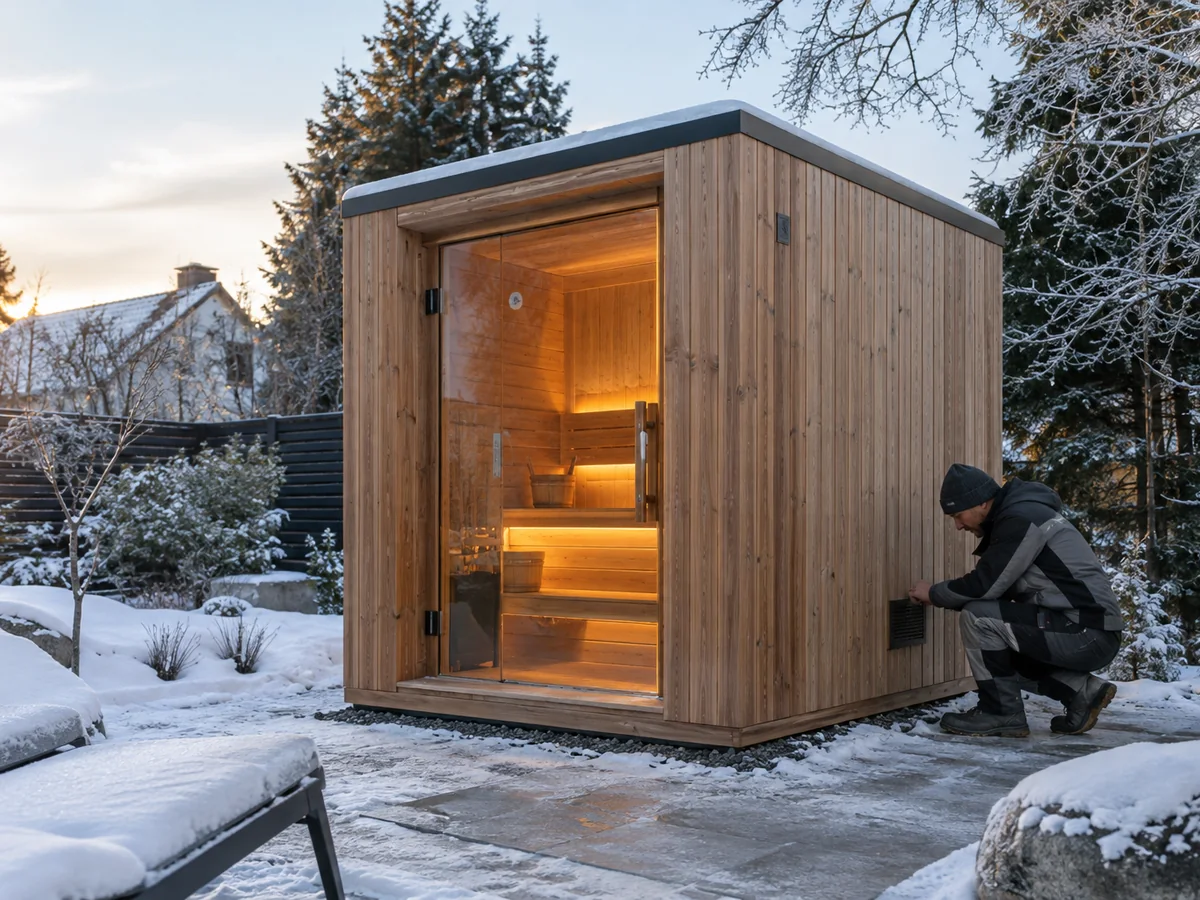
يمكن أن تغيّر الأبواب والجدران الزجاجية أساس تحديد حجم السخان بشكل جوهري. تتعامل إرشادات تحديد الحجم الحالية من HARVIA مع الزجاج والأسطح الأخرى غير المعزولة أو التي تخزن الحرارة كحمل فعّال إضافي، ولهذا قد لا تتطلب غرفتان بالحجم الهندسي نفسه اختيار السخان نفسه.
لهذا السبب يمكن أن تدفأ ساوناان لهما الأبعاد المادية نفسها بشكل مختلف. قد تكون إحداهما ذات أسطح خشبية معزولة في بيئة داخلية مستقرة؛ وقد تكون الأخرى ذات واجهة زجاجية كبيرة، وأسطح مكشوفة أكثر، وبداية باردة في الخارج.
بالنسبة للمشاريع الخارجية، قارن مسار الهيكل والسخان مع ظروف الموقع الفعلية بدلاً من نقل توقع تسخين داخلي. HACHILL’s لساونا الخارجية ينبغي تقييمها باستخدام المناخ الفعلي، والتزجيج، والمرافق، ومدخلات الموقع.
التهوية، واستخدام الباب، والحجارة، وسلوك المستشعر
يمكن أن يتغير أداء التسخين المُلاحظ أيضًا عندما يخرج الهواء من الغرفة أسرع من المتوقع، أو يُفتح الباب مرارًا، أو تعيق الحجارة تدفق الهواء عبر السخان، أو يتسبب استشعار التحكم في دورة تشغيل السخان قبل أن تصل المنطقة المشغولة المقصودة إلى هدف المشروع.
توجّه إرشادات التسخين البطيء الحالية من Harvia المستخدمين إلى فحص سعة السخان، وحالة الأحجار وترتيب تكديسها، والتهوية، وسلوك الترموستات/المستشعر، بدلاً من افتراض أن الحل الوحيد هو الانتظار مدة أطول.
لا تتجاوز جهاز الحد الأعلى، ولا تنقل مستشعر أمان خارج تعليمات المعدات، ولا تغلق التهوية المطلوبة بشكل عشوائي، ولا تعدّل الأعمال الكهربائية الثابتة سعيًا وراء زمن تسخين مسبق أسرع. استخدم توثيق السخان/وحدة التحكم الدقيق، والمهن المحلية المؤهلة عند الحاجة.
كيف تقارن ادعاءات تسخين الساونا المنشورة دون أن تُضلل
مصفوفة مقارنة ادعاءات التسخين
| المصدر / النظام | مرجع منشور | الشروط المذكورة أو الضمنية | ما يمكنك استنتاجه | ما ينبغي ألا تستنتجه |
|---|---|---|---|---|
| إرشادات Harvia السريعة للتحكم الميكانيكي | حوالي ساعة واحدة في مثال المؤقّت الخاص به | حالة استخدام سخان الساونا الكهربائي التقليدي | نحو ساعة واحدة هو مثال التخطيط المذكور من Harvia لذلك السياق الخاص باستخدام المؤقت | كل ساونا أو كل طراز Harvia يسخّن في ساعة واحدة بالضبط |
| تشخيص بطء التسخين في Harvia | عادةً 35–45 دقيقة للوصول إلى درجة الحرارة المطلوبة في سياق فحص الترموستات الخاص به | إجراء تشخيصي مع تشغيل السخان وفحص الغرفة للتحقق من سلوك التسخين الطبيعي. | يمكن أن يكون المرجع الأقصر صالحًا في سياق محدد لاستكشاف الأخطاء وإصلاحها | 35–45 دقيقة هي حد قبول عالمي لكل ساونا كهربائية |
| بنية Harvia Forte الجاهزة دائمًا | جاهزة للساونا خلال دقائق بعد اختيار HI | تُحافظ غرفة الحجر على دفئها في وضع الاستعداد | يمكن أن تغيّر حالة السخان الأولية الساعة بشكل جوهري | بضع دقائق مماثلة لسخان تقليدي يبدأ من حالة باردة |
إذا لم يستخدم ادّعاءا التسخين نفس حالة البداية، وأساس الغرفة، وبنية السخان، وحالة النهاية، وموقع القياس، فتعامل مع المقارنة على أنها ليس مكافئًا بعد.
حالة اختبار صناعية: تغيير رصّ الأحجار غيّر نتيجة الساعة الواحدة
اختبرت Harvia نفس الساونا بسعة 10 m³ والسخان بقدرة 7 kW في ظروف حجرية مختلفة
تذكر Harvia اختباراً باستخدام ساونا سعة 10 m³ مع سخان Cilindro PC70E بقدرة 7 kW. بعد ساعة واحدة، اختلفت نتيجة درجة حرارة الغرفة بنحو 10°C بين حجارة جديدة مرصوصة بإحكام وحجارة جديدة موضوعة بشكل غير محكم وفقاً لطريقة الاختبار. وعزت Harvia النتيجة الأفضل إلى تحسين تدفق الهواء عبر السخان.
لماذا يهم هذا: حتى عندما يظل حجم الغرفة وقدرة السخان كما هما، يمكن أن تغيّر الصيانة وترتيب الحجارة سلوك الإحماء. لذلك لا تُعد الساونا البطيئة تلقائيًا مشكلة سخان صغير الحجم.
حدود الأدلة: هذا اختبار HARVIA المنشور بإعدادات الغرفة والسخان والحجارة المذكورة فيه. وليس قاعدة عالمية بمقدار 10°C، وليس بيانات اختبار HACHILL.
المصدر: Harvia — تغيير أحجار الساونا يجعل الساونا تسخن بشكل أسرع.
تطبيقات القطاعات: ساونا منزلية وخارجية وتجارية
المشاريع السكنية والخارجية تتطلب هوامش تخطيط مختلفة
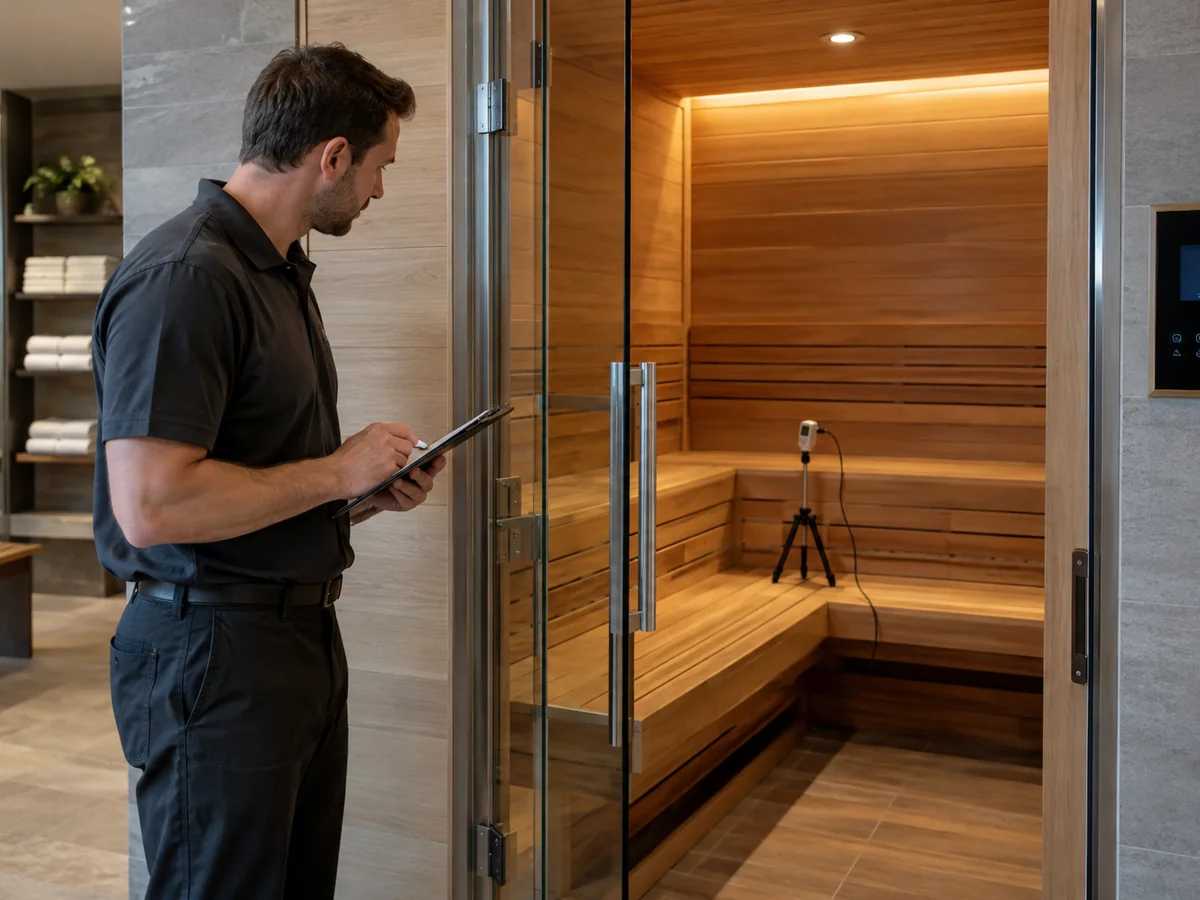
سكنية داخلية
ظروف انطلاق مستقرة
يمكن جدولة ساونا داخلية مدمجة ومعزولة مزودة بسخان كهربائي مطابق بشكل صحيح وفق روتين تسخين مسبق قابل للتكرار بعد أن يتحقق المالك من السلوك الفعلي للغرفة.
خارجية / تخييم فاخر
البدايات الباردة والتزجيج عاملان مهمان
قد تبدأ كابينة ساونا خارجية أو ساونا مكعبة من درجة حرارة أقل بكثير وقد تستخدم زجاجاً أكثر. ينبغي أن يعتمد التخطيط على ظرف الانطلاق الموسمي الفعلي بدلاً من نتيجة التشغيل في الطقس الدافئ أو نتيجة التشغيل الداخلي.
توريد للموزعين / للمشاريع
لا تبع زمناً دون أساس اختباري
بالنسبة لعروض الأسعار ومستندات المشروع، حدد السخان والغرفة والمناخ والزجاج ونقطة الاختبار وأساس القياس وراء أي بيان لتسخين مسبق بدلاً من نشر رقم واحد على مستوى الفئة.
إعادة تصميم الواجهة الزجاجية بعد اختيار السخان
الموقف: يُختار الساونا في البداية بواجهة معزولة في معظمها، ثم يتغير المشروع إلى نسبة زجاج أكبر بكثير دون إعادة فتح المراجعة الحرارية.
لماذا قد تتغير نتيجة التسخين الأولي: تتعامل إرشادات Harvia الحالية لاختيار السعة صراحةً مع الزجاج والأسطح الأخرى غير المعزولة أو المخزنة للحرارة كحمل فعّال إضافي عند اختيار السخان.
الاستجابة الصحيحة للمشروع: إعادة فتح أساس تحديد سعة السخان، والمراجعة الكهربائية/الموقعية، وخطة قبول التسخين الأولي. لا تَعِد بزمن التسخين القديم لمجرد أن الأبعاد الخارجية للغرفة لم تتغير.
تحتاج المرافق التجارية إلى بيانات التعافي، وليس فقط التسخين الأولي من البداية الباردة
تختلف الأسئلة التشغيلية في الفنادق والمنتجعات والصالات الرياضية ومرافق العافية المشتركة. قد تصل الساونا إلى نقطة الضبط الافتتاحية بنجاح ومع ذلك تواجه صعوبة بعد فتحات الأبواب المتكررة وتغيّر المستخدمين.
وهذا يعني التسخين الأولي, الثبات عند الحفاظ على الحرارة و التعافي أثناء الاستخدام يجب التعامل معها كأسئلة أداء منفصلة. يهتم المشغّل التجاري بما إذا كانت الغرفة تعود إلى حالة التشغيل المتفق عليها ضمن الجدول الفعلي، وليس فقط بما إذا وصلت إلى درجة الحرارة مرة واحدة قبل الافتتاح.
ساونا الفندق تصل إلى نقطة الضبط قبل الافتتاح لكنها تتأخر خلال فترات الذروة
لا تنتقل مباشرة إلى نقطة ضبط أعلى. قارن أولاً القراءات المتزامنة، ودورات تشغيل السخان، وأحداث فتح الباب، وحالة التهوية، ودرجات حرارة المنطقة المشغولة. قد تشير النتيجة إلى حمل الاستعادة أو التهوية أو فقدان غلاف المبنى أو الاستشعار، وليس مجرد “سخان بطيء”.”
عندما يعني بطء التسخين الأولي ضرورة استكشاف المشكلة بدلاً من الانتظار لفترة أطول
يُعد التسخين الأولي الأطول من المتوقع معلومة تشخيصية مفيدة عندما يكون أساس المقارنة معروفاً. ويصبح أقل فائدة بكثير عندما يكون التوقع الأصلي مستمداً من سخان أو غرفة أو مناخ أو نقطة قياس مختلفة.
استخدم فحص النظام قبل تغيير السخان أو نقطة الضبط
- تأكد من التوقيت: نفس درجة الحرارة المحيطة الابتدائية، ونفس الحالة المستهدفة/النهائية، ونفس نقطة القياس.
- تأكد من الغرفة: الحجم الداخلي الفعلي، والتزجيج، والعزل، والأسطح الأخرى غير المعزولة.
- تحقق من السخان: الطراز الدقيق، ونطاق الغرفة المعتمد من الشركة المصنعة، وحالة التشغيل.
- تأكيد الموقع: حالة الاستخدام الداخلي/الخارجي والظروف المحيطة الموسمية التمثيلية.
- أكّد مسار الهواء: ترتيب تهوية معتمد، وحالة الباب، وتسريب واضح.
- تحقق من الأحجار: النوع الصحيح، والحالة، والموضع وفقًا لتعليمات السخان.
- تأكيد أدوات التحكم والاستشعار: موضع المستشعر المعتمد والسلوك الطبيعي لوحدة التحكم/جهاز الحماية.
- أعد اختبار نفس القدرة الحرارية: بعد تصحيح موثّق، أعد نفس حالة البدء وطريقة القياس.
السخان الدقيق غير معروف، أو تغير الزجاج/العزل بعد الاختيار، أو لم تُسجل ظروف البدء الخارجية، أو تحركت نقطة القياس، أو تغيرت التهوية أو استخدام الباب، أو تنطلق أجهزة الحماية، أو تعتمد المقارنة على ظروف غرفة/اختبار شركة مصنعة أخرى.
لمراجعة على مستوى المشروع، سجّل المعلومات أدناه قبل طلب التزام بزمن الإحماء أو توصية لاستكشاف الأخطاء وإصلاحها.
| إدخال | سجل | لماذا يهم |
|---|---|---|
| الغرفة | الأبعاد الداخلية النهائية، والأسطح الزجاجية/غير المعزولة، وأساس العزل | يحدد الحمل الحراري الذي يتم تسخينه |
| السخان | الطراز الدقيق وتكوين التحكم/المستشعر وحالة التشغيل | يمنع المقارنات على مستوى الفئة |
| البدء | درجة الحرارة المحيطة، وحالة الغرفة/الحجر، وحالة الباب والتهوية | يحدد الزمن صفر |
| النهاية | معيار الهدف المعلن أو الجاهزية للاستحمام | يحدد متى تتوقف الساعة |
| القياس | الجهاز والموقع الثابت | يبقي الاختبارات المعادة قابلة للمقارنة |
| الفعاليات | فتحات الأبواب، واستخدام الماء، وتغييرات التحكم، والإنذارات أو الانقطاعات | يفسّر الاضطرابات في المنحنى |
ابدأ بـ HACHILL’s مسارات منتجات الساونا، ثم أرسل الأبعاد الداخلية النهائية، والتزجيج، وأساس العزل، ومناخ الموقع، وتفضيل السخان، والإمداد الكهربائي المتاح، وحمل التشغيل المقصود، وطريقة الاختبار المقترحة عبر مسار عرض سعر المشروع. يجب ربط أي هدف تسخين أولي للمشروع بالتكوين المختار وشروط القبول المعلنة، لا بوعد فئة عام.
تستخدم هذه المقالة مواد الدعم الحالية من الشركة المصنّعة ومواد الاختبار المنشورة من الشركة المصنّعة لشرح كيفية تفسير ادعاءات تسخين الساونا الكهربائية التقليدية. تُعرَّف الاختبارات الخارجية بأنها اختبارات خارجية؛ وتُعرَّف السيناريوهات التوضيحية بأنها سيناريوهات. لا تدّعي هذه المقالة وجود نتائج اختبار مستقلة لتسخين HACHILL، أو نتائج عملاء، أو مراجعة طبيب، أو أداء سخّان شامل.
- Harvia — إرشادات سريعة للسخان للطرازات ذات عناصر التحكم الميكانيكية
- Harvia — الساونا تسخن ببطء
- Harvia — ترتفع حرارة الساونا بسرعة، لكن الأحجار ليست ساخنة بما يكفي
- Harvia — اختيار قدرة السخان: حجم الغرفة والأسطح غير المعزولة
- Harvia — اختبار إحماء منشور وفق حالة الحجر
- Harvia — سخان Forte Ever-Ready: بنية مختلفة لحالة البدء
فحص الأدلة: 26 سبتمبر 2026. يمكن أن تتغير تعليمات المصنّع ووثائق الموديل؛ تحقق من الوثيقة الحالية للمعدات الدقيقة قبل اعتبار زمن التسخين الأولي متطلبًا لقبول المشروع.