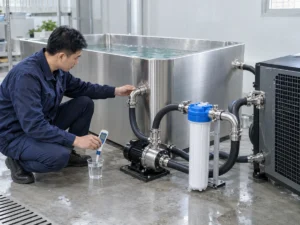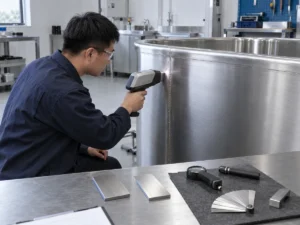
Инженерное руководство по материалам чаши холодной купели
Сравнение материалов для брендов, дистрибьюторов, специалистов по спецификациям и покупателей коммерческих проектов.
Прямой ответ: Не существует универсально лучшего материала для купели холодного погружения. Нержавеющая сталь может обеспечить прочный сварной водонепроницаемый контур, но марка сплава, зачистка сварных швов, геометрия зазоров, химический состав воды и изоляция всё ещё определяют результат. Акриловые и стеклопластиковые/композитные системы могут обеспечивать формованные формы и неметаллические смачиваемые поверхности, но опору, конструкцию ламината, совместимость с очистителями, воздействие УФ и метод ремонта необходимо проверять. Ротационно-формованные полимерные купели добавляют ещё один цельный формованный вариант, у которого смола, конструкция стенок, изоляция и фитинги зависят от изделия. Термодревесина обычно является вариантом наружной обшивки или отделки в гибридных купелях, а не доказательством водоудерживающей оболочки. Сравнивайте полную конструкцию с фактической водой, очисткой, наружным воздействием, коммерческой нагрузкой и планом обслуживания.
Полезный для покупателя результат — это спецификация материалов, которая разделяет внутреннюю облицовку, контактирующую с водой, несущую конструкцию, теплоизоляцию, наружную обшивку, крепёж, уплотнения и отделку, а затем связывает каждый слой с подтверждающими данными, проверками и техническим обслуживанием. Один только материал корпуса не определяет теплотехнические показатели, коррозионную стойкость, ремонтопригодность, срок службы или эксплуатационные расходы. Поэтому данное руководство сравнивает логику принятия решений, а не публикует неподтверждённые заявления HACHILL о сроке службы, скорости коррозии, толщине или сертификации.
Область применения страницы: эта статья отвечает за сравнение материалов купели для холодных погружений на уровне системы. Отдельный запрос 304 против 316, точный сплав или толщина модели, статус сертификации продукта, выбор полной системы холодных погружений и варианты отделки для конкретной модели остаются за их выделенным материалом, коммерческая закупка или записи о продукции.
На этой странице
- Сравните основные варианты материалов для холодной купели
- Сравнивайте систему материала, а не отдельную маркировку поверхности
- Определяйте условия эксплуатации до выбора предпочтительного материала
- Проверяйте марку нержавеющей стали и состояние поверхности, не полагаясь на внешний вид
- Проверяйте сварные швы, цвет побежалости, зазоры, дренаж и документацию по пассивации
- Сравните акриловые, стеклопластиковые, композитные и ротационно-формованные полимерные системы
- Рассматривайте Thermowood и другие облицовочные материалы как влагозащитную оболочку
- Проверяйте крепеж, разнородные металлы, уплотнения и проходы как отдельные материалы
- Связывайте записи о химии воды и очистке с расследованием материалов
- Нормализуйте нагрузку на жизненный цикл без выдумывания срока службы или стоимости
- Создайте прослеживаемый план отбора образцов и производственного контроля
- Контролируйте замены материалов и изменения ревизий
- Оценивайте доказательства по материалам по охвату, прослеживаемости и независимости
- Разделяйте косметические отклонения, производственные дефекты и эксплуатационные повреждения при приемке
- Составьте запрос предложения (RFQ), который делает допущения по материалам сопоставимыми
Сравните основные варианты материалов для холодной купели
Используйте заявленный материал только как первый фильтр. При решении о закупке следует сравнивать, как материал работает в готовой купели, какие воздействия могут изменить его характеристики и какие доказательства доступны для точной заказанной конструкции.
Материалы купели для холодного погружения: быстрое сравнение для покупателя
| Маршрут материалов | Что это может предложить | Что должны проверить покупатели | Типичная ошибка при сравнении |
|---|---|---|---|
| Нержавеющая сталь | Сварной металлический вкладыш или корпус с доступными для проверки соединениями и определённым маршрутом сплава/отделки | Точный класс, состав компонентов, обработка сварных швов, состояние поверхности, щели, дренируемость, изоляция и ограничения по химическому составу | Предположение, что только 304 или 316 предсказывает коррозионную стойкость, гигиеничность, срок службы или сохранение холода |
| Акрил / стеклопластиковый композит | Формованная геометрия с полимерной поверхностью, контактирующей с водой, и отдельными слоями армирования/опоры | Идентичность поверхности, подложка/ламинат, поддержка каркаса, ограничения по очистителям и УФ, проходки, метод ремонта и изоляция | Трактовка “акрила” или “стеклопластика” как полной спецификации конструкции |
| Ротационно формованный полимер | Цельноформованный корпус, который в зависимости от конструкции может объединять форму, полости стен или изоляцию | Марка полимера, конструкция стенки/пены, декларация УФ, фитинги, поддержка, ограничения по очистителям и маршрут ремонта/замены | Предположение, что все формованные пластики одинаково ведут себя при УФ-воздействии, ударе, теплоизоляции или химическом воздействии |
| Гибрид с обшивкой из термодревесины | Внешний вид и тактильные свойства дерева, тогда как отдельный вкладыш выполняет функцию удержания воды | Фактический вкладыш, порода/модификация древесины, задняя вентиляция, дренаж, крепёж, отделка, заменяемость и инструкции по обслуживанию | Рассмотрение наружной древесины как водонепроницаемого барьера или как наружной конструкции, не требующей обслуживания |
Правило выбора: выберите вариант, полная конструкция которого документирована для условий проекта и задачи по очистке, осмотру и ремонту которого оператор действительно может поддерживать. Если поставщик не может определить слои, стоящие за маркетинговым обозначением материала, сравнение все еще не завершено.
Сравнивайте систему материала, а не отдельную маркировку поверхности
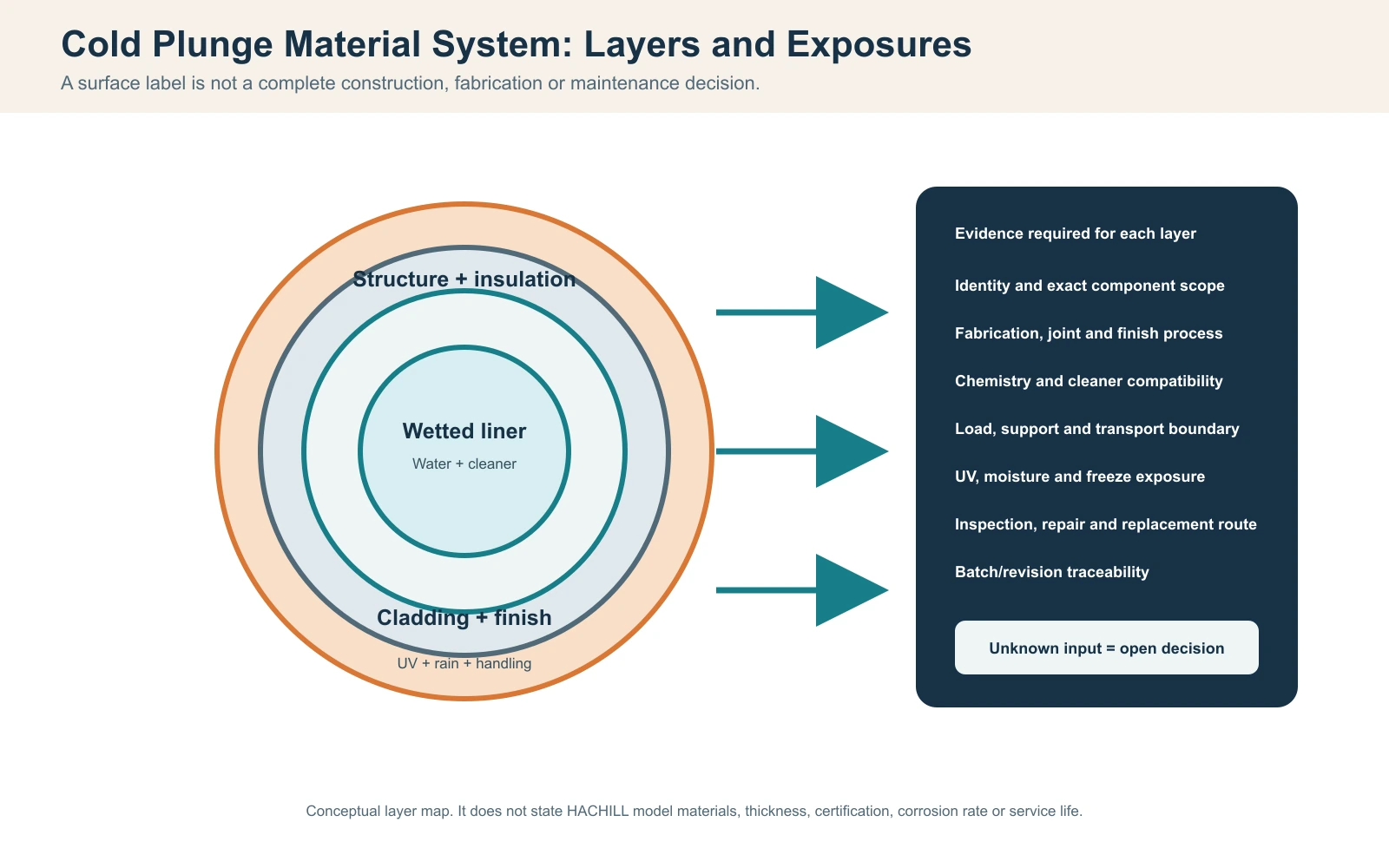
Решение по материалу для холодной купели должно разделять влажный вкладыш, несущую конструкцию, изоляцию, внешнюю облицовку, крепеж, уплотнения, проходы и отделку. Эти слои подвергаются разным условиям воздействия воды, химикатов, УФ-излучения, температуры, нагрузки и обслуживания. Корпус, похожий на нержавеющую сталь, не доказывает сплав, толщину, обработку сварных швов или пассивацию, а маркировка Thermowood обычно описывает внешний маршрут, а не водонесущую конструкцию.
Начните с условий эксплуатации и последствий отказа, затем запросите подтверждение точной заказанной конфигурации. В решении должно быть указано, какой слой выполняет какую функцию, каким воздействиям он подвергается, как он изготовлен и очищается, какой документ подтверждает заявление, и какая проверка допускает производство и поставку. Общее преимущество материала не может закрыть интерфейс, который остается неуточненным.
Карта материалов для купели с холодной водой
| Слой | Основная функция | Вопросы о воздействии | Подтверждающие документы |
|---|---|---|---|
| Влажный слой (лайнер) | Удерживать воду и обеспечивать очищаемую поверхность | Химия, отложения, чистящие средства, температура и слив | Точный график материалов/покрытий и запись изготовления |
| Структура/опора | Переноска воды, пользователя и эксплуатационных нагрузок | Точечные нагрузки, влага, подвижки и транспортировка | Согласованный чертёж опорной конструкции и запись о материалах |
| Теплоизоляция/ограждение | Ограничение теплопритоков и управление конденсатом | Циклы увлажнения и высыхания, поведение закрыто-/открытоячеистых материалов и доступ | Деталь сечения и согласованная конструкция |
| Обшивка | Наружная отделка и защита | УФ-излучение, дождь, брызги, вентиляция и очистка | Точный вид/система, отделка и инструкции по уходу |
| Крепеж/уплотнения | Соединение и изоляция интерфейсов | Зазоры, гальванический контакт, химическое воздействие и замена | Спецификация материалов, контроль совместимости и замен |
| Финишная отделка | Состояние поверхности и внешний вид | Истирание, ремонт, цвет побежалости, покрытие и вариативность | Утвержденный образец и измеримые критерии приемки |
Правило выпуска: Идентичность материала, качество изготовления и условия эксплуатации — отдельные этапы. Прохождение одного не подтверждает остальные.
Определяйте условия эксплуатации до выбора предпочтительного материала
Составьте реестр воздействий для водной стороны, внешней поверхности и мест соединений. Зафиксируйте подход к дезинфекции или обеззараживанию, штатную и аварийную химию воды, добавление хлоридов или соли, колебания качества исходной воды, чистящие средства, нагрузку от солнцезащитных кремов и масел с тела, периодичность слива/заполнения и периоды простоя. Отдельно учитывайте размещение внутри или снаружи помещения, прибрежный воздух, прямое УФ-излучение, дождь, воздействие циклов замерзания и оттаивания, влажность, стоячую воду и вентиляцию за облицовкой.
Используйте определённую проектом матрицу оценки воздействия, а не выдуманные скорости коррозии или прогнозы срока службы. Ранжируйте вероятность и последствия по чётко названным категориям, фиксируйте доказательства, лежащие в основе каждой оценки, и заранее определите, какие выводы требуют доказательств более высокого уровня, изменения проекта или экспертной проверки. Эта матрица — только инструмент приоритизации; она не прогнозирует годы службы. Пороговые значения должны устанавливаться проектной командой и сверяться с инструкциями модели, проектом химической обработки и местными условиями.
Реестр экспозиции иллюстративных материалов
| Воздействие | Исходные данные проекта | Затронутые слои | Требуемое решение |
|---|---|---|---|
| Хлориды/соли | Исходная вода, добавки, динамика концентрации и разбрызгивание | Вкладыш, сварные швы, крепёж и фурнитура | Совместимость сплавов/материалов/химического состава |
| Дезинфицирующее средство и pH | Нормальный диапазон, реакция на отклонения и точка дозирования | Все контактирующие с водой материалы и уплотнения | Ограничения поставщика плюс контроль оператора |
| Чистящие химикаты | Средство, разведение, время контакта, ополаскивание и инструменты | Поверхность, покрытие, уплотнения и облицовка | Одобренное чистящее средство и процедура |
| Прибрежная зона/УФ/погода | Расстояние/воздействие, укрытие, солнце и дождь | Обшивка, фурнитура и внешняя отделка | Защита, дренаж и маршрут обслуживания |
| Заморозка/влажно-сухие условия | Климат, отключение и слив воды | Вкладыш, стыки, утепление и места подключения труб | Защита и правила остановки для конкретной модели |
| Коммерческая эксплуатация | Пользователи, циклы очистки и влияние доставки | Поверхность, опора и заменяемые детали | План эксплуатации, осмотра и ремонта |
Оставляйте неизвестные исходные данные видимыми. Если тенденция по хлоридам, выбор чистящего средства или наружное укрытие не определены, выбор материала является условным, а не утвержденным. Не классифицируйте неизвестное воздействие как низкий риск только потому, что данные не были предоставлены.
Проверяйте марку нержавеющей стали и состояние поверхности, не полагаясь на внешний вид
304 и 316 — это семейства сплавов, а не полные утверждения о долговечности. Более коррозионностойкий вариант может подходить для некоторых воздействие хлоридов или прибрежных условий, но ни один из них не является универсально коррозионностойким. Состояние поверхности, загрязнение при изготовлении, геометрия зазоров, отложения, химический состав воды, использование чистящих средств и обслуживание могут определять локальное поведение. Точные заявления о марке требуют подтверждения для конкретного заказа.
Укажите используемую систему обозначений, объём компонентов и требуемые доказательства. Сертификат испытаний проката может связать плавку или партию с химическим составом и механическими данными, но только если прослеживаемость связывает этот материал с заказанным компонентом. Ручной тест положительной идентификации материала может подтвердить идентичность при проведении компетентной стороной с документированным методом, однако он не доказывает толщину, пассивацию, качество сварных швов или будущую коррозионную стойкость.
Различайте матовую, полированную, пескоструйную, покрытую и другие виды обработки поверхности по измеримым критериям или по утверждённым образцам. Визуальный образец определяет внешний вид в заявленных условиях освещения и обзора, а не скрытую конструкцию. Фиксируйте направленность обработки, допустимые отклонения, удаление защитной плёнки и метод устранения следов транспортировки.
Проверяйте сварные швы, цвет побежалости, зазоры, дренаж и документацию по пассивации
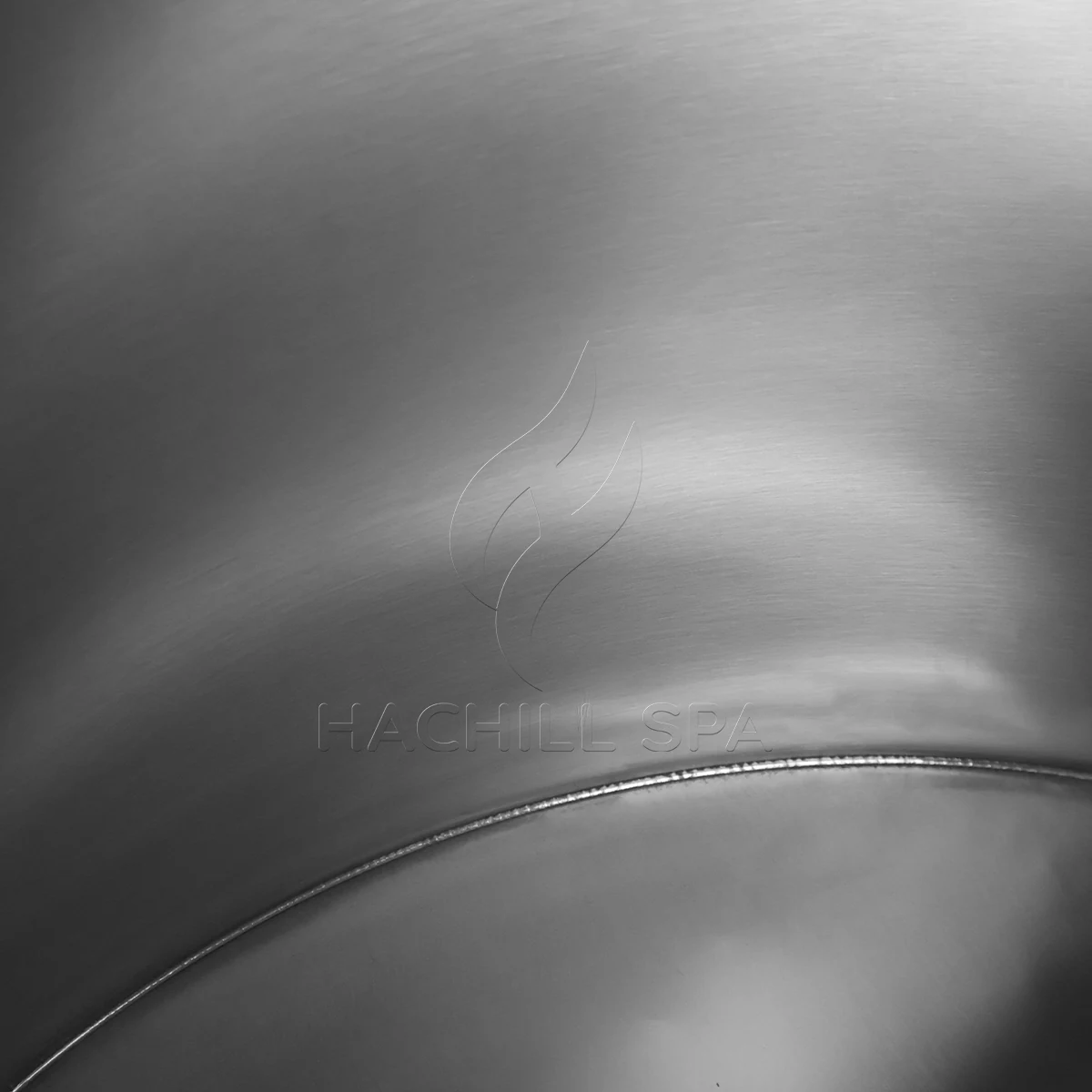
Сварная конструкция из нержавеющей стали создаёт зоны термического влияния, геометрические переходы и потенциальные точки загрязнения. Руководство Nickel Institute по изготовлению и очистке после изготовления является подходящим техническим источником фона для этой границы изготовления. План изготовления должен определять совместный доступ, профиль сварки, удаление тепловой тонировки, последовательность шлифования или полировки, очистку, маринование или пассивацию, где указано, промывку и окончательную защиту. Одного лишь названия процесса недостаточно; объемы государственного производства, пересмотр процедуры и доказательства принятия.
Проверяйте сливы, отверстия, углы, фитинги и детали ватерлинии на наличие щелей и застойной жидкости. Способность к сливу — это свойство конфигурации: заполните выровненный агрегат по утверждённой методике, слейте воду предусмотренным способом, затем зафиксируйте места остаточной воды и утверждённый метод удаления/сушки. Не обещайте полный слив на основании фотографии или одного сливного фитинга.
Приёмочная документация должна связывать любые записи о травлении или пассивации с проверкой слива/остатков воды, проведённой при свидетеле, для той же производственной версии. Одна запись о процессе не может заменить другую.
График подтверждения изготовления из нержавеющей стали
| Характеристика | Подтверждение до начала производства | Приёмка/входной контроль |
|---|---|---|
| Основной материал | Марка, область применения компонентов и требования к прослеживаемости | Соответствие идентификации и документов |
| Сварные швы | Процедура, критерии качества выполнения и доступная отделка | Визуальное состояние и утверждённые свидетельства НК/проверки на герметичность при необходимости |
| Термический налёт/оксидная плёнка | Метод удаления и зона воздействия | Отсутствие недопустимой остаточной окраски по согласованным критериям |
| Травление/пассивация | Заданный процесс, химия/контроль и запись | Сертификат/запись соответствует компоненту и ревизии |
| Щели/сливы | Проверка деталировочного чертежа и возможности очистки | Контроль слива и остаточных загрязнений в присутствии заказчика |
| Финишная поверхность | Утвержденный образец, критерий шероховатости/чистоты поверхности, если требуется | Освещение, дистанция осмотра и классификация дефектов |
Инженерный сценарий: полированный образец проходит, но производственные сварные швы окрашиваются
Наблюдаемая проблема: Утвержденный плоский образец выглядит однородным, а на изготовленных углах позже появляются локальные обесцвечивания или отложения.
Вероятная причина: Утверждение образца касалось только внешнего вида и не учитывало тепловой оттенок сварных швов, геометрию зазоров, финишную очистку или химический состав воды на объекте.
Как проверить: Сравните производственную запись сварки/техпроцесса, качество обработки зоны термического влияния, способность к сливу, историю воды и используемые моющие средства с утвержденными критериями.
Меры по предотвращению или устранению: Утвердите репрезентативный изготовленный образец и технологический маршрут, затем проверьте те же характеристики в производстве.
Сравнение акриловых, стеклопластиковых, композитных и ротационно формованных полимерных систем по опорным элементам и ремонтопригодности
Симптомы со стороны грудной клетки, обморок, внезапная спутанность сознания, тяжёлое затруднение дыхания, неконтролируемая дрожь, потеря координации или неспособность безопасно выйти — это причины прекратить воздействие и воспользоваться соответствующей экстренной или медицинской помощью. U.S. National Weather Service описывает холодовой шок как вызывающий резкие изменения дыхания, сердечного ритма и артериального давления, а MedlinePlus перечисляет спутанность сознания, неконтролируемую дрожь, слабость и потерю координации среди симптомов гипотермии.
Запросите ограничения по очистителю, санитайзеру, растворителю, УФ и температуре для точной конструкции. Технические данные для изделий из PMMA, например, показывают, что химическая стойкость зависит от химического вещества и условий контакта; это причина проверить фактический материал купели и руководство, а не переносить ограничения другого поставщика акрила (supplier’s limits) на заказанную оболочку. Концентраты, несовместимые растворители, абразивные инструменты, неподдерживаемые пролёты и точечные нагрузки могут создавать иные виды отказов, чем нормальные разбавленные рабочие условия.
Ротационно формованные изделия добавляют ещё один вариант: подтвердите обозначение полимера, конструкцию стенки, детали пены или полости, заявление о стойкости к УФ, усиление фитингов и метод замены или ремонта. Формованный корпус может уменьшить количество швов, но фитинги, дренажи, порты и аксессуары остаются интерфейсами, требующими осмотра.
Определите классы ремонта перед покупкой. Поверхностный польский, акриловый ремонт, ремонт гелькоата, ремонт ламината или замена формованной оболочки имеет разные компетенции, потребности в материалах и проверке. Покупатель должен знать, какой ущерб является косметическим, что требует структурного анализа, достижима ли цветовая гамма и какая послеремонтная утечка или проверка целостности требуется.
Запись сравнения полимеров и композитов
| Вопрос | Акриловое решение | Стекловолокно/композитное решение | Вариант из ротационно-формованного полимера | Документация |
|---|---|---|---|---|
| Слой, контактирующий с водой | Идентификация листа/поверхности и условия формования | Система смолы, гелькоута или лайнера | Обозначение полимера и формованная поверхность | Точный график строительства |
| Поддержка | Каркас, основание и неподдерживаемые пролёты | Жёсткость ламината, рёбра и каркас | Геометрия стены, опора основания и путь нагрузки при заполнении | Утвержденный чертеж опоры или исполнительная документация |
| Химические ограничения | Ограничения по чистящим, дезинфицирующим средствам и растворителям | Совместимость смолы/покрытия и промывка | Ограничения по чистящим средствам, дезинфицирующим средствам и растрескиванию под напряжением, где заявлены | Руководство или декларация материалов для конкретной модели |
| УФ/наружное применение | Предел воздействия и защита | Путь выветривания смолы/покрытия | УФ-формуляция, покрытие/защита и декларация об использовании на открытом воздухе | Заявленное применение и условия воздействия на объекте |
| Ремонт | Классификация царапин/трещин и утверждённый метод | Косметический ремонт и ремонт ламината | Утвержденный способ ремонта пластика или замены компонента | Инструкция по ремонту и приёмочная проверка |
| Приёмка | Деформация, трещины и дефекты поверхности | Индикация удара, расслоения и состояние покрытия | Деформация, ударные повреждения, повреждения фитингов и состояние стенки | Согласованные критерии осмотра/дефектов |
Рассматривайте Thermowood и другие облицовочные материалы как влагозащитную оболочку
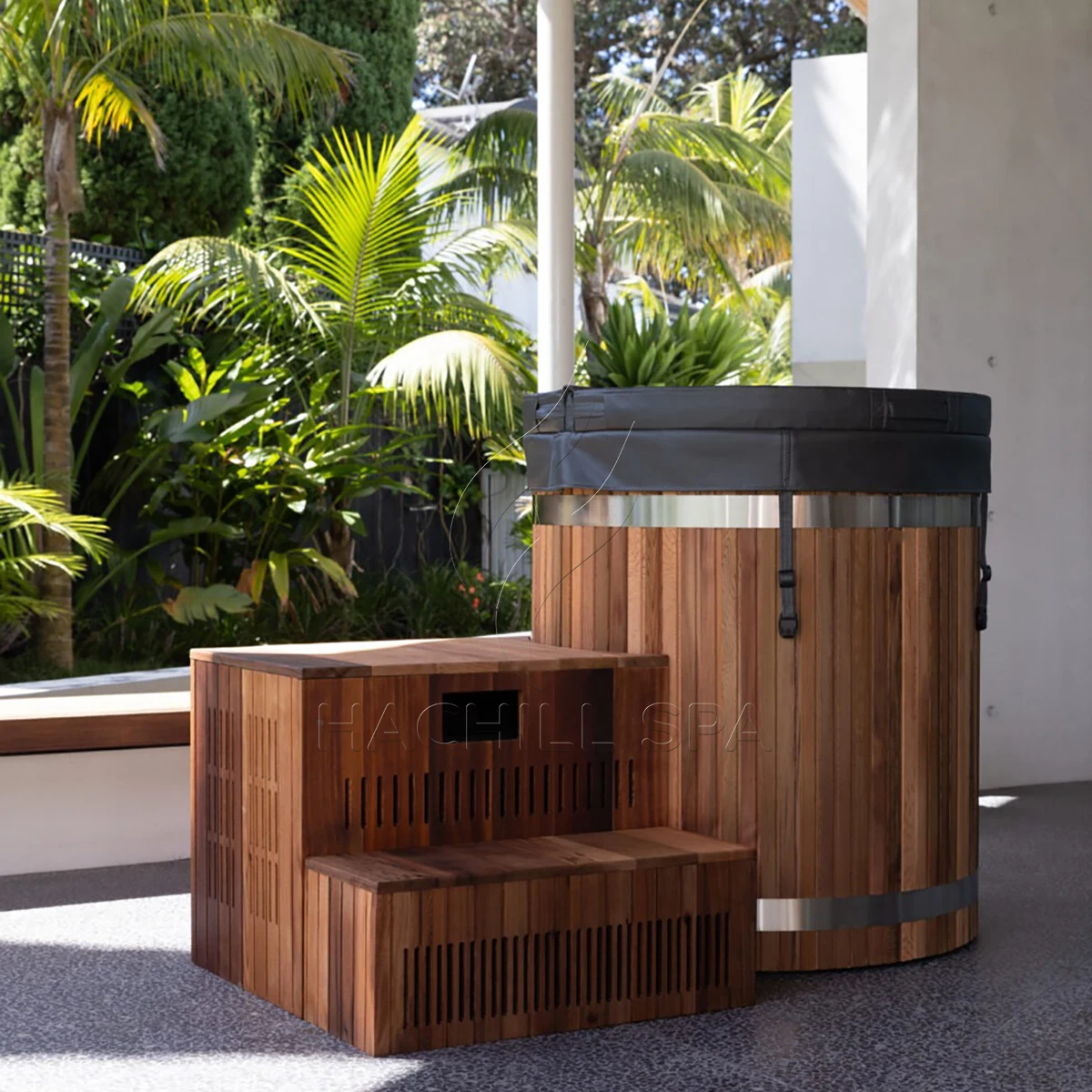
Наружная древесина меняет внешний вид, тактильные ощущения и позиционирование бренда, но ее не следует путать с мокрым лайнером, если точная конструкция не говорит об обратном. Проверьте породу или способ модификации, влажность при изготовлении, профиль доски, обработку торцов, заднюю вентиляцию, зазор от основания, крепеж, покрытие или масло, возможность замены и доступ к конструкции за ней.
Воздействие погоды может изменить внешний вид наружной древесины и её влажностное состояние, а повторяющееся увлажнение и высыхание повышают важность дренажа, вентиляции и проработки соединений. The Международная ассоциация ThermoWood определяет классы продуктов ThermoWood для разных условий применения, включая наружную обшивку, и направляет пользователей к техническим рекомендациям по конкретному продукту. The Справочник по древесине Лесной лаборатории Министерства сельского хозяйства США предоставляет более широкую справочную информацию о влажности древесины и изменении размеров. Точная порода, класс модификации, система отделки и инструкции по продукту по-прежнему имеют определяющее значение. Не указывайте универсальный интервал обслуживания.
Зафиксируйте облицовку как оболочку с управлением влажностью, включая заднюю вентиляцию, дренаж основания, воздействие на торцы и маршрут для осмотра или замены досок.
Для актуальных вариантов семейства продуктов, использующих этот наружный маршрут, ознакомьтесь с Линейка HACHILL Thermowood для холодного погружения; данное руководство по материалам по-прежнему отвечает за сравнение разных материалов.
Инженерный сценарий: наружные доски обесцвечиваются у основания
Наблюдаемая проблема: Нижняя облицовка темнеет и остается влажной после того, как остальная часть ванны высыхает.
Вероятная причина: Брызги, стоячая вода, заблокированная задняя вентиляция или отсутствие зазора от основания не были включены в обзор материалов.
Как проверить: Проверьте сток, заднюю полость, торцы, крепеж, записи о покрытии, чистящие средства и дренаж участка.
Меры по предотвращению или устранению: Исправьте путь влаги, замените или отремонтируйте только в соответствии с утвержденным методом и пересмотрите триггеры осмотра.
Проверяйте крепеж, разнородные металлы, уплотнения и проходы как отдельные материалы
Смешанные сборки могут выходить из строя на стыках, даже если каждый основной материал приемлем. Составьте карту всех мокрых и подверженных влаге крепежей, петель, сливов, фитингов, карманов датчиков, герметиков, прокладок, клеев и декоративной отделки. Запишите материал, покрытие, изоляцию, возможность замены и воздействие чистящих средств. Номинально похожие металлы все еще могут создавать зазоры, в то время как разнородные металлы могут требовать изоляции и дренажа.
Герметики и клеи должны быть совместимы с химическим составом воды, чистящими средствами, температурой и движением швов. Утверждение, что герметик водонепроницаем, не доказывает адгезию к выбранной подложке или устойчивость к химикатам объекта. Используйте данные поставщика и репрезентативные доказательства по швам, где интерфейс критичен.
Связывайте записи о химии воды и очистке с расследованием материалов
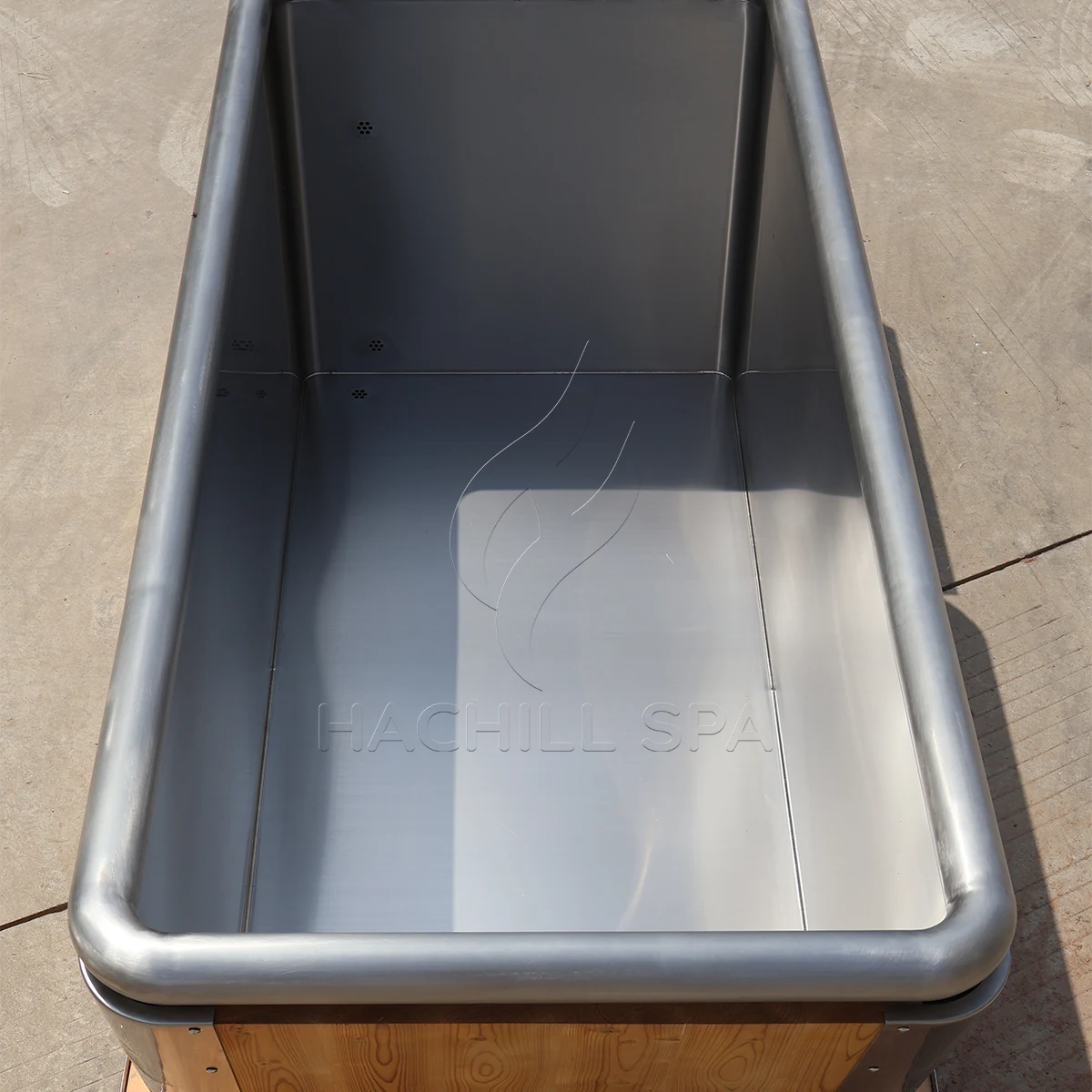
Для обсуждения гарантии на материал и выявления первопричин необходим журнал эксплуатации. Фиксируйте исходную воду, дату заполнения, метод дезинфекции или обработки, pH и другие поля, требуемые моделью/руководством, события дозирования, необычные показания, слив/долив, чистящее средство, разведение, время контакта, ополаскивание, инструменты и оператора. Для коммерческого использования регистрируйте завершение и корректирующие действия, если условия воды или очистки выходят за утвержденные границы.
При расследовании окрашивания, точечной коррозии, изменения покрытия, растрескивания, набухания или повреждения уплотнений используйте синхронизированные доказательства. Фотографируйте местоположение и масштаб, фиксируйте соотношение с ватерлинией, отложения, состояние нижней стороны и щелей, идентифицируйте точный компонент и партию, сохраняйте историю химии и очистки. Одна фотография не позволяет отличить загрязнение при изготовлении, рабочую химию, внешнее воздействие или повреждение при обслуживании.
История очистки должна указывать продукт, разведение, время контакта, ополаскивание, инструмент, оператора и любые отклонения, а не только факт очистки ванны.
Для рутинной фильтрации, санитарной обработки и практики обслуживания воды перейдите к Руководство по уходу за водой в холодной купели; этот раздел остаётся ограниченным доказательствами и исследованием состояния материала.
Журнал исследования состояния материала
| Запись | Метод/источник | Почему это важно |
|---|---|---|
| Идентификация компонента | Модель, серийный номер, партия, спецификация и ревизия чертежа | Связывает состояние с точной материальной системой |
| Местоположение/внешний вид | Фотографии с масштабом, ватерлиния и прилегающие интерфейсы | Отделяет локальную геометрию от общего воздействия |
| История воды | Прибор, результат, время, корректирующее действие | Проверяет гипотезу о химии и соблюдение границ |
| История очистки | Продукт, разведение, контакт, ополаскивание, инструмент и оператор | Проверяет гипотезы о совместимости и неправильном использовании |
| Внешнее воздействие | УФ, прибрежный воздух, дождь, замерзание и укрытие | Проверяет причины, не связанные с водой |
| Доказательства изготовления | Записи о материалах, сварке, отделке и ремонте | Проверяет гипотезы производственного процесса |
| Сохранённый образец | Контролируемый образец/вырезка, если согласовано | Позволяет проводить независимые испытания без разрушения доказательств |
Нормализуйте нагрузку на жизненный цикл без выдумывания срока службы или стоимости
Сравните маршруты обработки материалов за заявленный плановый период, используя одинаковый набор задач и границы трудозатрат. Укажите осмотры, плановую очистку, удаление отложений, полировку или финишную обработку, замену уплотнений или отделки, специализированный ремонт, время простоя и расходные материалы. Используйте ставки оплаты труда на объекте только в том случае, если они предоставлены покупателем; в противном случае укажите объёмы работ в единицах и открытые поля затрат.
Упорядочивайте работы по задаче, а не по вымышленному утверждению о сроке службы. Прозрачный метод планирования — годовая нагрузка = сумма(частота задачи x измеренная или утверждённая продолжительность задачи) + время доступа/подготовки. Оставляйте частоту и продолжительность открытыми, пока их нельзя будет подтвердить инструкциями модели, репрезентативными испытаниями с хронометражем или историей объекта. Не превращайте меньшую предварительную рабочую нагрузку в гарантированно меньшие затраты за срок службы.
Таблица объёма работ по техническому обслуживанию жизненного цикла
| Задача | Основание для определения частоты | Источник данных/времени | Эксплуатационное последствие |
|---|---|---|---|
| Осмотр | Ручной осмотр, воздействие и ранние результаты на объекте | Периодический представительный осмотр | Позволяет выявить коррозию, трещины, влагу или изменение уплотнения |
| Плановая очистка | СОП по эксплуатации и уходу за водой | Пробное испытание очистки/ополаскивания/сушки по времени | Окно трудозатрат и закрытия объекта |
| Работы по осаждению/финишной отделке | Наблюдаемый триггер, а не предполагаемый календарный | Утвержденный метод и измеренное испытание | Внешний вид и состояние поверхности |
| Обработка облицовки | Триггер воздействия и утвержденной отделки | Запись, специфичная для объекта | Окно доступа, сушки и погодных условий |
| Ремонт/замена | Класс дефекта и утвержденный маршрут | Доказательства от поставщика/местного сервиса | Запчасти, компетенции и время простоя |
| Документация | Коммерческое/эксплуатационное требование | Фиксировать и анализировать время | Поддержка гарантии, контроля качества и споров |
Создайте прослеживаемый план отбора образцов и производственного контроля
Утверждайте образцы по назначению. Образец цвета/текстуры, сварной образец, контрольный образец соединения, образец покрытия и полное первое изделие отвечают на разные вопросы. Маркируйте каждый образец с указанием продукта, материала, покрытия, процесса, даты и ревизии; фиксируйте освещение и расстояние просмотра для оценки внешнего вида. Маркетинговое изображение не является контролируемым эталоном.
Определите проверку входящих материалов, контроль в процессе производства, утверждение первого изделия, выборочный контроль партий, финальную инспекцию и проверку документации. План должен указывать метод контроля, объем выборки или периодичность, классификацию дефектов, орган, принимающий решение, и срок хранения записей. Если требуется разрушающий контроль, укажите, кто предоставляет контрольные образцы и как они представляют производство.
Образец материала и план контроля производства
| Контрольная точка | Запись | Правило выпуска/задержки |
|---|---|---|
| Входящий материал | Идентификация, партия поставщика, сертификат и прослеживаемость | Несоответствие или отсутствие требуемых доказательств приостанавливает использование |
| Первое изделие | Репрезентативный сварной шов/соединение/покрытие и ревизия процесса | Утверждение покупателем/поставщиком перед продолжением партии |
| В процессе производства | Проверка цвета побежалости, покрытия, загрязнений, опор и интерфейсов | Устранить причину до того, как затронутые работы будут скрыты |
| Финальный внешний вид | Утвержденный образец, освещение/расстояние и класс дефектов | Отделите косметические отклонения от функциональных дефектов |
| Функциональный | Испытания на герметичность, дренируемость и конфигурационные испытания | Отказ изолирует затронутый узел/партию согласно плану |
| Пакет документации | Ревизия спецификации, сертификаты, отклонения и ремонт | Задержка отгрузки до завершения необходимых записей |
Контролируйте замены материалов и изменения ревизий
Для заказов под собственной торговой маркой и проектных заказов требуется письменный процесс замены. Предлагаемое изменение источника сплава, древесины, смолы, покрытия, крепежа, герметика, изоляции или отделки должно указывать причину, затронутые модели/партии, основание эквивалентности, влияние на совместимость, внешний вид, испытания и документы, требующие пересмотра. “Эквивалентность” — это вывод, который необходимо продемонстрировать, а не закупочная маркировка.
Поставщик предлагает и предоставляет доказательства; покупатель или назначенный технический орган утверждает контрактное изменение; соответствующие монтажники и операторы информируются; квалифицированные местные рецензенты при необходимости переоценивают регулируемые интерфейсы. Давление срочной доступности не отменяет эту последовательность. Несанкционированная замена является несоответствием, даже если готовое изделие выглядит аналогично.
Матрица ответственности за контроль изменений материалов
| Решение | Ведущий | Требуемая производительность |
|---|---|---|
| Границы воздействия и эксплуатации | Покупатель/оператор с привлечением специалистов по обработке и объекту | Согласованные среда, химия и чистящие средства |
| Предложение по материалам/конструкции | Инжиниринг/производство поставщика | Точный график, процесс и доказательства |
| Предложение по замене | Поставщик | Досье о влиянии/эквивалентности и затронутый объем |
| Коммерческое/техническое согласование | Уполномоченное лицо покупателя | Подписанная ревизия или отклонение |
| Совместимость при монтаже | Монтажник/проектная группа | Обновленные интерфейсы и методы |
| Обновление эксплуатации/техобслуживания | Оператор | Пересмотренная СОП, обучение и расходные материалы |
| Окончательная приемка | Назначенные свидетели/уполномоченное лицо | Закрытая запись об отклонении и конфигурации |
Оценивайте доказательства по материалам по охвату, прослеживаемости и независимости
Доказательства наиболее убедительны, когда они точно указывают компонент, производственную партию, конфигурацию, ревизию процесса, состояние, метод и ответственного эмитента. Утвержденный для конкретного заказа график и прослеживаемая производственная запись обычно весомее общего паспорта изделия; актуальное руководство для конкретной модели весомее рекламной подписи; засвидетельствованное испытание весомее устного заверения без документального подтверждения.
Иерархия доказательств по материалам
| Оценка | Пример | Решение об использовании |
|---|---|---|
| A | Прослеживаемая запись заказа/партии, одобренный первый образец или принятие при свидетеле | Выпустить указанный компонент и состояние |
| B | Актуальный график для конкретной модели, руководство или отчёт третьей стороны в рамках объёма | Проектировать/проверять в пределах заявленного объёма |
| C | Контролируемое инженерное заявление поставщика с указанием допущений | Закрытие указанного вопроса после принятия допущений |
| D | Общий буклет, фотография, немаркированный образец или заявление о категории | Только для обнаружения; не является приёмкой для закупки |
| Открыть | Отсутствует компонент, партия, ревизия, состояние или метод | Приостановить затронутую претензию или замену |
Формулировка сертификации требует особой осторожности. Стандартный обзор объясняет область применения; он не доказывает, что HACHILL или отдельная модель сертифицированы. Проверьте держателя сертификата, список моделей, редакцию, рынок и статус по фактической записи перед публикацией заявления о сертификации.
Разделяйте косметические отклонения, производственные дефекты и эксплуатационные повреждения при приемке
Установите правила приёмки до начала производства. Определите условия визуального осмотра, эталонный образец, допустимые естественные отклонения, измеримые пределы дефектов, где это уместно, функциональные проверки, требования к документации и кто может классифицировать обнаружение. Естественная вариация древесины, поверхностная транспортная отметина, недопустимый оксид на сварном шве, разрыв покрытия и структурная трещина не могут относиться к одной расплывчатой категории “качество”.
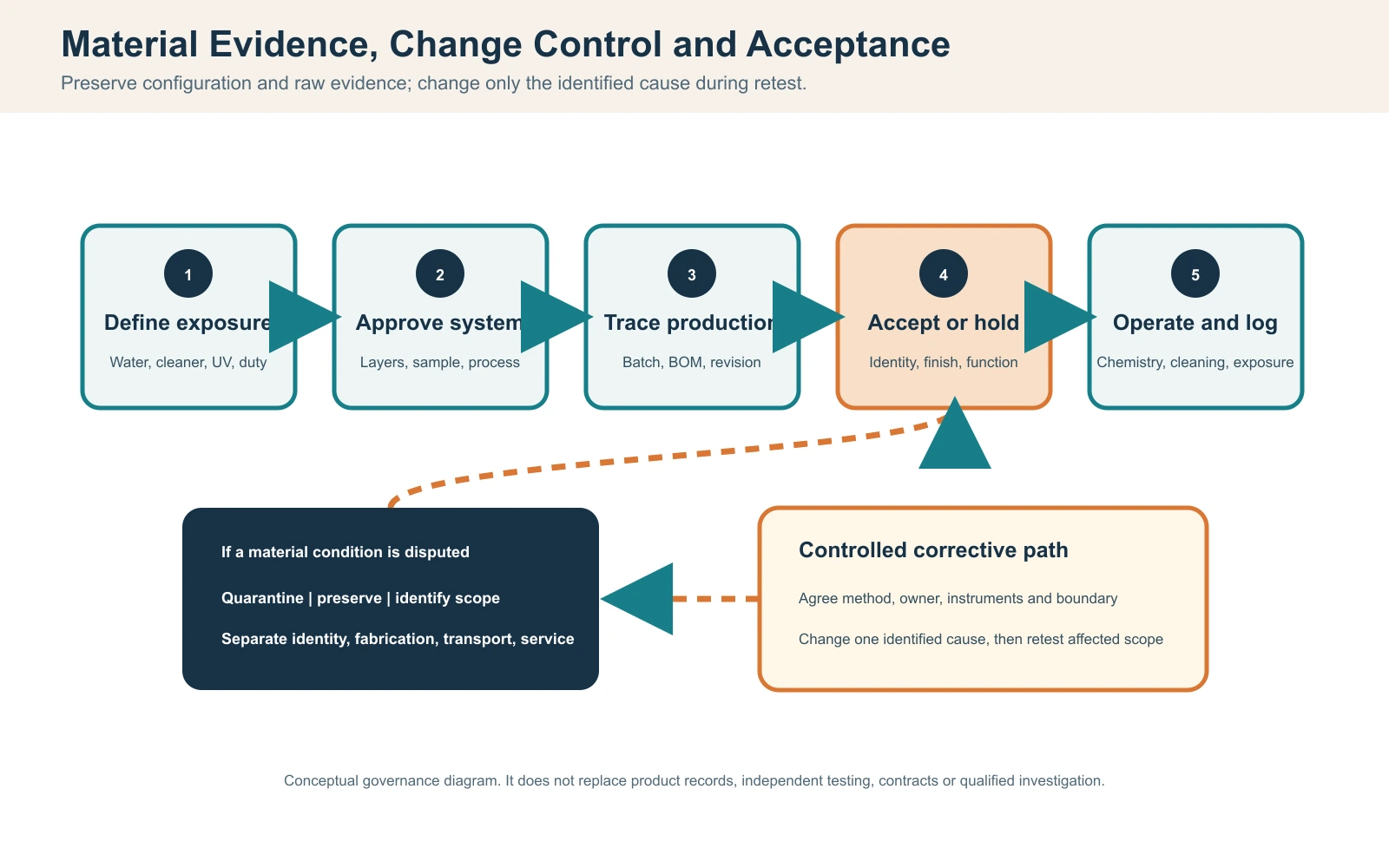
При возникновении спора изолируйте затронутый элемент или партию, сохраните упаковку и первичные записи, определите конфигурацию и ревизию процесса, задокументируйте историю воздействия воды/чистящих средств/эксплуатации и согласуйте, касается ли вопрос идентичности, изготовления, внешнего вида, транспортировки, установки или эксплуатации. Не полируйте, не очищайте химически и не ремонтируйте доказательства до того, как обе стороны одобрят метод расследования.
Реестр приёмки материалов и споров
| Класс обнаружения | Первичные доказательства | Правило остановки/повторного испытания |
|---|---|---|
| Идентичность/прослеживаемость | Компонент, партия и требуемый сертификат/график | Удерживать, когда требуемую идентификацию невозможно установить |
| Косметическое отклонение | Согласованный образец и условия осмотра | Классифицировать до ремонта; повторный осмотр при тех же условиях |
| Дефект изготовления | Документация по чертежу/процессу/контролю и свидетельства утечки/дренажа | Остановить выпуск затронутой продукции; устранить причину и провести повторный контроль затронутого объема |
| Повреждение при транспортировке/монтаже | Записи по предотгрузочной подготовке, упаковке, приемке и обращению | Сохранить доказательства и назначить ответственного за ремонт |
| Условия эксплуатации | Химия, очистка, воздействие и журнал технического обслуживания | Восстановление утверждённой границы; при необходимости — проверка специалистом |
| Ремонт | Утверждённый метод, материалы, специалист и контроль после выполнения | Выпуск не разрешён до фиксации приёмки ремонта |
Повторное испытание должно изменять только выявленную причину и сохранять все остальные действительные условия. Если материал, процесс, очиститель, химия воды и метод испытания изменяются одновременно, результат не позволяет установить причину. Прекратите использование при активных утечках, структурных трещинах, острых повреждениях, неустойчивой опоре, подозрении на воздействие электричества, неконтролируемой химической атаке или любом ремонте, требующем обхода защиты изделия; обращайтесь к квалифицированному сервису и соответствующим местным специалистам.
Составьте запрос предложения (RFQ), который делает допущения по материалам сопоставимыми
Отправьте каждому поставщику одинаковую карту слоёв, журнал воздействия, границы по химии и очистителям, условия на объекте, требования к внешнему виду, прослеживаемость, план отбора образцов, контроль, контроль замен, упаковку и запрос данных по техническому обслуживанию. Попросите каждого участника тендера указать соответствие, отклонение, альтернативу или открытый вопрос с подтверждением. Сравнение цен до выравнивания этих полей скрывает неправомерные исключения.
Лист нормализации запроса предложений по материалам для холодных ванн
| Поле запроса коммерческого предложения | Ввод покупателя | Ответ поставщика |
|---|---|---|
| Применение/воздействие | Внутри/снаружи, коммерческая нагрузка, прибрежная зона/УФ/заморозки | Заявленная пригодность и условия |
| Вода/очистка | Обработка, контроль химии и СОП по очистке | Пределы совместимости и запрещённые продукты |
| График слоёв | Требуемая функция и предпочтительные маршруты | Точный вкладыш, конструкция, изоляция, облицовка, крепёж и уплотнения |
| Изготовление/финишная обработка | Требования к сварке, поверхности, соединениям и образцам | Маршрут процесса, приемки и ремонта |
| Документация | Требуемые сертификаты/прослеживаемость/записи | Область действия документа, эмитент и редакция |
| Контроль изменений | Орган утверждения и сроки уведомления | Процедура замены |
| Жизненный цикл | Квалификация оператора и доступ | Инспекция, очистка, расходные материалы, запасные части и специализированные задачи |
Часто задаваемые вопросы
Всегда ли для холодного погружения требуется нержавеющая сталь 316?
№ Выбор материала зависит от химического состава воды, содержания хлоридов, контроля дезинфицирующих средств, чистящих средств, прибрежной эксплуатации, изготовления и обслуживания. Проект может оправдывать определённую марку, но решение должно быть задокументировано, а не выведено из общего правила.
Могут ли покупатели определить марку нержавеющей стали по фото?
№. Внешний вид поверхности не позволяет надёжно отличить сплав или подтвердить толщину, обработку сварных швов или пассивацию. Если заявленная марка материала имеет значение, используйте утверждённую спецификацию материалов и документацию по конкретному заказу.
Требует ли Thermowood ухода на открытом воздухе?
№. Внешний вид по-прежнему зависит от точного материала, отделки, воздействия УФ-излучения и дождя, дренажа, вентиляции, креплений и инструкций по обслуживанию. Подтвердите заказанную спецификацию и план участка.
Почему важны сварные швы и сливы в купели из нержавеющей стали?
Зоны термического влияния сварки, грубая обработка поверхности, щели и застойные отложения могут стать локальными очагами коррозии или затруднить очистку. План изготовления и приёмки должен учитывать доступность сварных швов для контроля, обработку поверхности и обеспечение стока воды.
Определяет ли материал корпуса, насколько хорошо купель холодного погружения удерживает температуру?
Нет. Материал оболочки является лишь одной частью тепловой системы. Толщина изоляции и непрерывность, конструкция крышки, объем воды, трубопроводы, условия окружающей среды, циркуляционное оборудование и охладитель - все это влияет на теплоприем и контроль температуры. Сравните полную конструкцию и условия испытаний, а не предположим, что нержавеющий, акриловый или полимер по своей сути более эффективен.
Какая информация о материалах должна быть указана в запросе коммерческого предложения (RFQ)?
Укажите условия эксплуатации, метод обработки воды, требуемые материалы контактирующих с водой и наружных поверхностей, отделку, требования к обработке швов, совместимость с чистящими средствами, требования к подтверждающим документам и порядок согласования замен. Избегайте неподтверждённых значений толщины или марки материала.
Сопутствующие ресурсы HACHILL
Категория продукции: холодные купели
Используйте основную категорию холодных купелей, когда материал является лишь одним из входных параметров в более широком решении о семействе продуктов.
Линейка вертикальных холодных ванн
Используйте эту категорию форматов, когда направление по материалу определено, а следующее решение — это формат корпуса и краткий список моделей.
Линейка горизонтальных холодных ванн
Используйте эту категорию форматов, когда направление по материалу определено, а следующее решение — это формат корпуса и краткий список моделей.
Ассортимент термодревесных холодных купелей
Используйте этот путь отделки после того, как решите, что гибридная конструкция с облицовкой Thermowood подходит проекту, а следующий шаг — сравнение текущих моделей.
Руководство по покупке коммерческой холодной купели
Используйте руководство по коммерческой покупке, когда материал — лишь часть более широкого решения, включающего формат купели, охлаждение, циркуляцию, санитарную обработку, инженерные сети, документацию и объём RFQ.
Руководство по уходу за водой в холодной купели
Используйте руководство по уходу за водой, когда открытым вопросом являются фильтрация, санитарная обработка, регулярное обслуживание воды или эксплуатационные записи, а не выбор материала.
Запросить коммерческое предложение по проекту
Используйте путь RFQ, когда условия воздействия, слои материалов, требования к доказательствам и открытые допущения определены достаточно хорошо для рассмотрения поставщиком.
Справочная база
- Nickel Institute: нержавеющая сталь для установок подготовки питьевой воды – Справочная информация о воздействии хлоридов, геометрии зазоров, застойных условиях и взаимодействующих факторах коррозии; она не устанавливает универсальный предел хлоридов для холодового погружения.
- Nickel Institute: изготовление и очистка после изготовления нержавеющих сталей – Справочная информация о цветах побежалости, загрязнении, шлифовке, очистке и обработке после изготовления; точные производственные требования остаются зависящими от конфигурации.
- International ThermoWood Association: классы продуктов ThermoWood и области применения – Официальная информация о процессе ThermoWood, классах продукции и наружном применении; точные породы древесины, отделка и инструкции по обслуживанию HACHILL остаются специфичными для заказа.
- Справочник по древесине Лесной лаборатории Министерства сельского хозяйства США – Общая справочная информация о влажности древесины и изменении размеров.
- Данные ACRYLITE о химической стойкости акрила – Показывает, что химическая совместимость PMMA зависит от химического вещества и условий воздействия; это не сертификат совместимости для чаши купели другого производителя’s.
Техническая и безопасностная граница для того, как покупатели продукции сравнивают материалы холодных ванн: Руководства по эксплуатации изделий, утвержденные чертежи, местные строительные, электротехнические, санитарно-эпидемиологические требования и требования доступности, лицензированные специалисты и квалифицированные медицинские работники или специалисты по безопасности имеют приоритет над общими веб-рекомендациями. Эта статья не претендует на сертификацию, гарантированные эксплуатационные характеристики объекта или индивидуальную медицинскую пользу.
Превратите протокол воздействия в техническое задание на материал
Отправьте в HACHILL сведения о назначении объекта и пользовательской нагрузке, план обработки воды и очистки, условия внутри/снаружи и прибрежное воздействие, предпочтительный маршрут материалов, если он известен, требуемые слои конструкции, эталон отделки, требования к доказательствам и инспекции, количество, место назначения и объём брендирования. Команда может рассмотреть конфигурацию, пока неподтверждённые поля остаются явно открытыми.