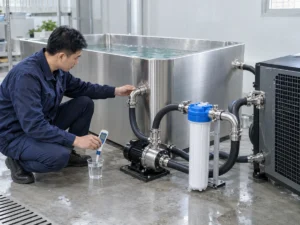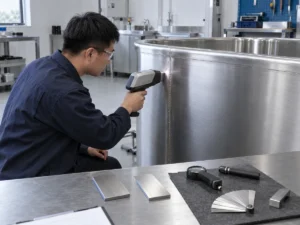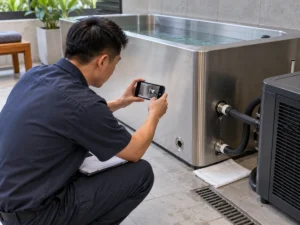
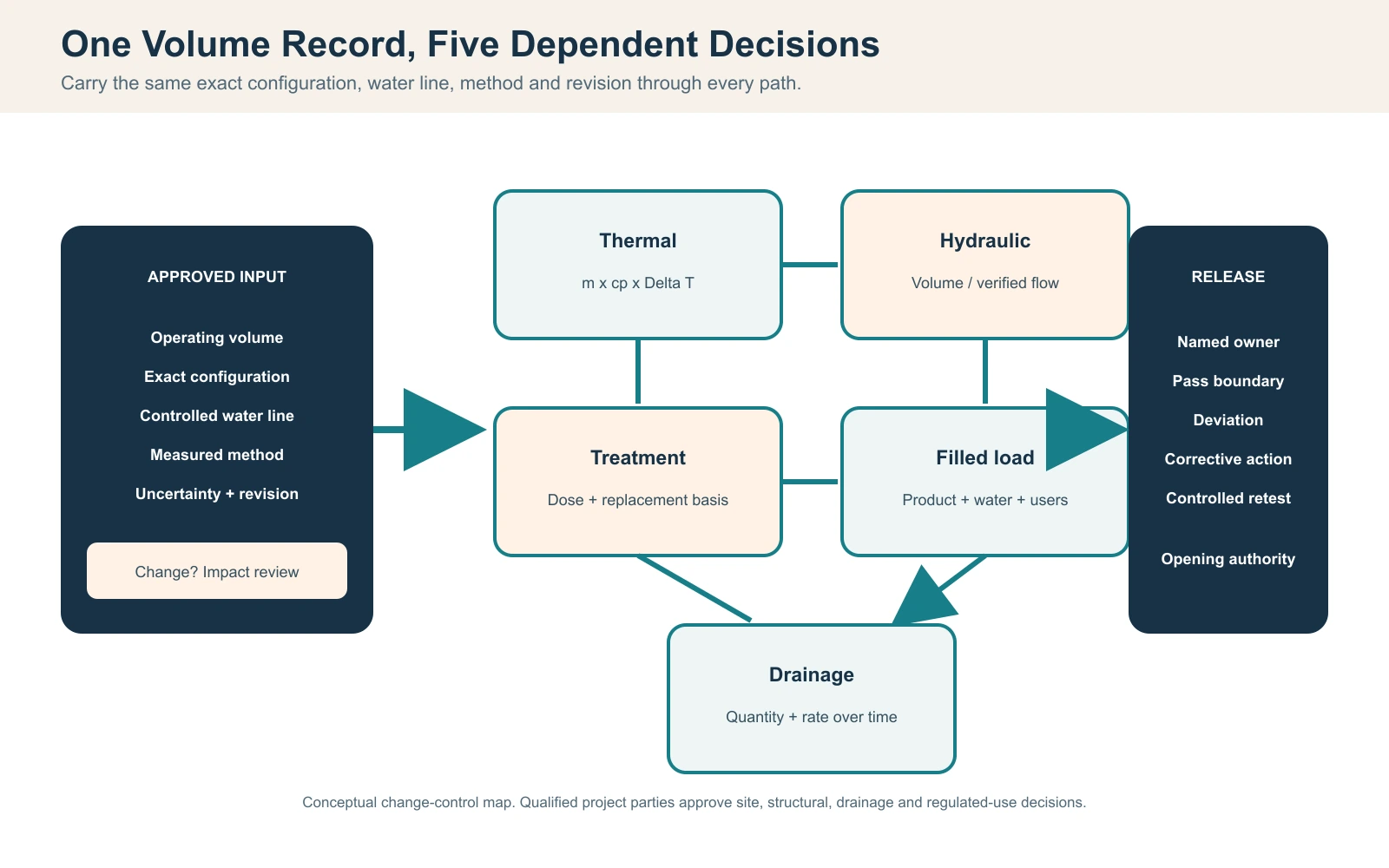
يُعد حجم مياه حوض الغطس البارد مُدخلاً هندسياً محدداً، وليس مجرد سعة في الكتالوج. بالنسبة للحوض الأفقي، الرقم المفيد هو حجم المياه المرتبط بمستوى تشغيل محدد وتكوين دقيق؛ وفي بعض الحسابات، يجب أن تشمل الحدود أيضاً المياه الموجودة في الأنابيب الخارجية أو المرشحات أو المبادلات الحرارية أو مكونات التخزين المؤقت.
إجابة مباشرة: زيادة كمية المياه تزيد الطاقة الحرارية من جانب المياه التي يجب إزالتها لتحقيق نفس التغير في درجة الحرارة، وتغيّر أساس معدل التبديل الحسابي، وتؤثر على كميات المعالجة والتعويض، وتزيد الكتلة التشغيلية المملوءة، وقد تزيد كمية التصريف المخطط لها. لا تستنتج الحجم من الأبعاد الخارجية أو من موديل مشابه. تحقق من حجم تشغيل الحوض عند نقطة مرجعية ثابتة لخط المياه، وحدد ما إذا كانت الحلقة المتصلة مشمولة، وسجّل طريقة القياس وعدم اليقين، واحمل نفس الأساس المعتمد إلى سجلات الحرارة والهيدروليكا والإنشاءات والمعالجة والتصريف. إذا تغير مستوى المياه المعتمد أو الهندسة الداخلية أو الحلقة المتصلة، راجع كل قرار تابع قبل الاعتماد على النتيجة القديمة.
المُدخل الأساسي: حجم تشغيل الحوض المتحقق منه عند نقطة مرجعية مضبوطة لخط المياه، مع بيان حدود الحلقة المتصلة.
قاعدة الحساب: استخدم الوحدات والشروط المعلنة لحسابات طاقة المياه والتبريد المفيد والتدفق والكتلة والتصريف.
حد الإفراج: أعد فحص القرارات التابعة عند تغير أساس الحجم المعتمد أو التكوين.
حدد حجم مياه حوض الغطس البارد الذي تقصده
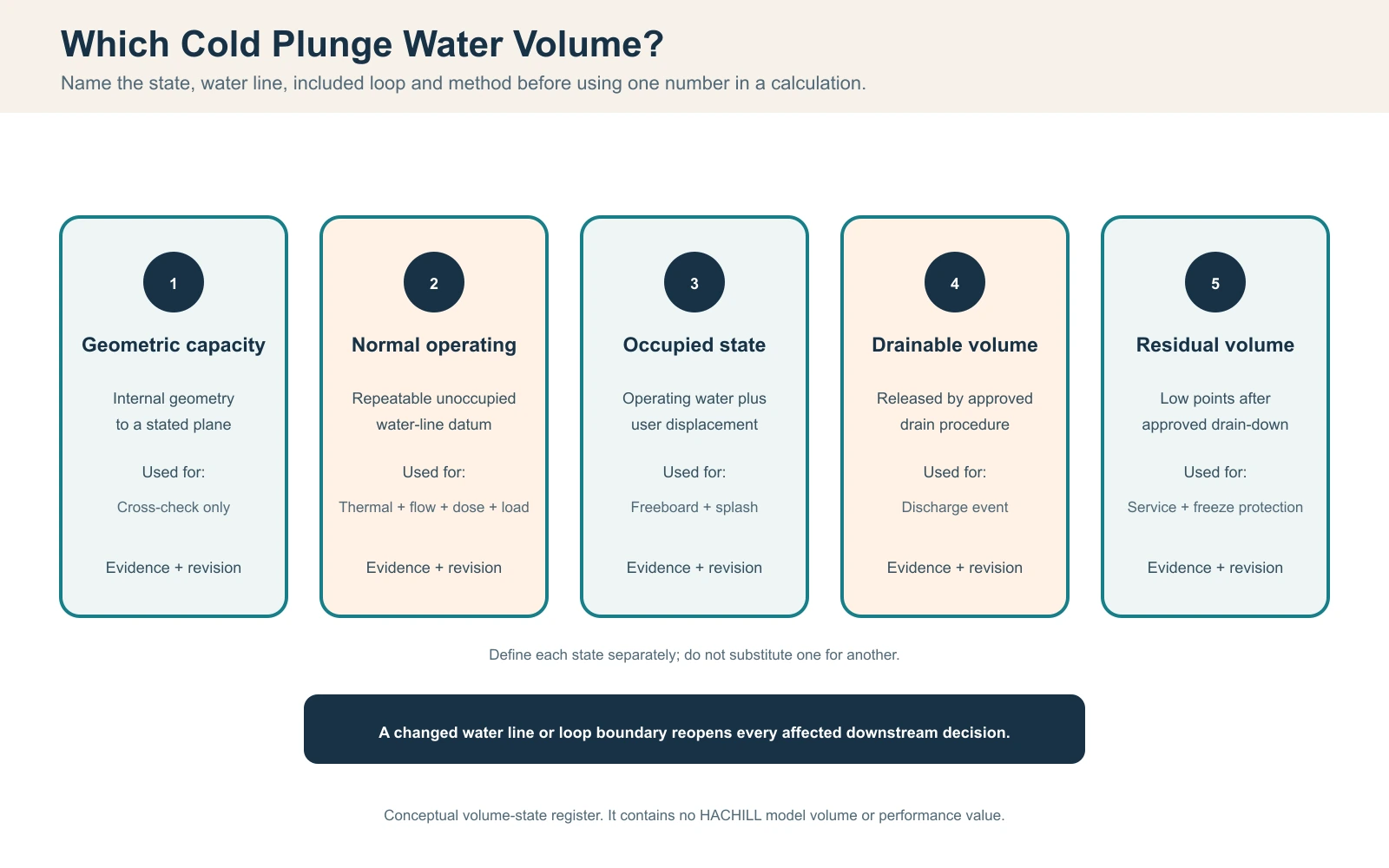
لا يوجد لحوض الغطس البارد الأفقي حجم واحد مفيد عالمياً. تصف السعة الهندسية المساحة الداخلية حتى نقطة مرجعية محددة. الحد الأقصى المسموح به للتعبئة هو حد خاص بالمنتج. حجم تشغيل الحوض هو المياه الموجودة في الوعاء عند خط المياه الطبيعي الثابت. قد يكون إجمالي مخزون المياه المتداولة أكبر عندما تبقى الخراطيم الخارجية أو المرشحات أو المبادلات الحرارية أو خزان التخزين ممتلئة أثناء التشغيل. إزاحة المستخدم تأثير منفصل في حالة الإشغال: فهي ترفع مستوى المياه وقد تسبب فيضاناً أو تناثراً، لكنها لا تخلق مياهاً إضافية إلا إذا أُضيف ماء تعويضي. حجم التصريف هو المياه المُفرغة عبر إجراء التصريف المعتمد، بينما يبقى الحجم المتبقي في النقاط المنخفضة أو المكونات بعد ذلك الإجراء. كل قيمة تدعم قراراً مختلفاً.
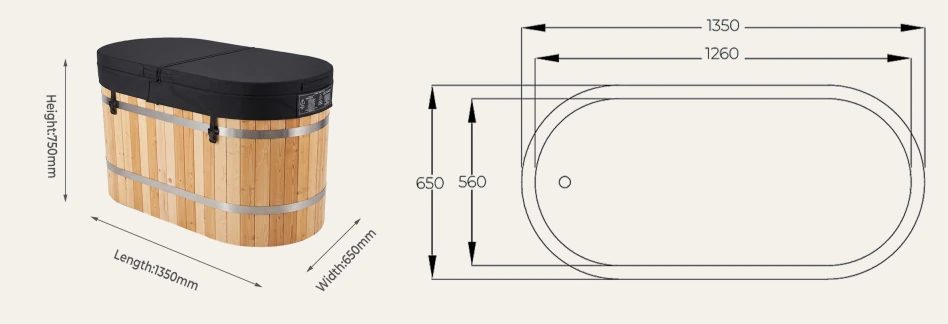
ابدأ بالموديل الدقيق والتكوين ونقطة مرجعية خط المياه. سجّل ما إذا كانت المقاعد والدرجات والمعدات الداخلية وخزانات الموازنة والأنابيب الخارجية والمرشحات والمبادلات الحرارية داخل الحدود المعلنة أو خارجها. لا تستنتج حجم التشغيل من الطول والعرض والارتفاع الخارجية: فسماكة الجدران والعزل والأطراف المائلة وأنصاف الأقطار والمسافة فوق خط المياه ومساحات المعدات قد تجعل النتيجة خاطئة جوهرياً. وبالمثل، لا تستخدم سعة كتالوج من موديل مشابه كدليل على التكوين المطلوب.
| حالة الحجم | المرجع المطلوب | القرار المدعوم | لا يمكن استبداله بـ |
|---|---|---|---|
| السعة الهندسية | الهندسة الداخلية المعتمدة ومستوى التعبئة | فحص التصميم | حجم التشغيل العادي |
| الحد الأقصى المسموح للتعبئة | تعليمات المنتج ومستوى التشغيل | حد الفائض/الارتفاع الحر | مستوى التشغيل الموصى به |
| حجم التشغيل العادي | مستوى قابل للتكرار والتكوين الدقيق | أساس حراري وتدفق ومعالجة وحمل | الغلاف الخارجي |
| إجمالي مخزون المياه المتداولة | حجم تشغيل الحوض بالإضافة إلى مكونات الحلقة المتصلة المملوءة ضمن الحدود المعلنة | الجرد الحراري والحسابات على مستوى النظام حيث ينطبق ذلك | حجم التشغيل الخاص بالحوض فقط |
| حالة الإشغال/الإزاحة | حالة مستخدم خاضعة للتحكم تمثيلية | الحد الحر، التدفق وإجراءات التشغيل | التعبئة بدون إشغال |
| الحجم القابل للتصريف | إجراء الصمام/المسار المعتمد | حدث التفريغ | جرد النظام الكامل |
| الحجم المتبقي | فحص النقاط المنخفضة والمكونات | الحماية من الخدمة والتجمد | الجزء المرئي المتبقي من الحوض |
أصدر جدولًا واحدًا للكمية المتحكم بها بدلاً من نسخ الأرقام في مستندات حرارية وإنشائية وتشغيلية منفصلة. يجب أن يُظهر الجدول الوحدات والمصدر والطريقة والمراجعة والحالة. إذا تغير مستوى التشغيل أو الحلقة المتصلة، يجب أن تحدد السجلات التابعة ما إذا كان أساس الكمية المعتمد قد تغير.
قياس كمية التشغيل بطريقة قابلة للتكرار
عادةً ما يكون عداد التعبئة المعاير هو الطريقة الأكثر مباشرة للتشغيل عندما يكون نطاق تدفقه ودقته وتركيبه مناسبين. ابدأ من الحالة المفرغة المعلنة، وأغلق أو اعزل نفس المكونات المستخدمة في التشغيل، واملأ إلى المستوى المعتمد وسجل بداية ونهاية العداد. إذا لم يتمكن عداد الموقع من تحديد الكمية بشكل موثوق، استخدم وعاء نقل معايرًا مناسبًا أو طريقة قياس الجاذبية أو حسابًا هندسيًا داخليًا متحكمًا فيه. يجب أن تتطابق الطريقة المختارة مع دقة القرار المطلوبة.
سجل درجة حرارة الماء حيث يكون تحويل الكثافة مهمًا، وهوية العداد، وحالة المعايرة أو التحقق، والدقة، وقراءات البداية/النهاية، والهواء المحبوس، وحالة الحلقة المتصلة، وأي ماء مضاف بعد التعبئة الأولية. بالنسبة لطريقة قياس الجاذبية، قم بتحويل الكتلة المقاسة إلى حجم باستخدام كثافة ماء مناسبة للحالة المعلنة. بالنسبة للهندسة، قسّم الأجزاء الداخلية غير المنتظمة إلى أشكال مبررة ووثّق نصف القطر والمنحدرات والمقاعد ومستوى خط الماء. لا تخفِ أبدًا هندسة مقدرة داخل قيمة مصنفة على أنها مقاسة.
| سجل | كيف تم الحصول عليها | مراقبة الجودة | الاستخدام التابع |
|---|---|---|---|
| التكوين الدقيق | سجل النموذج/الطلب المعتمد | المراجعة والحلقة المضمنة | جميع القرارات اللاحقة |
| خط مرجعي لخط المياه | المستوى أو البعد المحدد من الخط المرجعي | صورة بالإضافة إلى قياس | تعبئة قابلة للتكرار |
| هوية العداد/التجميع | الرقم التسلسلي والمدى والدقة | حالة المعايرة/الفحص الميداني | الحجم المقاس |
| البداية والنهاية | قراءات مع طوابع زمنية | لا تعبئة غير مسجلة | الكمية المعبأة الصافية |
| إضافات التمهيد | إضافات مقاسة منفصلة | تسجيل حالة الصمام والمضخة | دورة تشغيل كاملة |
| عدم اليقين في الطريقة | تقدير الأداة والإجراء | حد المراجعة والقبول | قرار التغيير/إعادة الاختبار |
كرر التعبئة عندما لا تكون النتيجة الأولى موثوقة، أو تغيرت الطريقة أثناء الاختبار، أو حدثت إضافة غير مقاسة. احتفظ بالنتيجتين وسبب التكرار. استبدال السجل الفاشل أو غير المكتمل بالرقم النهائي يزيل الأدلة اللازمة لحل نزاع لاحق.
أدخل عدم اليقين في القياس في القرار
الرقم المعروض ليس تلقائيًا قيمة دقيقة. تساهم دقة العداد وحالة المعايرة وخط المياه غير المستقر والهواء المحتجز وحركة السطح ومياه التعبئة غير المقاسة في عدم اليقين. اذكر القياس كنتيجة مع عدم يقين أو تفاوت مبرر مناسب للمشروع. تجنب الدقة الزائفة مثل الإبلاغ عن حجم وعاء كبير بجزء من اللتر عندما يتغير مستوى التعبئة نفسه بعدة ملليمترات.
استخدم نطاق قبول محدد قبل الاختبار. إذا كانت القيمة المقاسة خارج النطاق المعتمد، فلا تحسب متوسطها مع الرقم التصميمي. حدد ما إذا كان النموذج أو المستوى أو الطريقة أو الحلقة الموردة مختلفة. ثم قم بإجراء مراجعة الأثر. قد يكون الفرق بنسبة صغيرة غير جوهري لقرار واحد وجوهري لجرعة علاجية أو حد إنشائي أو ادعاء قدرة تعاقدية.
| السجل المتأثر | السؤال عند تغير الحجم | المالك | دليل الإصدار |
|---|---|---|---|
| الاختيار الحراري | هل يتغير قبول الطاقة أو الاستشفاء؟ | مهندس المورد/المشروع | حساب منقح أو تبرير عدم وجود أثر |
| السجل الهيدروليكي | هل يتغير أساس الدوران أو نقطة التشغيل؟ | مصمم النظام/المركب | التدفق المُتحقق منه والوقت المُعدَّل |
| إجراء المعالجة | هل ما زالت كميات الجرعة والاستبدال صحيحة؟ | المشغّل/أخصائي المياه | مراجعة الإجراء المعتمدة |
| الأساس الهيكلي | هل يبقى حمل التشغيل المملوء مقبولًا؟ | مهني مشروع مؤهل | مراجعة مكتوبة |
| حدث التصريف | هل تتطلب كمية/ملف التفريغ إعادة اختبار؟ | فريق تصريف المشروع | سجل حدث خاضع للرقابة |
| المواصفات التجارية | هل تم تفويت متطلب طلب؟ | المشتري/المورد | التصرف في الانحراف المعتمد |
تحويل حجم الماء إلى متطلب طاقة من جهة الماء
لحساب تقديري مبدئي، حوّل حجم الماء المعلن إلى كتلة باستخدام m = ρ × V, ، مع استخدام وحدات متسقة وكثافة ماء مناسبة لدرجة الحرارة والضغط المذكورين. التغير المعقول في الطاقة على جانب الماء هو س = ك × ح ن × Δد, ، حيث cp هي السعة الحرارية النوعية المستخدمة و ΔT هو الفرق بين درجة حرارة الماء الأولية ودرجة الحرارة المستهدفة. وكحساب تقديري أولي، يصف هذا جرد الماء داخل الحدود المختارة فقط. ولا يشمل بحد ذاته تبريد هيكل الحوض، أو اكتساب الحرارة من المحيط، أو الحمل الشمسي، أو حرارة المضخة، أو حرارة المستخدمين، أو دورات التحكم، أو مكونات أخرى ما لم تُضف هذه التأثيرات بشكل منفصل.
يعرض مثال توضيحي غير مرتبط بمنتج معين هذه الطريقة: إذا كان حجم الماء المعلن 0.60 m³، وافترض مهندس كثافة 997 kg/m³ وسعة حرارية نوعية 4.186 kJ/(kg·K)، وكان تغير درجة حرارة الماء 15 K، فإن كتلة الماء تبلغ نحو 598 kg والتغير المثالي في الطاقة على جانب الماء نحو 37.5 MJ، أي 10.4 kWh. هذه افتراضات مثال صريحة، وليست بيانات طراز HACHILL أو نتيجة تبريد مضمونة. لحسابات المشروع، استخدم حجماً ودرجات حرارة موثقة ومصدراً معتمداً لخصائص الماء مثل IAPWS للظروف المعنية.
| متغير | المصدر | الوحدات / التحكم | الحدود |
|---|---|---|---|
| حجم التشغيل V | سجل مُقاس معتمد | م³ أو لتر محوَّلان بشكل ثابت | أساس الحلقة المملوءة بدقة |
| الكثافة رو | مصدر/شرط الخاصية المقبول | كجم/م³ | افتراض معتمد على درجة الحرارة مُعلَن |
| السعة الحرارية النوعية cp | مصدر الخاصية المقبول | كيلوجول/(كجم·كلفن) | تركيبة الماء/الخليط مُعلَنة |
| درجة الحرارة الأولية للكتلة | حالة المستشعر المعاير وحالة الخلط | °C | لا توجد قراءة واحدة للجدار |
| درجة الحرارة المستهدفة للكتلة | متطلب التشغيل المعتمد | °C | التسامح والتثبيت محددان |
| Q المحسوبة | m × cp × ΔT | كيلوجول والطاقة المحولة | يستثني المكاسب المتزامنة |
النتيجة مفيدة لمقارنة سيناريوهات الحجم أو درجة الحرارة والتحقق مما إذا كان حساب المورد يستند إلى نفس الأساس. لا يكفي ذلك لاختيار مبرد. التبريد المفيد يتغير مع درجة حرارة الماء، والظروف المحيطة، والتدفق، وحالة المبرد/التحكم، والتركيب. القدرة الحصانية الاسمية للضاغط أو طاقة الإدخال ليست سعة تبريد مفيدة.
تقدير زمن خفض الحرارة باستخدام تبريد وظروف مطابقة وكسب حراري
يمكن لوقت الفحص الأولي تقسيم إجمالي الحرارة المطلوب إزالتها على متوسط معدل تبريد مفيد، ولكن فقط إذا كان كلاهما يشير إلى نفس الظروف والحدود. طريقة مشروع أفضل تستخدم فترات زمنية: لكل فترة مسجلة أو نموذجية، احسب التبريد المفيد المقدم عند درجة حرارة الماء تلك، والظروف المحيطة، والتدفق الموثق، واطرح مكاسب الحرارة المتزامنة، واجمع الإزالة الصافية حتى الوصول إلى الحالة المستهدفة المقبولة. حدد ما إذا كان الحساب يشمل الوعاء وخطوط الأنابيب المتصلة والمعدات.
احصل على درجة حرارة الماء السائب الأولية والمستهدفة والسلاسل الزمنية؛ ودرجة حرارة الهواء المحيط عند مدخل المكثف؛ وتدفق الحلقة الموثق؛ وحالات المضخة والضاغط؛ وموضع الغطاء؛ وظروف الشمس/الغرفة؛ والقراءات الكهربائية ذات الصلة. موقع المستشعر والخلط مهمان. يمكن أن يصل الوعاء الطبقي إلى الهدف بالقرب من أحد المجسات بينما لم يصل الماء السائب التمثيلي بعد. يجب أن تحدد طريقة القبول الاستقرار وفاصل أخذ العينات والتسامح المسموح به قبل الاختبار.
| مدخلات السلاسل الزمنية | الاستحواذ | لماذا يغيّر الحجم ذلك | شرط التوقف / إعادة الاختبار |
|---|---|---|---|
| درجة حرارة الماء السائب | مستشعرات معايرة مسماة | يحدد طاقة الماء المتبقية | حالة المستشعر/الخلط غير صالحة |
| التبريد المفيد | بيانات مطابقة للظروف أو توازن مقاس | يجب إزالة طاقة ماء أكبر | يتوفر فقط HP/طاقة الإدخال |
| مدخل المكثف/الهواء المحيط | تسجيل عند السحب الفعلي | تغييرات السعة المتاحة والكسب | إعادة تدوير الهواء أو سحب مسدود |
| تدفق الحلقة المُتحقق منه | طريقة ميدانية معتمدة | التحكم في حالة المبادل الحراري | أقل/أعلى من حدود المعدات |
| حالة الغطاء/الشمس/الغرفة | ملاحظة موقّتة | تغييرات الكسب المتزامن | الاختبار يختلف عن الاستخدام المقبول |
| حالة الضاغط/المضخة | سجل التحكم والكهرباء | يفصل وقت التوقف عن السعة المنخفضة | تعطل أو دورة تشغيل غير مفسرة |
سحب أولي منفصل، وتحميل ثابت، واسترداد المستخدم
يبدأ السحب الأولي من درجة حرارة تعبئة معلنة وينقل النظام بأكمله إلى نطاق التشغيل. يعوض التحميل الثابت اكتساب الحرارة بينما ينتظر النظام. يبدأ استرداد المستخدم من تغير درجة الحرارة وحالة التشغيل بعد جلسة واحدة أو أكثر. زيادة حجم الماء ترفع الطاقة الأولية على جانب الماء، ولكنها يمكن أن تزيد أيضًا من المخزن الحراري: نفس المدخلات الحرارية الصغيرة تنتج ارتفاعًا أصغر في درجة حرارة الماء السائب الفوري. لا يضمن ذلك استردادًا أسرع، لأن النظام لا يزال يجب أن يزيل الحمل الإضافي من المستخدم والبيئة المحيطة.
حدد حالة التشغيل التجارية مع طوابع زمنية للجلسات، ومستوى الماء المشغول، وتسلسل المستخدم، وحالة الغطاء، وحالة الغرفة، ومعيار الاسترداد المطلوب. قم بقياس درجة الحرارة عند نقاط تمثيلية وحافظ على حالات المضخة/المبرد. لا تستبدل دليل ذروة الجلسة بمتوسط عدد المستخدمين اليومي. قد تكون الحالة الحاكمة مجموعة متقاربة، أو إعادة تعبئة بعد التنظيف، أو فترة ما بعد الظهر الخارجية الحارة.
| حالة المهمة | حالة البداية | مخرجات القبول | تأثير الحجم |
|---|---|---|---|
| التبريد الأولي | ظروف التعبئة والبيئة المحيطة | الوقت حتى نطاق الهدف المستقر | الطاقة على جانب الماء تتدرج مع الكتلة |
| الإبقاء | هدف مستقر، غطاء/موقع معلن | اتجاه درجة الحرارة/التحكم | تغير الكتلة الحرارية يغير معدل الانجراف |
| استرداد مستخدم واحد | الحالة المسجلة قبل/بعد | العودة إلى النطاق المقبول | المخزن المؤقت والطاقة لإزالة كلا المادتين |
| تسلسل الذروة | نمط الجلسة المعتمد | لا انجراف/رحلة غير خاضعة للتحكم | الحجم الأعلى ليس بديلاً عن السعة |
| إعادة التعبئة أو التعويض | الحجم/درجة الحرارة المضافان المقاسان | العودة وفق خطة التشغيل | الماء المضاف يغير الكتلة ودرجة الحرارة |
| إغلاق غير طبيعي | عطل أو فقدان الدوران | عزل/إعادة فتح آمن | الماء البارد المخزن لا يثبت التحكم |
استخدم حجم التشغيل مع تدفق الحلقة المؤكد
يمكن حساب زمن الدوران الاسمي على النحو التالي t = V / q, ، حيث V هو الحجم التشغيلي المعتمد و q هو معدل التدفق الدائري المُتحقق منه بوحدات متسقة. إذا تم إقران 600 L مع 50 L/min المرصود، فإن معدل الدوران الحسابي هو 12 دقيقة. هذه النتيجة التوضيحية لا تُثبت أن كل جزء من الماء يمر عبر الفلتر خلال 12 دقيقة، ولا تحدد معدل دوران مطلوبًا لأي ولاية قضائية أو تطبيق معين.
يعتمد تدفق الحلقة الفعلي على نقطة تشغيل المضخة، وفقدان الضغط في الأنابيب والخراطيم، والتجهيزات، وحالة الفلتر، والمبادل الحراري، ومواضع الصمامات. قد يؤدي توزيع التدفق داخل الوعاء إلى وجود مسارات قصر أو مناطق ضعيفة الحركة حتى عندما يكون تدفق الخط المُقاس كافيًا. تحقق من التدفق باستخدام طريقة معتمدة عند ظروف الفلتر النظيف النهائي والمُحمّل التمثيلية. سجل سرعة المضخة، وحالة الصمامات، وحالة الهواء، وموقع الأداة، وعدم اليقين.
| المدخل / التحقق | الإثبات | القرار | القيود |
|---|---|---|---|
| حجم التشغيل | جدول الحجم المعتمد | أساس معدل الدوران | يجب أن يشمل حدود الحلقة المُعلنة |
| تدفق الحلقة | قياس الحقل المرتبط بالشرط | معدل الدوران/المبادل الحراري الحسابي | الأداة والموقع مهمان |
| نقطة تشغيل المضخة | المنحنى بالإضافة إلى دليل النظام المركب | التدفق/الرأس المتاح | الحد الأقصى على اللوحة ليس نقطة التشغيل |
| حالة الفلتر | اختبارات التحميل النظيفة والمقبولة | نطاق التدفق ومحفز الصيانة | قراءة واحدة نظيفة غير كاملة |
| حالة الهواء/التعبئة | الفحص البصري والضغط وسجل التشغيل | التكرار وحماية المضخة | إنذار التدفق وحده قد لا يشخص السبب |
| توزيع الوعاء | طريقة التتبع/درجة الحرارة/الفحص | مراجعة الدائرة القصيرة والمناطق الميتة | تدفق الخط لا يمكن أن يثبت التوحيد |
احتفظ بسجلات المعالجة واستبدال الماء على أساس حجم موحد
يُعد حجم المياه مدخلاً للعديد من حسابات الجرعات والاستبدال ووحدات التحكم، لكن لا يوجد تركيز موحد للمطهرات أو جدول معالجة ينطبق على كل حوض غطس بارد. تعتمد الطريقة المطلوبة على المعدات الدقيقة ومصدر المياه وعدد المستخدمين ونظام المعالجة الكيميائية أو التكميلية والمواد وإجراءات التشغيل والقواعد المعمول بها في المنشأة. بالنسبة للمرافق المائية العامة في الولايات المتحدة، يُعد قانون الصحة المائية النموذجي الصادر عن CDC إرشاداً نموذجياً وليس قاعدة تنطبق تلقائياً في كل مكان، ويجب على المشروع التأكد مما إذا كانت السلطة المحلية تصنف التركيب ضمن هذا النطاق. وتكون الأولوية لدليل المنتج المعتمد وخطة معالجة المياه المؤهلة ومتطلبات السلطة المختصة المعمول بها.
وثّق الحجم المستخدم من قبل وحدات التحكم والمغذيات والإجراءات المكتوبة. يحدث فشل شائع عندما يستخدم المشغل السعة الاسمية بينما يستخدم التشغيل مستوى تشغيل أقل. عندها يشير حساب الجرعة ونسبة التعويض والسجل إلى كميات مختلفة. إذا تسبب إزاحة المستخدم في فيضان روتيني، يمكن لماء التعويض المقاس أيضًا تغيير الكيمياء والحمل الحراري. سجل الإضافات وأحداث التصريف/إعادة الملء ومستوى الماء عند أخذ العينات.
| سجل | علاقة الحجم | المدخل المسؤول | مُحفِّز التغيير |
|---|---|---|---|
| أساس حساب المعالجة | حجم التشغيل المعتمد | سلطة/مشغل معالجة الماء | تغييرات المستوى أو الحلقة المتصلة |
| إعداد وحدة التحكم/المغذي | حجم النظام المكوّن حيثما ينطبق | دور التشغيل المؤهل | مراجعة وحدة التحكم أو المعدات |
| ماء التعويض | الكمية المضافة المقاسة | سجل المشغل | التحقيق في الفائض أو التبخر أو التسرب |
| التصريف/إعادة الملء | الحجم المُزال/المُضاف المُقاس | سجل المشغل/الخدمة | تغييرات في الإجراء أو مسار التصريف |
| سياق العينة | المستوى والوقت وحالة التشغيل | مشغل مدرب | لا يمكن مقارنة النتيجة |
| حدود المادة | التعرض للمواد الكيميائية/المنظفات | المورد بالإضافة إلى المشغل | مشكلة تآكل أو تشطيب أو إحكام |
أوقف الاستخدام وفقًا لإجراءات التشغيل المعتمدة عندما يتعذر التحقق من التحكم المطلوب في المياه، أو عند حدوث حدث تلوث نشط، أو عند فقدان غير مفسر للحجم يشير إلى تسرب. تتطلب إعادة التشغيل تحديد السبب والإجراء التصحيحي وسجلات النجاح المطبقة، وليس فقط استعادة المستوى المعروض.
تحويل الحجم إلى كتلة التشغيل المملوءة
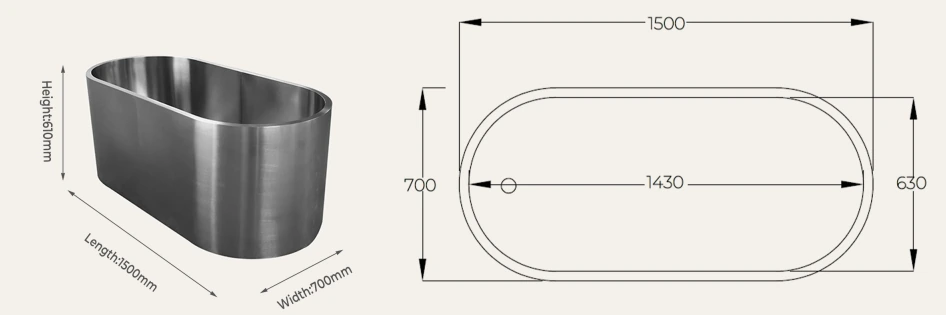
كتلة المياه تساوي تقريبًا الكثافة مضروبة في الحجم؛ ثم يضيف أساس حمل المشروع المنتج الفارغ والمستخدمين والمعدات المضمنة والملحقات وأي مكونات مدعومة بشكل منفصل. حدد ما إذا كانت النتيجة كتلة أم قوة ولا تصنف الكيلوجرامات كحمل أرضي. يحدد المهندس الإنشائي أو المهني المؤهل للمشروع ردود الفعل وتوزيع الأحمال والاعتبارات الديناميكية أو الزلزالية وما إذا كان الهيكل الحالي مناسبًا.
استخدم بصمة الدعم أو الإطار أو ترتيب الأقدام الدقيقة من رسم معتمد. قد يؤدي تقسيم الوزن الإجمالي على مساحة المخطط الخارجية إلى إخفاء ردود الفعل المركزة. سجل ما إذا كان المبرد أو الدرجات أو الغطاء أو خزان التوازن أو منصة الخدمة يتشارك في نفس الدعم. يمكن أن تكون التسوية والدعم المستمر أيضًا متطلبات تركيب للمنتج حتى عندما تبدو السعة الاسمية كافية.
| المكوّن | مصدر الإثبات | الحالة المضمنة | سؤال المراجع |
|---|---|---|---|
| المنتج الفارغ | سجل النموذج/الطلب المعتمد | التكوين الدقيق | هل يشمل المعدات المصنعية؟ |
| مياه التشغيل | الكثافة × حجم التشغيل المعتمد | درجة الحرارة/الأساس المعلن | هل تشمل مياه الحلقة الموصولة؟ |
| المستخدمون | حالة التشغيل المعتمدة | الحد الأقصى المقبول للإشغال | أين يتم تطبيق الحمل؟ |
| الملحقات/الدرجات/الغطاء | نطاق التوريد/الموقع المعتمد | وضع التشغيل/التخزين | دعم منفصل أم مشترك؟ |
| تفاعلات الدعم | رسم دقيق للقاعدة/الأقدام | حالة التركيب المستوية | مركّز أم موزّع؟ |
| قبول المشروع | مراجعة هيكلية مؤهلة | الموقع والقواعد الحاكمة | ما التغيير الذي يعيد فتح الموافقة؟ |
تحويل الحجم القابل للتصريف إلى حدث تصريف
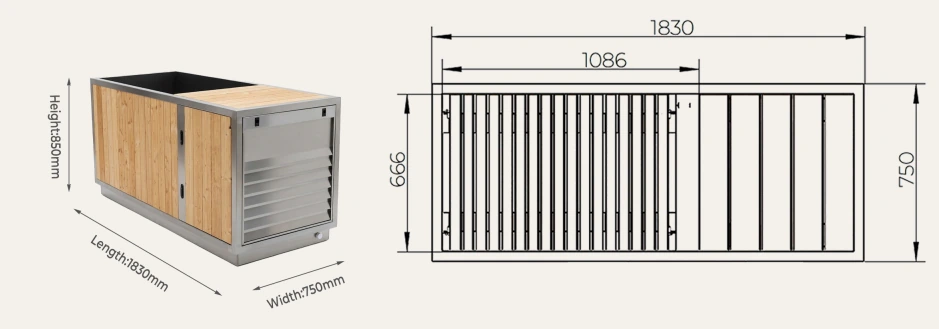
يتطلب تصميم التصريف كمية ومعدلًا معًا. يساعد الحجم التشغيلي المعتمد في تحديد الإطلاق المقصود، لكن الكمية القابلة للتصريف قد تختلف لأن المكونات المتصلة والنقاط المنخفضة المتبقية تغير المخزون. قم بقياس حدث المعدل مقابل الوقت تحت الصمام النهائي والخرطوم والارتفاع وحالة الاستقبال. متوسط معدل التصريف الملاحظ يساوي الحجم المفرَّغ المقاس مقسومًا على الوقت المنقضي للفاصل الزمني المعلن؛ يمكن أن ينخفض معدل الجاذبية مع مستوى المياه، لذا فإن المتوسط لا يثبت الذروة.
تنقل هذه الصفحة الحجم المعتمد والمخزون القابل للتصريف والتركيب المُنفَّذ إلى قرار التصريف. ويغطي الدليل المنفصل دليل تخطيط تصريف حوض الغطس البارد الأفقي مسار الاستقبال وإنشاء المنطقة الرطبة والتكاثف وجهة التصريف وقبول الأحداث الرطبة بمزيد من التفصيل. ولا يستلزم حجم المياه الأكبر تلقائياً مخرج منتج أكبر، كما لا تثبت مصفاة الأرضية المرئية أن نظام الاستقبال قادر على استيعاب حدث التصريف الحاكم.
| الإدخال المنقول | الاستحواذ | استخدام مسار الاستقبال | شرط تعليق |
|---|---|---|---|
| الحجم التشغيلي/القابل للتصريف | جدول الحجم المُقاس وتجربة التصريف | إجمالي الإطلاق المخطط | الأساس أو المتبقي غير المعروف |
| المعدل مقابل الزمن | سلسلة الحجم/المستوى الموقوتة | حدث المصدر الحاكم | تم تسجيل الحجم الإجمالي فقط |
| الصمام/الخرطوم/الارتفاع | سجل الحالة المثبتة بدقة | قابلية التكرار وفقدان الضغط | المسار المؤقت مختلف |
| إطلاقات الخدمة/التنظيف | سجل المهمة المرصودة | أحداث صغيرة متكررة | لا يوجد جمع مُتحكم به |
| إطلاق مخزن غير طبيعي | جرد النظام وتدريب الاستجابة | مدخل الاحتواء/العزل | لا سلطة أو وقت استجابة |
| الوجهة المسموح بها | موافقة محلية مؤهلة | حد التفريغ النهائي | حالة الوجهة/المياه مفتوحة |
تحكم في مستوى المياه بحيث تظل سجلات الأداء قابلة للمقارنة
حدد أو قس مستوى التشغيل المعتمد بمرجع يتحمل التنظيف والصيانة. يجب على المشغل تسجيل أحداث التعبئة، والفيضان الناتج عن الإزاحة، والتصريفات الجزئية المتعمدة، وحالة الغطاء، وفقدان المستوى غير المفسر. لا يمكن مقارنة اتجاه حراري أو كيميائي بشكل موثوق إذا تغيرت كتلة المياه دون سجل. تتطلب أنظمة التعبئة التلقائية مراجعة خاصة بها للتحكم ومنع التدفق العكسي والفشل من قبل أطراف مؤهلة.
حدد نطاق تشغيل مقبول بدلاً من التعامل مع أي مستوى مرئي على أنه صحيح. يجب أن يحافظ النطاق على تشغيل المنتج، والتعبئة الهيدروليكية، والارتفاع الحر، وأساس الحساب المعتمد. إذا انخفض المستوى خارج النطاق، فاتبع إجراء الإيقاف أو التصحيح الخاص بالطراز. لا تقم أبدًا بتشغيل مضخة أو سخان أو مبرد في حالة محظورة في دليله.
| الحدث | الحد الأدنى من السجل | فحص تابع | التصعيد |
|---|---|---|---|
| بدء عادي | المستوى/المرجع، درجة الحرارة، الوقت | أساس الحجم صالح | خارج النطاق المعتمد |
| فيضان/تناثر من المستخدم | الجلسة/الحالة والتعويض | تغيير حراري/معالجة | فقدان متكرر غير متوقع |
| تبخر/تعويض | إضافة مُقاسة والمصدر | الكيمياء والحمل | معدل غير طبيعي |
| اشتباه في تسرب | الوقت والموقع والمصادر المعزولة | الإغلاق والتشخيص | مياه غير مُتحكم بها |
| تصريف/خدمة جزئية | الحجم المُزال/المُضاف والسبب | إعادة ضبط الإجراء | تدخل غير مُسجل |
| تغيير التكوين | الجزء/الرسم/المراجعة | جميع الحسابات التابعة | لا يوجد تغيير معتمد لمراقبة التغيير |
أدلة الحجم ومراجعات التحكم
لضبط وثائق المشروع، يمكن لسلم أدلة داخلي عملي أن يفصل البيانات المقاسة عن افتراضات التخطيط. التصنيفات A–E أدناه ليست معياراً صناعياً خارجياً. في هذه المقالة، يعني التصنيف A قياساً مشهوداً خاصاً بتركيب محدد باستخدام طريقة محددة وخط مياه مضبوط؛ ويعني التصنيف B سجلاً معتمداً لطراز دقيق مع تركيب ومراجعة معلنين؛ ويعني التصنيف C حساباً قابلاً للتتبع من هندسة داخلية معتمدة؛ ويعني التصنيف D تقديراً مؤهلاً للتخطيط؛ ويعني التصنيف E صورة فوتوغرافية أو بيان فئة أو ادعاء غير موثق لا يمكنه إغلاق متطلب رقمي.
لا تحل جودة الأدلة محل قابلية التطبيق. فقد يظل قياس نموذج أولي جيد التنفيذ غير مناسب للوحدة المطلوبة إذا اختلف البطانة أو المعدات الداخلية أو خط المياه أو الحلقة المتصلة. سجّل الطراز والتركيب والحالة والطريقة والأداة والشاهد والتاريخ والمراجعة والقيود. وتتطلب التغييرات في الهندسة أو المعدات الداخلية أو خط المياه أو الأنابيب المتصلة أو ترتيب الفائض مراجعة أثرية قبل إعادة استخدام القيمة القديمة.
| الدرجة | الإثبات | الاستخدام المسموح به | حدود مفقودة |
|---|---|---|---|
| A | قياس مُشاهد للتكوين الدقيق | قبول التشغيل/العقد | فقط ضمن الطريقة والحالة المُعلنتين |
| B | سجل فني معتمد لنفس الطراز | الاختيار والتقديم | لا تزال الحالة الميدانية قيد التحقق |
| C | حساب هندسي قابل للتتبع | فحص التصميم | الحجم غير المنتظم/الإضافات المركبة |
| D | تقدير مؤهل مع افتراضات | التخطيط المبكر فقط | لا يمكن إصدار القبول التابع |
| E | صورة أو نسخة فئة أو قيمة غير موثقة | للتوجيه فقط | لا يوجد إغلاق رقمي |
احتفظ بالأدلة الفاشلة والمستبدلة. حدد الحالة بدلاً من حذفها. يمكن عندئذٍ للنزاع تحديد ما إذا كان الخلاف يتعلق بالجهاز أو خط المياه أو التكوين أو تعريف العقد أو التفسير اللاحق.
تعيين كل قرار يعتمد على الحجم
يجب على المورد تحديد سجلات المنتج الدقيقة وحدود الحلقة المضمنة والقيود الخاصة بالطراز. يجب على فريق المشتري/المشروع تحديد حالة التشغيل ومتطلبات الحجم التعاقدية. يسجل المثبت التكوين النهائي ويدعم اختبارات التعبئة والتدفق والتصريف الخاضعة للتحكم. يحافظ المشغل على المستوى المعتمد وسجلات الأحداث. يقرر المهنيون المحليون المؤهلون الامتثال الهيكلي والسباكة والكهرباء والاستخدام العام ضمن سلطتهم.
| المخرجات | المالك الأساسي | الأدلة المطلوبة | القبول / الإفراج |
|---|---|---|---|
| الطراز/التكوين الدقيق | المورد/المشتري | الطلب والرسم المعتمدان | الموافقة الفنية للمشتري |
| طريقة الحجم التشغيلي | المشروع/المورد | بيان الطريقة الخاضع للتحكم | شاهد مسمى |
| نتيجة الحجم الميداني | دور المثبت/التشغيل | القراءات، المستوى، الأداة، الحالة | قبول المشروع |
| التأثير الحراري/الهيدروليكي | مصمم/مورد النظام | الحساب والاختبار المنقحان | السلطة الفنية |
| أساس الحمولة المملوءة | الطرف الإنشائي للمشروع | جدول الكتلة والدعم | موافقة المشروع المؤهلة |
| تشغيل المعالجة/المستوى | المشغّل/أخصائي المياه | الإجراء والسجلات المعتمدة | السلطة التشغيلية |
| وجهة التصريف | المشروع/السلطة المحلية | سجل التصميم والتصريح | السلطة المختصة |
| الانحراف/إعادة الاختبار | المالك المسمى للقضية | السبب والتغيير وأدلة النجاح | سلطة الإصدار الأصلية |
استبدل الإسنادات الغامضة مثل “بواسطة آخرين” باسم منظمة أو دور محدد ومرحلة الاستحقاق. يمكن لـ HACHILL توضيح التكوين المورد بدقة ومراجعة موجز حجم على مستوى النموذج عند توفير المنتج المحدد ومدخلات المشروع؛ ولا يحل محل التصميم الإنشائي أو الصحي أو الصحة العامة المحلي.
قبول المستندات والحجم والاختبارات التابعة والفتح بشكل منفصل
قبول المستندات يغلق التكوين الدقيق وتعريف خط المياه والطريقة والأدوات والتفاوت المتفق عليه مسبقًا. قبول الاستلام يؤكد الهوية والنطاق المرئي المورد. قبول حجم التعبئة يسجل النتيجة المشهودة. تبقى القبولات الحرارية والهيدروليكية والمعالجة والحمل والصرف منفصلة لأن لكل منها طرقًا مختلفة وسلطات مختصة مختلفة. يُؤجل الفتح حتى اكتمال كل إصدار قابل للتطبيق.
عند فشل اختبار، احتفظ بالقراءات الأصلية ومستوى الماء وحالة الأداة والصور الفوتوغرافية والطوابع الزمنية والتكوين والشهود. حدد السبب قبل تغيير متغيرات متعددة. سجل الإجراء التصحيحي وحدد الموافقات التابعة التي تأثرت. كرر الاختبار الفاشل تحت نفس الحدود المعلنة ما لم يتم مراجعة الطريقة المعتمدة؛ إذا تمت المراجعة، اشرح لماذا النتائج غير قابلة للمقارنة مباشرة.
| مرحلة | أدلة النجاح | حالة التعليق / الإيقاف | إعادة اختبار خاضعة للرقابة |
|---|---|---|---|
| مستند | الأساس الدقيق والطريقة والتفاوت والأدوار | النموذج/المستوى/الطريقة مفتوح | إعادة إصدار السجل المعتمد |
| الاستلام | الهوية والتكوين ومراجعة المستند | عدم تطابق أو تلف | التصرف ثم إعادة الفحص |
| حجم التعبئة | نتيجة مشهودة ضمن الحدود المعتمدة | إضافة غير خاضعة للرقابة أو نتيجة خارج النطاق | إعادة بعد تصحيح السبب |
| حراري/تدفق | سجلات نجاح مرتبطة بالحالة | مستشعرات غير صالحة أو تدفق أو حالة تشغيل غير صالحة | استعادة الحالة المعلنة |
| تحميل/تصريف | قبول مؤهل وسجل حدث رطب | مسار الدعم أو الاستقبال مفتوح | مراجعة/إعادة اختبار مؤهلة |
| الافتتاح | جميع البوابات المطبقة وإجراءات المشغل | تسرب أو مياه غير خاضعة للرقابة أو وصول غير آمن أو سلطة مفقودة | الإفراج المحدد بالسبب |
لا تستبدل سجل فاشل بسجل نجاح إعادة الاختبار. اربط كلاهما من خلال رقم مشكلة وسجل تغيير. يجب أن تقارن نزاعات العقود التعريف المقبول للحجم والتكوين الدقيق والطريقة والتفاوت والحلقة المضمنة قبل الجدال حول رقم واحد معزول.
إصدار ورقة بيانات حجم المياه المعيارية
أرسل لكل مورد نفس الأساس: التطبيق، الطراز الدقيق أو الهندسة المطلوبة، تعريفات خط المياه العادي والأقصى، حالة الحجم المطلوبة، حدود الحلقة المتصلة، درجات الحرارة الأولية والمستهدفة، معايير التبريد والاسترداد، نطاق درجة الحرارة المحيطة التصميمي، نمط المستخدم، الجهد/التردد، نطاق الدوران والمعالجة، مسؤولية التحميل المعبأ، مسار التصريف، درجة الأدلة، شاهد الاختبار وسوق الوجهة. ضع علامة على المجهول كمفتوح.
| حقل طلب عرض الأسعار | لماذا هو مطلوب | استجابة المورد | مرحلة الإغلاق |
|---|---|---|---|
| حالة الحجم والمرجع | يمنع الخلط بين القيمة الاسمية والتشغيلية | القيمة الدقيقة والطريقة والمراجعة | المستند الفني |
| حدود النظام المضمنة | يحدد قائمة الأنابيب/المرشحات | المكونات المضمنة/المستبعدة | توحيد العروض |
| الظروف الحرارية | يربط الكتلة بالتبريد المفيد | أساس الأداء المرتبط بالظروف | خطة الاختيار/الاختبار |
| نطاق التدفق/المعالجة | يحدد سجلات التسليم والتشغيل | نطاق التشغيل والواجهات | تنسيق النظام |
| بيانات الكتلة/الدعم | ينقل مدخلات الحمولة المملوءة | الكتلة الفارغة الدقيقة/رسم القاعدة | مراجعة المشروع |
| حد الصرف/الخدمة | يتحكم في تصريف المياه | التوصيل والإجراء والنطاق | تنسيق التركيب |
| الأدلة/القبول | يجعل العروض قابلة للمقارنة | توثيق ومعاينة وإعادة اختبار المسار | بوابات أمر الشراء/الفتح |
لا يكون عرض السعر قابلاً للمقارنة تقنيًا عندما يذكر أحد الموردين السعة الاسمية، بينما يذكر آخر الحجم التشغيلي، ويشمل ثالث الأنابيب الخارجية دون ذكر ذلك. يجب توحيد هذه التعريفات قبل مقارنة السعر أو المهلة الزمنية.
الأسئلة الشائعة
هل يمكن حساب حجم مياه حوض الغطس البارد من الأبعاد الخارجية؟
ليس بشكل موثوق. تشمل الأبعاد الخارجية الجدران والعزل والميول وأنصاف الأقطار ومساحات المعدات. استخدم حجم تشغيل معتمدًا للطراز الدقيق أو قياسًا مضبوطًا مرتبطًا بالتهيئة النهائية وخط الماء المرجعي.
هل يتطلب مضاعفة حجم المياه مضاعفة حجم المبرد؟
لا توجد نسبة ثابتة لاختيار النظام الكامل. تزداد طاقة السحب من جهة الماء مع الكتلة لنفس التغير في درجة الحرارة، لكن الوقت المطلوب، والتبريد المفيد المطابق للظروف، والكسب المحيطي، والعزل، والغطاء، والتدفق، ومنطق التحكم، واستشفاء المستخدم تؤثر أيضًا على الاختيار.
كيف ينبغي التحقق من حجم تشغيل حوض الغطس البارد؟
استخدم مقياس تعبئة معايرًا مناسبًا، أو طريقة قياس وزنية، أو حسابًا محكومًا للهندسة الداخلية. سجّل التكوين الدقيق، وخط مرجع مستوى الماء، وحالة الحلقة الموصولة، وهوية الجهاز، والقراءات، ودرجة الحرارة عند الاقتضاء، وعدم اليقين.
هل زيادة كمية المياه تحسّن ثبات درجة الحرارة؟
يمكن للكتلة الحرارية الأكبر أن تقلل من التغير الفوري في درجة الحرارة الكلية عند إدخال حرارة صغيرة، ولكنها تتطلب أيضًا طاقة أكبر للتبريد الأولي. لا يزال الحمل الأقصى للمستخدمين والحرارة المحيطة يتطلبان تبريدًا مطابقًا للظروف وتدفقًا مُتحققًا منه.
ماذا يحدث إذا اختلف الحجم المُقاس عن جدول المورّد؟
احتفظ بالسجلين معًا، وحدد ما إذا كان التكوين أو البيانات أو الحلقة المضمنة أو الطريقة مختلفة، وقم بمراجعة الأثر. قد تحتاج السجلات الحرارية والهيدروليكية ومعالجة المياه والإنشائية والتصريفية والتعاقدية إلى مراجعة أو إعادة اختبار خاضعة للرقابة.
موارد HACHILL ذات الصلة
مجموعة الغمر البارد الأفقي
تابع من طريقة الحجم إلى خيارات المنتجات الموثقة للتوريد.
تخطيط تصريف حوض الغمر البارد
احمل الحجم القابل للتصريف في مسار الاستقبال الكامل وعملية المنطقة الرطبة.
الهندسة الحرارية للغطس البارد
استخدم الحجم المعتمد في طريقة تحديد حجم المبرد الأوسع وطريقة الاختبار.
دعم التركيب
تنسيق واجهات المنتج والموقع المعتمدة على الحجم.
اطلب عرض سعر للمشروع
قدّم الموجز المعياري لحجم الماء والتشغيل.
الأساس والحدود المرجعية
إرشادات وحدات SI من NIST للحجم يدعم الاستخدام المتسق للمتر المكعب واللتر؛ ولا يحدد سعة المنتج أو خط المياه التشغيلي.
ارتباطات خصائص الماء السائل وفق IAPWS توفر أساساً معترفاً به لخصائص الماء السائل المعتمدة على درجة الحرارة قرب الضغط الجوي؛ وينبغي أن تحدد حسابات المشروع الحالة وأساس الخصائص المستخدمين.
قانون الصحة المائية النموذجي لمراكز مكافحة الأمراض والوقاية منها هو إرشاد نموذجي أمريكي للمنشآت المائية العامة. يجب تأكيد الاعتماد والوضع القانوني وما إذا كان تركيب حوض الاستحمام البارد المعيّن يندرج ضمن قواعد المرافق المائية المحلية بالنسبة للاختصاص القضائي.
نظرة عامة على نطاق NSF/ANSI/CAN 50 يصف فئات المعدات لأحواض السباحة والمنتجعات الصحية وأحواض الماء الساخن وغيرها من منشآت المياه الترفيهية؛ ولا يُعد الاستشهاد بذلك النطاق ادعاءً بوجود شهادة لأي منتج من HACHILL.
الحدود التقنية: لا يُدّعى هنا أي حجم دقيق لطراز HACHILL أو زمن تبريد أو تدفق تدوير أو حمل أرضي أو إعداد معالجة أو شهادة. تتحكم بيانات المنتج المعتمدة والأدلة وسجلات المشروع المقاسة والمتطلبات المحلية المنطبقة. تتطلب القرارات الثابتة الإنشائية والسباكة والكهرباء والاستخدام العام المنظم أطرافًا مؤهلة مسؤولة.