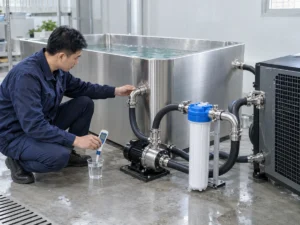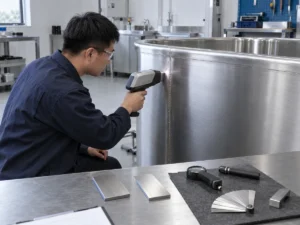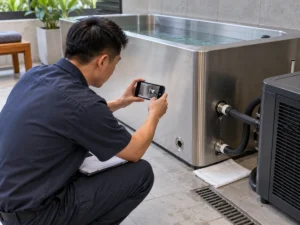
Guía técnica de bañeras de inmersión en frío
Selección de compras B2B y de proyecto para operadores comerciales, distribuidores, prescriptores y marcas de wellness.
Respuesta directa: Compre una inmersión en frío comercial como un sistema operativo completo, no como un vaso más un tamaño de enfriador llamativo. Antes de comparar cotizaciones, defina la rotación de usuarios, el volumen real de agua de funcionamiento, las temperaturas inicial y objetivo, las condiciones ambientales de entrada al condensador, las expectativas de enfriamiento rápido y recuperación entre usuarios, la circulación, la filtración y el tratamiento, la entrada y salida, el drenaje, el suministro eléctrico, el acceso de servicio y los requisitos de destino. Dos precios no son comparables hasta que el límite de suministro sea el mismo: tina, enfriador, bomba, filtro, equipo de tratamiento, cubierta, controles, puesta en marcha, documentos, consumibles y repuestos iniciales deben identificarse cada uno como suministrado, proporcionado localmente o excluido.
El resultado útil de una guía de compra es una lista corta controlada y una RFQ que los proveedores puedan responder sin supuestos ocultos. Esta guía se concentra en entradas de decisión, evidencia y verificaciones de aceptación. No publica afirmaciones no verificadas de HACHILL sobre capacidad, enfriamiento, certificación, garantía o entrega, y no trata una etiqueta de producto comercial como aprobación para uso público.
Alcance de la página: Esta página cubre la decisión de compra a nivel de sistema. Los términos de categoría de producto corresponden a la página de categoría de baños de inmersión en frío; las dimensiones y configuraciones de modelo corresponden a las páginas de producto; los términos de fabricante, OEM y marca blanca corresponden a las páginas de servicios. La correspondencia detallada de la interfaz entre bañera y enfriador de agua corresponde a la Guía de correspondencia entre bañera de inmersión en frío y enfriador de agua, mientras que la cualificación del formato vertical corresponde a la Guía de compra de bañeras verticales de inmersión en frío para instalaciones comerciales.
En esta página
- Califique la aptitud para uso comercial antes de comparar modelos
- Escriba el resumen operativo antes de leer el catálogo
- Evalúe el enfriamiento inicial y la recuperación como funciones separadas
- Defina el sistema completo de agua, enfriamiento y circulación
- Comparar el formato de la tina con la tarea del usuario
- Planifique el sitio, los servicios, el drenaje y la ruta de servicio
- Defina la sanitización como un programa operativo
- Recopilar datos de puesta en marcha y separar las causas
- Evidencia de control, responsabilidades y retenciones de liberación
- Utilice puertas de evidencia antes del pago y del envío
- Redacte las reglas de aceptación y disputa antes del envío
- Planifique la recepción, la puesta en marcha y la operación inicial
- Entradas de RFQ para bañeras de inmersión en frío comerciales
- Matriz de comparación de cotizaciones
Califique el uso comercial antes de comparar modelos de inmersión en frío
Una tina de inmersión en frío comercial se califica por el régimen de operación y los límites de responsabilidad, no por una etiqueta en la cotización. Antes de comparar la forma de la vasija, la potencia del enfriador o las opciones de tratamiento, congele al menos estos datos de entrada: volumen de agua en operación, temperaturas de inicio y objetivo, tiempo requerido de pull-down, usuarios pico por hora, temperatura de admisión del condensador de diseño y el tiempo disponible para recuperación después de una sesión representativa. Agregue reglas de dotación de personal, limpieza, cierre y supervisión. Sin estos datos, un proveedor solo puede cotizar con base en supuestos y no en un régimen controlado.
El mismo producto puede ser viable en un estudio de recuperación supervisado e inadecuado en un servicio de hotel que opera durante largos períodos con usuarios mixtos. Una mayor rotación añade calor corporal, introduce contaminantes con más frecuencia, aumenta la pérdida de agua por entrada y salida y comprime el tiempo disponible para la filtración y la recuperación. También cambia la carga de trabajo del operador. Por lo tanto, un comprador necesita controles separados de tipo térmico, hidráulico, de gestión del agua, de la sala y de personal, en lugar de una declaración genérica de que la unidad es de grado comercial.
Registro de cualificación de bañera de inmersión en frío comercial
| Entrada de decisión | Qué registrar | Por qué puede descalificar una propuesta |
|---|---|---|
| Patrón de funcionamiento | Horario de apertura, usuarios pico por hora, intervalo entre sesiones y periodos de cierre | Controla la carga de recuperación, la carga de tratamiento y la dotación de personal |
| Carga de temperatura | Volumen de operación, temperaturas iniciales/objetivo del agua y tiempo permitido | Define la energía del agua y la salida requerida según las condiciones |
| Entorno de instalación | Interior/exterior, temperatura ambiente de diseño, exposición solar/climática y recorrido del aire del condensador | Cambia la ganancia de calor, la salida del enfriador y los requisitos de protección |
| Interfaz de usuario | Método de entrada, usuarios representativos, supervisión, enfoque húmedo y espacio interno utilizable | Puede rechazar un recipiente que cabe en la sala pero no a las personas o al modelo operativo |
| Interfaces del sitio | Carga llena, ruta de entrega, electricidad, drenaje, ventilación y extracción para mantenimiento | Puede crear trabajos de construcción o impedir la instalación y el mantenimiento |
| Evidencia y alcance | Configuración exacta, componentes incluidos, condiciones de prueba, documentos y responsabilidades locales | Evita presupuestos incomparables y suposiciones de cumplimiento sin respaldo |
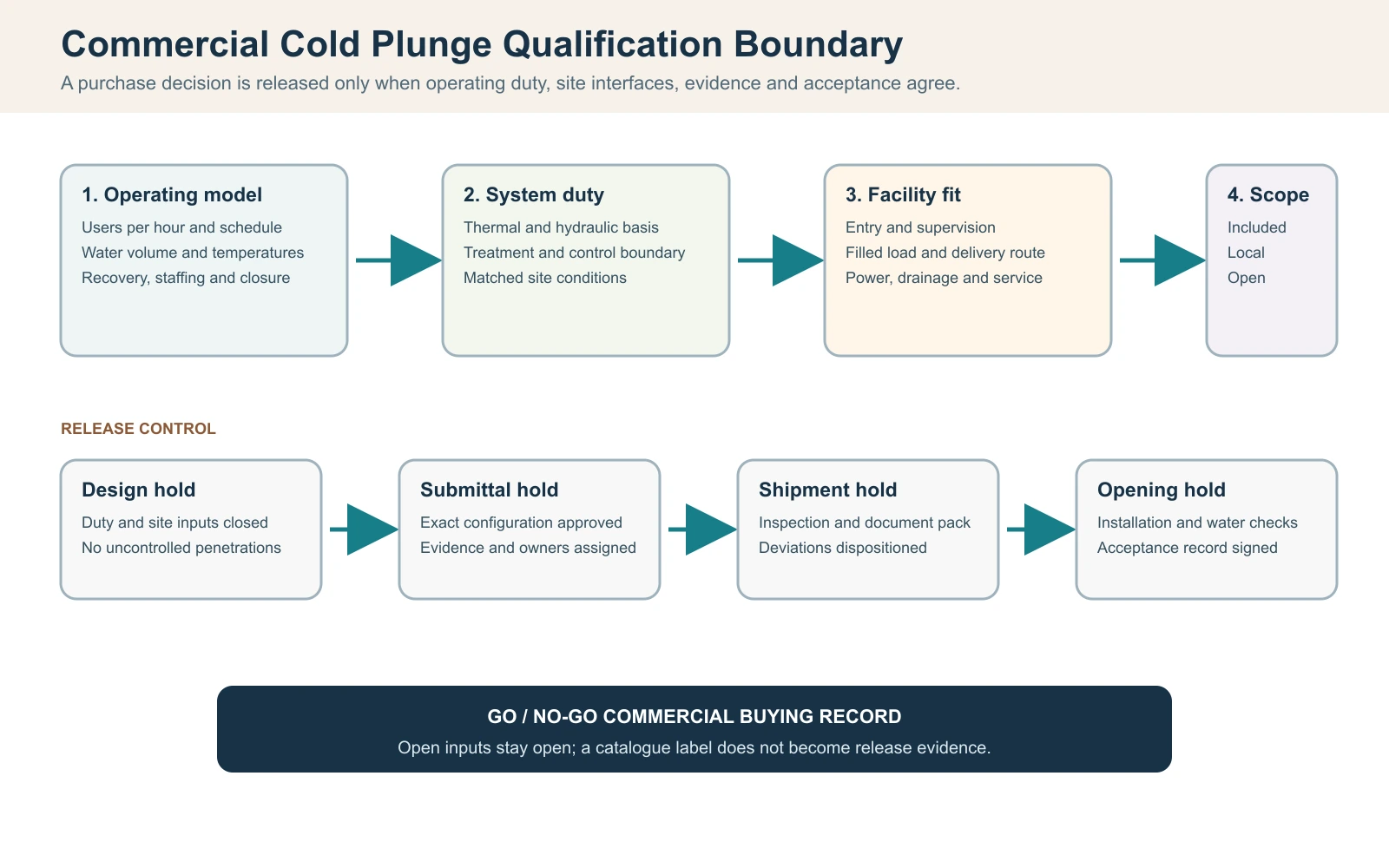
Regla de aprobación/rechazo: no libere una orden de compra mientras un insumo requerido esté representado solo por una etiqueta de catálogo, una fotografía de aplicación o una suposición de proveedor no coincidente. Regístrelo como abierto, asigne un responsable y defina la evidencia necesaria para cerrarlo.
Escriba el resumen operativo antes de leer el catálogo
Una residencia utilizada por un propietario capacitado y un centro de recuperación que atiende sesiones repetidas imponen cargas operativas diferentes incluso cuando la cuba visible es similar. Registre el horario de apertura, los usuarios máximos por hora, el espaciado entre sesiones, la supervisión, la estrategia de llenado y drenaje, los cierres por limpieza y el rango de temperatura del agua previsto. Este es el pliego operativo con el que se verifican las decisiones de recuperación, tratamiento, dotación de personal y espacio de servicio.
El resumen también debe identificar si la instalación es interior o exterior, el rango ambiental de diseño, la exposición solar, la ventilación, el riesgo de congelación y el suministro eléctrico disponible. Un enfriador seleccionado solo por el volumen de agua puede cumplir una condición nominal del catálogo pero no recuperarse entre usuarios en un área de planta caliente o mal ventilada. Mantenga el rendimiento requerido separado de las características preferidas para que las alternativas puedan compararse de manera justa.
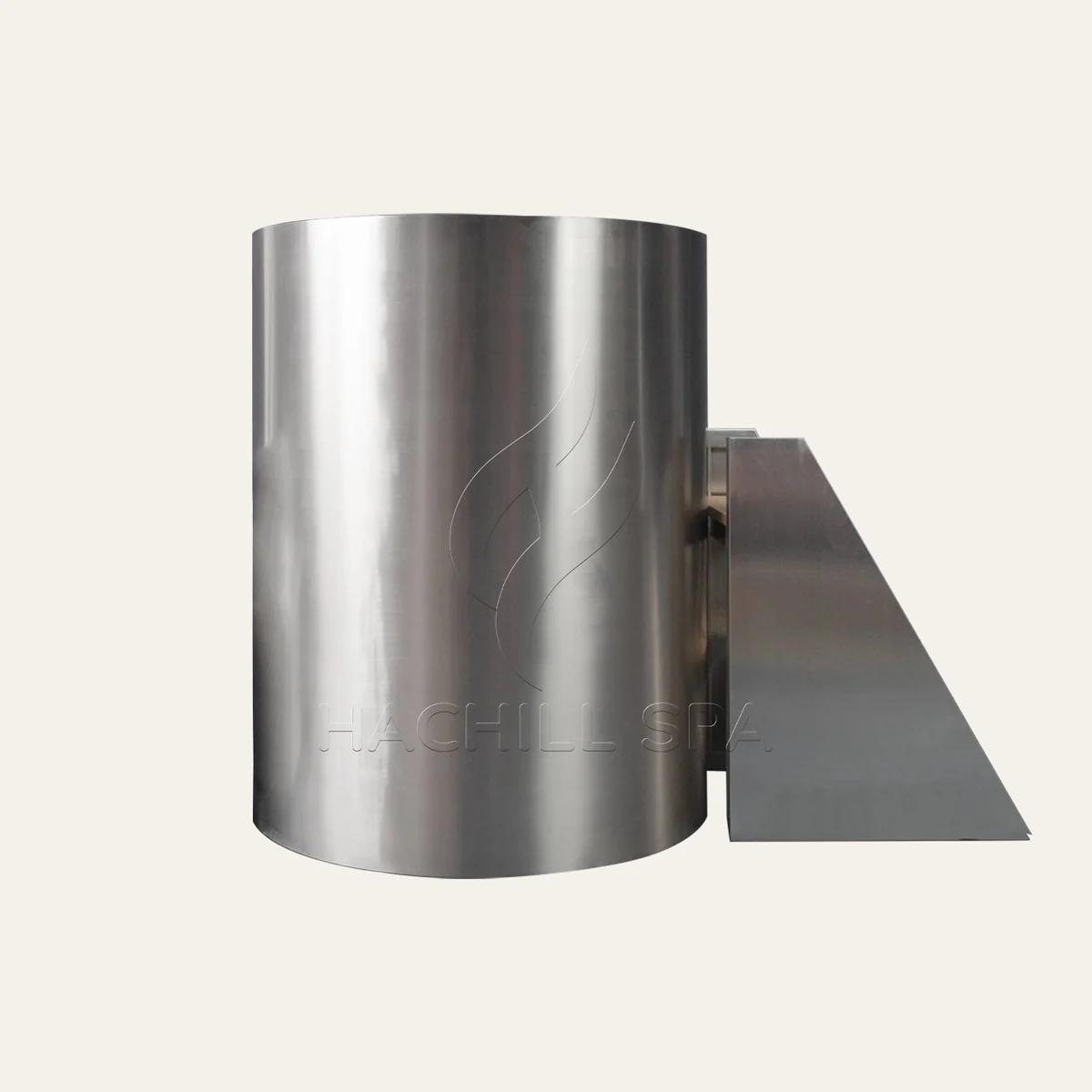
Evalúe Pull-Down y recuperación como funciones comerciales separadas
La primera criba térmica es el calor sensible eliminado del agua. Para una estimación inicial de agua líquida en este intervalo de temperatura, use Q = m x cp x Delta T, donde m es la masa de agua en kilogramos, cp es aproximadamente 4.18 kJ/kg-K, y Delta T es la reducción de temperatura. El resultado es un cálculo energético solo del agua: no incluye el calor que entra a través del recipiente, la superficie descubierta, las tuberías, la bomba, la sala o los usuarios, y no demuestra la potencia de salida de un enfriador concreto.
Cálculo ilustrativo de descenso de temperatura
Suponga un caso de planificación con 500 L de agua de operación que se enfría de 20 C a 10 C. Al aproximar la masa de agua como 500 kg se obtiene 500 x 4.18 x 10 = 20,900 kJ, o aproximadamente 5.81 kWh térmicos. Si un sistema candidato puede proporcionar una refrigeración útil neta verificada de 2.5 kW en todo el rango de condiciones relevante, el tiempo ideal solo para agua es de aproximadamente 5.81 / 2.5 = 2.32 horas.
Ese resultado de 2.32 horas no es una promesa para el sitio. El tiempo real es mayor cuando entran calor ambiental y solar, la bomba agrega calor, la cubierta está abierta, el flujo está fuera del rango requerido, el aire del condensador recircula o la capacidad útil disminuye a medida que el agua se acerca al objetivo. Utilice la capacidad neta vinculada a las condiciones o un registro controlado de enfriamiento del sistema completo, no los HP del compresor, los vatios de entrada o un punto de capacidad medido con agua más caliente.
Cálculo ilustrativo de recuperación posterior al usuario
Si una sesión representativa eleva en 1.5 K el volumen de agua bien mezclado de 500 L, el aumento medido de energía del agua es de aproximadamente 500 x 4.18 x 1.5 = 3,135 kJ, o 0.871 kWh thermal. Con los mismos 2.5 kW netos verificados, el tiempo ideal de recuperación solo del agua es de aproximadamente 20.9 minutos. La recuperación real también incluye ganancias térmicas continuas del sitio y ciclos de control. Mida el aumento de temperatura de la sesión y el intervalo real entre usuarios en lugar de tratar una cifra de usuarios por día como la carga pico.
Hoja de trabajo ilustrativa de carga comercial
| Entrada | Valor ilustrativo | Se requiere evidencia del proyecto |
|---|---|---|
| Volumen de agua operativo | 500 L | Configuración aprobada o volumen de llenado medido |
| Temperatura inicial / objetivo | 20 C / 10 C | Registro de funcionamiento y prueba sincronizada |
| Energía solo con agua | 5.81 kWh térmicos | Cálculo con unidades y supuestos |
| Capacidad neta vinculada a condiciones | 2.5 kW ilustrativo | Datos de modelo/configuración en condiciones coincidentes de agua, ambiente, caudal y suministro |
| Enfriamiento ideal | 2.32 h | Resultado de cribado únicamente; valide el sistema completo instalado |
| Aumento medido de la sesión | 1.5 K ilustrativo | Temperaturas y marcas de tiempo bien mezcladas antes/después |
| Recuperación ideal | 20.9 min | Añada ganancias continuas y comportamiento de control antes de la aceptación |
El cribado con carga completa es independiente: masa operativa total = producto seco + agua + usuarios máximos + cubierta/accesorios. Utilice la masa aprobada del producto y el volumen operativo real, y obtenga una revisión estructural cualificada cuando sea necesario. No deduzca la idoneidad del suelo a partir del peso de envío vacío.
Defina el sistema completo de agua, enfriamiento y circulación
La tina, la bomba de circulación, el filtro, el enfriador y el equipo de tratamiento forman un solo circuito hidráulico. El diámetro interior de la tubería, la longitud equivalente, los accesorios, las posiciones de válvulas, el estado del filtro y las pérdidas de presión de los componentes influyen en el caudal real a través del intercambiador de calor. Una bomba puede mostrar un caudal máximo alto en catálogo pero entregar muy poco una vez que se suma la resistencia del circuito instalado. Exija el rango de caudal permitido para cada componente crítico y una curva de bomba para el modelo y la frecuencia de operación exactos; la coincidencia detallada del circuito corresponde entonces a la guía dedicada de tina y enfriador.
La comparación de enfriamiento necesita el volumen de agua, las temperaturas inicial y objetivo, la temperatura ambiente de diseño, el tiempo de descenso requerido, la carga de usuarios repetidos y las suposiciones de aislamiento. La capacidad de enfriamiento nominal debe estar vinculada a las condiciones de prueba declaradas. La potencia en caballos es un descriptor del equipo, no una promesa directa de eliminación de calor. La cotización debe indicar qué se mide, qué se calcula y qué depende del sitio.
Cuando la preselección llegue a la compatibilidad exacta de bañera, enfriador de agua, bomba, circuito y control, continúe con la Guía de correspondencia entre bañera de inmersión en frío y enfriador de agua en lugar de ampliar ese análisis de interfaz dentro de esta guía general de compra.
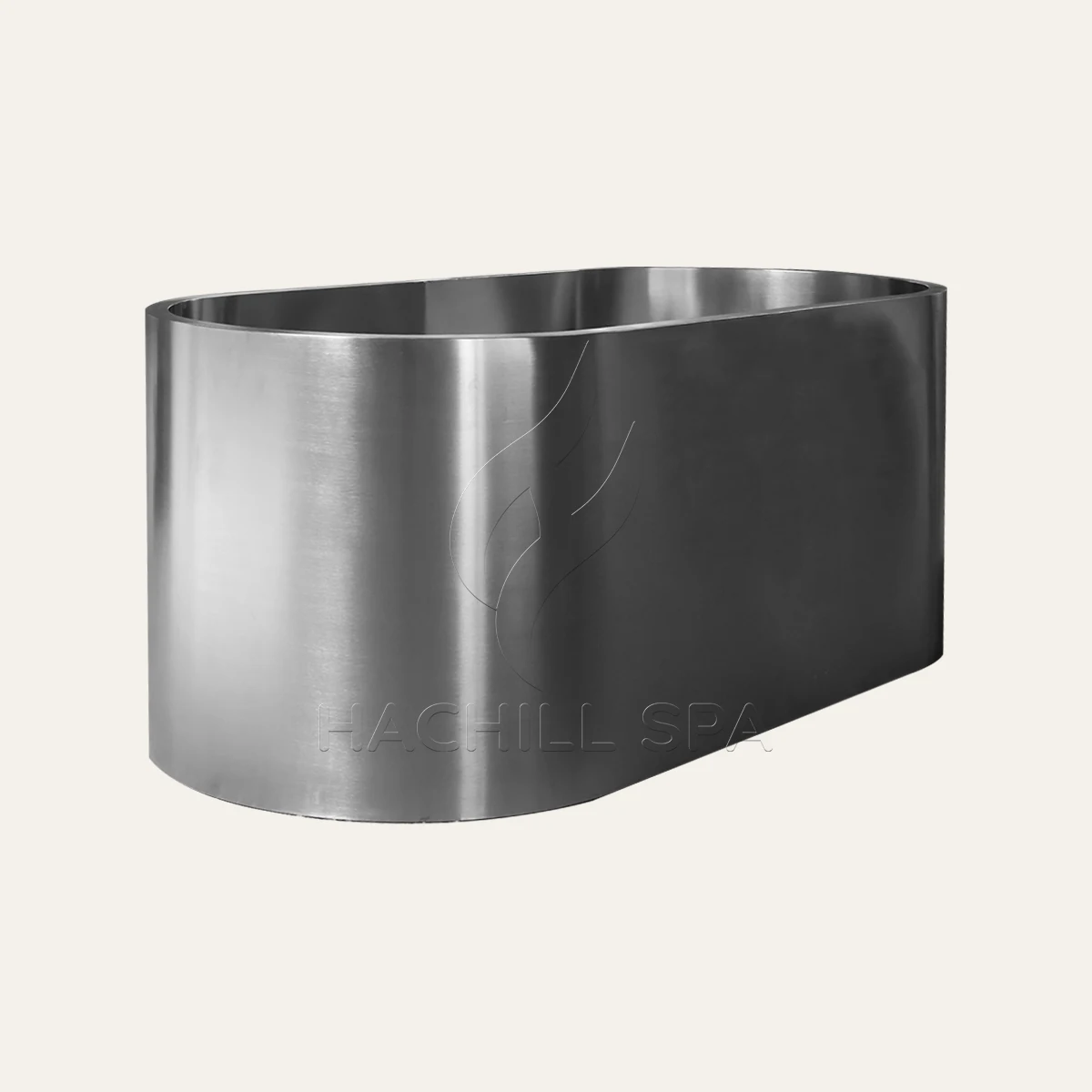
Comparar el formato de la tina con la tarea del usuario
Las bañeras verticales generalmente reducen el área en planta, pero ponen más énfasis en la posición del escalón, el soporte de manos, el espacio libre superior y la salida controlada. Las bañeras reclinadas usan más superficie de suelo y agua, pero pueden ofrecer un borde más bajo y una postura diferente. Ningún formato es automáticamente más seguro o más comercial. La elección correcta depende del perfil del usuario, la supervisión del personal, la circulación en suelo mojado, el acceso de limpieza y la ruta desde el vestuario hasta la zona de recuperación.
Confirme el espacio interno utilizable en lugar de confiar en las dimensiones externas o en una etiqueta de capacidad comercializada. Pida el nivel de agua operativo, la disposición de entrada, la geometría interna, la posición del desagüe, los pesos vacío y lleno, las dimensiones embaladas y los puntos de elevación. Un dibujo acotado apoya la planificación temprana; el dibujo de pedido aprobado debe controlar los cimientos, las puertas, los giros de pasillo y las ubicaciones finales de los servicios.
Si se está considerando un formato vertical, utilice la Guía de compra de bañeras verticales de inmersión en frío para instalaciones comerciales para la decisión de viabilidad a nivel de formato antes de la selección del modelo exacto.
Escenario de ingeniería: los sistemas cotizados no son equivalentes
Problema observado: Una propuesta parece más barata pero excluye el filtro, la bomba de circulación, la cubierta, la puesta en marcha y los cartuchos de repuesto.
Causa probable: La RFQ describe una bañera de inmersión en frío pero no fija el límite de suministro ni los entregables requeridos.
Cómo comprobarlo: Cree una matriz de inclusión línea por línea y concílela con la cotización, los dibujos y la lista de materiales.
Prevención o vía correctiva: Apruebe una matriz de responsabilidades antes de comparar precios e inclúyala en la orden de compra.
Planifique el sitio, los servicios, el drenaje y la ruta de servicio
Una inmersión fría genera salpicaduras de agua y puede producir condensación en superficies frías y tuberías. Coordine una base nivelada portante, impermeabilización donde la construcción del edificio la requiera, drenaje, control de resbalones, ventilación o deshumidificación, protección eléctrica y una ruta accesible para inspeccionar válvulas, coladores, filtros y el enfriador. En lugares de trabajo de EE. UU. donde aplica OSHA, 29 CFR 1910.22 exige que los suelos de las salas de trabajo se mantengan limpios y, en la medida de lo posible, secos; cuando se utilicen procesos húmedos, debe mantenerse el drenaje y proporcionarse lugares secos para estar de pie en la medida de lo posible. Esta es una base para el lugar de trabajo, no un sustituto de los requisitos locales de salud pública, construcción, accesibilidad o instalaciones acuáticas. La protección eléctrica final, la puesta a tierra, el enlace equipotencial y las disposiciones de GFCI o RCD deben seguir las instrucciones exactas del equipo y las normas locales aplicables.
No encierre un enfriador en un mueble sin confirmar las distancias de entrada de aire, descarga y servicio. La restricción del flujo de aire del condensador aumenta la presión de funcionamiento y puede reducir la capacidad o provocar disparos de protección. Asimismo, una conexión de desagüe visible en una fotografía del producto no establece la ruta de desagüe del sitio, el permiso de descarga ni el método de vaciado para condiciones de congelación.
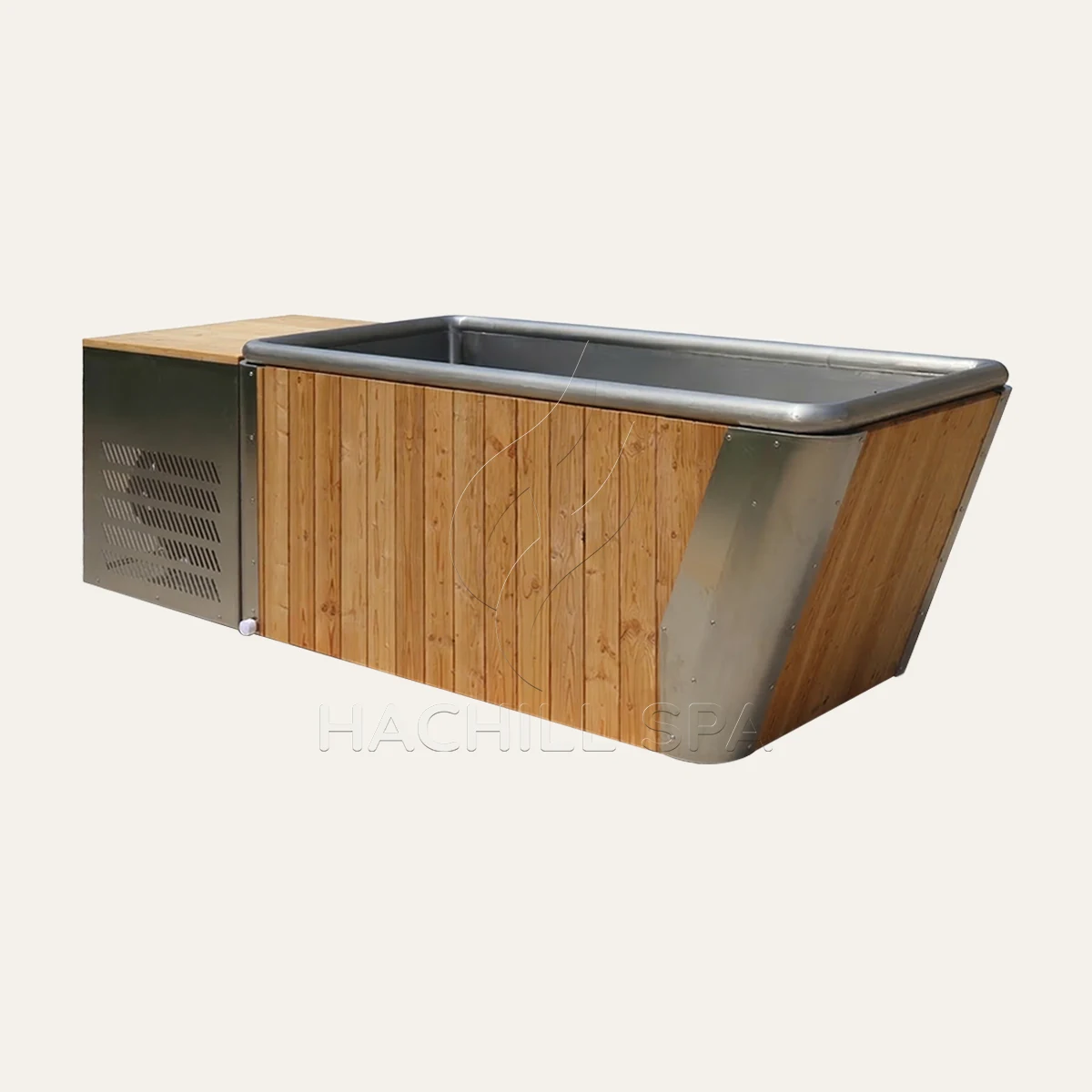
Defina la sanitización como un programa operativo
La filtración, la UV, el ozono u otra tecnología secundaria no eliminan la necesidad de un programa documentado de gestión del agua. El operador sigue necesitando los límites químicos, los métodos de prueba, el registro, el servicio del filtro, los intervalos de limpieza, la respuesta ante contaminación y los criterios de cierre exigidos por las reglas operativas aplicables. En febrero de 2026, NSF declaró que las tinas frías que incorporan sistemas de circulación, tratamiento o desinfección ya están dentro del alcance de NSF/ANSI/CAN 50, incluidos los sistemas preenvasados y construidos en sitio. Esa declaración de alcance no es una afirmación de certificación para ningún modelo HACHILL, y los reguladores pueden clasificar o aceptar las tinas frías de manera diferente según la jurisdicción. Para contextos acuáticos públicos de EE. UU., el Código de Salud Acuática de Modelo de los CDC sigue siendo una guía modelo voluntaria en lugar de ley federal, por lo que deben confirmarse la adopción y aplicabilidad locales.
Pida al proveedor que identifique cada componente de tratamiento, su orden de instalación, las condiciones de caudal requeridas, los puntos de servicio accesibles, los consumibles y los límites de compatibilidad. Frases de marketing como autolimpiante o libre de químicos no sustituyen el rendimiento documentado de los componentes, un procedimiento operativo y la aceptación local cuando se requiera. Cuando la evidencia esté incompleta, mantenga la afirmación fuera de la especificación y asigne un responsable para cerrarla.
Para el programa detallado de filtración, saneamiento, ensayos y mantenimiento, utilice la Guía de cuidado del agua para bañeras de inmersión en frío; esta guía de compra solo es responsable de garantizar que el programa de operación esté definido y asignado antes de la compra.
Escenario de ingeniería: el enfriador parece de tamaño insuficiente después de la apertura
Problema observado: El agua alcanza la temperatura objetivo durante la noche pero no se recupera durante sesiones consecutivas.
Causa probable: La selección utilizó el volumen del recipiente y una condición de prueba suave, mientras que se omitieron la carga de usuarios, las aperturas de puertas o cubiertas, el calor ambiental y el tiempo de recuperación.
Cómo comprobarlo: Registre las temperaturas de entrada y salida, las condiciones ambientales, la indicación de flujo y el tiempo de uso, y compárelos con la base de selección declarada.
Prevención o vía correctiva: Indique por separado los deberes de enfriamiento inicial y de recuperación entre usuarios, y exija datos de rendimiento en condiciones relevantes.
Recopile datos de puesta en marcha que separen las causas del producto, del sitio y de la operación
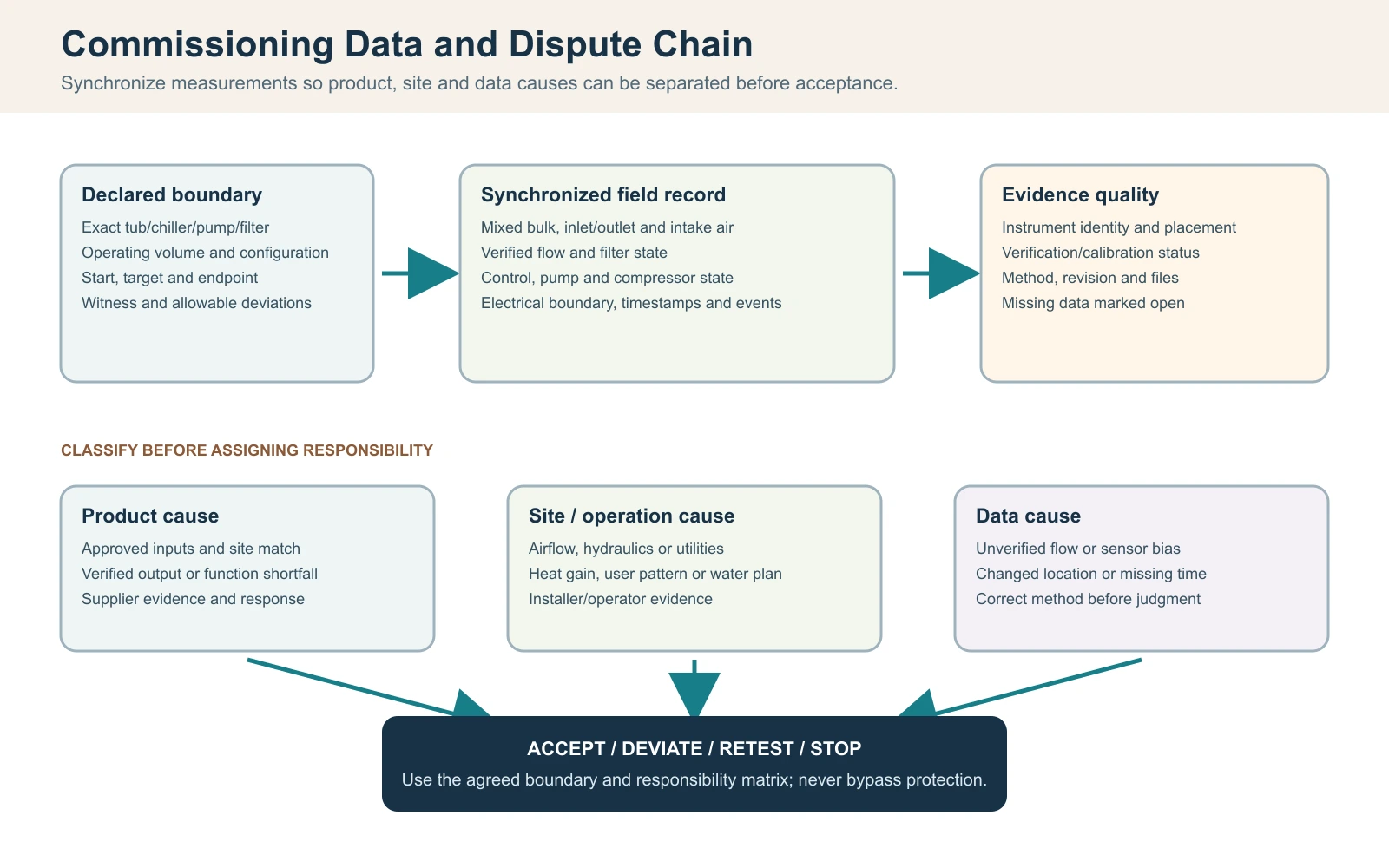
Un comprador comercial necesita un registro sincronizado, porque una curva de temperatura observada por sí sola no puede mostrar por qué cambió el rendimiento. Identifique la configuración exacta de la bañera, el enfriador, la bomba, el filtro y el control; registre la identidad del instrumento y la posición del sensor; mezcle el agua antes de las lecturas masivas; y coloque la medición ambiental en la entrada del condensador en lugar de en un termostato de habitación conveniente. Registre las desviaciones en lugar de corregir el registro después de la prueba.
Registro de datos de puesta en marcha de bañera de inmersión en frío comercial
| Hora / evento | Agua y entorno | Estado hidráulico/de control | Evidencia operativa |
|---|---|---|---|
| Antes del llenado | Volumen de funcionamiento aprobado y temperatura del agua de origen | Posiciones de válvulas, estado del filtro y estado del drenaje | Configuración, identidad de serie y revisiones de planos |
| Inicio de la prueba | Agua a granel mezclada, entrada/salida del enfriador y aire de admisión del condensador | Caudal verificado o método, modo de bomba, punto de consigna y estado de la cubierta | Tensión/frecuencia de alimentación y límite de entrada total si se mide |
| Intervalos fijos | Mismas ubicaciones de sensor y marcas de tiempo | Estado del compresor/ventilador/bomba, alarmas e indicación de presión del filtro | Apertura de puerta/tapa, exposición solar y otras desviaciones |
| Sesión de usuario | Condición del agua a granel mezclada antes/después y estado de la sala | Estado de controles y circulación | Número de usuarios, duración de la sesión y pérdida anómala de agua |
| Punto final | Agua a granel mezclada final y ambiente de entrada | Evidencia de transición de control y flujo estable | Tiempo transcurrido, testigos, excepciones y referencias de archivo |
Utilice el registro para clasificar un incumplimiento. Una causa de producto puede estar respaldada cuando la configuración aprobada, las condiciones, el flujo y los servicios coinciden, pero la salida verificada permanece por debajo del límite acordado. Una causa de sitio puede incluir aire restringido del condensador, tuberías de tamaño insuficiente, carga ambiental excesiva o suministro incorrecto. Una causa de datos incluye flujo no verificado, sesgo del sensor, ubicaciones cambiantes o marcas de tiempo faltantes. No asigne culpas hasta que estos tres grupos de causas estén separados.
Detenga la prueba y utilice un servicio calificado cuando haya protección eléctrica o de presión repetida, indicación de fuga de refrigerante, cableado dañado, sobrecalentamiento, humo, agua en interfaces eléctricas inseguras o cualquier condición prohibida por el manual del modelo. Los operadores pueden inspeccionar condiciones visibles y registros; no deben abrir gabinetes eléctricos/de refrigerante ni omitir un control de protección para completar una prueba.
Evidencia de control, responsabilidades y retenciones de liberación
Jerarquía recomendada de evidencia de adquisición de cinco niveles
| Nivel | Evidencia | Uso permitido |
|---|---|---|
| 1 | Registro de aceptación presenciado específico del pedido en las condiciones acordadas | Aceptación contractual final dentro del límite escrito |
| 2 | Informe independiente o acreditado de modelo/configuración en condiciones coincidentes | Comparación de alta confianza después de la revisión de alcance/aplicabilidad |
| 3 | Mapa de pruebas del fabricante específico del modelo con método, revisión y condiciones | Selección de ingeniería con limitaciones indicadas |
| 4 | Cálculo transparente con entradas aprobadas | Identificación de cribado y brechas, no prueba del rendimiento entregado |
| 5 | Folleto genérico, etiqueta de categoría, HP, foto o afirmación verbal | Solo para descubrimiento; no constituye evidencia de liberación |
Matriz de responsabilidades para bañeras de inmersión en frío comerciales
| Decisión | Proveedor | Comprador/operador | Instalador / profesional local | Evidencia de liberación |
|---|---|---|---|---|
| Resumen operativo | Revisar viabilidad y entradas abiertas | Gestionar usuarios, horario, objetivo y personal | Revisar implicaciones del sitio regulado | Base de servicio aprobada |
| Alcance del producto/sistema | Identificar la configuración exacta suministrada | Aprobar inclusiones, exclusiones y sustituciones | Coordinar las interfaces suministradas localmente | Alcance y planos controlados |
| Estructura/entrega | Proporcionar datos aprobados de masa y manipulación | Proporcionar restricciones de ruta y de obra | Aprobar soporte, elevación y acceso cuando sea necesario | Liberación de ruta y cimentación |
| Hidráulica/tratamiento | Proporcionar límites e instrucciones de los componentes | Gestionar el plan de funcionamiento/agua | Instalar y verificar la tubería del sitio | Registros de caudal, tratamiento y drenaje |
| Cumplimiento eléctrico/del sitio | Proporcionar datos eléctricos del modelo | Identificar el destino y el uso operativo | Diseño cualificado, protección, conexión equipotencial y aprobación | Registros locales firmados cuando sea necesario |
| Puesta en marcha | Apoyar las comprobaciones de producto acordadas | Proporcionar operador y testigo | Completar las comprobaciones reglamentarias y de instalación | Registro de aceptación/desviaciones firmado |
Esta jerarquía de evidencia es un método de control de adquisiciones, no una norma de la industria. Una secuencia práctica de proyecto puede usar cuatro retenciones: retención de diseño antes de trabajos de sitio irreversibles; retención de documentación de aprobación antes de la orden de compra o liberación de producción; retención de embarque antes del despacho; y retención de apertura antes de que ingresen los usuarios. Cada retención debe cerrarse solo cuando la evidencia nombrada esté vigente para la configuración pedida. Una referencia estándar ayuda a definir un requisito o alcance de prueba; por sí sola no prueba que un modelo HACHILL esté certificado, aprobado o aceptado en el mercado de destino.
Utilice puertas de evidencia antes del pago y del envío
La evidencia debe volverse más específica a medida que avanza el proyecto. Una página de categoría puede respaldar el descubrimiento inicial, pero la aprobación de la lista corta necesita un cronograma y un dibujo a nivel de modelo. La liberación de producción necesita la configuración aprobada, el destino eléctrico, los materiales, el acabado, las etiquetas, el embalaje y el plan de pruebas. La liberación de envío necesita registros de identidad, resultados de inspección, evidencia de embalaje y el conjunto de documentos acordado en el pedido. Ninguno de estos registros por sí solo demuestra cumplimiento fuera de su modelo, mercado y revisión indicados.
Establezca puntos de control en decisiones que sean costosas de revertir. No corte una penetración en el suelo basándose en una ubicación preliminar de desagüe, no solicite cableado de obra basándose en una imagen de estilo de vida ni apruebe un enfriador basándose en una etiqueta de caballos de fuerza. Mantenga estas acciones en espera hasta que se emitan los planos de conexión controlados, los datos eléctricos y las condiciones de rendimiento. Cuando se requiera certificación de destino, nombre la evidencia exacta y la parte responsable de la revisión, en lugar de tratar CE, UL, ETL u otra marca como términos intercambiables.
Las condiciones de pago pueden hacer referencia a entregables objetivos sin prometer un resultado que el proveedor no pueda controlar. Los registros útiles incluyen planos aprobados, una lista de materiales congelada, controles de fábrica acordados, fotografías de embalaje y no conformidades resueltas. El rendimiento en obra aún depende de las condiciones de instalación, el caudal, la temperatura ambiente, la gestión del agua y la operación, por lo que la evidencia de fábrica y la evidencia de puesta en marcha deben mantenerse separadas.
Los documentos de destino necesitan su propia verificación de liberación. Confirme el idioma de las etiquetas, la información de clasificación, el límite de enchufe o cableado en obra, los manuales, el contenido de advertencias, la identificación de piezas de repuesto y el alcance exacto del modelo de cualquier registro de cumplimiento. Un documento de otra configuración, tensión o mercado puede ser un antecedente útil, pero no puede cerrar el requisito del producto pedido. Cuando NSF/ANSI/CAN 50, una certificación eléctrica, una aprobación de salud pública u otro requisito específico del destino sea relevante, registre la evidencia exacta del modelo/configuración y la parte responsable de aceptarla. Mantenga la evidencia faltante abierta hasta que ese revisor responsable la cierre.
Redacte las reglas de aceptación y disputa antes del envío
La aceptación debe identificar la configuración exacta, el volumen de operación, la condición inicial/objetivo, el tiempo permitido o el punto de capacidad, la temperatura ambiente de entrada al condensador, el caudal de agua, el estado de la cubierta/solar, el límite eléctrico, las ubicaciones de los sensores, los instrumentos, el método de mezcla, el modo de control, el punto final, el testigo y las desviaciones permitidas. Si la condición se sale de la banda acordada, marque la ejecución como inválida o aplique solo un método de corrección previamente acordado. No improvise una corrección después de ver el resultado.
Registro de aceptación y disputas
| Disputa | Evidencia a examinar | Disposición inmediata |
|---|---|---|
| El desplegable tarda más | Volumen de agua, ganancias de calor, capacidad neta coincidente, flujo, controles y marcas de tiempo | Mantener el resultado abierto; clasificar causas de producto/sitio/datos |
| Las lecturas de temperatura del agua no coinciden | Identidad del sensor, ubicación, mezcla, resolución y estado de verificación | No promediar lecturas incompatibles; corregir el método y volver a probar |
| El alcance cotizado está incompleto | Alcance aprobado, planos, lista de empaque y registro de sustituciones/cambios | Retener la recepción o instalación hasta que se resuelva la responsabilidad |
| Se disputa el rendimiento del tratamiento | Ruta de flujo, estado de los componentes, registros de química/pruebas y procedimiento operativo | Cerrar para los usuarios si no se puede demostrar el límite de agua aprobado |
| Aparece daño visible o fuga | Fotos de recepción, registro de embalaje, identidad de la junta y registro de primer llenado | Detener el llenado/operación, preservar evidencia y asignar inspección |
| Falta la aprobación local | Requisito del destino, evidencia del modelo/componente y revisión calificada | No ponga en servicio ni abra hasta que se cierre la vía de la autoridad responsable |
Acuerde quién puede presenciar, quién puede declarar una desviación, quién paga por una nueva prueba bajo cada categoría de causa y qué registro controla si un folleto, un dibujo y un manual entran en conflicto. Corrija el documento rector mediante el control de revisiones en lugar de permitir que el personal del sitio seleccione la declaración que sea más conveniente.
Planifique la recepción, la puesta en marcha y la operación inicial
La inspección de recepción debe realizarse antes de que se deseche la caja o de que el producto se mueva por una ruta difícil. Compare la identidad del modelo y las cantidades con la lista de empaque, inspeccione las superficies y accesorios accesibles, registre los daños de transporte, confirme los componentes sueltos y compare las revisiones de los documentos. Una escasez oculta descubierta después de la instalación es más difícil de asignar, mientras que una marca de impacto no registrada puede confundirse más tarde con un defecto de fabricación.
La puesta en servicio debe verificar el sistema instalado en lugar de repetir una lista de verificación de fábrica. Confirme el soporte y la nivelación, la estanqueidad, la posición de las válvulas, el cebado, el flujo, el estado del filtro, la indicación de temperatura, la respuesta de control, la operación del tratamiento, el drenaje y el acceso seguro. Registre el volumen de agua, las condiciones ambientales y el tiempo al evaluar el enfriamiento. Detenga e investigue fugas persistentes, flujo desconocido, disparos de protección eléctrica, ruido anormal o un resultado de temperatura fuera del límite de prueba acordado; no anule los enclavamientos para completar una fecha de apertura.
El primer período de funcionamiento debe tener responsables designados para el análisis del agua, el servicio del filtro, la limpieza, la respuesta a alarmas y el stock de consumibles. Compare la rotación real máxima de usuarios, las condiciones de admisión del condensador y los intervalos de recuperación con los supuestos de compra. Si la instalación funciona de manera diferente al documento de requisitos aprobado, actualice los procedimientos y revise la capacidad del sistema antes de describir la desviación como una falla del producto. Esta retroalimentación también debe incorporarse al siguiente pedido o a la especificación del distribuidor.
Cierre la entrega con una lista de excepciones en lugar de una firma de aceptación general. Registre documentos abiertos, capacitación incompleta, conexiones temporales, brechas de repuestos y desviaciones del diseño aprobado. Asigne a cada elemento una parte responsable y evidencia de cierre. El operador también debe saber qué observaciones pertenecen al mantenimiento de rutina, cuáles requieren al instalador y cuáles requieren al proveedor del equipo.
Para un distribuidor o comprador de marca privada, retroalimente los hallazgos recurrentes de recepción y puesta en servicio a la especificación controlada. Los accesorios sueltos repetidos pueden requerir una verificación de empaque o previa al envío; los problemas recurrentes de flujo de aire en el sitio pueden requerir un dibujo de diseño más claro. Esta es una evidencia comercial más sólida que agregar afirmaciones sin respaldo a la página de ventas porque conecta la mejora del producto con una falla observable y una acción preventiva.
Entradas de RFQ para bañeras de inmersión en frío comerciales
Entradas de RFQ para bañeras de inmersión en frío comerciales
| Entrada | Por qué cambia la decisión | Evidencia a solicitar |
|---|---|---|
| Uso y rotación | Cambios en la recuperación, el tratamiento y el deber del personal | Horario de operación y usuarios por hora |
| Agua y temperatura | Define la masa térmica y la eliminación de calor | Volumen de operación, temperaturas inicial/objetivo y tiempo |
| Ambiente y ubicación | Cambia la carga del condensador, la ganancia de calor y la protección contra la intemperie | Rango ambiental de diseño y plano interior/exterior |
| Hidráulica | Controla el flujo real del intercambiador de calor y del filtro | Rango de flujo, curva de bomba, tubería y programa de equipos |
| Desinfección | Determina el tratamiento y la carga de trabajo del operador | Lista de componentes, base de validación y plan de agua |
| Servicios públicos y acceso | Puede descalificar un sistema después de la compra | Programa eléctrico, drenaje y plano de servicio |
Matriz de comparación de cotizaciones
Matriz de comparación de cotizaciones
| Partida | Incluido | Suministrado localmente | Evidencia abierta |
|---|---|---|---|
| Cuba, aislamiento y cubierta | Identificar el alcance exacto del pedido | Elementos construidos en obra | Materiales y plano aprobado |
| Enfriadora y controles | Modelo y punto de funcionamiento | Cubierta meteorológica si la hubiera | Condiciones de la prueba de capacidad |
| Bomba, filtro y tratamiento | Modelos y consumibles | Fontanería en obra | Cálculo hidráulico y validación |
| Puesta en marcha y formación | Tareas y registros | Trabajos de oficio con licencia | Criterios de aceptación |
| Repuestos y documentación | Paquete inicial | Inventario local | Idiomas y estado de revisión |
Lista de verificación del proyecto
- Fijar el brief operativo y el supuesto de entrega al usuario.
- Aprobar la matriz completa de suministro y responsabilidades.
- Confirmar la revisión del plano, la ruta de embalaje, el plan de elevación y la carga llena.
- Verifique la carga del enfriador, las condiciones de prueba, el rango de flujo y las holguras del condensador.
- Apruebe las responsabilidades de tratamiento, pruebas, limpieza y cierre.
- Defina el acceso eléctrico, de drenaje, ventilación y de servicio del sitio.
- Registre las verificaciones de aceptación de fábrica, recepción y puesta en marcha.
Información que incluir en una RFQ
Envíe datos a nivel de modelo y específicos del sitio para que los proveedores puedan cerrar supuestos antes de la comparación de precios:
- Aplicación y mercado objetivo
- Usuarios esperados por hora y horario de operación
- Formato de tina y requisitos de espacio utilizable
- Volumen de agua o lista corta de modelos aprobados
- Temperaturas iniciales y objetivo del agua
- Rango ambiental de diseño y tiempo de recuperación
- Ubicación interior/exterior y ventilación
- Voltaje, frecuencia y fase
- Requisitos de tratamiento y operador
- Restricciones de drenaje, entrega y servicio
- Documentos requeridos y cumplimiento del destino
- Alcance de cantidad, marca y empaque
Preguntas frecuentes
¿Qué deben comparar primero los compradores comerciales en una bañera de inmersión en frío?
Compare primero el resumen de funcionamiento y el límite de responsabilidad. La rotación de usuarios, la temperatura objetivo, las condiciones ambientales, el tiempo de recuperación, el enfoque de saneamiento, los servicios públicos y el acceso al mantenimiento determinan si dos sistemas son realmente equivalentes. El precio del recipiente o la etiqueta de potencia del enfriador por sí solos no pueden demostrarlo.
¿Significa la etiqueta comercial que la bañera de inmersión en frío está aprobada para uso público?
No. Comercial es un término de posicionamiento de producto, no una aprobación para uso público. Las instalaciones públicas o compartidas deben confirmar los requisitos de salud pública, eléctricos, de construcción y de accesibilidad del destino’s, junto con los procedimientos operativos y la evidencia específica del modelo. NSF señala que las interpretaciones regulatorias de las tinas frías varían según el estado y el municipio, por lo que la revisión local responsable sigue siendo importante.
¿Qué información sobre el enfriador debe incluirse en una solicitud de presupuesto (RFQ)?
Indique el volumen de agua de funcionamiento, las temperaturas inicial y objetivo, la temperatura ambiente de diseño, los tiempos deseados de enfriamiento y recuperación, el patrón de uso, el aislamiento, la ubicación de instalación, el voltaje y la frecuencia. Solicite la capacidad de enfriamiento en las condiciones declaradas, el caudal requerido, la información de conexión y los espacios libres del condensador.
¿Deben la luz UV o el ozono sustituir el análisis periódico del agua?
No. El tratamiento secundario puede complementar un programa de gestión del agua diseñado, pero no sustituye el control químico aprobado, la filtración, la limpieza, los análisis, el registro de datos ni la respuesta ante contaminación. El programa exacto debe ajustarse a las instrucciones del equipo, al patrón de uso y a la normativa local.
¿Qué se debe comprobar cuando llega la bañera de inmersión en frío?
Compruebe el estado del embalaje, la identidad del modelo y el número de serie, los daños visibles, los accesorios sueltos, las piezas incluidas, las revisiones de los documentos y la lista de embalaje aprobada antes de mover la unidad. Tras la instalación, siga el procedimiento de aceptación acordado para fugas, caudal, control, tratamiento y temperatura antes de ponerla en funcionamiento para los usuarios.
Recursos relacionados de HACHILL
Categoría de producto: bañera de inmersión en frío
Utilice la categoría de producto cuando el brief de operación esté definido y la siguiente tarea sea la preselección de la familia de productos.
Soluciones comerciales de inmersión fría
Utilice la página de solución comercial cuando el tipo de recinto, el alcance del proyecto y el despliegue comercial sean más importantes que la comparación de productos individuales.
Guía de cuidado del agua para inmersión en frío
Utilice la guía de cuidado del agua cuando la decisión pendiente sea filtración, saneamiento, ensayos, limpieza o registros operativos rutinarios.
Solicitar presupuesto de proyecto
Utilice la vía de RFQ cuando el servicio, el alcance, las interfaces del sitio y la evidencia requerida estén definidos con suficiente claridad para la revisión del proveedor.
Base de referencia
- NSF: Requisitos NSF/ANSI/CAN 50 para inmersiones en frío – Guía de alcance de febrero de 2026 que indica que las tinas frías con sistemas de circulación, tratamiento o desinfección están dentro de NSF/ANSI/CAN 50; esto no constituye una declaración de certificación para ningún modelo HACHILL.
- Código Modelo de Salud Acuática de los CDC 2024, 5.ª edición – Guía modelo actual de EE. UU. para instalaciones acuáticas públicas; no es ley federal y debe confirmarse la adopción/aplicabilidad local.
- catálogo de normas de PHTA – Catálogo actual de normas ANSI/PHTA para piscinas públicas, spas y bañeras de hidromasaje; la aplicabilidad depende del proyecto y la jurisdicción.
- OSHA 29 CFR 1910.22 – Requisitos de superficies para caminar y trabajar en el lugar de trabajo de EE. UU., incluidos el drenaje de procesos húmedos y los lugares secos factibles para estar de pie donde se aplica la norma.
- NIST Chemistry WebBook: Agua – Referencia de capacidad calorífica en fase líquida que respalda el valor aproximado de primera pasada de 4.18 kJ/kg-K utilizado en el cálculo ilustrativo de selección.
Límite técnico y de seguridad para la Guía de compra de tinas de inmersión en frío para empresas y compradores de productos: Los manuales de producto, los planos aprobados, los requisitos locales de construcción, eléctricos, de salud pública y de accesibilidad, los oficios con licencia y los profesionales médicos o de seguridad cualificados tienen prioridad sobre la orientación general de la web. Las normas y guías externas se utilizan para definir preguntas de evidencia, no para afirmar certificación o aprobación local de un modelo HACHILL. Este artículo no afirma rendimiento garantizado en el sitio ni beneficio médico individual.