Guida all'ergonomia della vasca fredda verticale
Come valutare entrata e uscita di una vasca fredda verticale utilizzando la geometria esatta del modello, le interfacce di gradino e supporto, le prove con utenti rappresentativi e la messa in servizio controllata a umido.
Risposta diretta: Valutare entrata e uscita di una vasca fredda verticale sul modello esatto e sulla configurazione di accesso installata, non sulle dimensioni esterne, su un'etichetta per una persona o su una foto di prodotto. Verificare il profilo del bordo, l'appoggio interno per i piedi o il sedile, il gradino o la piattaforma approvati, le posizioni di supporto per le mani, il livello dell'acqua in esercizio, lo spazio di appoggio a umido e di recupero, e l'intera sequenza di movimento dall'avvicinamento all'uscita. Eliminare componenti di accesso instabili, spazi di appoggio ostruiti, acqua sul pavimento non controllata, interfacce di supporto non verificate e qualsiasi operazione di uscita che gli utenti previsti non possono completare con la supervisione pianificata prima della valutazione comparativa o dell'apertura.
Per l'approvvigionamento e la messa in servizio, mantenere un confine utente/attività specifico per modello, un registro geometrico, una mappa dei movimenti, un registro delle condizioni di sospensione del progetto, un verbale di osservazione a secco e a umido, una matrice delle responsabilità e un fascicolo di accettazione/ricollaudo. Questi documenti supportano una decisione solo nell'ambito del modello, del sito, del gruppo di utenti e della procedura operativa documentati; non certificano sicurezza universale, accessibilità, idoneità alle dimensioni corporee, idoneità medica o conformità normativa.
Ambito della pagina: questo articolo tratta l'ergonomia di entrata, immersione, uscita e recupero per la vasca fredda verticale. L'acquisto generale del formato verticale, la selezione del tipo di struttura, il dimensionamento del sistema di raffreddamento, il trattamento dell'acqua, le specifiche esatte del modello, la certificazione e gli esiti sanitari appartengono alle rispettive pagine dedicate o ai documenti di progetto controllati.
Definire gli utenti previsti e l'intera attività di entrata/uscita
Iniziare dalle persone e dal metodo operativo, non da un'affermazione che una vasca sia ergonomica. Registrare chi è destinato a utilizzare la postazione, se l'uso è autonomo o supervisionato, quale assistenza il personale può fornire e quali utenti necessitano di rinvio a professionisti qualificati in ambito medico, di accessibilità o di sicurezza. Una vasca verticale può ridurre la lunghezza del pavimento, ma la sua transizione più alta può richiedere un posizionamento del piede e un supporto più coordinati rispetto ad altri formati.
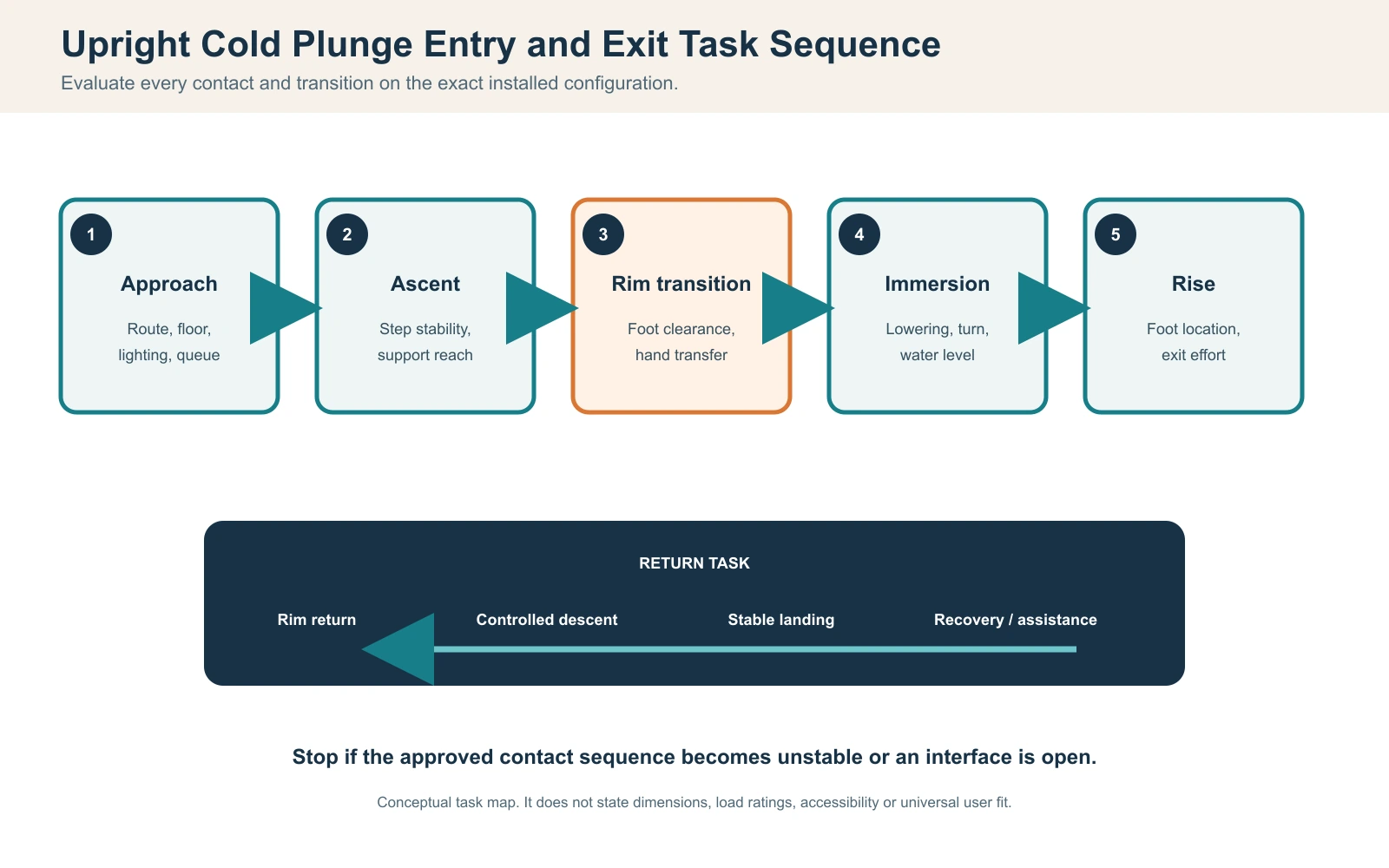
Suddividere un ciclo in avvicinamento, salita, transizione del bordo, abbassamento, immersione, rotazione o riposizionamento, risalita, ritorno al bordo, discesa e recupero stabile. Definire i contatti previsti di mani e piedi in ogni transizione. Un corrimano raggiungibile durante la salita può essere dietro all'utente durante l'uscita; un appoggio interno visibile quando la vasca è vuota può essere più difficile da individuare attraverso l'acqua agitata. Il risultato è una definizione del compito per una specifica installazione, non un intervallo universale di dimensioni corporee.
| Ingresso | Come ottenerlo | Decisione influenzata | Stato |
|---|---|---|---|
| Gruppo di utenti previsto | Politica della struttura e progettazione del servizio | Gruppo di prova e restrizioni operative | Approvato / aperto |
| Autogestito o supervisionato | Procedura operativa e turni | Osservazione, assistenza e chiusura | Definito / aperto |
| Metodo di assistenza | Revisione qualificata di compiti/rischi | Posizione del personale e supporti approvati | Approvato / vietato / aperto |
| Stato di abbigliamento e calzature | Flusso di lavoro del servizio osservato | Contatto dei piedi e percorso su pavimento bagnato | Osservato / pianificato |
| Livello dell'acqua operativo | Manuale del modello esatto o registro approvato | Galleggiabilità, portata, schizzi e uscita | Confermato / aperto |
| Limite salute/accessibilità | Revisione locale qualificata | Idoneità, alternative e avvertenze | Confermato / in sospeso |
| Risposta a uscita anomala | Procedura di esercitazione o documentata | Interruzione dell'uso e escalation al personale | Supervisionato / aperto |
Non utilizzare altezza, età o capacità atletica come scorciatoia per l'idoneità individuale. Due utenti di altezza simile possono adottare strategie di movimento diverse. Definire la popolazione prevista e osservare l'attività effettiva secondo una procedura controllata. Se una struttura statunitense è soggetta a requisiti di accessibilità, trattare l'accessibilità come questione di classificazione e progettazione a livello di progetto. Il Standard ADA dell'U.S. Access Board includono disposizioni di ambito e requisiti tecnici per piscine, vasche per bambini e spa, compresi i mezzi di accesso accessibili per le spa coperte; se una specifica installazione di vasca fredda verticale rientri in una particolare disposizione deve essere stabilito dal team qualificato del progetto per accessibilità e normativa. Questo articolo non determina la conformità.
Misurare la geometria del prodotto e l'inviluppo di entrata/uscita installato
Il diametro esterno, la larghezza o la capacità per una persona descrivono solo parte del problema. L'ingombro installato include la vasca, il gradino o la piattaforma, l'avvicinamento, la portata del supporto per le mani, il movimento di attraversamento del bordo, l'atterraggio libero, la posizione di asciugatura e recupero, il movimento del coperchio, la posizione di assistenza del personale e l'accesso per la manutenzione. Questi ingombri possono sovrapporsi solo quando la procedura operativa previene compiti in conflitto.
Usare una pianta in scala e un prospetto. Registrare la geometria dal modello e dalla configurazione esatti ordinati; non copiare un'immagine di categoria o un disegno di un altro modello. Segnare ogni incognita come aperta. L'espressione di pianificazione è inviluppo di compito installato = unione degli inviluppi di prodotto + approccio + salita + transizione + uscita + recupero + assistenza. Si tratta di un'unione geometrica, non di una promessa di idoneità né di una semplice somma di aree rettangolari.
| Campo geometrico | Evidenza preferita | Perché è importante | Regola di registrazione |
|---|---|---|---|
| Ingombro esterno e altezza | Disegno modello approvato | Posizione, percorso e approccio al bordo | Modello/configurazione/revisione |
| Geometria interna utilizzabile | Disegno di sezione o campione approvato misurato | Compito di piede, ginocchio, rotazione e postura | Non dedurre dall'esterno |
| Altezza, larghezza e profilo del bordo | Disegno/misurazione controllata | Trasferimento del peso e contatto | Registrare unità e riferimento |
| Geometria del gradino/pedana | Disegno di dettaglio incluso o dettaglio di cantiere | Salita, discesa e stabilità | Identificare fornitore e fissaggio |
| Supporto per le mani | Dettaglio prodotto/sito approvato | Direzione di raggiungimento e percorso di carico | Non dedurre la portata di carico |
| Appoggio per i piedi/sedile/supporto | Disegno interno e ispezione | Abbassamento, risalita e posizione dei piedi | Registrare la visibilità dello stato dell'acqua |
| Livello dell'acqua operativo | Registro di manuale e messa in servizio | Galleggiamento, schizzi e portata | Registrare la condizione effettiva |
| Area di atterraggio/recupero | Disegno di cantiere coordinato | Uscita controllata e accesso del personale | Proteggere da coda/immagazzinamento |
| Coprire/interfacce di servizio | Manuale più layout completato | Evitare conflitti di attività | Rivedere gli stati operativi |
Misurare a partire da un riferimento definito e identificare se un valore è nominale, massimo, minimo o osservato. Le fotografie sono utili per l'orientamento ma sono una prova dimensionale debole perché la prospettiva, la distorsione dell'obiettivo e una configurazione sconosciuta possono trarre in inganno. Quando i disegni del fornitore e le condizioni sul campo differiscono, fermarsi e riconciliare il modello, la revisione e l'installazione prima di continuare la decisione ergonomica.
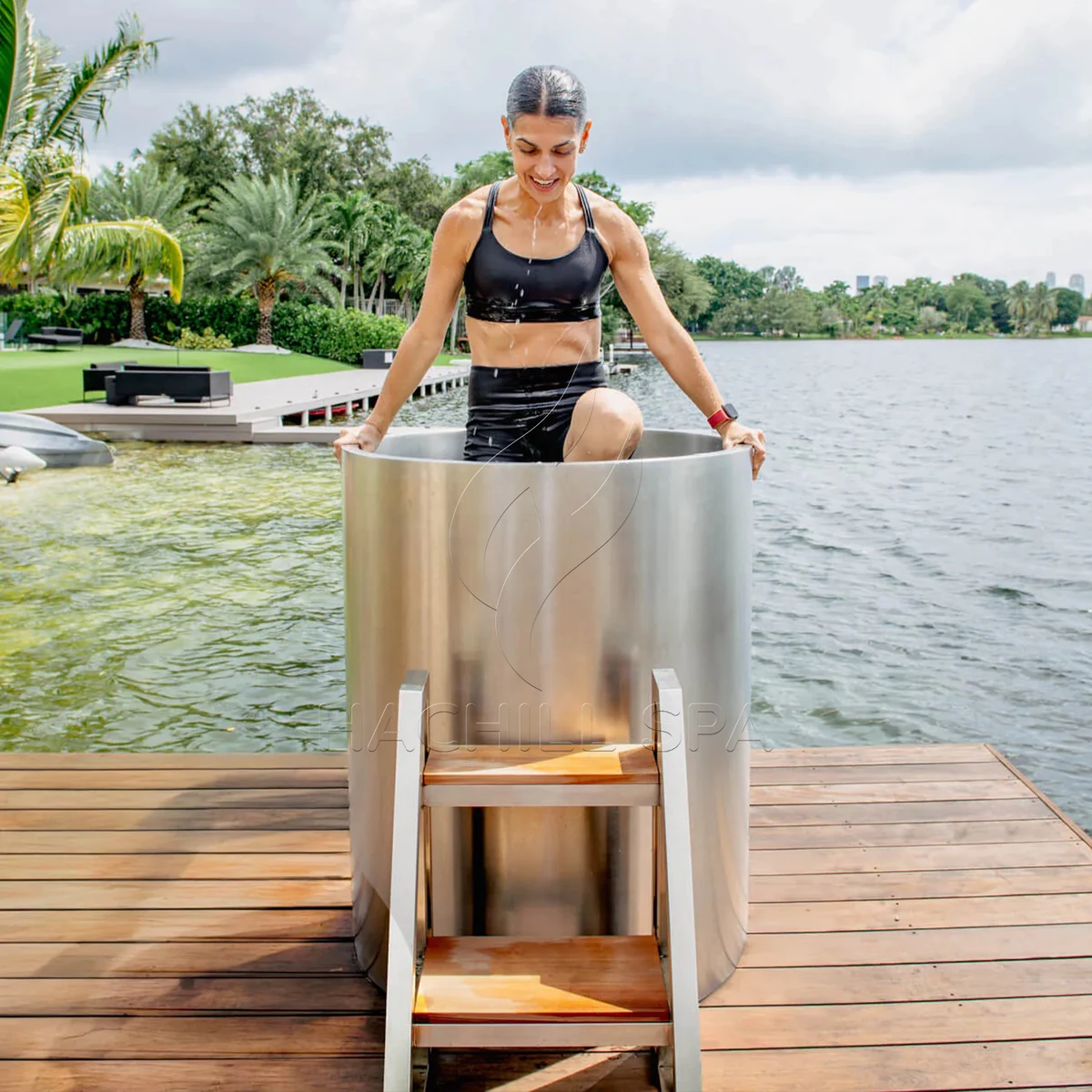
Mappare ogni transizione di mani, piedi e corpo
Creare una mappa dei movimenti prima della prova. Per ogni fase, identificare il contatto previsto, la direzione della forza, il segnale visivo, l'eventuale ostruzione e la posizione di recupero se il movimento viene interrotto. Esaminare sia l'ingresso che l'uscita; l'uscita cambia comunemente il carico perché l'utente passa dal supporto galleggiante al peso corporeo completo mentre è bagnato. La valutazione deve includere il coperchio, le pareti vicine, le tubazioni, i mobili, gli asciugamani e gli altri utenti nelle loro posizioni operative effettive.
| Fase | Osservare | Prova richiesta | Risposta al guasto |
|---|---|---|---|
| Avvicinamento | Condizione del pavimento, percorso, illuminazione e coda | Piano della zona umida e sopralluogo | Liberare o riprogettare il percorso |
| Salita | Gradino di contatto, supporto di appoggio e stabilità | Gradino approvato più prova a secco | Mantenere se il movimento/supporto è instabile |
| Transizione del bordo | Spazio per i piedi, trasferimento delle mani e spazio sopra la testa | Pianta/prospetto più osservazione | Modifica della disposizione approvata |
| Abbassamento | Discesa controllata e contatto interno | Prova della geometria interna esatta | Limitare o rifiutare la configurazione |
| Immersione/rotazione | Postura, spazio per ginocchia/piedi e accesso ai comandi | Compito previsto osservato | Rivedere il confine/procedura dell'utente |
| Alzarsi | Sequenza di mani/piedi e sforzo dopo l'immersione | Prova di uscita osservata | Fornire modifica approvata o interrompere |
| Ritorno al bordo | Equilibrio da bagnato e direzione di transizione | Osservazione della messa in servizio in condizioni di bagnato | Chiudi l'interfaccia non risolta |
| Discesa/recupero | Atterraggio, asciugatura, assistenza e percorso libero | Osservazione del sito completato | Proteggi l'area di recupero |
Un movimento non è accettato perché un dimostratore addestrato può completarlo una volta. Ripetibilità, uso corretto dei supporti previsti e capacità di fermarsi senza caduta incontrollata o presa improvvisata contano di più. Non chiedere a una persona di ripetere un movimento che ha già mostrato instabilità solo per ottenere più dati.
Scenario tecnico: il supporto funziona all'ingresso ma scompare durante l'uscita
Problema osservato: Un utente sale con un supporto raggiungibile, ma dopo essersi girato nella vasca lo stesso supporto è dietro la spalla durante il primo movimento di uscita.
Causa probabile: La revisione del layout ha trattato ingresso e uscita come immagini speculari e non ha mappato il trasferimento delle mani dopo l'immersione.
Come verificare: Segna le posizioni di mani e piedi per ogni fase sulla configurazione installata esatta, quindi osserva un compito a secco controllato con la direzione di marcia prevista.
Prevenzione o percorso correttivo: Modifica il supporto approvato, l'orientamento o il limite operativo e ripeti la prova a secco interessata prima della messa in servizio in acqua.
Rimuovere le condizioni di sospensione di entrata/uscita prima di valutare le preferenze
Non mediare un guasto critico dell'interfaccia in un punteggio complessivo attraente. Per il metodo di progetto in questa guida, trattare un gradino allentato o non approvato, un percorso di carico di supporto irrisolto, un pianerottolo ostruito, un danno con spigoli vivi, acqua sul pavimento non controllata, un comando di arresto inaccessibile, un'osservazione richiesta inadeguata o l'incapacità degli utenti previsti di completare l'uscita controllata come condizioni di sospensione finché non vengono chiuse, limitate da una regola operativa approvata o respinte. Questi sono gate decisionali di approvvigionamento e messa in servizio, non un elenco universale definito da norme; le istruzioni del produttore e i requisiti locali applicabili possono aggiungere o modificare i punti di sospensione.
| Condizione di mantenimento | Prove necessarie per il rilascio | Responsabile del rilascio |
|---|---|---|
| Il gradino/la piattaforma si muove, oscilla o manca di ambito approvato | Dettaglio approvato, registro di installazione e verifica di stabilità | Fornitore/progettista del sito/installatore come da ambito |
| Supporto manuale o percorso di carico non verificato | Evidenza di componente e fissaggio approvati | Autorità di progettazione e revisore qualificato |
| L'utente previsto non può completare l'uscita controllata | Modifica approvata o restrizione utente documentata | Acquirente/operatore con revisione qualificata |
| Spazio di atterraggio o recupero ostruito | Layout completato e controllo operativo | Progettista del sito/operatore |
| Acqua stagnante o drenaggio creano un percorso incontrollato | Pavimento/drenaggio corretto e verifica a umido testimoniata | Installatore/operatore |
| Superficie di contatto tagliente, danneggiata o instabile | Riparazione/sostituzione e ispezione | Fornitore/installatore/operatore |
| Il personale non può osservare o fermare l'attività come progettato | Turni, linea di vista o controllo accessi rivisti | Operatore |
| Revisione locale/accessibilità richiesta in sospeso | Decisione documentata specifica del progetto | Professionista qualificato/AHJ |
Regola decisionale: una condizione di sospensione del progetto irrisolta non è un punteggio basso. Non procedere a valutazioni comparative, uso da parte dei dipendenti, apertura al pubblico o soluzioni improvvisate finché l'autorità designata non la chiude. Nei luoghi di lavoro statunitensi in cui OSHA 1910.22 si applica, le superfici di camminamento e di lavoro devono essere mantenute pulite e ordinate e, per quanto fattibile, asciutte; dove si utilizzano processi bagnati, deve essere mantenuto il drenaggio. Tale regola supporta il trattamento dei rischi irrisolti sulle superfici di camminamento bagnate come blocchi al rilascio per le aree coperte dei dipendenti, ma non è uno standard completo di sicurezza per le vasche fredde.
Misurare il layout completato con un metodo ripetibile
Definire il recipiente esatto, il componente di accesso approvato e le interfacce circostanti a grandezza naturale prima che i servizi permanenti rendano costose le modifiche. Utilizzare un metro o un laser adatto alla superficie, una livella dove pertinente, segni rimovibili sul pavimento, fotografie da punti di vista fissi e uno schizzo datato. Registrare lo strumento, il riferimento, le unità, l'osservatore e la revisione. Lo scopo è la tracciabilità, non la falsa precisione.
Per le osservazioni di portata e movimento, registrare dove avviene il contatto invece di dichiarare una distanza accettabile universale. Documentare se la persona si sporge, si torce, cerca un appoggio per i piedi, cambia presa, tocca un bordo o necessita di assistenza. Misurare l'area di atterraggio e recupero nello stato di allestimento completato, inclusi porte, coperture, schermi, scarichi e pannelli di servizio.
| Registro | Metodo | Prove grezze | Uso decisionale |
|---|---|---|---|
| Geometria pianta/prospetto | Misurare dal riferimento indicato | Valori, unità, schizzo e foto | Confrontare con il layout approvato |
| Stato gradino/piattaforma | Controllo di livello/stabilità e posizione | Foto, fissaggio e condizioni | Rilascio del compito di risalita |
| Sequenza di contatto delle mani | Osservazione controllata del compito | Mappa dei contatti per fase | Individuare trasferimenti non raggiungibili |
| Sequenza di contatto dei piedi | Osservazione controllata del compito | Mappa piedi/appoggi per fase | Individuare ricerca o interferenza |
| Atterraggio/recupero | Inviluppo marcato a piena scala | Registrazione di dimensioni e ostacoli | Proteggere l'uscita controllata |
| Posizione di assistenza del personale | Prova pratica della procedura | Registrazione di posizione/linea di vista | Validare il metodo operativo |
| Stati di copertura e manutenzione | Simulazione apertura/chiusura/rimozione | Fotografie di conflitto | Evita la sovrapposizione degli inviluppi |
| Deviazione | Confronta il disegno con il campo | Proprietario, impatto e stato | Sospendi l'accettazione interessata |
Se una misura cambia dopo la pavimentazione, la livellatura, la sostituzione di un gradino o una revisione del prodotto, aggiorna il registro e ripeti solo le attività interessate più eventuali transizioni dipendenti. Conserva il record precedente; spiega perché la conclusione precedente non controlla più l'installazione completata.
Eseguire prove a secco di entrata/uscita con utenti rappresentativi
Una prova a secco riduce l'esposizione mentre il layout è ancora regolabile. Seleziona i partecipanti dal gruppo di utenti previsto della struttura utilizzando un metodo approvato e non discriminatorio; la prova non è uno screening medico. Spiega il segnale di stop, mantieni il contenitore assicurato, usa solo supporti approvati e fornisci un osservatore qualificato dove il progetto lo richiede. Non chiedere ai partecipanti di saltare, arrampicarsi su superfici non approvate o testare una condizione già identificata come instabile.
Osserva la stessa sequenza scriptata per ogni partecipante. Registra il completamento, la sequenza di contatto, l'assistenza, le deviazioni e il motivo dello stop. Un superamento per un partecipante non prova l'adattabilità universale. Un fallimento può indicare un problema di configurazione, una restrizione operativa o la necessità di una revisione qualificata. Conserva le osservazioni non riuscite invece di mediarle via.
| Campo | Cosa registrare | Perché è importante | Stato del risultato |
|---|---|---|---|
| Gruppo/codice partecipante | Raggruppamento di utenti previsti pertinente senza dati personali non necessari | Collega l'osservazione all'ambito dichiarato | Nell'ambito / fuori ambito |
| Configurazione/revisione | Recipiente, fase, supporto, orientamento e disposizione | Impedisce il trasferimento a un'altra configurazione | Confermato / non corrispondente |
| Fase dell'attività | Sequenza di movimenti standard | Individua l'interfaccia | Completo / assistito / interrotto |
| Contatti/deviazione | Mani, piedi, inclinazione, torsione, ricerca o collisione | Mostra come è stata eseguita l'attività | Previsto / deviazione |
| Osservatore/testimone | Nome/ruolo e ora | Supporta la tracciabilità | Registrato / mancante |
| Motivo di arresto | Instabilità, dolore, incertezza, ostruzione o attivazione della procedura | Protegge il partecipante e le prove | Chiuso / aperto |
| Azione/ripetizione del test | Modifica approvata e fasi interessate | Iterazione dei controlli | Richiesto / non richiesto |
Scenario ingegneristico: un singolo dimostratore atletico maschera il limite reale dell'utente
Problema osservato: La dimostrazione del fornitore sembra semplice, ma utenti previsti di statura inferiore cercano un appoggio interno e non riescono a riprodurre la stessa sequenza di uscita.
Causa probabile: La decisione si è basata su un unico dimostratore familiare, senza fasi prestabilite e senza registrazione del livello operativo dell'acqua o della configurazione esatta.
Come verificare: Eseguire la sequenza a secco approvata con utenti rappresentativi previsti e registrare contatti, assistenza, deviazioni e motivi di arresto per revisione della configurazione.
Prevenzione o percorso correttivo: Definire il limite reale dell'utente, modificare la disposizione di ingresso approvata ove giustificato e ripetere le attività interessate prima dell'accettazione.
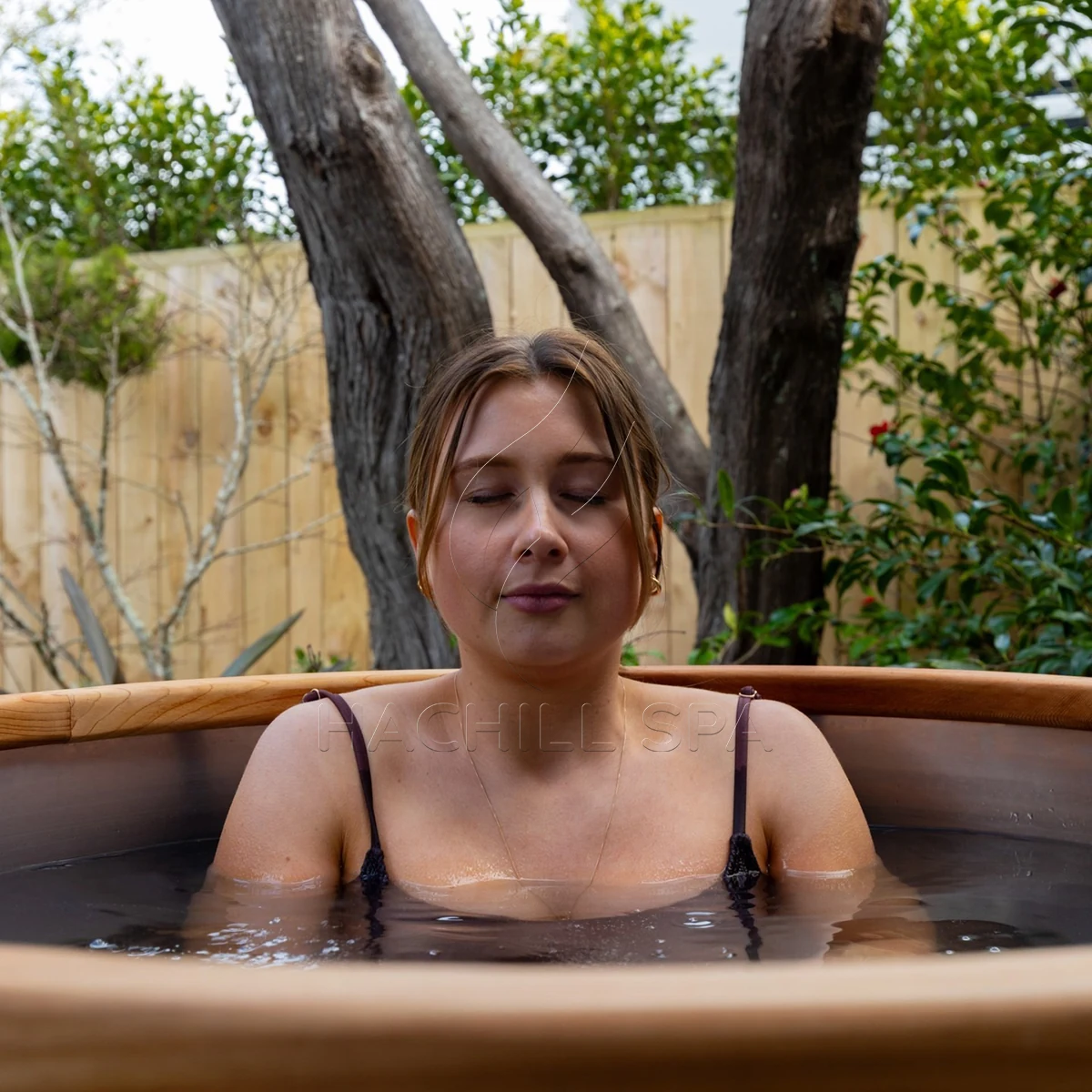
Convalidare entrata/uscita a umido durante la messa in servizio controllata
L'acqua modifica galleggiamento, visibilità, condizioni della superficie, spruzzi e la transizione dall'immersione assistita al peso corporeo completo. La validazione in condizioni di bagnato è quindi importante, ma non è un invito a sperimentazioni non sicure. Iniziare solo dopo che i controlli strutturali, idraulici, elettrici, di drenaggio e delle attività a secco sono stati superati secondo la procedura di progetto approvata. Utilizzare il livello operativo previsto dell'acqua e registrare le condizioni dell'acqua e ambientali.
Confrontare le osservazioni in condizioni di bagnato con la baseline a secco: se la posizione del piede rimane visibile, se la sequenza delle mani cambia, dove gli spruzzi raggiungono il pianerottolo, quanto rapidamente il pavimento drena e se l'utente può raggiungere una posizione di recupero stabile. Arrestarsi in caso di instabilità imprevista, acqua incontrollata, perdite attive, sospetta esposizione elettrica, supporti danneggiati, ripetuti interventi di protezione o qualsiasi condizione di arresto manuale o del sito.
| Condizione | Valore di riferimento | Osservazione in condizioni di bagnato | Azione |
|---|---|---|---|
| Livello dell'acqua operativo | Obiettivo/marcatura approvati | Livello effettivo prima e dopo l'ingresso dell'utente | Correggere prima di giudicare il compito |
| Visibilità interna del piede/supporto | Mappa dei contatti a secco | Visibile, oscurato o cercato | Segnale di revisione/supporto/procedura |
| Sequenza delle mani | Mappa dei contatti a secco | Uguale o modificato in uscita bagnata | Rivalutare la transizione interessata |
| Schizzi e drenaggio | Atterraggio marcato a secco | Estensione dell'area bagnata e risposta di drenaggio | Percorso corretto o manutenzione ordinaria |
| Transizione di recupero | Compito di atterraggio a secco | Stabilità e assistenza utilizzata | Mantenere se non controllato |
| Condizione imprevista | Nessuna prevista | Perdita, movimento, inciampo o danno | Fermare, preservare le prove, escalare |
| Ritestare il confine | Configurazione approvata | Variabile modificata e controlli stabili | Accettare solo ritest controllato |
Non confrontare diversi livelli d'acqua, gradini, posizioni di supporto e gruppi di utenti come se fosse cambiata una sola variabile. Un ritest difendibile modifica la causa identificata, mantiene altri controlli validi, usa lo stesso metodo di osservazione e registra la nuova revisione. Se ciò è impossibile, descrivi il risultato come un nuovo test piuttosto che una conferma.
Confrontare le configurazioni solo dopo aver rimosso le condizioni di sospensione
Un punteggio di progetto divulgato può confrontare due configurazioni solo dopo che entrambe hanno superato le condizioni di sospensione applicabili. Non può certificare sicurezza, accessibilità o conformità. Scegliere criteri adatti alla struttura, come sequenza ripetibile mani/piedi, controllo del pianerottolo, osservazione, posizione di assistenza, pulizia/ripristino e conflitti di manutenzione. Assegnare i pesi prima di esaminare i risultati dei fornitori per ridurre il bias di retrospettiva.
Un metodo trasparente specifico del progetto è punteggio del compito ponderato = somma(peso x valutazione) / somma(pesi). Definire la scala di valutazione nel registro di progetto, conservare le osservazioni grezze ed eseguire una verifica di sensibilità variando i pesi più alti. Se l'opzione preferita cambia con piccole variazioni ragionevoli dei pesi, il confronto non è robusto e deve essere risolto con prove migliori o priorità operative esplicite anziché con calcoli nascosti.
| Criterio | Esempio di evidenza | Base del peso | Limite |
|---|---|---|---|
| Sequenza mani/piedi | Mappe di contatto a secco e a umido | Ripetibilità del compito principale | Nessun criterio di esclusione aperto |
| Controllo di uscita e recupero | Transizione di atterraggio osservata | Politica di rischio/assistenza della struttura | Revisione qualificata ove richiesta |
| Linea di vista/posizione del personale | Percorso completo del layout | Modello di supervisione | Non sostituisce il personale |
| Ripristino dopo la pulizia | Osservazione del reset a tempo | Frequenza di utilizzo | Solo parti/posizioni approvate |
| Conflitti di copertura/servizio | Disegno dell'inviluppo multi-stato | Obbligo di manutenzione/chiusura | Nessuna sovrapposizione nell'uso dal vivo |
| Affidabilità delle prove | Registrazioni specifiche per modello/revisione | Rischio di approvvigionamento | I fatti aperti rimangono aperti |
Conservare pesi, valutazioni, osservazioni grezze e responsabile della decisione nel registro di progetto. Non pubblicare punteggi inventati come valutazioni dei modelli HACHILL. Qualsiasi punteggio appartiene solo alla configurazione, al sito, al gruppo di utenti, alla procedura operativa e alla revisione delle prove valutati.
Valutare le prove per modello, gruppo di utenti, metodo e condizione
La forza delle prove dipende dalla pertinenza, non dalla qualità della presentazione. Un disegno approvato per il modello esatto è più forte per la geometria rispetto a una fotografia di categoria. Una prova pratica osservata sulla configurazione completata è più forte per quel gruppo di utenti e quella procedura rispetto a una dimostrazione non registrata in showroom. Nessuna delle due dimostra l'idoneità medica o l'accessibilità universale.
Nota sul livello di evidenza: le etichette da A a D riportate di seguito sono una convenzione di registrazione del progetto utilizzata in questa guida, non una certificazione esterna, una classificazione normativa o un grado di prodotto HACHILL.
| Livello | Documentazione | Uso consentito | Limite |
|---|---|---|---|
| A – controllato | Modello/configurazione esatta, metodo approvato, gruppo interessato, condizione registrata, testimone e revisione | Decisione di accettazione entro il limite dichiarato | Non si trasferisce automaticamente |
| B – specifico del modello | Disegno/manuale approvato o evidenza di campione controllato | Pianificazione di progettazione e prove | L'attività sul campo e dell'utente richiede ancora conferma |
| C – analogo | Modello correlato, mock-up o condizione incompleta | Scoperta dei rischi e pianificazione provvisoria | Non è evidenza di rilascio |
| D – illustrativo | Immagine di marketing, dichiarazione generica o dimostrazione non registrata | Solo orientamento | Nessuna conclusione su dimensioni, carico, adattamento o conformità |
| Aperto | Informazioni mancanti, contrastanti o con revisione sconosciuta | Traccia come azione | Non può essere convertito in un'ipotesi |
Ogni registrazione deve indicare prodotto/configurazione, stato del sito, gruppo di utenti, metodo, osservatore, data, unità e revisione. Conservare le registrazioni contrastanti e spiegare la risoluzione. Eliminare il risultato fallito o obsoleto rende più difficile ricostruire le controversie successive e può consentire a un vecchio disegno di riacquistare autorità.
Scenario tecnico: un gradino fornito dal sito cambia dopo la prova
Problema osservato: Il personale di apertura scopre che il gradino sostitutivo è più alto e si trova più vicino al serbatoio rispetto al gradino utilizzato durante l'accettazione.
Causa probabile: Il gradino è stato trattato come arredo mobile piuttosto che come parte controllata della configurazione di ingresso, quindi l'approvvigionamento lo ha modificato senza una revisione ergonomica delle modifiche.
Come verificare: Confrontare l'articolo installato, il fissaggio, la posizione e la revisione con il registro geometrico accettato e i registri delle attività; mettere in quarantena l'uso finché la discrepanza persiste.
Prevenzione o percorso correttivo: Controllare i componenti di accesso forniti in cantiere tramite disegno e revisione, quindi ripetere ogni transizione interessata secondo il metodo approvato.
Assegnare la responsabilità per ogni interfaccia ergonomica
L'acquirente/operatore definisce gli utenti previsti, la supervisione, l'assistenza e le regole di arresto. Il fornitore fornisce disegni esatti del prodotto ordinato, componenti di accesso inclusi, manuali e prove concordate. Il progettista del progetto coordina le interfacce di pianerottolo, pavimento, drenaggio, percorso, illuminazione e supporto. L'installatore costruisce e registra la disposizione approvata. Il responsabile della messa in servizio assiste al metodo di lavoro. Professionisti qualificati e l'autorità competente decidono le questioni relative all'accessibilità regolamentata, strutturali, elettriche, di uso pubblico e sul luogo di lavoro.
| Decisione | Responsabile | Uscita richiesta | Approvazione/presenza |
|---|---|---|---|
| Utente e confine operativo | Acquirente/gestore | Gruppo previsto, supervisione, assistenza e regole di arresto | Revisori qualificati, se applicabile |
| Geometria/ambito del prodotto | Fornitore | Modello esatto, gradino/supporto incluso e revisioni | Autorità tecnica del committente |
| Inviluppo di movimento in cantiere | Progettista del progetto | Piano/elevazione coordinati e area di recupero | Operatore/professionisti qualificati |
| Disposizione di accesso installata | Installatore/artigiano | Posizione, fissaggio, livello e drenaggio come costruito | Responsabile della messa in servizio |
| Prova di funzionamento a secco/bagnato | Responsabile della messa in servizio | Metodo, osservazioni grezze, deviazioni e nuovo test | Testimone dell'acquirente/operatore |
| Apertura e controlli giornalieri | Operatore | SOP, registri, chiusura e escalation | Autorità operativa nominata |
| Controllo delle modifiche | Parte che propone la modifica | Impatto, evidenze riviste e approvazione | Titolari della decisione originale |
I contratti possono combinare ruoli, ma nessuna interfaccia deve essere anonima. Una dichiarazione del fornitore che un passaggio è disponibile non approva il pavimento, il fissaggio, lo sbarco o il compito dell'utente. Allo stesso modo, un installatore che completa il lavoro fisico non definisce l'idoneità dell'utente della struttura o il confine medico.
Definire superato, scostamento, arresto e ripetizione controllata del test
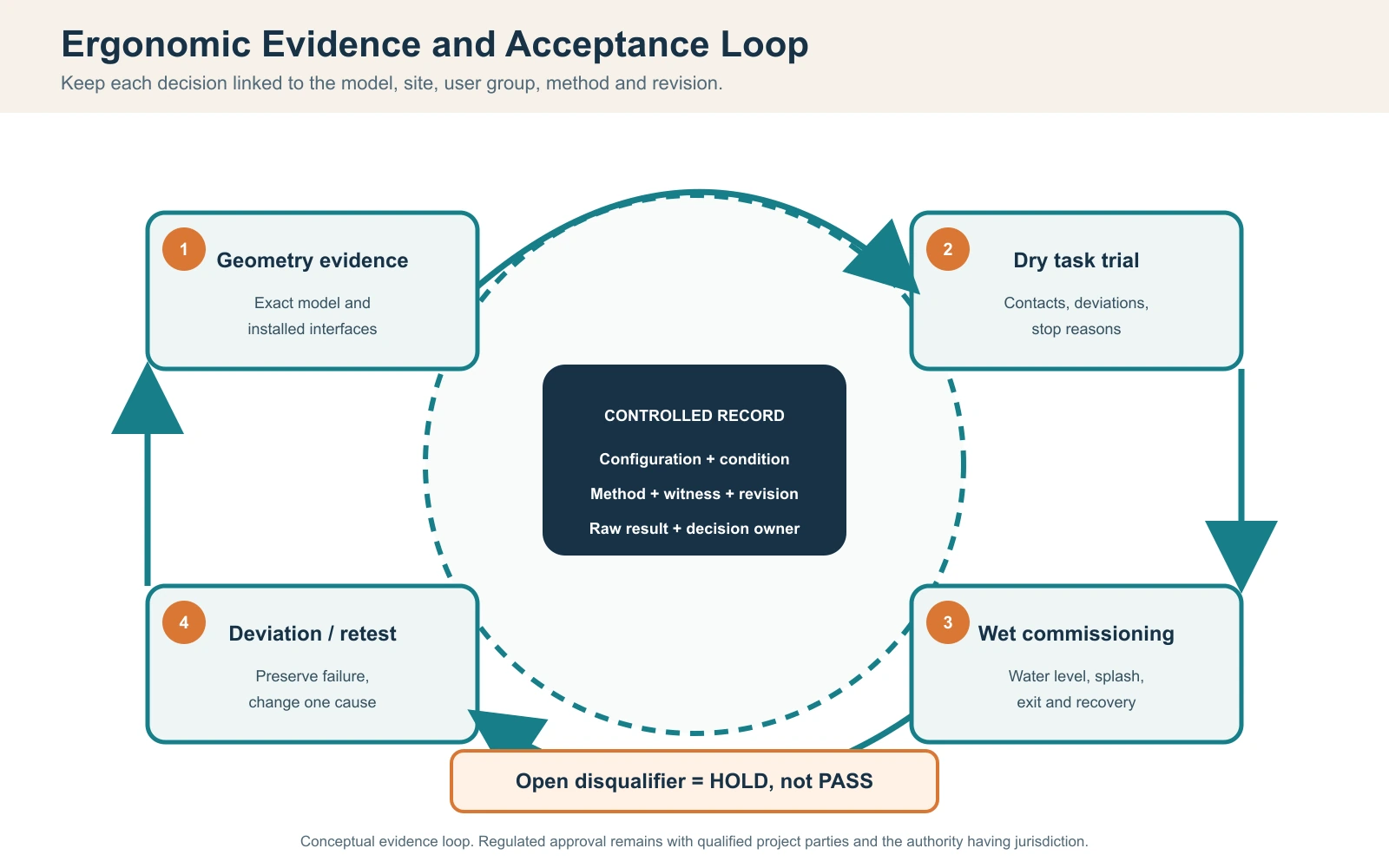
Un metodo di progetto pratico utilizza quattro gate: rilascio delle evidenze, layout a secco, messa in servizio a umido controllata e operatività di apertura. Ogni gate richiede un metodo, un record grezzo, un limite di superamento, un testimone e l'autorità per il rilascio. Una deviazione deve identificare le attività interessate, la restrizione temporanea, il responsabile e la data di scadenza. Non etichettare un risultato condizionale o aperto come superato.
| Fase | Metodo/registro grezzo | Limite di superamento | Regola di guasto/riprova |
|---|---|---|---|
| Rilascio delle evidenze | Registro di modello, geometria e ambito approvati | Campi critici e revisioni chiusi | Blocco ordinazioni/interfacce di cantiere |
| Layout a secco | Marcature a piena scala, misurazioni e prove di prova scriptate | Sequenza prevista completata entro il limite approvato | Causa identificata del cambiamento; ripetere le attività interessate |
| Messa in servizio a umido | Registro di livello dell'acqua, contatto, spruzzi, drenaggio e recupero | Nessuna variazione non controllata rispetto al metodo accettato | Fermare, correggere e ripetere la prova in modo controllato |
| Revisione di apertura | Esercitazione su SOP, ispezione, chiusura e risposta | Il personale può ispezionare, chiudere, escalare e ripristinare | Non aprire finché ruoli/prove non sono chiusi |
| Revisione post-modifica | Valutazione dell'impatto della revisione | Tutte le prove dipendenti rimangono valide o vengono ripetute | Configurazione modificata in quarantena |
| Conservazione delle controversie | Foto, misurazioni, registri e revisioni | Condizione tracciabile e catena di custodia | Non sovrascrivere le prove originali |
Quando le parti non sono d'accordo, confrontare il requisito concordato, la configurazione esatta, il metodo e il registro grezzo prima di discutere le conclusioni. Conservare il requisito concordato, i disegni originali, le osservazioni grezze e il risultato fallito; non sovrascriverli con la revisione correttiva. Conservare l'imballaggio e le prove di ricezione quando il danno al prodotto è rilevante, e conservare le misurazioni as-built e i registri delle prove quando la geometria del sito è rilevante. Una riprova dovrebbe essere testimoniata dalle parti responsabili dell'interfaccia contestata.
Mantenere controllata la configurazione di entrata/uscita accettata durante l'esercizio
I controlli giornalieri di apertura devono coprire il gradino/piattaforma, i supporti, le superfici di bordo/contatto, il percorso, l'area di atterraggio, il drenaggio, l'illuminazione, la copertura e qualsiasi elemento ripristinato dopo la pulizia o la manutenzione. Arredi, asciugamani, tubi e segnaletica temporanea possono invalidare l'inviluppo accettato. Registrare le non conformità, chiudere la stazione con un metodo efficace e indicare chi può autorizzare la riapertura.
| Articolo | Controllo di apertura | Condizione di fermo uso | Evidenze di riapertura |
|---|---|---|---|
| Gradino/piattaforma | Articolo corretto, posizione, fissaggio e condizione | Movimento, danno o disallineamento | Configurazione corretta e ispezionata |
| Superfici di supporto/contatto | Fissate, pulite e senza ostacoli | Allentate, taglienti, danneggiate o contaminate | Registrazione di riparazione/pulizia |
| Percorso/area di atterraggio | Libero, illuminato e protetto | Conflitto con coda, stoccaggio, copertura o tubi | Layout ripristinato |
| Pavimento/drenaggio | Nessun ristagno d'acqua non controllato | Ostruzione dello scarico o percorso umido non controllato | Controllo scarico/pavimento |
| Livello dell'acqua/stato dell'attività | Entro il metodo operativo approvato | Il livello/controllo modifica l'attività in modo imprevisto | Condizione corretta e revisione |
| Osservazione/chiusura | Personale e metodo di chiusura disponibili | Supervisione o chiusura richiesta non disponibile | Turnazione/controllo ripristinati |
| Stato post-manutenzione | Gradini, pannelli e coperture ripristinati | Configurazione sconosciuta o modificata | Riconsegna e ispezione post-manutenzione |
Analizzare le ripetute anomalie anziché trattarle come casi isolati. Il movimento ricorrente dei gradini, gli scarichi ostruiti o lo spostamento di arredi indicano un problema di progettazione o di controllo operativo. Segnalare la causa e rivedere la disposizione o la procedura accettata, invece di affidarsi a continui promemoria.
Emettere una RFQ e un registro di accettazione incentrati sull'ergonomia
Inviare a ciascun fornitore lo stesso confine utente/attività, i disegni del sito, il modello di supervisione, la richiesta di evidenza del modello, l'ambito dei componenti di accesso e il metodo di accettazione. Chiedere al fornitore di contrassegnare ogni campo come conforme, deviazione, alternativa o aperto. Il confronto dei prezzi prima che i passaggi, il supporto, i disegni e le responsabilità siano allineati premia le esclusioni nascoste.
| Campo RFQ | Input acquirente/progetto | Risposta del fornitore |
|---|---|---|
| Applicazione/utenti | Struttura, gruppo previsto, confine di supervisione e assistenza | Limitazioni dichiarate del modello/uso |
| Configurazione esatta | Formato e orientamento richiesti | Modello, revisione e elenco opzioni |
| Geometria | Campi e riferimenti richiesti nel disegno | Evidenza di esterno/interno, bordo, gradino, supporti e livello dell'acqua |
| Componenti di accesso | Responsabilità inclusa/fornita dal sito | Ambito, fissaggio, limiti, manuali ed esclusioni |
| Ingombro installato | Pianta della stanza, pianerottolo, drenaggio e recupero | Accesso/spazio richiesto e conflitti |
| Documentazione | Requisiti di disegno, manuale, prova e revisione | Grado disponibile e articoli aperti |
| Accettazione | Attività a secco/bagnato, testimoni, punti di controllo e nuove prove | Supporto metodologico, scostamenti e limiti |
| Ambito commerciale | Quantità, destinazione, marchio e programma | Ambito incluso/escluso e controllo delle modifiche |
Per un RFQ a livello di modello, fornire i campi compilati anziché chiedere se una vasca fredda verticale è ergonomica in generale. Utilizzare la risposta esatta del modello/configurazione per chiudere i campi lato prodotto; layout del sito, accessibilità, lavori regolamentati e approvazione operativa restano in capo alle parti responsabili del progetto.
Domande frequenti
Come si valuta l'ingresso e l'uscita da una vasca verticale per immersione fredda?
Definire gli utenti previsti e il metodo di funzionamento, ottenere il modello esatto e la geometria dei componenti di accesso, mappare ogni transizione di mani e piedi, chiarire le condizioni di esclusione, quindi eseguire osservazioni controllate dei compiti a secco e a umido secondo la procedura approvata del sito. Registrare la configurazione, il livello dell'acqua, i partecipanti, il metodo, le deviazioni, il testimone e la revisione.
Le dimensioni esterne della vasca possono dimostrare che una vasca verticale per immersione fredda si adatta all'utente?
No. Le dimensioni esterne non determinano lo spazio di movimento interno, la transizione del bordo, la posizione dei piedi, la portata del supporto, il livello dell'acqua operativo, lo sforzo di uscita o le condizioni di atterraggio. Utilizzare prove interne ed esterne esatte oltre a una prova pratica con un utente rappresentativo per la configurazione e il confine della struttura previsti.
La vasca verticale per immersione fredda deve essere fornita con un gradino di ingresso?
L'ordine deve indicare se il gradino o la piattaforma approvati sono inclusi, opzionali o forniti in cantiere. La loro geometria, il fissaggio, la posizione, la superficie, le evidenze di carico applicabili, la manutenzione e il controllo della sostituzione devono essere definiti. Uno sgabello mobile generico non deve essere considerato equivalente, a meno che il suo design, la stabilità, il posizionamento e l'uso previsto siano stati specificamente approvati per l'attività e il sito.
Perché la messa in servizio a umido deve ripetere parti della prova ergonomica a secco?
L'acqua modifica la galleggiabilità, la visibilità dei piedi, gli schizzi, le condizioni della superficie e il passaggio dall'immersione al pieno peso corporeo. La messa in servizio a umido verifica che la sequenza di contatto accettata e il percorso di recupero rimangano controllati al livello d'acqua approvato. Deve iniziare solo dopo il superamento delle fasi di controllo strutturale, elettrico, di drenaggio e delle attività a secco.
Quando deve essere chiusa una stazione verticale per immersione fredda?
Secondo il metodo di progetto qui descritto, interrompere l'uso in caso di gradino o supporto allentato o danneggiato, danni taglienti, installazione instabile, pianerottolo ostruito, acqua stagnante non controllata, perdita attiva, sospetta esposizione elettrica, ripetuti interventi delle protezioni, supervisione richiesta non disponibile o qualsiasi condizione di arresto del produttore o del sito. Riaprire solo dopo che l'autorità responsabile ha registrato la correzione e qualsiasi retest richiesto.