HACHILL バイヤーガイド · ホットタブのコスト · 薪式 VS 電気式
直接回答: 薪式と電気式の温水浴槽の普遍的な価格は存在しません。 システム。 購入者にホットタブの価格を尋ねる場合は、次の 3 つの数字を区切ってください。 機器の価格、設置されたプロジェクトのコスト、および継続的な所有コスト。 比較する 同じ船舶範囲、使用可能な水量、気候、目的地、用途 スケジュール。 薪焚きシステムでは、コストがストーブと煙突、燃料、 解雇労働と燃焼システムのケア。 電気システムのコストは 適切な電気サービス、制御、エネルギー使用、および電気加熱 装備。 どちらも依然として、明確な基礎、アクセス、水、排水、 配送、試運転、カバー、水管理の範囲。 役立つ比較 定義された 1 つの使用シナリオに基づく設置ライフサイクル コストであり、最低額ではありません。 機器の見積もりまたは一般的なオンライン平均。
機器の価格が低いと、現地での実質的な作業が隠れてしまう可能性があります。 薪焚きの場合 浴槽、ストーブ、煙突、遮熱板、器具固有のクリアランスを確認してください。 要件と流通手配。 電気系統の場合は、 利用可能な電源、制御装置、循環または濾過範囲、 必要に応じて、機器のクリアランスとスタンバイ戦略。 コストの比較は、 包含、除外、配送条件および運用の場合にのみ信頼できる という仮定が書かれています。
範囲と責任: このページでは、未検証のグローバルな情報を公開するのではなく、コスト構造を比較します。 価格帯。 容量、材質、ヒーター方式、仕向地、納期 実際のプロジェクトに対してサイトの範囲を検証する必要があります。
製品価格と設置後の設備投資コストを分けて比較する
容器の材質、内寸、断熱材、外装仕上げ、 カバー、ステップ、およびすべての加熱コンポーネント。 薪で焼いた見積書は、 内部または外部ストーブ、煙突セクション、キャップ、ガード、および 接続パイプ。 電気見積書では、ヒーター、ポンプ、 制御と必要な供給。
現場の費用には、基礎または水平ベース、配送ルート、吊り上げ、 地元の取引、排水、許可。 組み立てられた大きな浴槽は、 最終的な位置に到達しても、ゲートまたは回転半径で失敗し、 吊り上げやクレーンのコストを回避できます。
実際の使用パターンから運用コストをモデル化する
ランニングコストは浴槽の実際の使用状況によって異なります。 水の量、 開始温度と目標温度、周囲条件、断熱材、カバー 使用量と頻度はすべて熱需要に影響します。 薪焚き運転も 燃料の状態と射撃方法によって異なります。 電気的な動作に依存します ヒーターのタイプ、コントロール、およびセッションのみを加熱するかどうかの決定について 温度を維持します。
コストを比較する前に、季節ごとの使用シナリオを 1 つ構築します: 水の開始 状態、週のセッション数、水分が保持されているかどうか、カバールーチン、 現地の燃料価格または電気料金、および労働が一部含まれるスタッフの時間 動作モデルの。
計画上の昇温時間と維持温度を分けて検討する
多くの薪ストーブは計画されたセッションのために運営されていますが、 電気スパは、使用間の設定値を維持するように構成できます。 どちらか ルーチンは気候、占有率、制御、サイト運営によって変化する可能性があります ポリシー。 ルーチンを宣言するのではなく、実際に使用するルーチンを比較します。 ヒータータイプは一般的に安価です。
運用モデル上必要な場合はオペレーター工数を計上する
薪による操作には、燃料の取り扱い、着火、温度が含まれる場合があります。 に基づくモニタリング、灰管理、煙突検査 アプライアンスと該当するローカル要件。 電気システムのシフトがさらに進む 制御、水の管理、電気機器の日常業務 サービス。
ホスピタリティやレンタルでの使用の場合、スタッフの勤務時間が大幅に変わる可能性があります。 燃料やエネルギーの価格が近い場合でも比較できます。
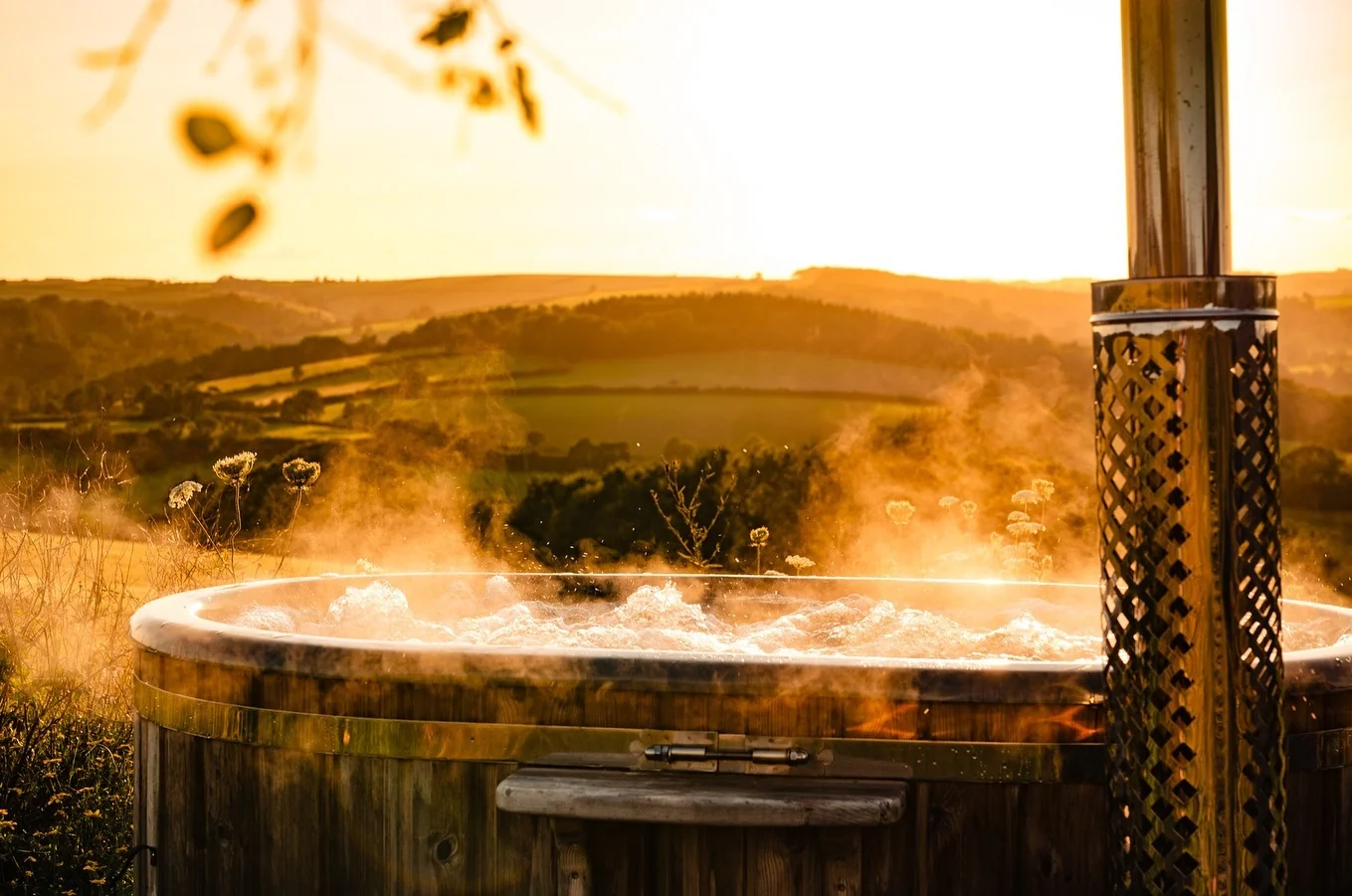
エネルギー単価以外の意思決定要因も比較する
薪焚きシステムは、積極的な燃焼と燃料の取り扱いを行うプロジェクトに適しています。 受け入れられ、サイトは選択されたストーブと煙突をサポートできます アレンジメント。 電気システムは自動温度保持機能を提供できますが、 適切な電源が必要であり、次のような場合に待機エネルギーの使用が発生する可能性があります。 温度はセッション間で維持されます。
より良い選択肢は、運用モデル、現地の燃料または電力に従うものです 条件、スタッフの能力、ゲストの期待。 できないリゾート 必要な操作上の注意を割り当てること。ストーブのみを選択しないでください。 燃料が安く見えるからです。 未解決の問題が燃焼方法である場合、 循環と煙突が連動して機能します。 薪ストーブの動作原理ガイド このコストのページをシステム設計ガイドに変えるのではなく、
サービス、交換部品、ダウンタイムを含める
購入価格は、システムの検査や修理の容易さを示すものではありません。 カバー、シール、ポンプ、フィルター、コントロール、ストーブの部品、煙突がどのように機能するかを尋ねてください。 コンポーネントにアクセスし、どのスペアが文書化され、その内容が 書面による保証が実際に適用されます。
耐用年数、現地在庫、年間修理費用などは想定しません。 現在のオファーでサポートされている場合を除きます。
ディーラーまたはホスピタリティ プログラムの場合は、スペアパーツの計画にかかるコストを追加します。 設置またはスタッフのトレーニング、クレーム処理、および利用可能性の喪失時の対応 ユニットがサービス停止中です。 これらの項目は小さなこと以上に重要になる可能性があります 単価の違い。
両案でプロジェクト範囲を同一に保つ
ヒーターの種類によりユーティリティ、制御、運転労力の範囲が変わりますが、 どちらのオプションでも、サポートされている船舶、配送アクセス、水が必要です 管理、排水、設置、試運転。
公正な見積もりの比較では、各サプライヤーに何が含まれているか、サイトに何が含まれているかがリストされます。 提供する必要があるものと、明示的に除外されるもの。
専用のサイトで詳細な現場準備の見積もりを維持します 給湯器の設置費用の目安 。 この比較では、両方の見積が同じプロジェクトを使用していることを確認してください。 加熱パッケージの境界、ベースとアクセスの責任、塗りつぶし 排水、現地貿易作業、納期および試運転。
業務用の使用負荷とコンプライアンス範囲を比較する
ホテル、リゾート、または賃貸物件では、2 つの暖房ルートを比較する必要があります。 実際の運行スケジュール、人員配置、目的地と照らし合わせて 要件。 住宅の外観や公称座席が確立されていない 構成が商用に適しているかどうか。
予想される使用パターン、加熱または維持温度を記載します。 戦略、気候、水管理計画、利用可能なスタッフ。 次に、 電気、建築、火災、または公衆衛生上の実際の要件 宛先と提供された正確な構成に適用されます。
UL 規格、IEC 規格、CE マーキング、または現地の承認への参照 交換可能な証拠ではありません。 どの要件が該当するかを確認してください 目的地と、提供される正確な情報について入手可能なドキュメント 構成。
商業的に受け入れられるようにするには、引き継ぎと試運転の範囲を次のように定義します。 書くこと。 現場での作業が必要な場合、購入価格が低いと節約にはなりません。 文書化や運用上の責任が単に管理外に放置されていただけです。 引用。
薪焚き vs 電気式ホットタブ:並列比較
| コストエリア | 薪焚きシステム | 電気系統 |
|---|---|---|
| 熱機器 | ストーブ、煙突、ガード、循環接続 | 該当する場合、ヒーターまたはヒートポンプのパッケージ、ポンプ、制御装置、および 電気的保護 |
| サイトインターフェース | 適用される防火帯、煙道、燃料の取り扱い、および灰のエリア | 電気容量、機器のクリアランス、およびシステム固有のあらゆる事項 換気または熱遮断の要件 |
| 操作 | 燃料、発砲作業、監視 | エネルギー、制御スケジュール、スタンバイ損失 |
| メンテナンス | Stove and chimney inspection or cleaning according to the 適用されるシステム要件 | ポンプ、ヒーター、制御サービスと冷媒システムのサービス 該当する場合 |
| フィット感が良い | 燃料貯蔵と燃料貯蔵をサポートできる計画的使用または制限された送電網用サイト アクティブな操作 | 使用頻度の高い現場では自動温度管理を優先し、 適切な電気サービスが利用可能です |

同一のプロジェクト範囲で見積もりを比較する
見積もりは、両方の暖房ルートに同じものが含まれる場合にのみ役立ちます。 プロジェクト責任のカテゴリー。
| コストパッケージ | 薪焚き投入 | 電気入力 |
|---|---|---|
| 暖房 | ストーブ、煙突、モデル固有のクリアランスまたは炉床スコープ 適用可能、および燃料 | ヒーター、ポンプ、制御、回路、保護 |
| 拠点とアクセス | 満杯の荷物、ストーブゾーン、配送ルート | 充填荷物、設備エリア、配送ルート |
| 操作 | 加熱ルーチン、燃料の想定、およびオペレーター時間 | 設定値スケジュール、カバー使用量および従量電力量 |
| メンテナンス | 灰、煙突、ストーブ、水、容器 | 水、フィルター、ポンプ、ヒーター、コントロール |
| 検収 | 適用可能なリーク、循環、ドラフト、混合および温度チェック | 適用可能な漏れ、流れ、保護、加熱および温度チェック |
プロジェクトと運用のチェックリスト
- 水の量、占有率、使用頻度を修正します。
- 薪ストーブまたは電気機器の境界を定義します。
- ベース、配送アクセス、吊り上げ、排水の価格を設定します。
- 電気容量や煙突、防火経路を確認してください。
- 記載されている気候と使用の仮定を使用して、燃料またはエネルギーをモデル化します。
- 水処理、清掃、部品代、人件費が含まれます。
- 保証救済、サービスアクセス、ダウンタイムを比較します。
薪ストーブの比較のための RFQ 入力
薪と電気のオプションの場合、容器のサイズ、容量、 ヒーターパッケージ、ベース、ユーティリティ、煙道または電気工事、配送、 設置、カバー、水の手入れ、操作手順、商業上の義務、および サービス範囲。
- 数量、プロジェクトの種類、目的地
- 浴槽の寸法、容量、材質の好み
- 薪、電気、または比較のリクエスト
- 周囲条件、満水条件および使用スケジュール
- 基地、アクセス、電源または煙突、および排水の状態
- 梱包、運送期間、設置および試運転の範囲
- 必要な書類、予備品、サポート要件
よくある質問
薪ストーブは安いですか?
場合によってはありますが、普遍的なコストの勝者は存在しません。 薪を燃やすルートは、 ストーブを追加しながら、大型の電気暖房システムのコストを回避できます。 煙突、燃料の取り扱い、オペレーターの時間、燃焼システム メンテナンス。 同じ水量、気候、用途で両方のオプションを比較します。 決定する前に、スケジュールとインストール範囲を確認してください。
給湯器のランニングコストはどれくらいかかりますか?
実際の水量と運転ルーチンに対する熱需要をモデル化し、 次に、熱損失、燃料または電気の価格、循環、または 治療機器、労働力、メンテナンス。 可能であれば比較してください 一般的な年間コストの見積もりではなく、測定された運用データを使用します。
見落とされがちな設置コストは何ですか?
基礎準備、搬入アクセス、吊り上げ、電気工事、 煙突または防火工事、排水、該当する換気、 許可と試運転はよくある省略です。 装備を明記する 境界、現場作業、運用パターン、目的地および書面によるサプライヤー 世界的な価格の仮定を適用するのではなく、範囲を設定します。
断熱カバーは経済的に重要ですか?
カバーを取り付ければ、アイドル時の熱損失と破片の負荷を軽減できます。 その財務 値は気候、動作温度戦略、およびその方法によって異なります。 カバーは一貫して使用されます。 カバースコープが処理されていることを確認してください 見積りと運用の前提条件を比較する際には、一貫性を保つ必要があります。
ディーラーはサプライヤーをどのように比較すべきですか?
1 つの仕様を使用し、項目の包含、パフォーマンスをリクエストします 前提条件、梱包、文書、予備品、保証救済措置、および コントロールを変更します。 事前に各見積にどの前提が適用されるかを記録してください。 見出し価格を比較します。
HACHILL 関連リソース
HACHILL 薪ストーブを比較する
現在の円形および長方形の製品ルートから開始します。 プロジェクトでは薪暖房を検討しています。
丸型薪ホットタブをレビューする
円形のフットプリントと周囲ベースのサイトの場合は、ラウンド ルートを使用します。 プロジェクトに合わせた計画を立てます。
長方形の薪ホットタブをレビューする
直線的なフットプリントが定義されている場合は、長方形ルートを使用します。 現場に合わせた向きにします。
温水浴槽の設置コストを確認する
未解決の質問が基本的な場合は、インストールコストガイドを使用してください。 アクセス、配信、ユーティリティ、またはその他のサイト準備の範囲ではなく ヒーターの選択自体よりも。
薪ストーブの仕組みを確認する
未解決の質問がある場合は、動作原理ガイドを使用してください。 燃焼、循環、ストーブの配置、煙突の動作、または プロジェクトコストではなく混合水加熱。
薪ストーブの安全性に関する文書を確認する
購入者が管理された図面を必要とする場合は、文書ガイドを使用してください。 マニュアル、製品固有の設置証拠、または商用 注文リリース前の受入記録。
参照ベース
- 国際商工会議所 — インコタームズ規則 — 配送コストとリスク境界を定義するための参考資料 引用にはインコタームズが使用されます。
- 米国消防局 — 暖房火災の安全性 — 薪暖房装置および薪ストーブの一般的な火災安全に関する参考資料 煙突の点検や掃除。
- CDC — 公共プール、ホットタブ、スプラッシュパッドの運営と管理 — 公衆浴場の運営、保守、および管轄区域の状況 商業施設または共用施設。
安全性と地域の責任: コストの比較には、対応するキャパシティ、プロジェクト境界、気候、 使用パターン。 選択したアプライアンスの説明書と建物に従ってください。 実際の用途に適用される火災、電気、公共使用の要件 宛先と構成。
同じプロジェクト境界上のHACHILL薪燃料ルートを比較する
HACHILL 薪式ホットタブと電気式ホットタブを比較する場合 代替案として、使用目的、場所、気候、配送アクセス、 まず基礎、水管理計画、量、運用パターンを検討します。 使用する 電気の代替品を比較するときも、同じプロジェクトの前提条件が必要です。 そのため、結果はヘッドラインの機器ではなく、設置された範囲を反映します。 価格。
薪ストーブの見積もりをリクエストする