Build a focused regional assortment around the buyers you actually serve, the channels you sell through and the product families your team can support repeatedly.
Start with the market and range roles first. Saunas and Cold Plunges form the primary distributor range; Wood-Fired Hot Tubs can extend the offer where the market, delivery model and local support capability justify the extra complexity.
Product specifications, destination documents, packing details and commercial terms still depend on the selected model, configuration, destination and current quotation.
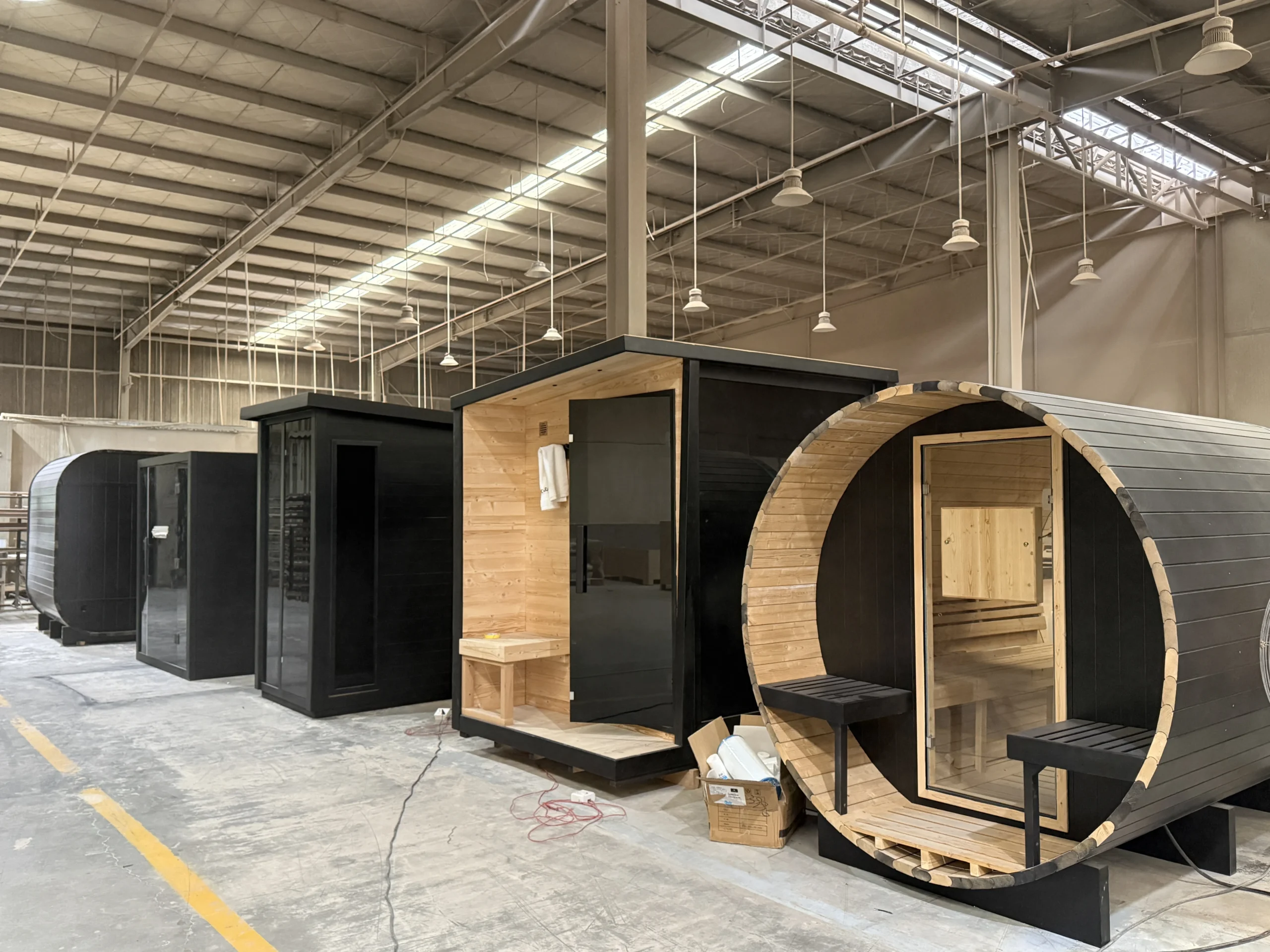
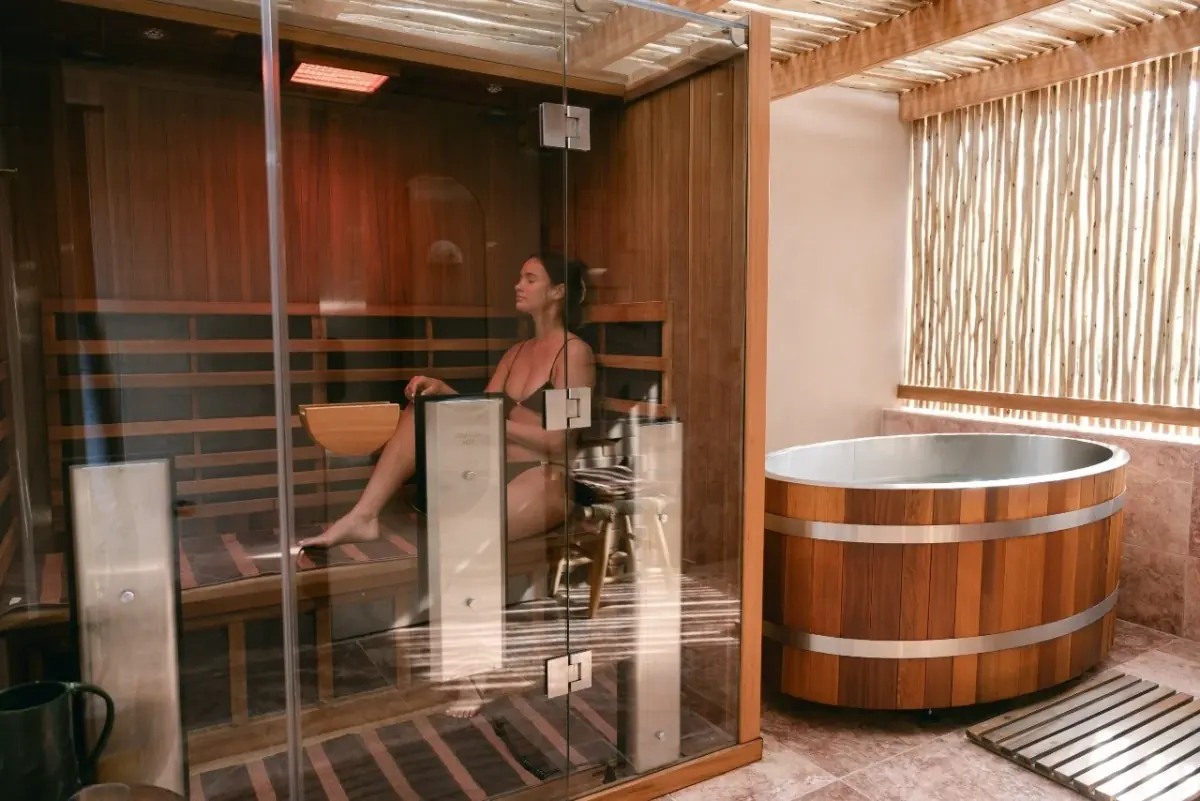
Assortment reference only. The visible products do not define stock, distributor appointment, an approved regional range or territory rights.
A distributor range should be small enough to explain and support, but broad enough to cover the buyer groups that matter in the region. The goal is repeatable assortment logic—not the biggest possible catalog.
Define the country or region, the buyer groups the distributor serves and the applications that repeat often enough to shape the assortment.
Retailers, ecommerce sellers, contractors, hospitality, gyms, recovery operators and other B2B buyers can create different range and support priorities.
Record how the range is sold and how orders are expected to repeat. A showroom-led dealer, ecommerce seller and project distributor can need different product depth, documents, delivery information and support.
Use the core range for the product families that best match the main buyer segment and local support capability. These are the products that deserve the deepest model, documentation and quotation work.
Use supporting products to solve a distinct buyer need without duplicating the core offer. Add adjacent extensions only when the distributor can explain the application, delivery and service implications.
Saunas and Cold Plunges are the primary families for this distributor route. Wood-Fired Hot Tubs can be an adjacent extension where the market and local support model justify the additional delivery and site questions.
Range-planning reference only. Visible equipment does not define the approved distributor assortment or supplied configuration.
Use Sauna as a core distribution family when the market has repeat demand across relevant indoor, outdoor or other current sauna categories.
Keep the distributor page at family and market-fit level. Exact heater, electrical, ventilation, dimension and installation questions belong to the applicable category or model.
Use Cold Plunge as a core distribution family where the buyer base and local support model can handle tub format, water, cooling-system and maintenance questions.
Exact chiller, pump, filtration, electrical and supplied-system details remain configuration-specific.
Add Wood-Fired Hot Tubs only where outdoor customers, delivery conditions and local operating responsibilities make the family a practical extension of the channel.
Stove, flue, drainage, site and local fire/building questions require the dedicated product or project requirements.
Move to the product family or model page when the decision depends on dimensions, components, heater or cooling configuration, exact utilities, installation requirements or model-specific documents.
The distributor page defines assortment fit; it does not replace product selection.
A regional range is only useful when the distributor can support the information and operating questions that repeat across orders. Market documents, delivery reality, local service capability and later product changes can all affect which products belong in the core assortment.
List the specifications, manuals, labels or compliance evidence that buyers in the target market repeatedly ask for. Availability must still be checked against the exact product, configuration, revision and destination.
Capture the destination, access constraints and recurring packing or shipment questions that affect distributor planning. Order-specific packed dimensions, weights, package count, freight and loading data belong to Packaging & Logistics.
Decide whether the local channel can explain installation routes, receive maintenance questions and direct customers to the appropriate technical or after-sales resource. This is a range filter, not a promise that every support service is included.
Identify which model, component, document, packaging or artwork changes would matter on later orders. A first sample should not be treated as a permanent specification if the approved product or commercial scope changes.
This page helps decide what the regional assortment should contain. It does not create territory rights, exclusivity, a universal distributor discount, a fixed minimum order, an OEM approval or a private-label program.
Use the Distributor Program after initial range fit is clear and the next questions involve partner review, territory requests, commercial structure, enablement or ongoing channel commitments.
Use OEM when an established product needs reviewed changes to components, finishes, documents, branding or packaging. Range demand alone does not approve an OEM change.
Use Private Label when the primary task becomes branded labels, manuals, packaging presentation or other brand-facing elements around a confirmed product direction.
Share the market, buyer segments and product roles you already understand. Open product, documentation, logistics or commercial questions can remain open until the exact product and program scope are reviewed.
The useful first outcome is a focused regional assortment with clear core, supporting and optional-extension logic—not a promise of territory, pricing, availability or channel rights.