Руководство по проектированию холодных купелей
B2B-закупки и подбор проектов для коммерческих операторов, дистрибьюторов, проектировщиков и велнес-брендов.
Прямой ответ: Покупайте коммерческую купель для холодного погружения как полноценную эксплуатационную систему, а не как ванну плюс разрекламированный типоразмер чиллера. Перед сравнением коммерческих предложений определите сменяемость пользователей, фактический эксплуатационный объём воды, начальную и целевую температуру, условия окружающей среды на входе конденсатора, ожидания по снижению температуры и восстановлению между пользователями, циркуляцию, фильтрацию и обработку, вход и выход, дренаж, электроснабжение, доступ для обслуживания и требования страны назначения. Две цены несопоставимы, пока граница поставки не одинакова: купель, чиллер, насос, фильтр, оборудование для обработки, крышка, органы управления, пусконаладка, документы, расходные материалы и начальные запасные части должны быть указаны как поставляемые, предоставляемые на месте или исключённые.
Полезным выводом руководства по покупке является контролируемый шорт-лист и RFQ, на которые поставщики могут ответить без скрытых предположений. Это руководство сосредоточено на вводимых решениях, доказательствах и проверках принятия. Компания не публикует непроверенные требования по мощности, охлаждению, сертификации, гарантии или доставке HACHILL, а также не рассматривает коммерческую этикетку продукта как одобрение для общественного использования.
Область применения страницы: Эта страница отвечает за решение о покупке на уровне системы. Термины товарной категории относятся к странице категории купелей для холодного погружения; размеры и конфигурации моделей относятся к страницам продуктов; термины производителя, OEM и собственной марки относятся к страницам услуг. Подробное согласование интерфейса купели и чиллера относится к Руководство по подбору купели для холодного погружения и чиллера, тогда как квалификация вертикального формата относится к Руководство по покупке вертикальной холодной купели для коммерческих объектов.
На этой странице
- Определите пригодность для коммерческой эксплуатации до сравнения моделей
- Составьте эксплуатационное задание до изучения каталога
- Проверяйте понижение и восстановление как отдельные режимы
- Определите полную систему водоснабжения, охлаждения и циркуляции
- Сравните формат купели с задачей пользователя
- Спланируйте участок, коммуникации, водоотведение и маршрут обслуживания
- Определите санитарную обработку как программу эксплуатации
- Соберите данные пусконаладки и разделите причины
- Контрольные доказательства, ответственность и блокировки выпуска
- Используйте контрольные точки подтверждения перед оплатой и отгрузкой
- Зафиксируйте правила приёмки и разрешения споров до отгрузки
- Планируйте приёмку, пусконаладку и начальную эксплуатацию
- Входные данные для коммерческого запроса на холодное погружение
- Матрица сравнения коммерческих предложений
Определите требования к коммерческой эксплуатации перед сравнением моделей холодных купелей
Коммерческая купель для холодного погружения определяется эксплуатационной нагрузкой и границами ответственности, а не надписью в коммерческом предложении. Прежде чем сравнивать форму резервуара, мощность чиллера или варианты обработки, зафиксируйте как минимум следующие исходные данные: рабочий объём воды, начальную и целевую температуры, требуемое время снижения температуры, пиковое число пользователей в час, расчётную температуру воздуха на входе конденсатора и доступное время восстановления после типового сеанса. Добавьте правила по персоналу, очистке, закрытию и надзору. Без этих исходных данных поставщик может предложить цену только исходя из допущений, а не контролируемой нагрузки.
Один и тот же продукт может быть пригоден для контролируемой студии восстановления и непригоден для гостиничного объекта, работающего длительное время со смешанными пользователями. Более высокая проходимость добавляет тепло тела, чаще вносит загрязнения, увеличивает потери воды при входе и выходе и сокращает время, доступное для фильтрации и восстановления. Это также меняет нагрузку на персонал. Поэтому покупателю нужны отдельные проверки теплового режима, гидравлики, управления водой, помещения и персонала, а не одно общее заявление о том, что оборудование является коммерческим.
Запись о квалификации коммерческой купели с холодной водой
| Вводные данные для принятия решения | Что записывать | Почему это может дисквалифицировать предложение |
|---|---|---|
| Режим эксплуатации | Часы работы, пиковое количество пользователей в час, интервалы между сеансами и периоды закрытия | Определяет нагрузку на восстановление, обработку воды и персонал |
| Температурный режим | Рабочий объем, начальная/целевая температура воды и допустимое время | Определяет энергию воды и требуемую выходную мощность в зависимости от условий |
| Условия установки | В помещении/на улице, расчётная температура окружающей среды, воздействие солнца/погоды и путь воздуха для конденсатора | Влияет на теплоприток, мощность охладителя и требования к защите |
| Пользовательский интерфейс | Способ входа, типичные пользователи, контроль, подход с водой и полезное внутреннее пространство | Может исключить купель, которая подходит по размерам помещения, но не подходит людям или модели эксплуатации |
| Интерфейсы объекта | Заполненная нагрузка, путь доставки, электропитание, дренаж, вентиляция и демонтаж для обслуживания | Может потребовать строительных работ или препятствовать установке и обслуживанию |
| Доказательства и объём | Точная конфигурация, включённые компоненты, условия испытаний, документы и местные обязанности | Предотвращает необоснованные предположения и неподтвержденные допущения о соответствии |
Правило «годен/не годен»: не размещайте заказ на поставку, пока обязательный ввод представлен только каталожной этикеткой, фотографией применения или неподтвержденным предположением поставщика. Зафиксируйте его как открытый, назначьте ответственного и определите доказательства, необходимые для его закрытия.
Составьте эксплуатационное задание до изучения каталога
Жильё, используемое одним обученным владельцем, и центр восстановления с повторяющимися сеансами создают разные эксплуатационные нагрузки, даже если видимый сосуд похож. Зафиксируйте часы работы, пиковое число пользователей в час, интервалы между сеансами, надзор, стратегию заполнения и слива, простои на очистку и предполагаемый диапазон температуры воды. Это эксплуатационное задание, по которому проверяются решения по восстановлению, обработке, персоналу и сервисному пространству.
В задании также следует указать, является ли установка внутренней или наружной, расчетный диапазон температур окружающей среды, солнечное воздействие, вентиляцию, риск замерзания и доступное электроснабжение. Охладитель, выбранный только по объему воды, может соответствовать номинальным каталожным условиям, но не успевать восстанавливаться между пользователями в жарком или плохо вентилируемом помещении. Отделяйте требуемые характеристики от желаемых функций, чтобы можно было объективно сравнивать альтернативы.
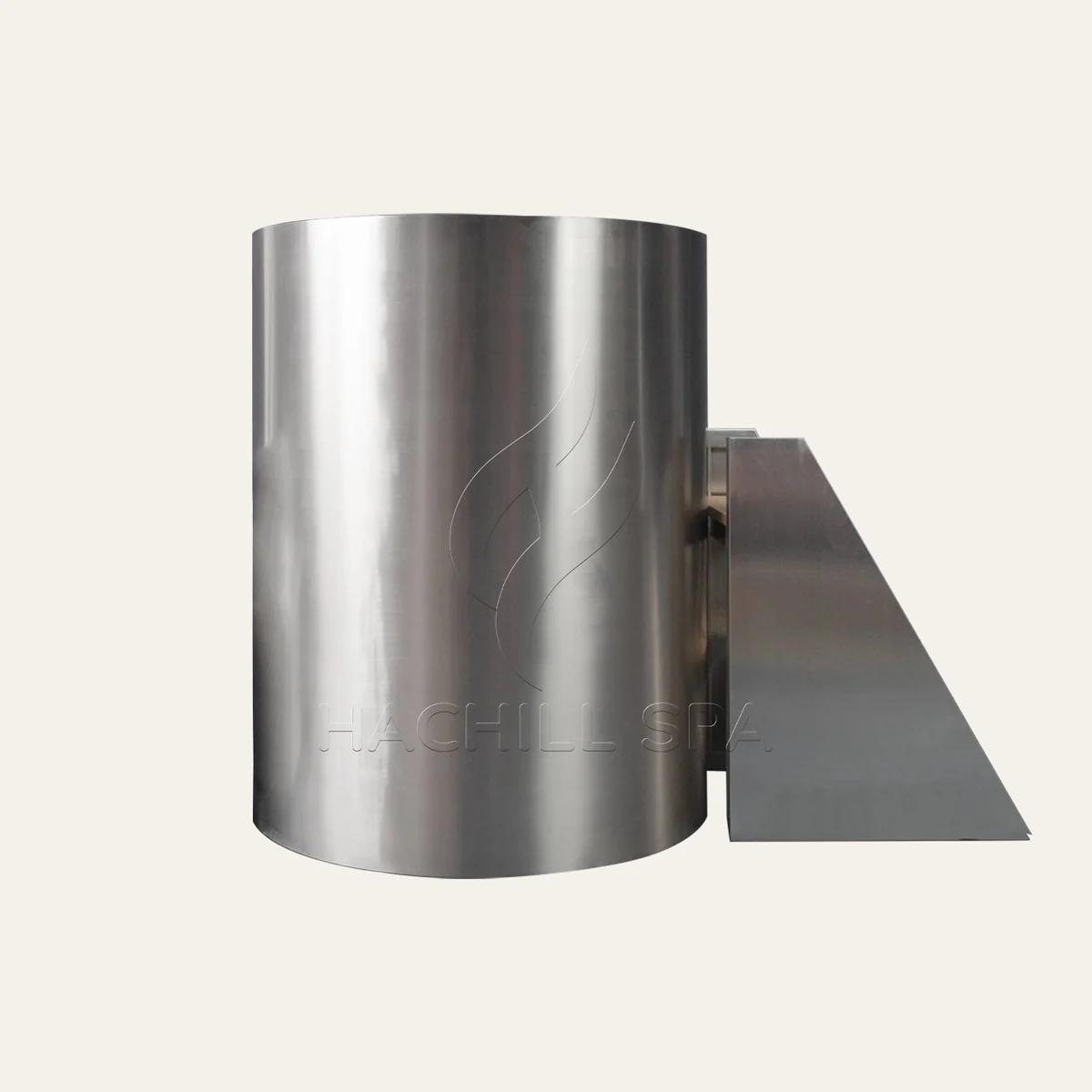
Разделяйте понижение температуры и восстановление как отдельные коммерческие режимы
Первичная тепловая проверка — это явное тепло, отводимое от воды. Для предварительной оценки жидкой воды в этом диапазоне температур используйте Q = m x cp x Delta T, где m — масса воды в килограммах, cp составляет приблизительно 4.18 kJ/kg-K, и Дельта T это снижение температуры. Результат представляет собой энергетический скрининг только для воды: он не включает тепло, поступающее через сосуд, открытую поверхность, трубопроводы, насос, помещение или пользователей, и не доказывает производительность конкретного чиллера.
Примерный расчёт снижения температуры
Предположим расчётный случай с 500 L рабочей воды, охлаждаемой с 20 C до 10 C. Приближённо принимая массу воды равной 500 kg, получаем 500 x 4.18 x 10 = 20,900 kJ, или около 5.81 кВт·ч тепловой энергии. Если рассматриваемая система может обеспечивать подтверждённые полезные 2.5 kW холода по всему соответствующему диапазону условий, идеальное время только для воды составляет около 5.81 / 2.5 = 2.32 часов.
Этот результат в 2.32 часов не является гарантией для конкретного объекта. Фактическое время будет больше, когда поступает тепло от окружающей среды и солнца, насос добавляет тепло, крышка открыта, расход выходит за требуемый диапазон, воздух конденсатора рециркулирует или полезная мощность снижается по мере приближения воды к целевой температуре. Используйте чистую мощность, привязанную к условиям, или контролируемую запись полного снижения температуры системы, а не мощность компрессора, потребляемую мощность или точку мощности, измеренную при более теплой воде.
Пример расчёта восстановления пользователя
Если типичная сессия повышает температуру хорошо перемешанного объёма воды 500 L на 1.5 K, измеренный прирост энергии воды составляет около 500 x 4.18 x 1.5 = 3,135 kJ, или 0.871 kWh тепловой энергии. При той же подтверждённой полезной мощности 2.5 kW идеальное время восстановления только для воды составляет около 20.9 minutes. Реальное восстановление также включает постоянные притоки тепла на площадке и циклическую работу системы управления. Измеряйте повышение температуры за сеанс и фактический интервал между пользователями, а не считайте показатель пользователей в день пиковой нагрузкой.
Пример рабочего листа коммерческой нагрузки
| Ввод | Примерное значение | Требуется подтверждение проекта |
|---|---|---|
| Рабочий объём воды | 500 L | Утвержденная конфигурация или измеренный объем заполнения |
| Начальная / целевая температура | 20 °C / 10 °C | Краткое описание эксплуатации и синхронизированный журнал испытаний |
| Только водяная энергия | 5.81 кВт·ч тепловой энергии | Расчёт с единицами измерения и допущениями |
| Чистая мощность, привязанная к условиям | 2.5 kW иллюстративно | Данные модели/конфигурации при согласованных условиях по воде, окружающей среде, расходу и подаче |
| Идеальное опускание | 2.32 ч | Результат предварительной проверки; необходимо провести валидацию всей установленной системы |
| Измеренный подъём за сеанс | 1.5 К иллюстративно | Хорошо перемешанные температуры до/после и временные метки |
| Идеальное восстановление | 20.9 мин | Добавьте текущие приросты и поведение системы управления перед приемкой |
Проверка заполненной нагрузки проводится отдельно: общая рабочая масса = сухой продукт + вода + максимальное количество пользователей + крышка/аксессуары. Используйте утвержденную массу продукта и фактический рабочий объем, затем при необходимости получите квалифицированное заключение по конструкции. Не делайте выводов о пригодности пола на основе веса пустой упаковки.
Определите полную систему водоснабжения, охлаждения и циркуляции
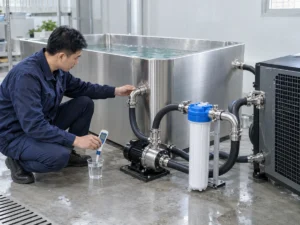
Купель, циркуляционный насос, фильтр, чиллер и оборудование обработки воды образуют один гидравлический контур. Внутренний диаметр трубы, эквивалентная длина, фитинги, положения клапанов, состояние фильтра и потери давления в компонентах влияют на фактический расход через теплообменник. Насос может показывать высокий каталожный максимальный расход, но давать слишком малый после добавления сопротивления установленного контура. Требуйте допустимый диапазон расхода для каждого критичного компонента и кривую насоса для точной модели и рабочей частоты; детальное согласование контура затем относится к отдельному руководству по купели и чиллеру.
Для сравнения охлаждения необходимы объем воды, начальная и целевая температуры, расчетная температура окружающей среды, требуемое время снижения температуры, нагрузка от повторных пользователей и допущения по теплоизоляции. Номинальная холодопроизводительность должна быть привязана к заявленным условиям испытаний. Мощность в лошадиных силах — это описание оборудования, а не прямое обещание отвода тепла. В коммерческом предложении должно быть указано, что измеряется, что рассчитывается и что остается зависимым от конкретного объекта.
Когда в шорт-листе остается точная совместимость купели, чиллера, насоса, контура и системы управления, переходите к Руководство по подбору купели для холодного погружения и чиллера а не расширять этот анализ сопряжений внутри данного общего руководства по покупке.
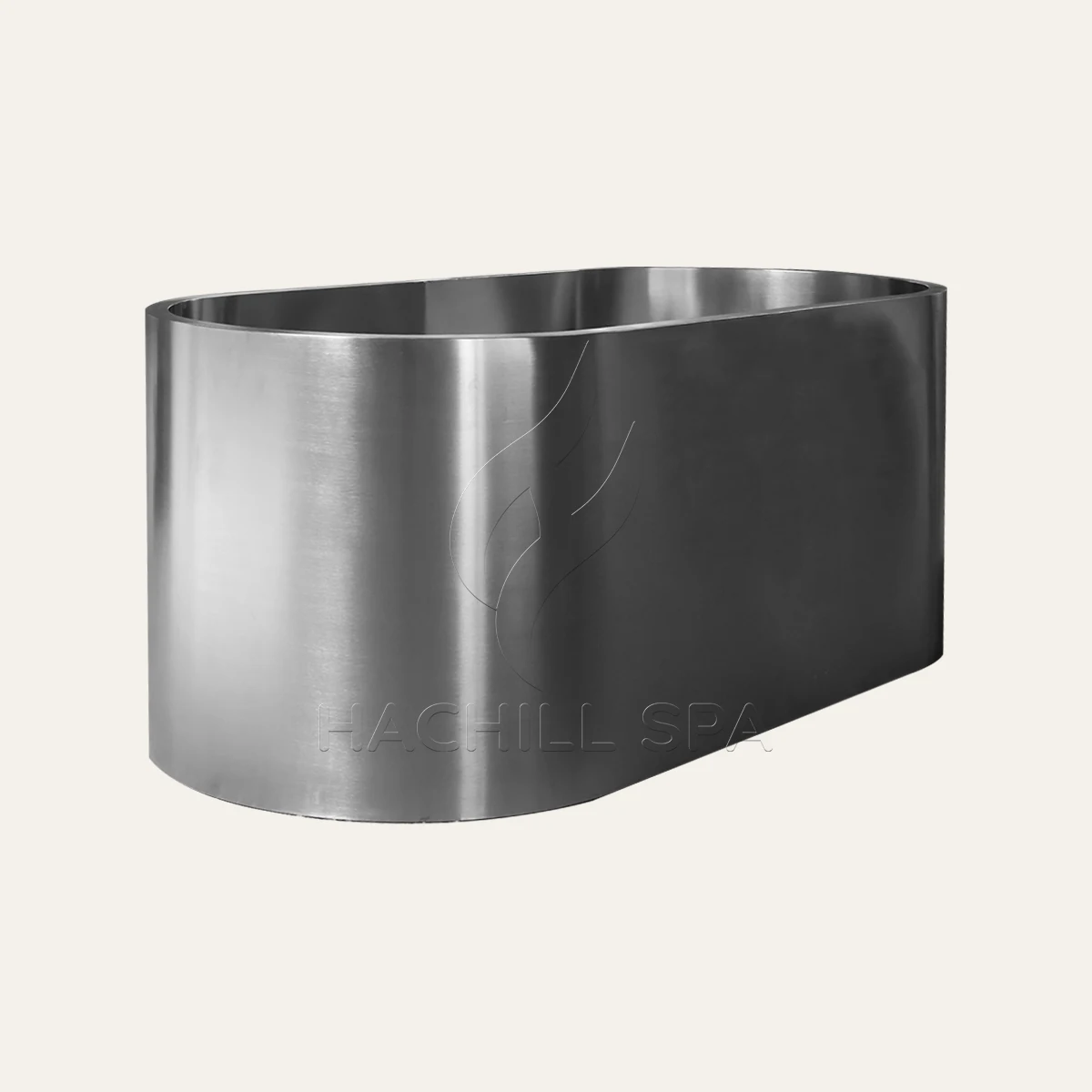
Сравните формат купели с задачей пользователя
Вертикальные ванны обычно уменьшают занимаемую площадь, но требуют большего внимания к положению ступени, поручням, зазору над головой и контролируемому выходу. Горизонтальные ванны занимают больше площади и воды, но могут иметь более низкий край и другую позу. Ни один из форматов не является автоматически более безопасным или более коммерческим. Правильный выбор зависит от профиля пользователя, надзора персонала, циркуляции мокрого пола, доступа для очистки и маршрута от раздевалки до зоны восстановления.
Подтвердите внутреннее полезное пространство, а не полагайтесь на внешние габариты или маркетинговую маркировку вместимости. Запросите рабочий уровень воды, схему входа, внутреннюю геометрию, расположение слива, вес в пустом и заполненном состоянии, габариты в упаковке и точки подъема. Чертеж с размерами поддерживает раннее планирование; утвержденный чертеж заказа должен определять фундамент, дверные проемы, повороты коридоров и окончательное расположение инженерных коммуникаций.
Если рассматривается вертикальный формат, используйте Руководство по покупке вертикальной холодной купели для коммерческих объектов для решения «идти/не идти» на уровне формата до выбора точной модели.
Инженерный сценарий: предложенные системы не эквивалентны
Наблюдаемая проблема: Одно предложение выглядит дешевле, но исключает фильтр, циркуляционный насос, крышку, пусконаладку и запасные картриджи.
Вероятная причина: В запросе котировок указан холодный душ, но не определены границы поставки или требуемые результаты.
Как проверить: Создайте построчную матрицу включений и сверьте ее с коммерческим предложением, чертежами и спецификацией материалов.
Меры по предотвращению или устранению: Утвердите одну матрицу ответственности до сравнения цен и включите её в заказ на поставку.
Спланируйте участок, коммуникации, водоотведение и маршрут обслуживания
Холодный погружение создает брызг воды и может производить конденсацию на холодных поверхностях и трубопроводах. Координировать уровень несущей базы, гидроизоляции, где сборка здания требует его, дренаж, управление проскальзыванием, вентиляции или осушения, электрической защиты и доступного маршрута для проверки клапанов, сетчатых устройств, фильтров и чиллера. В США, где действует OSHA 29 CFR 1910.22 требует содержать полы рабочих помещений в чистоте и, насколько это выполнимо, в сухости; там, где используются мокрые процессы, необходимо поддерживать дренаж и, насколько это выполнимо, предусматривать сухие места для стояния. Это базовое требование для рабочих мест, а не замена местных требований общественного здравоохранения, строительных норм, доступности или требований к водным объектам. Окончательная электрозащита, заземление, уравнивание потенциалов и меры GFCI или RCD должны соответствовать точным инструкциям к оборудованию и применимым местным правилам.
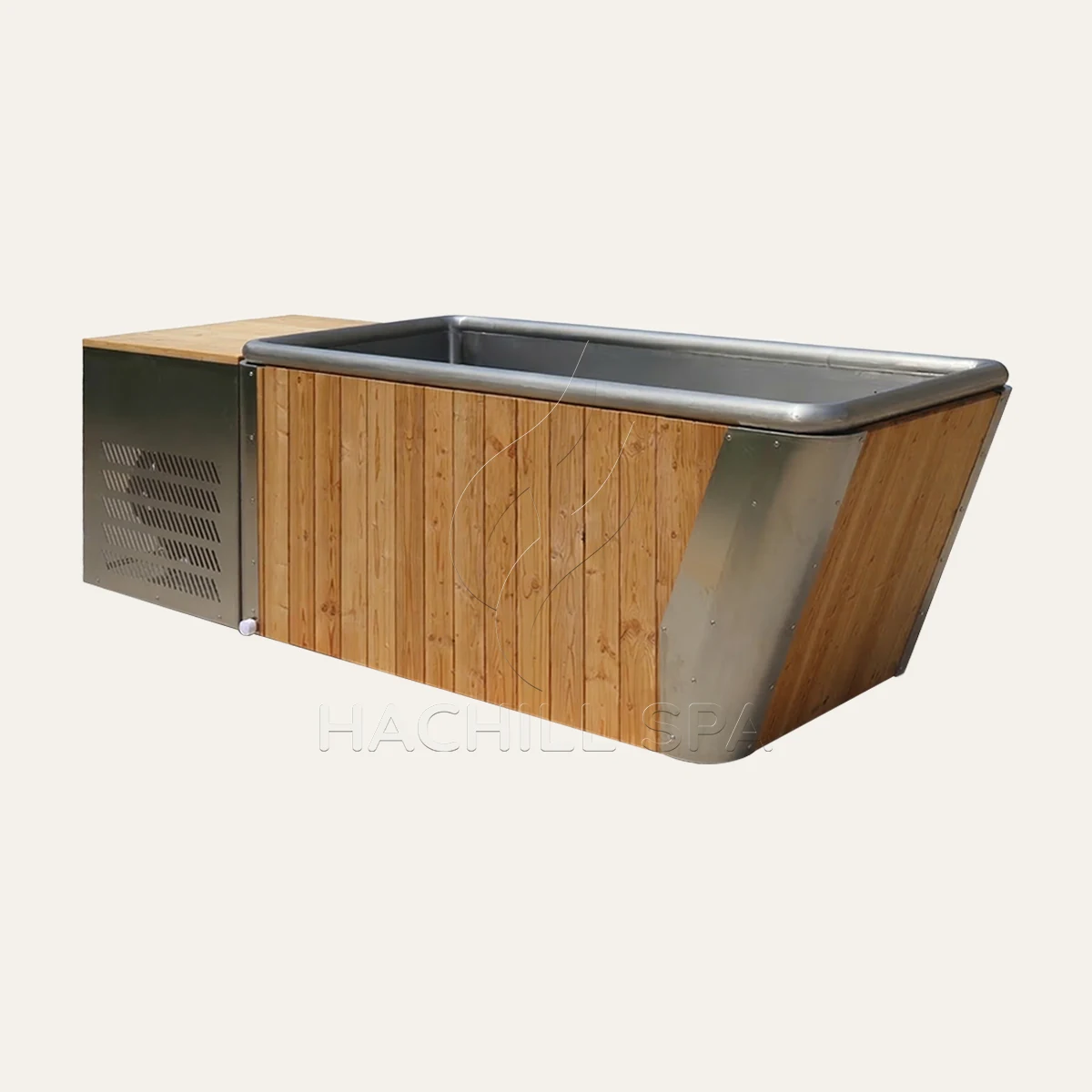
Не встраивайте чиллер в мебель, не подтвердив зазоры для забора, выброса воздуха и обслуживания. Ограничение потока воздуха через конденсатор повышает рабочее давление и может снизить производительность или вызвать защитные отключения. Аналогично, видимое на фотографии изделия дренажное соединение не определяет трассу дренажа на объекте, разрешение на сброс или способ слива при замерзании.
Определите санитарную обработку как эксплуатационную программу
Фильтрация, UV, озон или другая вторичная технология не устраняют необходимость в документированной программе управления водой. Оператору всё ещё нужны пределы по химическому составу, методы испытаний, ведение журнала, обслуживание фильтра, интервалы очистки, реагирование на загрязнение и критерии закрытия, требуемые применимыми эксплуатационными правилами. В феврале 2026 года, NSF заявила, что холодные купели, оснащённые системами циркуляции, обработки или дезинфекции, уже входят в область применения NSF/ANSI/CAN 50, включая предварительно упакованные и собранные на месте системы. Это заявление о сфере действия не является заявлением о сертификации для какой-либо модели HACHILL, и регуляторы могут классифицировать или принимать холодные ванны по-разному в зависимости от юрисдикции. Для контекста публичных водных объектов США, Модельный кодекс здоровья водных объектов CDC остается добровольным типовым руководством, а не федеральным законом, поэтому необходимо подтвердить местное принятие и применимость.
Попросите поставщика указать каждый компонент обработки, порядок его установки, требуемые условия потока, доступные точки обслуживания, расходные материалы и ограничения совместимости. Маркетинговые формулировки вроде «самоочистка» или «без химии» не заменяют документированные характеристики компонента, процедуру эксплуатации и местное согласование, где оно требуется. Если доказательства неполны, не включайте утверждение в спецификацию и назначьте ответственного за его закрытие.
Для подробной программы фильтрации, санитарной обработки, испытаний и обслуживания используйте Руководство по уходу за водой в холодной купели; это руководство по покупке отвечает только за то, чтобы рабочая программа была определена и назначена до покупки.
Инженерный сценарий: чиллер оказался недостаточным после запуска
Наблюдаемая проблема: Вода достигает целевой температуры за ночь, но не может восстановиться во время последовательных сеансов.
Вероятная причина: При подборе использовались объём резервуара и мягкие условия испытаний, а нагрузка от пользователей, открывание двери или крышки, теплоприток от окружающей среды и время восстановления не учитывались.
Как проверить: Зарегистрируйте температуры на входе и выходе, условия окружающей среды, индикацию потока и время использования, затем сравните их с заявленной основой подбора.
Меры по предотвращению или устранению: Указывайте отдельно снижение температуры в режиме ожидания и восстановление между пользователями, а также требуйте данные о производительности в соответствующих условиях.
Собирайте данные пусконаладки, которые разделяют причины, связанные с продуктом, площадкой и эксплуатацией
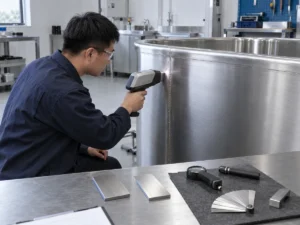
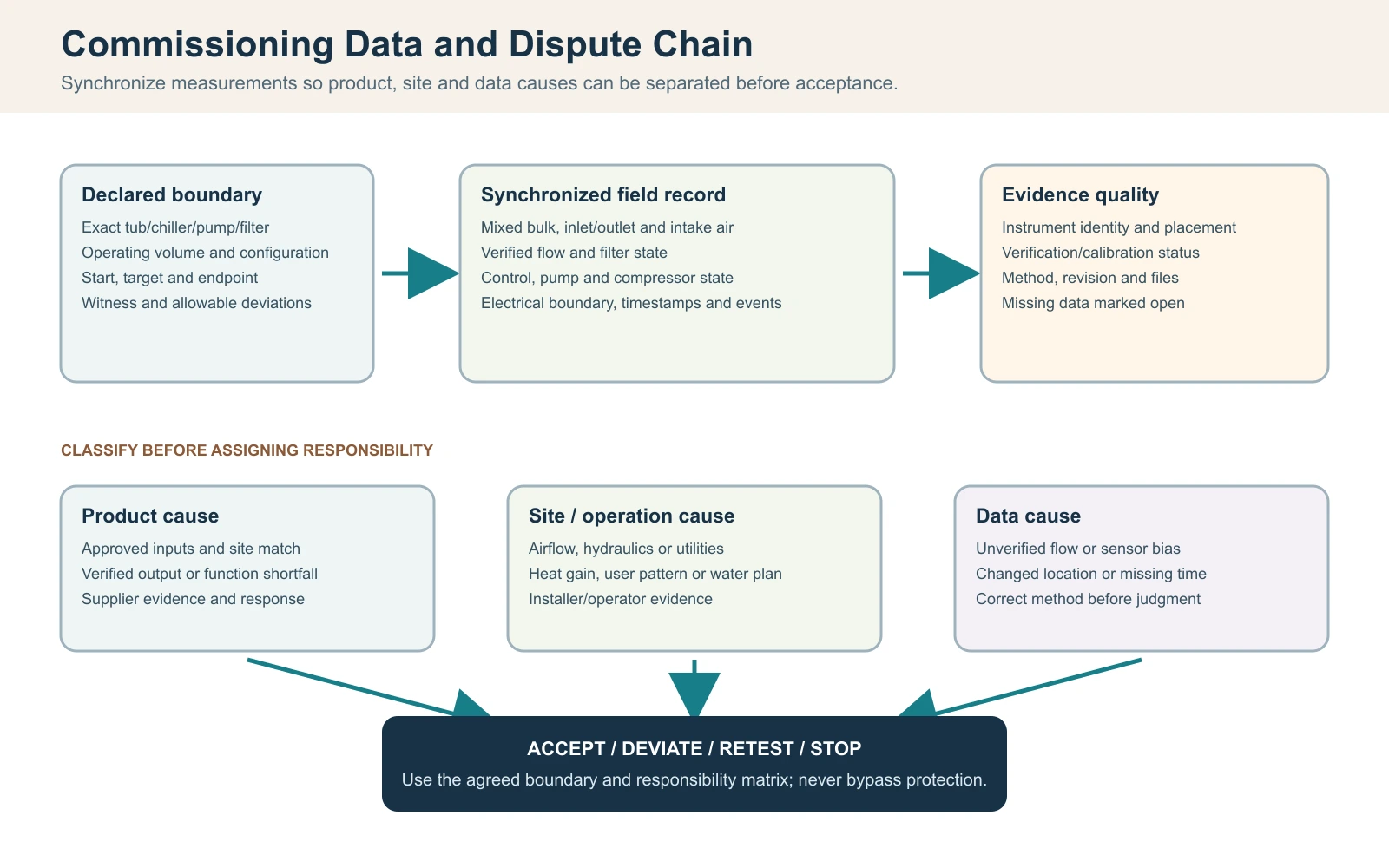
Коммерческому покупателю необходима синхронизированная запись, поскольку только наблюдаемая температурная кривая не может показать, почему изменилась производительность. Укажите точную конфигурацию ванны, чиллера, насоса, фильтра и системы управления; зафиксируйте идентификацию приборов и положение датчиков; перемешайте воду перед массовыми измерениями; и разместите измерение окружающей среды на входе в конденсатор, а не у удобного комнатного термостата. Фиксируйте отклонения, а не корректируйте журнал после испытания.
Журнал данных ввода в эксплуатацию коммерческой ванны холодного погружения
| Время / событие | Вода и окружающая среда | Гидравлическое состояние / состояние системы управления | Эксплуатационные доказательства |
|---|---|---|---|
| Перед наполнением | Утвержденный рабочий объем и температура исходной воды | Положения клапанов, состояние фильтра и состояние слива | Конфигурация, серийная идентификация и редакции чертежей |
| Начало теста | Перемешанная масса воды, вход/выход чиллера и воздух на входе в конденсатор | Проверенный расход или метод, режим насоса, заданное значение и состояние крышки | Напряжение/частота питания и общая граница потребления, если измерялись |
| Фиксированные интервалы | Одинаковые расположения датчиков и временные метки | Состояние компрессора/вентилятора/насоса, сигналы тревоги и показание давления на фильтре | Открытие двери/крышки, воздействие солнечного света и другие отклонения |
| Сеанс пользователя | До/после перемешанной массы воды и состояние помещения | Состояние системы управления и циркуляции | Количество пользователей, время сеанса и аномальная потеря воды |
| Конечная точка | Итоговая смешанная вода в накопителе и температура окружающей среды на входе | Переход управления и доказательства стабильного потока | Прошедшее время, свидетель, исключения и ссылки на файлы |
Используйте запись для классификации недостатка. Причина, связанная с продуктом, может быть подтверждена, если утвержденная конфигурация, условия, поток и инженерные коммуникации совпадают, но проверенный результат остается ниже согласованной границы. Причина, связанная с площадкой, может включать ограниченный поток воздуха конденсатора, зауженные трубопроводы, избыточную тепловую нагрузку окружающей среды или неправильное электроснабжение. Причина, связанная с данными, включает непроверенный поток, смещение датчика, изменение местоположения или отсутствие временных меток. Не назначайте вину, пока эти три группы причин не будут разделены.
Остановите испытание и обратитесь к квалифицированному сервису при повторном срабатывании электрической или манометрической защиты, признаках утечки хладагента, повреждении проводки, перегреве, задымлении, попадании воды на опасные электрические интерфейсы или любом состоянии, запрещенном руководством по эксплуатации модели. Операторы могут осматривать видимые условия и записи; им запрещается открывать электрические/холодильные отсеки или обходить защитное устройство для завершения испытания.
Контрольные доказательства, ответственность и блокировки выпуска
Рекомендуемая пятиуровневая иерархия доказательств для закупки
| Уровень | Документация | Разрешённое использование |
|---|---|---|
| 1 | Заказ-специфичная запись приемочного испытания при согласованных условиях | Окончательная договорная приемка в рамках письменных границ |
| 2 | Независимый или аккредитованный отчет по модели/конфигурации при сопоставимых условиях | Сравнение с высокой степенью уверенности после проверки области применения и применимости |
| 3 | Карта испытаний конкретной модели производителя с методом, редакцией и условиями | Инженерный выбор с раскрытыми ограничениями |
| 4 | Прозрачный расчет с использованием утвержденных исходных данных | Скрининг и выявление пробелов, а не доказательство фактической производительности |
| 5 | Общий буклет, категорийная этикетка, лошадиные силы, фото или устное заявление | Только для ознакомления; не является доказательством для приемки |
Коммерческая матрица ответственности для холодного погружения
| Решение | Поставщик | Покупатель/оператор | Монтажник / местный специалист | Подтверждающие документы |
|---|---|---|---|---|
| Краткое описание эксплуатации | Проверить осуществимость и открытые исходные данные | Собственные пользователи, график, цель и персонал | Проверить последствия для регулируемых объектов | Согласованная основа режима работы |
| Объем продукции/системы | Определить точную поставляемую конфигурацию | Согласовать включения, исключения и замены | Координировать локально поставляемые интерфейсы | Контролируемый объем и чертежи |
| Конструкция/поставка | Предоставить утвержденные данные по массе и обращению | Предоставить ограничения по маршруту и площадке | Согласовать опоры, подъем и доступ при необходимости | Согласование маршрута и фундамента |
| Гидравлика/водоподготовка | Предоставить предельные значения и инструкции по компонентам | Собственный план эксплуатации/водоснабжения | Установить и проверить трубопроводы на площадке | Журналы расхода, очистки и дренажа |
| Электроснабжение/соответствие на площадке | Предоставить электрические данные модели | Указать назначение и условия эксплуатации | Квалифицированное проектирование, защита, заземление и утверждение | Подписанные локальные записи при необходимости |
| Ввод в эксплуатацию | Поддержка согласованных проверок продукции | Предоставить оператора и свидетеля | Выполнить регламентные и монтажные проверки | Подписанный реестр приемки/отклонений |
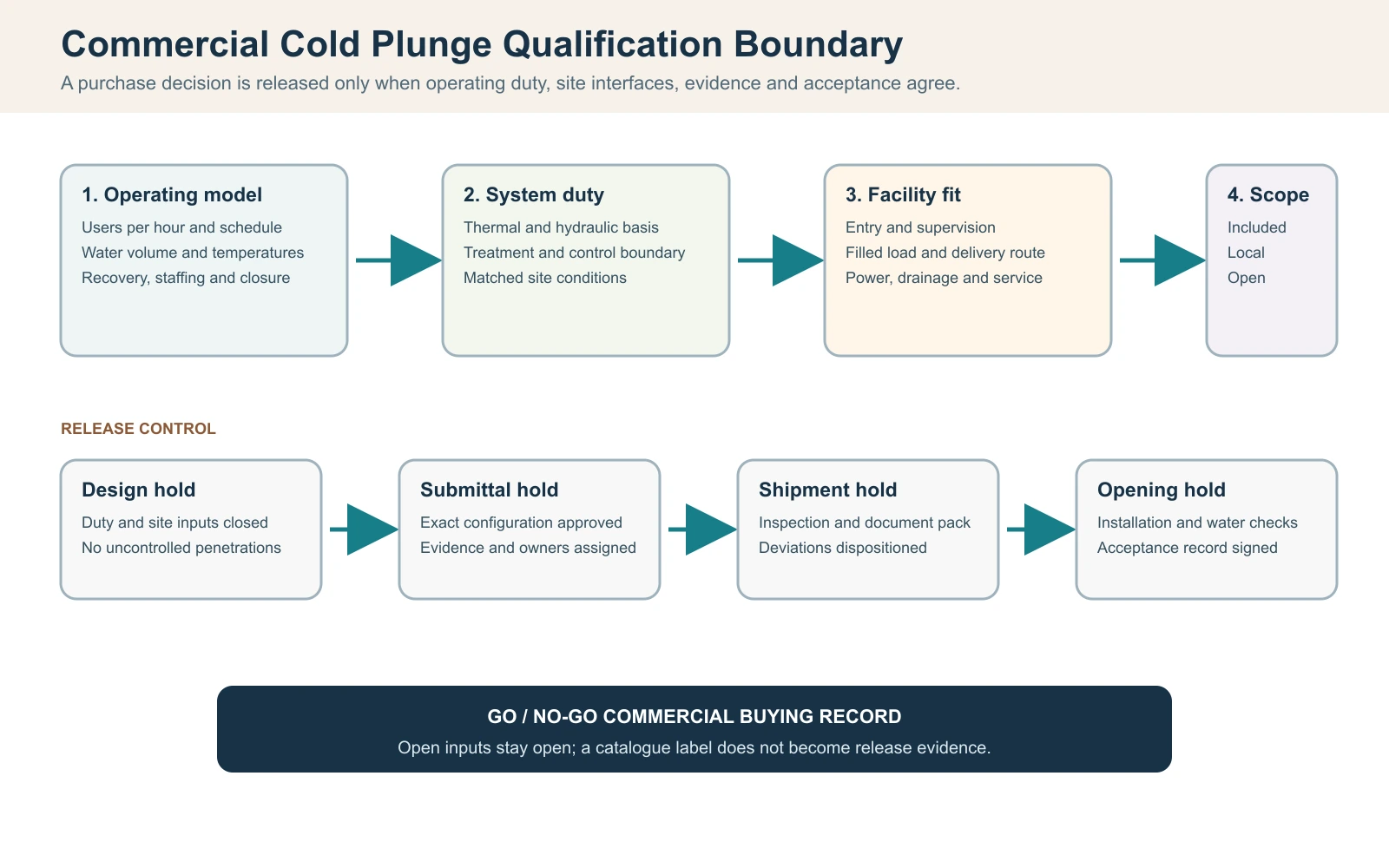
Эта иерархия доказательств — метод контроля закупки, а не отраслевой стандарт. Практическая последовательность проекта может использовать четыре удержания: удержание проектирования до необратимых работ на площадке; удержание представления документов до заказа на закупку или запуска производства; удержание отгрузки до отправки; и удержание открытия до входа пользователей. Каждое удержание следует закрывать только тогда, когда названные доказательства актуальны для заказанной конфигурации. Ссылка на стандарт помогает определить требование или объём испытаний; она сама по себе не доказывает, что модель HACHILL сертифицирована, одобрена или допущена на рынке назначения.
Используйте контрольные точки подтверждения перед оплатой и отгрузкой
Доказательства должны становиться более конкретными по мере продвижения проекта. Страница категории может поддерживать ранний поиск, но для утверждения короткого списка необходимы график и чертеж на уровне модели. Для выпуска в производство необходимы утвержденная конфигурация, электрическое назначение, материалы, отделка, маркировка, упаковка и план испытаний. Для отгрузки необходимы записи об идентификации, результаты инспекций, доказательства упаковки и комплект документов, согласованный в заказе. Ни одна из этих записей сама по себе не доказывает соответствие за пределами указанных модели, рынка и редакции.
Установите контрольные точки на решениях, которые дорого отменить. Не вырезайте отверстие в перекрытии по предварительному расположению дренажа, не заказывайте кабельную разводку по стилистическому изображению и не утверждайте чиллер по табличке с мощностью. Отложите эти действия до выпуска контролируемых монтажных чертежей, электрических данных и условий эксплуатации. Если требуется сертификация для страны назначения, укажите точные доказательства и ответственное проверяющее лицо, а не рассматривайте CE, UL, ETL или другой знак как взаимозаменяемые формулировки.
Условия оплаты могут ссылаться на объективные результаты, не обещая результат, который поставщик не может контролировать. Полезные записи включают утвержденные чертежи, зафиксированную спецификацию, согласованные заводские проверки, фотографии упаковки и устраненные несоответствия. Эксплуатационные характеристики на объекте по-прежнему зависят от условий монтажа, расхода, температуры окружающей среды, управления водоподготовкой и эксплуатации, поэтому заводские доказательства и доказательства пусконаладки должны оставаться раздельными.
Документы для страны назначения нуждаются в собственной проверке перед выпуском. Подтвердите язык этикетки, информацию о номиналах, границу подключения вилки или монтажной проводки, руководства, содержание предупреждений, идентификацию запасных частей и точный охват моделей любого документа о соответствии. Документ для другой конфигурации, напряжения или рынка может быть полезным фоном, но не может закрыть требование к заказанному изделию. Когда NSF/ANSI/CAN 50, электрическая сертификация, одобрение общественного здравоохранения или другое требование страны назначения имеет значение, зафиксируйте доказательство для точной модели/конфигурации и сторону, ответственную за его принятие. Оставляйте отсутствующие доказательства открытыми, пока ответственный проверяющий не закроет их.
Зафиксируйте правила приёмки и разрешения споров до отгрузки
Приемка должна идентифицировать точную конфигурацию, рабочий объем, начальное/целевое состояние, допустимое время или точку производительности, температуру на входе конденсатора, расход воды, состояние крышки/солнечного излучения, электрическую границу, места установки датчиков, приборы, метод смешивания, режим управления, конечную точку, свидетеля и допустимые отклонения. Если условие выходит за пределы согласованного диапазона, отметьте прогон как недействительный или примените только заранее согласованный метод корректировки. Не импровизируйте корректировку после получения результата.
Реестр приемки и споров
| Спор | Доказательства для проверки | Немедленные меры |
|---|---|---|
| Слив занимает больше времени | Объем воды, теплопритоки, согласованная чистая мощность, расход, средства управления и временные метки | Оставьте результат открытым; классифицируйте причины: продукт/объект/данные |
| Показания температуры воды расходятся | Идентификация датчика, место установки, смешивание, разрешение и статус проверки | Не усредняйте несовместимые показания; исправьте метод и проведите повторное испытание |
| Заявленный объем работ неполный | Согласованный объем, чертежи, упаковочный лист и журнал замен/изменений | Приостановите приемку или монтаж до выяснения ответственности |
| Эффективность обработки оспаривается | Путь потока, состояние компонентов, журналы химической обработки/испытаний и процедура эксплуатации | Закройте доступ для пользователей, если согласованная граница водоподготовки не может быть продемонстрирована |
| Появляются видимые повреждения или утечка | Фотографии при приемке, запись о контейнере, идентификация соединения и журнал первого заполнения | Остановить заполнение/эксплуатацию, сохранить доказательства и назначить проверку |
| Отсутствует местное разрешение | Требование пункта назначения, доказательства модели/компонента и квалифицированная проверка | Не вводите в эксплуатацию и не открывайте, пока не будет закрыт путь ответственного органа |
Согласуйте, кто может присутствовать при проверке, кто может объявить отклонение, кто платит за повторное испытание по каждой категории причин и какие записи имеют приоритет при конфликте между брошюрой, чертежом и руководством. Исправьте основной документ через контроль ревизий, а не позволяйте персоналу на объекте выбирать наиболее удобное утверждение.
Планируйте приёмку, пусконаладку и начальную эксплуатацию
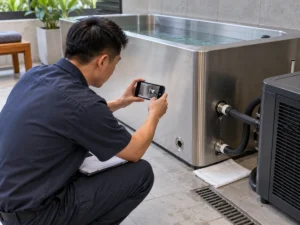
Входной контроль должен проводиться до того, как ящик будет выброшен или изделие перемещено по сложному маршруту. Сверьте идентичность модели и количество с упаковочным листом, осмотрите доступные поверхности и фитинги, зафиксируйте повреждения при транспортировке, подтвердите наличие незакрепленных компонентов и сравните ревизии документов. Скрытую недостачу, обнаруженную после установки, труднее распределить, а незафиксированный след от удара позже можно принять за производственный дефект.
Ввод в эксплуатацию должен проверять установленную систему, а не повторять заводской контрольный список. Подтвердите опору и уровень, водонепроницаемость, положение клапанов, заполнение, расход, состояние фильтров, показания температуры, реакцию управления, работу обработки, дренаж и безопасный доступ. Записывайте объем воды, условия окружающей среды и время при оценке охлаждения. Остановитесь и расследуйте постоянную утечку, неизвестный расход, срабатывание электрической защиты, ненормальный шум или результат измерения температуры за пределами согласованных границ испытания; не отключайте блокировки для соблюдения даты открытия.
Успешный проект не доказывается сосудом, который держит воду, или огнём, от которого выходная труба становится горячей. Полная купель должна оставаться конструктивно опёртой, водонепроницаемой, обслуживаемой, безопасно циркулируемой и управляемой на этапах заполнения, топки, купания, слива и остановки в холодную погоду. Там, где отказ может вызвать пожар, ошпаривание, застревание, обрушение конструкции или неконтролируемое кипение, используйте квалифицированное проектирование и документированную заводскую систему, а не обратную разработку по фотографиям из интернета.
Завершите передачу списком исключений, а не общей подписью о приемке. Зафиксируйте открытые документы, незавершенное обучение, временные подключения, пробелы в запасных частях и отклонения от утвержденной компоновки. Для каждого пункта укажите ответственное лицо и доказательства закрытия. Оператор также должен знать, какие наблюдения относятся к плановому техническому обслуживанию, какие требуют участия монтажника, а какие — поставщика оборудования.
Для дистрибьютора или покупателя под частной маркой передавайте повторяющиеся результаты входного контроля и ввода в эксплуатацию в контролируемую спецификацию. Повторяющиеся ослабленные фитинги могут потребовать проверки упаковки или предотгрузочного контроля; повторяющиеся проблемы с воздушным потоком на объекте могут потребовать более четкого чертежа компоновки. Это более веское коммерческое доказательство, чем добавление необоснованных заявлений на страницу продаж, поскольку оно связывает улучшение продукта с наблюдаемым отказом и профилактическими действиями.
Входные данные для коммерческого запроса на холодное погружение
Входные данные для коммерческого запроса на холодное погружение
| Ввод | Почему это меняет решение | Необходимые подтверждающие документы |
|---|---|---|
| Использование и оборот | Восстановление изменений, обработка и обязанности персонала | График работы и пользователи в час |
| Вода и температура | Определяет тепловую массу и отвод тепла | Рабочий объем, начальные/целевые температуры и время |
| Окружающая среда и местоположение | Изменяет нагрузку конденсатора, теплоприток и защиту от погоды | Диапазон расчетной температуры окружающей среды и план размещения внутри/снаружи |
| Гидравлика | Управляет реальным потоком через теплообменник и фильтр | Диапазон расхода, характеристика насоса, трубопроводы и график оборудования |
| Обеззараживание | Определяет обработку и нагрузку на оператора | Перечень компонентов, основа валидации и план по воде |
| Инженерные сети и доступ | Может дисквалифицировать систему после покупки | Электрическая схема, дренаж и сервисный чертеж |
Матрица сравнения коммерческих предложений
Матрица сравнения коммерческих предложений
| Позиция | Включено | Поставляется локально | Открытые доказательства |
|---|---|---|---|
| Ванна, изоляция и крышка | Определите точный объем заказа | Зафиксируйте изделия, изготовленные на площадке | Материалы и утвержденный чертеж |
| Чиллер и система управления | Модель и рабочая точка | Защитный кожух для наружной установки, если применимо | Условия испытаний производительности |
| Насос, фильтр и обработка | Модели и расходные материалы | Монтаж трубопроводов на объекте | Гидравлический расчет и проверка |
| Ввод в эксплуатацию и обучение | Задачи и документация | Работы, требующие лицензии | Критерии приемки |
| Запасные части и документация | Первоначальный комплект | Локальный склад | Языки и статус редакции |
Чек-лист проекта
- Зафиксируйте техническое задание и допущение о передаче объекта пользователю.
- Утвердите полную матрицу поставки и ответственности.
- Подтвердите редакцию чертежа, маршрут упаковки, план подъема и загрузку.
- Проверьте мощность чиллера, условия испытаний, диапазон расхода и зазоры конденсатора.
- Утвердите ответственность за обработку, испытания, очистку и закрытие.
- Определите электрические подключения, дренаж, вентиляцию и сервисный доступ на объекте.
- Зафиксируйте проверки приемки на заводе, при получении и при вводе в эксплуатацию.
Информация для включения в запрос предложения (RFQ)
Отправьте данные на уровне модели и конкретного объекта, чтобы поставщики могли закрыть допущения до сравнения цен:
- Применение и целевой рынок
- Ожидаемое количество пользователей в час и график работы
- Формат ванны и требования к полезному пространству
- Объем воды или утвержденный список моделей
- Начальная и целевая температура воды
- Диапазон температуры окружающей среды и время восстановления
- Место установки (в помещении/на улице) и вентиляция
- Напряжение, частота и количество фаз
- Требования к обработке и оператору
- Ограничения по дренажу, доставке и обслуживанию
- Требуемые документы и соответствие требованиям страны назначения
- Объем: количество, брендирование и упаковка
Часто задаваемые вопросы
Что коммерческим покупателям следует сравнивать в первую очередь при выборе холодной купели?
Сначала сравните эксплуатационное задание и границы ответственности. Оборачиваемость пользователей, целевая температура, условия окружающей среды, время восстановления, подход к санитарной обработке, инженерные коммуникации и доступ для обслуживания определяют, действительно ли две системы эквивалентны. Только цена резервуара или мощность охладителя в лошадиных силах этого не показывают.
Означает ли коммерческая маркировка, что купель с холодной водой одобрена для общественного использования?
Нет. Коммерческий - это термин позиционирования продукта, а не одобрение общественного использования. Общественные или общие объекты должны подтверждать требования к общественному здравоохранению, электроснабжению, строительству и доступности, а также эксплуатационные процедуры и конкретные модели. NSF отмечает, что нормативные интерпретации холодных ванн варьируются в зависимости от штата и муниципалитета, поэтому ответственный местный обзор по-прежнему имеет значение.
Какая информация о чиллере должна быть указана в запросе предложения (RFQ)?
Укажите рабочий объём воды, начальную и целевую температуру, расчётную температуру окружающей среды, желаемое время охлаждения и восстановления, режим использования, теплоизоляцию, место установки, напряжение и частоту. Запросите холодопроизводительность при заявленных условиях, требуемый расход, информацию о подключении и зазоры для конденсатора.
Должны ли УФ-обработка или озон заменять регулярное тестирование воды?
Нет. Дополнительная обработка может поддерживать разработанную программу управления водой, но не заменяет утверждённый контроль химического состава, фильтрацию, очистку, тестирование, ведение журнала и реагирование на загрязнения. Точная программа должна соответствовать инструкциям по оборудованию, характеру использования и местным правилам.
Что нужно проверить при получении холодной купели?
Перед перемещением блока проверьте состояние ящика, соответствие модели и серийного номера, видимые повреждения, ослабленные крепления, комплектность, актуальность документации и согласованный упаковочный лист. После установки следуйте согласованной процедуре приёмки по герметичности, расходу, управлению, обработке воды и температуре, прежде чем допускать пользователей.
Сопутствующие ресурсы HACHILL
Категория продукции: холодные купели
Используйте категорию продукта, когда эксплуатационное задание определено, а следующая задача — формирование шорт-листа продуктовых семейств.
Коммерческие решения для холодного погружения
Используйте страницу коммерческого решения, когда тип объекта, объём проекта и коммерческое развёртывание важнее, чем сравнение отдельных продуктов.
Руководство по уходу за водой в холодной купели
Используйте руководство по уходу за водой, когда оставшееся решение касается фильтрации, санитарной обработки, тестирования, очистки или регулярных рабочих записей.
Запросить коммерческое предложение по проекту
Используйте путь RFQ, когда режим работы, объём, интерфейсы площадки и требуемые подтверждения определены достаточно хорошо для рассмотрения поставщиком.
Справочная база
- NSF: требования NSF/ANSI/CAN 50 к купелям с холодной водой – Руководство по области применения от февраля 2026 г., согласно которому холодные купели с системами циркуляции, обработки или дезинфекции входят в сферу действия NSF/ANSI/CAN 50; это не является заявлением о сертификации какой-либо модели HACHILL.
- CDC 2024 Model Aquatic Health Code, 5-е издание – Действующее модельное руководство США для общественных водных объектов; оно не является федеральным законом, и местное принятие/применимость необходимо подтвердить.
- PHTA standards catalogue – Действующий каталог стандартов ANSI/PHTA для общественных бассейнов, спа и гидромассажных ванн; применимость зависит от проекта и юрисдикции.
- OSHA 29 CFR 1910.22 – Требования США к рабочим поверхностям и ходьбе на рабочих местах, включая дренаж для мокрых процессов и возможные сухие места для стояния там, где применяется правило.
- NIST Chemistry WebBook: вода – Справочная теплоёмкость жидкой фазы, обосновывающая приблизительное значение 4.18 kJ/kg-K, используемое в иллюстративном предварительном расчёте.
Технические границы и требования безопасности для руководства по покупке холодных ванн для предприятий и оптовых покупателей: Руководства на продукт, утверждённые чертежи, местные строительные, электрические, санитарно-гигиенические требования и требования доступности, лицензированные специалисты и квалифицированные медицинские работники или специалисты по безопасности имеют приоритет над общими веб-рекомендациями. Внешние стандарты и руководства используются для определения вопросов к доказательствам, а не для заявления о сертификации или местном одобрении модели HACHILL. Эта статья не заявляет гарантированную производительность на площадке или индивидуальную медицинскую пользу.