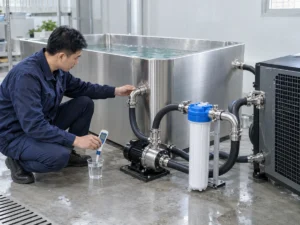
Краткий ответ: Если вы сравниваете УФ против озона для холодной купели, ни одна из технологий не является универсально лучшей. УФ обрабатывает воду только пока она проходит через правильно специфицированный реактор и зависит от расхода, УФ-пропускания, мощности лампы и поддержания оборудования в рабочем состоянии. Озон может обеспечивать окисление и антимикробную обработку, когда генерация, инжекция, смешивание/контакт, мониторинг и обращение с газом правильно спроектированы. Не следует предполагать, что какая-либо из технологий заменяет фильтрацию, физическую очистку, проверку воды или — где это требуется для данного применения — стратегию остаточного обеззараживания. Не выбирайте только по объёму купели, мощности лампы, производительности генератора озона или маркетинговым заявлениям. Выбирайте по роли в обработке, фактическим гидравлическим условиям и состоянию воды, возможностям обслуживания, совместимости материалов и тому, является ли купель частной или общей/коммерческой. Если эти исходные данные не определены, УДЕРЖИВАЙТЕ более обоснованно, чем рекомендация, основанная на догадках.
УФ или озон для холодной купели: что выбрать?
Не выбирайте между УФ и озоном, спрашивая, какая технология звучит мощнее.
Спросите вместо этого: Какую задачу по обработке должен выполнять этот компонент и какие доказательства показывают, что он может выполнить эту задачу в фактических условиях системы?
UV и озон имеют разные требования к эксплуатации. Эффективность UV зависит от прохождения воды через UV-реактор при соответствующих гидравлических, оптических и аппаратных условиях. Обработка озоном зависит от получения озона, его переноса в воду, достижения требуемого смешивания/контакта и надлежащей обработки неиспользованного газа. Приложение к Model Aquatic Health Code CDC’s предоставляет технический контекст для общественных акваторий по этим различиям.
Общие правила вроде «УФ для маленьких чанов, озон для больших чанов» не являются обоснованным инженерным упрощением. Объём сосуда важен, но он не заменяет фактический путь циркуляции, рабочий расход, нагрузку от пользователей, состояние воды, валидацию реактора или конструкцию контакта с озоном, доступ для обслуживания и возможности технического обслуживания.
| Переменная решения | UV | Озон |
|---|---|---|
| Основной вопрос выбора | Может ли реактор обеспечивать требуемую обработку в своих валидированных рабочих условиях? | Может ли система вырабатывать, подавать и обеспечивать контакт озона, как задумано? |
| Ловушка в спецификации | Только наличие лампы или мощность | Только выход генератора |
| Ключевые зависимости | Расход, УФ-пропускание, состояние лампы/чехла и подтверждённый рабочий диапазон | Генерация, впрыск, контакт, мониторинг и обращение с газом |
| Стойкий остаток во всем резервуаре? | Не следует предполагать | Не следует предполагать |
| Фильтрация заменена? | Нет | Нет |
| Возможный результат | УФ / УДЕРЖАНИЕ | Озон / HOLD |
Для сохраняемой/общей воды в рекреационных целях используемые здесь данные общественного здравоохранения рассматривают УФ и озон как уровни обработки, а не как полную замену остальной системе санитарной обработки. Краткий обзор доказательств NCCEH’s по холодной купели указывает, что UV и озон не обеспечивают остаточное обеззараживание в рассматриваемом контексте общего пользования/общественного здравоохранения.
Правило принятия решения: Ни один из вариантов не лучше универсально. Выберите технологию, чья роль в обработке и рабочие условия соответствуют системе в целом.
Если система еще не определила эти условия, УДЕРЖИВАЙТЕ более обоснованно, чем догадки.
Что на самом деле делает УФ-излучение — и что определяет, будет ли оно работать как задумано
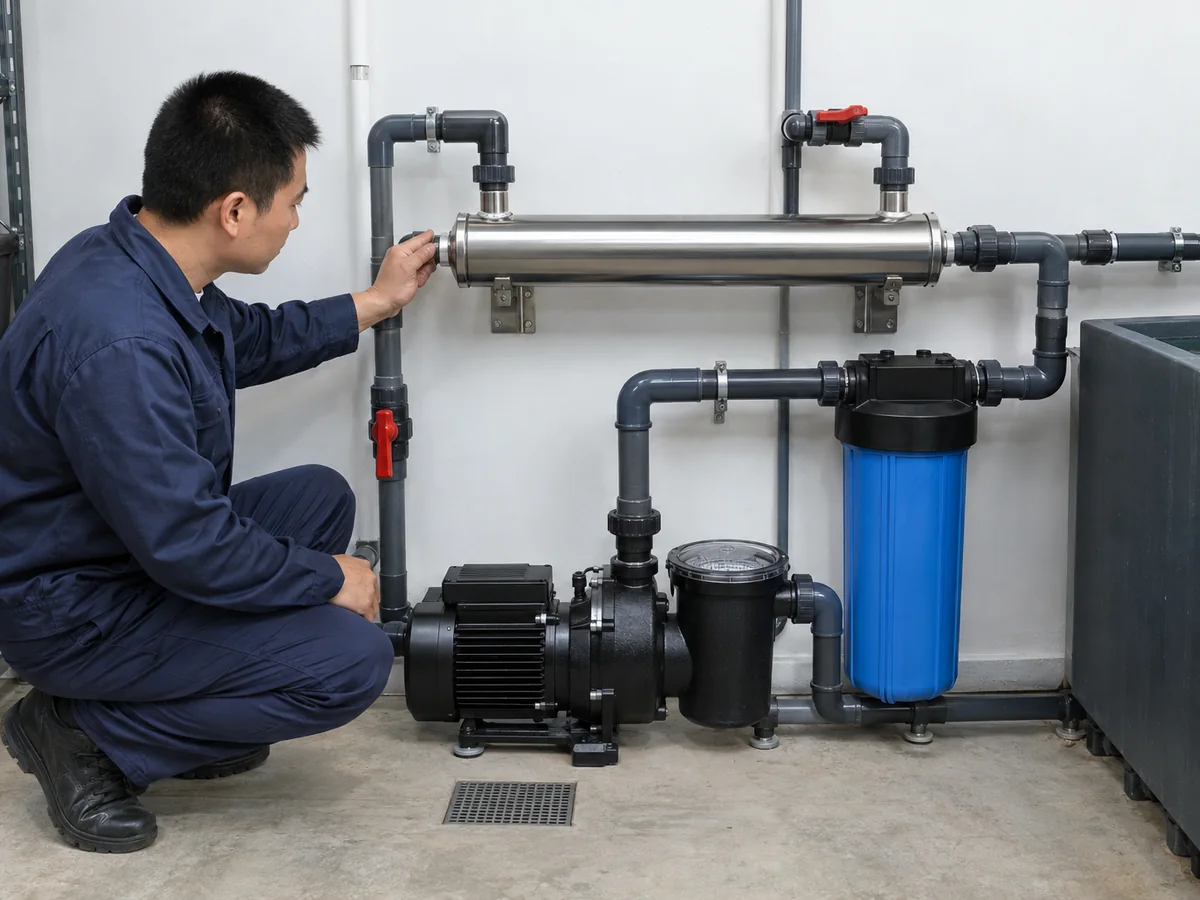
УФ-система обрабатывает воду, пока эта вода проходит через УФ-реактор. Включённая УФ-лампа — это не то же самое, что доказательство того, что вода получила предполагаемую обработку.
Расход является частью условия производительности
УФ-реактор должен работать в условиях, использованных для подтверждения его характеристик. Руководство EPA’s по ультрафиолетовому обеззараживанию является справочным документом по валидации УФ для питьевой воды, а не правилом для купели холодного погружения. Типовой кодекс здоровья водной среды 2024 явно применяет практики валидации EPA для УФ-оборудования общественных акваторий и требует документацию по валидации для конкретной модели. В этих рамках рабочий расход, УФ-пропускание, выходная мощность/интенсивность ламп и валидированный рабочий диапазон входят в основу производительности.
Спецификация мощности лампы сама по себе не может установить, получает ли вода достаточную подтверждённую обработку.
Вода, которая выглядит прозрачной, не обязательно оптически эквивалентна
УФ-обработка зависит от того, насколько эффективно ультрафиолетовый свет проходит через воду. УФ-пропускание, или UVT, следовательно, является эксплуатационной переменной. Визуально чистая купель не сообщает вам значение UVT и не доказывает, что реактор работает в условиях, принятых при его валидации.
NCCEH отмечает, что мутность может влиять на эффективность УФ-дезинфекции в воде холодного погружения.
Старение и загрязнение лампы имеют значение
Состояние UV-оборудования со временем меняется. Руководство EPA указывает старение лампы и загрязнение чехлов ламп или окон датчиков как факторы, которые могут снижать эффективность UV, и не поддерживает подход, при котором один интервал очистки считается универсальным для всех установок.
Вместо того чтобы спрашивать только, «есть ли в погружении УФ», спросите, может ли предлагаемая система документально подтвердить свой точный компонент обработки, рабочий диапазон, основу расхода, допущения по состоянию воды, мониторинг и требования к обслуживанию.
Устройство установлено ≠ обработка подтверждена.
Что на самом деле делает озон — и почему мощность генератора не отражает всей картины
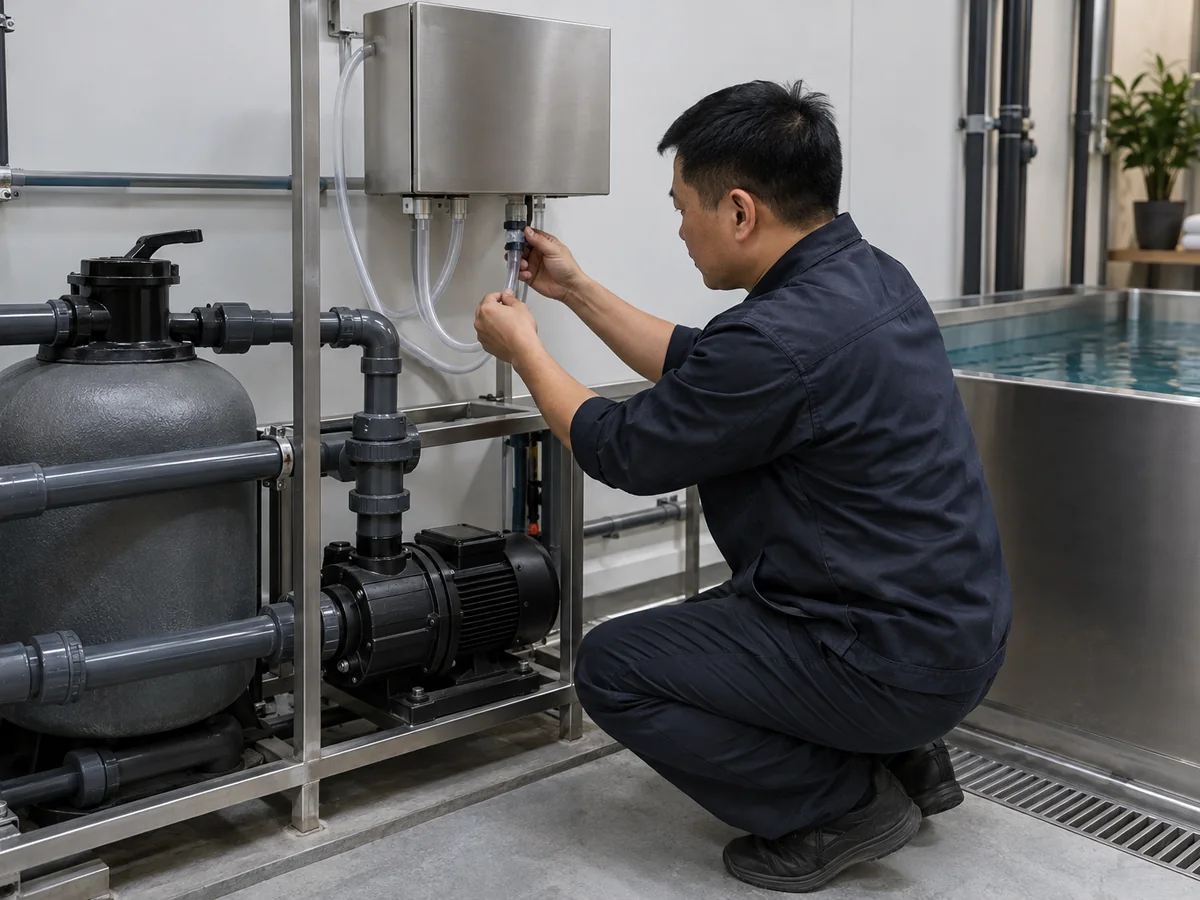
Генератор озона может производить озон, но это само по себе не доказывает, сколько полезной обработки получает вода.
Сгенерированный озон — не то же самое, что фактически доставляемая обработка
Табличка озонатора может описывать производительную способность, но обработка зависит от того, что происходит после генерации. Озон должен достичь воды и взаимодействовать с ней в условиях, принятых проектом обработки.
В рамках своей сферы общественных акваторий документ кодекса MAHC 2024 года рассматривает систему озонирования как нечто большее, чем генератор: она включает оборудование для впрыска, реакционное/контактное оборудование, обработку/уничтожение газа и элементы мониторинга/управления. Эти компоненты нормативов для общественных акваобъектов не следует целиком копировать в каждую частную жилую спецификацию, но они показывают, почему одной производительности генератора недостаточно для полного заявления об обработке.
Окисление не является автоматически полной санитарной обработкой
Озон — мощный окислитель и может обеспечивать антимикробную обработку при соответствующим образом спроектированных условиях. Но «озон окисляет загрязнители» не доказывает, что купель для холодного погружения полностью обеззаражена. Первое описывает функцию обработки; второе делает заявление о безопасности воды для всей системы.
Озон не должен рассматриваться как постоянная остаточная защита.
В рамках подхода к холодным купелям/общественному здравоохранению, рассмотренного для этой статьи, озон не обеспечивает стойкий дезинфицирующий остаток по всей удерживаемой воде. Зону обработки в системе циркуляции не следует путать с постоянной остаточной защитой во всём сосуде.
Обращение с газом является частью решения
Статья NIOSH’s об озоне определяет озон как мощный окислитель и указывает ингаляцию как путь воздействия, а среди признанных опасностей — воздействие на глаза, слизистые оболочки и органы дыхания. Поэтому локализация газа, стратегия разрушения/выброса и реагирование на утечки становятся частью решения по оборудованию, а не необязательным дополнением.
Покупатель должен спросить, как предлагаемая система переходит от производительности генератора к контролируемой обработке — и как безопасно обрабатывается неиспользованный озон. Если ответ ограничивается номиналом генератора, обоснование обработки неполно.
Что не заменяют ни УФ, ни озон: фильтрация, остаточная защита и проверка воды
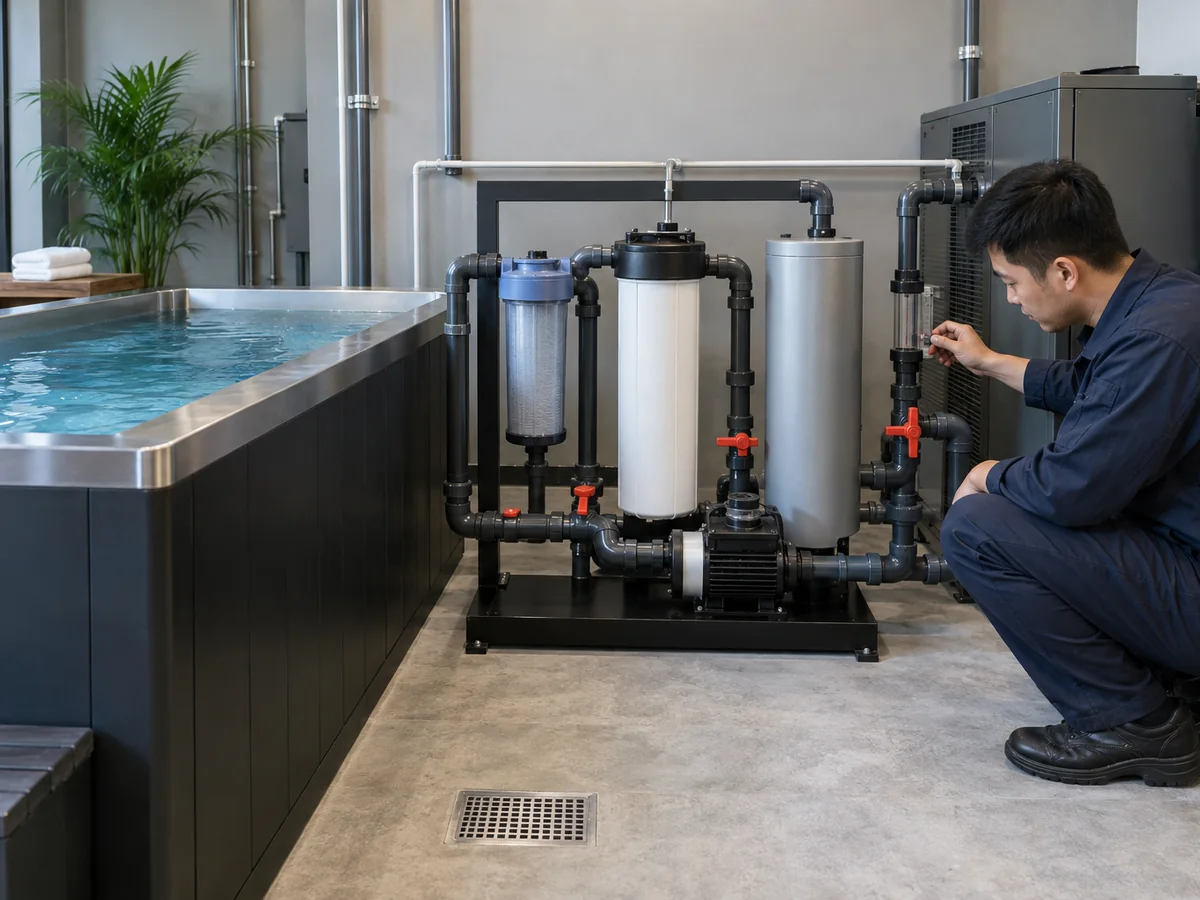
Самая важная ошибка, которой следует избегать, — считать одно устройство обработки всей системой ухода за водой.
Фильтрация — это не дезинфекция
Фильтр удаляет определённые физические материалы из проходящей через него воды. УФ и озон выполняют разные функции обработки. Одно не становится ненужным просто потому, что существует другое.
HACHILL’s Руководство по уходу за водой в холодной купели сохраняет циркуляцию, фильтрацию, санитарную обработку, тестирование, физическую очистку и замену воды по состоянию как отдельные меры контроля.
Фильтрация ≠ дезинфекция.
Точечная обработка — не то же самое, что остаточная защита
Более важный вопрос по системе: Что защищает задержанную воду за пределами устройства обработки или зоны обработки?
УФ действует, пока вода проходит через реактор. Озон работает через процесс подачи и контакта, а затем распадается. Ни то, ни другое не следует автоматически описывать как обеспечивающее постоянную дезинфицирующую защиту по всему сосуду.
Для условий совместного/общественного использования холодной купели, Краткий обзор доказательств NCCEH’s по холодной купели конкретно рекомендует УФ или озон в сочетании с хлором или бромом, поскольку УФ и озон не обеспечивают остаточное обеззараживание. Это утверждение не следует превращать в универсальное юридическое правило для частных домов.
«Без химии» — ненадёжное утверждение для системы в целом
Наличие UV или озона само по себе не доказывает, что остаточный контроль, тестирование воды, фильтрация, физическая очистка или обслуживание оборудования не нужны. Лучший вопрос: какие меры контроля остаются необходимыми после того, как компонент обработки выполнил свою собственную задачу.
Прозрачной воды недостаточно
Внешний вид может выявить очевидные проблемы, но не может установить микробиологический контроль или подтвердить, что каждый параметр обработки находится в требуемом рабочем диапазоне.
Прозрачная вода ≠ подтверждённое состояние воды.
Обслуживание, совместимость и безопасность: что может исключить UV или озон
Обслуживание является частью действительности обработки. Технически обоснованный метод всё равно может быть неправильным выбором для проекта, если система не может поддерживать оборудование в условиях, которые делают заявление об обработке достоверным.
Вариант с УФ должен оставаться на HOLD, когда эксплуатационная основа неясна
- Неизвестен соответствующий рабочий расход.
- Проверенный рабочий диапазон не может быть предоставлен.
- Допущения о состоянии воды неясны.
- Состояние лампы или гильзы невозможно разумно поддерживать.
- Требуемый доступ для обслуживания отсутствует.
- Невозможно выявить отказ или работу с отклонением от спецификации.
Эти пробелы не доказывают, что UV не подходит. Они означают, что утверждение об UV-обработке еще недостаточно проверено.
Маршрут озонирования требует большего, чем установленный генератор
- Впрыск или смешивание не определены.
- Схема контактов неясна.
- Обработка отходящих газов не рассмотрена.
- Соответствующие меры контроля воздействия в помещении не решены.
- Совместимость материалов не подтверждена.
- Мониторинг или реакция на отказ неясны.
- Выход генератора — единственное доказательство обработки.
Совместимость должна определяться для конкретной конфигурации
Поскольку озон является сильным окислителем, совместимость материалов — реальный фактор при проектировании системы. Точная совместимость относится к фактическому оборудованию озонирования, рабочим условиям и документации на компоненты, а не к универсальной таблице материалов.
Более удачный вопрос по обслуживанию: Может ли предполагаемый оператор поддерживать эту систему в условиях, при которых эффективность ее водоподготовки остается достоверной?
Частная домашняя купель против общего или коммерческого использования: почему решение по обработке воды меняется
Погружение для одного домохозяйства и общее коммерческое погружение не должны автоматически получать одну и ту же рекомендацию по УФ или озону. Важное различие не только в размере сосуда; оно в модели эксплуатации.
| Область решения | Купель для частного дома | Общая / коммерческая купель |
|---|---|---|
| Основная эксплуатационная основа | Точные инструкции по оборудованию, инструкции по препаратам для обработки, фактический режим использования и применимые местные требования | Определённые рабочие процедуры объекта плюс применимые требования общественного здравоохранения/местные требования |
| Модель пользователя | Известные бытовые/частные пользователи | Повторное совместное использование и формальная ответственность оператора |
| Необходимость проверки | Должно соответствовать фактической частной системе | Часто требует более формального многобарьерного и документированного подхода к эксплуатации |
| Нормативное упрощение, которого следует избегать | Не переносите автоматически все требования для общественных акваобъектов | Не предполагайте, что одна только функция производителя доказывает соответствие |
MAHC — это модельный кодекс, а не универсальный закон США
Текущая страница CDC’s Model Aquatic Health Code определяет MAHC как типовую основу для общественных водных объектов, а не как федеральный закон, автоматически применяемый к каждой купели для холодных погружений в США. Местное принятие и изменение имеют значение. Для совместного коммерческого проекта уточните фактический орган, обладающий юрисдикцией.
Стандартный объём работ — не сертификация продукта
Обзор NSF’s за 2026 год по стандарту NSF/ANSI/CAN 50, специфичный для cold plunge указывает, что холодные купели с системами циркуляции, обработки или обеззараживания входят в текущую область применения стандарта. Стандарт, охватывающий категорию продуктов, не означает, что конкретный продукт сертифицирован или включён в перечень.
Эта статья не предполагает, что какая-либо система HACHILL с УФ, озоном или полная система холодной купели имеет сертификацию NSF/ANSI/CAN 50 без подтверждения для конкретного продукта.
Для более широкого планирования объекта совместного использования после завершения сравнения методов обработки страница решения HACHILL Recovery Centers является подходящим следующим шагом.
Выберите УФ, озон, оба варианта или HOLD: матрица решений по обработке воды в холодной купели
На этом этапе выбирайте исходя из входных данных системы, а не из того, какая технология звучит более продвинутой.
UV
Включайте в шорт-лист, когда проточная УФ-обработка является предполагаемой ролью, а подтверждённые рабочие условия модели, мониторинг, ремонтопригодность и более широкая архитектура управления водой могут быть задокументированы.
ОЗОН
Включите в шорт-лист, когда окислительная/антимикробная обработка является предполагаемой ролью, а генерация, подача, смешивание/контакт, совместимость, мониторинг, обращение с газом и обслуживание определены.
УФ + ОЗОН
Рассматривайте только тогда, когда у каждой технологии есть отдельная обоснованная роль, а комбинированная система остаётся обслуживаемой и совместимой. Комбинацию не следует считать доказательством остаточной защиты или полной санитарной обработки.
УДЕРЖИВАЙТЕ
Используйте, когда ключевые исходные данные по водоподготовке, гидравлике, остаточным параметрам, обслуживанию, совместимости или регулированию остаются открытыми.
Что следует попросить поставщика подтвердить?
| Данные поставщика | Почему это важно |
|---|---|
| Точный компонент/модель системы водоподготовки | Подтверждает, какое оборудование фактически оценивается |
| Предполагаемая роль в обработке | Не позволяет продавать один компонент как полную программу ухода за водой |
| Используйте модель и ожидаемую нагрузку посетителей | Отделяет низкочастотное частное использование от повторяющейся совместной/коммерческой нагрузки |
| Рабочий расход / подтверждённый диапазон | Критично для оценки применимости UV |
| Соответствующие исходные данные по состоянию воды | Проверяет, соответствуют ли допущения производительности фактической воде |
| Основы генерации, инжекции и контактирования озона | Отделяет производительность генератора от фактической обработки |
| Стратегия остаточного обеззараживания | Определяет защиту вне этапа обработки |
| Архитектура фильтрации и циркуляции | Подтверждает, что обработка подключена к полному контуру |
| Мониторинг / сигнализация / индикация неисправности | Показывает, как можно обнаружить работу с отклонением от спецификации |
| Требования к техническому обслуживанию | Уверенность в обработке зависит от поддерживаемого состояния оборудования |
| Совместимость материалов | Важно для компонентов, подверженных воздействию озона |
| Доказательства сертификации/листинга, если они заявлены | Подтверждает точный продукт и область сертификации |
| Основание по месту назначения / AHJ для коммерческих проектов | Требования могут различаться в зависимости от юрисдикции |
Более удачный вопрос по закупке: Какая обработка фактически определена, при каких условиях эксплуатации и какие обязанности остаются за пределами этого компонента?
После определения архитектуры водоподготовки: рассмотрите формат холодного погружения, подходящий проекту. Точные насос, фильтрация, санитарная обработка, УФ, озон или другие компоненты водоподготовки всё ещё требуют подтверждения для выбранной конфигурации, а не вывода из формата ванны.
Часто задаваемые вопросы
Что лучше для холодной купели — УФ или озон?
Ни один из них не является универсально лучшим. УФ и озон выполняют разные роли в обработке и зависят от разных условий эксплуатации. Выбирайте в соответствии с целью обработки, расходом системы, стратегией остаточного эффекта, обслуживанием, совместимостью и моделью использования. Если эти исходные данные ещё не определены, HOLD более обоснован, чем выбор только по названию технологии.
Может ли УФ-излучение или озон заменить хлор или бром в холодном погружении?
Не предполагайте это. В контексте совместного/общественного использования холодной купели, рассмотренном NCCEH, ни UV, ни озон не обеспечивают остаточное обеззараживание, и в кратком обзоре рекомендуется применять их вместе с хлором или бромом. Это руководство по общественному здоровью не следует превращать в универсальное юридическое правило для частного дома. Жилые системы должны следовать точным инструкциям к оборудованию, инструкциям к средствам обработки и применимым местным требованиям.
Может ли озон заменить фильтрацию в купели для холодного погружения?
Нет. Фильтрация и озонирование выполняют разные функции в системе рециркуляции с сохраняемой водой. Озонирование не отменяет необходимости определить маршрут циркуляции и фильтрации.
Может ли холодная купель использовать и УФ, и озон?
Потенциально. Использование обоих может иметь смысл, когда каждая технология выполняет отдельную, подтверждённую доказательствами задачу в полной архитектуре обработки. Не следует предполагать, что установка обоих автоматически создаёт более безопасную или лучшую систему.
Означает ли прозрачная вода, что холодная купель правильно обеззаражена?
Нет. Визуальная прозрачность не устанавливает микробиологический контроль, остаточную защиту или то, что система обработки работает в пределах всех требуемых условий. Используйте метод проверки, соответствующий фактической системе водоподготовки, а не только внешнему виду.