لا يكون سخان الساونا الكهربائي ولا سخان الساونا الذي يعمل بالحطب أرخص بشكل شامل. قارن النظام الكامل المركب والمشغّل، لا سعر الملصق للسخان أو الموقد. يمكن للأنظمة الكهربائية أن تنقل التكلفة نحو عناصر التحكم، والأعمال الكهربائية الثابتة، وتعريفة الكهرباء المحلية. ويمكن للأنظمة التي تعمل بحرق الأخشاب أن تنقل التكلفة نحو مكونات المدخنة أو أنابيب العادم، وأعمال حماية المبنى، والتعامل مع حطب الوقود، وصيانة نظام الاحتراق. تتغير النتيجة حسب حزمة المعدات المحددة، وما هو موجود بالفعل من بنية تحتية في العقار، وتسعير الطاقة أو الوقود المحلي، ووتيرة الاستخدام، وعبء التشغيل على المالك. الموقع الذي يدعم بالفعل أحد المسارين يمكن أن يعطي نتيجة مختلفة جداً عن موقع يجب أن يبني تلك البنية التحتية من الصفر. ولإجراء مقارنة عادلة، ضع الخيارين على النطاق نفسه ونمط الاستخدام نفسه وفترة التقييم نفسها قبل أن تقرر أيهما أقل تكلفة.
تفصل المقارنة العملية بين أربع طبقات تكلفة:
- سعر المعدات — السخان أو الموقد والمكونات المطلوبة لجعل النظام المختار قابلاً للتشغيل.
- البنية التحتية للتركيب — الأعمال الكهربائية، أو المدخنة، أو التهوية، أو الحماية، أو غيرها من أعمال الموقع التي لا يزال يجب إنشاؤها.
- مدخلات التشغيل — الكهرباء أو الحطب في ظل الظروف المحلية الفعلية للمشروع.
- عبء الملكية — الصيانة، والتعامل مع الوقود، والرماد، والخدمة، ووقت المشغّل التي تهم المالك.
قد يظل السخان الأرخص هو المشروع الأكثر تكلفة إذا كانت البنية التحتية المحيطة وتكاليف الملكية مختلفة.
تكلفة سخان الساونا الكهربائي مقابل سخان الساونا الذي يعمل بحرق الخشب: قارن النطاق نفسه
الخطأ الأول هو مقارنة سعر السخان الكهربائي بسعر موقد الحطب ومعاملة الرقم الأقل على أنه المشروع الأرخص.
تلك الأسعار تجيب فقط عن سؤال المعدات. أما المقارنة القابلة للاستخدام فتسأل عما يجب إضافته إلى كل خيار قبل أن يصبح نظام تسخين الساونا مركّبًا وقابلًا للتشغيل والصيانة.
| طبقة التكلفة | سخان كهربائي | موقد يعمل بالحطب |
|---|---|---|
| المعدات | السخان، والأحجار المطلوبة، وعناصر التحكم، والمستشعرات، ومكونات أخرى خاصة بالطراز | الموقد، والحجارة المطلوبة، وملحقات الموقد، والمكونات الأخرى الخاصة بالطراز |
| البنية التحتية للتركيب | التوصيل الكهربائي الثابت، وتركيب وحدة التحكم، وتمديد المسارات، وأي ترقيات بالموقع يتطلبها النظام المختار. | توصيل المدخنة أو أنبوب العادم، وأعمال الحماية، وتمديد المسار، وواجهات البناء الأخرى التي يتطلبها النظام المختار |
| مدخلات التشغيل | الطاقة الكهربائية الفعلية المستخدمة وفق التعريفة المعمول بها | الحطب الفعلي المستخدم وفق تكلفة الوقود المحلية عند التسليم أو أي تكلفة محلية أخرى ذات صلة |
| عبء الملكية | فحص الحجر والسخان والتحكم والنظام الكهربائي أو خدمتها حسب الاقتضاء | مناولة الوقود، والرماد، والعناية بالموقد، والحجارة، وفحص أو صيانة المدخنة/مجرى العادم، ومهام أنظمة الاحتراق الأخرى |
التسلسل المفيد هو:
سعر المعدات ← تكلفة النظام المركب ← تكلفة التشغيل ← عبء الملكية
كل طبقة تجيب عن سؤال مختلف. لهذا لا تصلح عبارة «الكهرباء أرخص» ولا «الحطب أرخص» كقاعدة عامة موثوقة.
سؤال التكلفة الواجب الإجابة عنه: ما الذي يجب إضافته إلى كل خيار قبل أن يصبح نظام تسخين ساونا مكتملًا ومركّبًا وقابلًا للاستخدام؟
تركّز هذه الصفحة على التكلفة. أما القرار الأوسع بشأن نوع السخان وتحديد حجمه والطراز الدقيق فيعود إلى عملية اختيار السخان بعد معرفة مدخلات المشروع.
مكونات تكلفة الكهرباء: السخان، وأجهزة التحكم، والأعمال الكهربائية، وأسعار الطاقة المحلية
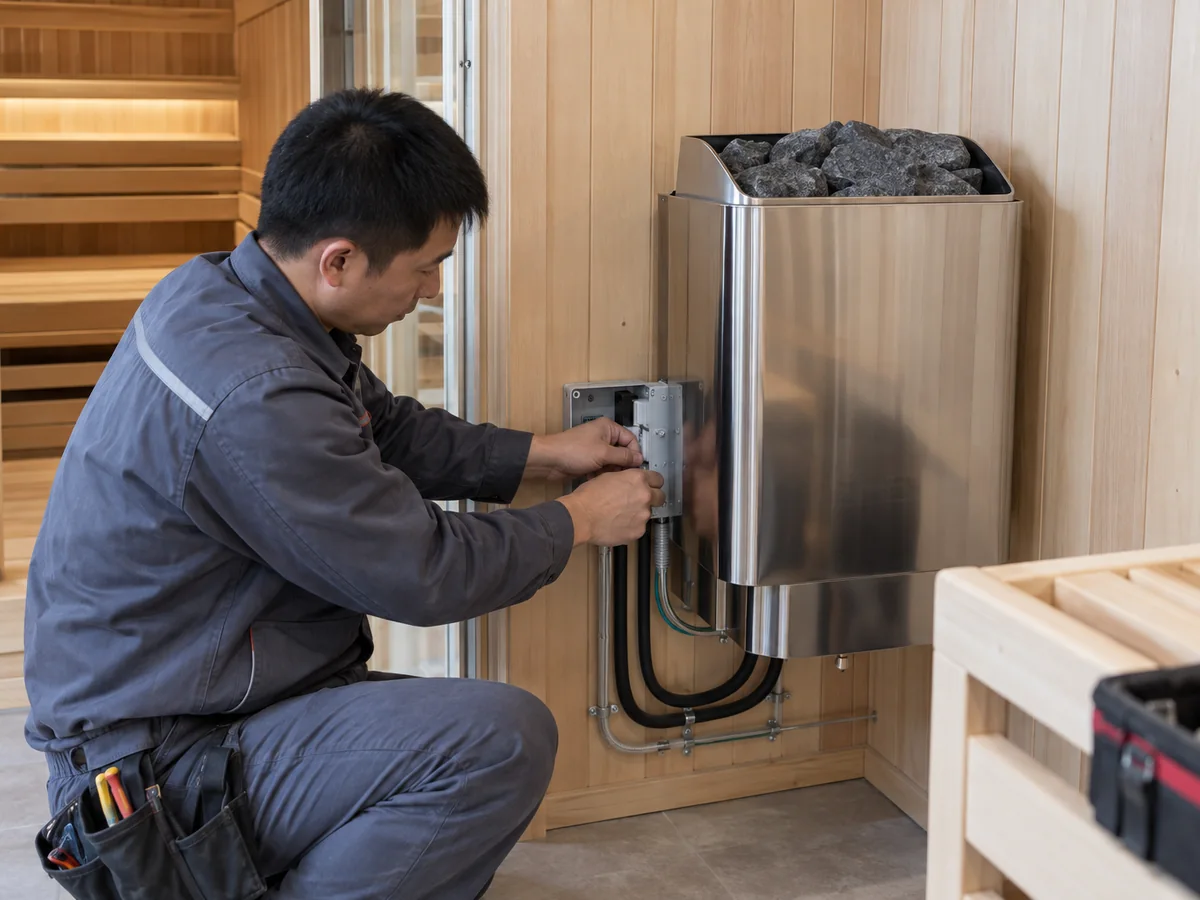
يبدأ مجموع تكاليف الكهرباء بالسخان، لكن سعر المعدات الأساسي قد لا يشمل نظام التشغيل الكامل.
تكاليف المعدات وأجهزة التحكم
لا تستخدم جميع سخانات الساونا الكهربائية الحزمة نفسها أو بنية التحكم نفسها. بعضها يستخدم أدوات تحكم مدمجة، بينما يتطلب بعضها الآخر وحدة تحكم منفصلة أو يدعمها. كما تعتمد الأحجار والمستشعرات ومعدات التحكم والمكونات الأخرى على المنتج الدقيق.
تحقق عرض السعر: ما الذي يتطلبه هذا السخان ليعمل كالنظام المحدد، وأي البنود المطلوبة مشمولة في سعر المعدات المقدَّم في العرض؟
يوضح مثال حديث من إحدى الشركات المصنّعة لماذا يهم ذلك. دليل التركيب والتشغيل HUUM’s U.S. CORE يوضح أن طقم تسليم سخان CORE يحتوي على السخان ومكوّنات التركيب المدرجة، بينما يلزم بالإضافة إلى ذلك نظام تحكم وأحجار ساونا.
هذا مثال خاص بمنتج، وليس قاعدة لكل سخان ساونا كهربائي. قبل مقارنة الأسعار، تحقق من:
- طراز السخان الدقيق؛
- الأحجار المطلوبة؛;
- أنظمة التحكم المتوافقة؛;
- أجهزة الاستشعار المطلوبة أو مكونات النظام الأخرى؛
- ما الذي يشمله نطاق المعدات المدرج في العرض؛ و
- ما يجب شراؤه أو تركيبه بشكل منفصل.
إذا كانت التحكم عن بُعد أو الجدولة أو الوظائف المتقدمة الأخرى مهمة للمشروع، فأكّد التوافق والمكوّنات المضمّنة لنظام التحكم المحدد بدلاً من افتراض أن تلك الوظائف قياسية.
عندما تغير أعمال الموقع الكهربائية التكلفة المركبة
تنتمي طبقة التكلفة التالية إلى العقار. تختلف المتطلبات الكهربائية الدقيقة حسب طراز السخان، وتصنيف القدرة، وتكوين التغذية، والاختصاص القضائي. لذلك تعتمد تكلفة التركيب على متطلبات المعدات وعلى ما يمكن للموقع دعمه بالفعل.
قد تشمل العوامل المؤثرة في التكلفة:
- توصيل كهربائي ثابت؛
- مسار الكابل أو التوصيل؛;
- تركيب وحدة التحكم؛;
- معدات الفصل أو التحكم حيثما يقتضي النظام المختار أو اللوائح المحلية ذلك؛
- وبنية تحتية إضافية في الموقع حيث لا يستطيع النظام الكهربائي الحالي دعم المعدات المختارة كما هو مصمم.
هذا لا لا يعني أن كل ساونا كهربائية تتطلب ترقية كهربائية كبيرة. إنه يعني أن سعر السخان لا يمكن أن يحدد تكلفة التركيب الكهربائي بمفرده.
قد تواجه منشأتان تفكران في معدات مماثلة تكاليف تركيب مختلفة جدًا لأن إحداهما لديها بالفعل مسار عملي للتغذية والتوجيه بينما تحتاج الأخرى إلى أعمال إضافية جوهرية.
لا تستنتج حجم الموصل، أو حجم القاطع، أو متطلبات الفصل، أو تفاصيل التمديدات الثابتة الأخرى من مقال عام عن التكلفة. يجب أن يتبع العمل الكهربائي النهائي لوحة بيانات المعدات، وتعليمات الشركة المصنّعة الدقيقة، والقواعد المعمول بها في موقع التركيب، مع الاستعانة بمهنيين مؤهلين تأهيلاً مناسبًا حيثما لزم.
تكلفة التشغيل الكهربائي: استخدم الطاقة الفعلية والتعريفة المطبقة
تكلفة التشغيل الكهربائي محلية وخاصة بالمشروع. التقدير الأولي المفيد هو:
kWh المقدّرة أو المقاسة لكل جلسة × سعر الكهرباء المطبّق × الجلسات المتوقعة
بالنسبة للسياق الأمريكي، فإن جدول الكهرباء الشهري حسب الولاية والقطاع لإدارة معلومات الطاقة الأمريكية يُظهر أن متوسط أسعار التجزئة يختلف حسب الولاية وقطاع العملاء. وهو مفيد كمرجع سوقي، لكنه ليس بديلاً عن تعريفة المرافق الفعلية للمشروع، أو هيكل وقت الاستخدام، أو رسوم الطلب، أو شروط الفوترة الأخرى.
يهم هذا التمييز في مشاريع B2B. ينبغي لفندق أو صالة رياضية أو سبا أو أي مشغّل تجاري آخر استخدام التعريفة التي تنطبق فعليًا على الموقع بدلًا من متوسط وطني سكني.
للفحص الأولي، استخدم الطاقة المتوقع فعلاً استهلاكها—وليس «تكلفة لكل جلسة ساونا» وطنية مُختلقة. لا تصف قدرة لوحة الاسم وحدها كل دقيقة من التشغيل الفعلي لأن سلوك التحكم، وظروف الغرفة، والإحماء، وفتحات الأبواب، وطول الجلسة يمكن أن تغيّر استهلاك الطاقة.
بنية تكاليف الحرق بالحطب: الموقد والمدخنة وأعمال الموقع والحطب
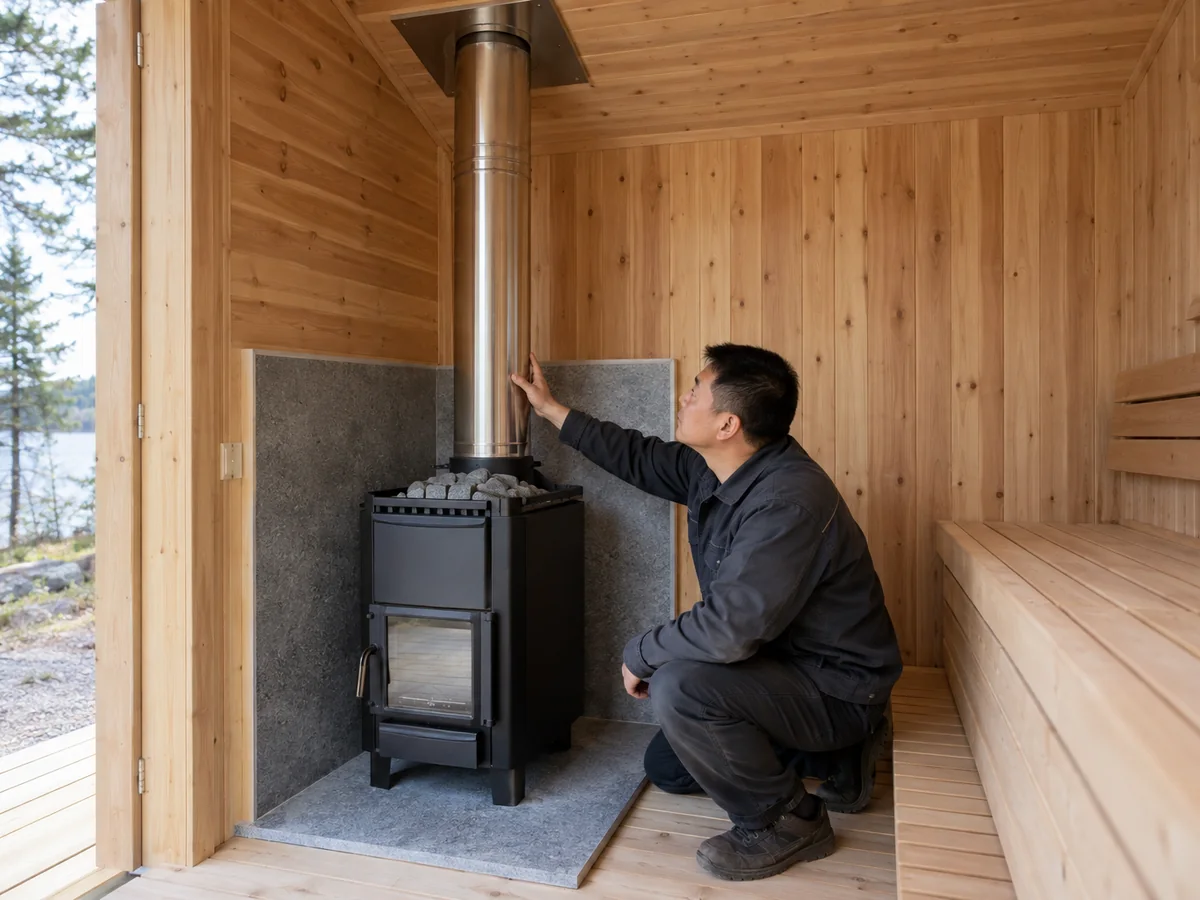
سعر موقد الحرق بالحطب هو أيضًا أول بند فقط. يحتاج النظام المركّب إلى مسار آمن لنواتج الاحتراق، ولا تتضمن حزمة الموقد بالضرورة كل مكوّن مطلوب لإنشاء ذلك النظام.
الموقد والبنية التحتية للتهوية
ينبغي أن يجيب عرض سعر جانب الحطب عن سؤالين منفصلين: كم تبلغ تكلفة الموقد؟ و ما الذي لا يزال يتعين إضافته لجعل الموقد المختار نظامًا مركّبًا كاملًا؟
حسب المنتج والمبنى والاختصاص القضائي، قد يشمل نطاق التكلفة:
- الموقد؛;
- الحجارة أو الملحقات المطلوبة؛;
- مكونات المدخنة أو مجرى العادم؛;
- الوصلة بين الموقد ونظام التهوية؛;
- التركيب؛;
- أعمال الحماية اللازمة للأرضية أو الجدران أو غيرها؛;
- أعمال السقف أو الجدار أو أي أعمال أخرى على واجهة المبنى ينشئها المسار النهائي؛ و
- تكاليف الفحص أو التصاريح حيثما تنطبق.
يوضح مثال مصنّع حالي التمييز في النطاق. إرشادات HUUM’s HIVE Wood يوضح أن أحجار الساونا والتوصيل بالمدخنة غير مشمولين في طقم HIVE Wood ويجب الحصول عليهما بشكل منفصل.
هذا مثال خاص بـ HUUM، وليس قاعدة تغليف لكل موقد ساونا يعمل بحرق الخشب.
كونه مطلوبًا لا يعني تلقائيًا أنه مُضمّن.
تكوين المدخنة الدقيق وخلوصات الموقد وتدابير الحماية وتفاصيل التوصيل خاصة بالموديل والموقع. تهم هذه التفاصيل هنا لأنها قد تغيّر التكلفة المركّبة—وليس لأن هذه المقالة ينبغي أن تحل محل دليل الموقد أو تصميم مدخنة.
الأعمال الكهربائية الثابتة، وأعمال المدخنة أو مجرى الدخان، وأعمال حماية المبنى هي فئات تكلفة هنا، وليست تعليمات تركيب حسب نظام افعلها بنفسك. يجب أن يتبع التركيب الفعلي وثائق المعدات المختارة والمتطلبات المحلية المعمول بها، مع استخدام محترفين مؤهلين تأهيلاً مناسباً حيثما لزم.
إذا تطورت المقارنة إلى تخطيط الإنشاء أو الغلاف أو المدخنة أو واجهات المبنى، فتابع مع HACHILL’s كيفية بناء ساونا .
مسؤوليات الوقود والرماد والمدخنة
يضيف الحرق بالخشب أيضًا تكاليف ومسؤوليات مستمرة بعد التركيب. واعتمادًا على الموقد والموقع، قد تشمل هذه:
- توفير حطب الوقود؛
- التسليم والتخزين؛
- التعامل مع الرماد؛;
- العناية بالموقد وصندوق النار؛
- فحص الحجر أو صيانته؛
- فحص المدخنة أو مجرى الدخان وتنظيفه وصيانته؛ و
- المهام الأخرى التي يتطلبها الموقد ونظام التهوية المختاران.
التكلفة الفعلية لحطب الوقود محلية. فالحطب المشترى، والحطب المُجمّع ذاتيًا، ومسافة التوصيل، والتخزين، وحالة الرطوبة، واستهلاك الوقود، وتكرار الاستخدام، يمكن أن تغيّر النتيجة كلها.
نموذج فرز بسيط هو:
حطب الحريق المقدّر المستخدم لكل جلسة × تكلفة الوقود المسلّم ذات الصلة × الجلسات المتوقعة
إذا كان الحطب ذاتي المصدر، فقد يكون سعر الوقود النقدي منخفضًا، لكن ذلك لا يجعل عبء الملكية الكامل صفرًا تلقائيًا. قد يظل الجمع والمعالجة والتخزين ووقت المشغّل مهمًا للمشتري، حتى لو اختار المشتري عدم إعطاء تلك الأنشطة قيمة بالدولار.
بنية تكاليف الحطب المفيدة هي:
الموقد → مكونات النظام المطلوبة → المدخنة/أنبوب المدخنة → أعمال الموقع → التركيب → حطب الوقود → صيانة المالك
أيها يكلّف أكثر للتركيب؟ يمكن أن يعكس الموقع القائم الإجابة
لا يوجد فائز عالمي موثوق به من حيث التكلفة المُركّبة. غالبًا ما يكون السؤال الحاسم:
ما البنية التحتية المكلفة التي لا يزال يتعين على هذا العقار إنشاؤها للنظام المرشح؟
على الجانب الكهربائي، يمكن أن تتأثر النتيجة بما يلي:
- السخان ووحدات التحكم المرشحة؛
- البنية التحتية الكهربائية القائمة؛
- سعة الإمداد والتوافق مع المعدات المختارة؛
- مسافة التوصيل ومسار التمديد؛ و
- أعمال كهربائية جوهرية لا تزال مطلوبة.
في جانب الحرق بالخشب، يمكن أن تتأثر النتيجة بـ:
- الموقد المرشح؛
- نظام التهوية المطلوب؛
- توجيه المدخنة أو قناة الدخان؛
- موضع الموقد؛;
- أعمال الحماية والتقاطعات مع المبنى؛ و
- لا تزال أعمال تركيب المواد مطلوبة.
يمكن أن يعكس هذا النتيجة من عقار إلى آخر.
الموقع التوضيحي A: العقار لديه بالفعل مسار كهربائي عملي للنظام الكهربائي المرشح، بينما يتطلب تركيب حرق الخشب أعمال مدخنة وواجهة بناء جديدة كبيرة. قد يكون للمسار الكهربائي تعرض أقل للتكلفة المركبة حتى لو كان سعر سخانه أعلى.
الموقع التوضيحي B: فالعقار لديه أعمال كهربائية كبيرة غير محلولة، بينما يمكن دمج مسار مناسب لموقد حطب وتهوية مع بنية تحتية جديدة أقل. وقد تتحرك النتيجة في الاتجاه الآخر.
هذه سيناريوهات توضيحية، وليست مشاريع عملاء HACHILL. وهي تشرح آلية التكلفة دون الادعاء بأن أيًا من نوعي السخانات أرخص عمومًا.
تستخدم المقارنة الأقوى نطاقات عروض أسعار مكافئة:
- المعدات المرشحة؛
- المكونات المشمولة والمستبعدة؛
- أعمال كهربائية أو تهوية جوهرية؛
- أعمال الموقع والتقاطعات مع المبنى؛
- عمالة التركيب؛
- نطاق الفحص أو التصريح حيثما ينطبق؛ و
- نفس الافتراضات الضريبية والشحن وغيرها من الافتراضات التجارية حيث تكون تلك التكاليف جوهرية.
إذا كان أحد عروض الأسعار يتضمن معدات فقط بينما يتضمن الآخر بالفعل أعمال تركيب رئيسية، فإن الأرقام ليست قابلة للمقارنة بعد.
أيهما أعلى تكلفة للامتلاك؟ قارن الطاقة والوقود والصيانة ووقت المشغّل
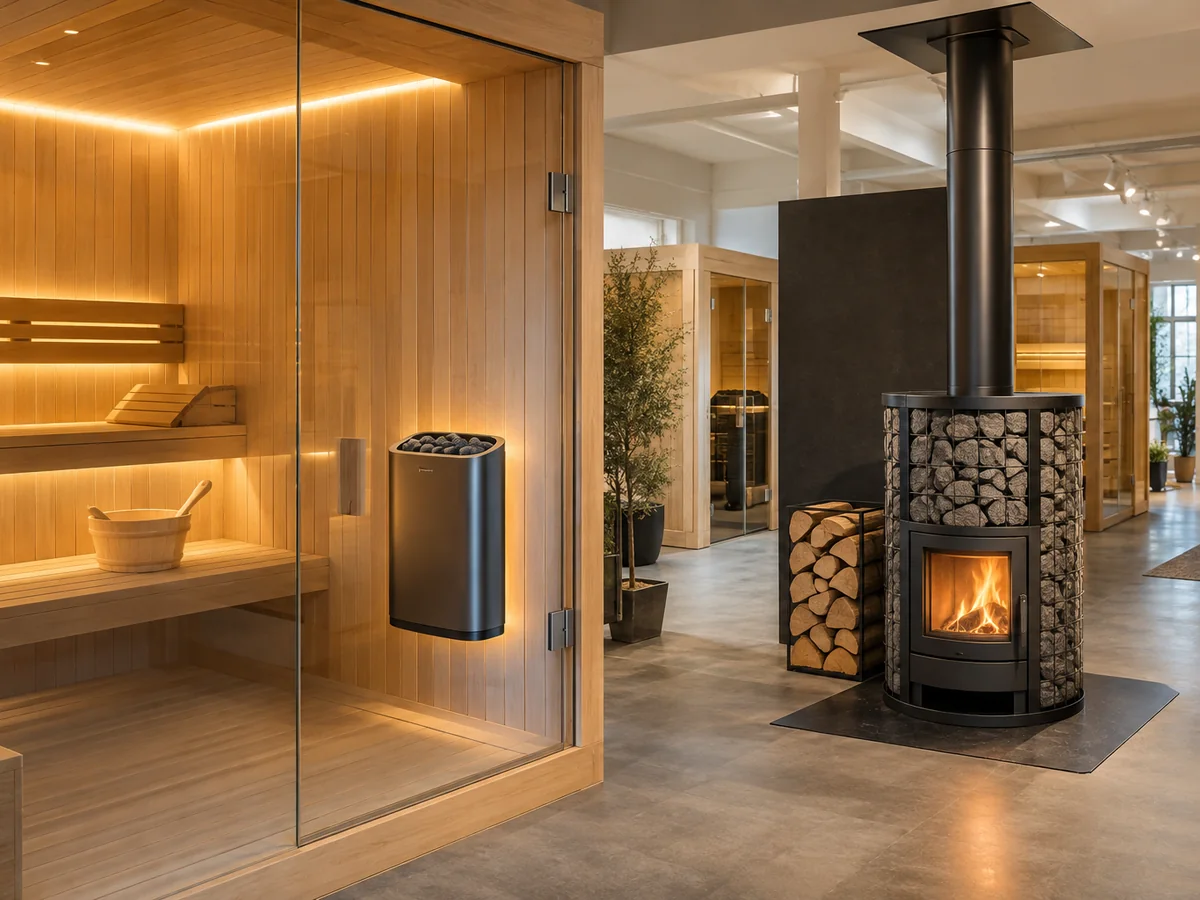
التكلفة المركّبة هي فقط النصف الأول من المقارنة. أما الملكية طويلة الأمد فتعتمد على الطاقة أو الوقود المحلي، وتكرار الاستخدام، والصيانة، ومقدار العمل التشغيلي الذي يقبله المالك.
وحّد نمط الاستخدام قبل مقارنة تكلفة التشغيل
ينبغي أن تستخدم تقديرات الكهرباء والحرق بالخشب نفس نمط التشغيل المفترض. إذا كانت تقديرات الكهرباء تمثل استخداماً متكرراً بينما تمثل تقديرات الخشب استخداماً عرضياً، فإن المقارنة تقيس حالتين مختلفتين للملكية.
كحد أدنى، سجّل:
- الجلسات في الأسبوع أو الشهر؛
- نمط التسخين المعتاد والاستخدام أثناء الإشغال للغرفة الفعلية؛
- أساس تعريفة الكهرباء المحلية أو تكلفة الحطب؛
- الظروف الموسمية إذا كانت تغيّر التشغيل جوهريًا؛
- عناصر الصيانة المضمنة في المقارنة؛ و
- فترة التقييم.
لا تفترض وجود زمن تسخين أو كمية وقود موحّدة. يمكن أن يغيّر كل من حجم الغرفة، والتزجيج، والعزل، والظروف المحيطة، وفتح الباب، واختيار السخان/الموقد، وممارسة التشغيل كليهما.
تغيّر وتيرة الاستخدام نمط التكلفة
تخلق الساونا المستخدمة بشكل متكرر ملف ملكية مختلفًا عن الساونا المستخدمة عرضيًا. يزيد الاستخدام الكهربائي الأكثر من استهلاك الطاقة والتعرض للتآكل المرتبط بالاستخدام. ويعني الاستخدام الأكثر للحرق بالحطب المزيد من حطب الوقود والإشعال والتعامل مع الرماد ونشاط نظام الاحتراق.
تفضيلات المشغّل مهمة أيضًا، لكن ينبغي فصلها عن الادعاءات الفنية أو المالية. قد يقبل المالك الذي يقدّر العناية بنار الحطب بمزيد من العمل جلسة بجلسة أكثر من مالك يريد أقل قدر من المشاركة التشغيلية. ولا يثبت هذا التفضيل أن سخانًا معينًا يمتلك حرارة أفضل تقنيًا أو تكلفة أقل.
الصيانة مجموعة تكاليف مختلفة، وليست «صيانة مقابل لا صيانة»
سخانات الساونا الكهربائية ليست خالية من الصيانة. حسب النظام والاستخدام، قد تشمل المسؤوليات المستمرة:
- فحص الحجر واستبداله حسب الحاجة؛
- حالة السخان؛
- أدوات التحكم أو مكونات السلامة؛
- عناصر التسخين؛ و
- خدمة كهربائية مؤهلة حيث يلزم.
يُنشئ حرق الحطب مجموعة مختلفة يمكن أن تشمل إضافةً إلى ذلك:
- التعامل مع حطب الوقود؛
- إزالة الرماد؛
- العناية بالموقد وصندوق النار؛
- فحص وتنظيف المدخنة أو قناة الدخان؛ و
- مسؤوليات أخرى لنظام الاحتراق يحددها الموقد المختار والممارسة المحلية.
سؤال الملكية الذي يجب الإجابة عنه: ما مسؤوليات الصيانة والتشغيل التي تأتي مع كل خيار، وهل تهم هذا المالك أو المشغّل؟
ينتمي وقت المشغّل إلى تلك المناقشة، لكن لا ينبغي تحويله إلى تكلفة ساعية عالمية مُختلقة.
مقارنة ملكية واقعية تُبقي أربعة مدخلات مرئية:
الطاقة أو الوقود المحلي + نمط الاستخدام المكافئ + الصيانة + عبء التشغيل
متى ينبغي وضع مقارنة التكلفة قيد الانتظار؟
أحيانًا لا تتوفر معلومات كافية للحكم بأن أيًا من المسارين أرخص. والقرار الصحيح هو إيقاف استنتاج التكلفة حتى يُعرف المدخل المفقود.
علّق استنتاج التكلفة عندما لا يزال أحد الجانبين لديه نطاق غير محسوم يمكن أن يغيّر النتيجة جوهريًا.
هنا، إيقاف مؤقت هو مجرد تصنيف لفرز التكلفة مستخدم في هذه المقالة. ولا يعني أن السخان قد اجتاز أو رسب في المراجعة الهندسية، أو مراجعة الكود، أو التصاريح، أو موافقة التركيب.
| مدخلات مفقودة أو غير محلولة | نتيجة مقارنة التكلفة |
|---|---|
| نطاق السخان/النظام الكهربائي الدقيق غير معروف | علّق استنتاج تكلفة المعدات الكهربائية |
| الأعمال الكهربائية الجوهرية في الموقع غير معروفة | علّق استنتاج التكلفة المركبة للكهرباء |
| المكونات الكهربائية المطلوبة غير معروفة | علّق مؤقتًا مقارنة نطاق المعدات |
| حزمة موقد الحطب/النظام الدقيقة غير معروفة | أوقف مؤقتًا الاستنتاج الخاص بتكلفة معدات الخشب |
| مادة المدخنة، أو التهوية، أو أعمال الموقع غير معروفة | أوقف مؤقتًا الاستنتاج الخاص بتكلفة تركيب الخشب |
| أساس الكهرباء المحلية أو حطب الوقود غير معروف | علّق (HOLD) استنتاج تكلفة التشغيل |
| يستخدم الخياران افتراضات مختلفة لتكرار الجلسات أو فترة التقييم | علّق (HOLD) مقارنة تكلفة الملكية |
| عرض سعر واحد للمعدات فقط والآخر يتضمن أعمال تركيب رئيسية | علّق المقارنة الإجمالية |
| لا تُعرف إلا أسعار السخان/الموقد المعلنة | علّق الفائز الإجمالي |
| يُحدَّد بشكل معقول كلا نطاقي النظام، ومدخلات التركيب الرئيسية، والافتراضات التشغيلية المحلية | قارن هياكل التكلفة |
تستحق ثلاثة أخطاء اهتماماً خاصاً.
مقارنة السعر المعلن فقط.
لا تثبت معرفة أن موقدًا واحدًا يكلف أقل من سخان كهربائي واحد أي نظام مركّب يكلف أقل.
نطاق عرض سعر غير متكافئ.
لا يمكن مقارنة تسعير المعدات فقط بشكل عادل مع عرض سعر يتضمن بالفعل أعمالًا كبيرة في الكهرباء أو المدخنة أو التركيب.
افتراضات تشغيلية مختلفة.
يجب أن تستخدم تقديرات الكهرباء والحطب أنماط استخدام وفترات تقييم متكافئة بدرجة معقولة قبل مقارنة تكاليف ملكيتها.
قبل طلب التسعير أو إجراء مقارنة نهائية، جهّز:
- المعدات المرشحة وعائلة الطراز؛
- المكونات المشمولة والمستبعدة؛
- أعمال كهربائية رئيسية؛
- أعمال المدخنة أو التهوية أو الموقع الرئيسية؛
- أساس تعريفة الكهرباء المحلية؛
- أساس تكلفة الحطب المحلي؛
- تكرار الاستخدام المتوقع ونمط التشغيل؛
- فترة التقييم؛ و
- افتراضات الصيانة الرئيسية أو المشغّل.
بمجرد أن تصبح صورة التكلفة ناضجة بما فيه الكفاية، لم يعد القرار التالي مجرد «أيهما أقل تكلفة؟». بل ما إذا كان يجب أن يمضي المشروع في المسار الكهربائي أو مسار الحطب، وأي تكوين سخان دقيق يناسب الساونا والموقع وواجب التشغيل.
بالنسبة لخطوة الاختيار الأوسع تلك، تابع إلى HACHILL’s دليل شراء سخان الساونا. إذا كنت تقارن مشروعاً محدداً بين الشركات (B2B) أو مشروعاً تجارياً ولا تزال بعض مدخلات التسعير أو الموديل الدقيق قيد التحديد، فجهّز معلومات المشروع المعروفة و اطلب عرض سعر للمشروع.