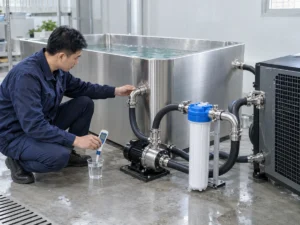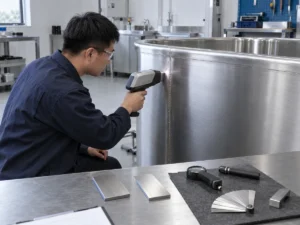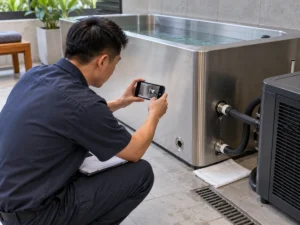
لا توجد درجة حرارة واحدة مثالية لحوض الاستحمام الساخن تناسب الجميع. بالنسبة للبالغين الذين يُعدّون مستخدمين مناسبين لحوض الاستحمام الساخن من الناحية الأخرى،, حوالي 100–102°F (38–39°C) هو نطاق راحة شائع الاستشهاد به؛; تصف Jacuzzi، على سبيل المثال، 100–102°F كنطاق يفضّله كثير من المستخدمين. وبشكل منفصل، الحالي إرشادات CDC الحالية إلى أن ماء حوض الاستحمام الساخن يجب ألا يتجاوز 104°F / 40°C.
تخدم هذه الأرقام أغراضاً مختلفة. يُعدّ 100–102°F مرجعاً للراحة؛ أما 104°F / 40°C فهو حدّ أعلى في إرشادات CDC الأمريكية الحالية، وليس هدفاً. قد تكون تعليمات المنتج والقواعد المحلية المعمول بها أكثر تقييداً. كما يمكن أن يغيّر العمر أو الحمل أو تناول الكحول أو بعض الحالات الصحية أو الأدوية القرار أكثر.
درجة حرارة الماء الفعلية مهمة أيضاً. فقيمة الضبط في وحدة التحكم أو المستشعر المدمج أو المنطقة الساخنة قرب السخان لا تمثّل تلقائياً الماء المختلط الذي يشغله المستخدمون فعلاً. وهذا مهم بشكل خاص في أحواض الاستحمام الساخنة التي تعمل بالحطب، حيث يمكن أن يستمر الاحتراق النشط والجمر والمكوّنات الساخنة في نقل الحرارة مع اقتراب درجة الحرارة المستهدفة.
أفضل درجة حرارة لحوض الاستحمام الساخن: ابدأ من الراحة واحترم حدّ 104°F
للبالغ الذي يُعدّ مستخدماً مناسباً لحوض الاستحمام الساخن من حيث الأحوال الأخرى،, حوالي 100–102°F مرجع عملي للراحة. تصف Jacuzzi حالياً نطاق 100–102°F بأنه نطاق يفضّله كثير من مستخدمي أحواض الاستحمام الساخن. تعامل مع ذلك كمرجع راحة مسمّى من جهة مصنعة، وليس كوصفة صحية عامة.
بالنسبة لإرشادات الصحة العامة الموجهة إلى U.S.، يكون الحد الأكثر صرامة هو 104°F / 40°C. تقول CDC إن ماء حوض المياه الساخنة يجب ألا يكون أكثر سخونة من هذا، ويستخدم قانون الصحة المائية النموذجي لعام 2024 الحد الأقصى نفسه للسبا والمرافق المائية المسخنة ضمن نطاقه.
| مفهوم درجة الحرارة | ما يعنيه ذلك | ما لا يعنيه |
|---|---|---|
| حوالي 100–102°F | نطاق راحة أو تفضيل للبالغين يتم الإبلاغ عنه بشكل شائع | هدف موصى به من CDC لكل بالغ |
| 104°F / 40°C | الحد الأعلى في إرشادات CDC الحالية و MAHC 2024 | هدف عالمي أو بديل عن حدود المنتج/المحلية الأكثر صرامة |
| درجة حرارة أقل أو عدم الاستخدام | قد يكون مناسباً بسبب ظروف شخصية أو أعراض أو نصيحة مهنية | إعداد بديل واحد موحد لكل مستخدم أعلى خطورة |
يهم هذا التمييز لأن الحد الأقصى يسهل قراءته خطأً كتوصية. إذا حدّد دليل المنتج أو سياسة المرفق أو الاختصاص القضائي المعمول به حداً أقل، فاتبع المتطلب الأكثر تقييداً.
لا يحتاج المستخدم البالغ المناسب إلى دفع الماء نحو 104°F لمجرد أن المعدات قادرة على الوصول إليها. تختلف الراحة، وقد تكون درجة حرارة أقل معقولة تماماً.
السؤال الأفضل هو:
ما درجة الحرارة المناسبة للأشخاص الذين يستخدمون حوض الاستحمام، وهل تحققت من درجة حرارة الماء الفعلية؟
إذا كان السؤال المنفصل هو كم يستغرق الحوض الذي يعمل بالخشب للوصول إلى الهدف المختار، فإن ذلك يندرج ضمن HACHILL’s دليل زمن التسخين لحوض استحمام ساخن يعمل بالحطب بدلًا من قرار اختيار درجة الحرارة نفسه.
يمكن لحدود السلامة أن تتجاوز نطاق الراحة العادي
لا يحل الإعداد الأقل كل مسألة تتعلق بسلامة حوض الاستحمام الساخن. بعض الحالات تغيّر القرار من «اختر درجة حرارة أكثر برودة» إلى لا تستخدم حوض الماء الساخن، أو احصل على إرشاد صحي أولًا، أو أوقف التعرض للحرارة.
الأطفال دون سن 5
إرشادات CDC الحالية تقول يجب ألا يستخدم الأطفال دون سن 5 سنوات أحواض الاستحمام الساخنة.
هذا أقوى من نصائح تُوجد أحيانًا على الإنترنت وتشير إلى أن طفلًا صغيرًا يمكنه استخدام حوض استحمام ساخن بمجرد خفض الماء إلى درجة حرارة معينة. خفض نقطة الضبط لا يعوّض قيد العمر.
بالنسبة للأطفال الأكبر سنًا، تظل الإشراف المناسب وقواعد الصحة العامة أو قواعد المنشأة المعمول بها مهمة. لا ينبغي لمقال عام أن يبتكر صيغة واحدة لدرجة الحرارة والمدة لكل طفل.
الحمل
لا ينبغي اختزال الحمل إلى “درجة حرارة آمنة واحدة لحوض الاستحمام الساخن”.
توصي إرشادات CDC المستخدمات الحوامل بالتحدث مع مقدم رعاية صحية قبل استخدام حوض المياه الساخن. تقول ACOG إنه من الأفضل عدم استخدام الساونا أو حوض الاستحمام الساخن في مرحلة الحمل المبكر، مشيرًا إلى القلق بشأن ارتفاع درجة حرارة الجسم الأساسية واحتمال خطر على الجنين.
الحد الفاصل للقرار هو بالتالي إرشادات الرعاية الصحية—وليس مخطط HACHILL عالمي لدرجة الحرارة والدقائق.
الكحول والحالات الصحية والأدوية
تنصح CDC بعدم شرب الكحول قبل أو أثناء استخدام حوض الماء الساخن.
إرشادات السلامة الخاصة بـ Pool & Hot Tub Alliance ينصح الأشخاص الذين لديهم حالات صحية ذات صلة باستشارة الطبيب قبل استخدام حوض الاستحمام الساخن، ويحذر من الكحول أو الأدوية التي قد تسبب النعاس أو تضعف الحكم. عندما يكون هناك عدم يقين بشأن حالة طبية أو دواء أو القدرة على تحمل الحرارة، فإن المسار الأكثر أمانًا هو التوجيه الطبي بدلاً من تخمين إعداد أقل.
لا يمكن لهذا المقال أن يحدد ما إذا كان مرض معين أو دواء معين أو تاريخ طبي شخصي يجعل استخدام حوض الاستحمام الساخن مناسبًا.
لا تنتظر المؤقت إذا شعرت بتوعك
يجب ألا تتغلب مدة النقع المخططة على الأعراض أبدًا.
إرشادات MedlinePlus لحالات الطوارئ الحرارية تسرد أعراضًا تشمل الدوخة أو الدوار، والغثيان، والضعف، وفي أمراض الحرارة الأكثر خطورة، أعراضًا عصبية مثل الارتباك أو التشنجات. وفي سياق حوض الماء الساخن، قد تشمل مؤشرات التحذير المرتبطة بالحرارة ما يلي:
- الدوار أو خفة الرأس؛
- غثيان؛;
- ضعف غير عادي؛;
- الالتباس.
اترك التعرض للحرارة إذا حدثت هذه العلامات بدلاً من البقاء في الحوض لأن المؤقت لم ينتهِ.
تتطلب الأعراض الشديدة مثل النوبة أو الارتباك الواضح أو فقدان الاستجابة عناية طبية عاجلة.
لهذا السبب أيضًا لا يُستخدم هنا جدول عالمي مثل “98°F لمدة X دقيقة، و102°F لمدة Y دقيقة، و104°F لمدة Z دقيقة”. المدة مهمة، خاصة عندما يصبح التعرض للحرارة أكثر شدة، لكن الأدلة لا تدعم صيغة بسيطة واحدة من درجة الحرارة إلى الوقت لكل مستخدم.
التسلسل الأكثر قابلية للتبرير هو:
- تحديد ما إذا كان الشخص مستخدمًا مناسبًا لحوض الاستحمام الساخن؛
- ابقَ دون الحد الأقصى 104°F / 40°C؛
- اختر درجة حرارة تشغيل أقل حيث يكون ذلك مناسباً؛
- أوقف التعرض إذا ظهرت أعراض مرتبطة بالحرارة؛
- اطلب إرشاداً مهنياً عندما يجعل الحمل أو الحالات الطبية أو الأدوية الملاءمة غير مؤكدة.
قِس الماء المختلط، لا نقطة الضبط أو منطقة ساخنة موضعية فقط
لا يكون اختيار درجة الحرارة مفيدًا إلا إذا كانت القراءة تمثل الماء الذي يستخدمه الأشخاص فعليًا.
يمكن بسهولة الخلط بين أربع قيم مختلفة:
- درجة الحرارة المضبوط على وحدة التحكم;
- درجة الحرارة المُبلغ عنها بواسطة مستشعر مدمج أو شاشة مدمجة;
- a منطقة محلية ساخنة أو باردة;
- درجة حرارة ماء مخلوط تمثيلي.
ليست بالضرورة نفسها.
قد يتكوّن للماء طبقات أكثر دفئًا وأبرد أثناء التسخين. كما قد يؤدي الماء العائد من السخان إلى إنشاء منطقة ساخنة موضعية قبل أن يتعادل الحوض بالكامل. لذلك قد تبالغ قراءة تُؤخذ قرب خط الإرجاع في وصف حالة بقية الحوض.
الخطأ العكسي ممكن أيضًا. قراءة محلية أكثر برودة واحدة لا تثبت تلقائيًا أن نظام التسخين يتعطل.
| القراءة | ما الذي يوضحه لك | ما لا يستطيع إثباته بحد ذاته |
|---|---|---|
| نقطة ضبط وحدة التحكم | ما المطلوب من نظام التحكم تحقيقه | درجة الحرارة الفعلية في جميع أنحاء المياه المشغولة |
| مستشعر/شاشة مدمج | ما الذي يبلغ عنه ذلك المستشعر أو نظام التحكم | أن كل جزء من الحوض يطابق المعروض |
| عودة السخان أو منطقة ساخنة موضعية | حالة المياه المحلية | درجة حرارة تمثيلية للحوض بأكمله |
| قراءة الماء المختلط | أساس أقوى للحكم على الحوض ككل | كفاءة السخان الدقيقة أو الخرج المقدر |
قد يكون التحقق المستقل مهماً عندما تؤثر درجة حرارة المياه الفعلية في السلامة.
A استدعاء من U.S. Consumer Product Safety Commission يتعلق بأحواض Jacuzzi وSundance الساخنة معينة يوضح التمييز: تم الإبلاغ عن قراءات حرارة غير دقيقة، وتم توجيه المستخدمين المتأثرين للتحقق من الماء بمقياس حرارة خارجي دقيق والتأكد من أنه لا يتجاوز 104°F.
تلك الحادثة بالفعل لا يعني أن وحدات التحكم في أحواض المياه الساخنة غير دقيقة عموماً. وهو يوضّح لماذا لا ينبغي افتراض أن الشاشة معصومة من الخطأ عندما تكون درجة حرارة الماء الحقيقية مهمة.
في التشغيل الروتيني، اتبع تعليمات الحوض والسخان. وحيث لا تحدد نقطة قياس، اترك الماء يدور أو يمتزج قبل الحكم على الوعاء ككل، ولا تعتبر قراءة مأخوذة مباشرة عند عودة السخان أو أي طرف محلي متطرف واضح ممثلة للماء الذي يشغله المستخدمون.
قد يكون الموضع الدقيق لميزان الحرارة، ومواصفات الجهاز، وتفاوت المستشعر، وإجراء المعايرة خاصًا بمنتج أو منشأة بعينها. اتبع وثائق المعدات الفعلية حيثما تكون تلك التفاصيل محددة.
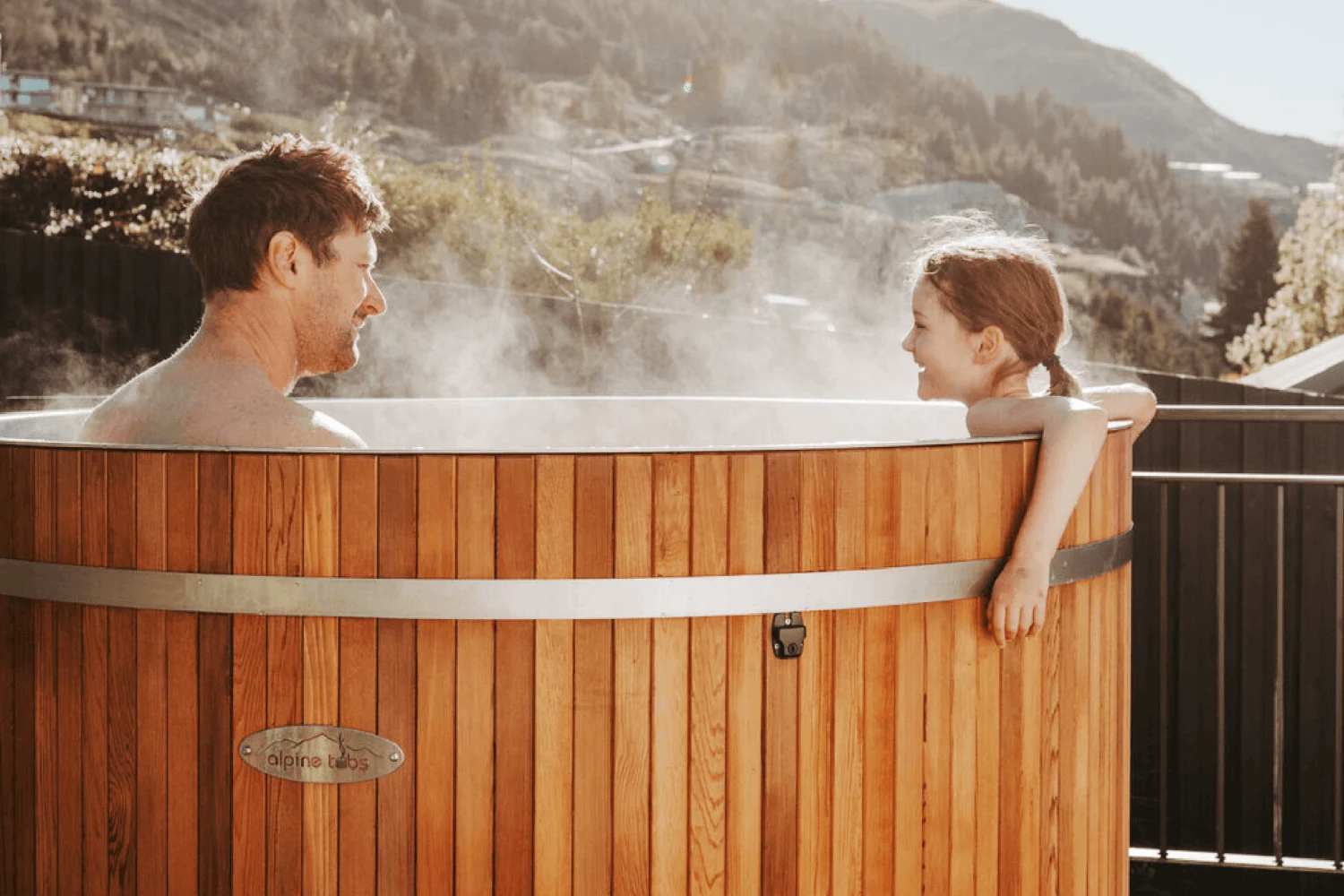
إذا لم ترتفع درجة حرارة الماء المخلوط بشكل طبيعي، فانتقل إلى HACHILL المنفصل دليل استكشاف أعطال حوض الاستحمام الساخن الذي يعمل بالحطب بدلاً من تغيير درجة الحرارة المستهدفة للتعويض عن مشكلة تسخين.
أحواض الاستحمام الساخن العاملة بالحطب تحتاج إلى تحكم نشط في درجة الحرارة قرب الهدف
يضيف حوض الماء الساخن الذي يعمل بالخشب مشكلة تحكم لا يمكن لنقطة ضبط منظم الحرارة وحدها أن تحلها: قد يستمر إدخال الحرارة بينما تظل النار والجمر ومكونات السخان الساخنة نشطة.
لذلك يجب أن يبدأ التحكم في درجة الحرارة قبل أن يصل الماء بالفعل إلى الهدف النهائي.
توجّه إرشادات الشركة المصنّعة لبعض الأنظمة التي تعمل بالحطب المشغّلين صراحةً إلى تقليل إدخال الوقود قبل الوصول إلى درجة حرارة الاستحمام النهائية لتجنب التسخين المفرط. على سبيل المثال، تُرشد Kirami مشغّلي أحواضها التي تعمل بالحطب إلى البدء في تقليل الحطب المضاف قبل الهدف النهائي. هذا مثال خاص بمصنّع معيّن، وليس مواصفة HACHILL. نقطة التخفيض الدقيقة وتسلسل التشغيل خاصان بتصميم السخان.
خطأ التجاوز الشائع
ضع في الاعتبار حوضًا يقترب من درجة الحرارة المقصودة.
لا يزال الماء أقل قليلاً من الهدف، لذا يُضاف مزيد من الوقود. بحلول وقت أخذ القياس التمثيلي التالي للماء المخلوط، يكون الاحتراق والجمر والموقد الساخن لا تزال لديها طاقة لتنتقل.
اتخذ المشغّل قرار التحكم التالي متأخرًا جدًا.
الدرس المفيد ليس:
«خفّض النار دائمًا عند X°F.»
بل هو:
توقّع ما تبقّى من مدخلات الحرارة مع اقتراب الوصول إلى الهدف، ثم اتبع تعليمات السخّان الفعلية لتقليل الوقود والإغلاق.
بعد إجراء تعديل، اترك النظام يدور والماء يختلط وفق ما يتطلبه النظام المعتمد قبل الحكم على درجة الحرارة النهائية.

فقدان الحرارة يغيّر التحكم، لا سقف الأمان
يؤثر الطقس البارد والريح وحجم الماء والظروف الحرارية الأخرى على سرعة اكتساب الماء للحرارة أو فقدانها.
يمكن أن تتغير:
- مدى سرعة اقتراب الحوض من الهدف؛
- مدى سرعة تبريده؛
- عدد المرات التي يجب فيها فحص درجة الحرارة؛
- كيف يتصرف النظام بين التسخين والاستخدام.
نعم، تفعل لا تبرير تجاوز حد درجة الحرارة المعمول به. وفقًا لإرشادات CDC الحالية، يظل الحد الأعلى 104°F / 40°C.
لذلك، يمثل اليوم الأبرد مشكلة تحكم في درجة الحرارة، وليس إذنًا باستخدام حد أقصى أعلى.
| متغير التحكم | لماذا يهم | ما يجب التحقق منه |
|---|---|---|
| درجة حرارة الماء المخلوط الحالية | يوضح حالة الحوض التمثيلية | القراءة ليست مجرد منطقة ساخنة موضعية |
| النار والجمر المتبقيان | يمكن أن يستمر التسخين مع اقتراب الوصول إلى الهدف | تعليمات السخان الفعلية |
| التدوير والخلط | تؤثر في مدى انتظام وصول الحرارة إلى الحوض | تكوين النظام المعتمد |
| الطقس وفقدان الحرارة | تغيير سلوك التسخين والاستعادة | ظروف التشغيل الفعلية |
| استخدام الغطاء | قد يغيّر فقد الحرارة | ما إذا كانت تعليمات الحوض/السخان المحددة تسمح بذلك أثناء الإشعال |
| تقليل الوقود أو الإغلاق | تتحكم في مدخلات الحرارة الإضافية | إجراء خاص بالطراز |
لا تنسخ درجة حرارة تقليل الوقود أو قاعدة الغطاء أو تسلسل إيقاف التشغيل الخاصة بسخان’ آخر.
ينتمي الموقد الأعمق وآلية الدوران ونقل الحرارة إلى دليل HACHILL’s إلى كيف تعمل أحواض الاستحمام الساخنة التي تعمل بالحطب. احتفظ بأعطال التسخين منفصلة عن قرار درجة الحرارة المستهدفة؛ دليل استكشاف الأخطاء المخصص مرتبط سابقًا في هذه المقالة.
يحتاج المشغلون التجاريون إلى إجراء درجة حرارة قابل للتكرار، وليس مجرد نقطة ضبط
تحتاج عملية فندق أو منتجع أو سبا أو تأجير إلى أكثر من نقطة ضبط مريحة.
يصبح السؤال التشغيلي:
من يتحقق من درجة حرارة الماء الفعلية، وما الذي يُسجَّل، ومتى يُوقف استخدام الحوض؟
بالنسبة لمرافق المياه العامة في الولايات المتحدة، إرشادات CDC’s الحالية Model Aquatic Health Code يُعد معيارًا مفيدًا. يحدد الإصدار الخامس لعام 2024 بحد أقصى 104°F / 40°C وينص على أنه، في المرافق المائية المُسخّنة، يجب تسجيل درجة حرارة الماء عند إجراء اختبارات المطهر وpH المطلوبة.
MAHC هو إرشادات الطراز، وليست قانونًا فيدراليًا بحد ذاتها. يجوز للولايات القضائية أو المحلية أو القبلية أو الإقليمية اعتمادها أو تعديلها أو استخدامها كمرجع. لذلك يجب على المشغلين التحقق من المتطلبات التي تنطبق على المرفق الفعلي وما إذا كان تركيب الحرق بالحطب المحدد يقع ضمن نطاق كود المرافق المائية المحلي.
نقطة الضبط ليست سجل تشغيل
فكّر في منشأة يسجّل فيها الموظفون شاشة لوحة التحكم فقط.
تُظهر وحدة التحكم الإعداد المقصود، لكن لا أحد يتحقق من الماء المختلط في المنطقة التي يشغلها الضيوف فعلاً.
قد لا يكون الضعف في وحدة التحكم نفسها بالضرورة. بل في عملية التشغيل: فالسجل لم يثبت حالة التعرّض الفعلية.
ما يلي هو هيكل عملي لسجل التشغيل، وليس قائمة تحقق MAHC حرفية:
| سجل العنصر | لماذا يهم |
|---|---|
| التاريخ والوقت | يحدد متى تم فحص الحالة |
| درجة حرارة ماء تمثيلية | يسجّل ظروف التشغيل الفعلية |
| قراءة وحدة التحكم/الشاشة | يتيح المقارنة مع المياه المقيسة |
| عضو الفريق المسؤول | يحدد المسؤولية |
| حالة التشغيل | يوضح ما إذا كان الحوض مفتوحًا أو قيد الضبط أو مغلقًا |
| الإجراء التصحيحي | يسجّل ما حدث عندما كانت الظروف خارج السياسة |
| مشكلة في المعدات/الدليل | يُعلِّم عند الحاجة إلى مراجعة فنية |
بالنسبة لحوض تجاري يعمل بالحطب، ينبغي أن تحدد سياسة التشغيل أيضاً من يُسمح له بإدارة النار، ومن يتحقق من درجة حرارة الماء المخلوط النهائية قبل استخدام الضيوف.
لا ينبغي توقع أن يحدد الضيوف ما إذا كان نظام الاحتراق قد وصل إلى حالة تشغيل مستقرة ومتحقق منها.
حدد ظروف عدم الاستخدام قبل حدوثها
ينبغي لسياسة تجارية أن تحدد متى يتوقف الاستخدام الطبيعي.
كحد أدنى، لا ينبغي استمرار الاستخدام عندما:
- تجاوز درجة حرارة الماء المتحقق منها الحد الأقصى المعمول به؛
- لا يستطيع الموظفون تحديد درجة حرارة الماء الفعلية بشكل موثوق؛
- لا يمكن تشغيل النظام وفقًا لتعليمات المعدات المطلوبة الخاصة به؛
- حالة تستوفي متطلب إغلاق تفرضه السلطة المختصة ذات الولاية القضائية المعمول بها.
تختلف متطلبات الإغلاق القانوني الدقيقة حسب الولاية القضائية والمنشأة. لا ينبغي اختلاقها من مقال عام.
للحصول على الأدلة الخاصة بطراز محدد، وإجراءات التحكم في درجة الحرارة، ووثائق السلامة الخاضعة للرقابة، استخدم HACHILL’s دليل وثائق السلامة لحوض الاستحمام الساخن الذي يعمل بالحطب إلى جانب وثائق المعدات المطبقة.

الأسئلة الشائعة
هل 104°F ساخنة جدًا لحوض الاستحمام الساخن؟
104°F / 40°C هو الحد الأعلى، وليس هدفًا عالميًا. تشير إرشادات CDC إلى أن ماء الحوض الساخن يجب ألا يتجاوز درجة الحرارة هذه. يفضّل كثير من المستخدمين درجة حرارة أقل، ويحتاج بعض الأشخاص إلى قيود إضافية أو لا ينبغي لهم استخدام الحوض الساخن.
ما درجة الحرارة التي يفضّلها العديد من البالغين في حوض الاستحمام الساخن؟
حوالي 100–102°F هو نطاق راحة للبالغين يُستشهد به كثيرًا، وتصفه Jacuzzi بأنه نطاق يفضّله كثير من المستخدمين. هذا مرجع للراحة، وليس توصية من CDC وليس ضمانًا بأن النطاق مناسب لكل فرد.
هل يمكن للأطفال استخدام حوض الاستحمام الساخن إذا خفّضت درجة الحرارة؟
بالنسبة للأطفال دون سن 5 سنوات، تقول إرشادات CDC لا تستخدم أحواض المياه الساخنة. خفض درجة الحرارة لا يعوض قيد العمر هذا. لا يزال الأطفال الأكبر سناً يحتاجون إلى إشراف مناسب والقواعد المعمول بها للصحة العامة أو المنشأة.
هل يمكن استخدام حوض الاستحمام الساخن أثناء الحمل؟
ينبغي للمستخدمات الحوامل التحدث مع مقدم رعاية صحية قبل استخدام حوض الماء الساخن. تقول ACOG إنه من الأفضل عدم استخدام الساونا أو حوض الماء الساخن في بداية الحمل. ولا ينبغي أن تحل صيغة عامة لدرجة الحرارة والوقت محل الإرشاد الطبي الفردي.
لماذا تختلف شاشة حوض الاستحمام الساخن عن درجة الحرارة التي أقيسها؟
نقطة ضبط وحدة التحكم والمستشعر المدمج ودرجة حرارة الماء المختلط التمثيلية مفاهيم مختلفة. يمكن أيضًا أن ينتج عن التطبق الحراري والمناطق الساخنة المحلية قراءات مختلفة. استخدم قياسًا تمثيليًا للماء المختلط عند تحديد درجة الحرارة التي يتعرض لها المستخدمون فعلاً.
هل ينبغي أن أنتظر حتى يصل حوض الماء الساخن الذي يعمل بالحطب إلى الهدف قبل تقليل النار؟
ليس بالضرورة. يوجّه بعض مصنّعي السخانات العاملة بالحطب المشغلين إلى تقليل الوقود قبل الوصول إلى الهدف النهائي لأن الاحتراق والجمر والمكونات الساخنة يمكن أن تستمر في نقل الطاقة. يجب أن يأتي التوقيت والإجراء الدقيقان من تعليمات السخان الفعلية.