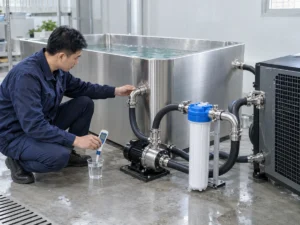
دليل تخطيط حوض الاستحمام الساخن الذي يعمل بالحطب
عادةً ما يحتاج حوض الاستحمام الساخن الذي يعمل بالحطب إلى بضع ساعات للتسخين من ماء بارد. للتخطيط الأولي، يُعد نطاق 2–4 ساعات نطاقاً سوقياً مفيداً، لكنه ليس مواصفة عالمية ولا ضماناً لأي موديل من HACHILL. يعتمد الوقت الفعلي على حجم الماء القابل للاستخدام، ودرجة الحرارة الابتدائية والمستهدفة، وتصميم الموقد والدورة، والوقود الجاف، والعزل، واستخدام الغطاء، والرياح والظروف المحيطة. استخدم ظروف اختبار الحوض والموقد الفعلية — وليس وقتاً عاماً من العناوين — عند مقارنة الموديلات أو تخطيط جدول تشغيل تجاري.
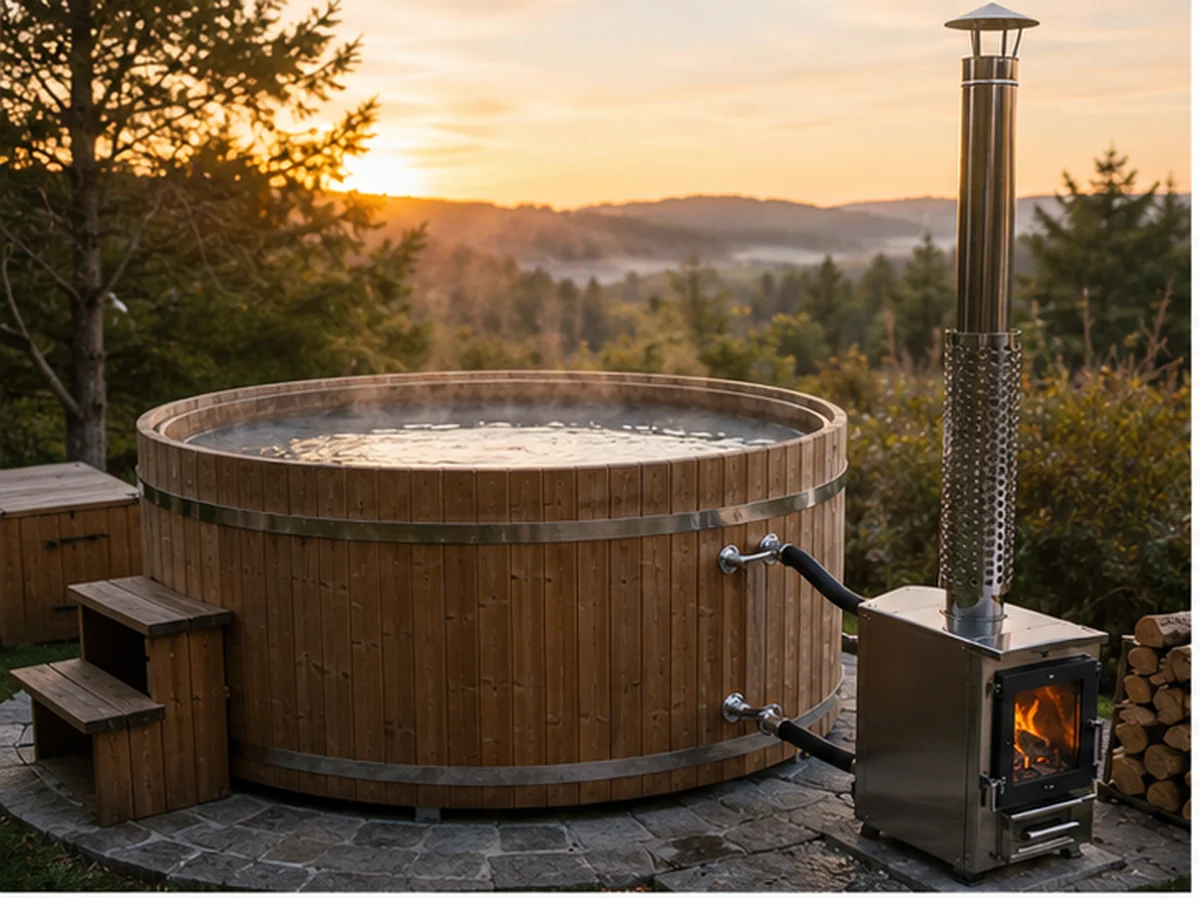
تصور مفاهيمي؛ ليس طراز HACHILL مُتحققًا منه أو اختبار أداء.
إجابة سريعة
للتخطيط الأولي، غالباً ما يُعامل حوض الاستحمام الساخن الذي يعمل بالحطب على أنه مهمة تسخين من 2–4 ساعات, لكن الأنظمة الفعلية قد تخرج عن هذا النطاق. لا تكون هذه القيمة مفيدة إلا عندما يكون حجم الماء ودرجة الحرارة الابتدائية ودرجة الحرارة المستهدفة وتكوين الموقد ومسار الدورة وحالة الوقود والطقس معروفة. قد يسخن حوض أصغر بماء تعبئة معتدل وفقد حراري منخفض بشكل أسرع؛ بينما قد يستغرق تركيب شتوي بحجم كبير بماء بارد ووقود رطب وتعرض للرياح أو دورة ضعيفة وقتاً أطول بكثير.
- حجم المياه القابل للاستخدام وارتفاع درجة الحرارة المطلوب
- مسار دقيق للموقد ونقل الحرارة والدوران
- وقود جاف معتمد واحتراق مستقر
- الغطاء والعزل والأنابيب المكشوفة
- درجة الحرارة المحيطة والرياح وطريقة التشغيل
تحقق من أي رقم لزمن التسخين مقابل الطراز المختار والتكوين المعتمد وظروف الاختبار الموثقة. يجب على المشترين أيضاً مقارنة المتاح نطاق أحواض الاستحمام الساخنة التي تعمل بالحطب قبل طلب تقدير على مستوى الطراز.
لضبط المستندات وأدلة التكوين ومتطلبات بوابات الإصدار، استخدم دليل المشتري لوثائق سلامة حوض الاستحمام الساخن الذي يعمل بالحطب. تبقى هذه الصفحة مسؤولة عن تقدير زمن التسخين ومتغيرات التسخين.
متى يكون تقدير وقت التسخين مفيدًا—ومتى لا يكون
مفيد للتخطيط
- قارن حجم الماء وارتفاع درجة الحرارة.
- اسمح بفترة تحضير واقعية.
- اضبط حسب الشتاء أو المواقع المكشوفة.
- قارن شروط اختبار المورد.
غير كافٍ للموافقة
- مطابقة الموقد مع الحوض
- المدخنة، الخلوص أو الامتثال لمتطلبات السلامة من الحرائق
- التصميم النهائي للتدوير والتركيب
- الملاءمة للنظافة التجارية أو التوظيف
حد القرار: استخدم التقدير لفرز الخيارات وإعداد الأسئلة. لا تصدر أمر شراء إلا بعد تأكيد الحوض والموقد والدوران وظروف الموقع ونطاق الأدلة بدقة.
كم من الوقت يستغرق تسخين حوض الاستحمام الساخن الذي يعمل بالحطب؟
الإجابة العملية للتخطيط هي حوالي 2–4 ساعات لكثير من الأنظمة التي تعمل بالحطب, لكن هذا نطاق فرز أولي وليس مواصفة قابلة للنقل. تختلف الأمثلة المنشورة للموديلات لأن حجم الحوض وحجم الماء وتصميم الموقد وظروف الاختبار تختلف. قد يسخن حوض مدمج بماء تعبئة معتدل الحرارة ووقود جاف وتعرض منخفض للرياح ومسار فعال لنقل الحرارة بشكل أسرع؛ بينما قد يستغرق حوض أكبر مملوء بماء بارد جداً خلال الشتاء وقتاً أطول بكثير. تعامل مع كل ادعاء على مستوى الموديل على أنه معتمد على الظروف، وتحقق من حجم الماء وارتفاع الحرارة والتكوين وطريقة الاختبار وراءه.
النطاق النموذجي هو مجرد نقطة بداية
تصبح عبارة وقت التسخين مفيدة فقط عندما تكون الظروف الكامنة خلفها معروفة:
- حجم الماء القابل للاستخدام
- درجة حرارة المياه المختلطة عند البداية
- درجة حرارة المياه المختلطة المستهدفة
- درجة الحرارة المحيطة والرياح
- التكوين الدقيق للموقد والحوض
- نوع الوقود وحالة الرطوبة
- حالة الغطاء والعزل
- الدوران وطريقة القياس
تسخين الماء البارد وإعادة التسخين مهمتان مختلفتان
تسخين الماء المعبأ حديثاً من 8°C إلى 38°C يتطلب ارتفاعاً في درجة الحرارة بمقدار 30°C. إعادة تسخين الماء المحتفظ به من 25°C إلى 38°C تتطلب 13°C فقط. حتى مع نفس الحوض والموقد، فإن المهمة الحرارية مختلفة. إضافة ماء بارد بعد التنظيف أو التبخر أو الاستخدام يمكن أن تطيل فترة الاستعادة أيضاً.
حدد متى يبدأ اختبار التسخين ومتى ينتهي
- قم بقياس درجة حرارة الماء المختلط الابتدائية.
- سجل الحجم المعبأ القابل للاستخدام.
- أشعل الموقد باستخدام الإجراء المعتمد.
- شغّل النظام تحت ظروف موثقة.
- اخلط أو حرّك الماء حسب التعليمات.
- قم بقياس درجة حرارة الماء المختلط النهائية.
وجود طبقة ساخنة قرب السطح أو درجة حرارة مرتفعة قرب مخرج الموقد لا يثبت أن الحوض بالكامل وصل إلى درجة الحرارة المستهدفة.
لماذا لا يوجد زمن تسخين عالمي لأحواض الاستحمام الساخنة التي تعمل بالحطب
يُحكم على زمن التسخين بكميتين منفصلتين: الطاقة التي يحتاجها الماء ومتوسط صافي الحرارة المنقولة فعلياً إلى ذلك الماء. بيانات NIST للسعة الحرارية للماء السائل تدعم تقريباً تخطيطياً بنحو 4.18 kJ/kg·K قرب درجات حرارة أحواض الاستحمام الساخن الاعتيادية.
صيغة التخطيط: طاقة تسخين الماء بالكيلوواط الساعي ≈ حجم الماء باللتر × ارتفاع درجة الحرارة بـ°C × 0.00116. يستخدم هذا افتراضاً عملياً للتقدير بنحو 1 kg من الماء لكل لتر.
يحسب التقدير الطاقة الممتصة في الماء فقط. ولا يشمل تلقائياً فقدان المدخنة، والإشعاع من الموقد والأنابيب، والحرارة المتسربة عبر الحوض وسطح الماء، وتغير الاحتراق، والوقود الرطب، وعدم استقرار الدوران، أو التعرض الخارجي.
حساب توضيحي: حوض افتراضي سعة 1,200 لتر يُسخَّن من 10°C إلى 38°C له ارتفاع درجة حرارة 28°C ويحتاج نحو 39 kWh من طاقة الماء النظرية. وإذا كان متوسط صافي انتقال الحرارة المقاس إلى الماء 15 kW، لكانت النتيجة المثالية نحو 2.6 ساعة؛ وعند 10 kW صافي، نحو 3.9 ساعة. وأرقام القدرة الصافية هذه أمثلة حسابية، وليست تصنيفات مواقد اعتيادية أو بيانات موديلات HACHILL. وقد يكون زمن التسخين الفعلي أطول لأن الفواقد والاحتراق يتغيران خلال دورة الإشعال.
حجم الماء القابل للاستخدام أهم من عدد المقاعد
قد يكون لحوضين مخصصين للعدد نفسه من المستخدمين أبعاد داخلية مختلفة، وإزاحة مقاعد، وخطوط تعبئة، وإزاحة موقد، وحجم ماء معبأ فعلي مختلف. قدّر من حجم الماء القابل للاستخدام المعتمد، وليس من الأبعاد الخارجية أو سعة الأشخاص الاسمية فقط.
خرج الموقد المقدر ليس هو تسخين الماء الفعلي
يعتمد الانتقال المفيد على المنظومة الكاملة: هندسة صندوق النار والمبادل، وسطح تلامس الماء، وحالة الاحتراق، وسحب المدخنة، والدوران، وترتيب الأنابيب، ودرجة حرارة الماء، وفقدان الحرارة، والصيانة. اسأل ما إذا كان زمن التسخين المنشور ناتجاً عن اختبار كامل للحوض والموقد أم عن قيمة موقد اسمية فقط.
المتغيرات التي تغير وقت تسخين حوض الاستحمام الساخن الذي يعمل بالحطب
على الشاشات الأصغر، اسحب أفقيًا لعرض الجدول الكامل.
| متغير | ما يجب تأكيده | لماذا يغير وقت التسخين |
|---|---|---|
| حجم الماء القابل للاستخدام | اللترات أو الجالونات الفعلية عند خط التعبئة التشغيلي | المزيد من الماء يتطلب المزيد من الطاقة |
| درجة حرارة البداية | درجة حرارة الماء المختلط قبل الإشعال | الماء الأبرد يتطلب ارتفاعًا أكبر في درجة الحرارة |
| درجة الحرارة المستهدفة | درجة حرارة الماء المختلط النهائية المقصودة | الهدف الأعلى يزيد الطلب على الطاقة |
| تكوين الموقد | الموقد المعتمد الدقيق، والمبادل الحراري، ومجموعة الحوض | يحدد مسار نقل الحرارة |
| الدوران | دوران طبيعي، مضخة معتمدة أو خلط يدوي | يؤثر على نقل الحرارة وتوحيد درجة الحرارة |
| حالة الوقود | نوع الوقود المعتمد، الرطوبة وحجم القطع | يؤثر على استقرار الاحتراق والحرارة المفيدة |
| سحب المدخنة | ترتيب المداخن المعتمد وتدفق الهواء دون عوائق | يؤثر على أداء الاحتراق |
| الغطاء والعزل | التكوين الدقيق والاستخدام المسموح به أثناء التسخين | يغير فقدان الحرارة من السطح والغلاف |
| الطقس | درجة الحرارة المحيطة والرياح والأمطار | تغييرات فقدان الحرارة الخارجي |
| الصيانة | أسطح نقل حرارة نظيفة وتدفق غير مقيد | قد يؤدي التلوث والقيود إلى تقليل الأداء |
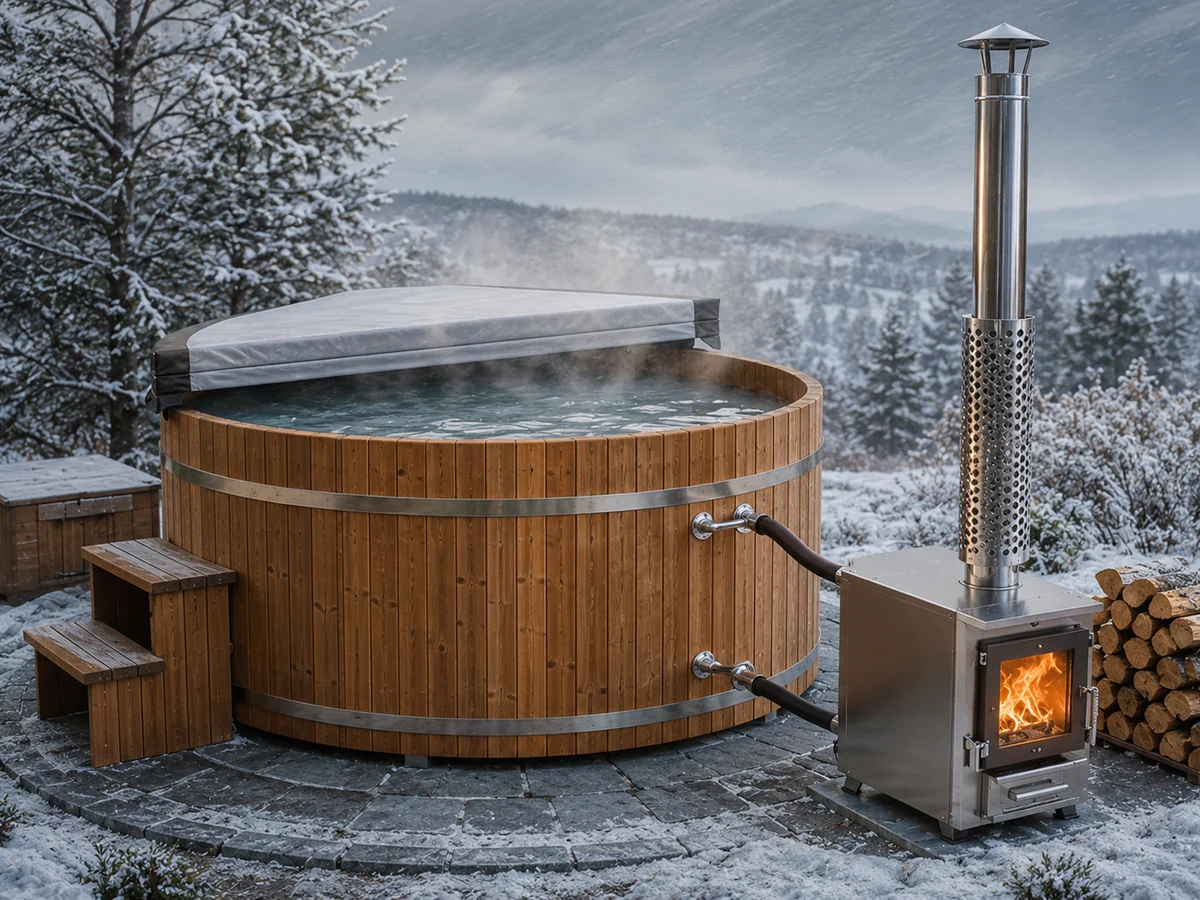
مشهد تشغيلي شتوي مفاهيمي؛ وليس اختبار نموذج HACHILL موثقًا أو نتيجة وقت تسخين عامة. موضع الغطاء توضيحي فقط ويجب أن يتبع تعليمات المنتج المحدد ومسافات الأمان للموقد والمدخنة.
حجم الماء وارتفاع درجة الحرارة
يُنشئ حجم الماء وارتفاع درجة الحرارة المطلوب حمل التسخين الأساسي. سجّل درجة حرارة ماء المصدر الفعلية في الشتاء بدلاً من تطبيق بيانات الصيف دون تغيير.
الموقد ومسار نقل الحرارة
لترتيبات التبادل الحراري الداخلية والخارجية وغيرها من الترتيبات المعتمدة مسارات تدفق مختلفة، وإزاحة ماء، وتعرض أنابيب، ومتطلبات صيانة مختلفة. ولا يكون أي من المسارين أسرع تلقائياً في كل تكوين.
الدوران والطبقات الحرارية
تعتمد أنظمة الدوران الطبيعي على فروق درجات الحرارة وموضع الأنبوب والانحدار والتدفق غير المقيد. تعتمد الأنظمة المضخوخة المعتمدة على اختيار المضخة ومقاومة الأنابيب. لا تضف مضخة إلى نظام دوران طبيعي إلا إذا وافقت الشركة المصنعة على التعديل.
جودة الوقود والتحكم في الاحتراق
الوقود الرطب يستهلك جزءًا من طاقة النار’ في تبخير الرطوبة بدلًا من تسخين الماء. استخدم فقط الوقود المسموح به وفق تعليمات الموقد والقواعد المحلية. لا تحرق خشبًا مطليًا أو معالجًا، أو ألواحًا ملصقة/مركبة، أو نفايات منزلية، أو أنواع وقود يستثنيها المصنّع.
الغطاء والعزل وفقدان الحرارة
قد يقلل الغطاء العازل المتوافق من فقدان الحرارة السطحية، لكن يجب ألا يخلق خطر خلوص أو حريق حول الموقد أو المدخنة. يجب التحقق من التركيب الدقيق والاستخدام المسموح به أثناء التسخين.
الطقس والرياح والظروف الموسمية
يزيد الهواء البارد والرياح من فقدان الحرارة. ينبغي أن يراعي تخطيط الموقع درجة حرارة الشتاء، والتعرّض للرياح، وهطول الأمطار، وتخزين الوقود، وتخزين الغطاء، والحماية من التجمد، وإجراءات التصريف، والوصول الآمن حول معدات الاحتراق.
كيفية تقدير وقت التسخين قبل إشعال الموقد
1. تأكيد حجم الماء القابل للاستخدام
استخدم حجم التعبئة المعتمد للموديل المختار’. لا تستبدل حجم الحوض الخارجي دون مراعاة المقاعد، وإزاحة الموقد، وهندسة الجدار، وخط التعبئة التشغيلي.
2. قم بقياس ارتفاع درجة الحرارة
سجّل درجة حرارة الماء المختلط الابتدائية، ودرجة الحرارة المستهدفة المقصودة، والفرق بينهما.
نظرًا لأن حمل التسخين يعتمد على نقطة النهاية، راجع كيفية اختيار والتحقق من درجة حرارة الماء المختلط المستهدفة. في السياق العام للصحة العامة، تنصح CDC بأنه لا ينبغي أن تتجاوز درجة حرارة مياه حوض الاستحمام الساخن 40°C (104°F); قد يحتاج هدف المشروع الفعلي إلى أن يكون أقل.
3. حدد التكوين المعتمد
أكّد مسار الموقد، وطريقة التدوير، وترتيب الأنابيب، والمدخنة، والوقود، والغطاء، وطريقة قياس درجة الحرارة.
4. طبق ظروف الموقع الفعلية
ضمّن درجة الحرارة المحيطة، والرياح، ورطوبة الوقود، والتعبئة الباردة مقابل إعادة التسخين، واستخدام الغطاء، وأي متطلبات للتنظيف أو إعادة التعبئة.
5. أضف هامش تشغيل
ينبغي أن يتيح التشغيل المجدول وقتًا للتعبئة، والإشعال، والدوران المستقر، والخلط، والتحقق من درجة الحرارة، وفحوص التنظيف، وفحوص العناية بالماء حيثما ينطبق، والتقليل الآمن لشدة الاحتراق.
استخدم مستوى الأدلة الصحيح: يتحقق الحساب النظري من المعقولية العامة؛ ويُنشئ اختبار نموذج مضبوط خط أساس لتكوين معتمد واحد؛ وتُعد سجلات الموقع المتكررة أفضل أساس للجدولة اليومية. حافظ على ثبات خط الملء وطريقة الخلط ومواقع القياس.
تؤثر المواقد الداخلية والخارجية على نظام التدفئة بشكل مختلف
على الشاشات الأصغر، اسحب أفقيًا لعرض الجدول الكامل.
| الاعتبار | الموقد الداخلي | موقد خارجي |
|---|---|---|
| مسار الحرارة | مدمج مع مياه الحوض | الحرارة تنتقل عبر توصيلات خارجية |
| إزاحة المياه | قد يقلل من حجم المياه القابلة للاستخدام | عادةً خارج منطقة الاستحمام |
| حماية المستحم | يتطلب حماية من الأسطح الساخنة | يمكن فصل صندوق الاحتراق عن المستحمين |
| الاعتماد على الدوران | يعتمد على التصميم الداخلي الدقيق | يتأثر بشدة بتخطيط الأنابيب والارتفاع |
| فقدان الحرارة الخارجي | قد يستخدم عددًا أقل من توصيلات المياه الخارجية | يمكن أن تضيف الأنابيب وهيكل الموقد خسائر |
| استنتاج وقت التسخين | يجب أن يستند إلى النموذج الكامل | يجب أن يستند إلى الدائرة المركبة الكاملة |
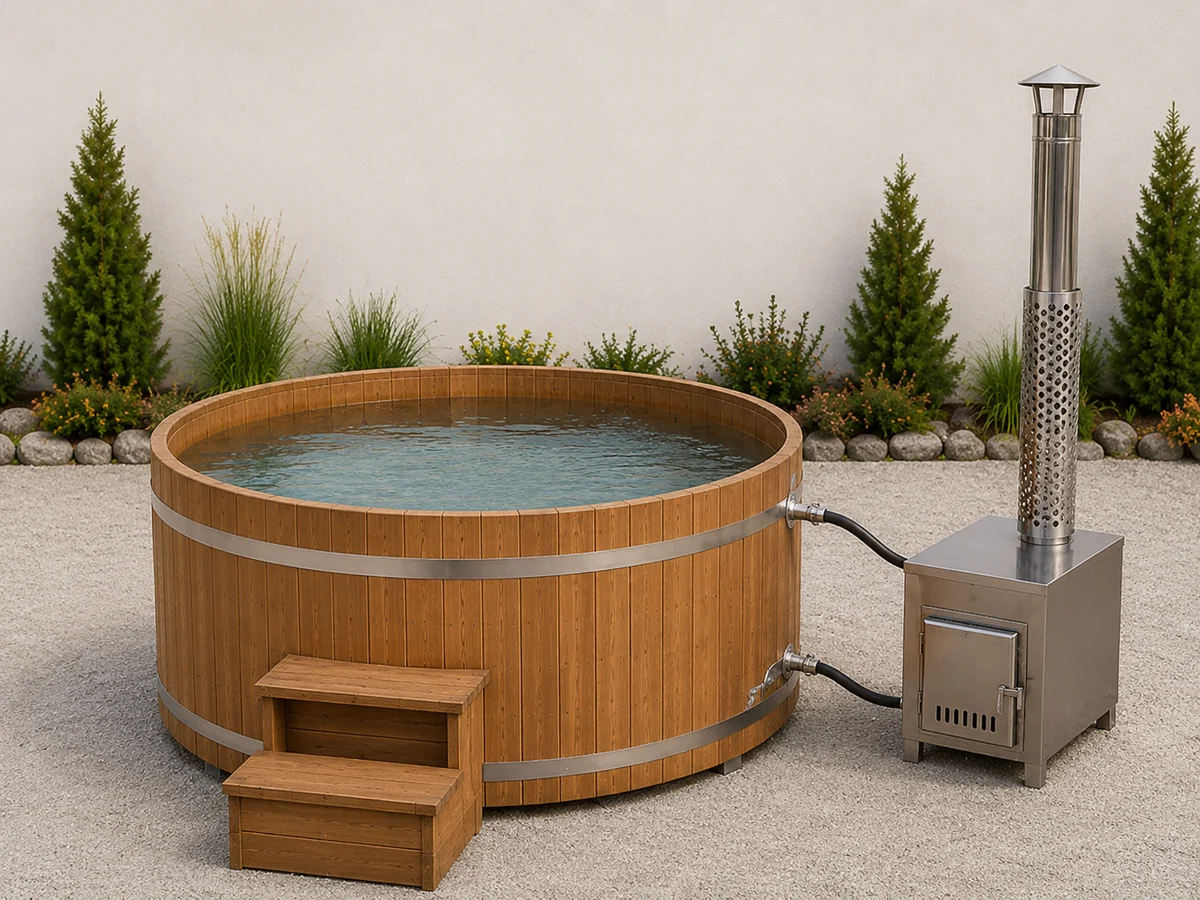
تكوين مفاهيمي للموقد الخارجي؛ يجب أن تتبع هندسة التوصيل والمدخنة والمسافات الخالية وثائق المنتج المحددة والمتطلبات المحلية.
لا يتحدد المسار الصحيح بزمن التسخين وحده. فوصول المستخدم، وحجم المياه القابل للاستخدام، والتنظيف، والمساحة المتاحة، وفصل الاحتراق، والأساس، وتخطيط الأنابيب، والصيانة، ومتطلبات الحريق المحلية تؤثر أيضًا في الاختيار.
لقرار الشراء التجاري الأوسع بالشكل الدائري، بما في ذلك المقاعد، وملاءمة الموقع، والعناية بالماء، ونطاق عرض السعر، استخدم دليل شراء حوض الاستحمام الساخن الدائري الذي يعمل بالحطب.
لمعرفة العلاقة الكاملة بين الاحتراق، أو الثرموسيفون أو الدورة المضخوخة المعتمدة، وسحب المدخنة ودرجة حرارة الماء المخلوط، راجع كيف تنقل أحواض الاستحمام الساخنة التي تعمل بالحطب الحرارة.
مدخلات الموقع والتركيب التي تؤثر على التسخين
لا يمكن فصل أداء التسخين عن التركيب. أكّد هذه المدخلات قبل تطبيق نتيجة اختبار على مشروع حقيقي:
- الأساس والمستوى: دعم الحمل المملوء والحفاظ على هندسة الموقد والأنابيب المعتمدة.
- مسار الأنبوب: تحقق من ارتفاع التوصيل، والميل، والقطر، والطول للنظام المحدد.
- المدخنة والسحب: استخدم المكونات المعتمدة وامتثل لمتطلبات الحريق والدخان المحلية.
- التصريف وإعادة التعبئة: ضع في الاعتبار تأثير التنظيف وإعادة التعبئة الجزئية ودرجة حرارة مياه المصدر.
- ظروف التجمد: حدد إجراءات التصريف والتخزين والإغلاق الموسمي.
يجب أن تُراجَع المتطلبات النهائية للأساس والمدخنة والاحتراق والتصريف والاستخدام العام من قبل المُركّب المحلي والجهة المختصة.
السيناريوهات الموسمية والتشغيلية
سيناريو سكني توضيحي
تعبئة باردة في طقس معتدل
يملأ مستخدم سكني حوضًا أثناء طقس معتدل بوقود جاف وتعرّض محدود للرياح. قد يكون التسخين أسرع من الظروف الأبرد أو الأكثر تعرضًا، لكن ينبغي للمالك مع ذلك تسجيل حجم الماء ودرجة الحرارة الابتدائية ودرجة الحرارة النهائية الممزوجة قبل اعتبار النتيجة قابلة للتكرار.
سيناريو موسمي توضيحي
تعبئة باردة في الشتاء
يبدأ نفس الحوض بماء أكثر برودة وفقدان حرارة أكبر. الاستجابة الصحيحة هي تمديد نافذة التشغيل، وحماية الوقود من الرطوبة، ومراجعة إجراءات إدارة التجمد—وليس الإفراط في إشعال الموقد.
سيناريو تقني مركب
مشكلة دوران الموقد الخارجي
يحترق الموقد بشكل طبيعي لكن الحوض يسخن بشكل غير متساوٍ. تشمل الأسباب المحتملة وجود هواء في الدائرة، أو هندسة توصيل غير مناسبة، أو تدفقًا مقيّدًا، أو خلطًا غير كافٍ. ينبغي للمشغّل اتباع إجراء الفحص المعتمد بدلًا من تعديل الأنابيب أو إضافة مضخة دون مراجعة الشركة المصنّعة.
سيناريو تجاري مركب
تخطيط وقت افتتاح المنتجع
يسمح الموظفون فقط بزمن الإشعال المقدّر ويهملون التعبئة والإشعال والخلط والتحقق من درجة الحرارة وفحوصات العناية بالماء. يعمل الجدول المصحح بالعكس من وصول الضيوف ويخصص مشغّلاً مدرّباً لكل مرحلة تحضير.
هذه السيناريوهات هي أمثلة مركبة توضيحية ولا تمثل مشاريع عملاء HACHILL محددة.
طرق آمنة لتقليل وقت التسخين
الهدف هو تقليل فقد الحرارة الذي يمكن تجنبه والاحتراق غير المستقر—وليس دفع المعدات إلى ما يتجاوز حدودها المعتمدة.
تجهيز دائرة المياه قبل الإشعال
- املأ حتى مستوى التشغيل المطلوب.
- تأكد من أن أسطح التسخين ودائرة المياه مغمورة كما هو مطلوب.
- افتح مسار التدوير المعتمد.
- تحقق من وجود انسداد أو تسرب مرئي.
- تأكد من أن المدخنة والخلوصات المطلوبة جاهزة.
- اتبع تعليمات بدء التشغيل الخاصة بالطراز المحدد’
استخدم وقودًا جافًا معتمدًا
استخدم وقودًا جافًا ومخزنًا بشكل صحيح من نوع وحجم تسمح بهما تعليمات الموقد. تدعم إرشادات Burn Wise المؤرشفة الصادرة عن US EPA’ الخشب الجاف المعتق وتحذر من حرق المنتجات الخشبية المطلية أو المدهونة أو المعالجة بالضغط أو الملصوقة والنفايات المنزلية. توقف برنامج EPA عن تحديث هذه المادة في 2025، لذلك تبقى تعليمات الموقد المختار والقواعد المحلية الحالية هي المتحكمة.
التحكم في فقدان الحرارة دون خلق خطر حريق
حيثما كان ذلك معتمداً، استخدم الغطاء المعزول الصحيح، واحمِ أنابيب المياه المكشوفة، وحافظ على العزل، وقلّل التعرض للرياح من خلال تخطيط آمن للموقع. لا تضع عزلاً مرتجلاً أو حواجز رياح بالقرب من الأسطح الساخنة أو مكونات المدخنة.
اخلط وقس قبل إضافة المزيد من الوقود
قد يستمر الموقد والجمر في نقل الحرارة بعد اقتراب الماء من هدف التشغيل. قلّل شدة الإشعال وفقًا للتعليمات، واسمح بالتدوير، واخلط حيث يلزم، وقِس في موقع تمثيلي قبل إضافة مزيد من الوقود.
متى قد يشير التسخين البطيء إلى وجود مشكلة
ليس بالضرورة أن يكون الطقس البارد سببًا لجلسة أبطأ. قارن الجلسة الحالية بخط الأساس المعتمد وسجلات التشغيل السابقة.
على الشاشات الأصغر، اسحب أفقيًا لعرض الجدول الكامل.
| الحالة الملاحظة | التفسير المحتمل | الاستجابة الآمنة |
|---|---|---|
| احتراق ضعيف أو مصحوب بدخان | وقود رطب، أو هواء مقيد، أو تراكم الرماد، أو سحب ضعيف | استخدم فقط الفحوصات الروتينية المعتمدة؛ توقف إذا تسرب الدخان إلى منطقة التشغيل. |
| عودة ساخنة لكن درجة حرارة الحوض غير متساوية | تدرج حراري، أو انسداد هوائي، أو دوران مقيد | اتبع إجراء الخلط والدوران المعتمد؛ لا تعدل الأنابيب. |
| يزداد وقت التسخين عبر الجلسات المتكررة | تغير الوقود، أو التلوث، أو تلف الغطاء، أو انحراف القياس | قارن السجلات ونفّذ مهام الصيانة المعتمدة فقط. |
| تجاوز الحد، الغليان، البخار أو حركة الماء العنيفة | إضافة الوقود متأخرًا، تدفق مسدود أو دوران غير مستقر | امنع الوصول واتبع إجراء إيقاف التشغيل الخاص بالشركة المصنعة. |
عندما تكون النتيجة أبطأ بشكل ملحوظ من خط الأساس الموثق، اتبع استكشاف أخطاء تسخين حوض الاستحمام الساخن الذي يعمل بالحطب وإصلاحها التسلسل قبل إضافة المزيد من الوقود أو تغيير مسار الدوران.
أوقف التشغيل واحصل على مساعدة مؤهلة للتدوير المسدود، أو الغليان غير المنضبط، أو البخار، أو التسرب، أو انسكاب الدخان، أو مكونات المدخنة التالفة، أو الحركة الإنشائية.
ما هي الأدلة المتعلقة بزمن التسخين التي يجب أن يطلبها المشتري؟
على الشاشات الأصغر، اسحب أفقيًا لعرض الجدول الكامل.
| عنصر الدليل | لماذا يهم | القرار المدعوم |
|---|---|---|
| التكوين الدقيق للحوض والموقد | يمنع تطبيق نتيجة أحد الطرازات’ على طراز آخر | مقارنة المنتجات وعرض الأسعار |
| حجم الماء القابل للاستخدام وارتفاع درجة الحرارة | يحدد حمل التسخين الفعلي | الجدوى الفنية |
| الظروف المحيطة، الغطاء والعزل | يوضح حد فقدان الحرارة للاختبار’s | مقارنة الموقع |
| نوع الوقود والرطوبة وطريقة التدوير | يوضح ظروف الاحتراق ونقل الحرارة | مراجعة قابلية التكرار |
| طريقة القياس وتكرارات الاختبار | يمنع أن تصبح البقعة الساخنة المحلية أو النتيجة لمرة واحدة هي الرقم الرئيسي | دليل الأداء |
| الرسومات المعتمدة ونطاق المكونات والمسؤوليات | يربط ادعاء الأداء بالتكوين المشترى | إصدار أمر الشراء والتسليم |
ينبغي مراجعة أدلة التسخين على مستوى الطراز مع التكوين المعتمد والرسومات والمكونات و مراجعة التصنيع ومراقبة الجودة.
بيان مفيد: تحت ظروف موثّقة، سخّنت تهيئة الحوض والموقد الدقيقة حجم الماء القابل للاستخدام المذكور من درجة الحرارة الابتدائية المسجلة إلى درجة حرارة الماء المخلوط المسجلة خلال الفترة المقاسة.
عدد المقاعد أو صورة نمط الحياة أو كتيب الفئة العامة أو تصنيف الموقد الاسمي ليس دليلاً كافياً بحد ذاته.
تخطيط وقت التسخين للمنتجعات والأماكن التجارية
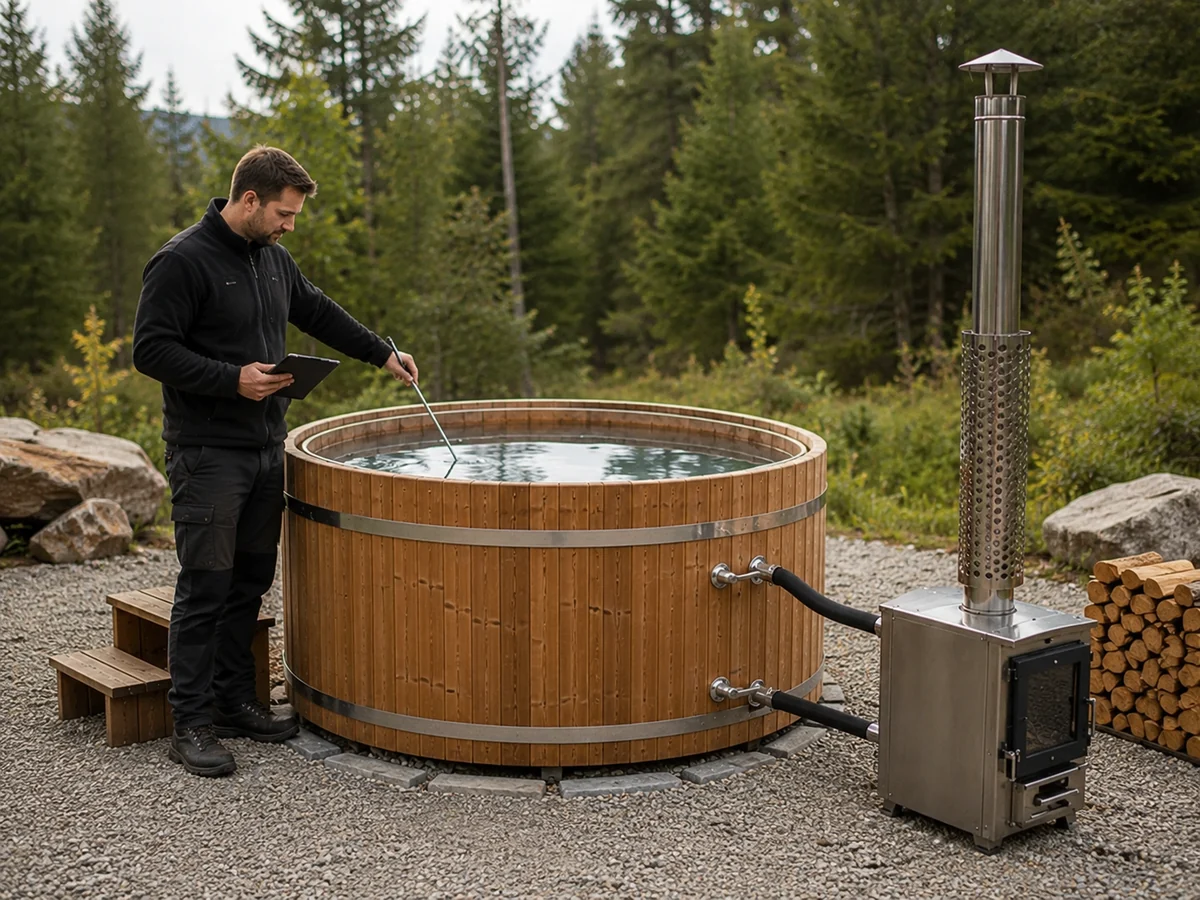
مشهد تشغيلي مفاهيمي؛ لا يمثل موقع عميل محدد أو تركيباً تجارياً معتمداً أو إجراء تشغيل محدد لـ HACHILL.
ينبغي للمشترين التجاريين تنسيق وقت التسخين مع تدفق الضيوف، والتوظيف، والتنظيف، والمرافق، والتسليم عبر تخطيط مشاريع العافية للفنادق والمنتجعات.
اعمل بالعكس من وقت الافتتاح
- فحص الموقع والمعدات
- تعبئة المياه
- تجهيز النار والإشعال
- التدفئة
- الخلط والتحقق من درجة الحرارة
- فحوصات معالجة المياه
- الموافقة على وصول الضيوف
- المراقبة أثناء الاستخدام
- التنظيف والإغلاق
تحديد إجراءات المشغل والمراقبة
حدّد المسؤولية عن إدارة النار، وتسجيل درجات الحرارة، وتخزين الوقود، وجودة المياه، والتنظيف، وفصل الضيوف، والإيقاف الطارئ، والتعامل مع الرماد، وإجراءات التجمد.
تأكيد ما إذا كانت التشغيل بالحطب مناسبًا للمكان
على الشاشات الأصغر، اسحب أفقيًا لعرض الجدول الكامل.
| المسؤولية | الشركة المصنعة / المورد | المشتري / المكان | المركّب / الفني المحلي المتخصص |
|---|---|---|---|
| تهيئة المنتج المعتمدة | توفير نطاق الطراز والمكونات المؤكد | الموافقة على الاستخدام المقصود وموجز التشغيل | تأكيد التوافق مع الموقع |
| الأساس والوصول | توفير أبعاد المنتج والأحمال المعروفة حيثما أمكن | توفير بيانات الموقع وقيود التسليم | تصميم والتحقق من الأساس النهائي ومسار المناولة |
| الامتثال للمدخنة والحريق | توفير تعليمات المنتج والمكونات المعتمدة | تحديد متطلبات المكان والمتطلبات المحلية | التحقق من التركيب والخلوصات والموافقات |
| العناية بالمياه والنظافة التجارية | بيان المعدات المضمنة وقيود المنتج | تحديد سياسة التشغيل والتنظيف والمراقبة | مراجعة متطلبات الصحة العامة والصرف الصحي المحلية |
| سجل وقت التدفئة | تقديم خط الأساس على مستوى الطراز عند توفره | الحفاظ على سجلات الموقع وهوامش التشغيل | التحقيق في الانحرافات المتعلقة بالتركيب عند الاقتضاء |
تحديد حدود المسؤولية قبل التسليم
على الشاشات الأصغر، اسحب أفقيًا لعرض الجدول الكامل.
| مهمة التشغيل | المدخلات الرئيسية | لماذا يهم |
|---|---|---|
| التعبئة الباردة الأولية | الحجم الكامل للمياه، ودرجة حرارة مصدر المياه، ووقت الفتح | عادةً ما يشكل أكبر حمل تسخين فردي |
| استعادة درجة الحرارة | حمولة المستحمين، التعرض، إعادة التعبئة الجزئية وحالة الحريق | يحدد ما إذا كانت الجلسات المتكررة عملية |
| التنظيف وإعادة التعبئة | سياسة العناية بالمياه، حجم التصريف ودرجة حرارة إعادة التعبئة | قد يخلق دورة تسخين إضافية يومية |
فصل التسخين الأولي، الاسترداد والإنتاجية اليومية
يتطلب مسار التسخين بالحطب مراجعة إضافية حيث لا يمكن للمكان توفير تشغيل مدرّب، ومدخنة معتمدة وخطة خلوص، وتخزين آمن للوقود، وموقع متوافق مع الدخان، وعناية موثوقة بالماء، وفصل الضيوف، ووقت تحضير كافٍ، وحماية من التجمد، والموافقات المحلية المطلوبة. قد تجعل قيود التشغيل هذه مسار تسخين آخر أكثر عملية لبعض الأماكن.
قائمة التحقق من وقت التسخين قبل الشراء أو الاستخدام الأول
- طراز حوض الاستحمام الدقيق والتكوين
- الموقد الدقيق ومسار نقل الحرارة
- حجم الماء القابل للاستخدام
- درجة حرارة الماء الابتدائية
- درجة الحرارة المستهدفة المقصودة
- الارتفاع الكلي المطلوب في درجة الحرارة
- موقد داخلي أو خارجي
- دوران طبيعي أو مضخ معتمد
- نوع الوقود المعتمد
- حالة رطوبة الوقود
- تكوين الغطاء والعزل
- درجة الحرارة المحيطة والتعرض للرياح
- مراجعة المدخنة والخلوصات
- الأساس والتصريف
- إجراءات إدارة التجمد
- طريقة مراقبة درجة الحرارة
- مسؤولية المشغل
- ظروف اختبار المورد
- متطلبات الحريق والدخان والتركيب المحلية
الاستخدام: الاستخدام السكني أو المنتجع أو السبا أو أي استخدام تجاري آخر
السعة: المستخدمون المتوقعون، حجم المياه القابل للاستخدام، والجلسات اليومية
المناخ: درجات الحرارة في الصيف والشتاء، الرياح، والتعرض للعوامل الجوية
مسار التسخين: تفضيل الموقد الداخلي أو الخارجي ونظام التدوير
الموقع: خطة الأساس، المدخنة، الصرف، الوصول، والتجمد
الوقود: نوع الخشب المعتمد المتاح، التخزين، والتحكم في الرطوبة
العناية بالماء: روتين التعبئة، التصريف، التنظيف، التعقيم، وإعادة التعبئة
الاستخدام التجاري: وقت الفتح، المشغل المدرب، المراقبة، واحتياجات الاسترداد
المشتريات: الكمية، العلامة التجارية، التغليف، الوجهة، ونطاق المستندات
الحد الأدنى من المدخلات لمراجعة على مستوى النموذج
يعتمد الاختيار النهائي على سعة المستخدمين الفعلية، وتكرار الاستخدام، وبيئة التركيب، والمناخ، والأساس، وظروف الوقود، والتصريف، وروتين العناية بالمياه، ووصول النقل، ومتطلبات المشروع، واللوائح المحلية، وبيانات الشركة المصنّعة المؤكدة.
المراجع المتعلقة بالأدلة والسلامة
- NIST Chemistry WebBook: السعة الحرارية للماء السائل للأساس الهندسي لحساب المياه والطاقة الأولي.
- إرشادات السلامة لأحواض الاستحمام الساخنة من مركز السيطرة على الأمراض للسياق العام للسلامة الخاص بدرجة حرارة الماء القصوى 104°F (40°C).
- ممارسات Burn Wise المؤرشفة لدى US EPA لمبادئ الوقود الجاف العام والوقود المحظور. توقف برنامج Burn Wise عن تحديث هذه المادة في 2025؛ وتبقى تعليمات الجهاز الحالية والقواعد المحلية هي المرجع.
تدعم هذه المصادر مبادئ هندسية أو سلامة عامة فقط. وهي لا تثبت زمن تسخين مختبَرًا، أو شهادة، أو موافقة تركيب، أو مطابقة سوقية لأي طراز HACHILL.
ملخص القرار:
- تقدير بناءً على حجم الماء القابل للاستخدام وارتفاع درجة الحرارة المطلوب.
- قيّم التكوين الكامل للحوض والموقد ونظام التدوير—وليس تصنيف الموقد وحده.
- أضف هامشًا للموقع والتشغيل لتغطية الوقود والطقس واستخدام الغطاء والخلط والتحقق.
- اطلب شروط الاختبار الموثقة قبل قبول أي ادعاء بزمن التسخين على مستوى الطراز.
الأسئلة الشائعة
كم من الوقت يستغرق عادةً تسخين حوض الاستحمام الساخن الذي يعمل بالحطب؟
تُعد مدة حوالي 2–4 ساعات نطاقًا تخطيطيًا أوليًا مفيدًا لكثير من الأنظمة، لكنها ليست عالمية. أكّد حجم الماء الدقيق، وارتفاع درجة الحرارة، وتكوين الموقد، ومسار الدوران، وحالة الوقود، والطقس، وطريقة الاختبار للنظام المختار.
هل الموقد الخشبي الأكبر يسخّن حوض الاستحمام الساخن بشكل أسرع دائمًا؟
ملاحظة: يعتمد وقت التسخين على الموقد الكامل والمبادل الحراري ونظام الدوران والحوض. لا يضمن تصنيف القدرة الاسمية الأكبر وصول المزيد من الحرارة إلى الماء بأمان.
لماذا يستغرق حوض الاستحمام الساخن الذي يعمل بالحطب وقتًا أطول للتسخين في الشتاء؟
غالبًا ما يجمع التشغيل في الشتاء بين مياه تعبئة أكثر برودة وفقدان أكبر للحرارة من سطح الماء والجدران والمكونات المكشوفة. قد تؤدي الرياح والوقود الرطب إلى إطالة فترة التسخين.
هل يسخن الموقد الداخلي أسرع من الموقد الخارجي؟
ليس بالضرورة. المواقد الداخلية تتميز بمسار حرارة قصير، بينما تعتمد الأنظمة الخارجية بشكل أكبر على تصميم التوصيل والدوران. قارن بين التكوينات الكاملة المختبرة بدلاً من موقع الموقد وحده.
هل يمكن للغطاء أن يقلل وقت التسخين؟
قد يقلل الغطاء المعزول المتوافق من فقدان الحرارة السطحية. يجب استخدامه وفقًا لتعليمات المنتج وإبعاده عن ظروف الموقد أو المدخنة غير الآمنة.
كيف يمكنني تقدير وقت التسخين بناءً على حجم الماء؟
قدّر طاقة الماء من اللترات × ارتفاع درجة الحرارة × 0.00116 kWh، ثم اقسم على تقدير مدروس لمتوسط الحرارة الصافية المُسلَّمة إلى الماء—وليس تصنيف الموقد الخام. أضف هامشاً لفقدان السطح والأنابيب والحوض والاحتراق.
ما الذي يجب أن يقدمه المورد مع ادعاء وقت التسخين؟
اطلب الطراز الدقيق، وحجم الماء القابل للاستخدام، ودرجة الحرارة الابتدائية والمستهدفة، وظروف البيئة المحيطة، وتكوين الموقد، وطريقة التدوير، وحالة الوقود، وحالة الغطاء، وطريقة القياس.
أعدّ موجزًا لتسخين حوض الاستحمام الساخن بالحطب
تحتاج المراجعة المؤهلة إلى أكثر من وقت تسخين مستهدف. جهّز التطبيق المقصود وحجم المياه القابل للاستخدام ودرجات حرارة البدء والهدف والمناخ وتفضيل الموقد والدوران والوقود والأساس والمدخنة والصرف وروتين العناية بالمياه ومنفذ التسليم وجدول التشغيل.
بالنسبة للمشروعات التجارية أو مشروعات OEM، قدّم أيضًا معدل الإنتاجية اليومي، والموظفين، والسوق الوجهة، والكمية، والعلامة التجارية، والتغليف، والمستندات الفنية أو مستندات الامتثال المطلوبة.
يجب تأكيد أداء التسخين النهائي والتركيب والملاءمة التجارية للطراز المختار وتكوين المشروع المعتمد.
قدّم موجز مشروع حوض الاستحمام الساخن بالحطب
النطاق الفني وحدود المراجعة: يشرح هذا الدليل من HACHILL متغيرات تسخين حوض الاستحمام الساخن بالحطب، والتقدير الأولي للحمل الحراري، وظروف التشغيل، ومدخلات مشاريع B2B. وهو ليس دليل تركيب خاصًا بطراز معين أو شهادة أداء. يجب تأكيد حجم الماء الدقيق، وتكوين الموقد، وأداء التسخين، والمدخنة، والخلوصات، والوقود، والعناية بالمياه، والملاءمة التجارية للمنتج المحدد وسوق الوجهة من قبل الشركة المصنعة والمركّب والمهنيين المحليين المعنيين.