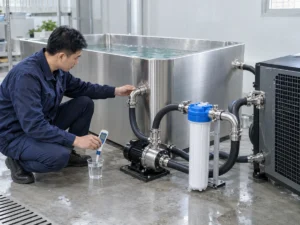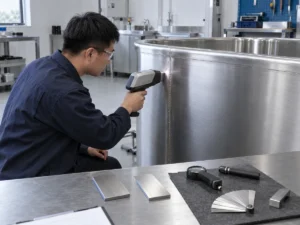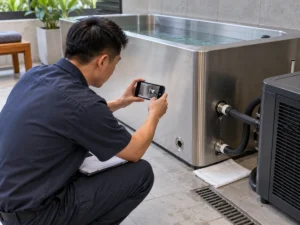
العناية بمياه حوض الغطس البارد · الترشيح · التعقيم · الصيانة
للحفاظ على نظافة مياه حوض الغطس البارد، استخدم ستة عناصر تحكم معًا: التدوير، والترشيح، والتعقيم المتوافق، واختبار المياه، والتنظيف الفيزيائي، واستبدال المياه حسب الحالة. يزيل الفلتر بعض الشوائب، لكنه لا يتحقق من التحكم الميكروبيولوجي، ولا ينظف الأسطح الملوثة، ولا يحل محل طريقة معالجة معتمدة للحوض ومكوناته الفعلية.
تعتمد الروتين الصحيح على حجم المياه المحتجزة، وعدد المستخدمين، ومسار المضخة والفلتر، وتوافق المعالجة، والظروف الداخلية أو الخارجية، وما إذا كان الحوض خاصًا أو مشتركًا تجاريًا. تأكد من مسار المياه الكامل قبل وضع جدول زمني، وحدد من المسؤول عن قرارات الاختبار والتنظيف والمواد الاستهلاكية والتصريف والصيانة وإيقاف الاستخدام. تعليمات الطراز وملصقات منتجات المعالجة والمتطلبات المحلية المعمول بها لها الأولوية.
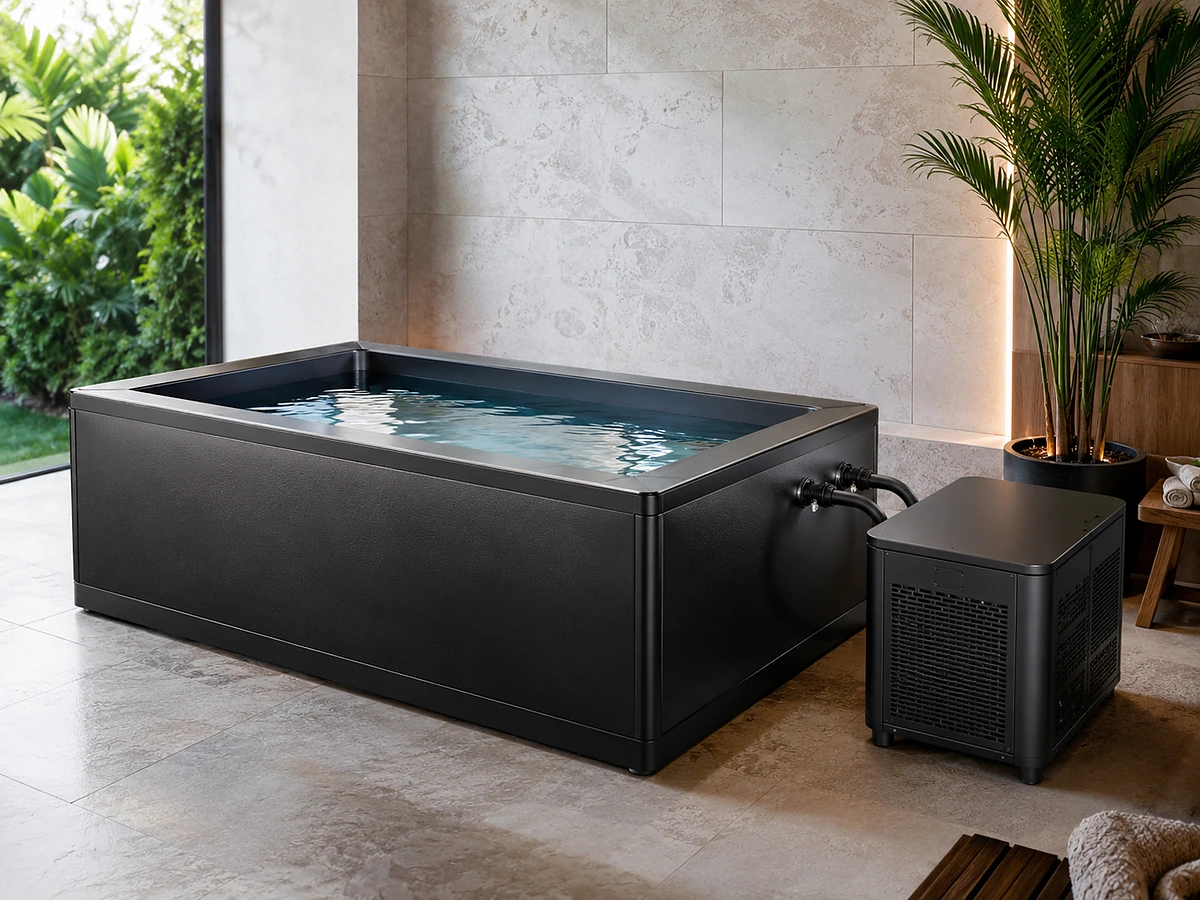
تصور مفاهيمي مولّد بالذكاء الاصطناعي؛ ليس نموذج HACHILL موثقًا أو تركيبًا لعميل أو مواصفة معالجة.
المياه النظيفة هي نتيجة تشغيلية، وليست افتراضًا بصريًا. يجب أن يحرك النظام المياه عبر مسار المعالجة المقصود، ويزيل الشوائب المختارة، ويتحكم في التلوث بطرق متوافقة، ويتحقق من الظروف، وينظف الأسطح، ويستبدل المياه عندما لا يمكن الحفاظ على التحكم.
- حدد ما إذا كان النظام يعمل بالثلج فقط، أو بمضخة وفلتر، أو بمبرد مدمج، أو تجاري مشترك.
- افصل إزالة الشوائب والتعقيم والاختبار والتنظيف الفيزيائي إلى مسؤوليات متميزة.
- استخدم الفحوصات المجدولة والمحفزات المبنية على الحالة بدلاً من الاعتماد على تقويم عام.
- أبقِ المستخدمين خارجًا كلما تعذر التحقق من جودة المياه أو التدفق أو التحكم في المعالجة أو حالة المعدات.
متى يناسب هذا الدليل ومتى لا يناسب
يناسب هذا الدليل
- أحواض الغطس البارد السكنية ذات المياه المحتجزة والمعاد استخدامها
- أنظمة المضخة والفلتر أو المبرد المدمج
- التخطيط التجاري قبل اعتماد إجراءات التشغيل القياسية النهائية
- المشترون الذين يقارنون الترشيح والتعقيم ووصول الخدمة والمواد الاستهلاكية
لا يحل هذا الدليل محل
- دليل العناية بالمياه الخاص بالطراز
- ملصق منتج المطهر أو المنظف
- إجراءات تشغيلية معيارية للاستجابة للتلوث في المنشآت التجارية
- مراجعة الكهرباء المحلية أو الصرف الصحي أو الصحة العامة
ما الذي يحافظ فعليًا على نظافة مياه حوض الغطس البارد؟
المياه النظيفة لحوض الغطس البارد لا تُنتج بواسطة مكوّن واحد. إنها نتيجة نظام مُتحكم فيه حيث يكون لكل طبقة وظيفة مختلفة.
على الشاشات الأصغر، مرّر أفقيًا لعرض الجدول الكامل.
| التحكم | الدور الرئيسي | ما لا يمكن أن يحل محله |
|---|---|---|
| الدوران | يحرّك المياه عبر مسار المعالجة | الترشيح أو التعقيم أو التنظيف |
| الترشيح | يلتقط الحطام العالق المحدد | مطهر متوافق أو تنظيف فيزيائي |
| التعقيم | يتحكم في المخاطر التي لا يزيلها الترشيح العادي | إزالة الحطام أو التنظيف السطحي |
| اختبار المياه | يتحقق من أن المعالجة المحددة ضمن حدود التشغيل الخاصة بها | المعالجة نفسها |
| التنظيف الفيزيائي | يزيل الرواسب والزيوت والطبقة اللزجة والملوثات من الأسطح التي يمكن الوصول إليها | التدوير المستمر أو التعقيم |
| استبدال المياه | يقلل التلوث المتراكم ويعيد ضبط النظام | الصيانة المستمرة بين عمليات التصريف |
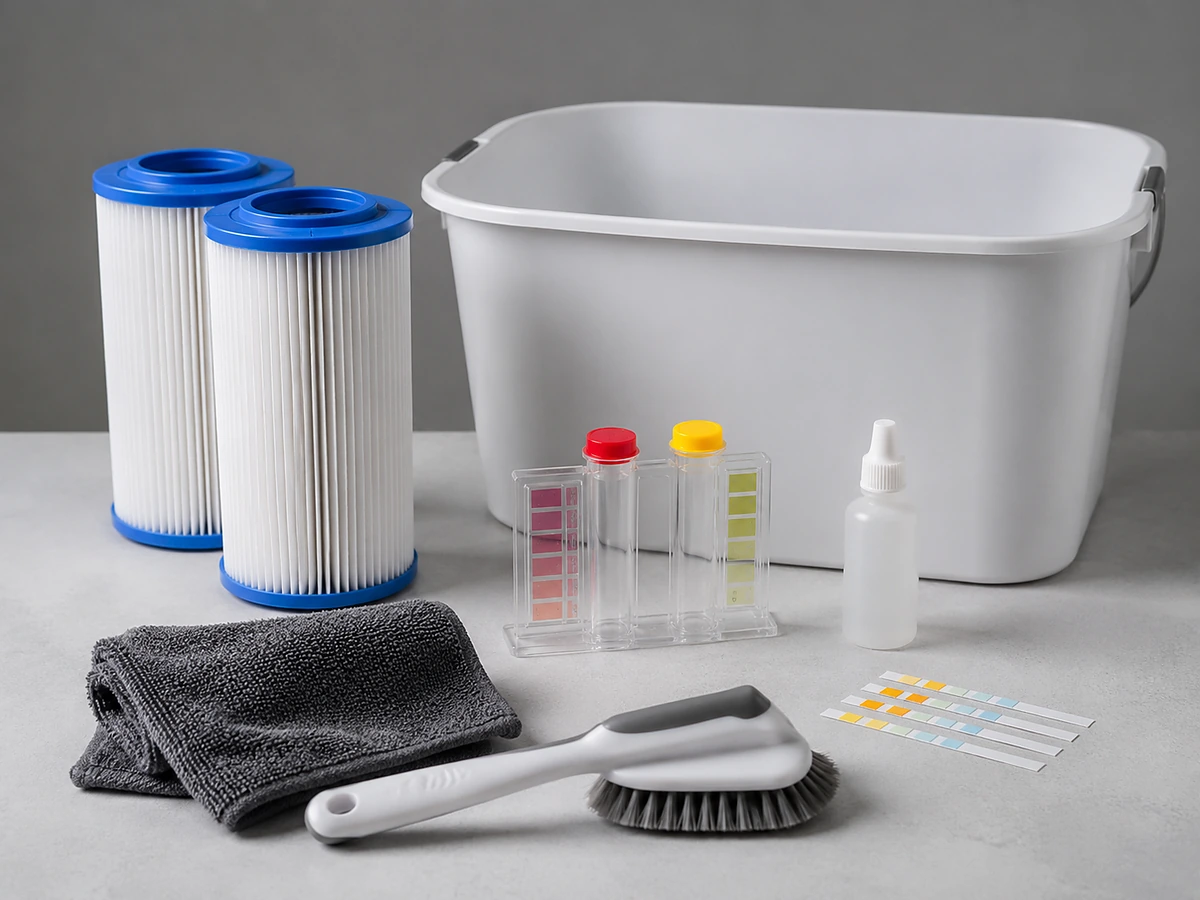
تصور مفاهيمي مولّد بالذكاء الاصطناعي؛ ليس نموذج HACHILL موثقًا أو تركيبًا لعميل أو مواصفة معالجة.
الترشيح يزيل الشوائب، وليس كل مخاطر جودة المياه
يمكن للمرشح الخرطوشي أو أي مرشح مؤكد آخر إزالة المواد العالقة المختارة من المياه التي تمر عبره. قد يشمل ذلك الشعر والوبر والأوراق وجزيئات الجلد وغيرها من الشوائب، اعتمادًا على تصميم المرشح وحالته.
القيد مهم: المرشح يعمل فقط على المياه التي تصل إليه، ويزيل فقط المواد ضمن نطاق الالتقاط المقصود. لا يتحكم تلقائيًا في الكائنات الحية الدقيقة أو الملوثات الذائبة أو الزيوت الجسمية أو التلوث الملتصق بالحوض وخط المياه والسباكة.
الخرطوشة ذات المظهر النظيف ليست دليلًا على سلامة المياه. الخرطوشة المحملة بشدة ليست أيضًا دليلًا على أن المرشح معيب؛ فقد تشير إلى ارتفاع حمولة المستخدمين، أو سوء النظافة قبل الدخول، أو حطام خارجي، أو عدم تطابق بين النظام وواجبه.
التعقيم يتحكم في المخاطر التي لا يراها المرشح
التعقيم هو جزء من خطة العناية بالمياه الذي يعالج المخاطر التي لا يمكن للترشيح العادي للشوائب إزالتها بشكل موثوق. يجب أن تكون الطريقة المختارة متوافقة مع الحوض، والأختام، والخراطيم، والمبادل الحراري، والمضخة، والمبرد، وأي مكونات أوزون أو أشعة فوق بنفسجية.
لا يمكن اختيار المنتج الصحيح أو الجرعة أو ظروف التلامس أو طريقة الاختبار من مقال عام. اتبع ملصق منتج المعالجة وتعليمات الشركة المصنعة للمعدات. يجب على المشغلين التجاريين أيضًا اتباع متطلبات الصحة العامة المعمول بها.
قد يتم توفير الأوزون أو الأشعة فوق البنفسجية كجزء من نظام المعالجة، ولكن لا ينبغي تفسير وجودها على أنه “لا حاجة للتعقيم أو الاختبار”. تعتمد وظيفتها على التصميم الدقيق والتدفق وظروف التشغيل ونطاق التحقق. تأكد مما إذا كانت مكونات تكميلية وما هو التحكم المتبقي، إن وجد، الذي يتطلبه النظام الكامل.
التنظيف واستبدال المياه يعيدان ضبط النظام
لا يزيل الدوران والمعالجة كل الرواسب من الأسطح التي يمكن الوصول إليها. يمكن أن تتراكم الزيوت ومستحضرات التجميل والمواد العضوية عند خط المياه، وحول التركيبات، وعلى الجانب السفلي من الغطاء، وداخل المكونات القابلة للخدمة.
يزيل التنظيف الفيزيائي هذه المادة قبل أن تصبح طبقة سطحية دائمة. يؤدي تصريف المياه وإعادة تعبئتها بناءً على الحالة إلى تقليل الحمل المتراكم للمياه ويتيح فرصة لفحص الحوض والفلتر والأختام والخراطيم والسباكة التي يمكن الوصول إليها.
لذا فإن استبدال المياه ليس بديلاً عن التنظيف. فتصريف المياه القذرة دون تنظيف الأسطح الملوثة قد يؤدي إلى تدهور سريع للمياه الجديدة.
حدد نظام حوض الغطس البارد الخاص بك قبل وضع روتين الصيانة
تبدأ خطة الصيانة المفيدة بتحديد مسار العناية بالمياه. راجع مسارات أحواض الغطس البارد قبل افتراض أن كل نظام يتضمن مضخة أو فلترًا أو مولّد أوزون أو وحدة أشعة فوق بنفسجية أو تحكمًا كيميائيًا تلقائيًا.
إذا كان السؤال المفتوح هو قرار الشراء التجاري الكامل وليس العناية بالمياه وحدها، فاستخدم دليل شراء أحواض الغطس البارد للشركات ومشتري المنتجات. تظل هذه الصفحة هي الجهة المسؤولة عن قرارات الترشيح والصرف الصحي والاختبار والتنظيف والصيانة وإيقاف الاستخدام.
لا تبنِ خطة الصيانة على مظهر الحوض وحده. المدخلات الحاسمة هي حجم المياه المحتفظ بها، وعدد المستخدمين، والجلسات اليومية، ومسار المضخة والفلتر، وطريقة التعقيم، وإمكانية الوصول إلى التصريف، وطرد الحرارة من المبرد، والتحكم في التكاثف، وتقسيم مسؤولية التشغيل بين المورد والمركّب والمشغل.
على الشاشات الأصغر، مرّر أفقيًا لعرض الجدول الكامل.
| مسار النظام | التدوير والترشيح | التعقيم | عبء الصيانة | القيود الرئيسية |
|---|---|---|---|---|
| حوض للثلج فقط أو يُفرَّغ بعد الاستخدام | لا شيء أو الحد الأدنى | يعتمد على إجراءات التعبئة والتفريغ | تفريغ وتنظيف يدوي متكرر | غير مصمم لإعادة استخدام المياه المشتركة لفترات طويلة |
| حوض سكني بمضخة وفلتر | دوران نشط وفلتر مؤكد | قد تكون هناك حاجة إلى طريقة متوافقة منفصلة | خدمة الفلتر والاختبار والتنظيف والاستبدال الدوري للمياه | الفلتر لا يكمل خطة العناية بالمياه |
| نظام مبرد مدمج | قد تشمل حلقة المبرد مضخة وفلتر ومكونات معالجة اختيارية | يجب التأكد من قائمة المواد الدقيقة والدليل | العناية بالمياه بالإضافة إلى تدفق الهواء والتكثيف وخدمة المكونات | “المدمج” لا يثبت أن كل وظيفة للعناية بالمياه متضمنة |
| نظام تجاري للاستخدام المشترك | مسار دوران ومعالجة مُصمم هندسيًا | يُحدد حسب تصميم النظام والمتطلبات المحلية | مرتفع: اختبار، سجلات، موظفون، تنظيف، مواد استهلاكية وتصعيد | قد لا تكون الافتراضات السكنية مناسبة |
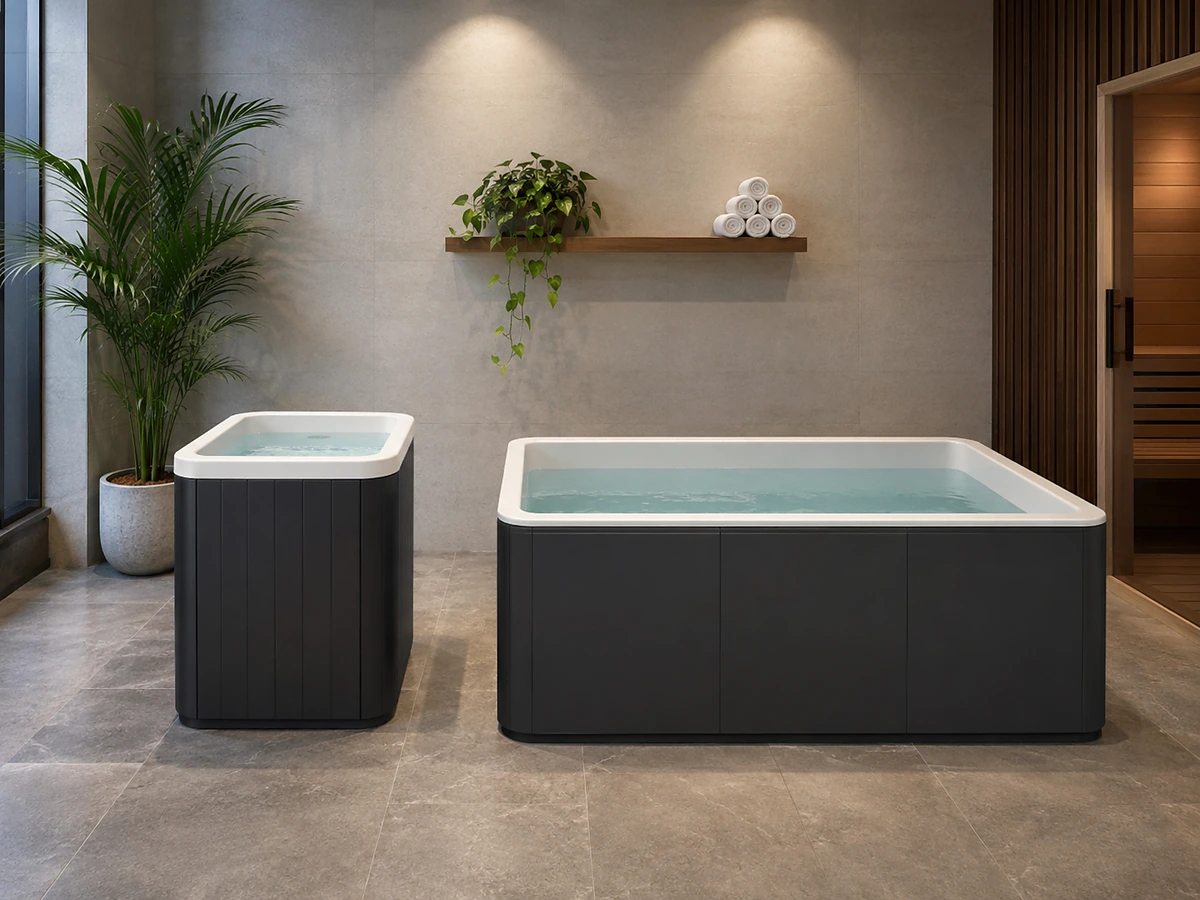
تصور مفاهيمي مولّد بالذكاء الاصطناعي؛ ليس نموذج HACHILL موثقًا أو تركيبًا لعميل أو مواصفة معالجة.
أحواض تعمل بالثلج فقط أو تُفرغ بعد الاستخدام
قد يتجنب الحوض البسيط المملوء بماء الصنبور والثلج نظام دوران معقدًا، لكنه لا يصبح خاليًا من الصيانة. لا يزال الحوض يحتاج إلى مسار تصريف آمن، وتنظيفًا فيزيائيًا، وتجفيفًا، وحماية من التلوث الخارجي.
عند الاحتفاظ بالماء بين الجلسات، يتغير ملف المخاطر. يجب على المستخدم أن يقرر ما إذا كان الحوض وطريقة التشغيل مخصصين لإعادة الاستخدام، وما مسار المعالجة الذي يدعم إعادة الاستخدام.
لا تضف مضخة أو مادة كيميائية أو مرشحًا مرتجلًا أو جهازًا كهربائيًا محمولًا بالقرب من الماء دون تأكيد التوافق والسلامة الكهربائية.
أنظمة سكنية بمضخة ومرشح
يمكن لمسار المضخة والفلتر أن يقلل من الحطام المرئي ويحسن حركة المياه. ويعتمد أداؤه على التدفق الفعلي عبر الفلتر، وحالة الخرطوشة، وموضع المدخل والمخرج، ومسار الخراطيم، وكمية التلوث الداخل إلى الماء.
لا يزال المالك بحاجة إلى خطة معالجة واختبار متوافقة مع المنتج. “المياه المفلترة” و“المياه المعقمة” ليسا مصطلحين قابلين للتبادل.
أنظمة التبريد والعناية بالمياه المدمجة
بالنسبة لأنظمة التبريد المدمجة، تأكد من المضخة والفلتر ومكونات المعالجة ومسار التدفق والتهوية والتحكم في التكثيف ومتطلبات الخدمة الدقيقة من وثائق الطراز المحدد. لا تستنتج تكوين العناية بالمياه الكامل من ملصق المبرد أو صورة المنتج.
لمطابقة دقيقة بين الحوض والمبرد من حيث الحرارة والهيدروليكا وأدوات التحكم وواجهة الموقع، تابع إلى دليل مطابقة حوض الغطس البارد ومبرد المياه. لا يحمل دليل العناية بالمياه هذا سوى الآثار الصيانوية للدورة المركّبة.
قد يجمع حوض الغطس البارد المدمج بين التبريد والدوران ومكونات معالجة محددة. ومع ذلك، فإن كلمة “مدمج” ليست مواصفة.
قبل الشراء أو التشغيل، تأكد من:
- حجم الماء القابل للاستخدام
- المضخة ومسار الدوران
- نوع الفلتر وإمكانية الوصول للصيانة
- ما إذا كان الأوزون أو الأشعة فوق البنفسجية أو مكون معالجة آخر مشمولًا
- منتجات العناية بالمياه المتوافقة
- وصول للتصريف والتنظيف
- متطلبات تهوية المبرد وطرد الحرارة
- إدارة التكاثف
- توفر الفلاتر البديلة وقطع الغيار
تصنيف قوة حصان المبرد لا يثبت معدل الترشيح أو قدرة التعقيم أو أداء التبريد أو الجودة التجارية للنظام الكامل.
أنظمة الاستخدام المشترك التجارية
يتطلب حوض الغطس المشترك في صالة الألعاب الرياضية أو مركز الاستشفاء أو الفندق أو المنتجع أكثر من قائمة تنظيف سكنية. لسياق التشغيل الخاص بالمشروع، راجع أنظمة الغطس البارد لمراكز الاستشفاء الرياضي. يزيد تناوب المستخدمين من الحمل الناتج عن العرق ومستحضرات التجميل وجزيئات الجلد والأوساخ وتلوث الأرضية المحيطة.
يجب أن يحدد المشروع ساعات التشغيل والمستخدمين المتوقعين والنظافة قبل الدخول والمعالجة والاختبار وسجلات الصيانة وخدمة الفلتر وتكرار التنظيف واستبدال المياه وتدريب الموظفين والتعامل مع المواد الكيميائية وإجراءات إيقاف الاستخدام.
يجب مراجعة الخطة النهائية مقابل النظام المحدد والمتطلبات المحلية المعمول بها. المنتج المقبول للاستخدام الخاص منخفض التردد ليس مناسبًا تلقائيًا للاستخدام التجاري المشترك.
الدوران والترشيح: حافظ على حركة المياه عبر نظام المعالجة
تقوم الدورة بنقل المياه من الحوض عبر الفلتر ومكونات المعالجة الأخرى المؤكدة، ثم تعيدها إلى الحوض. إذا انخفض التدفق، فقد يحصل كل مكون في اتجاه مجرى النهر على كمية مياه أقل من المطلوب.
ما يفعله مضخة الدوران
يجب أن توفر المضخة التدفق المطلوب للنظام المحدد دون تجاوز حدود التشغيل للفلتر أو المبرد أو الخراطيم أو التركيبات. يعتمد الأداء الفعلي على قطر الأنبوب أو الخرطوم، والارتفاع، والتركيبات، وقيود الفلتر، والمسار الهيدروليكي الكامل.
لا تستنتج الدوران الفعلي من قوة المضخة أو قوة حصان المبرد أو صورة تسويقية. اطلب متطلب التدفق المؤكد وتخطيط التوصيل المعتمد للتكوين المحدد.
ما يمكن لفلتر الخرطوشة إزالته وما لا يمكنه إزالته
يلتقط فلتر الخرطوشة الحطام أثناء مرور المياه عبر وسطه. يعتمد أداؤه الفعلي على الوسط ومساحة السطح والحالة والتدفق المركب.
لا تنشر أو تعتمد على تصنيف ميكرون ما لم يتم توثيقه للخرطوشة المحددة. حتى الخرطوشة عالية الجودة لا تحل محل التعقيم أو الاختبار أو تنظيف الأسطح.
بالنسبة للمشتري، الأسئلة العملية هي:
- ما هو الفلتر المضمن؟
- هل المواصفة موثقة؟
- هل يمكن إزالتها دون تفكيك النظام بالكامل؟
- هل البديل متوفر محليًا؟
- ما الحالة التي تستدعي التنظيف أو الاستبدال؟
- كيف يتم تحديد تدفق المياه المقيد؟
علامات تراجع التدفق أو الترشيح
العلامات المحتملة تشمل:
- تدفق عائد أضعف
- دورات تبريد أو معالجة أطول
- حطام أكثر وضوحًا
- تغيرات متكررة في صوت المضخة
- خرطوشة محملة بشكل مرئي
- دخول الهواء إلى مسار المياه
- انسداد متكرر للفلتر
- إنذار النظام، إذا كان متوفرًا
لا تثبت هذه الأعراض سببًا واحدًا. قد يكون الفلتر محملًا، ولكن المشكلة قد تشمل أيضًا مدخلًا مسدودًا، أو قفلًا هوائيًا، أو خرطومًا ملتويًا، أو صمامًا مغلقًا، أو توصيلة غير مناسبة، أو مشكلة في المضخة.
اتبع تسلسل الفحص المعتمد. لا تشغل المضخة وهي جافة ولا تفتح المكونات المضغوطة دون اتباع تعليمات المعدات.
التنظيف مقابل استبدال الفلتر
قد يؤدي التنظيف إلى استعادة التدفق عندما تكون الوسائط قابلة للخدمة وتسمح الشركة المصنعة بالتنظيف. يكون الاستبدال ضروريًا عندما تكون الخرطوشة تالفة أو مشوهة أو محملة بشكل دائم أو وصلت إلى حد الخدمة المعتمد.
التقويم العام غير موثوق لأن عمر الفلتر يتغير مع:
- الحمولة القصوى للمستخدم
- النظافة قبل الدخول
- التركيب الداخلي أو الخارجي
- استخدام الغطاء
- حجم المياه
- كيمياء المعالجة
- ظروف التدفق
- طريقة التنظيف
- مواصفات الوسائط
سجّل الحالة وإجراء الصيانة بدلاً من الاعتماد على الوقت المنقضي فقط.
التعقيم واختبار المياه: تحكم في ما لا يمكن للترشيح إزالته
يجب التعامل مع الترشيح والتعقيم والاختبار كمهام منفصلة.
لماذا لا يغني الترشيح عن التعقيم
يمكن للمرشّح أن يقلل الحمل الفيزيائي الذي يستهلك سعة المعالجة، لكنه لا يتحكم بشكل موثوق في كل مخاطر جودة المياه. تحتاج أماكن المياه الباردة العامة إلى برنامج منسّق لجودة المياه بدلاً من نهج قائم على الترشيح وحده. للسياق الحالي للصحة العامة في الولايات المتحدة، صفحة أدوات قانون الصحة المائية النموذجي الصادرة عن CDC ترتبط الآن بإرشادات مخصصة لأماكن المياه الباردة تغطي الدورة والترشيح والتطهير والاختبار والتنظيف والصيانة والتفتيش. ولا تُعد هذه الإرشادات بديلاً عن تعليمات المعدات المختارة أو عن الجهة صاحبة الاختصاص.
بالنسبة لحوض الغطس البارد، يجب تأكيد مسار المعالجة الصحيح للمنتج المحدد. لا تنسخ برنامج المعالجة الكيميائية الخاص بحوض الاستحمام الساخن أو حمام السباحة إذا كانت مواد الحوض أو درجة الحرارة أو حجم الماء أو مكونات المعالجة مختلفة.
اختبر الماء بدلاً من الحكم عليه من المظهر
قد يكون الماء الصافي خارج حدود المعالجة المحددة. قد يشير الماء العكر إلى مشاكل في الترشيح أو التدوير أو المعالجة أو التلوث، لكن المظهر البصري وحده لا يمكنه تحديد السبب.
استخدم طريقة الاختبار التي يتطلبها نظام التطهير المختار. وبالنسبة لأماكن المياه الباردة العامة، تشير إرشادات CMAHC الحالية إلى أن بعض طرق الاختبار القياسية قد تتأثر بانخفاض درجة حرارة العينة؛ استخدم معدات مخصصة لظروف التشغيل أو اتبع إجراء تكييف العينة المعتمد بدلاً من ارتجال تصحيح.
تحقق من أن:
- مجموعة الاختبار أو الجهاز متوافق مع طريقة المعالجة
- الكواشف أو المستشعرات في حالة صالحة للاستخدام
- يتم أخذ العينات بشكل ثابت
- يتم تسجيل النتائج للتشغيل التجاري
- يتم تحديد الإجراءات التصحيحية
- يُمنع المستخدمون من الدخول عندما يكون النظام خارج نطاق التشغيل المعتمد
لا تتجاوز حدود ملصق منتج المعالجة أو حدود المعدات في محاولة لتصحيح المشكلة بسرعة.
ما يمكن أن يفعله الأوزون والأشعة فوق البنفسجية وما لا يمكن أن يفعلاه
تعمل أنظمة الأوزون والأشعة فوق البنفسجية ضمن مسار معالجة مصمم. وتعتمد فعاليتها على التدفق، وظروف التلامس أو التعرض، وحالة المكونات، والتركيب.
إنها لا تنظف خط الماء فيزيائيًا، ولا تزيل جميع الحطام العالق، ولا تثبت أن كل جزء من الحوض قد تمت معالجته. كما أن وجودها لا يلغي الحاجة إلى فحص النظام بأكمله وتنظيفه واختباره وصيانته.
قبل عرض السعر، اطلب:
- مكون الأوزون أو الأشعة فوق البنفسجية المحدد
- دوره في نظام المعالجة الكامل
- ظروف التدفق والتشغيل المطلوبة
- متطلبات استبدال الأجزاء أو خدمة المصباح
- إشارة الإنذار أو الفشل، حيثما ينطبق ذلك
- متطلبات التهوية أو التركيب
- خطة المعالجة المتبقية أو الاختبار
اتبع ملصق المطهر ودليل المعدات
تخضع منتجات المعالجة لأنظمة أو ضوابط مختلفة حسب السوق. استخدم فقط المنتجات المسموح بها للتطبيق المقصود والمتوافقة مع المعدات. في الولايات المتحدة، اتبع ملصق المنتج المعتمد لمنتجات مضادات الميكروبات الخاضعة للتنظيم؛ إرشادات ملصق المبيدات الصادرة عن وكالة حماية البيئة الأمريكية (U.S. EPA) هي نقطة البداية المرجعية للتسمية ذات الصلة.
يجب أن يحدد الملصق والدليل ما يلي:
- أين يمكن استخدام المنتج
- الجرعة والتحضير
- الاختبار المطلوب
- شروط الاتصال
- المناولة والتخزين
- شروط وصول المستخدمين
- الإجراء التصحيحي
- توافق المواد
إذا تعارضت ملصقات المنتج أو دليل المعدات أو المتطلبات المحلية، فتوقف واحصل على توضيح من الجهة المصنعة المسؤولة أو أخصائي المعالجة أو السلطة المحلية.
قلل التلوث قبل دخوله إلى الماء
أسهل تلوث يمكن إدارته هو التلوث الذي لا يدخل الحوض أبدًا.
نظافة ما قبل الدخول
يمكن أن يقلل الاستحمام قبل الدخول من العرق ومستحضرات التجميل والزيوت والأوساخ المرئية التي تدخل الماء. بالنسبة للمكان التجاري، يجب أن يجعل التصميم إجراءات النظافة المتوقعة عملية بدلاً من الاعتماد فقط على لافتة.
يجب أن تتناول سياسة التشغيل أيضًا ملابس السباحة النظيفة والأحذية ومخاوف التلوث الواضحة. يجب على الموظفين اتباع إجراءات الصحة العامة وسلامة المستخدم المحددة في المنشأة بدلاً من إجراء تشخيصات طبية.
التحكم في الزيوت والأوساخ والحطام الخارجي
يمكن أن تسبب زيوت الجسم والمستحضرات ومستحضرات التجميل رواسب سطحية ورغوة وعبئًا على الفلتر. كما تتلقى التركيبات الخارجية أوراق الشجر والغبار والحشرات والتربة.
قد تشمل إجراءات التحكم ما يلي:
- مسار دخول نظيف
- مرافق غسل القدمين أو الاستحمام حيثما كان ذلك مناسبًا
- غطاء متوافق
- خطوات ودرابزين نظيفان
- عدم تناول الطعام أو الشراب بالقرب من الماء
- إزالة منتظمة للحطام المرئي
- الفصل عن أعمال تنسيق الحدائق أو غبار البناء
تعمل هذه الأدوات على تقليل الحمل على النظام ولكنها لا تغني عن التعقيم.
حافظ على نظافة الغطاء والدرجات والأرضية المحيطة
يمكن أن يعيد الجزء السفلي من الغطاء والدرجات وأرضية المنطقة الرطبة التلوث إلى الماء أو يزيد من خطر الانزلاق. قم بتضمينها في خطة التنظيف.
بالنسبة للأنظمة الداخلية، يؤثر التكاثف والتهوية أيضاً على البيئة المحيطة. تحقق من الصرف وميول الأرضية وإدارة الرطوبة وخلوص الصيانة وطرد حرارة مبرد المياه أثناء تخطيط المشروع. إذا كانت المشكلة المفتوحة هي تحديد مصدر الرطوبة أو التحكم في نقطة الندى بدلاً من صحة المياه، فاستخدم دليل استكشاف أعطال التكاثف في حوض الغطس البارد بدلاً من توسيع تلك المهمة التشخيصية المنفصلة هنا.
ابنِ روتين صيانة لحوض الغطس البارد يعتمد على الحالة
الروتين الجيد يستخدم كلاً من الفحوصات المجدولة والمحفزات المبنية على الحالة. الإطار التالي ليس جدولًا زمنيًا عامًا.
على الشاشات الأصغر، مرّر أفقيًا لعرض الجدول الكامل.
| نقطة الفحص | اعتبار سكني | اعتبار تجاري | محفز للتدخل |
|---|---|---|---|
| مظهر الماء ورائحته | افحص قبل الاستخدام | افحص قبل الفتح وأثناء التشغيل حسب الحاجة | عكارة أو رائحة غير عادية أو تغير في اللون أو رغوة |
| حالة السطح | افحص خط الماء والدرجات والغطاء | تضمين فحوصات تنظيف موثقة | رواسب زلقة أو لزجة |
| الدوران | تأكد من تدفق الإرجاع | تأكد من حالة النظام وسجل الاستثناءات | تدفق ضعيف أو هواء أو ضوضاء أو إنذار |
| الفلتر | افحص الحالة والتدفق | تتبع الصيانة والاستبدال | انسداد مستمر أو وسائط تالفة |
| اختبار المياه | اتبع تعليمات المعالجة المحددة | تكرار محدد وسجلات وإجراء تصحيحي | نتيجة خارج حدود التشغيل المعتمدة |
| بيئة المبرد | تحقق من تدفق الهواء والتكاثف | شمل مسافة الخدمة وظروف الغرفة | تهوية مقيدة أو تسرب أو ارتفاع في الحرارة |
| استبدال المياه | وفقًا للحالة وتعليمات النظام | وفقًا للحمل وجودة المياه وخطة التشغيل | تلوث متكرر أو فقدان السيطرة أو إعادة ضبط مجدولة |
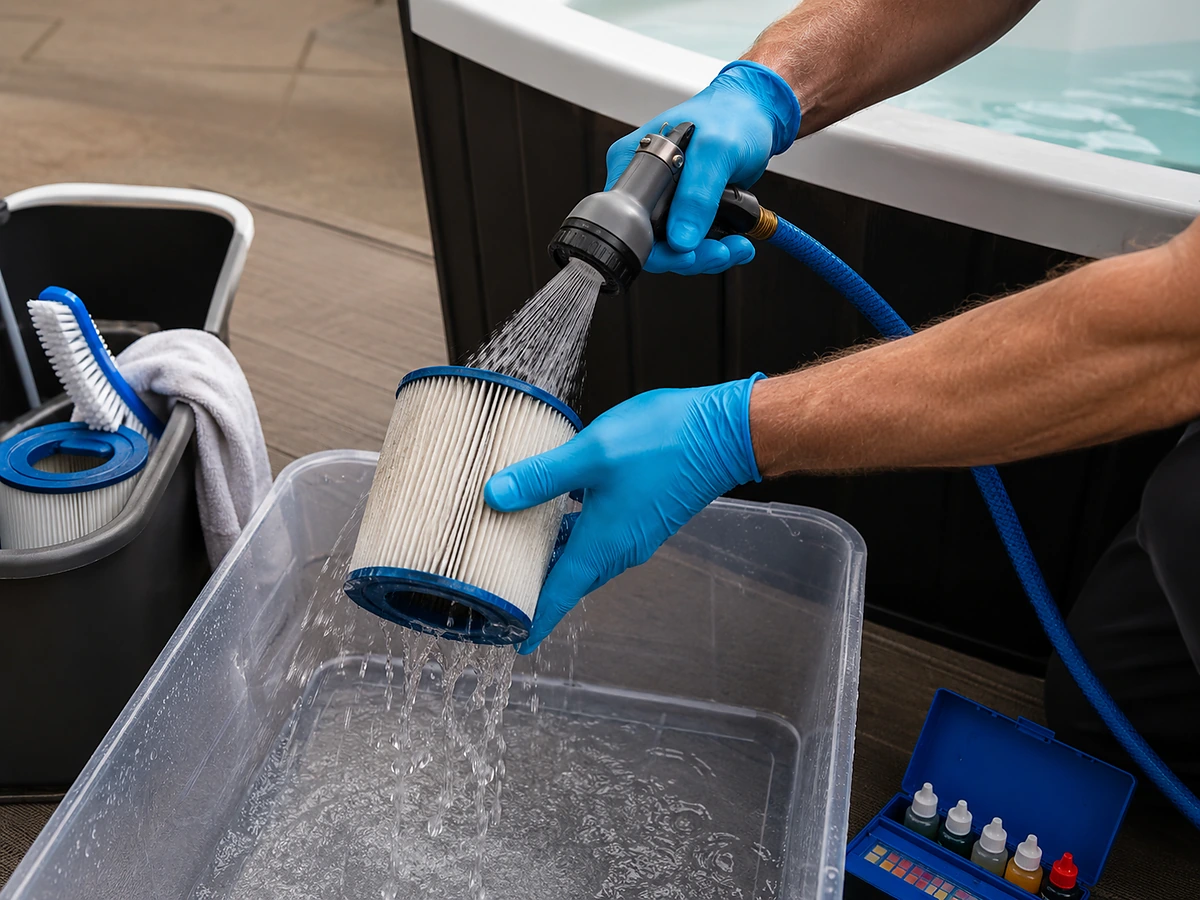
تصور مفاهيمي مولّد بالذكاء الاصطناعي؛ ليس نموذج HACHILL موثقًا أو تركيبًا لعميل أو مواصفة معالجة.
قبل كل استخدام
التحقق:
- مظهر المياه
- رائحة غير عادية
- حالة السطح
- حطام مرئي
- حالة الغطاء
- الدوران الطبيعي
- التسريبات
- تدفق هواء المبرد
- الوصول الآمن والأرضية المحيطة
- نتيجة اختبار المياه المطلوبة
لا تستخدم حوض الغطس عندما يكون نظام معالجة المياه خارج نطاق التشغيل المعتمد أو عندما لا يمكن تفسير التلوث وتصحيحه بأمان.
بعد الاستخدام أو في نهاية يوم التشغيل
أزل الحطام المرئي وافحص خط الماء والغطاء والأرضية المحيطة. تأكد من ترك النظام في حالة التشغيل أو الإيقاف المعتمدة.
يجب على المشغل التجاري أيضًا إكمال سجل معالجة المياه والصيانة المطلوب، بما في ذلك الأحداث غير الطبيعية والإجراءات التصحيحية.
الفحص الدوري للمكونات
يجب أن تتضمن خطة الفحص ما يلي:
- وسائط الترشيح
- المضخة وتدفق الإرجاع
- الخراطيم والوصلات والأختام
- مدخل ومخرج هواء المبرد
- مسار التكاثف
- مكونات الأوزون أو الأشعة فوق البنفسجية، عند توفيرها
- أجهزة الاستشعار أو مغذيات المعالجة، عند توفيرها
- وصول للتصريف والتنظيف
- الحالة الكهربائية والفصل عن المنطقة الرطبة
يجب على الموظفين المدربين أو المصرح لهم فقط فتح أو إصلاح أو تعديل المكونات بما يتجاوز الصيانة الروتينية للمستخدم.
التصريف وإعادة التعبئة حسب الحالة
لا تختار فترة التصريف بناءً على عمر الماء فقط. ضع في الاعتبار:
- الحمولة القصوى للمستخدم
- حجم المياه
- استقرار المعالجة
- تحميل الفلتر
- التغيرات المرئية أو الحسية
- الرواسب السطحية
- سجل الإجراءات التصحيحية
- تعليمات الشركة المصنعة
- المتطلبات التجارية
صرف الماء فورًا عندما تتطلب إجراءات الاستجابة للتلوث ذلك، أو عندما لا يمكن إعادة النظام إلى حدوده المعتمدة، أو عندما تتطلب تعليمات المعدات ذلك.
استخدم قرار صيانة من ثلاثة مستويات
روتين عملي يفصل بين الفحوصات التشغيلية العادية، والصيانة التصحيحية، وحالات إيقاف الاستخدام. وهذا يمنع الموظفين من التعامل مع كل مشكلة على أنها مجرد مهمة تنظيف فلتر.
على الشاشات الأصغر، مرّر أفقيًا لعرض الجدول الكامل.
| المستوى | المحفز النموذجي | الإجراء المتوقع | من يجب أن يوافق على العودة إلى الاستخدام |
|---|---|---|---|
| فحص روتيني | مظهر طبيعي، وتدفق طبيعي، ومعالجة ضمن الحدود المعتمدة | افحص، واختبر، وسجل، واستمر في التشغيل وفقًا لتعليمات النظام | المالك أو المشغل المعين |
| الصيانة التصحيحية | فلتر محمّل، رواسب مبكرة، انخفاض طفيف في التدفق أو نتيجة مياه تحتاج إلى تعديل | أزل المستخدمين إذا لزم الأمر، وافحص السبب، واخدم المكونات التي يمكن الوصول إليها وأعد الاختبار | مشغّل مدرب أو شخص خدمة معرّف في خطة التشغيل |
| أوقف الاستخدام وارفع المستوى | معالجة غير مضبوطة، نقاء ضعيف، طبقة لزجة، تلوث معروف، تسرب أو عطل في المعدات | أغلق حوض الغطس، واعزل المعدات حسب الحاجة، وصرف/نظف أو اتصل بالدعم المؤهل | الشخص المسؤول المصرح له بعد اكتمال الأدلة التصحيحية |
كيفية تصريف وتنظيف وإعادة ملء حوض الغطس البارد
يجب أن يتبع الإجراء الدقيق دليل المنتج المحدد وتعليمات المعالجة. التسلسل التالي هو إطار تخطيطي.
1. أوقف الاستخدام وجهّز المعدات
أبقِ المستخدمين خارج حوض الغطس. أوقف تشغيل المعدات الكهربائية ومعدات المعالجة أو اعزلها وفقًا للإجراء المعتمد.
لا تتعامل أبدًا مع المعدات الكهربائية أو المقابس أو وصلات التمديد بأيدٍ مبللة أو أثناء الوقوف في الماء. يجب أن يتوافق التركيب الكهربائي والعزل مع متطلبات المناطق الرطبة المحلية.
2. تأكيد مسار التصريف
وجّه مياه الصرف إلى موقع معتمد. لا تصرف المياه المعالجة أو مياه التنظيف أو مياه شطف الخرطوشة في مكان قد يسبب إزعاجًا أو يضر بالمناظر الطبيعية أو يدخل في مسار غير مناسب لمياه الأمطار أو يخالف المتطلبات المحلية.
تأكد مما إذا كانت المعادلة أو خطوة أخرى للتخلص مطلوبة لكيمياء المعالجة المختارة.
3. إزالة الفلتر وصيانته
أزل الخرطوشة أو الوسائط فقط وفقًا للتعليمات. افحصها بحثًا عن التحميل والتلف والتشوه والرواسب.
نظفها أو استبدلها باستخدام الطريقة المسموح بها. لا تستخدم منظفًا غير متوافق قد يتلف الوسائط أو يعيد بقايا غير مرغوب فيها إلى النظام.
4. تنظيف الحوض وخط الماء
استخدم منظفًا معتمدًا لمادة الحوض ونظام العناية بالمياه. نظف السطح الداخلي وخط الماء والدرجات ومناطق ملامسة اليدين والجانب السفلي من الغطاء.
تجنب الأدوات الكاشطة أو المواد الكيميائية إلا إذا كان مسموحًا بها تحديدًا. مادة الحوض وحدها لا تثبت التوافق مع كل معقم أو منتج تنظيف.
عندما يصبح توافق المنظف أو المطهر أو التعرض مسألة اختيار مواد، استخدم مقارنة مواد أحواض الغطس البارد للمشترين بدلاً من توسيع قواعد اختيار المواد داخل دليل الصيانة هذا.
5. تنظيف المكونات التي يمكن الوصول إليها والمعتمدة
نظف فقط السباكة أو المصافي أو التركيبات أو مكونات المعالجة المحددة على أنها قابلة للصيانة من قبل المستخدم. لا تفكك المبرد أو المضخة أو معدات المعالجة المختومة أو التجميعات الكهربائية دون إذن.
عندما تكون إجراءات تنظيف الخطوط مطلوبة، استخدم المنتج والتسلسل المحددين للنظام بالضبط.
6. الشطف والفحص وإعادة التعبئة
اشطف حسب الحاجة، ثم افحص:
- أسطح الحوض
- الأختام والتركيبات
- المدخل والمخرج
- الخراطيم
- غلاف الفلتر
- إغلاق التصريف
- تآكل أو تلف ظاهر
- المنطقة الرطبة المحيطة
أعد التعبئة بمصدر المياه المعتمد وإلى مستوى التشغيل الصحيح.
7. إعادة التشغيل، التدوير، المعالجة والتحقق
أعد تشغيل التدوير والمبرد وفقًا للدليل. أزل الهواء من النظام فقط باستخدام الإجراء المعتمد.
طبق طريقة التعقيم المتوافقة، واسمح بعملية المعالجة والتدوير المطلوبة، ثم اختبر الماء قبل الاستخدام. تأكد من التدفق الطبيعي، وعدم وجود تسرب، واستقرار تشغيل المعدات.
استكشاف أخطاء المياه العكرة، ذات الرائحة، الرغوية أو الزلقة وإصلاحها
تساعد الأعراض في تحديد مكان الفحص، لكنها لا تؤكد وجود كائن حي دقيق محدد أو سبب كيميائي.
على الشاشات الأصغر، مرّر أفقيًا لعرض الجدول الكامل.
| العرض | الأسباب المحتملة | فحوصات السلامة أولاً | حدود إيقاف الاستخدام |
|---|---|---|---|
| مياه عكرة | حمولة شوائب عالية، ترشيح ضعيف، اختلال في المعالجة، تلوث | تحقق من التدفق والفلتر ونتيجة الاختبار وحمل المستخدمين الأخير | أبقِ المستخدمين خارجًا عندما لا يمكن استعادة الصفاء أو المعالجة |
| رائحة غير عادية | مشكلة في المعالجة، حمولة عضوية، مناطق راكدة أو أسطح ملوثة | اختبر المياه، وافحص خط الماء، وراجع التدوير | أوقف الاستخدام عندما يكون السبب غير معروف أو توجد حالات مهيجة |
| رغوة مستمرة | بقايا مستحضرات التجميل أو الزيوت أو المنظفات أو تراكم المياه | مراجعة النظافة قبل الدخول ومنتجات التنظيف وحالة المياه | التصريف عندما لا يستعيد الإجراء التصحيحي السيطرة |
| سطح زلق أو لزج | تلوث السطح أو احتمال وجود غشاء حيوي | إيقاف الاستخدام وفحص الأسطح المكشوفة والنظام | التصريف والتنظيف واتباع إجراء الاستجابة المعتمد |
| تغير اللون | مياه المصدر أو التآكل أو تفاعل المعالجة أو التلوث | فحص مياه المصدر والمواد والمعالجة والأضرار المرئية | أوقف التشغيل عند الاشتباه في التآكل أو التلوث غير المعروف أو فشل المواد |
| تدفق ضعيف | فلتر محمّل، انسداد، هواء، مشكلة في الصمام أو الخرطوم أو المضخة | اتبع إجراءات التدفق وفحص الفلتر المعتمدة | أوقف التشغيل عندما قد تعمل المضخة بدون ماء أو قد تتلف المكونات |
| تلوث متكرر سريع | تنظيف غير كامل، حمولة مستخدمين عالية، نظافة سيئة أو تشغيل غير مناسب للنظام | راجع خطة التشغيل والصيانة الكاملة | ارفع الأمر قبل إعادة الفتح في حالة الأحداث المتكررة غير المحلولة |
- أبقِ المستخدمين خارجًا عندما تكون الحالة أو حالة العلاج غير مؤكدة.
- تحقق من الدورة الدموية، وحالة الفلتر، ونتيجة اختبار المياه، وحمل التلوث الأخير.
- نفذ فقط الإجراءات التصحيحية المسموح بها وفقًا لتعليمات المعدات والعلاج.
- قم بتصريف المياه وتنظيف الحوض وإعادة تعبئته عندما لا يمكن استعادة السيطرة أو عندما تتطلب إجراءات الاستجابة ذلك.
- اتصل بالمورد المسؤول أو المثبت أو أخصائي معالجة المياه أو السلطة المحلية عندما تتجاوز المشكلة صيانة المشغل الروتينية.
مياه عكرة
لا تضف منتجات معالجة بشكل أعمى. أولاً، تحقق من الدورة الدموية، وحالة الفلتر، ونتائج اختبار المعالجة، وحمل المستخدمين، وما إذا كان الحوض وخط المياه قد تم تنظيفهما فعليًا.
إذا لم يتمكن النظام من استعادة الوضوح المقبول والتحكم في المعالجة، فاحتفظ به مغلقًا وقم بتصريف المياه أو تصعيد الأمر وفقًا لإجراءات التشغيل.
رائحة غير عادية أو رغوة
الرائحة لا توفر مقياسًا موثوقًا لقوة المطهر. قد تأتي الرغوة من منتجات الجسم، أو بقايا المنظفات، أو الحمل العضوي، أو ظروف المعالجة.
راجع ما دخل إلى الماء، وكيف تم تنظيف الحوض، وما إذا كانت المياه الموجودة قد تراكمت عليها حمولة عالية. قد يتطلب الإجراء التصحيحي التنظيف والاستبدال بدلاً من إضافة المزيد من المواد الكيميائية.
الأسطح الزلقة واحتمال وجود غشاء حيوي
يتطلب السطح الزلق أو اللزج إزالة فيزيائية وتحقيقًا في السبب. لا تزيل الترشيح ومعالجة المياه وحدها بشكل موثوق الرواسب الملتصقة بالأسطح والأنابيب.
أبقِ المستخدمين خارجًا، واتبع إجراء التصريف والتنظيف المعتمد، وافحص مكونات التدوير التي يمكن الوصول إليها. يجب على المشغلين التجاريين اتباع خطة الاستجابة للتعامل مع التلوث وخطة التصعيد الخاصة بهم.
ضعف التدفق أو انسداد الفلتر المتكرر
قد يشير الانسداد المتكرر إلى وجود حطام زائد، أو سعة فلتر غير مناسبة، أو سوء نظافة الوصول، أو مشكلة هيدروليكية. لا تستبدل الخراطيش ببساطة دون التحقيق في سبب حدوث التحميل.
بالنسبة للمشتريات، قد يُظهر التحميل العالي المتكرر أن مسار المعالجة المختار غير متوافق مع معدل استخدام المستخدمين أو البيئة.
متى تتوقف عن الاستخدام وتصرف الماء
توقف عن الاستخدام عندما:
- لا يمكن الحفاظ على حدود المعالجة المطلوبة
- صفاء المياه غير كافٍ
- يوجد غشاء حيوي أو طبقة لزجة
- يوجد تلوث معروف يتطلب استجابة
- نظام التدوير أو المعالجة لا يعمل بشكل صحيح
- يوجد تسرب أو مشكلة كهربائية أو تلف في المعدات
- لا يستطيع فريق التشغيل التحقق من نجاح الإجراء التصحيحي
يجب أن تتم إعادة الفتح التجاري وفقًا لإجراءات المنشأة والمتطلبات المحلية المعمول بها.
صيانة أحواض الغطس البارد السكنية والتجارية ليست متشابهة
يغيّر عدد المستخدمين متطلبات الصيانة. حوض غطس بارد خاص يستخدمه منزل واحد لا يعادل حوضاً مشتركاً يخدم العديد من المستخدمين. بالنسبة لمنشأة مشتركة، يجب ربط تخطيط الصيانة بمعدل الاستخدام وإمكانية الوصول للتنظيف وظروف المنطقة الرطبة والمسؤولية التشغيلية المحددة بوضوح.
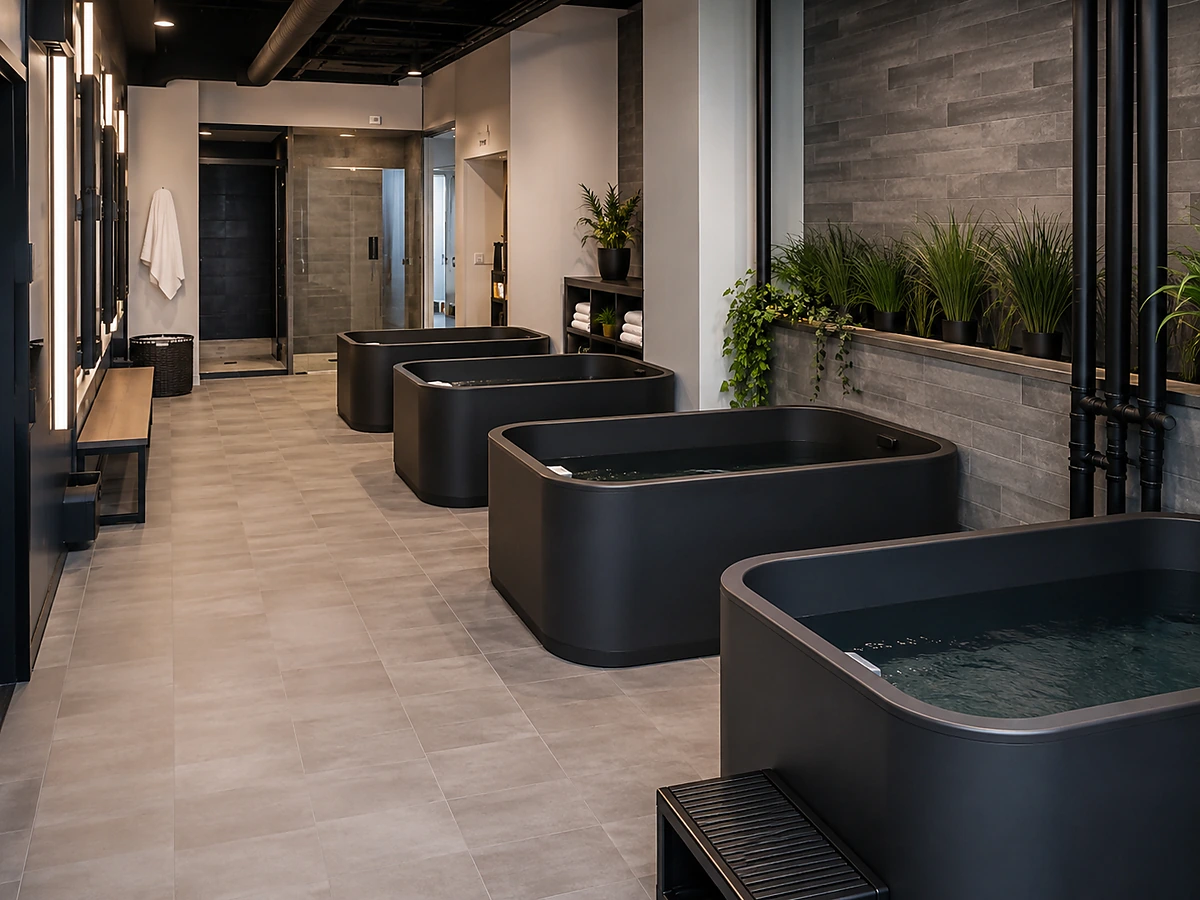
تصور مفاهيمي مولّد بالذكاء الاصطناعي؛ ليس نموذج HACHILL موثقًا أو تركيبًا لعميل أو مواصفة معالجة.
حمولة المستخدم تغير متطلبات الصيانة
يجب أن يبدأ التخطيط التجاري بـ:
- المستخدمون المتوقعون يوميًا
- ذروة المستخدمين في الساعة
- مدة الجلسة ومعدل التبديل
- حجم الماء القابل للاستخدام
- بيئة داخلية أو خارجية
- توفر دش قبل الدخول
- وقت التنظيف بين الاستخدامات
- مسار المعالجة والاختبار
- توفر الموظفين
- فلاتر بديلة ومواد استهلاكية
- فترات التوقف المخطط لها
الحوض الأكبر ليس بالضرورة أسهل في الصيانة. قد يخفف الماء الإضافي بعض التلوث، لكنه يزيد أيضًا الحجم الذي يجب تدويره ومعالجته وتبريده واستبداله.
تعيين مسؤوليات الموظفين
حدد من المسؤول عن:
- فحوصات الافتتاح
- اختبار المياه
- فحص الفلاتر
- التنظيف
- استبدال المواد الاستهلاكية
- تخزين المواد الكيميائية والتعامل معها
- حفظ السجلات
- الاستجابة للتلوث
- إيقاف تشغيل المعدات
- الاتصال بالمركّب أو المورد أو السلطة المحلية
مصفوفة المسؤوليات المكتوبة تقلل من خطر افتراض أن كل مهمة تقع على عاتق شخص آخر.
الاحتفاظ بسجلات العناية بالمياه والصيانة
تشمل السجلات المفيدة ما يلي:
- نتائج الاختبارات
- الإجراءات التصحيحية
- حمولة المستخدمين أو الأحداث غير المعتادة
- تنظيف واستبدال المرشحات
- استبدال المياه
- تنظيف الأسطح والنظام
- إنذارات أو أعطال المعدات
- استهلاك المواد الاستهلاكية
- الأحرف الأولى من أسماء الموظفين
- الموافقة على إعادة الفتح
تساعد السجلات المشغّل على تحديد الاتجاهات وتساعد المورد أو المركّب على التمييز بين مشكلة المعدات ومشكلة العناية بالمياه أو التشغيل.
تحديد إجراءات إيقاف الاستخدام والتصعيد
يجب أن يعرف المشغّل متى يغلق حوض الغطس ومن يمكنه السماح بإعادة الفتح. يجب أن يغطي الإجراء فشل معالجة المياه، وضعف الوضوح، والطبقة اللزجة المرئية، والتلوث المعروف، وفشل المضخة أو المبرد، والتسرب، والمخاوف الكهربائية، ومشاكل جودة المياه المتكررة غير المحلولة.
قد تفرض سلطات الصحة العامة المحلية متطلبات إضافية للمياه الترفيهية المشتركة. هذه المتطلبات لها الأولوية على مقال الصيانة العام.
تحديد مصفوفة المسؤوليات قبل الفتح
في المشاريع التجارية، غالبًا ما ينبع فشل معالجة المياه من حدود تسليم غير محددة بوضوح وليس من مكوّن واحد بعينه. يجب أن يحدد عرض السعر ونطاق التركيب وإجراءات التشغيل القياسية (SOP) الجهة المسؤولة عن كل مهمة.
على الشاشات الأصغر، مرّر أفقيًا لعرض الجدول الكامل.
| المهمة | المورد / الجهة المصنعة | المركّب / الفني المحلي المتخصص | المشغّل / موقع التشغيل |
|---|---|---|---|
| تهيئة المنتج المعتمدة | توفير قائمة المواد (BOM) المؤكدة والأدلة ونطاق المكونات | التحقق من توافق الموقع | تشغيل التهيئة المعتمدة فقط |
| التركيبات الكهربائية والمناطق الرطبة | توفير متطلبات المعدات | التصميم والتركيب وفقًا للمتطلبات المحلية | إبقاء إجراءات الوصول والعزل متاحة |
| التصريف والتكاثف | تحديد احتياجات تصريف المعدات والتكاثف | توفير مسار وإدارة أرضيات متوافقة | الفحص بحثًا عن الانسداد والتسرب وخطر الانزلاق |
| طريقة معالجة المياه | تحديد المواد المتوافقة وحدود المكونات | دعم تكامل المشروع حيثما كان متعاقدًا عليه | اختيار المنتجات المسموح بها، واختبارها، وتسجيلها، وتصحيحها |
| المرشحات والمواد الاستهلاكية | تحديد الأجزاء القابلة للاستبدال بدقة | توفير وصول للصيانة | الفحص والتنظيف والاستبدال والاحتفاظ بقطع الغيار المتفق عليها |
| النظافة التجارية والإغلاق | توفير حدود استخدام المنتج | دعم التشغيل التجريبي حيثما كان متعاقدًا عليه | تحمل مسؤولية إجراءات التشغيل القياسية للموقع، وتدريب الموظفين، والسجلات، وقرارات إيقاف الاستخدام |
ما معلومات العناية بالمياه التي ينبغي أن يطلبها المشتري أو المشغّل؟
يجب أن يطلب المشتري أو المشغل معلومات كافية لتشغيل وتنظيف واختبار وصيانة مسار العناية بالمياه بالكامل. الهدف ليس تكرار دليل شراء عام؛ بل التأكد من إمكانية صيانة النظام المختار دون افتراضات.
يرشدك هذا الدليل الصيانة إلى فئات الغمر البارد الموثقة وصفحات دعم المشاريع. لا تزال مواد النماذج المحددة ومكونات الترشيح وخيارات التعقيم والأبعاد وحدود التشغيل تتطلب وثائق حالية على مستوى النموذج.
مكونات العناية بالمياه المضمنة
اطلب قائمة محددة بما هو مضمن:
- المضخة
- غلاف الفلتر والخرطوشة
- المصفاة
- مكون الأوزون أو الأشعة فوق البنفسجية، إذا كان مزودًا
- وحدة التغذية أو التحكم في المعالجة، إذا كانت مزودة
- الخراطيم والوصلات والصمامات
- مصرف المياه
- الغطاء
- معدات الاختبار، إذا كانت مزودة
“إن عبارة ”الترشيح مضمن" ليست كافية. اطلب الفلتر وطريقة الخدمة الدقيقة.
المواد الاستهلاكية وقطع الغيار
تأكد من:
- طراز الفلتر
- توفر البدائل
- الكمية الاحتياطية الموصى بها
- قطع غيار خدمة الأوزون أو الأشعة فوق البنفسجية أو أجهزة الاستشعار حيثما ينطبق ذلك
- مكونات الختم والخراطيم
- منتجات التنظيف المتوافقة
- منتجات التعقيم المتوافقة
- اعتبارات التخزين ومدة الصلاحية
- مسؤولية ما بعد البيع
لا تفترض أن الخرطوشة ذات المظهر الشائع قابلة للتبديل.
الوصول للتنظيف والصيانة
راجع رسومات التركيب من أجل:
- مساحة إزالة الفلتر
- الوصول إلى المضخة والمبرد
- مدخل ومخرج الهواء
- تصريف المكثفات
- وصول إلى مصرف حوض الاستحمام
- فحص الخرطوم والتوصيلات
- عزل كهربائي آمن
- تصريف أرضية المنطقة الرطبة
- مساحة لتنظيف ومناولة المكونات
يمكن أن يؤدي التركيب المدمج الذي يعيق الوصول إلى خدمة الفلتر أو المبرد إلى زيادة وقت التوقف عن العمل وتكلفة الصيانة.
متطلبات الاستخدام التجاري والتوثيق
قبل إصدار أمر الشراء، تأكد من:
- الاستخدام التجاري أو السكني المقصود
- حجم الماء القابل للاستخدام
- معدل الاستخدام المتوقع من المستخدمين
- ساعات التشغيل
- مسؤولية تصميم معالجة المياه
- مسؤولية المثبت
- مسؤولية الموافقات المحلية
- دليل الصيانة
- تعليمات العناية بالمياه
- أوراق بيانات المكونات
- معلومات الكهرباء والسباكة
- متطلبات التنظيف والاستجابة للتلوث
- سجلات الفحص والتسليم
- نطاق قطع الغيار وخدمات ما بعد البيع
صورة المنتج أو ملصق السعة أو قوة حصان المبرد لا تثبت أن النظام مناسب لعبء العمل التجاري المقصود. اطلب وثائق على مستوى الطراز للتكوين المورَّد الفعلي.
قائمة فحص العناية بمياه حوض الغطس البارد
النظام
- تأكيد حجم المياه القابل للاستخدام.
- تأكيد المضخة ومسار الدوران.
- تأكيد نوع الفلتر ووصول الصيانة.
- تأكيد مكونات المعالجة المضمنة مثل الأوزون أو الأشعة فوق البنفسجية أو غيرها.
- تأكيد طريقة التعقيم المتوافقة.
- تأكيد مسار التصريف ومياه الصرف.
- تأكيد تهوية المبرد وإدارة التكثيف.
قبل الاستخدام
- مظهر المياه مقبول.
- لا توجد رائحة غير عادية أو رغوة أو تغير في اللون.
- لا توجد أسطح زلقة أو لزجة.
- الدوران يعمل بشكل طبيعي.
- الفلتر والمدخل غير مسدودين بشكل واضح.
- اختبارات المعالجة المطلوبة ضمن نطاق التشغيل المعتمد.
- الغطاء والدرجات والأرضية نظيفة وآمنة.
الصيانة
- إزالة الحطام المرئي.
- تنظيف خط الماء والأسطح التي يمكن الوصول إليها.
- فحص وصيانة الفلتر حسب الحاجة.
- فحص الخراطيم والأختام والوصلات.
- الحفاظ على تدفق الهواء حول المبرد واضحًا.
- تسجيل الفحوصات التجارية والإجراءات التصحيحية.
- قم بالتصريف والتنظيف وإعادة التعبئة عندما تتطلب الحالة أو التعليمات ذلك.
إيقاف الاستخدام
- لا يمكن التحقق من التحكم في المعالجة.
- المياه ليست صافية بشكل كافٍ.
- يوجد مخاط أو غشاء حيوي.
- حدث تلوث معروف.
- فشل التدفق أو المضخة أو المبرد أو معدات المعالجة.
- يوجد تسرب أو مشكلة كهربائية أو تلف في المواد.
- الإجراء التصحيحي المتكرر لا يعيد التحكم.
تدعم قائمة التحقق هذه—ولكنها لا تحل محل—دليل المعدات المحدد، أو ملصق منتج المعالجة، أو إجراءات تشغيل المكان، أو متطلبات الصحة العامة المحلية.
سيناريوهات التشغيل والمشروع التوضيحية
سيناريو سكني توضيحي: مياه صافية مع رائحة غير عادية
المشكلة: تبدو حوض السباحة الخاص المستخدم بشكل خاص صافياً، ولكن تظهر رائحة غير عادية بعد فترة قصيرة من إعادة التعبئة.
فجوة التخطيط المحتملة: يحتوي النظام على مرشح خرطوشة، ولكن لا يوجد روتين مؤكد للتطهير والاختبار.
التصحيح: توقف عن الحكم على المياه من خلال المظهر فقط. تحقق من المرشح، والدورة، وطريقة المعالجة المتوافقة، وإجراءات الاختبار، وحالة السطح. قم بالتصريف والتنظيف إذا تعذر استعادة التحكم.
الوقاية: تعامل مع الترشيح والتطهير والاختبار والتنظيف الفيزيائي كمهام صيانة منفصلة.
هذا سيناريو توضيحي، وليس حالة عميل موثقة لشركة HACHILL.
مثال نموذجي لتخطيط التركيب: انسداد المرشحات بسرعة كبيرة
المشكلة: يضعف تدفق الإرجاع ويتطلب المرشح عناية متكررة.
فجوة التخطيط المحتملة: الحطام الخارجي، وسوء النظافة قبل الدخول، وتقييد الوصول للصيانة تضع حملاً كبيراً على الخرطوشة.
التصحيح: افحص مسار التدفق الكامل، وحسّن التحكم في التلوث، وتأكد من أن المرشح وواجب النظام يتطابقان مع الاستخدام.
الوقاية: قم بتضمين استخدام الغطاء، وتنظيف منطقة الدخول، والوصول إلى المرشح، وتوريد البدائل في موجز المشروع.
هذا مثال تخطيطي نموذجي، وليس نتيجة منتج مختبرة.
سيناريو مشروع تجاري مركب: روتين سكني مستخدم في منشأة مشتركة
المشكلة: تتدهور جودة المياه أثناء ذروة الاستخدام، لكن المكان لا يملك سجلات أو معايير محددة لإيقاف الاستخدام.
فجوة التخطيط المحتملة: تم تطبيق روتين صيانة سكني على حمل مستخدم تجاري.
التصحيح: حدد الاختبار، والتنظيف، وخدمة المرشح، والمواد الاستهلاكية، والسجلات، ومسؤولية الموظفين، ووقت التوقف، والتصعيد. راجع المشروع مع الصحة العامة المحلية ومحترفي التركيب المؤهلين.
الوقاية: اذكر الإنتاجية اليومية ومتطلبات التشغيل التجارية قبل تقديم عرض السعر.
هذا سيناريو تجاري مركب ولا يمثل فندقًا أو صالة رياضية أو مركز تعافٍ محددًا.
حدود الأدلة والمسؤولية
استخدم الأدلة بالمستوى المناسب
أصبحت العناية بمياه أحواض الغطس البارد مدعومة بإرشادات صحة عامة أكثر صلة مباشرة من قياس عام على أحواض الاستحمام الساخنة. تربط صفحة موارد قانون الصحة المائية النموذجي CDC بإرشادات CMAHC لمنشآت المياه الباردة التي تتناول تحديداً أنظمة المياه الباردة العامة، بينما يظل MAHC نفسه إرشاداً نموذجياً وليس قانوناً فيدرالياً تلقائياً. بالنسبة للمنتجات الخاصة وأي مشروع خارج هذا النطاق، يظل الدليل النموذجي وملصق منتج المعالجة والجهة المحلية المختصة هي المرجع الحاكم.
تعتمد قرارات العناية بالمياه النهائية على الحوض المختار، وحجم المياه القابل للاستخدام، وحمل المستخدم، ومسار المضخة والفلتر، وتوافق التعقيم، ومصدر المياه، والبيئة الداخلية أو الخارجية، والصرف، والتهوية، والسوق المستهدف، وتعليمات الشركة المصنعة، ومتطلبات الصحة العامة المحلية المعمول بها. يجب على المتخصصين المحليين المؤهلين مراجعة متطلبات الكهرباء والمناطق الرطبة والصرف ومعالجة المياه والنظافة التجارية.
ملخص قرار العناية بالمياه النهائي
لا تتم الموافقة على خطة صيانة موثوقة للغطس البارد إلا بعد معرفة مسار المياه الفعلي، وحمل المستخدم، وتوافق المعالجة، وإمكانية الوصول للتنظيف، ومسؤولية التشغيل.
- لا تعامل الترشيح على أنه تعقيم.
- لا تعتبر المياه الصافية أو الباردة دليلاً على التحكم.
- لا تنسخ جدول جرعات أو تغيير مياه عالمي.
- أوقف الاستخدام عندما لا يمكن التحقق من جودة المياه أو التدوير أو التحكم في المعالجة أو حالة المعدات.
- للاستخدام التجاري، قم بتعيين الموظفين والسجلات والتصعيد وسلطة إعادة الفتح قبل التشغيل.
الأسئلة الشائعة
كم مرة يجب تغيير مياه حوض الغطس البارد؟
لا يوجد فاصل زمني موحّد. يعتمد تكرار تغيير الماء على الحجم القابل للاستخدام، وعدد المستخدمين، والترشيح، والتعقيم، والاختبار، وحالة السطح، وتعليمات الجهة المصنّعة المختارة. يجب تفريغ الماء مبكرًا عندما يتعذر على النظام الحفاظ على حدود التشغيل المعتمدة أو عندما تتطلب التلوث إعادة ضبط.
هل يمكن للترشيح أن يحل محل المطهر؟
رقم. يلتقط الفلتر الحطام المحدد من الماء الذي يمر عبره. لا يحل محل طريقة تطهير متوافقة أو اختبار المياه أو التنظيف الفيزيائي.
هل الماء البارد بحد ذاته طريقة تعقيم؟
لا. لا ينبغي التعامل مع درجة الحرارة المنخفضة كوسيلة للتعقيم. المياه المعاد استخدامها ما زالت بحاجة إلى خطة معالجة ومراقبة وتنظيف مناسبة للنظام والاستخدام.
هل يمكن للأوزون أو الأشعة فوق البنفسجية أن تحافظ على نظافة مياه حوض الغطس البارد بمفردها؟
لا تفترض ذلك. يعمل الأوزون والأشعة فوق البنفسجية ضمن مسار تدفق مصمم وقد يلعبان دورًا تكميليًا. تأكد من المكوّن الدقيق ونطاق التحقق ومتطلبات الصيانة والمعالجة المتبقية للنظام المحدد.
كم مرة يجب تنظيف أو استبدال فلتر حوض الغطس البارد؟
اتبع تعليمات الفلتر والمعدات بدقة. يتغير تكرار الصيانة حسب عدد المستخدمين والحطام والتدفق وبيئة التركيب وحالة الوسائط. استبدل الوسائط التالفة أو المشوهة أو المحملة بشكل دائم بدلاً من الاعتماد على العمر فقط.
متى يجب تفريغ حوض الغطس البارد فورًا؟
قم بتصريف المياه أو اتبع إجراء الاستجابة للتلوث عند الحاجة وفقًا لتعليمات المعدات، أو عندما يتعذر استعادة التحكم في المعالجة، أو عند وجود طبقة لزجة أو غشاء حيوي، أو بعد أحداث التلوث المحددة، أو عند فشل الإجراء التصحيحي المتكرر.
هل يمكن استخدام حوض الغطس البارد السكني في منشأة تجارية؟
ليس تلقائيًا. الاستخدام التجاري يغيّر حمل المستخدمين، ودورة التنظيف، والاختبار، والسجلات، ومسؤولية الموظفين، ووقت التوقف، ومتطلبات الصحة العامة المحلية. تأكد من أن النظام الكامل والوثائق مناسبان للغرض المقصود.
أعد موجزًا للعناية بمياه الغمر البارد وصيانتها
للحصول على توصية على مستوى الطراز أو تسليم تجاري، جهّز:
- سوق الوجهة والاستخدام السكني أو التجاري
- المستخدمون المتوقعون، والجلسات اليومية، وحمل التشغيل الأقصى
- تنسيق الحوض وحجم المياه القابل للاستخدام المؤكد
- الموقع الداخلي/الخارجي، والظروف المحيطة، ومسافة الخدمة
- مكونات المضخة والفلتر والمبرد والتعقيم المضمنة أو المطلوبة
- مخطط الأرضية لمصدر المياه والصرف والمكثفات والمناطق الرطبة
- مسؤولية الاختبار والتنظيف والسجلات وإيقاف الاستخدام
- فلاتر بديلة ومواد استهلاكية وقطع غيار وتوقعات ما بعد البيع
- دليل العناية بالمياه المطلوب وبيانات المكونات وسجلات الصيانة
يعتمد الاختيار النهائي على سعة المستخدم الفعلية، وتكرار الاستخدام، وبيئة التركيب، والمناخ، ومصدر الطاقة، والتهوية، والصرف، ومعالجة المياه، واللوائح المحلية، ومتطلبات سوق الوجهة، وبيانات الشركة المصنعة، وحدود المسؤولية المتفق عليها بين المورد والمشتري والمركّب والمشغّل.
موجز المشروع: اطلب مواصفات العناية بالمياه على مستوى الطراز من خلال تضمين الطراز الدقيق وحجم المياه ومسار الترشيح وبيئة التشغيل ومسؤوليات الصيانة.
طلب مواصفات العناية بالمياه على مستوى الطراز
أرسل موجز المشروع مع الطراز أو عائلة المنتج المحددة، وحجم المياه القابل للاستخدام، وعدد المستخدمين، وظروف الموقع، ومسار المعالجة، وحدود المسؤولية، حتى يمكن مراجعة عرض السعر مقابل الاستخدام المقصود.