Maintenance des bains froids commerciaux en Thermowood
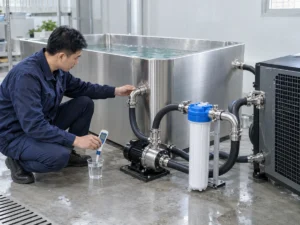
Un plan de maintenance commercial doit indiquer à l'exploitant ce qu'il faut inspecter, ce qui déclenche une action, quelle preuve clôt la tâche et quand le bassin d'immersion froide doit rester hors service.
Réponse directe : La maintenance commerciale d'un bain froid en Thermowood doit être construite autour du système exactement installé et de la charge d'exploitation, et non d'une liste de contrôle hebdomadaire ou mensuelle générique. Commencez par une référence de mise en service, puis maîtrisez la compatibilité de l'eau et des produits de nettoyage, la finition et les joints du Thermowood, l'état du revêtement intérieur en inox et des soudures, le drainage et le séchage, la filtration, le débit, le refroidissement, les commandes et l'accès de service. Chaque tâche doit avoir un déclencheur, une méthode approuvée, un rôle responsable, un enregistrement et une condition de remise en service. Utilisez les instructions du fabricant et les exigences locales applicables lorsqu'elles définissent des limites de maintenance ou de traitement de l'eau, et révisez les déclencheurs provisoires à partir de l'état enregistré au fil du temps.
Ce qui modifie le plan : Charge d'utilisation, charge de nettoyage, exposition intérieure ou extérieure, système de traitement de l'eau, configuration du groupe de refroidissement et du filtre, système de finition, drainage du site, accès de service et exigences d'exploitation locales.
Limite d'arrêt : Une fuite active, un isolement non sécurisé, une chimie non maîtrisée, des alarmes critiques, un confinement compromis ou des substitutions critiques inconnues exigent un arrêt et une escalade avant toute remise en service.
Geler l'actif installé et le périmètre de maintenance
Un plan de maintenance appartient à une configuration installée précise, et non à l'expression « bassin d'immersion froide en Thermowood ». Consignez l'identité du bassin et de l'équipement, la révision du dessin et de la nomenclature, les relevés du liner et des finitions, la configuration du traitement de l'eau, le refroidisseur et la pompe, le filtre, les commandes, la couverture, la tuyauterie du site, la fondation, le drain et les manuels approuvés. Marquez chaque article comme fourni, fourni sur site, remplacé, inconnu ou non applicable.
Définir le régime d'exploitation avant de choisir les tâches : usage privé ou public/commercial, heures sous surveillance, charge d'utilisateurs et de nettoyage, exposition intérieure ou extérieure, fermetures planifiées, politique de renouvellement de l'eau et exigences réglementaires locales. Séparer l'inspection de routine par l'exploitant des travaux nécessitant un consignation, une intervention électrique ou frigorifique qualifiée, une revue structurelle ou l'accord d'une autorité de santé publique. Directives OSHA sur la maîtrise des énergies dangereuses fournit le cadre américain en milieu de travail pour les risques d'intervention liés à une mise sous tension inattendue ou à une énergie stockée ; l'employeur responsable et les règles locales déterminent la procédure exacte. Une liste de contrôle générique fournie par un fournisseur ne peut pas transférer ces responsabilités.
Passeport de maintenance des équipements installés
| Équipement/interface | Identité et révision | Source approuvée | Condition d'ouverture/maintien |
|---|---|---|---|
| Baignoire, liner et habillage | Modèle exact/commande/nomenclature | Plans et enregistrements publiés | Données du modèle associé uniquement |
| Circuit d'eau/traitement | Schéma tel que construit et liste des composants | Manuels et mise en service | Branche non mappée ou substitution |
| Refroidisseur/pompe/filtre/commandes | Plaque signalétique et révision | Données et procédures exactes | État inconnu de l'équipement |
| Système de finition/nettoyage | Enregistrement du produit et de l'application approuvés | Approbation du fabricant/projet | Revêtement ou nettoyant non identifié |
| Travaux sur site | Tuyauterie, alimentation électrique, évacuation, fondation, air | Enregistrements qualifiés tels que construits | Propriété ou accès ouvert |
| Service de fonctionnement | Plan d'utilisation, de fermeture et de supervision | Exigences de l'exploitant / locales | Hypothèse d'usage domestique pour un usage professionnel |
Établir un état de référence avant l'entretien courant
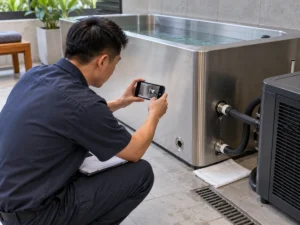
Les preuves de réception et de mise en service doivent montrer l'état avant que le nettoyage répété, les changements de chimie, les conditions météorologiques et la charge des utilisateurs n'obscurcissent le point de départ. Photographier et cartographier le liner, la ligne de flottaison, les soudures, les pénétrations, le rebord, les faces du bardage, les extrémités, les joints, les fixations, les panneaux arrière lorsque accessibles, la base, le compartiment technique, les filtres, les raccords de tuyauterie et les commandes. Utiliser des noms d'emplacement stables et une échelle ou une référence lorsque la taille est importante.
Enregistrer les conditions de l'eau et de l'air, l'état du traitement, l'état du filtre, la mesure du débit approuvée ou son indicateur, les températures de l'eau en vrac, l'air d'entrée du condenseur, l'état des alarmes/commandes, le résultat du test humide et les observations de drainage/séchage. Indiquer l'instrument, l'emplacement, l'heure et la méthode. Une photographie sans l'identifiant de l'actif, l'état de surface et l'emplacement est une preuve d'orientation, pas un état de référence.
État de référence de réception et de mise en service
| Point de contrôle | Méthode d'acquisition | Preuves de l'état de référence | Preuve invalide |
|---|---|---|---|
| Liner/soudures/ligne de flottaison | Grille de localisation et images contrôlées | État, éclairage, état sec/humide | Photo de téléphone non localisée |
| Thermowood/assemblages | Plan des faces/extrémités/assemblages/fixations | Échantillon/finition et relevé d'état | Description de la couleur seule |
| Boucle hydraulique | Relevé tel que construit et registre de fonctionnement | Filtre, débit, fuite et état de commande | Plaque signalétique uniquement |
| Côté air de l'équipement | Observation du panneau final | État de l'aspiration/refoulement et de l'accès | Armoire temporairement ouverte |
| Vidange/séchage | Événement humide déclaré et suivi | Chemins, horodatages et contrôles dissimulés | Drain de sol supposé |
| Remise en service | Propriétaire, méthode et emplacement du registre | Liste signée des éléments ouverts | Engagement verbal de maintenance |
Utiliser des déclencheurs de tâches plutôt qu'un calendrier universel
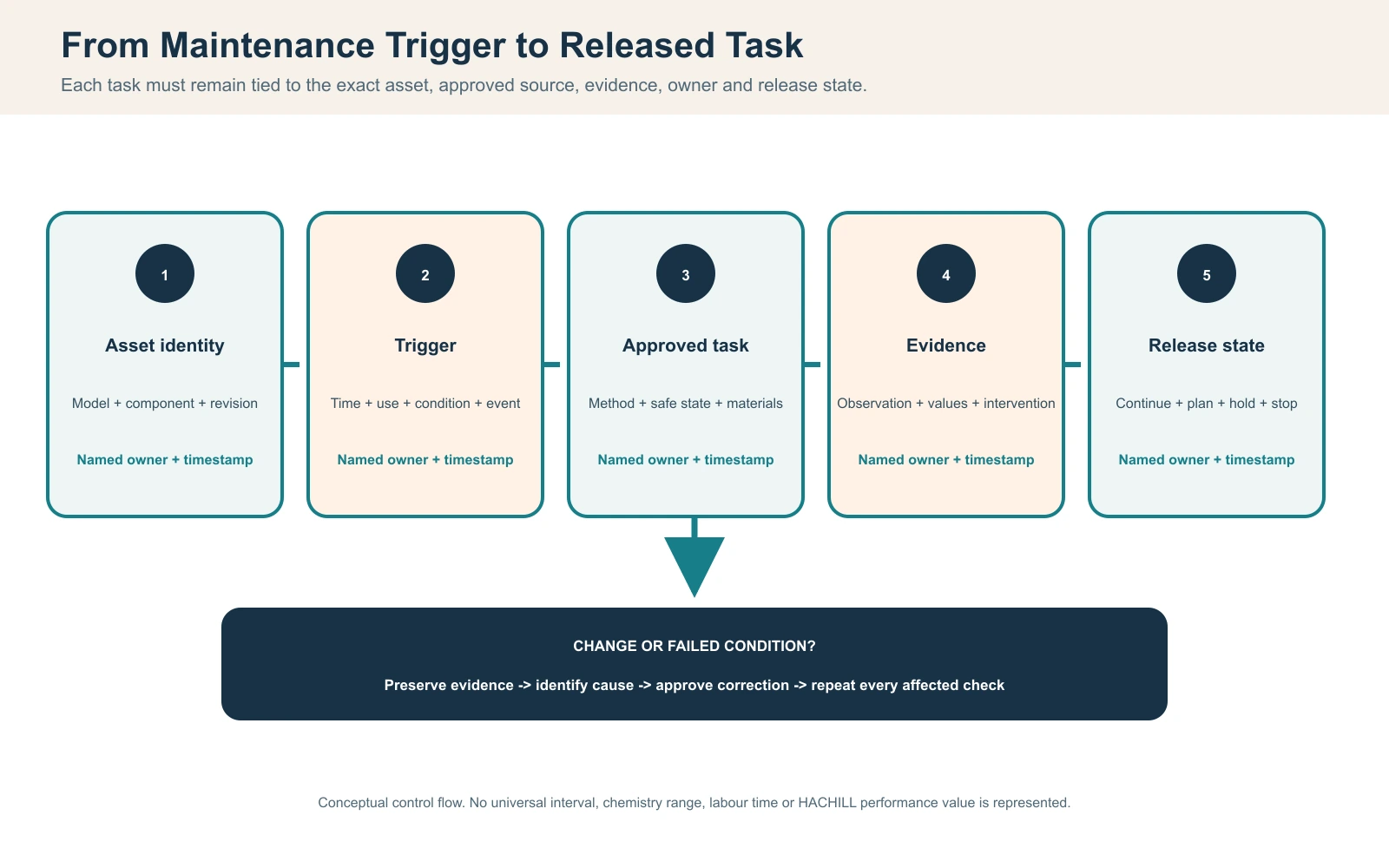
La maintenance peut être déclenchée par le temps écoulé, les heures de fonctionnement, le nombre d'utilisateurs ou de nettoyages, une condition mesurée, une alarme, un événement météorologique ou de contamination, un arrêt ou un changement de chimie, de composant ou d'agencement du site. Utilisez les manuels exacts et les règles locales lorsqu'ils prescrivent un intervalle. Lorsqu'ils ne le font pas, établissez un déclencheur provisoire à partir de la référence acceptée et révisez-le en fonction des conditions enregistrées, et non par commodité.
Un établissement commercial peut nécessiter des vérifications avant l'ouverture, pendant un quart de travail, après un nombre déclaré d'utilisations, après des tempêtes ou des excursions chimiques et à la fermeture saisonnière. Cela ne justifie pas de publier un intervalle unique pour chaque site. Enregistrez la raison pour laquelle le déclencheur existe, les preuves qui le clôturent et qui peut le modifier.
Classification des déclencheurs de maintenance
| Type de déclencheur | Exemple d'entrée | Réponse requise | Règle de révision |
|---|---|---|---|
| Heures de fonctionnement | Intervalle manuel approuvé | Tâche nommée et preuve | Composant/révision exact |
| Utilisation/charge | Nombre d'utilisateurs ou de nettoyages | Inspecter ou entretenir l'interface concernée | Valider par rapport à la tendance de l'état |
| État | Écart par rapport à la référence acceptée | Classer et enquêter | Aucune hypothèse cosmétique |
| Alarme/performance | Événement de contrôle, de débit ou de température | Préserver l'état ; diagnostic qualifié | Ne pas réinitialiser en effaçant les preuves |
| Exposition/événement | Tempête, fuite, déversement, coupure de courant, risque de gel | Inspection/fermeture spécifique à l'événement | La page climatique contrôle le cas du site |
| Changement | Nettoyage, finition, filtre, tuyau ou révision logicielle | Compatibilité et nouveau test dépendant | Approbation nommée avant utilisation |
Établir une liste de contrôle de maintenance par composant et un registre des tâches
Chaque ligne doit indiquer l'emplacement exact de l'actif, le déclencheur, la source de la méthode approuvée, l'état de sécurité, les outils ou consommables, les observations, le résultat de réussite/échec, les preuves, le responsable et l'autorité de libération. “ Nettoyer le bois ” ou “ vérifier le refroidisseur ” n'est pas exécutable. Un technicien doit savoir quelle face, quel joint, quel filtre, quel capteur ou quelle connexion et quelle condition nécessite une escalade.
Séparer le travail planifié du travail correctif. L'inspection de routine peut identifier une coloration, un mouvement, une fuite, une restriction ou une alarme, mais la cause peut traverser les interfaces. L'enregistrement doit préserver l'état observé avant la réparation et lier l'intervention aux tests affectés.
Registre des tâches de maintenance basé sur les composants
| Composant/tâche | Déclencheur et condition | Méthode/preuve | Propriétaire / mise à disposition |
|---|---|---|---|
| Inspection du liner / de la margelle / des soudures | Intervalle approuvé plus événement chimique | Images de localisation et code d'état | Opérateur ; escalade spécialiste |
| Contrôle Thermowood / finition | Utilisation / exposition et changement de référence | Carte à sec et échantillon approuvé | Opérateur / service ; autorité de finition |
| Chemin d'humidité du joint / de la base | Événement de nettoyage, tempête, éclaboussure ou fuite | Chemin humide et horodatages de suivi | Opérateur/installateur |
| État du filtre et de la boucle | Intervalle approuvé, charge ou symptôme de débit | État du filtre, indicateur de débit et journal d'alarme | Opérateur/service qualifié |
| Condenseur/chemin d'air | Débris, température ambiante élevée ou symptôme de refroidissement | Observation finale de l'admission/rejet sur site | Opérateur/service qualifié |
| Drain/cover/site access | Ouverture, événement et clôture | Observation fonctionnelle et points ouverts | Exploitant / maître d'ouvrage |
Maîtriser l'entretien de l'eau et la compatibilité des produits de nettoyage
La chimie de l'eau affecte les utilisateurs, la désinfection, le liner, les soudures, les joints, la tuyauterie, le filtre, l'équipement de traitement et les finitions adjacentes. Utilisez les instructions exactes de l'équipement et les exigences locales applicables aux installations publiques. Ne copiez pas une plage d'un autre bassin, d'une piscine ou d'un pays et ne la qualifiez pas d'approuvée. Enregistrez la méthode, le lieu d'échantillonnage, l'heure, l'état de fonctionnement, le résultat, l'action corrective et l'autorité de libération.
Valider les produits de nettoyage au regard de chaque matériau en contact et du mode final de dilution, d'application, de temps de contact, de rinçage et de séchage. Prendre en compte les projections et les écoulements au niveau du rebord, des joints, des arrières de panneaux, des fixations et du compartiment technique. Ne pas mélanger différents produits chimiques de piscine ou de traitement ; suivre l'étiquette de chaque produit et la procédure approuvée pour toute dilution ou préparation requise. Les directives du CDC sur la sécurité des produits chimiques de piscine soutiennent le maintien d'une manipulation contrôlée des produits chimiques plutôt que l'improvisation de mélanges sur site. Tenir à disposition les fiches de données de sécurité et les moyens de contrôle des opérateurs, et isoler les travaux dangereux selon les exigences de l'autorité responsable.
Registre de compatibilité de l'eau et des nettoyants
| Entrée | Acquérir / vérifier | Interfaces concernées | Condition de maintien |
|---|---|---|---|
| Limites de contrôle de l'eau | Manuels exacts et règles locales | Utilisateurs, revêtement, joints, équipement | Plage générique uniquement |
| Méthode/lieu d'essai | Kit/instrument approuvé et point d'échantillonnage nommé | Comparabilité des tendances | Méthode inconnue ou échantillon périmé |
| Identité/lot du nettoyant | Étiquette, FDS et dossier d'approbation | Métal, bois, finition, joints | Produit transvasé/non identifié |
| Méthode d'application | Processus de dilution, temps de contact, rinçage et séchage | Joints, écoulements et résidus | Voie de contact non approuvée |
| Action corrective | Registre opérateur lié à la cause | Chimie et matériaux affectés | Dosage répété sans diagnostic |
| Retour en service | Vérification et autorité requises | Utilisateurs et système complet | Aucun enregistrement de version |
Scénario d'ingénierie : les taches réapparaissent après le ponçage
Problème observé : Des marques sombres réapparaissent près du bord et du joint inférieur peu après une réparation esthétique.
Cause probable : L'intervention a traité l'apparence mais n'a pas éliminé les éclaboussures répétées, l'humidité piégée, les écoulements de produits chimiques ou une source de taches métalliques.
Comment vérifier : Conservez les images avant nettoyage, cartographiez le chemin humide, examinez les enregistrements des produits chimiques et des nettoyants, inspectez les fixations adjacentes et le séchage caché, et comparez avec la référence acceptée.
Voie de prévention ou corrective : Corrigez la source confirmée et la méthode de drainage ou de nettoyage approuvée avant de répéter les travaux de finition ; puis enregistrez la zone traitée, le produit, les conditions, l'état de séchage/durcissement et la version.
Inspecter le bardage en Thermowood, la finition, les joints et les fixations
L'état du Thermowood est influencé par l'essence/le produit, les preuves de modification thermique, le profil, le grain, la finition, le traitement des chants de coupe, le détail d'assemblage, les UV, les cycles humide/sec et la méthode de maintenance. Le Manuel de l'International ThermoWood Association traite la protection de surface et la maintenance comme dépendantes de l'exposition et du traitement, et non comme sans entretien. Un changement de couleur seul n'est pas une défaillance structurelle, tandis qu'une petite zone sombre peut nécessiter une investigation si elle est persistante, humide ou associée à un joint ou à une fixation. Comparez à une référence contrôlée dans des conditions d'éclairage similaires et à l'état sec. Pour la limite de construction entre le bois extérieur et l'enveloppe de rétention d'eau, voir Bardage en Thermowood et revêtements intérieurs en inox expliqués.
Cartographiez les faces, les bords, le grain de bout, les coins, les rebords horizontaux, les joints, les emplacements des fixations et les zones inférieures. Enregistrez les fissures, les gerces, les mouvements, la perte de revêtement, la rugosité, les taches, la mollesse, les odeurs, l'humidité persistante ou la quincaillerie desserrée sans attribuer une cause à partir de la seule apparence. Le ponçage, le décapage et la remise en état peuvent modifier les dimensions et les preuves ; utilisez le système approuvé et isolez la poussière, les produits chimiques et le temps de durcissement de l'exploitation.
Carte de l'état et de la finition du bois thermotraité
| Emplacement/état | Acquisition | Décision | Escalade |
|---|---|---|---|
| Face/couleur/finition | Image à l'état sec contrôlé et comparaison d'échantillons | Surveillance ou tâche de finition approuvée | Changement rapide/localisé |
| Bout de fibre/bord coupé | Inspection rapprochée après mouillage ou service | Protection acceptée intacte | Bord ouvert/non approuvé |
| Joint/mouvement | Méthode de référence pour l'écart et l'alignement | Dans les conditions approuvées | Joint avec interférence, jeu ou piégeage d'eau |
| Fixation/contact | Registre des matériaux et contrôle des taches/mouvements | Sûr et compatible | Desserrage, substitution ou taches de crevasses |
| Zone inférieure/base | Observation du chemin humide et du séchage | Aucun état piégé persistant | Souplesse, odeur ou eau stagnante |
| Après ponçage | Produit/lot, préparation, conditions et durcissement | Échantillon/zone libéré | Compatibilité ou durcissement inconnu |
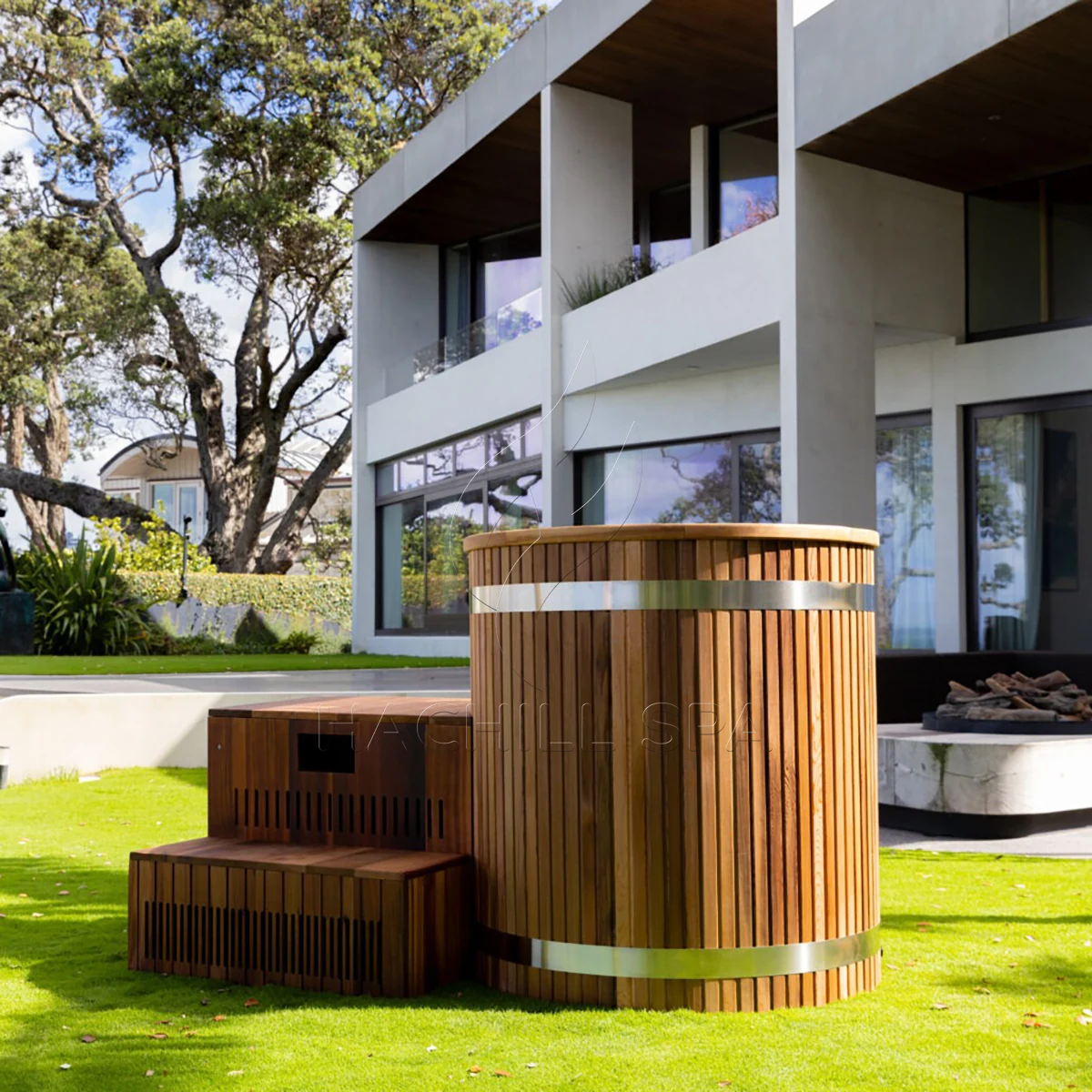
Inspecter la cuve en acier inoxydable, les soudures et la ligne de flottaison comme un système distinct
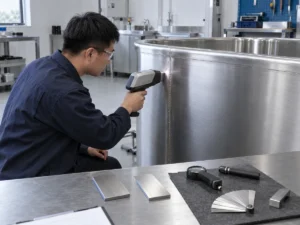
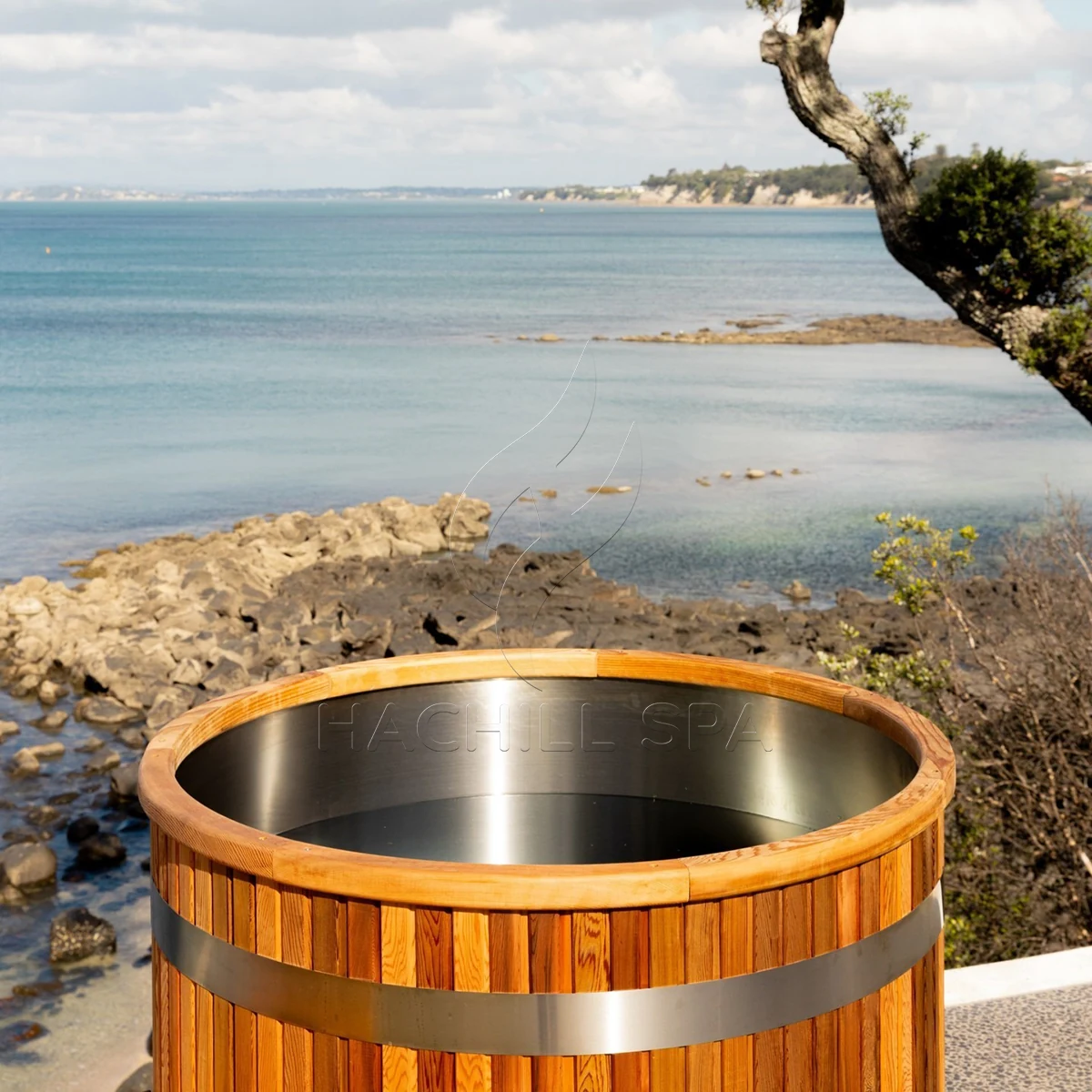
L'acier inoxydable est résistant à la corrosion sous certaines conditions, et non sans entretien. La nuance, la fabrication, le traitement des soudures, l'état de surface, les crevasses, l'exposition aux chlorures, la chimie, les nettoyants, les dépôts et le contact avec des métaux dissemblables affectent tous son état. Guide de corrosion d'Outokumpu explique le risque de corrosion localisée des environnements contenant des chlorures. Ne pas déduire l'alliage ou le traitement à partir de l'apparence, et ne pas affirmer que le 316 est immunisé contre le pitting ou une mauvaise fabrication.
Inspecter la ligne de flottaison, les soudures et les zones affectées par la chaleur, les pénétrations, les drains, les raccords, les coins et les crevasses protégées. Enregistrer les dépôts, les taches, les caractéristiques ressemblant à des piqûres, les rayures, la déformation et les fuites actives par emplacement et état. Utiliser une méthode de nettoyage approuvée et préserver les preuves avant tout travail abrasif. Si une caractéristique peut affecter le confinement ou la sécurité, retirer l'équipement du service et obtenir une évaluation qualifiée.
Inspection de la cuve, des soudures et des pénétrations
| Zone | Méthode de preuve | Limite de routine | Arrêt/escalade |
|---|---|---|---|
| Ligne de flottaison/dépôts | Image de l'emplacement plus enregistrement chimie/nettoyage | Nettoyage approuvé et tendance | Attaque localisée persistante |
| Zone de soudure/affectée par la chaleur | Visuel contrôlé et enregistrement de fabrication | Comparaison des conditions | Preuve de fissure, de fuite ou de fabrication ouverte |
| Pénétration/raccord | Observation à sec/humide et identification de la connexion | Inspection accessible | Fuite active ou mouvement |
| Drain/coin/crevasse | Contrôle des dépôts et de la rétention d'eau | Retrait/accès approuvé | Dépôt piégé inaccessible ou récurrent |
| Rayure/marque de surface | Éclairage/référence et historique d'intervention | Classification esthétique par l'autorité | Profondeur/intégrité incertaine |
| Contact de matériaux dissemblables | Registre des matériaux et de l'installation | Interface approuvée | Substitution ou produit de corrosion |
Vérifier le drainage et le séchage après les événements humides
Tracez l'eau provenant des éclaboussures de l'utilisateur, du nettoyage, du débordement, de la pluie, de la condensation et des fuites à travers les joints de bord, les faces des panneaux, les fixations, les dos de panneaux, la base, le compartiment technique et le drain du site. Un sol sec ne prouve pas que les interfaces cachées sont sèches, et un drain de sol ne prouve pas que le produit y achemine l'eau. Utilisez un événement déclaré et des observations de suivi à des points reproductibles.
N'inventez pas un temps de séchage universel. Le flux d'air, la température, l'humidité, la finition, la géométrie des joints et la quantité de mouillage modifient le séchage. Enregistrez la source de l'événement, la durée ou la méthode de quantité, les emplacements mouillés et cachés, l'heure, la ventilation et la condition de libération acceptée. Un mouillage persistant peut être un problème de site, de produit, de plomberie ou d'exploitation et nécessite une prise en charge avant réparation.
Registre de mouillage, de drainage et de séchage
| Point de contrôle | Événement/méthode | Preuve de réussite | Condition de maintien |
|---|---|---|---|
| Bord et face du panneau | Événement déclaré d'éclaboussures/nettoyage/pluie | Achemine vers le chemin prévu | Migration dans le joint aveugle |
| Dos du panneau/sous-cadre | Inspection accessible et horodatage | Chemin de drainage/ventilation ouvert | Humidité cachée persistante |
| Base/fondation | Observation de niveau et d'humidité | Aucune eau stagnante au contact | Accumulation d'eau sur le bois ou le cadre |
| Compartiment technique | Observation à sec après l'événement | Aucune eau non maîtrisée | Humidification électrique/équipement |
| Drain du site | Observation du cheminement maîtrisé | Voie d'évacuation acceptée | Évacuation obstruée/non approuvée |
| Libération | Suivi lié à la condition | État sec accepté et nommé | Hypothèse basée uniquement sur le temps |
Scénario d'ingénierie : un éclaboussement de nettoyage suspecté est en réalité une fuite active au niveau du raccord
Problème observé : De l'eau apparaît régulièrement à la base après le rinçage et est attribuée à des éclaboussures de l'opérateur.
Cause probable : L'inspection de suivi n'a lieu qu'immédiatement après le nettoyage, de sorte qu'une fuite lente au niveau du raccord et une migration cachée restent non vérifiées.
Comment vérifier : Sécher et isoler la zone selon une procédure approuvée, consigner l'état des raccords et des cheminements d'eau dans le temps, et comparer avec des observations sans nettoyage et avec humidification contrôlée.
Voie de prévention ou corrective : Un technicien qualifié corrige la source confirmée, puis répète les contrôles de fuite, de cheminement humide, de séchage et des équipements électriques/concernés avant la remise en service.
Suivre ensemble la filtration, le débit, les performances du refroidisseur et les commandes
Un bain froid peut manquer la température en raison d'une charge élevée, d'une température d'entrée du condenseur élevée, d'un flux d'air obstrué, d'un filtre sale, d'un faible débit, d'air dans le circuit, de l'état de la pompe, de l'état des commandes, de l'isolation ou de la capacité de l'équipement au point de fonctionnement réel. Ne diagnostiquez pas un refroidisseur sous-dimensionné à partir d'une seule lecture de température de l'eau. Synchronisez la température de l'eau en vrac, l'air d'admission, l'état du filtre/débit, l'état de la pompe et du compresseur ou des commandes, la couverture et la charge utilisateur.
Utilisez la mesure de débit approuvée ou un proxy qualifié ; nommez la méthode et la référence. Un filtre d'apparence propre peut encore restreindre le débit, et le remplacer sans enregistrer l'état avant/après fait perdre des preuves utiles. Ne contournez pas le débit, la pression, la température ou les protections électriques. Les travaux fixes sur les équipements électriques, frigorifiques et invasifs restent du ressort du personnel qualifié.
Tendance de maintenance hydraulique et de refroidissement
| Entrée | Acquisition | Utilisation de la décision | Comparaison invalide |
|---|---|---|---|
| Température de l'eau en vrac | Capteur/emplacement nommé et série temporelle | Tendance de maintien/tirage vers le bas | Lecture de paroi unique |
| Air à l'entrée du condenseur | Enregistreur à l'admission finale | Conditions de refroidissement disponibles | Application météo uniquement |
| État du filtre/débit | Mesure approuvée ou indicateur indirect | Restriction et échange thermique | Propreté visuelle seule |
| Pompe/contrôle/alarme | Journal de contrôle et d'entretien qualifié | Séparer l'interruption de la capacité | État de réinitialisation manquant |
| Charge du couvercle/de l'utilisateur | Registre d'exploitation horodaté | Apport de chaleur simultané | Politique d'exploitation différente |
| Configuration | Révision des tuyaux, vannes, panneaux et logiciels | Référence comparable | Modification non enregistrée |
Scénario d'ingénierie : la performance de refroidissement diminue après plusieurs jours d'activité intense
Problème observé : La température de l'eau dérive et le refroidisseur fonctionne plus longtemps après une période d'utilisation intensive.
Cause probable : L'opérateur suppose que la capacité de l'équipement a diminué, mais la charge utilisateur, la restriction du filtre, la réduction du débit, l'air d'admission chaud et les pratiques de couverture n'ont pas été enregistrés ensemble.
Comment vérifier : Capturez les températures synchronisées de l'eau et de l'air d'admission, l'état du filtre et du débit approuvé, l'état de la pompe/du contrôle, la couverture et la charge ; comparez-les avec la référence acceptée dans des conditions comparables.
Voie de prévention ou corrective : Corrigez la cause confirmée de maintenance ou de site et répétez le test lié aux mêmes conditions. N'envisagez une escalade de capacité que si le point de fonctionnement vérifié reste en dehors du cas d'équipement approuvé.
Calculer la charge de main-d'œuvre, de fermeture et de tenue de registres pour la maintenance commerciale
Les acheteurs commerciaux ont besoin de plus qu'une liste de tâches. Mesurez le temps pratique représentatif pour l'inspection, les tests, le nettoyage, le travail sur les filtres, l'accès aux panneaux, la vidange, le remplissage et la complétion des enregistrements. Ajoutez la préparation, l'isolation, la fermeture des zones clients, le temps de séchage ou de durcissement, la vérification et la réouverture. Séparez le coût du service qualifié externalisé et des consommables de la main-d'œuvre de l'opérateur.
Une relation de planification est charge de maintenance par période = somme(nombre de déclenchements x temps pratique observé) + préparation + fermeture + vidange/remplissage + séchage/durcissement + vérification + enregistrements. Il s'agit d'une méthode d'acquisition de données, pas d'une promesse de main-d'œuvre ou de disponibilité de HACHILL. Recalculez lorsque le service, la chimie, la finition, les composants ou l'accès au site changent.
Feuille de charge de maintenance commerciale
| Élément de travail | Acquérir | Impact opérationnel | Résultat de planification |
|---|---|---|---|
| Inspection/essai de routine | Temps de tâche représentatif observé | État ouvert ou supervisé | Heures opérateur |
| Travail de nettoyage/filtre | Temps de tâche et consommables | Fermeture partielle/totale | Heures de service/matériel |
| Vidange/remplissage/évacuation de chaleur | Processus de site mesuré | Eau et délai de réouverture | Dépendance de fermeture |
| Temps de séchage/prise | Enregistrement de produit/condition approuvé | Aucun accès utilisateur | Fermeture calendaire |
| Service qualifié | Périmètre réel de l'appel/de la tâche | Isolement et nouveau test | Ressource externe |
| Enregistrements/libération | Temps de documentation observé | Autorité nommée | Charge administrative |
Contrôle des consommables et des pièces critiques par révision
Les filtres, joints, lampes ou composants de traitement, capteurs, produits de nettoyage, produits de finition et quincaillerie de remplacement doivent correspondre au modèle exact et à la révision approuvée. Une pièce physiquement similaire peut modifier le débit, la compatibilité chimique, la protection électrique, l'ajustement ou l'intervalle de maintenance. Enregistrez l'identité de la pièce du fabricant, l'autorité de substitution approuvée, les exigences de stockage ou de durée de conservation, le lot le cas échéant et l'historique d'installation.
Utilisez les conséquences de défaillance et les preuves de délai de livraison pour décider du stock critique ; n'inventez pas une quantité universelle de pièces de rechange. Séparez les consommables d'exploitation des pièces critiques pour la sécurité ou le service qualifié. Mettez en quarantaine les articles endommagés, périmés, non identifiés ou non approuvés et conservez la décision de substitution.
Contrôle des consommables et des pièces de rechange
| Classe d'article | Preuve d'identité | Entrée de décision de stock | Condition de maintien |
|---|---|---|---|
| Composant de filtre/débit | Pièce exacte et base de performance | Utilisation/charge, délai de livraison, effet de défaillance | Substitut d'apparence similaire |
| Joint/raccord/quincaillerie | Matériau, taille et interface | Conséquence de fuite et accès au service | Compatibilité inconnue |
| Pièce capteur/commande | Révision exacte et besoins d'étalonnage | Mode de défaillance et service qualifié | Modification logicielle/électrique non approuvée |
| Produit nettoyant/eau | Identité, lot, FDS et approbation | Utilisation et stockage | Produit périmé/non étiqueté |
| Système de finition/réparation | Produit/lot/échantillon et conditions | Surface, durée de conservation et charge de polymérisation | Correspondance de couleur uniquement |
| Examen critique des stocks | Historique de consommation et d'événements | Délai de livraison et exposition à la clôture | Quantité sans justification |
Attribuez les responsabilités de maintenance et les exigences de preuve
Échelle de preuve de maintenance
| Niveau | Preuve | Utilisation autorisée | Limite |
|---|---|---|---|
| A | Test/tâche sur actif exact observé dans les conditions déclarées | Libération spécifique à la tâche et aux conditions | Méthode/durée uniquement |
| B | Manuel, dessin ou enregistrement approuvé pour le modèle exact | Planification et identification des tâches | Condition sur le terrain toujours vérifiée |
| C | Enregistrement traçable du composant ou observation calibrée | Diagnostic d'interface | Système complet non prouvé |
| D | Estimation qualifiée avec hypothèses | Planification/élément ouvert | Impossible de clôturer la version |
| E | Liste de contrôle générique, photo ou revendication produit | Orientation | Aucune preuve spécifique à l'actif |
Le fournisseur contrôle les informations exactes sur les composants fournis et les substitutions de produits approuvées. L'acheteur ou le propriétaire de l'établissement approuve le plan d'exploitation et les ressources. L'installateur préserve les interfaces du site telles que construites. L'opérateur exécute les tâches routinières autorisées et consigne les conditions. Des prestataires de service qualifiés traitent les travaux spécialisés isolés d'électricité, de réfrigération, de structure et autres. Les autorités locales et les professionnels qualifiés contrôlent les exigences réglementées relatives à l'usage public, à l'eau, à l'électricité et au bâtiment. Pour l'entretien en milieu de travail aux États-Unis, OSHA 29 CFR 1910.147 traite de la maîtrise des énergies dangereuses lorsque son champ d'application s'applique ; il ne remplace pas les procédures propres à l'équipement ni les autres exigences locales.
Matrice des responsabilités de maintenance du bain froid en Thermowood
| Décision/tâche | Fournisseur | Installation/exploitant | Rôle qualifié/local |
|---|---|---|---|
| Modèle/manuel/Nomenclature exacts | Fournir des preuves contrôlées | Conserver et identifier l'actif | Examiner les interfaces réglementées |
| Tâche de routine/déclencheur | Définir la limite du produit fourni | Exécuter, consigner et escalader | Approuver la méthode spécialisée |
| Contrôle de l'eau/des produits de nettoyage | Indiquer les limites d'équipement compatibles | Exploiter selon le plan approuvé | Autorité de santé publique/chimique |
| Évacuation/électricité/air du site | Fournir l'interface produit | Garder accessible et surveiller | Concevoir/installer/vérifier |
| Défaut/substitution | Examiner l'impact du produit fourni | Préserver les preuves et maintenir l'immobilisation | Diagnostiquer/approuver les travaux affectés |
| Retour en service | Fournir les intrants d'essai affectés | Appliquer l'immobilisation opérationnelle | Libération compétente désignée |
Définir les points d’arrêt et les contrôles de remise en service
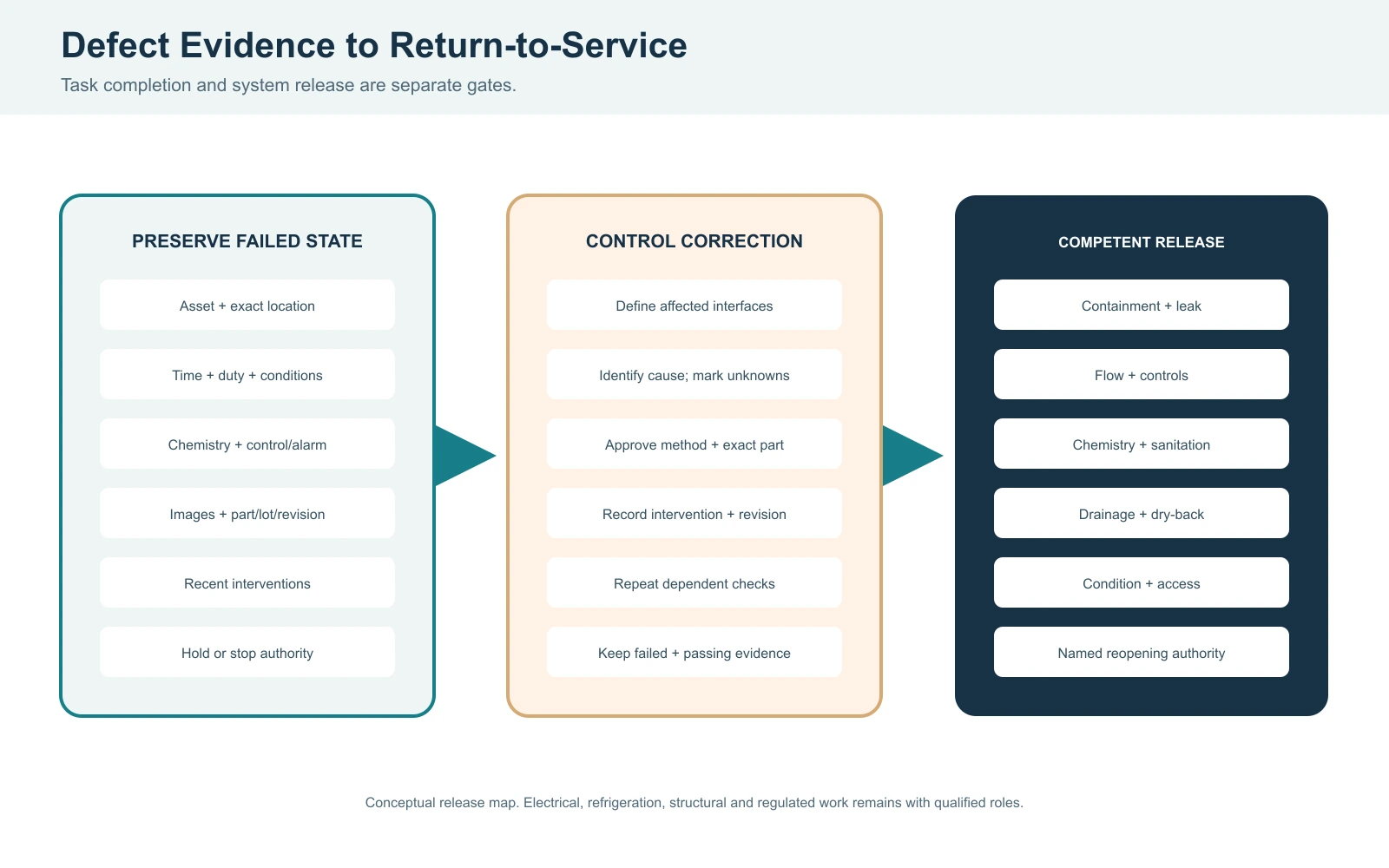
Utiliser quatre états : poursuivre avec des enregistrements normaux ; planifier une tâche limitée ; maintenir un composant, une zone ou un mode de fonctionnement ; ou arrêter l'actif. L'autorité exacte définit les seuils. Une fuite active à proximité de l'équipement, un confinement compromis, un accès dangereux, des préoccupations de protection électrique, une chimie non contrôlée, une humidité cachée persistante, des fonctions de sécurité/contrôle défaillantes ou des substitutions critiques inconnues nécessitent une escalade plutôt qu'une clôture cosmétique.
Préserver l'état de défaillance avant le nettoyage ou la réparation : actif et emplacement, date/heure, conditions de service, conditions de l'eau et de l'air, chimie, état de contrôle/alarme, photographies, pièce/lot/révision et interventions récentes. Identifier la cause avant de modifier plusieurs variables. Enregistrer la correction et répéter chaque essai affecté. Un bon de travail terminé ne libère pas en soi l'immobilisation.
Enregistrement des défauts, de l'immobilisation et du retour en service
| État | Preuve/action | Exigence de libération | Protection contre les litiges |
|---|---|---|---|
| Continuer | Condition acceptée et enregistrement de routine | Autorité normale | Comparaison de référence |
| Plan | Changement/tâche non critique borné | Propriétaire planifié et condition d'échéance | Identité de l'élément ouvert |
| Maintien | Composant/opération affecté isolé | Cause et vérifications dépendantes clôturées | Conserver la preuve d'échec |
| Arrêter | Préoccupation de sécurité, de confinement, de chimie ou de contrôle critique | Autorisation compétente nommée | Pas de réinitialisation/nettoyage |
| Corriger | Réparation approuvée ou changement d'exploitation | Révision et re-test concerné | Pièce/lot/méthode liés |
| Rouvrir | Fuite, débit, contrôle, drainage, chimie et état selon le cas | Libération spécifique à la cause | Enregistrements des échecs et des réussites conservés |
Scénario d'ingénierie : la maintenance est terminée mais la preuve de réouverture est manquante
Problème observé : Un ordre de travail est clôturé après l'entretien du filtre et des connexions, mais aucun enregistrement de fuite, de débit, de contrôle ou d'état de l'eau ne suit.
Cause probable : L'achèvement de la tâche a été traité comme une acceptation du système et les interfaces concernées n'ont jamais été identifiées avant les travaux.
Comment vérifier : Examiner le défaut observé, les pièces changées, l'état d'isolement et la procédure exacte, puis déterminer quels contrôles de confinement, hydrauliques, de contrôle, de chimie et de drainage ont été affectés.
Voie de prévention ou corrective : Maintenir l'actif en attente jusqu'à ce que le rôle compétent désigné termine et enregistre les contrôles spécifiques à la cause ; conserver à la fois les preuves d'échec et de réussite.
Clôturer les exigences de remise O&M et de maintenance dans la RFQ
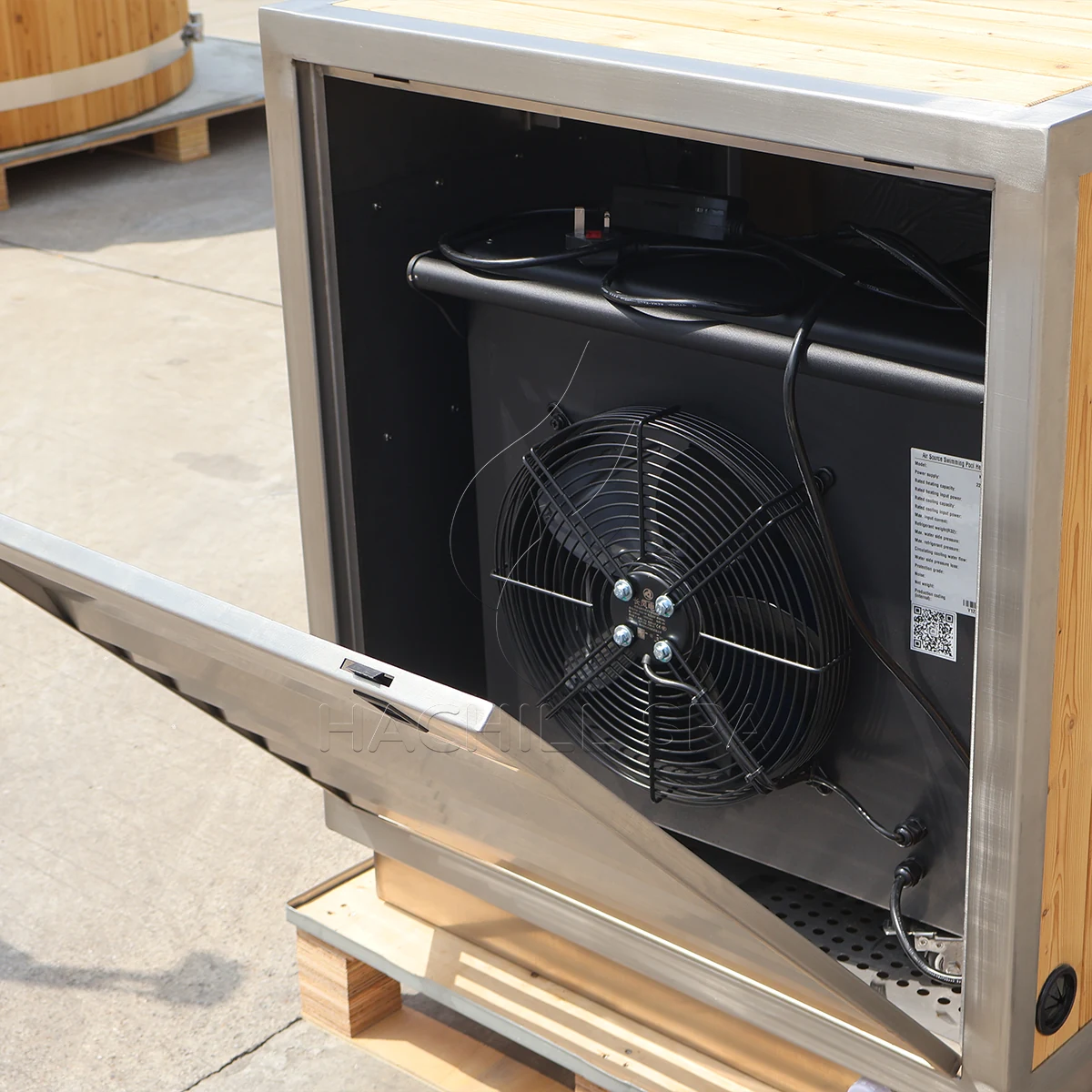
Avant l'ouverture, remettre le passeport exact de l'actif, les manuels, le schéma tel que construit, les limites du produit et du site, les nettoyants et finitions approuvés, les photographies de référence, le registre des tâches, les déclencheurs, les formulaires d'enregistrement, les limites d'isolement, l'identité des pièces de rechange, la voie d'escalade et l'autorité de remise en service. Démontrer les tâches représentatives dans la condition d'accès finale ; un panneau ouvert en usine peut être bloqué après l'installation.
Pour une RFQ, fournir la configuration exacte, le régime de fonctionnement, la charge d'utilisateurs et de nettoyage, la condition intérieure/extérieure, le plan de traitement de l'eau, les exigences locales, la fenêtre de fermeture, la compétence de l'opérateur, l'accès au service, la langue de la documentation, les attentes en matière de pièces de rechange, le format des enregistrements et les besoins d'acceptation. Demander aux fournisseurs d'indiquer les preuves incluses et les exclusions plutôt que de promettre un “ entretien réduit ”.”
Champs de RFQ et de remise de maintenance commerciale
| Champ | Pourquoi requis | Preuve/réponse | Fermeture |
|---|---|---|---|
| Actif/configuration exacts | Contrôle l'applicabilité de la tâche | Nomenclature, manuels et dessins | Soumission |
| Plan de service et de fonctionnement | Définit le contexte de déclenchement/charge | Hypothèses d'utilisation, de nettoyage et de fermeture | Plan de maintenance |
| Système d'eau/nettoyant | Compatibilité et régulation des commandes | Limites, produits et autorité locale | Procédure de l'opérateur |
| Interfaces d'accès/site | Faisabilité des tâches de contrôle | Examen final du panneau, du drain, de l'air et de l'isolation | Démonstration de tâche |
| Pièces de rechange/support | Contrôle de l'exposition des fermetures | Pièces exactes, base de délai et escalade | Remise en service |
| Acceptation / enregistrements | Rend le service comparable | Formulaires, témoins et jalons de libération | Approbation d'ouverture |
Foire aux questions
À quelle fréquence un bain froid commercial en Thermowood doit-il être entretenu ?
Utilisez les manuels exacts, les exigences locales applicables, le régime de service et l’état consigné. Combinez les déclencheurs temporels, d’usage, d’événement, d’alarme et d’état ; ne transposez pas un intervalle universel d’une installation ou d’un modèle à l’autre.
Le même nettoyant peut-il être utilisé sur le revêtement en acier inoxydable et sur le Thermowood ?
Uniquement après confirmation de la compatibilité de chaque matériau, finition, joint et composant contacté avec la dilution, le temps de contact, le rinçage et le séchage réels. Contrôlez les projections et les écoulements au niveau des joints et des équipements.
L'acier inoxydable 316 élimine-t-il l'entretien lié à la corrosion ?
Non. Le comportement à la corrosion dépend aussi de la fabrication, du traitement des soudures, de la finition de surface, des chlorures, de la chimie, des nettoyants, des dépôts, des interstices et du contact entre métaux dissemblables. Inspectez et consignez l’état exact plutôt que de considérer la désignation de l’alliage comme une immunité.
Quelles données permettent de diagnostiquer une baisse de refroidissement du bassin d'immersion froide ?
Synchronisez la température de l'eau en vrac, l'air d'entrée du condenseur, le filtre et l'état de débit approuvé, l'état de la pompe/commande/alarme, le couvercle, la charge utilisateur et la configuration. Une seule valeur de température ou de puissance est insuffisante.
Quand un bain froid peut-il être remis en service après une maintenance ?
Une fois la cause traitée et tous les contrôles de confinement, hydrauliques, de commande, de chimie, de drainage et d'état concernés effectués sous l'autorité désignée. Un bon de travail clôturé seul ne constitue pas une preuve de libération.
Référence : bases et limites
Code de santé aquatique modèle CDC est une référence américaine pour les installations aquatiques publiques ; l'adoption et l'applicabilité locale varient.
Guide de résistance à la corrosion d'Outokumpu étaye la limite chlorures/corrosion localisée utilisée pour l'inspection du liner ; il n'établit pas une classification universelle de résistance à la corrosion pour un produit HACHILL.
Manuel de l'International ThermoWood Association fournit un contexte spécifique au ThermoWood sur l'exposition, le traitement de surface et la maintenance ; le comportement exact du produit installé reste dépendant des détails et des conditions.
Contrôle OSHA de l'énergie dangereuse décrit un cadre de sécurité au travail américain ; l'employeur responsable et les règles locales déterminent l'applicabilité et la procédure.
Limite technique : Aucun intervalle de maintenance HACHILL exact, limite chimique, processus du bois, système de finition, alliage, résultat de refroidissement, quantité de pièces de rechange, temps de main-d'œuvre, durée de vie, garantie ou certification n'est revendiqué ici. Les enregistrements de produits approuvés, les manuels, les preuves de site et les règles locales applicables font foi.
Transformer le régime de fonctionnement en cahier des charges de maintenance
Envoyez à HACHILL la configuration exacte, le devoir d'exploitation, l'utilisateur et la charge de nettoyage, le plan de traitement de l'eau, l'exposition du site, les exigences locales, la fenêtre de fermeture, l'accès, les pièces de rechange et les besoins de preuve. L'équipe peut examiner les interfaces des produits fournis tandis que les parties qualifiées de l'installation et les parties locales conservent l'autorité d'exploitation.