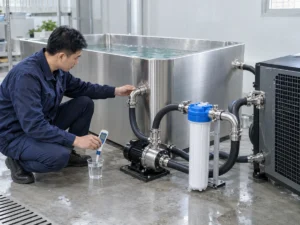
Risposta diretta: Non esiste una regola basata sull'evidenza secondo cui tutti dovrebbero fare immersioni in acqua fredda un numero fisso di volte a settimana. La frequenza va interpretata insieme all'esposizione effettiva: temperatura dell'acqua, tempo in acqua, profondità di immersione, scopo, contesto di salute, supervisione e come la persona risponde durante e dopo la sessione. L'immersione in acqua fredda quotidiana non è dimostrata migliore per il benessere generale, e la ricerca utilizza protocolli molto diversi tra loro anziché un unico programma settimanale validato.
Se scegli di utilizzare l'immersione in acqua fredda, il modo più difendibile per regolare la frequenza è mantenere stabili le condizioni di esposizione, ripetere solo dopo che la sessione precedente si è risolta senza sintomi preoccupanti e modificare una variabile alla volta. Non rendere l'acqua più fredda, restare in acqua più a lungo e aggiungere più sessioni nello stesso passaggio. Per il recupero sportivo, l'obiettivo conta: l'immersione in acqua fredda ripetuta insieme all'allenamento con i pesi può ridurre alcuni adattamenti alla forza, quindi “più spesso” non è automaticamente meglio.
- Nessun obiettivo settimanale universale: la ricerca non stabilisce una frequenza adatta a tutti.
- Mantieni stabile l'esposizione: temperatura, durata e profondità devono essere considerate prima di poter interpretare la frequenza.
- Lascia che lo scopo cambi il piano: benessere generale, recupero post-esercizio e uso guidato da un clinico sono contesti diversi.
- I sintomi prevalgono sul programma: interrompi in caso di grave sofferenza, confusione, svenimento, sintomi toracici, respirazione incontrollata, perdita di coordinazione o incapacità di uscire in sicurezza.
Con quale frequenza dovresti fare cold plunge? Inizia dal confine delle prove
La ricerca disponibile non stabilisce un numero “migliore” universale di sessioni di cold plunge a settimana. Una revisione sistematica del 2025 sull’immersione in acqua fredda per salute e benessere ha rilevato una sostanziale variabilità nei protocolli e ha concluso che serve più ricerca per definire effetti a lungo termine, sicurezza e relazioni dose-risposta. Una revisione Cochrane sull’immersione in acqua fredda post-esercizio ha parimenti rilevato che temperatura, durata e frequenza variavano tra gli studi e che il metodo ottimale e la sicurezza non erano chiari.
| Scopo | Quali evidenze supportano | Cosa non stabilisce | Implicazione sulla frequenza |
|---|---|---|---|
| Benessere generale | La ricerca ha esaminato una gamma di esposizioni all’acqua fredda a breve e più lungo termine in adulti sani. | Una frequenza settimanale universale validata o un beneficio garantito. | Non trattare un numero settimanale popolare come una dose medica. |
| Indolenzimento post-esercizio | L'immersione in acqua fredda può ridurre l'indolenzimento muscolare dopo l'esercizio rispetto al recupero passivo in alcuni contesti. | Un unico protocollo ottimale di temperatura-durata-frequenza per tutti. | L’uso dovrebbe essere adattato al contesto di allenamento anziché a una sequenza generica. |
| Adattamento all'allenamento di forza | L'immersione regolare in acqua fredda usata con programmi di allenamento contro resistenza è stata associata a ridotti adattamenti di forza in una revisione sistematica e meta-analisi. | Che ogni singolo tuffo post-allenamento comprometta i progressi. | L'uso frequente immediatamente attorno all'allenamento rivolto alla forza merita una revisione specifica per l'obiettivo. |
| Uso guidato da un clinico | Un professionista qualificato può utilizzare un protocollo per una persona e un obiettivo definiti. | Che lo stesso protocollo dovrebbe essere adottato dal pubblico generale. | Segui il piano individualizzato anziché questo articolo. |
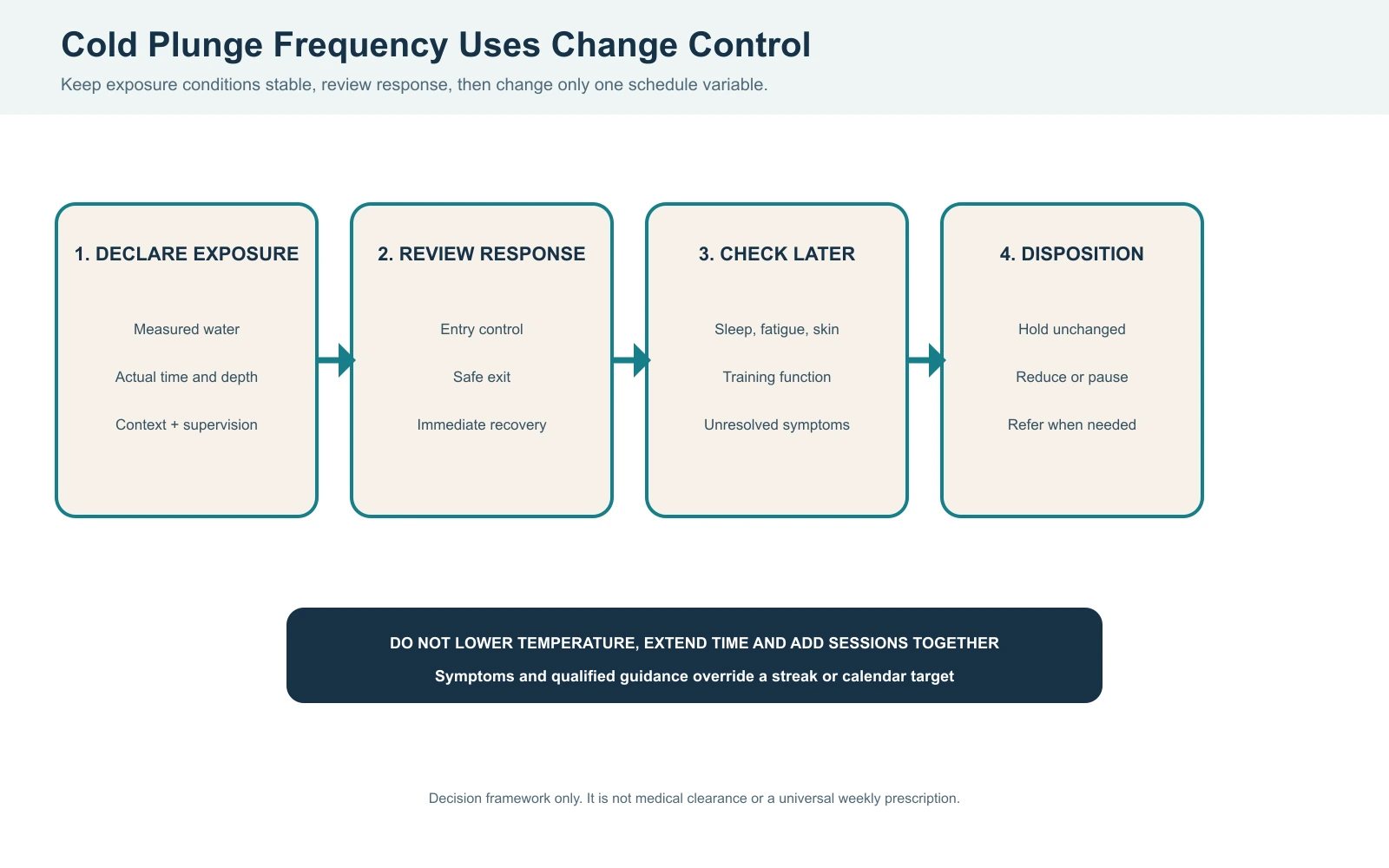
La regola pratica è semplice: stabilire un'esposizione controllata, osservare la risposta e non aumentare la frequenza finché la condizione precedente non è stata revisionata. Questo è un metodo di controllo delle modifiche, non una prova che una particolare esposizione al freddo sia sicura per una persona specifica.
Mantenere stabile la condizione di esposizione prima di modificare la frequenza
Un conteggio settimanale da solo è un’informazione debole. Due sessioni a una condizione misurata non equivalgono a due sessioni più fredde o più lunghe. Registrare dettagli sufficienti per sapere cosa viene effettivamente ripetuto e evitare di trasformare il registro in un inventato “punteggio di dose”.
| Campo | Come catturarlo | Perché è importante | Evidenza debole |
|---|---|---|---|
| Temperatura dell'acqua | Utilizzare una lettura misurata affidabile dell'acqua e registrare l'unità. | La temperatura modifica l'esposizione al freddo che viene ripetuta. | Un setpoint del controller assunto come uguale alla condizione effettiva dell'acqua. |
| Tempo di esposizione | Registrare l'orario effettivo di ingresso e uscita. | I tempi previsti e quelli effettivi possono differire. | Registrare la durata pianificata dopo un'uscita anticipata. |
| Profondità di immersione | Usa un livello descrittivo coerente per il corpo. | Modificare l'area superficiale immersa cambia l'esposizione. | Altezza di riempimento della vasca senza la posizione dell’utente. |
| Contesto | Annotare esercizio fisico rilevante, uso della sauna, malattia, affaticamento insolito, viaggi o altri cambiamenti importanti. | La frequenza è difficile da interpretare quando altri fattori di stress cambiano contemporaneamente. | Esaminare il conteggio settimanale in modo isolato. |
| Risposta | Annotare controllo del respiro, vigilanza, coordinazione, uscita sicura e recupero successivo. | Un programma ripetuto non dovrebbe ignorare una risposta che peggiora. | “Timer completato” considerato l'unico esito. |
Controlla la prontezza prima di ogni sessione
La tolleranza precedente non è un'idoneità permanente. L'idoneità può cambiare con lo stato di salute, i farmaci, la malattia, l'affaticamento e l'ambiente attorno al cold plunge. Le persone con malattie cardiache o altri problemi medici significativi, o coloro che assumono farmaci che possono influire sulle risposte cardiovascolari, dovrebbero ottenere una consulenza personalizzata da un professionista sanitario qualificato prima di usare l'immersione in acqua fredda.
- Conoscere la condizione dell'acqua: non partire da una temperatura sconosciuta o presunta.
- Essere in grado di uscire immediatamente: mantenere il percorso stabile, libero e utilizzabile senza l'ausilio di un timer o di un telefono.
- Non usare l'alterazione come test: alcol, droghe, stanchezza grave o malattia possono rendere meno prevedibile una decisione di esposizione al freddo.
- Utilizzare una supervisione adeguata: dove una valutazione del rischio del sito o individuale richiede supervisione, la persona responsabile e il processo di emergenza devono essere effettivamente disponibili.
- Non forzare una sessione programmata: “non oggi” è un esito accettabile quando le condizioni per un uso controllato non sono presenti.
L’immersione improvvisa in acqua fredda può scatenare una risposta da shock da freddo che include un rapido aumento della respirazione e dello stress cardiovascolare. L’assuefazione può ridurre parti di tale risposta dopo esposizioni ripetute, ma non deve essere trattata come immunità dal rischio né come autorizzazione ad aumentare l’esposizione.
Usare la risposta immediata e il recupero successivo come ciclo di feedback
Una sessione non termina quando si ferma il timer. Le decisioni sulla frequenza dovrebbero includere ciò che è accaduto durante l'ingresso, l'immersione, l'uscita e il periodo successivo.
Durante e subito dopo la sessione, annota se la respirazione è rimasta controllabile, la persona è rimasta vigile e coordinata e l’uscita è avvenuta in sicurezza. In seguito, cerca un pattern di recupero insolito o in peggioramento anziché interpretare un maggiore disagio come prova che un programma più intenso stia funzionando.

Sintomi toracici, svenimento, confusione improvvisa, difficoltà respiratoria grave, brividi incontrollati, perdita di coordinazione o incapacità di uscire in sicurezza sono motivi per interrompere l'esposizione e utilizzare l'appropriata risposta di emergenza o medica. Il National Weather Service statunitense descrive lo shock da freddo come causa di cambiamenti drammatici nella respirazione, nella frequenza cardiaca e nella pressione sanguigna, mentre MedlinePlus elenca confusione, brividi incontrollati, debolezza e perdita di coordinazione tra i sintomi dell'ipotermia.
Cambiare una variabile di frequenza alla volta
Se si sta verificando se una pianificazione debba diventare più o meno frequente, rendere espliciti la baseline e la modifica proposta.
- Congela la baseline: registra la temperatura misurata, il tempo effettivo, la profondità di immersione, la frequenza attuale e il contesto rilevante.
- Indicare la modifica: se la frequenza è la variabile, non rendere contemporaneamente l’acqua più fredda o prolungare la sessione.
- Indicare lo scopo: routine generale, recupero sportivo e uso guidato da clinici richiedono evidenze e responsabili delle decisioni diversi.
- Esamina la risposta completa: includere controllo d'ingresso, sintomi, uscita e successivo recupero.
- Scegli una disposizione: mantieni il programma, riducilo, mettilo in pausa oppure rimanda la decisione al professionista qualificato appropriato.
Un breve test non dovrebbe silenziosamente diventare una routine quotidiana permanente. Anche una ripresa dopo una pausa è una nuova decisione: la ragione della pausa dovrebbe essere risolta prima di ripetere lo stesso schema.
Abbina la frequenza allo scopo
La ragione più importante per non pubblicare un unico numero settimanale è che utenti diversi cercano di risolvere problemi diversi. Le prove di uno studio sul recupero sportivo non possono essere automaticamente convertite in una prescrizione di benessere generale, e un protocollo utilizzato in ambito clinico non diventa un programma per consumatori solo perché contiene un numero chiaro.
Benessere generale
Non esiste ancora una base di prove di alta qualità che definisca una frequenza ottimale a lungo termine di immersione fredda per adulti sani. La revisione sistematica del 2025 sugli esiti di salute e benessere ha rilevato dati a lungo termine limitati, protocolli eterogenei e la necessità di una migliore ricerca dose-risposta. Ciò rende difficile giustificare come guida generale affermazioni forti come 'quotidiano è meglio' o 'servono un numero fisso di minuti a settimana'.
Indolenzimento post-esercizio e recupero a breve termine
Cochrane ha rilevato alcune evidenze che l’immersione in acqua fredda dopo l’esercizio può ridurre il dolore muscolare tardivo rispetto al recupero passivo, ma i protocolli inclusi variavano e il metodo ottimale e la sicurezza non erano chiari. Ciò supporta una decisione di recupero specifica per il contesto, non una frequenza settimanale universale.
Allenamento incentrato su forza e ipertrofia
Frequenza e tempistica meritano particolare attenzione quando l'obiettivo è l'adattamento all'allenamento di forza. Una revisione sistematica e una meta-analisi hanno riportato che l'immersione regolare in acqua fredda usata insieme a programmi di allenamento di forza ha avuto un effetto deleterio su diversi adattamenti di forza. Ciò non prova che ogni singola immersione sia dannosa, ma è una ragione per non presumere che una frequente esposizione al freddo dopo il sollevamento sia automaticamente benefica.
Mantieni la frequenza personale separata dal throughput commerciale
“Con quale frequenza dovrebbe una persona fare il bagno freddo?” e “Quante sessioni può gestire una struttura?” sono domande diverse. La frequenza personale riguarda l'esposizione individuale, lo scopo, la risposta e il contesto di salute. La capacità della struttura riguarda volume d'acqua, trattamento, filtrazione, pulizia, recupero della temperatura, personale, supervisione e politica operativa.
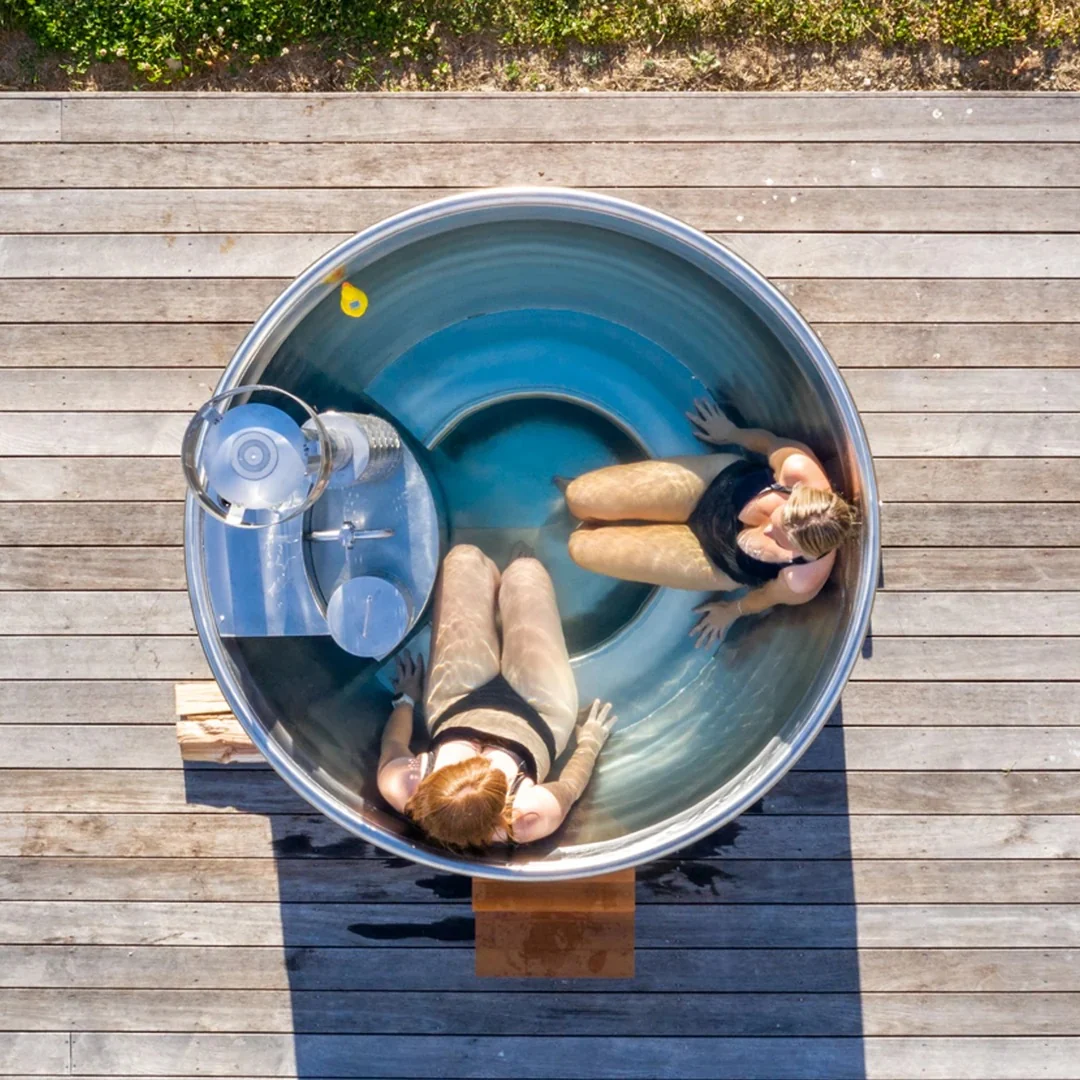
Gli acquirenti commerciali che necessitano di indicazioni su capacità di sessione, sistema idrico o regime operativo dovrebbero utilizzare la Vasca per immersione fredda professionale percorso di progetto invece di importare una regola di frequenza individuale nella pianificazione della struttura.
Sapere quando fermarsi, mettere in pausa il programma o chiedere aiuto
Interrompete immediatamente la sessione per sintomi al petto, svenimento, confusione improvvisa, grave difficoltà respiratoria, perdita di coordinazione, incapacità di uscire in sicurezza o altro grave disagio. Brividi incontrollati, debolezza e confusione possono anche essere segni di ipotermia. Utilizzate la risposta di emergenza o medica locale appropriata invece di rimanere in acqua per soddisfare un timer o una serie.
| Osservazione | Azione immediata | Quale decisione sulla frequenza ne consegue |
|---|---|---|
| Sintomi gravi o uscita non sicura | Fermati e utilizza la risposta di emergenza o medica appropriata. | Non riprendere lo stesso programma finché la questione sanitaria pertinente non è stata affrontata. |
| Recupero insolito o in peggioramento | Metti in pausa la progressione pianificata. | Rivedi esposizione e contesto prima di ripetere o aumentare la frequenza. |
| Temperatura, durata e frequenza modificate insieme | Interrompi l'escalation multivariabile. | Tornare a una baseline rivalutata se l'uso rimane appropriato, poi cambiare un fattore alla volta. |
| Problema della struttura o dell'impianto idrico | Segui la procedura di chiusura e funzionamento del sito’. | Non considerare la riapertura dell'attrezzatura come idoneità medica personale. |
Domande frequenti
Posso fare un'immersione fredda ogni giorno?
Non esiste una regola basata sulle prove secondo cui il cold plunge quotidiano sia necessario o migliore per il benessere generale. L'uso quotidiano può anche essere inadatto a una specifica condizione di salute o a un obiettivo di allenamento. Se stai considerando un uso frequente, mantieni stabili temperatura, durata e profondità, valuta la tua risposta e il recupero, e ottieni una consulenza medica personalizzata quando condizioni di salute o farmaci creano incertezza.
Quante volte a settimana dovrebbe fare un bagno freddo un principiante?
La ricerca non stabilisce un numero universale per principianti. “Principiante” non definisce il contesto di salute della persona’s, la temperatura dell'acqua, il tempo, la profondità di immersione o la supervisione. Un approccio più sicuro è iniziare in modo conservativo, mantenere costante la condizione di esposizione ed evitare di aumentare la frequenza contemporaneamente al rendere l'acqua più fredda o al restare più a lungo.
Dovrei fare immersioni in acqua fredda più spesso se le sessioni sono più brevi?
Non automaticamente. Frequenza, tempo, temperatura e profondità di immersione sono parti collegate dell’esposizione. Una sessione più breve non crea un’autorizzazione universale per più sessioni settimanali, specialmente quando l’acqua è più fredda o il contesto di salute o allenamento della persona è diverso.
Dovrei fare un bagno freddo dopo ogni allenamento?
Dipende dall'obiettivo di allenamento. L'immersione in acqua fredda può essere utilizzata in alcuni contesti di recupero post-esercizio, ma l'uso regolare insieme all'allenamento di resistenza è stato associato a ridotte adattazioni di forza in una revisione sistematica e meta-analisi. Gli atleti dovrebbero adattare l'uso dell'acqua fredda all'obiettivo di allenamento piuttosto che applicarlo automaticamente dopo ogni sessione.
L'immersione in acqua fredda più frequente garantisce un recupero migliore?
No. I risultati della ricerca dipendono dalla popolazione, dall'esercizio, dalla temperatura, dal tempo di immersione, dalla tempistica e dall'esito misurato. Le evidenze non stabiliscono una regola universale “più sessioni equivalgono a un migliore recupero”.
Risorse correlate HACHILL
Quanto tempo fare il bagno freddo
Mantenere la decisione sulla durata per sessione separata dalla frequenza settimanale.
Quanto è fredda una vasca per immersione fredda?
Esaminare le evidenze sulla temperatura dell'acqua prima di modificare un'altra variabile di esposizione.
Immersione in acqua fredda prima o dopo l'allenamento
Allineare la tempistica dell’acqua fredda all’obiettivo di allenamento invece di trattare ogni sessione allo stesso modo.
Pianificazione della vasca per immersione fredda commerciale
Sposta capacità produttiva della struttura, trattamento, utility e responsabilità operativa nel percorso di progetto corretto.
Categoria di prodotto: vasca per immersione fredda
Verificare le configurazioni delle apparecchiature dopo aver definito gli input relativi a sito e regime operativo.
Base di riferimento
- PLOS ONE: Effetti dell'immersione in acqua fredda su salute e benessere — revisione sistematica e meta-analisi (2025) — supporta la conclusione che effetti a lungo termine, sicurezza e risposta dose-risposta ottimale rimangono insufficientemente definiti.
- Cochrane: immersione in acqua fredda per prevenire e trattare l'indolenzimento muscolare dopo l'esercizio — supporta il limite delle prove sul recupero sportivo e segnala la variazione dei protocolli e l'incertezza sul metodo ottimale e sulla sicurezza.
- Sports Medicine / PubMed: immersione regolare in acqua fredda e adattamenti all'allenamento — supporta la cautela che il CWI regolare usato con l’allenamento contro resistenza può ridurre gli adattamenti di forza.
- Revisione sistematica e meta-analisi: assuefazione alla risposta da shock da freddo — supporta la distinzione tra assuefazione fisiologica e un'affermazione generica di sicurezza.
- U.S. National Weather Service: pericoli e sicurezza dell'acqua fredda — supporta il contesto immediato dello shock da freddo, incluse variazioni improvvise di respirazione, frequenza cardiaca e pressione sanguigna.
- MedlinePlus: Ipotermia — supporta i segnali di avvertimento tra cui confusione, brividi incontrollati, debolezza e perdita di coordinazione.
Stai pianificando un Cold Plunge commerciale?
Per un progetto commerciale, preparate il volume d'acqua, la condizione operativa prevista, l'intervallo di sessione di picco, l'approccio di trattamento, le condizioni ambientali, le utenze, il modello di supervisione, la destinazione e la quantità. HACHILL può rivedere le attrezzature e le interfacce di progetto, mentre le decisioni sull'esposizione personale rimangono con l'individuo e i professionisti sanitari qualificati appropriati.
Richiedi una revisione del progetto