Guida ai tempi di immersione in acqua fredda
Risposta rapida: Non esiste un vincitore universale “prima” o “dopo”. Se la priorità è forza o ipertrofia a lungo termine, l’immersione ripetuta in acqua fredda immediatamente dopo l’allenamento contro resistenza merita cautela, perché l’evidenza corrente suggerisce che può attenuare modestamente l’ipertrofia e, in alcune condizioni, l’adattamento di forza. Se devi esibirti di nuovo a breve, il CWI post-esercizio può avere un compromesso di recupero diverso. Prima dell’esercizio, la sua evidenza prestazionale più chiara è come pre-raffreddamento per attività di endurance in condizioni calde—non come potenziatore universale della performance in palestra.
La decisione inizia con il risultato che intendi proteggere: recupero acuto, adattamento a lungo termine, prestazione a breve termine o gestione del calore. Questi sono obiettivi diversi. Sentirsi meno indolenziti oggi non dimostra che forza, potenza o ipertrofia siano migliorati, e le evidenze dell'immersione in acqua fredda immediatamente dopo il sollevamento pesi non dovrebbero essere trasformate in una regola universale applicabile a diverse ore dopo.
Vasca fredda prima o dopo l'allenamento? Parti dall'obiettivo di allenamento
I tempi dell'immersione in acqua fredda dovrebbero seguire l'obiettivo dell'allenamento, non un'idea generica che il freddo sia “buono per il recupero”. Un sollevatore che cerca di massimizzare l'ipertrofia ha una decisione diversa da un atleta che deve competere di nuovo presto. Un atleta di resistenza che si prepara per un evento caldo ne ha un'altra.
Ecco perché regole semplici come “fai sempre la vasca fredda dopo il cardio” o “aspetta sei ore dopo il sollevamento pesi” sono troppo ampie. La ricerca sull'immersione in acqua fredda misura risultati diversi in condizioni di esercizio, tempi e esposizione differenti. Una domanda iniziale migliore è: Quale risultato conta di più in questa sessione?
Il recupero acuto non è la stessa cosa dell'adattamento a lungo termine
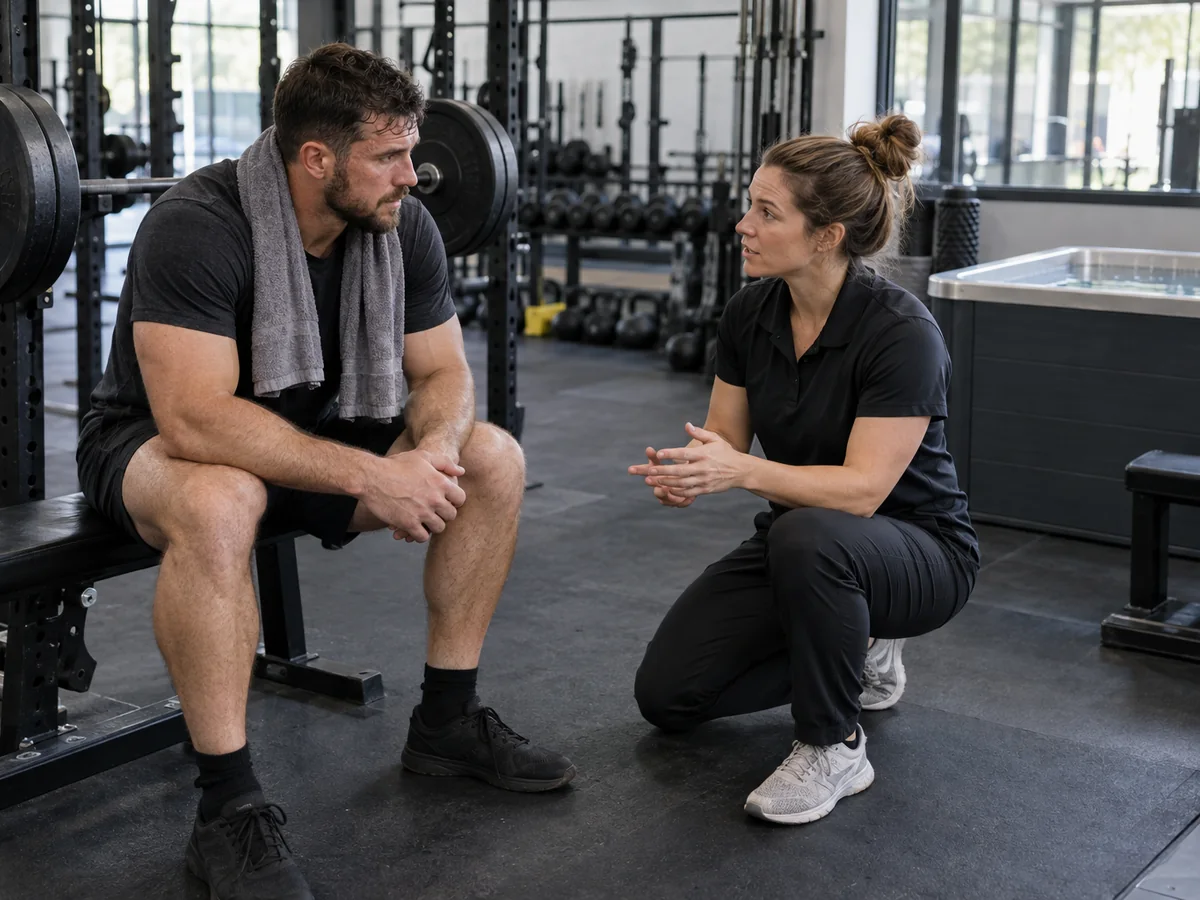
Il recupero acuto chiede cosa succede nelle ore o nei giorni successivi: indolenzimento, recupero percepito, ripristino di forza o potenza, biomarcatori o prontezza per un'altra prestazione. L'adattamento a lungo termine chiede cosa succede dopo un allenamento ripetuto per settimane o mesi su risultati come dimensioni muscolari, forza o capacità di resistenza.
Queste domande possono portare in direzioni diverse. Un bagno freddo post-esercizio può migliorare alcune misure di recupero a breve termine, mentre l'immersione in acqua fredda ripetuta subito dopo l'allenamento di resistenza può contrastare alcuni degli adattamenti che un atleta cerca di preservare.
Questa non è una contraddizione. È una differenza di risultato.
Meno indolenzimento non significa automaticamente migliori prestazioni o migliori guadagni
L'indolenzimento è un'informazione utile, ma non è una metrica completa del recupero. Una grande revisione sistematica sull'immersione in acqua fredda post-esercizio ha rilevato che gli effetti sul recupero variano in base all'esercizio precedente, al risultato misurato e al momento: il recupero della resistenza è migliorato in alcuni punti, mentre le prestazioni di sprint e salto potrebbero peggiorare subito dopo l'immersione, con altri risultati di forza o potenza che migliorano più tardi. Vedi la revisione sistematica del recupero delle prestazioni fisiche dopo l'immersione in acqua fredda.
Quindi tieni separate queste domande:
- Mi sento meno indolenzito?
- La qualità delle prestazioni di cui ho bisogno per la prossima sessione si è ripresa?
- Sto cercando di massimizzare l'adattamento a lungo termine da questo blocco di allenamento?
- Ho un'altra prestazione importante abbastanza presto da dare più peso al recupero a breve termine?
DOMS ≠ recupero completo delle prestazioni ≠ adattamento a lungo termine.
Dopo l'allenamento di forza: immersione in acqua fredda immediata, crescita muscolare e limiti della regola delle 4-6 ore
Se la priorità è la forza o l'ipertrofia, il motivo più forte per essere cauti è l'uso ripetuto di CWI immediatamente dopo l'allenamento di resistenza. Le attuali evidenze di revisioni sistematiche suggeriscono che questo schema può attenuare moderatamente l'ipertrofia, con evidenze separate che indicano anche una riduzione dell'adattamento della forza in alcune condizioni.
L'ambito è fondamentale. La ricerca non giustifica l'affermazione che un singolo bagno freddo distrugga la crescita muscolare, che ogni bagno freddo in un giorno di sollevamento riduca i guadagni, o che un'ora specifica successiva sia dimostrata sicura.
Cosa affrontano realmente le evidenze sull'uso immediato di CWI dopo il sollevamento pesi
Una revisione sistematica e meta-analisi del 2024 sull'allenamento di resistenza e l'ipertrofia ha rilevato che l'uso di CWI immediatamente dopo l'esercizio di resistenza può attenuare i cambiamenti ipertrofici. Negli studi inclusi, l'immersione iniziava immediatamente o entro circa 15 minuti dall'allenamento e veniva generalmente ripetuta durante il programma di allenamento. La revisione ha anche giudicato la qualità delle evidenze sottostanti come relativamente limitata, quindi il risultato dovrebbe essere interpretato con cautela. Vedi la revisione sistematica e meta-analisi del 2024 sull'ipertrofia.
Questo dà a questa evidenza un confine chiaro:
| Ambito delle evidenze | Cosa può supportare | Cosa non dimostra |
|---|---|---|
| CWI ripetuto iniziato immediatamente o entro circa 15 minuti dopo l'allenamento di resistenza | Attenzione quando l'ipertrofia è un obiettivo principale a lungo termine | Che ogni immersione in acqua fredda nello stesso giorno riduca l'ipertrofia |
| Studi sull'allenamento di forza cronico | Possibile interferenza con adattamenti selezionati | Che una singola immersione isolata causi una perdita misurabile di guadagni |
| Meta-analisi sulla forza | Alcune evidenze di attenuazione dell'adattamento alla forza | Che tutti i metodi CWI riducano la forza allo stesso modo |
| Uso ritardato diverse ore dopo l'allenamento con i pesi | Le evidenze restano incomplete | Una soglia universale di “sicurezza dopo X ore” |
L'adattamento alla forza necessita di una formulazione separata. Una meta-analisi di 10 studi ha rilevato una piccola attenuazione complessiva nei guadagni di forza, ma il risultato non era uniforme: il sottogruppo a singolo arto mostrava attenuazione, mentre il sottogruppo CWI a corpo intero non mostrava una differenza significativa. Il campione aggregato era anche per il 92% maschile, il che limita quanto ampiamente il risultato debba essere generalizzato. Vedere il meta-analisi sull'adattamento alla forza.
La conclusione difendibile è quindi:
L'immersione in acqua fredda (CWI) immediata e ripetuta dopo l'allenamento contro resistenza merita cautela quando l'ipertrofia o l'adattamento della forza a lungo termine sono una priorità.
Non è:
ogni uso di acqua fredda dopo l'allenamento con i pesi è dannoso.
Perché la regola delle “4–6 ore” non dovrebbe essere considerata una soglia universale provata
La popolare regola delle 4–6 ore è più precisa di quanto le prove dirette consentano.
Un articolo per professionisti ACSM rileva che alcuni atleti e professionisti spostano la CWI a quattro-sei ore dall'allenamento di forza o ipertrofia, riconoscendo al contempo che solo pochi studi hanno esaminato direttamente la tempistica post-esercizio. Vedi il Discussione dell'ACSM sulla tempistica della CWI. Questo rende l'intervallo di 4–6 ore un'euristica pratica di programmazione, non una soglia fisiologica convalidata.
Ancor più importante, la revisione sull'ipertrofia del 2024 limita la sua conclusione alla tempistica immediata post-esercizio effettivamente studiata e afferma che gli effetti della CWI utilizzata diverse ore dopo rimangono sconosciuti.
Questo lascia un confine netto nelle prove:
Supportato: la CWI immediata e ripetuta dopo l'allenamento con i pesi può attenuare l'ipertrofia.
Non stabilito: che un unico limite di ore posticipate separi l'uso dannoso da quello sicuro o garantisca che l'adattamento sia protetto.
Se preservare l’adattamento all’allenamento di resistenza è la priorità, separare CWI dalla finestra immediatamente successiva al sollevamento è una scelta di programmazione ragionevole quando praticabile. Le evidenze non stabiliscono comunque un’ora successiva specifica che garantisca la risoluzione della questione di interferenza.
Se stai decidendo quanto deve durare una sessione, usa HACHILL’s guida alla durata del cold-plunge. Se la domanda è con quale frequenza ripetere la CWI nell’arco di una settimana di allenamento, usa la guida alla frequenza del cold plunge.
Dopo l'allenamento di resistenza o sport di squadra: quando il recupero a breve termine è importante
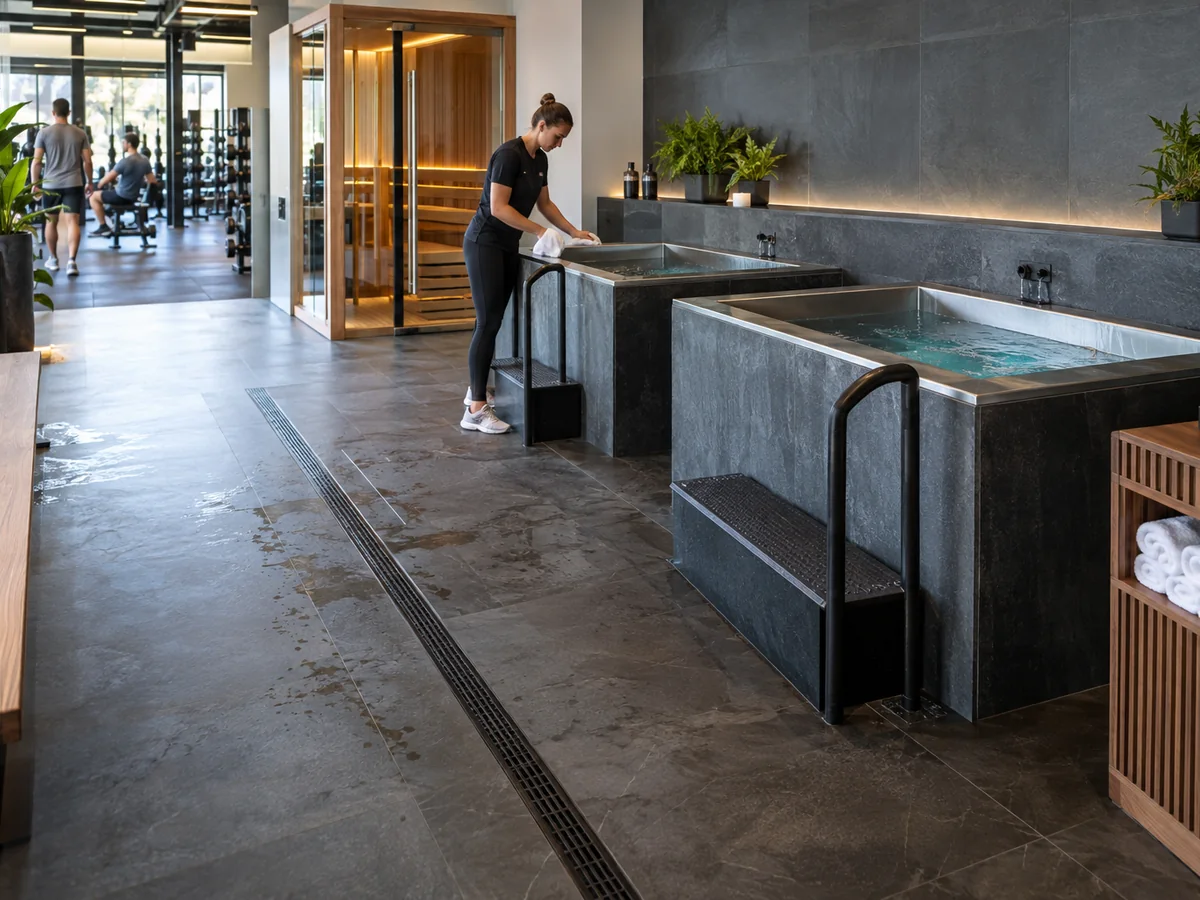
La CWI post-esercizio può avere una motivazione più forte quando l'obiettivo immediato è ripristinare determinate qualità prima di un'altra prestazione impegnativa. È diverso dal dire che gli atleti di endurance o di sport di squadra dovrebbero sempre fare un bagno freddo dopo l'allenamento.
Una revisione sistematica e meta-analisi a rete specifica per modalità del 2026, che copre applicazioni relative a forza, endurance e sport di squadra, ha rilevato che gli effetti della CWI differiscono in base al tipo di esercizio, all'esito e al protocollo. La revisione ha incluso 87 studi e 2,313 partecipanti, con certezza variabile tra gli esiti, e i suoi risultati non supportano un'unica prescrizione universale di CWI post-esercizio. Vedi la Meta-analisi a rete specifica per modalità 2026.
Una revisione sistematica specifica per il calcio del 2026 aggiunge un utile esempio di recupero a breve termine: la CWI è stata associata a un miglior recupero di alcune misure, tra cui la contrazione volontaria massimale e i dolori muscolari a insorgenza ritardata, mentre la prestazione nello sprint non è risultata chiaramente migliorata e gli intervalli di previsione per gli esiti raggruppati includevano lo zero. Vedi la Revisione sistematica 2026 sul CWI post-partita in calciatori allenati. Il punto pratico non è che il calcio dimostri un protocollo universale; è che gli esiti di recupero possono variare in modo diverso anche all'interno di uno stesso sport.
Recupero acuto e prontezza per la sessione successiva sono diversi dall'adattamento di resistenza
Il recupero acuto può includere:
- indolenzimento;
- recupero percepito;
- ripristino della forza o della potenza;
- prestazioni nello sprint o nel salto;
- prestazione aerobica;
- biomarcatori di danno muscolare.
Questi risultati non vanno di pari passo.
L’adattamento di endurance a lungo termine è un’altra questione. Una revisione sistematica con meta-analisi della CWI regolare durante l’allenamento ha rilevato che la CWI era associata a adattamenti peggiori all’allenamento di resistenza, ma ha non mostrano un effetto chiaro—positivo o negativo—sugli adattamenti di prestazione aerobica misurati negli studi di resistenza. Vedere la meta-analisi 2021 sull'adattamento all'allenamento cronico.
Ciò supporta due distinzioni:
Beneficio di recupero a breve termine ≠ migliore adattamento di resistenza a lungo termine.
e
Nessuna chiara compromissione dell'adattamento di resistenza rilevata ≠ adattamento di resistenza migliorato.
Il recupero tra competizioni può cambiare la decisione
Considerare due atleti dopo sessioni impegnative.
Uno è in un blocco di sviluppo senza prestazioni importanti imminenti. L'altro deve esibirsi di nuovo entro un breve tempo di consegna. Le loro priorità sono diverse anche se la vasca fredda è identica.
Per il secondo atleta, alcuni esiti selezionati di recupero acuto possono meritare più peso. Ciò non significa che ogni misura di prestazione recupererà meglio, e non significa che la stessa routine debba essere automaticamente ripetuta dopo ogni sessione di allenamento durante un blocco incentrato sull’adattamento.
Scenario illustrativo — non un caso atleta HACHILL: Un atleta di sport di squadra termina una partita con un'altra prestazione ad alta richiesta in arrivo a breve. La decisione sui tempi si basa sulle qualità specifiche necessarie per l'evento successivo e sulla finestra di recupero disponibile. Questa è una decisione a breve turnaround, non una prova che la CWI post-allenamento di routine sia ottimale per l'adattamento a lungo termine.
Prima di un allenamento: il pre-raffreddamento in condizioni di caldo è un caso speciale, non un potenziamento universale delle prestazioni
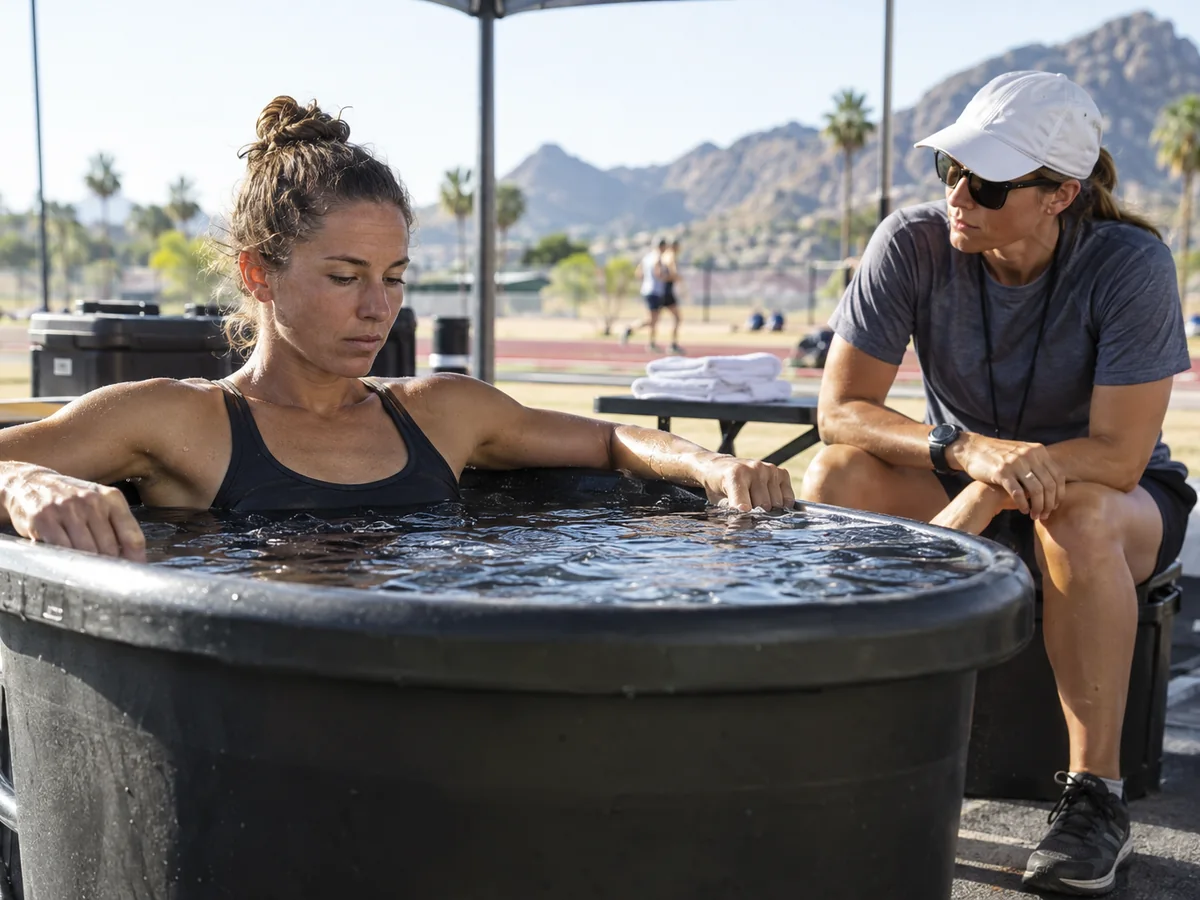
CWI prima dell'esercizio ha un ruolo chiaro supportato da evidenze: pre-cooling prima di esercizio di endurance in condizioni di caldo.
Questo è molto più limitato rispetto alle affermazioni secondo cui un bagno freddo prima dell'allenamento migliori universalmente forza, concentrazione, motivazione o prestazioni atletiche.
Quando il pre-raffreddamento può essere importante per l'esercizio di resistenza in condizioni di caldo
Una meta-analisi specifica per CWI sul pre-raffreddamento ha incluso esercizio di resistenza della durata superiore a sei minuti a temperature ambiente di almeno 26°C e ha rilevato un effetto complessivo favorevole sulle misure di prestazione di resistenza. Vedere la meta-analisi del pre-raffreddamento con CWI prima dell'esercizio al caldo.
La traduzione utile è:
Quando il problema di prestazione è la gestione del calore durante l’esercizio di resistenza, il pre-raffreddamento può essere rilevante.
Questa è una strategia specifica per evento e ambiente. Non è una regola generale che l'acqua fredda vada prima di ogni allenamento.
Perché tali prove non si applicano automaticamente a normali sessioni di forza o palestra
Le prove più solide sul pre-raffreddamento non stabiliscono che un'immersione in acqua fredda prima di una normale sessione di sollevamento migliori forza, potenza o qualità dell'allenamento.
L'ambito corretto è:
Le evidenze si applicano più chiaramente a: prestazioni di resistenza a calore elevato.
Non stabilisce: un beneficio universale pre-allenamento per l'allenamento contro resistenza, l'esercizio indoor ordinario, la concentrazione mentale o la prestazione “guidata dalla dopamina”.
Sentirsi vigili dopo l'esposizione al freddo non equivale a dimostrare una migliore prestazione atletica.
Se è la temperatura dell’acqua stessa a essere in questione, mantieni quel compito con HACHILL guida alla temperatura per l'immersione in acqua fredda anziché copiare una temperatura di ricerca in un articolo sulla tempistica come prescrizione universale per il consumatore.
Acclimatazione al caldo e allenamento misto: quando l'obiettivo di recupero può entrare in conflitto con l'obiettivo di adattamento
L'acclimatazione al calore crea una questione diversa dalla prestazione acuta al calore. Il raffreddamento può aiutare a gestire lo stress termico o il recupero, mentre l'allenamento di acclimatazione al calore utilizza deliberatamente l'esposizione ripetuta al calore per indurre l'adattamento.
È allettante concludere che il raffreddamento post-esercizio debba cancellare quello stimolo. Le prove attuali non sono sufficientemente forti per quell'affermazione universale.
Il raffreddamento per comfort o prestazione non è uguale all'adattamento al calore dell'edificio
Una revisione del 2024 incentrata specificamente sul recupero durante l'acclimatazione al calore da esercizio ha concluso che le prove dirette sull'effetto del raffreddamento post-esercizio sull'adattamento al calore restano limitate. La sua interpretazione complessiva era che il raffreddamento basato sul recupero non interferirebbe necessariamente con lo stimolo fisiologico già ottenuto durante l'esposizione al calore, ma gli autori hanno esplicitamente descritto la conclusione come esplorativa perché mancano dati diretti. Vedi il revisione del 2024 sul raffreddamento post-esercizio e sull'acclimatazione al calore.
Questo fa una Noto / Ancora incerto distinzione più accurata di una regola rigida.
- Il pre-raffreddamento può supportare prestazioni di resistenza selezionate in condizioni di caldo.
- La CWI immediata post-resistenza ripetuta richiede cautela per l'allenamento finalizzato all'ipertrofia.
- Alcuni esiti acuti di recupero selezionati possono migliorare dopo la CWI.
- In uno studio controllato di allenamento al calore, il pre-raffreddamento regolare non sembrava attenuare l'adattamento al calore.
- L'effetto esatto del raffreddamento per recupero post-esercizio sull'acclimatazione al calore in diversi protocolli.
- Un'ora post-sollevamento ritardata universale che protegge l'adattamento.
- Un unico programma di tempistica che ottimizza contemporaneamente forza, resistenza, recupero a breve termine e adattamento al calore.
Quello studio non stabilisce che ogni protocollo di raffreddamento pre o post esercizio sia neutro per l'acclimatazione al calore.
L’incertezza è un risultato delle prove, non una lacuna da colmare con una regola sicura.
L'allenamento misto di forza, resistenza e due sedute al giorno richiede una decisione prioritaria
L'allenamento misto rende le regole di timing universali ancora meno utili.
Una giornata può combinare lavoro di forza e resistenza, oppure l'adattamento a lungo termine può entrare in conflitto con la necessità di esibirsi di nuovo a breve. La CWI dovrebbe quindi essere valutata rispetto alla priorità del blocco di allenamento o della sessione successiva, non semplicemente etichettata come “recupero”.
Una sequenza pratica è:
- Identificare l'adattamento o il risultato di prestazione che si sta cercando di proteggere.
- Chiedere se le prove CWI disponibili riguardano esattamente quella modalità di esercizio, risultato e tempistica.
- Se le prove coprono solo una modalità diversa o una finestra immediatamente successiva all'esercizio, non estenderle in modo implicito.
- Quando gli obiettivi sono in conflitto, utilizzare il contributo appropriato di un allenatore, di uno specialista di scienze motorie o di un professionista sanitario qualificato anziché inventare un'ora universale.
Scenario illustrativo — non un caso atleta HACHILL: Un atleta si trova in un blocco incentrato sulla forza ma ha anche una sessione di resistenza più tardi lo stesso giorno. La CWI immediata post-sollevamento solleva una questione di adattamento diversa dal pre-raffreddamento prima di esercizio di resistenza con caldo sostanziale. Queste categorie di prove non dovrebbero essere ridotte a un'unica regola di “giorno da cold plunge”.
Usa questo controllo decisionale per i tempi della vasca fredda
Una buona decisione sulla temporizzazione non deve restituire un'unica risposta universale. Può restituire attenzione, da considerare, caso speciale o sospeso.
| Domanda decisionale | Indirizzo basato sulle evidenze | Limite |
|---|---|---|
| La priorità è la forza a lungo termine o l'ipertrofia? | La CWI immediata ripetuta dopo l'esercizio contro resistenza merita cautela | L'evidenza non definisce un'unica soglia di sicurezza universale a diverse ore di distanza |
| È necessario eseguire di nuovo a breve? | Esiti selezionati di recupero acuto possono rendere il CWI post-esercizio più rilevante | Indolenzimento o recupero percepito non garantiscono che ogni misura di prestazione sia ripristinata |
| L'obiettivo è lo sviluppo della resistenza a lungo termine? | Non presumere che la CWI regolare migliori l'adattamento di endurance. | Le prove croniche disponibili non stabiliscono un beneficio di adattamento |
| Ti stai preparando per una prestazione di resistenza con caldo intenso? | Il pre-raffreddamento può essere un caso speciale rilevante | Questo non stabilisce un beneficio universale pre-allenamento |
| L'acclimatazione al calore è un obiettivo principale dell'allenamento? | Mantenere visibile l'incertezza e prendere una decisione a livello di programma | Le prove non giustificano l'affermazione che il raffreddamento per recupero distrugga sicuramente l'acclimatazione |
| Forza, resistenza o due sessioni si contendono la priorità? | Decidere quale risultato conta di più prima di scegliere la tempistica | Non è stabilito alcun programma universale di allenamento misto |
| L'idoneità medica è incerta? | Cerca una guida professionale personalizzata prima dell'immersione in acqua fredda | Le prove sulla tempistica della scienza dello sport non costituiscono idoneità medica |
L'immersione in acqua fredda ha anche una questione separata di sicurezza fisiologica. Il cold plunge pianificato non è lo stesso contesto dell'immersione accidentale in acqua aperta, ma l'esposizione improvvisa al freddo può comunque alterare rapidamente respirazione, frequenza cardiaca e pressione sanguigna; le prove sulla tempistica dell'allenamento non prevalgono sull'idoneità sanitaria individuale. Il Linee guida di sicurezza per l'acqua fredda del National Weather Service degli Stati Uniti descrive la risposta allo shock freddo, mentre Le attuali linee guida della Cleveland Clinic sul cold plunge identifica situazioni di salute in cui è appropriata una valutazione clinica.
La tempistica non sostituisce le decisioni su temperatura, durata o frequenza
Anche una scelta di tempistica ben supportata non indica quanto fredda debba essere l'acqua, quanto debba durare la sessione o con quale frequenza debba essere ripetuta.
Tenere quelle domande con i rispettivi responsabili di pagina:
- Per quanto tempo? Quanto dovrebbe durare il tuo cold plunge?
- Quanto freddo? Quanto è fredda una vasca per immersione in acqua fredda?
- Con quale frequenza? Con quale frequenza fare immersioni in acqua fredda?
Un articolo di ricerca può combinare una particolare temperatura, durata, tempistica e gruppo di partecipanti perché quelle sono le condizioni sperimentali. Ciò non rende il protocollo completo una prescrizione universale per i consumatori.
Per la pianificazione di strutture commerciali anziché un protocollo individuale per atleti, HACHILL’s Pagina di pianificazione del centro di recupero copre attrezzatura, accesso, personale e interfacce operative, mantenendo separate le decisioni di idoneità medica e di esposizione.
In sintesi: scegliere la tempistica del cold plunge in base al risultato che si cerca di proteggere. Se l’adattamento di forza o ipertrofia è la priorità, evitare di trattare il CWI immediatamente post-sollevamento come passo di recupero predefinito. Se si avvicina un’altra prestazione impegnativa, valutare la specifica qualità di recupero necessaria, non solo il dolore muscolare. Usare le affermazioni sul pre-raffreddamento principalmente per l’esercizio di endurance in condizioni calde, dove l’evidenza è materialmente più forte. E non trasformare “4–6 ore” o qualsiasi protocollo di ricerca in una garanzia universale.