Leitfaden zur Dauer der Kaltwasser-Immersion
Kurze Antwort: Es gibt keinen allgemeingültigen Gewinner für “vor” oder “nach”. Steht langfristiger Kraftaufbau oder Hypertrophie im Vordergrund, ist wiederholtes Kaltwasser-Tauchen unmittelbar nach Krafttraining mit Vorsicht zu betrachten, da die aktuelle Evidenz darauf hindeutet, dass es die Hypertrophie moderat abschwächen kann und unter bestimmten Bedingungen auch die Kraftanpassung. Wenn Sie bald erneut trainieren müssen, kann Kaltwasser-Immersion nach dem Training einen anderen Regenerations-Kompromiss bedeuten. Vor dem Training liegt die klarste Leistungsevidenz in der Vorkühlung für Ausdaueraktivitäten bei Hitze – nicht als allgemeiner Leistungsbooster fürs Krafttraining.
Die Entscheidung beginnt mit dem Ergebnis, das Sie schützen möchten: akute Erholung, langfristige Anpassung, Leistung bei kurzer Regenerationszeit oder Wärmemanagement. Das sind unterschiedliche Ziele. Weniger Muskelkater heute beweist nicht, dass Kraft, Leistung oder Hypertrophie verbessert wurden, und Belege aus unmittelbar nach dem Krafttraining durchgeführter Kaltwasser-Immersion sollten nicht in eine universelle Regel für mehrere Stunden später umgewandelt werden.
Kaltwasser-Tauchbecken vor oder nach dem Training? Beginnen Sie mit dem Trainingsziel
Das Timing der Kaltwasser-Immersion sollte dem Trainingsziel folgen, nicht einer allgemeinen Idee, dass Kälte “gut für die Erholung” ist. Ein Kraftsportler, der Hypertrophie maximieren möchte, trifft eine andere Entscheidung als ein Athlet, der bald wieder antreten muss. Ein Ausdauersportler, der sich auf ein heißes Event vorbereitet, wieder eine andere.
Deshalb sind einfache Regeln wie “immer nach dem Cardio tauchen” oder “nach dem Krafttraining sechs Stunden warten” zu pauschal. Die CWI-Forschung misst verschiedene Ergebnisse unter verschiedenen Trainings-, Timing- und Expositionsbedingungen. Eine bessere erste Frage ist: Welches Ergebnis ist bei dieser Einheit am wichtigsten?
Akute Erholung ist nicht dasselbe wie langfristige Anpassung
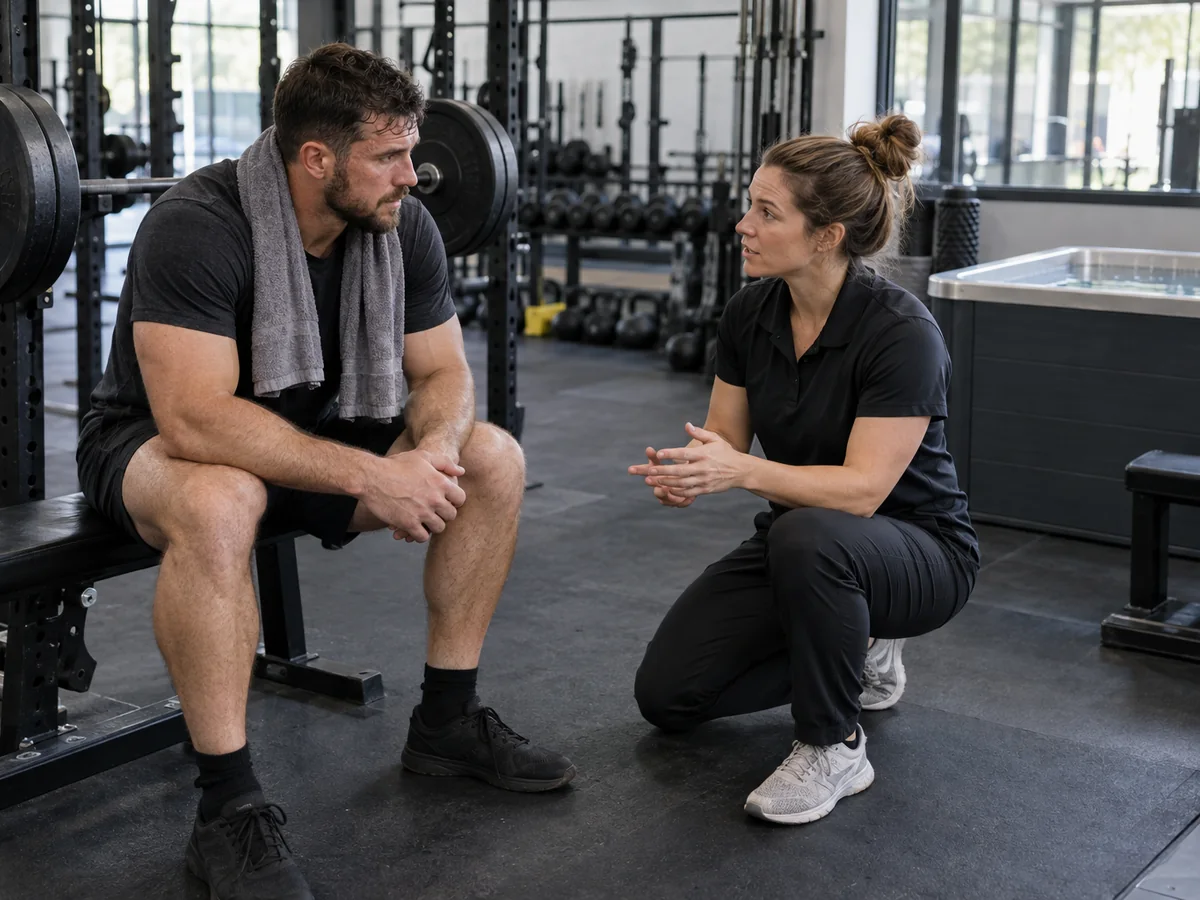
Akute Erholung fragt, was in den nächsten Stunden oder Tagen passiert: Muskelkater, wahrgenommene Erholung, Wiederherstellung von Kraft oder Leistung, Biomarker oder Bereitschaft für eine weitere Leistung. Langfristige Anpassung fragt, was nach wiederholtem Training über Wochen oder Monate passiert, etwa bei Muskelgröße, Kraft oder Ausdauerfähigkeit.
Diese Fragen können in unterschiedliche Richtungen weisen. Ein Kaltwasser-Tauchbad nach dem Training kann ausgewählte kurzfristige Erholungsmaßnahmen verbessern, während wiederholtes unmittelbares Kaltwasser-Tauchen (CWI) nach Krafttraining einigen Anpassungen entgegenwirken kann, die ein Kraftsportler erhalten möchte.
Das ist kein Widerspruch. Es ist ein Ergebnisunterschied.
Weniger Muskelkater bedeutet nicht automatisch bessere Leistung oder bessere Trainingserfolge
Muskelkater ist eine nützliche Information, aber keine vollständige Erholungsmetrik. Eine große systematische Übersichtsarbeit zu Kaltwasser-Tauchen (CWI) nach dem Training ergab, dass die Erholungseffekte je nach vorheriger Belastung, gemessenem Ergebnis und Zeitpunkt variieren: Die Erholung der Ausdauer verbesserte sich zu bestimmten Zeitpunkten, während Sprint- und Sprungleistung kurz nach dem Eintauchen schlechter sein konnten, andere Kraft- oder Leistungsergebnisse sich jedoch später verbesserten. Siehe die systematische Übersichtsarbeit zur Erholung der körperlichen Leistungsfähigkeit nach Kaltwasser-Tauchen (CWI).
Halten Sie diese Fragen also getrennt:
- Fühle ich weniger Muskelkater?
- Hat sich die Leistungsqualität, die ich als Nächstes benötige, erholt?
- Versuche ich, die langfristige Anpassung aus diesem Trainingsblock zu maximieren?
- Habe ich bald eine weitere wichtige Leistung, sodass die kurzfristige Erholung mehr Gewicht verdient?
Muskelkater ≠ vollständige Leistungserholung ≠ langfristige Anpassung.
Nach Krafttraining: Sofortiges Kaltwasser-Tauchen, Muskelwachstum und die Grenzen der 4–6-Stunden-Regel
Wenn Kraft oder Hypertrophie Priorität haben, ist der stärkste Grund zur Vorsicht wiederholtes Kaltwasser-Tauchbad (CWI) unmittelbar nach dem Krafttraining. Die aktuelle Evidenz aus systematischen Übersichtsarbeiten deutet darauf hin, dass dieses Muster die Hypertrophie möglicherweise leicht abschwächt, wobei separate Evidenz auch auf eine verminderte Kraftanpassung unter bestimmten Bedingungen hinweist.
Der Umfang ist entscheidend. Die Forschung rechtfertigt nicht die Aussage, dass ein einziges Tauchbad den Muskelaufbau zerstört, dass jedes Kaltwasser-Tauchbad an einem Trainingstag den Muskelaufbau reduziert oder dass eine bestimmte spätere Stunde nachweislich sicher ist.
Was die Evidenz zu unmittelbarem Kaltwasser-Tauchbad nach dem Krafttraining tatsächlich abdeckt
Eine systematische Übersichtsarbeit und Meta-Analyse von 2024 zu Krafttraining und Hypertrophie ergab, dass Kaltwasser-Tauchbad unmittelbar nach dem Krafttraining hypertrophe Veränderungen möglicherweise abschwächt. In den eingeschlossenen Studien begann das Tauchbad unmittelbar oder innerhalb von etwa 15 Minuten nach dem Training und wurde in der Regel über das gesamte Trainingsprogramm wiederholt. Die Übersichtsarbeit bewertete die zugrunde liegende Evidenzqualität als relativ begrenzt, daher sollte das Ergebnis mit Vorsicht interpretiert werden. Siehe die systematische Übersichtsarbeit und Meta-Analyse zur Hypertrophie 2024.
Das grenzt diese Evidenz klar ein:
| Evidenzumfang | Was er belegen kann | Was sie nicht beweist |
|---|---|---|
| Wiederholtes Kaltwasser-Tauchen (CWI) unmittelbar oder innerhalb von etwa 15 Minuten nach dem Krafttraining begonnen | Vorsicht, wenn Hypertrophie ein wichtiges langfristiges Ziel ist | Dass jedes Kaltwasser-Tauchbecken am selben Tag die Hypertrophie reduziert |
| Studien zum chronischen Krafttraining | Mögliche Beeinträchtigung ausgewählter Anpassungen | Dass ein einzelnes isoliertes Tauchbad einen messbaren Verlust an Zugewinnen verursacht |
| Meta-Analyse zur Kraftanpassung | Einige Hinweise auf eine abgeschwächte Kraftanpassung | Dass alle CWI-Methoden die Kraft gleichermaßen reduzieren |
| Verzögerte Anwendung mehrere Stunden nach dem Krafttraining | Die Evidenz bleibt unvollständig | Ein universeller “sicher nach X Stunden”-Schwellenwert |
Kraftanpassung erfordert eine separate Formulierung. Eine Metaanalyse von 10 Studien ergab eine geringe Gesamtabschwächung der Kraftzuwächse, das Ergebnis war jedoch nicht einheitlich: Die Untergruppe mit einseitigem Gliedmaßentraining zeigte eine Abschwächung, während die Untergruppe mit Ganzkörper-Kaltwasser-Immersion keinen signifikanten Unterschied zeigte. Die gepoolte Stichprobe war zudem zu 92% männlich, was die Verallgemeinerbarkeit des Ergebnisses einschränkt. Siehe die Meta-Analyse zur Kraftanpassung.
Die belastbare Schlussfolgerung lautet daher:
Wiederholte unmittelbare Kaltwasser-Immersion (CWI) nach Krafttraining ist mit Vorsicht zu behandeln, wenn langfristige Hypertrophie- oder Kraftanpassung im Vordergrund steht.
Es bedeutet nicht:
dass jede Kaltwasseranwendung nach dem Krafttraining schädlich ist.
Warum die Regel “4–6 Stunden warten” nicht als bewiesene allgemeingültige Schwelle gelten sollte
Die verbreitete 4–6-Stunden-Regel ist präziser, als es die direkte Evidenz zulässt.
Ein ACSM-Praktikerartikel weist darauf hin, dass einige Athleten und Praktiker die Kaltwasser-Immersion vier bis sechs Stunden vom Kraft- oder Hypertrophietraining entfernt legen, räumt aber auch ein, dass nur wenige Studien das Timing nach dem Training direkt untersucht haben. Siehe die ACSM-Praktikerdiskussion zum CWI-Timing. Das macht das 4–6-Stunden-Intervall zu einer praktischen Programmierungs-Heuristik – nicht zu einem validierten physiologischen Grenzwert.
Noch wichtiger: Die Hypertrophie-Übersichtsarbeit von 2024 begrenzt ihre Schlussfolgerung auf das tatsächlich untersuchte unmittelbare Timing nach dem Training und stellt fest, dass die Effekte von CWI, die mehrere Stunden später angewendet wird, weiterhin unbekannt bleiben.
Daraus ergibt sich eine klare Evidenzgrenze:
Belegt: wiederholte unmittelbare CWI nach dem Krafttraining kann die Hypertrophie abschwächen.
Nicht belegt: dass ein verzögerter Stunden-Grenzwert schädliche von sicherer Anwendung trennt oder garantiert, dass die Anpassung geschützt ist.
Wenn der Erhalt der Krafttrainingsanpassung Priorität hat, ist es eine vernünftige Programmierentscheidung, CWI vom unmittelbaren Zeitfenster nach dem Krafttraining zu trennen, sofern praktikabel. Die Evidenz belegt weiterhin keine bestimmte spätere Stunde, die garantiert, dass die Interferenzfrage geklärt ist.
Wenn Sie entscheiden, wie lange eine Sitzung dauern soll, nutzen Sie HACHILLs Kaltbad-Dauer-Leitfaden. Wenn die Frage lautet, wie oft CWI in einer Trainingswoche wiederholt werden soll, verwenden Sie die Leitfaden zur Nutzungshäufigkeit des Kaltwasserbeckens.
Nach Ausdauer- oder Mannschaftssport-Training: Wenn kurzfristige Erholung wichtig ist
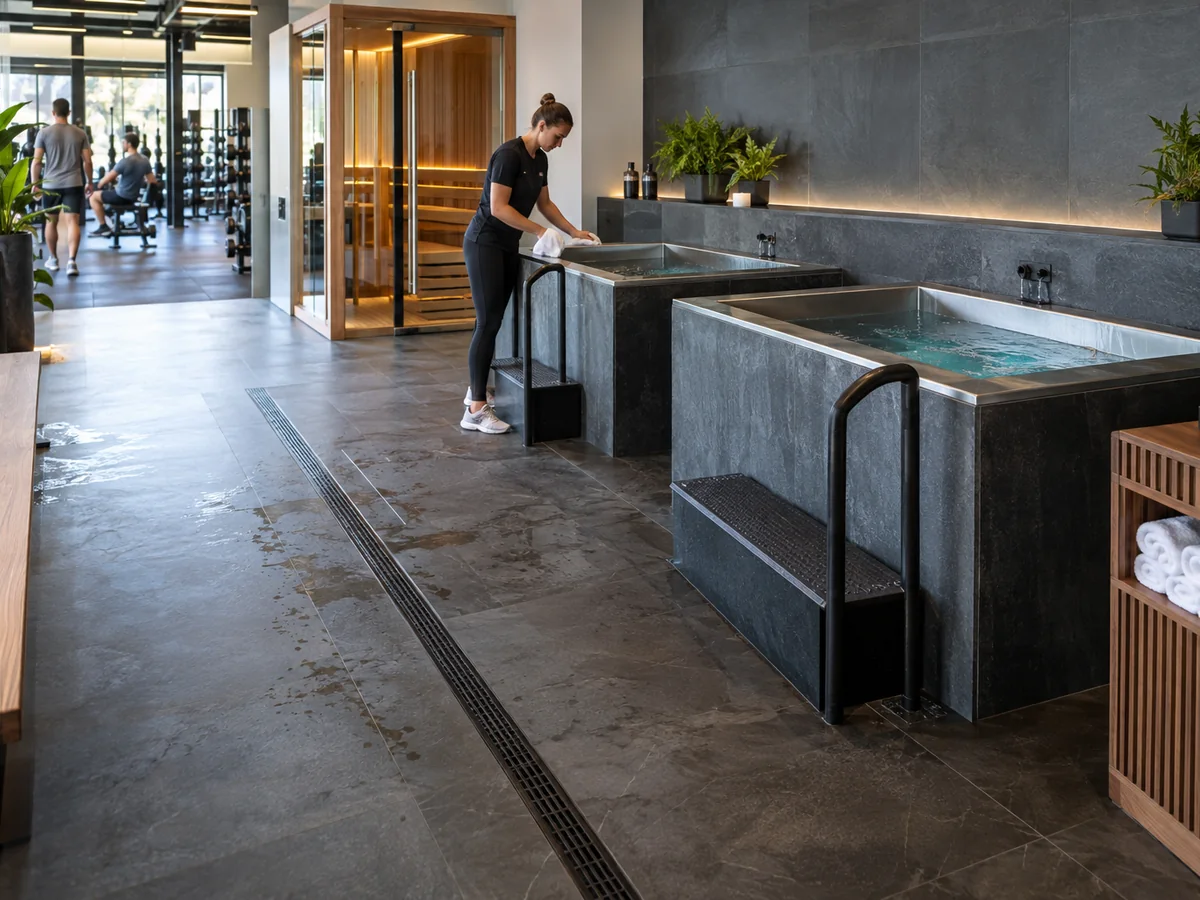
CWI nach dem Training kann eine stärkere Begründung haben, wenn das unmittelbare Ziel darin besteht, ausgewählte Eigenschaften vor einer weiteren anspruchsvollen Leistung wiederherzustellen. Das ist etwas anderes als die Aussage, Ausdauer- oder Mannschaftssportler sollten nach dem Training immer kalt baden.
Eine modalitätsspezifische systematische Übersichtsarbeit und Netzwerk-Metaanalyse aus dem Jahr 2026 zu Anwendungen im Kraft-, Ausdauer- und Mannschaftssport fand, dass sich die CWI-Effekte je nach Trainingsart, Ergebnis und Protokoll unterscheiden. Die Übersichtsarbeit umfasste 87 Studien und 2,313 Teilnehmer, wobei die Sicherheit je nach Ergebnis variierte, und ihre Ergebnisse unterstützen keine universelle CWI-Verordnung nach dem Training. Siehe die 2026 modalitätsspezifische Netzwerk-Metaanalyse.
Eine fußballspezifische systematische Übersichtsarbeit aus dem Jahr 2026 ergänzt ein nützliches Beispiel für kurze Regenerationszeiträume: CWI war mit besserer Erholung einiger Messgrößen verbunden, darunter maximale willkürliche Kontraktion und verzögert einsetzender Muskelkater, während die Sprintleistung nicht eindeutig verbessert wurde und die Vorhersageintervalle für die gepoolten Ergebnisse die Null einschlossen. Siehe die 2026 systematische Übersichtsarbeit zur CWI nach dem Spiel bei trainierten Fußballspielern. Der praktische Punkt ist nicht, dass Fußball ein universelles Protokoll beweist; der Punkt ist, dass sich Erholungsergebnisse selbst innerhalb einer Sportart unterschiedlich entwickeln können.
Akute Erholung und Bereitschaft für die nächste Einheit unterscheiden sich von Ausdaueranpassung
Akute Erholung kann umfassen:
- Muskelkater;
- wahrgenommene Erholung;
- Wiederherstellung von Festigkeit oder Leistung;
- Sprint- oder Sprungleistung;
- aerobe Leistungsfähigkeit;
- Biomarker für Muskelschäden.
Diese Ergebnisse verändern sich nicht gemeinsam.
Langfristige Ausdaueranpassung ist eine andere Frage. Eine systematische Übersicht mit Metaanalyse zu regelmäßigem CWI während des Trainings ergab, dass CWI mit schlechteren Krafttrainingsanpassungen verbunden war, aber nicht zeigen eine klare Wirkung—positiv oder negativ—auf die in den Ausdauerstudien gemessenen aeroben Leistungsanpassungen. Siehe die 2021 Metaanalyse zur chronischen Trainingsanpassung.
Das stützt zwei Unterscheidungen:
Kurzfristiger Erholungsnutzen ≠ bessere langfristige Ausdaueranpassung.
und
Keine eindeutige Beeinträchtigung der Ausdaueranpassung festgestellt ≠ Ausdaueranpassung verbessert.
Wettkampf-Turnaround kann die Entscheidung ändern
Betrachten Sie zwei Athleten nach fordernden Trainingseinheiten.
Das eine befindet sich in einem Entwicklungsblock ohne baldige wichtige Leistung. Das andere muss innerhalb einer kurzen Wiederholungszeit erneut Leistung erbringen. Ihre Prioritäten sind unterschiedlich, selbst wenn das Kaltwasser-Tauchbecken identisch ist.
Für den zweiten Athleten können ausgewählte akute Erholungsergebnisse stärker gewichtet werden. Das bedeutet nicht, dass sich jede Leistungskennzahl besser erholt, und es bedeutet nicht, dass dieselbe Routine nach jeder Trainingseinheit während eines anpassungsorientierten Blocks automatisch wiederholt werden sollte.
Illustratives Szenario — kein HACHILL-Athletenfall: Ein Mannschaftssportler beendet ein Spiel, während eine weitere leistungsintensive Belastung bald bevorsteht. Die Timing-Entscheidung basiert auf den spezifischen Qualitäten, die für den nächsten Wettkampf benötigt werden, und dem verfügbaren Erholungsfenster. Dies ist eine Entscheidung bei kurzer Übergangszeit, kein Beweis dafür, dass routinemäßige CWI nach dem Training für die langfristige Anpassung optimal ist.
Vor dem Training: Vorkühlung bei Hitze ist ein Sonderfall, kein universeller Leistungsbooster
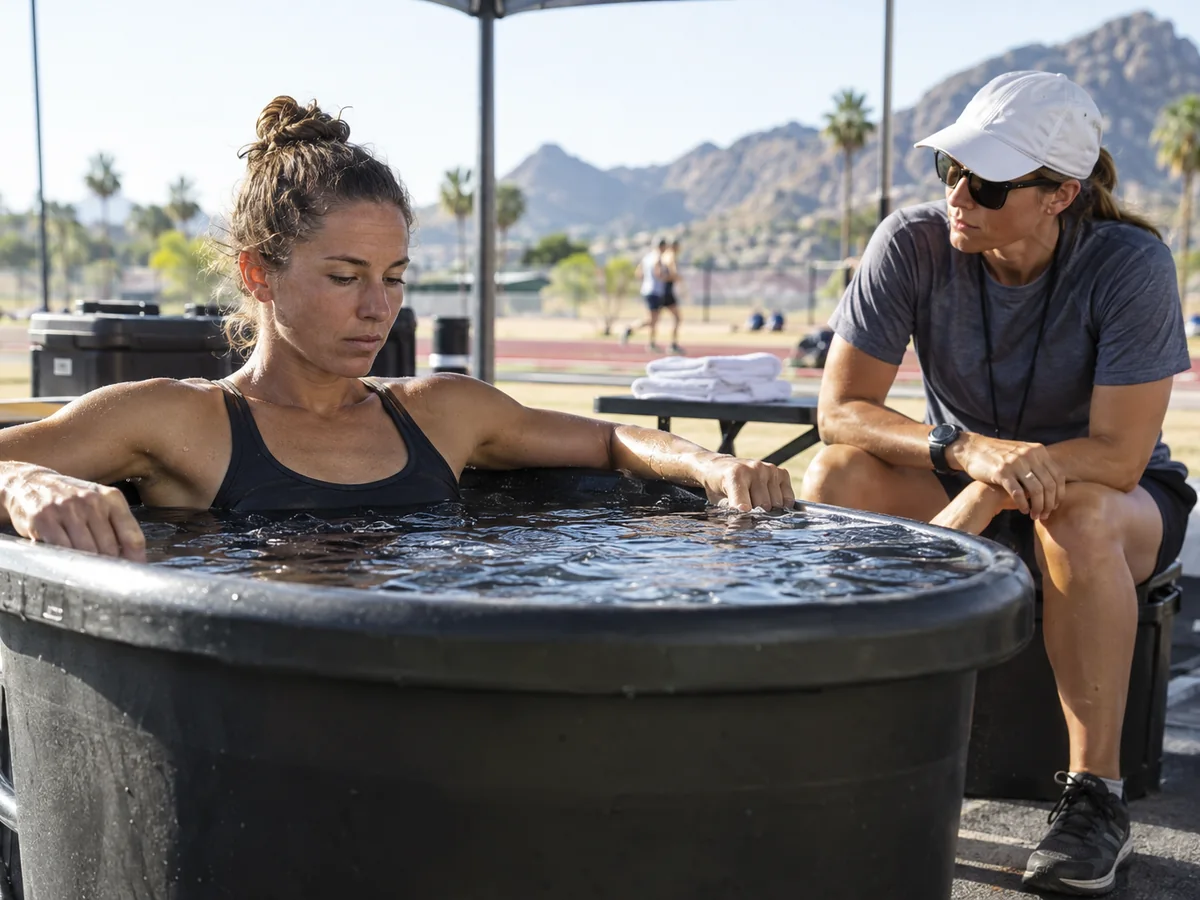
CWI vor dem Training hat eine klare evidenzbasierte Rolle: Pre-Cooling vor Ausdauerbelastung bei heißen Bedingungen.
Das ist deutlich enger gefasst als Behauptungen, dass ein Kaltwasser-Tauchbecken vor dem Training generell Kraft, Fokus, Motivation oder sportliche Leistung verbessert.
Wann Pre-Cooling bei Ausdauerbelastung unter Hitze relevant sein kann
Eine CWI-spezifische Metaanalyse zum Pre-Cooling umfasste Ausdauerbelastungen von mehr als sechs Minuten bei Umgebungstemperaturen von mindestens 26°C und ergab einen günstigen Gesamteffekt auf Ausdauerleistungsmaße. Siehe die Metaanalyse zum CWI-Pre-Cooling vor Belastung unter Hitze.
Die sinnvolle Einordnung ist:
Wenn das Leistungsproblem darin besteht, Hitze während einer Ausdauerbelastung zu managen, kann Pre-Cooling relevant sein.
Das ist eine veranstaltungs- und umgebungsspezifische Strategie. Es ist keine allgemeine Regel, dass Kaltwasser vor jedem Training gehört.
Warum diese Evidenz nicht automatisch für gewöhnliche Kraft- oder Gym-Einheiten gilt
Die stärkste Pre-Cooling-Evidenz belegt nicht, dass ein Kaltwasser-Tauchbecken vor einer normalen Krafttrainingseinheit Kraft, Leistung oder Trainingsqualität verbessert.
Der korrekte Geltungsbereich ist:
Die Evidenz gilt am klarsten für: Ausdauerleistung bei erheblicher Hitze.
Es legt nicht fest: einen universellen Pre-Workout-Nutzen für Krafttraining, normales Indoor-Training, mentalen Fokus oder „dopamingetriebene“ Leistung.
Sich nach Kälteexposition wach zu fühlen ist nicht dasselbe wie der Nachweis einer besseren sportlichen Leistung.
Wenn die Wassertemperatur selbst die Frage ist, verbleibt diese Aufgabe bei HACHILL’s Leitfaden zur Kaltwasser-Tauchtemperatur statt eine Forschungstemperatur als universelle Verbrauchervorgabe in einen Timing-Artikel zu übernehmen.
Hitzeakklimatisierung und gemischtes Training: Wenn das Erholungsziel mit dem Anpassungsziel kollidieren kann
Hitzeakklimatisierung wirft eine andere Frage auf als die akute Leistungsfähigkeit bei Hitze. Kühlung kann helfen, thermische Belastung oder Erholung zu steuern, während Hitzeakklimatisierungstraining bewusst wiederholte Hitzeexposition nutzt, um Anpassung zu bewirken.
Es ist verlockend, daraus zu schließen, dass eine Kühlung nach dem Training diesen Reiz neutralisieren muss. Die aktuelle Evidenz ist für diese pauschale Aussage nicht stark genug.
Kühlung für Komfort oder Leistung ist nicht dasselbe wie der Aufbau von Hitzeanpassung
Eine Übersichtsarbeit aus dem Jahr 2024, die sich speziell mit der Erholung während der Hitzeakklimatisierung im Training befasste, kam zu dem Schluss, dass die direkte Evidenz zur Wirkung einer Kühlung nach dem Training auf die Hitzeanpassung begrenzt bleibt. Die übergeordnete Interpretation war, dass eine erholungsbezogene Kühlung den bereits während der Hitzebelastung erreichten physiologischen Reiz nicht zwangsläufig beeinträchtigen würde, doch die Autoren bezeichneten diese Schlussfolgerung ausdrücklich als explorativ, da direkte Daten fehlen. Siehe die Übersichtsarbeit 2024 zu Kühlung nach dem Training und Hitzeakklimatisierung.
Das macht eine Bekannt / Noch unklar Unterscheidung treffender als eine starre Regel.
- Vorkühlung kann ausgewählte Ausdauerleistungen unter Hitzebedingungen unterstützen.
- Wiederholtes unmittelbares Kaltwasser-Immersion nach Krafttraining erfordert Vorsicht bei hypertrophieorientiertem Training.
- Ausgewählte akute Erholungsergebnisse können sich nach Kaltwasser-Immersion verbessern.
- In einer kontrollierten Hitzetrainingsstudie führte regelmäßige Vorkühlung schien die Hitzeanpassung nicht abzuschwächen.
- Die genaue Wirkung der Erholungskühlung nach dem Training auf die Hitzeakklimatisierung bei verschiedenen Protokollen.
- Eine universelle verzögerte Stunde nach dem Krafttraining, die die Anpassung schützt.
- Ein Zeitplan, der Kraft, Ausdauer, kurzfristige Erholung und Hitzeanpassung gleichzeitig optimiert.
Diese Studie belegt nicht, dass jedes Kühlprotokoll vor oder nach dem Training für die Hitzeakklimatisierung neutral ist.
Unsicherheit ist ein Evidenzergebnis, keine Lücke, die mit einer sicheren Regel gefüllt werden muss.
Gemischtes Kraft-, Ausdauer- und Zwei-Einheiten-Training erfordert eine Prioritätsentscheidung
Gemischtes Training macht universelle Timing-Regeln noch weniger nützlich.
Ein Tag kann Kraft- und Ausdauertraining kombinieren, oder die langfristige Anpassung kann mit der Notwendigkeit konkurrieren, bald erneut zu trainieren. CWI sollte dann an der Priorität des Trainingsblocks oder der nächsten Einheit gemessen werden – nicht bloß als “Erholung” bezeichnet werden.”
Eine praktische Reihenfolge ist:
- Identifizieren Sie das Anpassungs- oder Leistungsergebnis, das Sie schützen möchten.
- Fragen Sie, ob die verfügbare CWI-Evidenz genau diesen Trainingsmodus, dieses Ergebnis und dieses Timing abdeckt.
- Wenn die Evidenz nur eine andere Modalität oder ein unmittelbares Zeitfenster nach der Belastung abdeckt, darf sie nicht stillschweigend ausgeweitet werden.
- Bei konkurrierenden Zielen sollten geeignete Trainer-, Sportwissenschafts- oder qualifizierte Gesundheitsfachleute hinzugezogen werden, statt eine universelle Stunde zu erfinden.
Illustratives Szenario — kein HACHILL-Athletenfall: Ein Athlet befindet sich in einem kraftorientierten Block, hat aber am selben Tag später noch eine Ausdauereinheit. Unmittelbares Kaltwasser-Immersion nach dem Krafttraining wirft eine andere Anpassungsfrage auf als Pre-Cooling vor Ausdauerbelastung bei erheblicher Hitze. Diese Evidenzkategorien sollten nicht zu einer einzigen “Kaltwasser-Tauchtag”-Regel zusammengefasst werden.
Nutzen Sie diesen Entscheidungscheck für das Kaltwasser-Tauch-Timing
Eine gute Timing-Entscheidung muss nicht eine einzige universelle Antwort liefern. Sie kann zurückgeben Vorsicht, in Betracht ziehen, Sonderfall oder zurückhalten.
| Entscheidungsfrage | Evidenzbasierte Richtung | Begrenzung |
|---|---|---|
| Steht langfristige Kraft oder Hypertrophie im Vordergrund? | Wiederholte unmittelbare Kaltwasser-Immersion nach Krafttraining erfordert Vorsicht | Die Evidenz definiert keinen universellen sicheren Schwellenwert mehrere Stunden später |
| Müssen Sie bald erneut leisten? | Ausgewählte akute Erholungsergebnisse können Kaltwasser-Immersion nach der Belastung relevanter machen | Muskelkater oder empfundene Erholung garantieren nicht, dass jede Leistungskennzahl wiederhergestellt ist |
| Ist das Ziel die langfristige Entwicklung der Ausdauer? | Gehen Sie nicht davon aus, dass regelmäßige CWI die Ausdaueranpassung verbessert | Verfügbare chronische Evidenz belegt keinen Anpassungsnutzen |
| Bereiten Sie sich auf Ausdauerleistung bei erheblicher Hitze vor? | Vorkühlung kann ein relevanter Sonderfall sein | Dies belegt keinen universellen Nutzen vor dem Training |
| Ist Hitzeakklimatisierung ein primäres Trainingsziel? | Die Unsicherheit sichtbar halten und eine Entscheidung auf Programmebene treffen | Die Beweislage rechtfertigt nicht die Aussage, dass Erholungskühlung die Akklimatisierung definitiv zerstört |
| Konkurrieren Kraft, Ausdauer oder zwei Trainingseinheiten um Priorität? | Entscheiden Sie vor der Zeitwahl, welches Ergebnis am wichtigsten ist | Ein universeller Trainingsplan für gemischtes Training ist nicht etabliert |
| Ist die medizinische Eignung unklar? | Vor dem Eintauchen in kaltes Wasser individuelle fachliche Beratung einholen | Sportwissenschaftliche Evidenz zum Timing ist keine medizinische Freigabe |
Kaltwasserimmersion wirft außerdem eine separate physiologische Sicherheitsfrage auf. Geplantes Cold-Plunge-Tauchen ist nicht derselbe Kontext wie ein versehentliches Eintauchen in offenes Wasser, doch plötzliche Kälteexposition kann weiterhin Atmung, Herzfrequenz und Blutdruck schnell verändern; Evidenz zum Timing im Training hebt die individuelle gesundheitliche Eignung nicht auf. Die Sicherheitsleitfaden des U.S. National Weather Service für Kaltwasser beschreibt die Kälteschockreaktion, während Aktuelle Cold-Plunge-Empfehlungen der Cleveland Clinic identifiziert Gesundheitssituationen, in denen eine Überprüfung durch einen Kliniker angemessen ist.
Der Zeitpunkt ersetzt keine Entscheidungen zu Temperatur, Dauer oder Häufigkeit
Selbst eine gut belegte Zeitwahl sagt Ihnen nicht, wie kalt das Wasser sein sollte, wie lange die Sitzung dauern sollte oder wie oft sie wiederholt werden sollte.
Behalten Sie diese Fragen bei ihren jeweiligen Seitenverantwortlichen:
Eine Forschungsarbeit kann eine bestimmte Temperatur, Dauer, Zeitpunkt und Teilnehmergruppe kombinieren, weil dies die Versuchsbedingungen sind. Das macht das vollständige Protokoll nicht zu einer allgemeingültigen Verbrauchervorschrift.
Für die Planung gewerblicher Einrichtungen statt eines individuellen Athletenprotokolls, HACHILL’s Planungsseite für Recovery Center deckt Ausstattung, Zugang, Personal und Bedienschnittstellen ab und hält medizinische Eignung und Expositionsentscheidungen getrennt.
Fazit: Wählen Sie das Timing für Cold Plunging danach, welches Ergebnis Sie schützen wollen. Wenn Kraft- oder Hypertrophieanpassung Priorität hat, vermeiden Sie es, unmittelbares CWI nach dem Krafttraining als Standard-Regenerationsschritt zu behandeln. Wenn eine andere anspruchsvolle Leistung ansteht, wägen Sie die spezifische benötigte Regenerationsqualität ab, statt nur auf Muskelkater zu achten. Nutzen Sie Pre-Cooling-Aussagen hauptsächlich für Ausdauerbelastung bei Hitze, wo die Evidenz deutlich stärker ist. Und machen Sie aus „4–6 Stunden“ oder irgendeinem Forschungsprotokoll keine allgemeine Garantie.