Guia de tempo de imersão em água fria
Resposta rápida: Não há um vencedor universal para “antes” ou “depois”. Se força de longo prazo ou hipertrofia for a prioridade, a imersão repetida em água fria imediatamente após o treinamento de resistência merece cautela, porque evidências atuais sugerem que ela pode atenuar modestamente a hipertrofia e, em algumas condições, a adaptação de força. Se você precisar se desempenhar novamente em breve, a CWI pós-exercício pode ter um trade-off de recuperação diferente. Antes do exercício, sua evidência de desempenho mais clara é como pré-resfriamento para atividade de endurance em condições de calor — não como um impulsionador universal de desempenho na academia.
A decisão começa com o resultado que você está tentando proteger: recuperação aguda, adaptação de longo prazo, desempenho em curto prazo ou gerenciamento de calor. Esses são objetivos diferentes. Sentir menos dor hoje não prova que a força, a potência ou a hipertrofia melhoraram, e as evidências da imersão em água fria imediatamente após o levantamento de peso não devem ser convertidas em uma regra universal de várias horas depois.
Imersão fria antes ou depois do treino? Comece pelo objetivo do treinamento
O horário da imersão em água fria deve seguir o objetivo do treinamento, não uma ideia genérica de que o frio é “bom para a recuperação”. Um levantador tentando maximizar a hipertrofia tem uma decisão diferente de um atleta que precisa competir novamente em breve. Um atleta de resistência se preparando para um evento no calor tem outra.
É por isso que regras simples como “sempre mergulhe depois do cardio” ou “espere seis horas após o levantamento” são amplas demais. A pesquisa sobre imersão em água fria mede diferentes resultados sob diferentes condições de exercício, horário e exposição. Uma primeira pergunta melhor é: Qual resultado importa mais nesta sessão?
Recuperação aguda não é o mesmo que adaptação de longo prazo
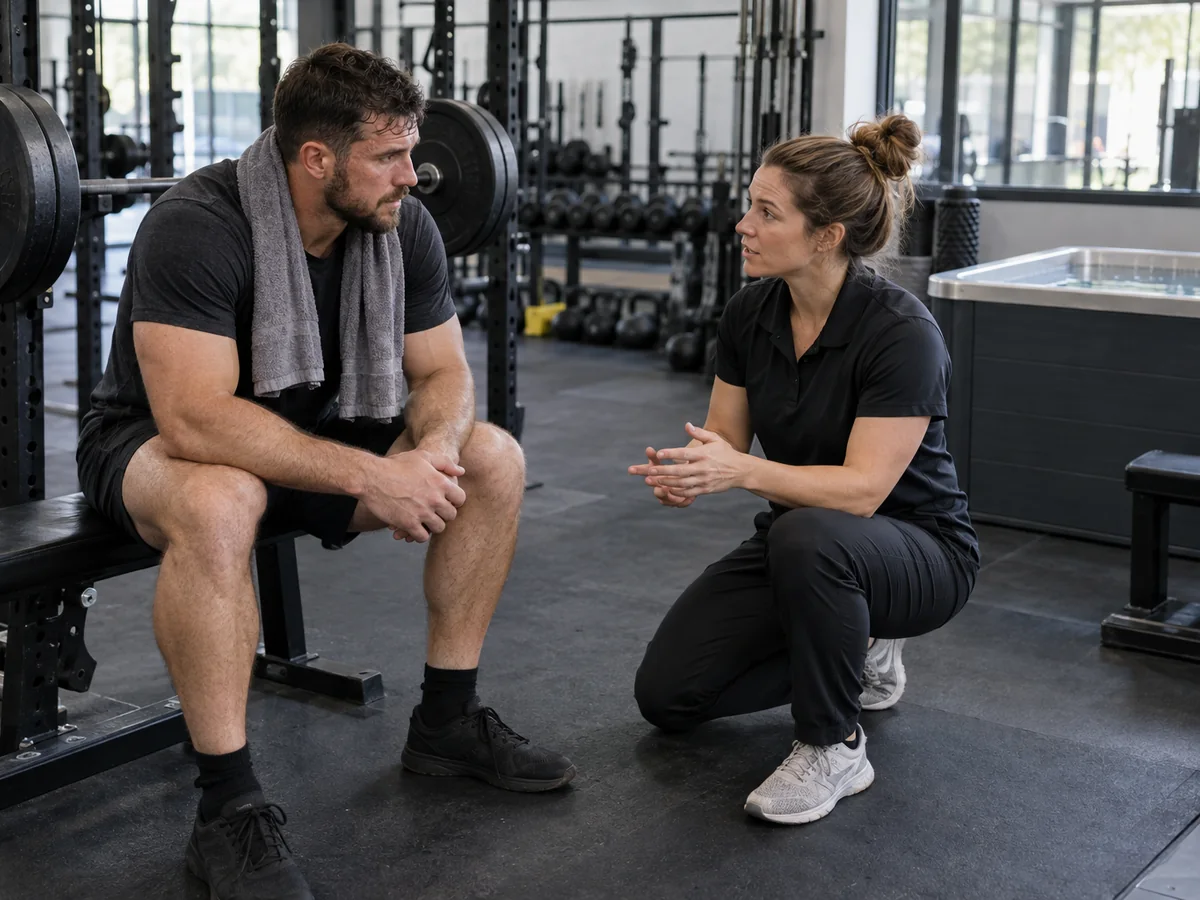
A recuperação aguda pergunta o que acontece nas próximas horas ou dias: dor muscular, recuperação percebida, restauração de força ou potência, biomarcadores ou prontidão para outro desempenho. A adaptação de longo prazo pergunta o que acontece após treinamento repetido ao longo de semanas ou meses em resultados como tamanho muscular, força ou capacidade de resistência.
Essas perguntas podem apontar em direções diferentes. Um banho de imersão fria pós-exercício pode melhorar medidas selecionadas de recuperação de curto prazo, enquanto a imersão em água fria (CWI) repetida e imediata após treino de resistência pode prejudicar algumas das adaptações que o levantador está tentando preservar.
Isso não é uma contradição. É uma diferença de resultado.
Menos dor muscular não significa automaticamente melhor desempenho ou melhores ganhos
A dor muscular é uma informação útil, mas não é uma métrica completa de recuperação. Uma grande revisão sistemática de CWI pós-exercício descobriu que os efeitos de recuperação variam de acordo com o exercício anterior, o resultado medido e o ponto no tempo: a recuperação de resistência melhorou em alguns pontos, enquanto o desempenho em sprints e saltos pode ser pior logo após a imersão, com outros resultados de força ou potência melhorando mais tarde. Veja a revisão sistemática da recuperação do desempenho físico após CWI.
Portanto, mantenha essas perguntas separadas:
- Sinto menos dor muscular?
- A qualidade de desempenho que preciso em seguida se recuperou?
- Estou tentando maximizar a adaptação de longo prazo deste bloco de treinamento?
- Tenho outro desempenho importante em breve o suficiente para que a recuperação de curto prazo mereça mais peso?
DOMS ≠ recuperação completa de desempenho ≠ adaptação de longo prazo.
Após treino de força: imersão fria imediata, crescimento muscular e os limites da regra de 4–6 horas
Se força ou hipertrofia for a prioridade, o motivo mais forte para cautela é o uso repetido de CWI imediatamente após o treino de resistência. As evidências atuais de revisões sistemáticas sugerem que esse padrão pode atenuar modestamente a hipertrofia, com evidências separadas também apontando para uma redução na adaptação de força sob algumas condições.
O escopo é fundamental. A pesquisa não justifica afirmar que um mergulho destrói o crescimento muscular, que todo mergulho frio em um dia de treino reduz os ganhos, ou que um horário específico posterior é comprovadamente seguro.
O Que as Evidências sobre CWI Imediatamente Após o Treino Realmente Abordam
Uma revisão sistemática e meta-análise de 2024 sobre treino de resistência e hipertrofia descobriu que a CWI usada imediatamente após o exercício de resistência pode atenuar as alterações hipertróficas. Nos estudos incluídos, a imersão começou imediatamente ou cerca de 15 minutos após o treino e foi geralmente repetida ao longo do programa de treinamento. A revisão também julgou a qualidade das evidências subjacentes como relativamente limitada, portanto, o achado deve ser interpretado com cautela. Consulte a revisão sistemática e meta-análise de hipertrofia de 2024.
Isso dá a essa evidência um limite claro:
| Escopo das Evidências | O que pode suportar | O Que Isso Não Comprova |
|---|---|---|
| CWI repetido iniciado imediatamente ou dentro de cerca de 15 minutos após o treino de resistência | Cautela quando a hipertrofia é uma meta importante de longo prazo | Que toda imersão fria no mesmo dia reduz a hipertrofia |
| Estudos crônicos de treinamento de resistência | Possível interferência com adaptações selecionadas | Que uma imersão isolada causa perda mensurável de ganhos |
| Meta-análise de força | Alguma evidência de adaptação de força atenuada | Que todos os métodos de CWI reduzem a força igualmente |
| Uso tardio várias horas após o treino de força | As evidências permanecem incompletas | Um limiar universal de “seguro após X horas” |
A adaptação de força exige redação separada. Uma meta-análise de 10 estudos encontrou pequena atenuação geral nos ganhos de força, mas o resultado não foi uniforme: o subgrupo de membro único mostrou atenuação, enquanto o subgrupo de CWI de corpo inteiro não mostrou diferença significativa. A amostra agrupada também era 92% masculina, o que limita a generalização ampla do resultado. Consulte meta-análise de adaptação de força.
A conclusão defensável é, portanto:
O uso repetido de imersão em água fria imediatamente após o treino de resistência merece cautela quando a hipertrofia ou a adaptação de força a longo prazo é uma prioridade.
Não significa que:
todo uso de água fria após o treino com pesos seja prejudicial.
Por que a regra de “esperar 4–6 horas” não deve ser tratada como um limiar universal comprovado
A popular regra das 4–6 horas é mais precisa do que as evidências diretas permitem.
Um artigo para profissionais da ACSM observa que alguns atletas e praticantes afastam a CWI quatro a seis horas do treinamento de força ou hipertrofia, ao mesmo tempo que reconhece que apenas alguns estudos examinaram diretamente o timing pós-exercício. Consulte o Discussão do ACSM sobre o momento da imersão em água fria. Isso faz do intervalo de 4–6 horas uma heurística prática de programação — não um corte fisiológico validado.
Mais importante ainda, a revisão de 2024 sobre hipertrofia limita sua conclusão ao momento imediatamente pós-exercício que foi efetivamente estudado e afirma que os efeitos da imersão em água fria usada várias horas depois permanecem desconhecidos.
Isso deixa uma fronteira clara de evidências:
Com suporte: a imersão em água fria repetida imediatamente após o treino com pesos pode atenuar a hipertrofia.
Não estabelecido: que um único corte de uma hora de atraso separa o uso prejudicial do uso seguro ou garante que a adaptação esteja protegida.
Se preservar a adaptação ao treinamento de força for a prioridade, separar a CWI da janela imediata pós-treino de força é uma escolha razoável de programação quando viável. As evidências ainda não estabelecem uma hora específica mais tarde que garanta que a questão da interferência esteja resolvida.
Se você está decidindo quanto tempo uma sessão deve durar, use as informações da HACHILL guia de duração de imersão fria. Se a pergunta for com que frequência repetir CWI ao longo de uma semana de treino, use o guia de frequência de cold plunge.
Após treino de resistência ou esportes coletivos: quando a recuperação de curto prazo importa
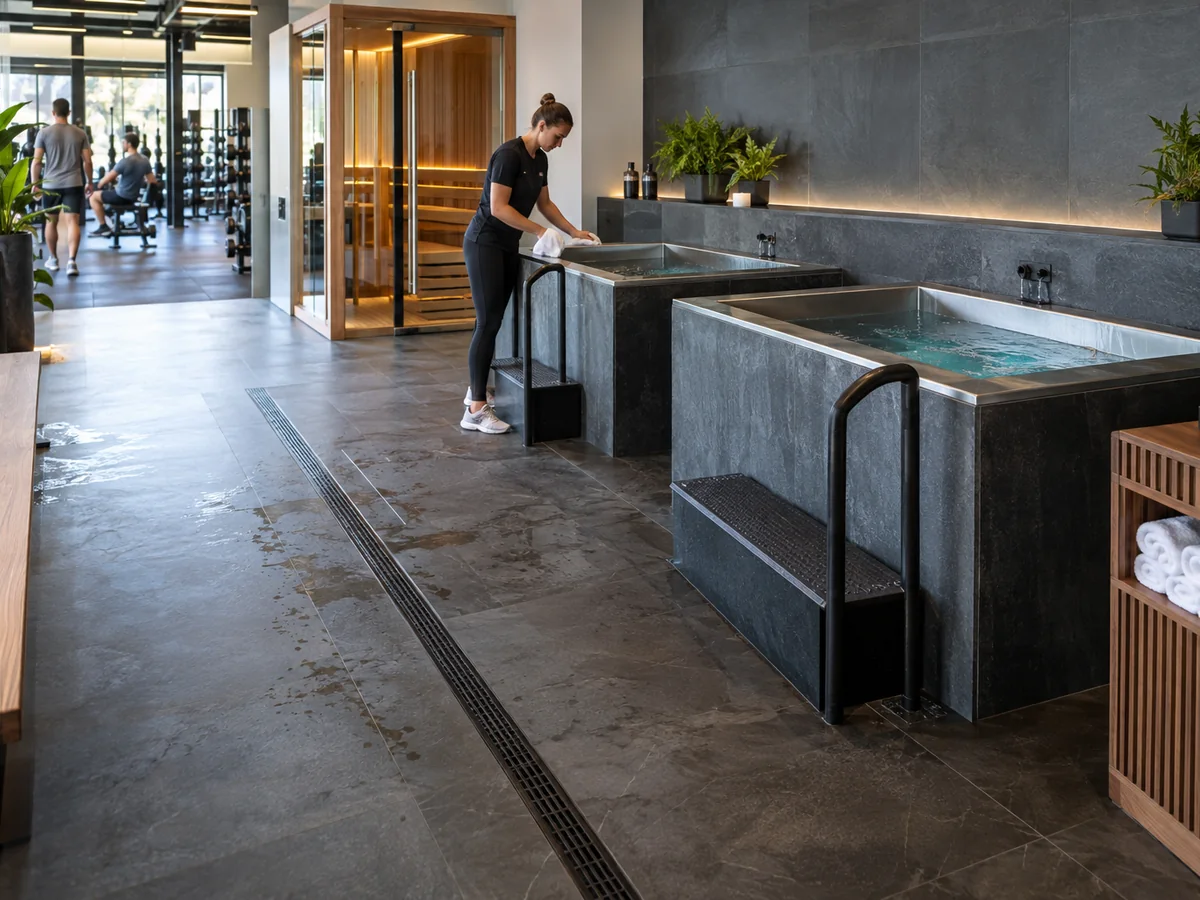
A CWI pós-exercício pode ter uma justificativa mais forte quando o objetivo imediato é restaurar qualidades selecionadas antes de outro desempenho exigente. Isso é diferente de afirmar que atletas de resistência ou de esportes coletivos devem sempre fazer imersão fria após o treino.
Uma revisão sistemática e meta-análise em rede específica por modalidade de 2026, abrangendo aplicações de força, endurance e esportes coletivos, constatou que os efeitos da CWI diferem por tipo de exercício, desfecho e protocolo. A revisão incluiu 87 estudos e 2,313 participantes, com certeza variando entre desfechos, e seus resultados não sustentam uma prescrição universal única de CWI pós-exercício. Consulte meta-análise em rede específica por modalidade de 2026.
Uma revisão sistemática específica de futebol de 2026 acrescenta um exemplo útil de recuperação de curto prazo: a CWI foi associada a melhor recuperação de algumas medidas, incluindo contração voluntária máxima e dor muscular de início tardio, enquanto o desempenho de sprint não melhorou claramente e os intervalos de predição para os desfechos agrupados incluíram o nulo. Veja o Revisão sistemática de 2026 sobre CWI pós-partida em jogadores de futebol treinados. O ponto prático não é que o futebol prova um protocolo universal; é que os resultados de recuperação podem variar mesmo dentro de um esporte.
Recuperação aguda e prontidão para a próxima sessão são diferentes de adaptação de resistência
A recuperação aguda pode incluir:
- dor muscular;
- recuperação percebida;
- restabelecimento de força ou energia;
- desempenho em sprint ou salto;
- desempenho aeróbico;
- biomarcadores de dano muscular.
Esses resultados não variam juntos.
A adaptação de resistência de longo prazo é outra questão. Uma revisão sistemática com meta-análise sobre CWI regular durante o treinamento descobriu que o CWI foi associado a piores adaptações de treinamento de resistência, mas não mostram um efeito claro — positivo ou negativo — sobre as adaptações de desempenho aeróbio medidas nos estudos de resistência. Consulte o meta-análise de 2021 sobre adaptação crônica ao treinamento.
Isso sustenta duas distinções:
Benefício de recuperação de curto prazo ≠ melhor adaptação de resistência de longo prazo.
e
Nenhum prejuízo claro de adaptação de resistência detectado ≠ adaptação de resistência melhorada.
A recuperação para competição pode mudar a decisão
Considere dois atletas após sessões exigentes.
Um está em um bloco de desenvolvimento sem desempenho importante em breve. O outro deve se apresentar novamente em pouco tempo. Suas prioridades são diferentes mesmo que a banheira de imersão fria seja idêntica.
Para o segundo atleta, resultados selecionados de recuperação aguda podem merecer mais peso. Isso não significa que toda medida de desempenho se recuperará melhor, nem que a mesma rotina deva ser repetida automaticamente após cada sessão de treinamento ao longo de um bloco focado em adaptação.
Cenário ilustrativo — não é um caso de atleta HACHILL: Um atleta de esporte coletivo termina uma partida com outro desempenho de alta demanda se aproximando em breve. A decisão de timing baseia-se nas qualidades específicas necessárias para o próximo evento e na janela de recuperação disponível. Esta é uma decisão de curto prazo, não prova de que a CWI pós-treino de rotina seja ideal para adaptação de longo prazo.
Antes do treino: pré-resfriamento no calor é um caso especial, não um aumento universal de desempenho
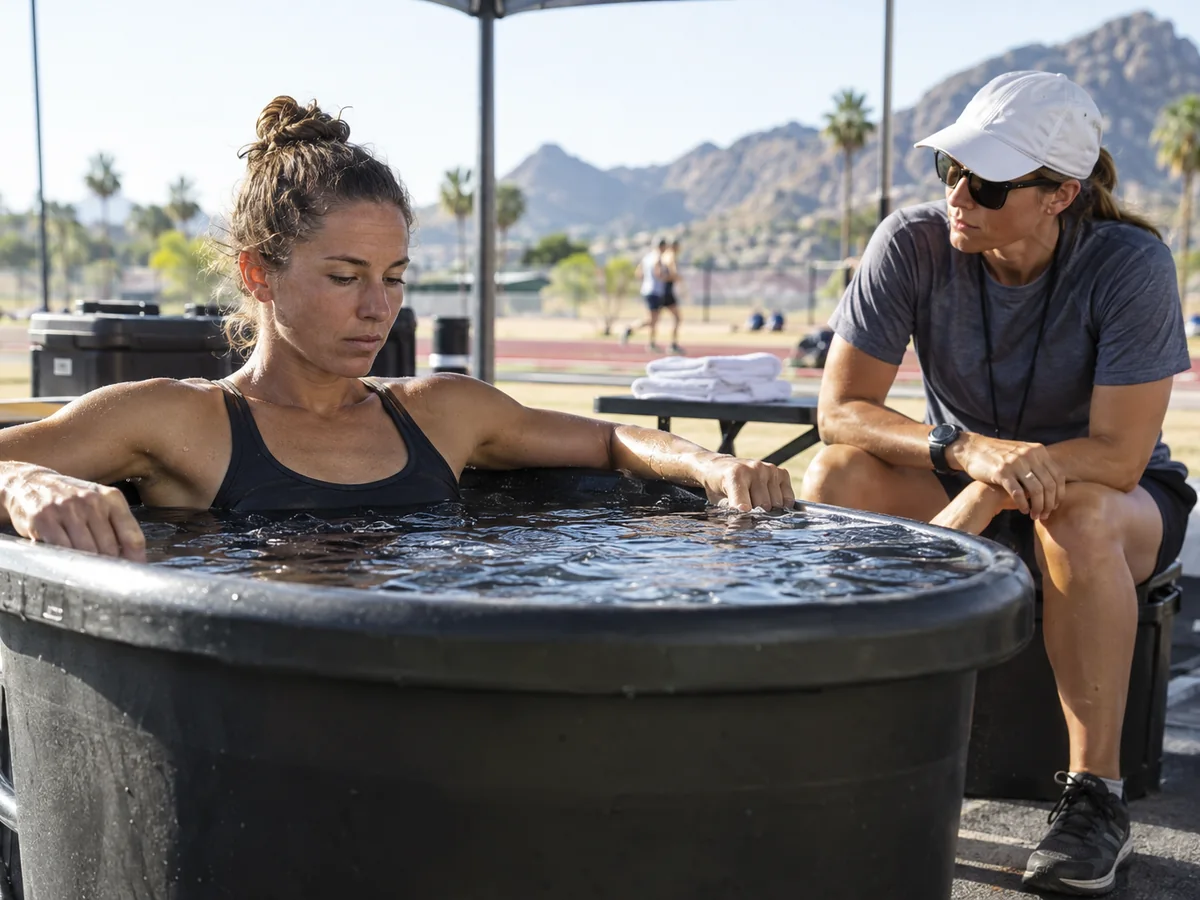
A CWI antes do exercício tem um papel claro respaldado por evidências: pré-resfriamento antes de exercício de resistência em condições quentes.
Isso é muito mais restrito do que alegações de que um cold plunge antes do treino melhora universalmente força, foco, motivação ou desempenho atlético.
Quando o Pré-Resfriamento Pode Importar para Exercícios de Resistência em Condições de Calor
Uma meta-análise específica de CWI sobre pré-resfriamento incluiu exercício de endurance com duração superior a seis minutos em temperaturas ambientes de pelo menos 26°C e encontrou um efeito geral favorável nas medidas de desempenho de endurance. Consulte a metanálise de pré-resfriamento com CWI antes de exercício no calor.
A tradução útil é:
Quando o problema de desempenho é gerenciar calor durante exercício de resistência, o pré-resfriamento pode ser relevante.
Essa é uma estratégia específica para o evento e o ambiente. Não é uma regra geral de que água fria deva vir antes de todo treino.
Por que essas evidências não se aplicam automaticamente a sessões comuns de força ou de academia
A evidência mais forte de pré-resfriamento não estabelece que uma imersão fria antes de uma sessão normal de levantamento melhora força, potência ou qualidade do treino.
O escopo correto é:
As evidências se aplicam mais claramente a: desempenho de resistência em calor intenso.
Isso não estabelece: um benefício universal pré-treino para treinamento de resistência, exercício indoor comum, foco mental ou desempenho “impulsionado pela dopamina”.
Sentir-se alerta após a exposição ao frio não é o mesmo que demonstrar melhor desempenho atlético.
Se a própria temperatura da água for a questão, mantenha essa tarefa com a HACHILL guia de temperatura de cold plunge em vez de copiar uma temperatura de pesquisa para um artigo sobre tempo de exposição como uma prescrição universal ao consumidor.
Aclimatação ao calor e treinamento misto: quando o objetivo de recuperação pode conflitar com o objetivo de adaptação
A aclimatação ao calor cria uma questão diferente do desempenho agudo no calor. O resfriamento pode ajudar a gerenciar estresse térmico ou recuperação, enquanto o treinamento de aclimatação ao calor usa deliberadamente exposição repetida ao calor para promover adaptação.
É tentador concluir que o resfriamento pós-exercício deve apagar esse estímulo. As evidências atuais não são fortes o suficiente para essa alegação universal.
Resfriamento para conforto ou desempenho não é o mesmo que construir adaptação ao calor
Uma revisão de 2024 focada especificamente na recuperação durante a aclimatação ao calor pelo exercício concluiu que a evidência direta sobre o efeito do resfriamento pós-exercício na adaptação ao calor permanece limitada. Sua interpretação geral foi que o resfriamento baseado em recuperação não interferiria necessariamente no estímulo fisiológico já alcançado durante a exposição ao calor, mas os autores descreveram explicitamente a conclusão como exploratória porque faltam dados diretos. Consulte o revisão de 2024 sobre resfriamento pós-exercício e aclimatação ao calor.
Isso faz um Conhecido / Ainda incerto distinção mais precisa do que uma regra rígida.
- O pré-resfriamento pode apoiar determinado desempenho de resistência em condições quentes.
- A CWI repetida imediatamente após o treino de resistência merece cautela no treinamento com foco em hipertrofia.
- Desfechos selecionados de recuperação aguda podem melhorar após a CWI.
- Em um estudo controlado de treinamento com calor, o pré-resfriamento regular não pareceu atenuar a adaptação ao calor.
- O efeito exato do resfriamento de recuperação pós-exercício na aclimatação ao calor em diferentes protocolos.
- Uma hora universal atrasada pós-levantamento que protege a adaptação.
- Um único cronograma que otimiza força, resistência, recuperação de curto prazo e adaptação ao calor simultaneamente.
Esse estudo não estabelece que todo protocolo de resfriamento pré ou pós-exercício seja neutro para a aclimatação ao calor.
A incerteza é um resultado de evidência, não uma lacuna a preencher com uma regra confiante.
Treino misto de força, resistência e dois treinos por dia exige uma decisão de prioridade
Treinamento misto torna regras universais de timing ainda menos úteis.
Um dia pode combinar trabalho de levantamento e resistência, ou a adaptação de longo prazo pode competir com a necessidade de desempenhar novamente em breve. A CWI deve então ser avaliada em relação à prioridade do bloco de treinamento ou da próxima sessão — não apenas rotulada como “recuperação”.
Uma sequência prática é:
- Identifique a adaptação ou o resultado de desempenho que você está tentando proteger.
- Pergunte se as evidências de CWI disponíveis abordam exatamente esse modo de exercício, desfecho e momento.
- Se a evidência cobre apenas uma modalidade diferente ou uma janela imediata pós-exercício, não a estenda silenciosamente.
- Quando os objetivos entram em conflito, use orientação adequada de treinador, ciência do esporte ou profissional de saúde qualificado, em vez de inventar uma hora universal.
Cenário ilustrativo — não é um caso de atleta HACHILL: Um atleta está em um bloco com foco em força, mas também tem uma sessão de endurance mais tarde no mesmo dia. A CWI imediatamente após o levantamento levanta uma questão de adaptação diferente do pré-resfriamento antes de exercício de endurance em calor substancial. Essas categorias de evidência não devem ser reduzidas a uma única regra de “dia de cold plunge”.
Use esta verificação de decisão de horário para imersão fria
Uma boa decisão de timing não precisa retornar uma única resposta universal. Ela pode retornar atenção, considerar, caso especial ou em espera.
| Pergunta de decisão | Direcionamento baseado em evidências | Limite |
|---|---|---|
| A prioridade é força de longo prazo ou hipertrofia? | A CWI imediata repetida após resistência merece cautela | As evidências não definem um limite seguro universal várias horas depois |
| Você precisa realizar novamente em breve? | Resultados selecionados de recuperação aguda podem tornar a CWI pós-exercício mais relevante | Dor muscular ou recuperação percebida não garantem que todas as medidas de desempenho estejam restauradas |
| O objetivo é o desenvolvimento de resistência de longo prazo? | Não presuma que a CWI regular melhora a adaptação de resistência | Evidências crônicas disponíveis não estabelecem um benefício de adaptação |
| Você está se preparando para desempenho de resistência em calor substancial? | O pré-resfriamento pode ser um caso especial relevante | Isso não estabelece um benefício universal pré-treino |
| A aclimatação ao calor é um objetivo principal de treinamento? | Mantenha a incerteza visível e tome uma decisão em nível de programa | As evidências não justificam dizer que o resfriamento de recuperação definitivamente destrói a aclimatação |
| Força, resistência ou duas sessões estão competindo por prioridade? | Decida qual resultado é mais importante antes de escolher o momento | Não há cronograma universal de treinamento misto estabelecido |
| A adequação médica é incerta? | Busque orientação profissional individualizada antes da imersão em água fria | A evidência de timing da ciência do esporte não é liberação médica |
A imersão em água fria também tem uma questão separada de segurança fisiológica. O cold plunge planejado não é o mesmo contexto que a imersão acidental em água aberta, mas a exposição súbita ao frio ainda pode alterar rapidamente a respiração, a frequência cardíaca e a pressão arterial; evidências sobre timing de treino não se sobrepõem à adequação individual de saúde. O Orientações de segurança para água fria do U.S. National Weather Service descreve a resposta ao choque frio, enquanto Orientação atual da Cleveland Clinic sobre banheira de imersão fria identifica situações de saúde nas quais a avaliação de um clínico é apropriada.
O Timing Não Substitui Decisões de Temperatura, Duração ou Frequência
Mesmo uma escolha de tempo bem fundamentada não diz qual deve ser a temperatura da água, quanto deve durar a sessão ou com que frequência ela deve ser repetida.
Mantenha essas perguntas com os respectivos responsáveis pela página:
- Por quanto tempo? Por quanto tempo você deve fazer imersão fria?
- Qual a temperatura? Quão fria é uma banheira de imersão fria?
- Com que frequência? Com que frequência você deve fazer imersão em água fria?
Um artigo de pesquisa pode combinar uma temperatura, duração, momento e grupo de participantes específicos porque essas são as condições experimentais. Isso não torna o protocolo completo uma prescrição universal para o consumidor.
Para planejamento de instalações comerciais, e não um protocolo individual de atleta, a HACHILL’s Página de planejamento do Centro de Recuperação abrange equipamento, acesso, pessoal e interfaces operacionais, mantendo separadas as decisões de aptidão médica e exposição.
Resumo: escolha o momento da imersão fria pelo resultado que você está tentando proteger. Se a adaptação de força ou hipertrofia for a prioridade, evite tratar a CWI imediatamente após o treino de força como etapa de recuperação padrão. Se outro desempenho exigente estiver se aproximando, pondere a qualidade específica de recuperação de que você precisa, e não apenas a dor muscular. Use alegações de pré-resfriamento principalmente para exercício de endurance em condições de calor, onde a evidência é materialmente mais forte. E não transforme “4–6 horas” nem qualquer protocolo de pesquisa em garantia universal.