دليل توقيت الغمر في الماء البارد
إجابة سريعة: لا يوجد فائز عالمي “قبل” أو “بعد”. إذا كانت القوة طويلة المدى أو التضخم العضلي هي الأولوية، فإن غمر الماء البارد المتكرر فوراً بعد تدريب المقاومة يستحق الحذر لأن الأدلة الحالية تشير إلى أنه قد يخفف بشكل طفيف من التضخم العضلي، وفي بعض الظروف من تكيّف القوة. إذا كنت تحتاج إلى الأداء مرة أخرى قريباً، فقد يكون لـ CWI بعد التمرين مقايضة استشفاء مختلفة. قبل التمرين، أوضح دليل على الأداء هو كونه تبريداً مسبقاً لنشاط التحمل في الظروف الحارة — لا كمعزز عالمي لأداء الصالة الرياضية.
يبدأ القرار بالنتيجة التي تحاول حمايتها: التعافي الحاد، التكيف طويل المدى، الأداء قصير الأمد، أو إدارة الحرارة. تلك أهداف مختلفة. الشعور بألم أقل اليوم لا يثبت تحسن القوة أو القدرة أو تضخم العضلات، والأدلة من الغمر في الماء البارد مباشرة بعد رفع الأثقال لا ينبغي تحويلها إلى قاعدة عامة تنطبق بعد عدة ساعات.
الغطس البارد قبل التمرين أم بعده؟ ابدأ بهدف التدريب
يجب أن يتبع توقيت الغمر في الماء البارد هدف التدريب، وليس فكرة عامة أن البرد “جيد للتعافي”. لاعب كمال الأجسام الذي يحاول زيادة تضخم العضلات لديه قرار مختلف عن الرياضي الذي يجب أن ينافس مرة أخرى قريبًا. رياضي التحمل الذي يستعد لحدث حار لديه قرار آخر.
لهذا السبب فإن القواعد البسيطة مثل “اغطس دائمًا بعد الكارديو” أو “انتظر ست ساعات بعد رفع الأثقال” واسعة جدًا. أبحاث الغمر في الماء البارد تقيس نتائج مختلفة تحت ظروف تمرين وتوقيت وتعرض مختلفة. السؤال الأول الأفضل هو: ما النتيجة الأكثر أهمية من هذه الجلسة؟
التعافي الحاد ليس مثل التكيف طويل الأمد
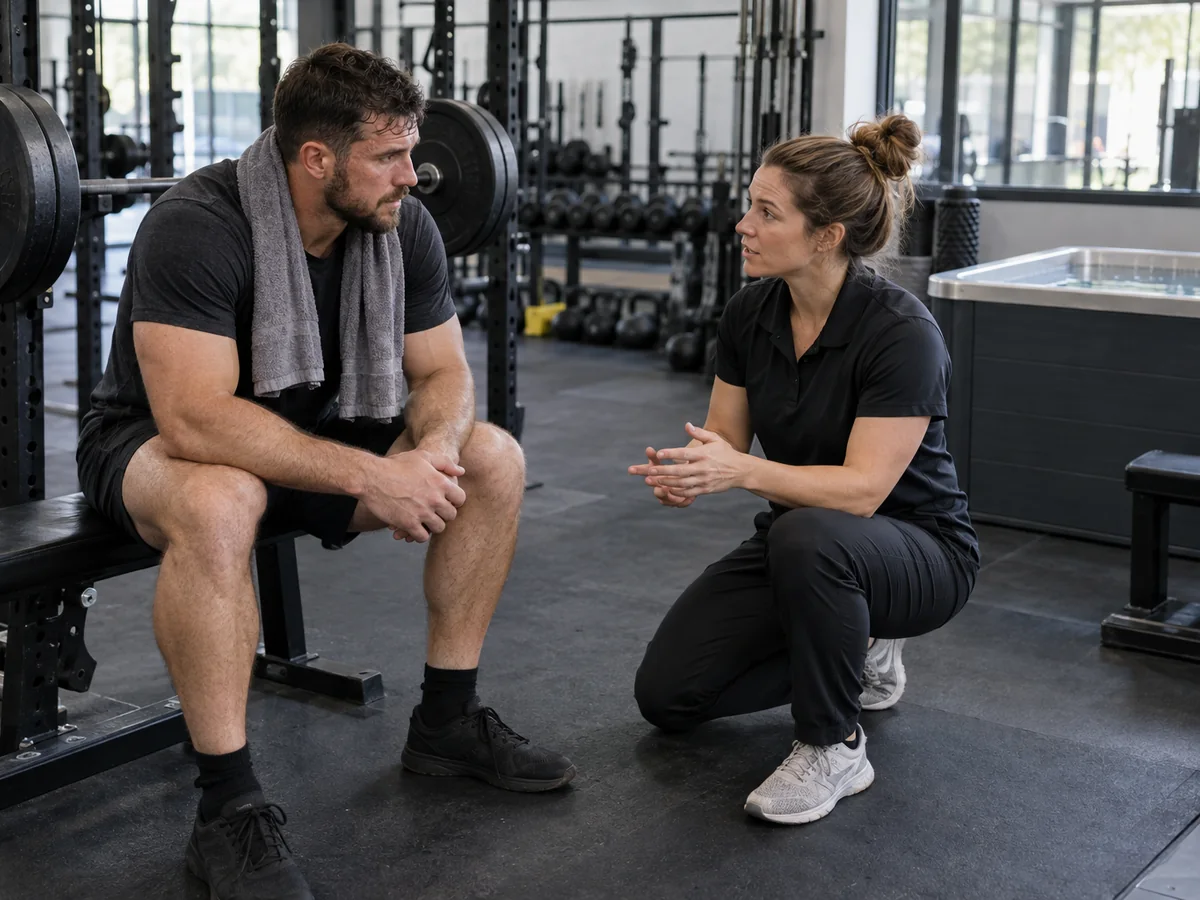
التعافي الحاد يسأل عما يحدث خلال الساعات أو الأيام القادمة: الألم، التعافي المدرك، استعادة القوة أو القدرة، المؤشرات الحيوية، أو الاستعداد لأداء آخر. التكيف طويل الأمد يسأل عما يحدث بعد التدريب المتكرر على مدى أسابيع أو أشهر لنتائج مثل حجم العضلات أو القوة أو قدرة التحمل.
يمكن أن تشير هذه الأسئلة إلى اتجاهات مختلفة. قد يؤدي الغطس البارد بعد التمرين إلى تحسين بعض مقاييس التعافي قصير المدى، بينما قد يعمل الغطس البارد المتكرر فورًا بعد تدريب المقاومة ضد بعض التكيفات التي يحاول رافع الأثقال الحفاظ عليها.
هذا ليس تناقضًا، بل هو اختلاف في النتيجة.
قلة الألم العضلي لا تعني تلقائيًا أداءً أفضل أو مكاسب أفضل
الألم العضلي معلومات مفيدة، لكنه ليس مقياسًا كاملاً للتعافي. وجدت مراجعة منهجية كبيرة للغطس البارد بعد التمرين أن تأثيرات التعافي تختلف باختلاف التمرين السابق والنتيجة المقاسة والنقطة الزمنية: تحسن تعافي التحمل في بعض النقاط، بينما قد يكون أداء العدو والقفز أسوأ في وقت مبكر بعد الغمر، مع تحسن نتائج القوة أو القدرة الأخرى لاحقًا. انظر المراجعة المنهجية لتعافي الأداء البدني بعد الغطس البارد.
لذا أبقِ هذه الأسئلة منفصلة:
- هل أشعر بألم عضلي أقل؟
- هل تعافى مستوى الأداء الذي أحتاجه في المرة القادمة؟
- هل أحاول تعظيم التكيف طويل المدى من هذه الفترة التدريبية؟
- هل لدي أداء مهم آخر قريبًا بما يكفي بحيث يستحق التعافي قصير المدى وزنًا أكبر؟
الألم العضلي المتأخر ≠ تعافي الأداء الكامل ≠ التكيف طويل المدى.
بعد تدريب القوة: الغطس البارد الفوري، نمو العضلات، وحدود قاعدة 4-6 ساعات
إذا كانت القوة أو تضخم العضلات هي الأولوية، فإن أقوى سبب للحذر هو الاستخدام المتكرر للغطس البارد مباشرة بعد تدريب المقاومة. تشير الأدلة الحالية من المراجعات المنهجية إلى أن هذا النمط قد يضعف تضخم العضلات بشكل طفيف، مع وجود أدلة منفصلة تشير أيضًا إلى انخفاض تكيف القوة في بعض الظروف.
النطاق مهم. لا يبرر البحث القول بأن غطسة واحدة تدمر نمو العضلات، أو أن كل غطسة باردة في يوم رفع الأثقال تقلل المكاسب، أو أن ساعة محددة لاحقة آمنة بشكل مثبت.
ما تتناوله الأدلة حول الغطس البارد الفوري بعد رفع الأثقال فعليًا
وجدت مراجعة منهجية وتحليل تلوي لعام 2024 حول تدريب المقاومة وتضخم العضلات أن الغطس البارد المستخدم مباشرة بعد تمرين المقاومة قد يضعف التغيرات التضخمية. في الدراسات المشمولة، بدأ الغمر فورًا أو خلال حوالي 15 دقيقة بعد التدريب وكان يتكرر عمومًا عبر برنامج التدريب. كما قيّمت المراجعة جودة الأدلة الأساسية على أنها محدودة نسبيًا، لذا يجب تفسير النتيجة بحذر. انظر مراجعة 2024 المنهجية والتحليل التلوي لتضخم العضلات.
وهذا يعطي لهذه الأدلة حدودًا واضحة:
| نطاق الأدلة | ما يمكن أن يدعمه | ما لا تثبته |
|---|---|---|
| بدأ الغمر بالماء البارد المتكرر فورًا أو خلال حوالي 15 دقيقة بعد تدريب المقاومة | الحذر عندما يكون تضخم العضلات هدفًا رئيسيًا طويل الأمد | أن كل غطس بارد في نفس اليوم يقلل من التضخم العضلي |
| دراسات تدريب المقاومة المزمن | احتمال التداخل مع تكيفات مختارة | أن غطسة واحدة معزولة تسبب خسارة قابلة للقياس في المكاسب |
| تحليل تلوي للقوة | بعض الأدلة على ضعف تكيف القوة | أن جميع طرق CWI تقلل القوة بالتساوي |
| الاستخدام المتأخر بعد عدة ساعات من رفع الأثقال | الأدلة لا تزال غير مكتملة | حد عالمي “آمن بعد X ساعات” |
يحتاج التكيف مع القوة إلى صياغة منفصلة. وجد تحليل تلوي لـ 10 دراسات ضعفًا عامًا صغيرًا في مكاسب القوة، لكن النتيجة لم تكن موحدة: أظهرت المجموعة الفرعية للأطراف المفردة ضعفًا، بينما لم تُظهر المجموعة الفرعية CWI لكامل الجسم فرقًا معنويًا. كانت العينة المجمعة أيضًا 92% من الذكور، مما يحد من مدى تعميم النتيجة. انظر إلى التحليل التلوي لتكيف القوة.
الاستنتاج القابل للدفاع عنه إذن هو:
يستحق الغمر بالماء البارد المتكرر فوراً بعد تدريبات المقاومة الحذر عندما تكون زيادة التضخم العضلي أو التكيف مع القوة على المدى الطويل من الأولويات.
وهو ليس:
كل استخدام للماء البارد بعد رفع الأثقال ضار.
لماذا لا ينبغي التعامل مع قاعدة “الانتظار 4–6 ساعات” كعتبة عالمية مُثبتة
قاعدة 4–6 ساعات الشائعة أكثر تحديداً مما تسمح به الأدلة المباشرة.
تشير مقالة لممارس من ACSM إلى أن بعض الرياضيين والممارسين ينقلون CWI إلى أربع إلى ست ساعات بعيداً عن تدريب القوة أو التضخم العضلي، مع إقرارها أيضاً بأن دراسات قليلة فقط فحصت توقيت ما بعد التمرين مباشرة. انظر مناقشة ACSM للممارسين حول توقيت الغمر بالماء البارد. وهذا يجعل الفاصل الزمني 4–6 ساعات إرشادًا عمليًا للبرمجة — وليس حدًا فسيولوجيًا موثّقًا.
والأهم من ذلك، أن مراجعة التضخم العضلي لعام 2024 تحصر استنتاجها في التوقيت الفوري بعد التمرين الذي دُرِس فعلاً، وتذكر أن تأثيرات الغمر بالماء البارد المستخدم بعد عدة ساعات لا تزال غير معروفة.
وهذا يترك حدوداً واضحة للأدلة:
مدعوم: قد يقلل الغمر بالماء البارد المتكرر فوراً بعد رفع الأثقال من التضخم العضلي.
غير مُثبت: أن قطعًا واحدًا لمدة ساعة متأخرة يفصل بين الاستخدام الضار والآمن أو يضمن أن التكيف محمي.
إذا كانت الحفاظ على التكيف مع تدريب المقاومة هو الأولوية، فإن فصل CWI عن نافذة ما بعد رفع الأثقال المباشرة يُعد خيارًا برمجيًا معقولًا عندما يكون ذلك عمليًا. ولا يزال الدليل لا يحدد ساعة لاحقة معينة تضمن حسم مسألة التداخل.
إذا كنت تقرر المدة التي يجب أن تستغرقها جلسة واحدة، فاستخدم HACHILL’s دليل مدة الغمر البارد. إذا كان السؤال هو عدد مرات تكرار CWI خلال أسبوع تدريبي، فاستخدم دليل تكرار الغطس البارد.
بعد تدريب التحمل أو الرياضات الجماعية: عندما يكون التعافي السريع مهمًا
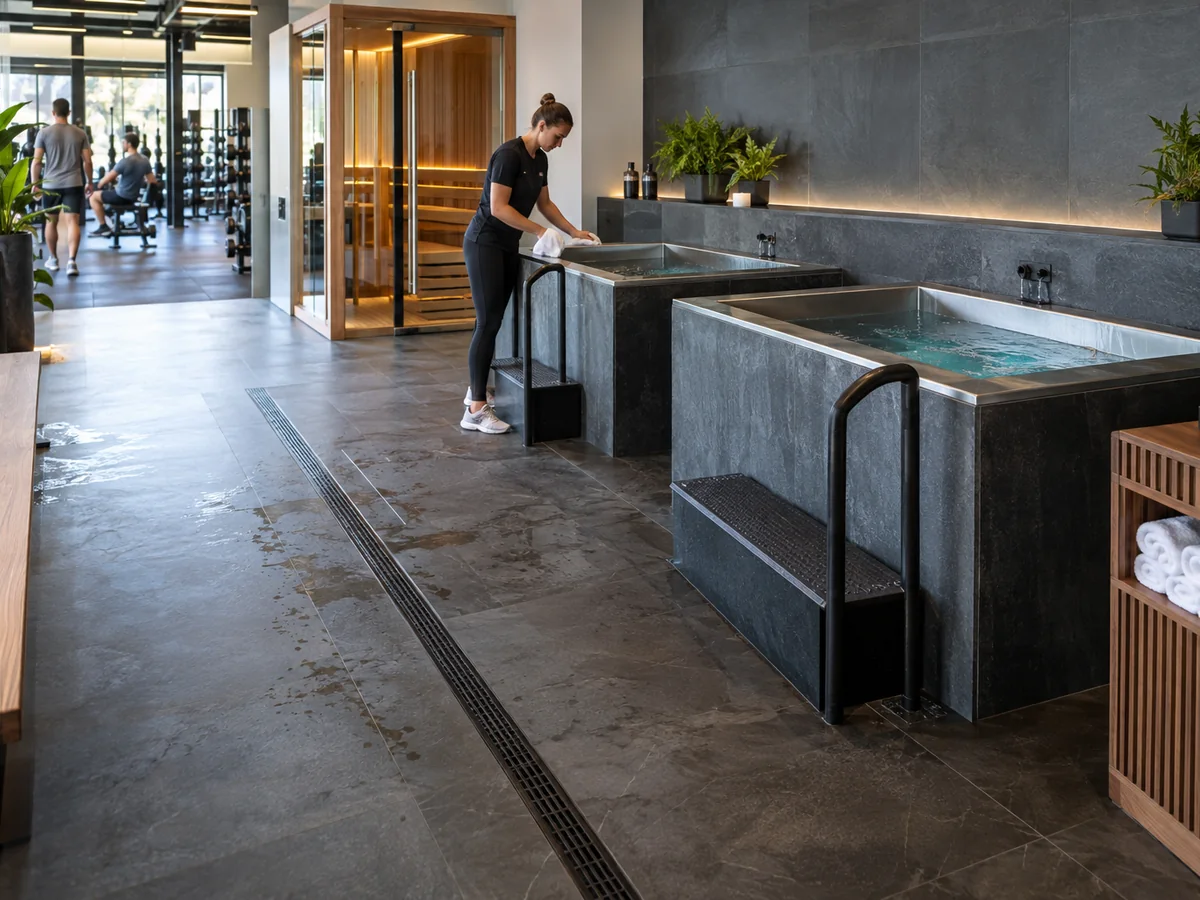
قد يكون للغمر بالماء البارد بعد التمرين CWI مبرر أقوى عندما يكون الهدف المباشر استعادة صفات مختارة قبل أداء شاق آخر. وهذا يختلف عن القول إن رياضيّي التحمل أو الرياضات الجماعية يجب أن يغوصوا في الماء البارد دائمًا بعد التدريب.
وجدت مراجعة منهجية وتحليل شبكي تلوي خاص بالطريقة لعام 2026، يغطي تطبيقات المقاومة والتحمّل والرياضات الجماعية، أن تأثيرات CWI تختلف حسب نوع التمرين والنتيجة والبروتوكول. شملت المراجعة 87 دراسة و2,313 مشاركًا، مع تفاوت درجة اليقين بين النتائج، ولا تدعم نتائجها وصفة CWI واحدة عالمية بعد التمرين. انظر إلى التحليل التلوي الشبكي الخاص بكل طريقة لعام 2026.
تضيف مراجعة منهجية خاصة بكرة القدم لعام 2026 مثالًا مفيدًا لفترة الاستشفاء القصيرة: ارتبط CWI بتحسّن استشفاء بعض المقاييس، بما في ذلك أقصى تقلّص إرادي وآلام العضلات المتأخرة الظهور، بينما لم يتحسّن أداء العدو بشكل واضح، وتضمّنت فترات التنبؤ للنتائج المجمّعة الصفر. انظر إلى مراجعة منهجية لعام 2026 حول CWI بعد المباراة لدى لاعبي كرة القدم المدربين. النقطة العملية ليست أن كرة القدم تثبت بروتوكولًا عالميًا؛ بل أن نتائج التعافي يمكن أن تختلف حتى داخل الرياضة الواحدة.
التعافي الحاد والجاهزية للجلسة التالية يختلفان عن التكيف مع التحمل
قد يشمل التعافي الحاد:
- ألم عضلي؛
- التعافي المُدرَك؛
- استعادة المقاومة أو الطاقة؛
- أداء العدو أو القفز؛
- الأداء الهوائي؛
- المؤشرات الحيوية لتلف العضلات.
هذه النتائج لا تتحرك معًا.
التكيف طويل الأمد على التحمّل مسألة أخرى. وجدت مراجعة منهجية مع تحليل تلوي لممارسة CWI المنتظمة أثناء التدريب أن CWI ارتبطت بتكيفات أسوأ في تدريب المقاومة لكنها لا تُظهر تأثيرًا واضحًا — إيجابيًا أو سلبيًا — على تكيفات الأداء الهوائي المقاسة في دراسات التحمل. راجع تحليل تلوي للتكيّف المزمن مع التدريب لعام 2021.
يدعم ذلك تمييزين:
فائدة التعافي قصير المدى ≠ تكيّف أفضل للتحمل طويل المدى.
و
لم يُكتشف ضعف واضح في التكيّف الخاص بالتحمّل ≠ تحسّن التكيّف الخاص بالتحمّل.
يمكن أن يغيّر التحول التنافسي القرار
ضع في الاعتبار اثنين من الرياضيين بعد جلسات شاقة.
أحدهما في مرحلة تطوير مع عدم وجود أداء مهم قريبًا. والآخر يجب أن يعمل مرة أخرى خلال فترة استعداد قصيرة. أولوياتهما مختلفة حتى لو كان حوض الماء البارد متطابقًا.
بالنسبة للرياضي الثاني، قد تستحق بعض نتائج التعافي الحاد وزنًا أكبر. هذا لا يعني أن كل مقياس أداء سيتعافى بشكل أفضل، ولا يعني أن نفس الروتين يجب تكراره تلقائيًا بعد كل جلسة تدريبية طوال كتلة تركز على التكيف.
سيناريو توضيحي — ليس حالة لرياضي HACHILL: ينتهي رياضي في رياضة جماعية من مباراة بينما يقترب أداء آخر عالي المتطلبات قريباً. ويستند قرار التوقيت إلى الصفات المحددة المطلوبة للحدث التالي ونافذة التعافي المتاحة. هذا قرار بفترة استرداد قصيرة، وليس دليلاً على أن CWI الروتيني بعد التمرين هو الأمثل للتكيف طويل الأمد.
قبل التمرين: التبريد المسبق في الحر حالة خاصة، وليس تعزيزًا عامًا للأداء
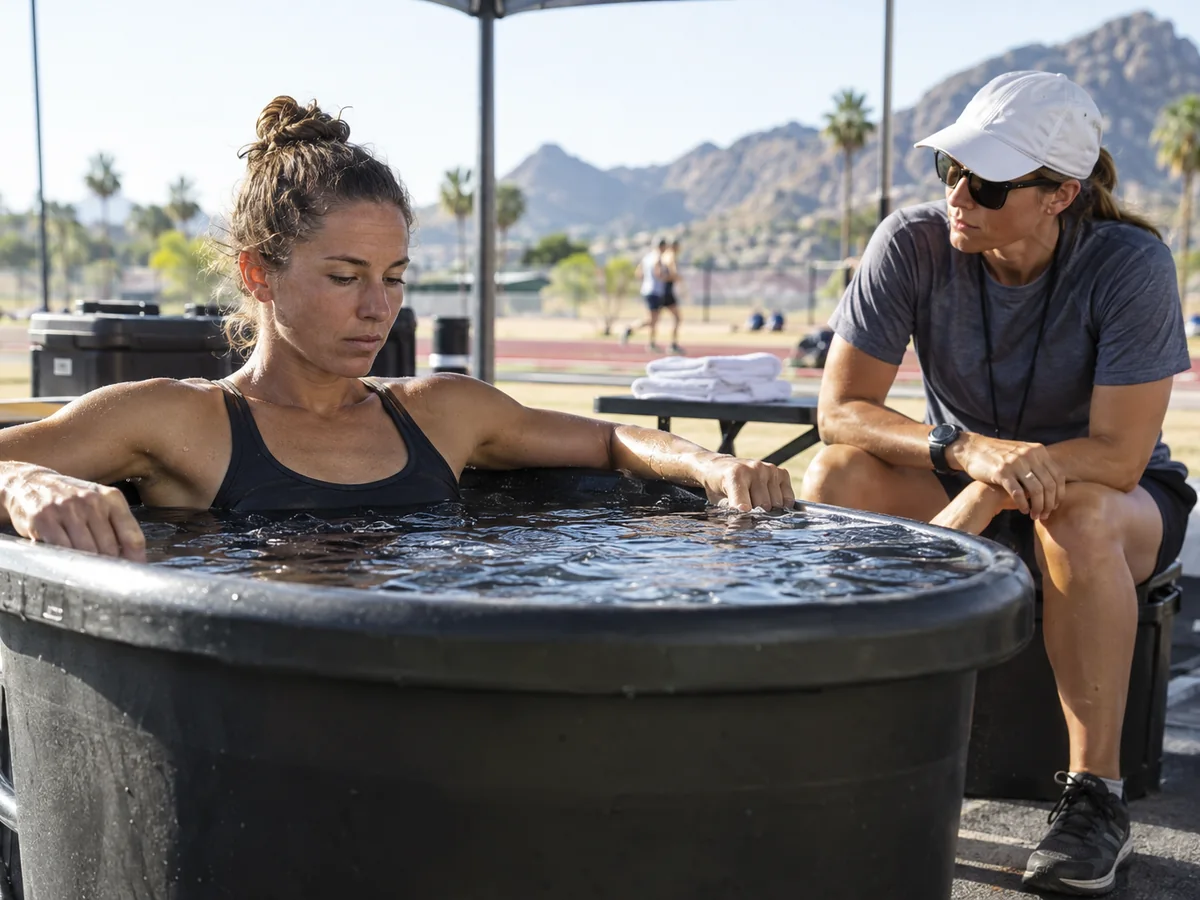
لـ CWI قبل التمرين دور واحد واضح مدعوم بالأدلة: التبريد المسبق قبل تمرين التحمل في الظروف الحارة.
هذا أضيق بكثير من الادعاءات بأن الغمر البارد قبل التدريب يحسّن عالميًا القوة أو التركيز أو الدافعية أو الأداء الرياضي.
متى قد يهم التبريد المسبق لتمارين التحمل في الظروف الحارة
ضمّ تحليل تلوي خاص بـ CWI للتبريد المسبق تمرين تحمّل استمر أكثر من ست دقائق في درجات حرارة محيطة لا تقل عن 26°C ووجد تأثيرًا إجماليًا مواتيًا على مقاييس أداء التحمل. انظر إلى تحليل تلوي للتبريد المسبق بـ CWI قبل التمرين في الحرارة.
الترجمة المفيدة هي:
عندما تكون مشكلة الأداء هي إدارة الحرارة أثناء تمارين التحمل، فقد يكون التبريد المسبق ذا صلة.
تلك استراتيجية خاصة بحدث وبيئة معينين. وليست قاعدة عامة بأن الماء البارد يجب أن يسبق كل تمرين.
لماذا لا ينطبق ذلك الدليل تلقائيًا على جلسات القوة العادية أو جلسات النادي الرياضي
لا تُثبت أقوى الأدلة على التبريد المسبق أن الغمر في الماء البارد قبل جلسة رفع عادية يحسّن القوة أو القدرة أو جودة التدريب.
النطاق الصحيح هو:
تنطبق الأدلة بشكل أوضح على: أداء التحمّل في حرارة كبيرة.
لا يثبت: فائدة عالمية قبل التمرين لتدريب المقاومة، أو التمرين الداخلي العادي، أو التركيز الذهني، أو الأداء «المدفوع بالدوبامين».
الشعور بالانتباه بعد التعرض للبرد ليس مثل إثبات أداء رياضي أفضل.
إذا كانت درجة حرارة المياه نفسها هي السؤال، فأبقِ هذه المهمة لدى HACHILL’s دليل درجة حرارة الغطس البارد بدلًا من نسخ درجة حرارة بحثية في مقال عن التوقيت كوصفة استهلاكية عالمية.
التأقلم مع الحرارة والتدريب المختلط: عندما يتعارض هدف التعافي مع هدف التكيف
يطرح التكيّف مع الحرارة سؤالًا مختلفًا عن الأداء الحاد في الحرارة. وقد يساعد التبريد في إدارة الإجهاد الحراري أو التعافي، بينما يستخدم تدريب التكيّف مع الحرارة عمدًا التعرض المتكرر للحرارة لدفع التكيف.
من المُغري استنتاج أن التبريد بعد التمرين يجب أن يمحو ذلك التحفيز. لكن الأدلة الحالية ليست قوية بما يكفي لهذا الادعاء العالمي.
التبريد من أجل الراحة أو الأداء ليس مماثلًا لبناء التكيّف الحراري
خلصت مراجعة من 2024 ركزت تحديدًا على التعافي أثناء التكيف الحراري مع التمرين إلى أن الأدلة المباشرة على تأثير التبريد بعد التمرين على التكيف الحراري لا تزال محدودة. وكان تفسيرها العام أنه ليس بالضرورة أن يتعارض التبريد القائم على التعافي مع المحفز الفسيولوجي الذي تحقق بالفعل أثناء التعرض للحرارة، لكن المؤلفين وصفوا الاستنتاج صراحةً بأنه استكشافي لأن البيانات المباشرة غائبة. راجع مراجعة 2024 للتبريد بعد التمرين والتأقلم الحراري.
هذا يجعل معلوم / لا يزال غير مؤكد التمييز أكثر دقة من قاعدة صارمة.
- يمكن للتبريد المسبق أن يدعم أداء تحمل مختارًا في الظروف الحارة.
- يستحق CWI الفوري المتكرر بعد تمارين المقاومة الحذر في التدريب الموجّه لضخامة العضلات.
- يمكن أن تتحسن نتائج انتقائية للتعافي الحاد بعد CWI.
- في إحدى دراسات التدريب الحراري المضبوطة، التبريد المسبق المنتظم لم يبدُ أنه يخفف من التكيّف الحراري.
- التأثير الدقيق لتبريد التعافي بعد التمرين على التكيف الحراري عبر بروتوكولات مختلفة.
- ساعة عالمية مؤجلة بعد رفع الأثقال تحمي التكيّف.
- جدول توقيت واحد يحسّن القوة والتحمل والتعافي قصير المدى والتكيف الحراري في وقت واحد.
لا تثبت تلك الدراسة أن كل بروتوكول تبريد قبل التمرين أو بعده محايد بالنسبة للتكيف الحراري.
عدم اليقين نتيجةٌ للأدلة، وليس فراغًا يُملأ بقاعدة واثقة.
التدريب المختلط للقوة والتحمل والتدريب مرتين يوميًا يحتاج إلى قرار أولويات
التدريب المختلط يجعل قواعد التوقيت الشاملة أقل فائدة.
قد يجمع اليوم بين أعمال الرفع والتحمل، أو قد تتنافس التكيفات طويلة المدى مع الحاجة إلى الأداء مرة أخرى قريباً. عندها ينبغي تقييم CWI مقابل أولوية كتلة التدريب أو الجلسة التالية—وليس مجرد وسمه بأنه «تعافٍ».
التسلسل العملي هو:
- حدّد نتيجة التكيّف أو الأداء التي تحاول الحفاظ عليها.
- اسأل ما إذا كانت أدلة CWI المتاحة تعالج ذلك النمط التمريني والنتيجة والتوقيت تحديدًا.
- إذا كانت الأدلة تغطي فقط طريقة مختلفة أو نافذة فورية بعد التمرين، فلا توسّعها ضمنياً.
- عندما تتعارض الأهداف، استخدم مدخلات من مدرب مناسب أو علوم رياضية أو رعاية صحية مؤهلة بدلًا من اختراع ساعة واحدة عالمية.
سيناريو توضيحي — ليس حالة لرياضي HACHILL: يكون الرياضي في كتلة تركز على القوة لكن لديه أيضًا جلسة تحمّل لاحقًا في اليوم نفسه. يثير الغمر في الماء البارد CWI فورًا بعد رفع الأثقال سؤال تكيّف مختلفًا عن التبريد المسبق قبل تمرين التحمل في حرارة شديدة. لا ينبغي دمج فئتي الأدلة هاتين في قاعدة واحدة ليوم الغمر البارد.
استخدم دليل توقيت الغطس البارد هذا
قرار التوقيت الجيد لا يجب أن يعيد إجابة عالمية واحدة. يمكنه أن يعيد تنبيه، للنظر، حالة خاصة أو تعليق.
| سؤال القرار | توجه قائم على الأدلة | الحدود |
|---|---|---|
| هل الأولوية للقوة طويلة المدى أم لتضخم العضلات؟ | الغمر بالماء البارد CWI المتكرر فوراً بعد تمارين المقاومة يستدعي الحذر | لا تحدد الأدلة عتبة سلامة عالمية واحدة بعد مرور عدة ساعات |
| هل تحتاج إلى إجراء ذلك مرة أخرى قريبًا؟ | قد تجعل نتائج التعافي الحاد المختارة الغمر بالماء البارد (CWI) بعد التمرين أكثر ملاءمة | لا يضمن الألم أو التعافي المتصور أن كل مقياس أداء قد استُعيد |
| هل الهدف تطوير التحمّل على المدى الطويل؟ | لا تفترض أن CWI المنتظم يحسّن التكيف مع التحمل | لا تُثبت الأدلة المزمنة المتاحة وجود فائدة للتكيّف |
| هل تستعد لأداء تحمّلي في حرارة كبيرة؟ | قد يكون التبريد المسبق حالة خاصة ذات صلة | هذا لا يثبت فائدة عامة قبل التمرين |
| هل التكيّف مع الحرارة هدف تدريبي أساسي؟ | أبقِ عدم اليقين ظاهرًا واتخذ قرارًا على مستوى البرنامج | لا تبرر الأدلة القول إن تبريد التعافي يدمّر التأقلم بالتأكيد |
| هل تتنافس القوة أو التحمل أو جلستان على الأولوية؟ | حدّد النتيجة الأهم قبل اختيار التوقيت | لا يوجد جدول تدريب مختلط عالمي معتمد |
| هل الملاءمة الطبية غير مؤكدة؟ | اطلب إرشادًا مهنيًا فرديًا قبل الغمر في الماء البارد | أدلة التوقيت في علوم الرياضة ليست تصريحاً طبياً |
كما أن الغمر في الماء البارد له مسألة منفصلة تتعلق بالسلامة الفسيولوجية. الغمر البارد المخطط له ليس السياق نفسه كالغمر غير المقصود في المياه المفتوحة، لكن التعرض المفاجئ للبرودة قد يغيّر بسرعة التنفس ومعدل ضربات القلب وضغط الدم؛ ولا تلغي أدلة توقيت التمرين مدى ملاءمة الصحة الفردية. The إرشادات السلامة في المياه الباردة الصادرة عن خدمة الأرصاد الجوية الوطنية الأمريكية يصف استجابة الصدمة الباردة، بينما إرشادات كليفلاند كلينك الحالية بشأن الغمر البارد يحدد الحالات الصحية التي تكون فيها المراجعة السريرية مناسبة.
التوقيت لا يحل محل قرارات درجة الحرارة أو المدة أو التكرار
حتى اختيار التوقيت المدعوم جيداً لا يخبرك بمدى برودة الماء المطلوبة، ولا كم ينبغي أن تستمر الجلسة، ولا عدد مرات تكرارها.
أبقِ تلك الأسئلة لدى مالكي الصفحات الخاصة بها:
- كم المدة؟ كم من الوقت ينبغي أن تستمر في الغطس البارد؟
- ما مدى البرودة؟ ما مدى برودة حوض الغطس البارد؟
- كم مرة؟ كم مرة ينبغي ممارسة الغطس البارد؟
قد تجمع ورقة بحثية درجة حرارة معينة ومدة وتوقيتًا ومجموعة مشاركين لأن تلك هي ظروف التجربة. وهذا لا يجعل البروتوكول الكامل وصفة استهلاكية عالمية.
لتخطيط المنشآت التجارية بدلًا من بروتوكول رياضي فردي، فإن HACHILL’s صفحة تخطيط مركز التعافي يغطي المعدات والوصول والطاقم وواجهات التشغيل مع إبقاء قرارات الملاءمة الطبية والتعرض منفصلة.
الخلاصة: اختر توقيت الغمر البارد وفقاً للنتيجة التي تحاول حمايتها. إذا كانت الأولوية لتكيّف القوة أو التضخم العضلي، فتجنب اعتبار CWI الفوري بعد رفع الأثقال خطوة استشفاء افتراضية. وإذا كان هناك أداء شاق آخر يقترب، فوازن بين جودة الاستشفاء المحددة التي تحتاجها لا مجرد التقرح العضلي وحده. استخدم ادعاءات التبريد المسبق بشكل أساسي لتمارين التحمل في الظروف الحارة، حيث تكون الأدلة أقوى بشكل ملموس. ولا تحوّل “4–6 hours” أو أي بروتوكول بحثي إلى ضمان عالمي.