إجابة مباشرة: لا توجد مدة واحدة لحوض الغمر البارد مبنية على الأدلة وتكون آمنة أو مثالية للجميع. بالنسبة لأول غمر كامل الجسم تحت السيطرة، تبدأ إرشادات الأنظمة الصحية الموثوقة قصيرة جداً: تقترح UCLA Health حوالي 10–20 ثانية في البداية، وتصف Mayo Clinic كثيراً من المبتدئين بأنهم يبدؤون بنحو 30–60 ثانية، وتنصح Cleveland Clinic المبتدئين بأن يحدّوا الجلسات المبكرة بنحو 1–2 دقيقة. هذه مراجع بداية عملية، وليست حدود سلامة عالمية. درجة حرارة الماء، واستجابة الصدمة الباردة الفورية، والسياق الصحي، والإشراف، والخروج الآمن، والتعافي، كلها أهم من إكمال زمن مستهدف.
إذا كنت جديدًا على الغمر بالماء البارد، ففكّر على أساس من ثوانٍ إلى دقائق قليلة (خانة آحاد منخفضة)، وليست أهداف تحمّل. ليس الأطول أفضل تلقائيًا، والمدة المنسوخة من دراسة أو رياضي أو مؤثر أو مستخدم آخر لا تصبح مناسبة لمجرد أنها شائعة.
كم ينبغي أن تستمر في الغمر البارد؟ نقطة بداية عملية
بالنسبة لبالغ سليم قرر بالفعل أن الغمر في الماء البارد مناسب للتجربة، فإن أكثر مقاربات المبتدئين دفاعًا هي البدء بتعرض قصير ومضبوط بدلًا من استهداف مدة ثابتة متعددة الدقائق.
| المصدر | إرشادات أولية منشورة | كيفية تفسيره |
|---|---|---|
| UCLA Health | ابدأ الغمر لكامل الجسم بفترات قصيرة تبلغ نحو 10–20 ثانية، ثم زد تدريجيًا إذا كان الهدف هو غمرات أطول. | مرجع أولي متحفظ جدًا للتعرض الأول، وليس حدًا أدنى عالميًا. |
| مايو كلينك | يصف الممارسون للغطس في الماء البارد عادةً بدءهم بحوالي 30 ثانية إلى 1 دقيقة، ثم يمدّدون المدة تدريجيًا بعد ذلك. | مثال تدرّج عملي؛ وتشير Mayo أيضًا إلى أن العملية والتوقيت الأمثل لا يزالان قيد الدراسة. |
| كليفلاند كلينك | ينصح المبتدئين بإبقاء الجلسات المبكرة حوالي 1–2 دقيقة، ويشدّد على الإصغاء إلى الجسم بدلًا من تجاهل علامات التحذير. | مرجع للمبتدئين راجعَه طبيب، وليس دليلًا على أن 1–2 دقيقة آمنة لكل شخص أو لكل درجة حرارة ماء. |
النقطة المهمة ليست أن أحد هذه الأرقام «صحيح». تختلف التوصيات لأن التعرّض للماء البارد لا يمكن اختزاله في الزمن وحده. ومع ذلك، تشترك في نمط مفيد: ابدأ بفترة قصيرة، وتجنب التعامل مع عدم الراحة كمنافسة، ومدّد فقط عندما يبقى التعرض تحت السيطرة.
قاعدة بسيطة: في أول غطسة، يكفي تعرّض قصير يُقاس بالثواني لتتعلم كيف يستجيب تنفسك وتناسقك وتحكمك في الخروج. لا تحتاج إلى إثبات أنك قادر على البقاء لعدة دقائق.
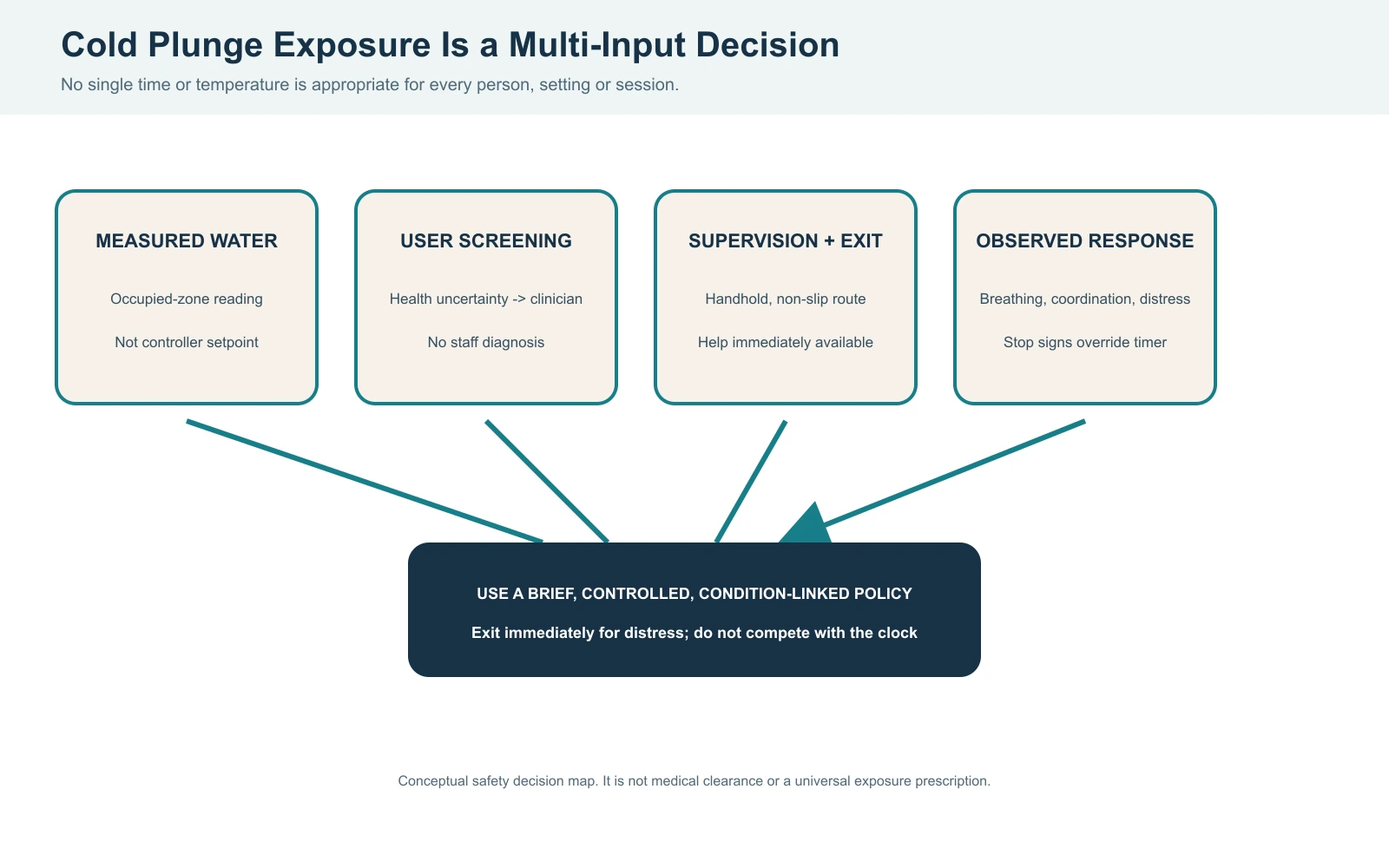
لماذا لا يوجد وقت عالمي للغمر البارد
2025 مراجعة منهجية وتحليل تلوي للغمر في الماء البارد لدى البالغين الأصحاء وجدت تباينًا كبيرًا في بروتوكولات الدراسة. تراوحت التعرضات المشمولة عبر درجات حرارة ماء وطرق غمر ومدد ونتائج مختلفة، وخلص المؤلفون إلى أن هناك حاجة إلى أدلة أفضل لتحديد بروتوكولات CWI المثلى.
هذا يعني أن مدة الدراسة يمكن أن تخبرك بما اختبره الباحثون في ظروف محددة؛ لكنها لا يمكن أن تصبح تلقائيًا حدًا للسلامة الشخصية أو وصفة عامة للعافية.
| متغير | لماذا يغير القرار | ما الذي يجب فعله بالمؤقت |
|---|---|---|
| درجة حرارة المياه الفعلية | ينتج الماء الأبرد عمومًا تحديًا حراريًا وتحدي صدمة باردة أقوى. | لا تقارن المدد ما لم تكن حالة الماء معروفة أيضًا. |
| عمق الغمر | الغمر حتى مستوى الصدر أو أعمق لا يعادل تعريض الساقين فقط أو أخذ دش بارد. | لا تنقل بروتوكولًا زمنيًا بين طرق تعرض مختلفة دون سياق. |
| استجابة فورية | قد يؤدي الغمر المفاجئ إلى اللهاث والتنفس السريع والإجهاد القلبي الوعائي. | أنهِ التعرض عندما لا تكون الاستجابة مضبوطة، حتى لو مضى وقت قليل جداً. |
| التعرض المسبق للبرودة | قد يقلل التعرض المتكرر جزءًا من استجابة الصدمة الباردة، لكن التكيف متفاوت. | يمكن للخبرة أن تفيد في تحديد التقدم؛ لكنها ليست تصريحاً طبياً ولا تبرر مدة غير محدودة. |
| السياق الصحي | قد تغيّر عوامل القلب والأوعية الدموية والدورة الدموية والعصبية والأيض والحمل والأدوية مدى الملاءمة. | لا يمكن لمؤقت عام أن يحل المخاطر الطبية الفردية. |
| الخروج والإشراف | قد لا يتمكن الشخص الذي يصاب بالإغماء أو الارتباك أو ضعف التناسق من الخروج بأمان. | خطط للخروج قبل البدء ولا تستخدم الوقت كإذن للاستمرار. |
A مراجعة منهجية لاعتياد استجابة الصدمة الباردة وجد أن الغمر المتكرر يمكن أن يقلل مكونات استجابة الصدمة الباردة، مع إظهار تباين معنوي بين الدراسات. وهذا يدعم التعوّد التدريجي، لكن ليس افتراض أن المستخدم المتمرس آمن تلقائيًا لمدة أطول أو درجة حرارة أقل.
كيف تغيّر درجة حرارة الماء قرار المدة
“كم من الوقت؟” و“كم البرودة؟” سؤالان منفصلان، لكن لا يمكن تفسيرهما بشكل مستقل. توصية زمنية بدون حالة ماء مقاسة تكون ناقصة.
غالبًا ما يستخدم البحث في المياه الباردة درجات حرارة حول 10–15°C (50–59°F)، لكن الدراسات تستخدم أيضًا ظروفًا أكثر برودة. أما HACHILL’s المنفصل دليل درجة حرارة الغطس البارد يشرح لماذا يُعد ذلك النطاق الذي يُدرس عادةً سياقًا دليليًا بدلًا من كونه هدفًا شخصيًا عالميًا.
لا تنشئ مخططًا عالميًا للوقت ودرجة الحرارة. لا تثبت الأدلة الحالية صيغة مثل «X دقيقة عند درجة حرارة Y» لكل مستخدم وغرض وحالة صحية.
للمبتدئين، توصي Cleveland Clinic تحديدًا بنطاق درجة حرارة ابتدائية حول 50–59°F (10–15°C) وتحذر من النزول دون 40°F (4°C). هذه إرشادات مفيدة مراجعة من أطباء، لكن ينبغي مع ذلك اعتبارها نصيحة خاصة بالمصدر وليس معيارًا دوليًا للسلامة.
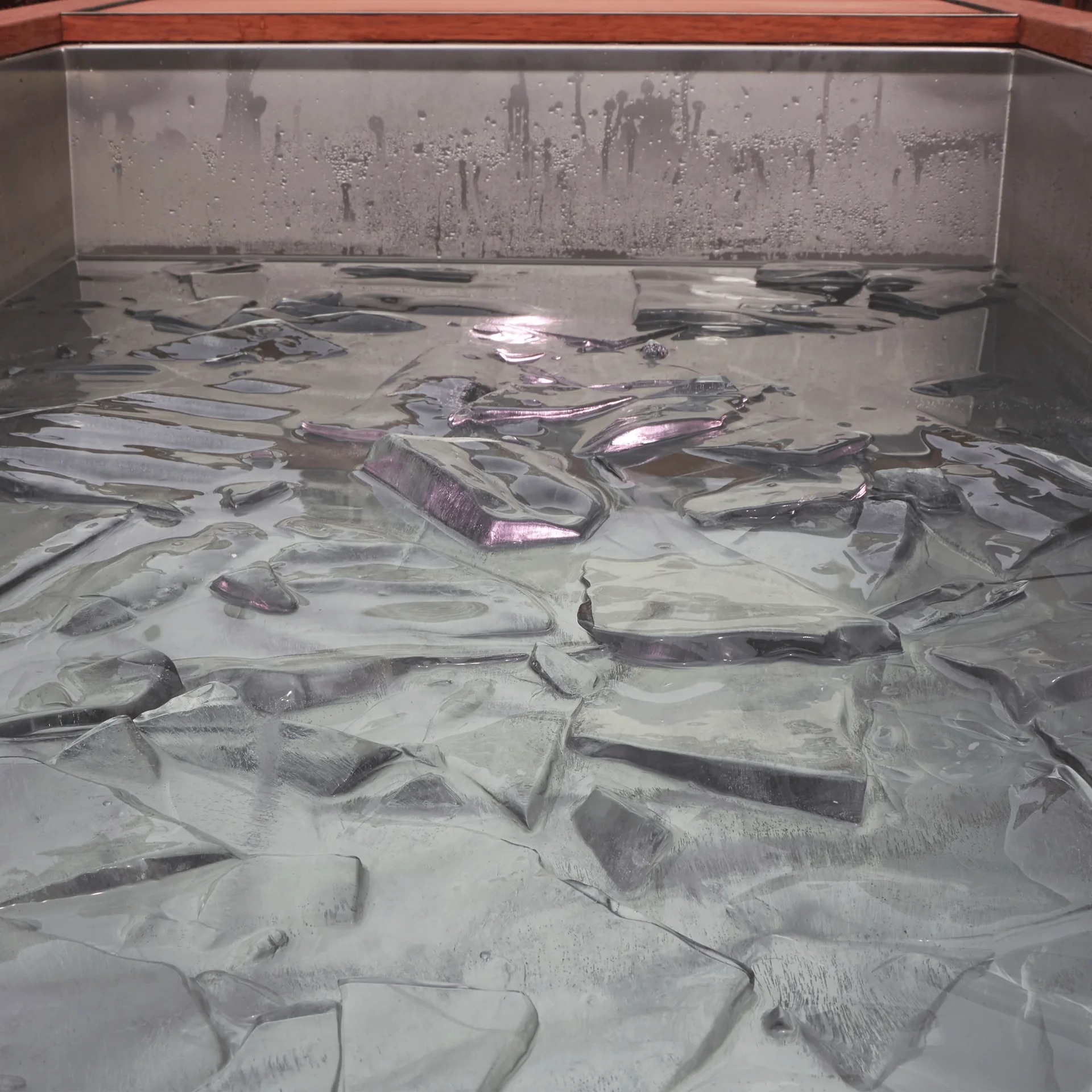
النقطة الهندسية العملية أبسط: تحقق من الماء الذي يتعرض له المستخدم فعلاً. نقطة ضبط المبرّد هي معلومة معدات؛ وليست تلقائيًا نفس درجة حرارة الماء التمثيلية، وهي أبدًا ليست وصفة مدة شخصية.
كيف يمكن للمبتدئين التقدّم دون تحويل الوقت إلى تحدٍّ
التدرّج أفضل معالجته كمشكلة تحكّم لا كجدول تحمّل أسبوعي. حافظ على أن يكون التعرّض مفهومًا، وغيّر متغيرًا رئيسيًا واحدًا في كل مرة، وتوقف عن إطالة المدة إذا ساء التحكم.
- قِس حالة المياه. اعرف درجة حرارة الماء الفعلية بدلاً من الاعتماد فقط على «حمام الجليد» أو «الإعداد البارد» أو نقطة ضبط المبرّد.
- اجعل التعرض الأول قصيرًا. استخدم مدة قصيرة لتعرّف استجابة الدخول، لا لإثبات التحمّل.
- حافظ على إمكانية التحكم في التنفس. لا تتعامل مع فرط التنفس المطوّل، أو الهلع، أو اللهاث على أنها أمور يجب تحمّلها والاستمرار فيها.
- أبقِ الرأس والوجه خارج الماء أثناء الغمر الاعتيادي للمبتدئين. يُحدث غمر الوجه المتعمّد أو حبس النفس استجابة لاإرادية مختلفة، ولا ينبغي استخدامه كحيلة شدة روتينية.
- اخرج ما دامت الحركة والقدرة على الحكم طبيعية. لا تنتظر تدهور التنسيق قبل أن تقرر أن الجلسة قد بلغت حدًا كافيًا.
- مراجعة الاسترداد. الجلسة التي تبدو مقبولة في الماء لكنها تنتج استجابة مقلقة بعد ذلك لا ينبغي تكرارها تلقائيًا عند نفس التعرّض أو تعرّض أكبر.
- ارفع متغيرًا واحدًا فقط في كل مرة. لا تجعل المياه أبرد والجلسة أطول في الوقت نفسه، لأنك تفقد القدرة على تفسير ما غيّر الاستجابة.
الأبحاث حول الغمر بالماء البارد والصراع اللاإرادي وهو أحد أسباب إبقاء حبس النفس وغمر الوجه المتعمد منفصلين عن نصائح التوقيت العادية للمبتدئين. فهو يصف منعكسات قلبية وعائية متنافسة قد تزيد خطر اضطراب نظم القلب في الظروف المهيأة.
متى يجب أن توقف الغطس البارد فورًا؟
يجب أن يتوقف المؤقت عن كونه مهمًا بمجرد ألا يبقى التعرض تحت السيطرة.
إن الخدمة الوطنية للأرصاد الجوية الأمريكية يصف الصدمة الباردة بأنها قادرة على التسبب في شهيق لاإرادي، وتنفس سريع، وتغيرات مفاجئة في معدل ضربات القلب وضغط الدم. وتكون هذه التأثيرات مهمة بشكل خاص عند الدخول، حين قد يكون الشخص ما زال مركّزًا على “الوصول إلى” وقت مخطط له.
أنهِ التعرّض واخرج بأمان عند حدوث تنفّس غير مسيطر عليه، أو دوخة، أو ألم أو ضغط شديد في الصدر، أو ارتباك، أو فقدان التناسق، أو عدم القدرة على الاستجابة بشكل طبيعي، أو عدم القدرة على الخروج بأمان. تتطلب الأعراض الشديدة أو المستمرة استجابة طارئة مناسبة ورعاية طبية مؤهلة بدلًا من استكشاف الأخطاء عبر الإنترنت.
إرشادات MedlinePlus لانخفاض حرارة الجسم يُدرج الارتباك، والارتجاف غير المنضبط، والضعف، وفقدان التناسق ضمن علامات التحذير المهمة في سياق انخفاض حرارة الجسم. لا ينبغي قراءة هذا المرجع الطارئ خطأً كدليل على أن كل غمرة عافية قصيرة تسبب انخفاض حرارة الجسم؛ فهو مفيد هنا لأنه يوضح لماذا لا ينبغي «تجاوز» تدهور التفكير أو الحركة.
| ما تلاحظه | ما يعنيه ذلك للمؤقت | الإجراء |
|---|---|---|
| يظل التنفس غير منضبط | استجابة الدخول لم تصبح منضبطة. | أنهِ التعرّض بدلاً من انتظار الوقت المخطط. |
| شعور بالإغماء أو الارتباك أو صعوبة غير معتادة في التفكير | لم يعد الاستمرار من أجل هدف زمني مناسبًا. | اخرج بأمان واطلب تصعيدًا إذا كانت الأعراض خطيرة أو مستمرة. |
| فقدان التناسق الحركي أو صعوبة الخروج | الخروج الذاتي الآمن يتعرض للخطر. | توقف فورًا وقدّم المساعدة المناسبة للسياق. |
| أعراض صدرية خطيرة | هذا ليس مؤشرًا على التحمّل. | أوقف التعرض واطلب تقييمًا طبيًا عاجلًا حسب الاقتضاء. |
من يجب أن يحصل على إرشاد طبي قبل الغمر البارد؟
يُحدث الغمر في الماء البارد إجهادًا تنفسيًا وقلبيًا وعائيًا حادًا. ولا يمكن للإرشادات العامة على الإنترنت تحديد ما إذا كان هذا الإجهاد مناسبًا لشخص معين.
تنصح Cleveland Clinic الأشخاص بالتحدث مع مختص رعاية صحية قبل الغمر في الماء البارد إذا كانت لديهم حالات مثل أمراض القلب، أو ارتفاع ضغط الدم، أو السكري، أو الاعتلال العصبي المحيطي، أو ضعف الدورة الدموية، أو الركود الوريدي، أو داء الراصات الباردة، وكذلك أثناء الحمل. وبالمثل، تحذّر Harvard Health الأشخاص المصابين بأمراض القلب والأوعية الدموية، وخاصة مشكلات النظم، من التعرض للماء البارد.
لا يمكن لإعفاء، أو دليل منتج، أو مؤقت، أو مورّد معدات أن يقدم تصريحًا طبيًا. أدوارهم مختلفة: يتناول المتخصصون الطبيون الملاءمة الشخصية، بينما تتناول وثائق المعدات المنتج ضمن نطاق تشغيله المعلن.
خطّط للدخول والخروج والتعافي قبل بدء المؤقت
لا يقتصر حوض الغمر البارد على الوقت الذي يُقضى في الماء. فالدخول والقدرة على إنهاء التعرّض وبيئة الاستعادة كلها جزء من الجلسة.
الدخول في ظروف محكومة
استخدم مسار وصول ثابتًا وتجنب بدء التعرض عندما قد يحوّل الانزلاق أو السقوط أو الخروج الصعب استجابة باردة عادية إلى حالة طارئة تتعلق بالوصول. في منشأة مُدارة، ينبغي أن تكون ظروف المنطقة الرطبة المحيطة ومسؤوليات الإشراف محددة مسبقًا.
لا تعتمد على قوة الإرادة للخروج
أفضل وقت لتقرير كيف ستخرج هو قبل أن تدخل. لا ينبغي أن يحتاج الشخص إلى التسلق فوق عائق، أو انتظار مساعدة غير متاحة، أو الاستمرار لأن مؤقت التحدي ما زال يعمل.
ضمّن التعافي في الخطة
بعد الخروج، جفف نفسك، وانتقل إلى بيئة تعافٍ مناسبة، واستمر في الانتباه إلى ما تشعر به. توصي Cleveland Clinic بالتركيز على استعادة الدفء بعد الغمر. إذا كانت الأعراض غير طبيعية أو شديدة أو مستمرة، فتعامل معها كمسألة صحية بدلاً من دليل على أن “جلسة شاقة” كانت ناجحة.
هل يغيّر هدفك مدة بقائك بالداخل؟
نعم—لكن البحث الخاص بهدف معيّن لا ينبغي تحويله إلى جرعة شخصية عالمية واحدة.
صُممت العديد من دراسات الغمر في الماء البارد حول الاستشفاء بعد التمرين، أو إدارة الحرارة، أو نتيجة محددة أخرى. وقد تستخدم تلك الدراسات فترات تعرض أطول من غمر عافية للمبتدئين، لكن البروتوكول يعكس سؤال البحث، ومجموعة المشاركين، ودرجة حرارة الماء، وعمق الغمر، والمراقبة المستخدمة في تلك الدراسة.
تضمنت المراجعة المنهجية لعام 2025 للبالغين الأصحاء نطاقًا واسعًا من المدد وخلصت إلى الحاجة إلى مزيد من البحث عالي الجودة لتحديد بروتوكولات CWI المثلى. لهذا السبب، “استخدمت دراسة 10 أو 15 دقيقة” ليست دليلاً كافيًا لإخبار قارئ عام بنسخ تلك المدة.
استخدم البحث لفهم السياق، لا لخلق تحدٍ شخصي. السؤال ذو الصلة هو ما إذا كانت دراسة بروتوكول ما قد بحثت النتيجة التي تقصدها في ظروف تشبه ظروفك بشكل جوهري.
إذا كان سؤالك الرئيسي عن توقيت التمرين بدلاً من مدته، فاحتفظ بذلك كقرار منفصل. وينطبق الشيء نفسه على التكرار الأسبوعي، وهو مشمول في كم مرة ينبغي ممارسة الغطس البارد؟
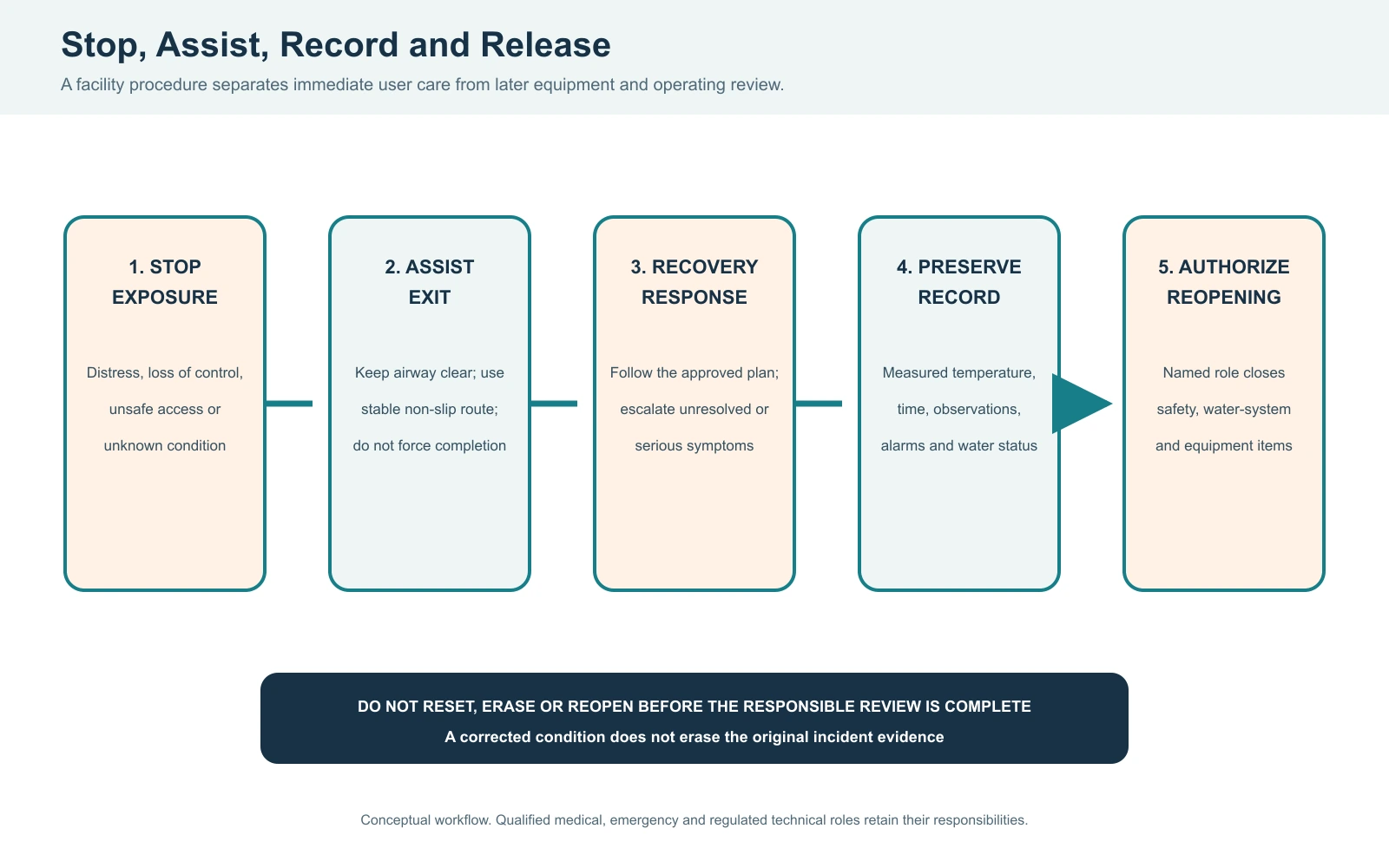
ينبغي للمرافق التجارية أن تفصل المدة الشخصية عن سياسة التشغيل
قد تستخدم صالة الألعاب الرياضية أو الفندق أو السبا أو مركز العافية جلسات محددة زمنيًا للجدولة والإشراف والتجهيز للدور التالي، لكن فترة الحجز ليست مدة تعرض آمنة طبيًا بشكل عالمي.
- التعرض الشخصي: تبقى إشارات التوقف والملاءمة الفردية متقدمة على وقت الجلسة المعلن.
- تشغيل الماء: تحقق من حالة مياه التشغيل باستخدام إجراءات القياس والمعدات المحددة لدى المنشأة’.
- الوصول: حافظ على دخول وخروج مضبوطين، وإدارة المناطق الرطبة، وأي إشراف مطلوب.
- الاستجابة للطوارئ: حدّد من يمكنه إيقاف الجلسة وكيف يتم تصعيد الاستجابات غير الطبيعية.
تنتمي متطلبات نظام المياه، والتعقيم، والخدمة، والإنتاجية، والمشروع التفصيلية إلى القسم المخصص تخطيط أحواض الغطس البارد التجارية المسار بدلاً من دليل المدة الشخصية هذا.
الأسئلة الشائعة
كم من الوقت يجب أن يستغرق الغطس البارد للمبتدئين؟
ابدأ بفترة قصيرة. تتراوح إرشادات الأنظمة الصحية الموثوقة من نحو 10–20 ثانية للتعرض الكامل الأول للجسم إلى نحو 30–60 ثانية أو 1–2 دقيقة للمبتدئين. هذا التباين مهم: فهذه مراجع عملية، وليست جرعة آمنة عالمية. توقّف أبكر إذا تعرض التنفس أو التناسق أو اليقظة أو الخروج الآمن للخطر.
هل خمس دقائق في حوض الغمر البارد آمنة؟
لا يمكن إعلان خمس دقائق آمنة عالميًا اعتمادًا على المؤقت وحده. تنصح Cleveland Clinic بألا تتجاوز الجلسات خمس دقائق، بينما تستخدم إرشادات أنظمة صحية أخرى نطاقات عليا مختلفة. لا تزال درجة حرارة الماء وصحة الفرد واستجابته وظروف الخروج مهمة، لذا لا ينبغي التعامل مع “خمس دقائق” كإذن تلقائي بالاستمرار.
هل 10 دقائق طويلة جدًا للغطس البارد؟
تظهر بروتوكولات العشر دقائق في بعض الأبحاث والتعليم السريري، لكنها ليست هدفًا عالميًا للمبتدئين. إذا كنت تستخدم بروتوكولًا أطول للبحث أو الاستشفاء، فيجب أن تتطابق درجة الحرارة والفئة المستهدفة والغرض وظروف المراقبة مع السياق. بالنسبة للعافية العامة، لا يوجد دليل على أن الجميع بحاجة إلى التدرج نحو 10 دقائق.
ما درجة الحرارة التي ينبغي أن أستخدمها إذا كنت أقرر مدة البقاء؟
لا توجد صيغة عالمية موثّقة للزمن ودرجة الحرارة. نطاق حوالي 10–15°C (50–59°F) شائع في أبحاث الغمر في الماء البارد، وتستخدمه أيضاً Cleveland Clinic كنطاق مرجعي للمبتدئين، لكنه ليس هدفاً شخصياً عالمياً. انظر ما مدى برودة حوض الغطس البارد؟ لقرار درجة الحرارة الكامل.
هل أضع رأسي تحت الماء أم أحبس نفسي أثناء الغطس البارد؟
لا تستخدم حبس النفس المتعمد أو غمر الوجه كوسيلة روتينية لزيادة شدة الغمر. يضيف غمر الوجه وحبس النفس استجابات فسيولوجية تختلف عن الغمر العادي حتى الرقبة، ويمكن أن تزيد خطر المشكلات القلبية الوعائية في ظروف لدى أشخاص قابلين للتأثر.
كم مرة ينبغي أن أمارس الغمر البارد؟
التكرار قرار تعرض منفصل. لا تزد المدة، وتخفض درجة الحرارة، وتزيد التكرار الأسبوعي في الوقت نفسه إذا كنت تريد فهم كيفية استجابتك. انظر كم مرة ينبغي ممارسة الغطس البارد؟ لدليل التكرار المخصص.
موارد HACHILL ذات الصلة
ما مدى برودة حوض الغطس البارد؟
استخدم دليل درجة الحرارة عندما يكون القرار التالي هو قياس درجة حرارة الماء بدلاً من زمن التعرض.
كم مرة ينبغي ممارسة الغطس البارد؟
انتقل من مدة الجلسة الواحدة إلى تكرار الجلسات دون الخلط بين القرارين.
تخطيط أحواض الغطس البارد التجارية
تابع إلى تخطيط المنشأة، ونظام المياه، والوصول، والخدمة، والمشروع للبيئات المُدارة.
منتجات أحواض الغطس البارد
راجع مسارات المنتجات الحالية العمودية والمنسدحة والتجارية بعد تحديد متطلبات الموقع والتشغيل.
أساس المرجع
- مراجعة منهجية وتحليل تلوي لعام 2025 حول الغمر في الماء البارد لدى البالغين الأصحاء — تباين البروتوكول، وحدود الأدلة، والحاجة إلى أبحاث أفضل حول الجرعة والاستجابة.
- UCLA Health: حوض الغمر البارد والعلاج بالتبريد لكامل الجسم — إرشادات مختصرة جداً لتعرض المبتدئين والتقدّم التدريجي.
- Mayo Clinic: الغمر في الماء البارد بعد التمرين — سياق عملي لمدة البداية وإقرار بأن التوقيت الأمثل لا يزال قيد الدراسة.
- Cleveland Clinic: إرشادات حوض الغمر البارد — مراجع الوقت ودرجة الحرارة للمبتدئين، ونصائح التوقف، وسياق الفحص الصحي.
- هيئة الأرصاد الجوية الوطنية الأمريكية: مخاطر المياه الباردة والسلامة — سياق التنفس والقلب والأوعية الدموية للصدمة الباردة.
- مراجعة منهجية لاعتياد استجابة الصدمة الباردة — أدلة التكيّف وحدوده.
- الغمر في الماء البارد والتنازع اللاإرادي — سياق مخاطر حبس النفس وغمر الوجه.
- MedlinePlus: انخفاض حرارة الجسم — سياق لافتة تحذير طارئة، وليس وصفة لمدة غمر للعافية.
استخدم الوقت كمقياس، لا كاختبار للسماحية
أكثر إجابة مفيدة عن “كم من الوقت يجب أن تغطس في الماء البارد؟” ليست رقمًا واحدًا. ينبغي للمبتدئ أن يبدأ بتعرض قصير ومضبوط، ويتحقق من حالة الماء، ويبقي التنفس والحركة تحت السيطرة، ويخرج قبل أن تتحول الجلسة إلى اختبار تحمّل.
تبدأ الإرشادات السريرية المنشورة من ثوانٍ إلى حوالي 1–2 دقيقة للمبتدئين، وهو سبب آخر لعدم التظاهر بوجود مؤقت عالمي واحد.
إذا ظهر شرط إيقاف ذو دلالة، يتوقف الزمن المستهدف عن كونه الهدف.
هل تخطط لمشروع حوض غطس بارد تجاري؟
إذا انتقل سؤالك من مدة التعرض الشخصي إلى تخطيط المعدات أو المنشأة، فحدّد المكان، وظروف تشغيل المياه المستهدفة، والحوض المختار أو حجم المياه، وجدول الاستخدام، والوصول، والتصريف، وحالة نظام التبريد، والمرافق، ومتطلبات الخدمة قبل المراجعة على مستوى الطراز.
طلب مراجعة المشروع