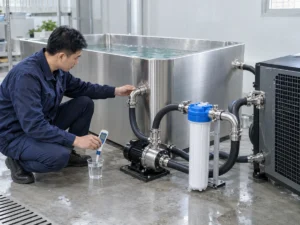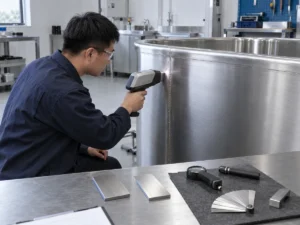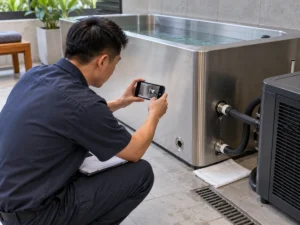
دليل HACHILL لأحواض الغطس البارد · درجة الحرارة وسياق التشغيل
إجابة مباشرة: لا توجد درجة حرارة واحدة مثالية عالمياً للغمر البارد. النطاق المرجعي البحثي المفيد هو حوالي 10–15°C (50–59°F)، بينما تتضمن الدراسات المنشورة عن الغمر في الماء البارد أيضاً ظروفاً أكثر برودة. تعامل مع 10–15°C كسياق دليلي—وليس كدرجة حرارة “أفضل” عالمية، أو وصفة شخصية، أو دليل على أن الماء الأكثر برودة أفضل.
الطريقة الأكثر فائدة للتفكير في درجة حرارة حوض الغطس البارد هي فصل ثلاثة أسئلة: ما الذي تستخدمه بروتوكولات الأبحاث عادةً، وما درجة الحرارة التي تُقاس فعلياً في الماء، وما المناسب لسياق تعرض معين. هذه الأسئلة مترابطة، لكنها ليست قابلة للتبادل.
يوضح هذا الدليل ما يعنيه نطاق درجة الحرارة الشائع ذكره فعلاً، ولماذا لا تكون البرودة الأشد أفضل تلقائياً، وكيف يغيّر زمن التعرض السياق، ولماذا لا تكون نقطة ضبط المبرد بالضرورة هي درجة الحرارة التي يختبرها المستخدم.
ما درجة الحرارة التي يجب أن يكون عليها حوض الغطس البارد؟
النطاق المرجعي البحثي المفيد حول 10–15°C (50–59°F). تشمل أبحاث الغمر في الماء البارد أيضًا درجات حرارة أقل من هذا النطاق، لذا ينبغي فهم 10–15°C كسياق دليلي لا كعتبة عالمية أو وصفة شخصية أو متطلب للمعدات.
لم تُثبت الأدلة الحالية درجة حرارة واحدة تكون الأفضل لكل مستخدم أو غرض أو نتيجة. تختلف الدراسات في مجموعة المشاركين، ومدة الغمر، وعمق الغمر، وسياق التمرين، والنتيجة التي يتم قياسها.
بروتوكول البحث يجيب عن سؤال بحثي في ظروف محددة؛ وهو لا يصبح تلقائياً توصية فردية للتعرض.
لذا فإن الخلاصة العملية ليست السعي إلى أقل درجة حرارة ممكنة. افهم أولاً ما الذي يمثله رقم درجة الحرارة، ثم ضع في الاعتبار مدة التعرض، وسياق المستخدم، وحالة الماء الفعلية المقاسة.
ماذا يعني نطاق درجة حرارة الغطس البارد الشائع دراسته فعلياً؟
إن 10–15°C (50–59°F) يظهر النطاق بشكل متكرر في أبحاث الغمر في الماء البارد، لا سيما في بروتوكولات التعافي الرياضي. تستخدم الدراسات المنشورة أيضاً ظروفاً أكثر برودة، لذا لا ينبغي اختزال الأدبيات البحثية في نطاق درجة حرارة ثابت واحد.
الاستخدام المتكرر لبروتوكولات مشابهة يسهّل مقارنة الدراسات، لكنه قد يخلق اختصاراً مضللاً: كثرة الدراسة لا تعني الإثبات العلمي بأنه الأمثل.
A مراجعة منهجية لعام 2025 حول الغمر في الماء البارد لدى البالغين الأصحاء شملت دراسات استخدمت درجات حرارة من حوالي 7°C إلى 15°C وأشارت إلى أن قاعدة الأدلة لا تزال غير كافية لتحديد بروتوكول مثالي للغمر في الماء البارد.
أحدث مراجعة منهجية وتحليل تلوي للتعافي المعتمد على درجة الحرارة 2026 قارنت دراسات استخدمت حوالي 5°C و10°C و15°C. لم تكن الفروق بين المجموعات الفرعية لدرجات الحرارة ذات دلالة إحصائية، لذلك لم تثبت الدراسة تفوق أي من تلك النطاقات الحرارية. كما يصف المؤلفون تحليلات المجموعات الفرعية لدرجات الحرارة بأنها استكشافية، وهذا سبب آخر لعدم تحويل نتيجة مجموعة فرعية إلى وصفة عالمية.
كثير من الأدلة الخاصة بدرجة الحرارة يأتي أيضًا من التعافي بعد التمرين، بما في ذلك الوجع، والأداء ونتائج تلف العضلات. لا ينبغي توسيع نتائج تلك السياقات بصمت إلى ادعاءات حول كل هدف من أهداف العافية أو كل فئة من المستخدمين.
| ما يمكن أن يعنيه النطاق | ما لا يعنيه |
|---|---|
| نطاق مرجعي شائع في أبحاث CWI | درجة حرارة مثلى عالمية |
| أساس مفيد لمقارنة بروتوكولات البحث | وصفة طبية شخصية |
| سياق حراري مستخدم في أبحاث التعافي | إثبات أن كل فائدة تبلغ ذروتها في هذا النطاق |
| مرجع عملي لمناقشة متطلبات المعدات | إثبات أن الإعدادات الأبرد أو الأدفأ غير مناسبة |
لذلك يكون الرقم أكثر فائدة بوصفه سياق الأدلة: فهو يساعد القراء على تفسير الأبحاث ويساعد فرق المشاريع على وصف متطلب تشغيلي، لكنه لا يحسم كل قرار تعرّض.
هل يكون حوض الغمر البارد الأكثر برودة أفضل دائمًا؟
رقم لا تُظهر الأدلة الحالية أن جعل حوض الماء البارد أكثر برودة تدريجيًا يحسّن النتيجة تلقائيًا.
لم تُثبت الأبحاث الحديثة الخاصة بدرجة الحرارة بعد التمرين، والتي تقارن ظروف غمر شديدة البرودة و أكثر اعتدالًا، أن أبرد ظرف هو الأفضل أداءً.
وهذا لا يثبت أن الماء البارد الأدفأ أفضل عالميًا أيضًا. بل يعني أن الأدلة لا تدعم قاعدة بسيطة يكون فيها انخفاض درجة الحرارة منتجًا تلقائيًا لفائدة مرغوبة أكبر.
التمييز بين الشدة والفعالية مهم. قد تبدو المياه الأبرد أكثر قسوة بشكل كبير، لكن الإحساس الأقوى ليس دليلاً على نتيجة تعافٍ أفضل.
A مراجعة محكّمة لعام 2025 حول تكيّف الإنسان مع البرد واستجابات الصدمة الباردة يصف استجابات تنفسية وقلبية وعائية كبيرة عند بداية الغمر في الماء البارد. تدعم تلك الأدلة التعامل مع شدة البرودة كاعتبار سلامة بدلاً من اعتبارها دليلاً على فائدة أكبر.
لذا فالسؤال المفيد ليس، «إلى أي مدى يمكن أن ينخفض المبرد؟» بل: «ما حالة الماء التي تناسب الاستخدام المقصود دون افتراض أن شدة البرودة الأكبر تنتج نتيجة أفضل؟»
لماذا يجب اعتبار درجة الحرارة ومدة التعرض معاً
درجة الحرارة جزء واحد فقط من بروتوكول الغمر في الماء البارد. زمن التعرض مهم أيضًا.
تحدد بروتوكولات البحث عادةً عدة متغيرات معًا: درجة حرارة الماء، ومدة الغمر، وعمق الغمر، ومجموعة المشاركين، والنتيجة قيد الدراسة.
A مراجعة منهجية، وتحليل تلوي، وتحليل انحدار تلوي لعام 2022 بشأن الغمر بالماء البارد بعد التمرين فحصت درجة الحرارة والمدة ضمن بروتوكولات الاسترداد ولم تضع صيغة عالمية بسيطة تحوّل درجة حرارة ماء واحدة إلى زمن تعرض صحيح واحد لكل شخص.
ليس بالضرورة أن يكون التعرض الأطول أفضل تلقائيًا. درجة حرارة مثل 10°C أو 15°C تصف جزءًا من حالة الماء؛ لكنها لا تحدد التعرض الكامل.
القراء في مرحلة القرار مدة الغمر البارد يجب لذلك التعامل مع المدة كقرار منفصل يجب تفسيره إلى جانب ظروف المياه المقاسة وعوامل السلامة الأخرى ذات الصلة. للحصول على إرشادات مفصلة حول مدة الجلسة، استخدم دليل المدة المخصص.
نقطة ضبط حوض الغمر البارد مقابل درجة حرارة الماء الفعلية
مبرّد نقطة الضبط هو هدف التحكم المطلوب. وهو لا يثبت بحد ذاته درجة حرارة كل جزء من الماء في الحوض أو الحالة التي يختبرها المستخدم في لحظة معينة.
يمكن أن تفرّق وثائق وحدة التحكم بين نقطة الضبط المختارة و درجة الحرارة المقاسة بواسطة حساس وحدة التحكم. على سبيل المثال، تعليمات وحدة التحكم Aqua Logic من سلسلة DC يصف بشكل منفصل نقطة الضبط المختارة ودرجة حرارة الماء الحالية المعروضة، ويُظهر فرق تشغيل/إيقاف حول هدف التحكم الخاص بذلك المتحكم المحدد.
يوضح ذلك المثال مبدأ تحكم؛ وهو ليس ادعاءً بأن HACHILL تستخدم المتحكم نفسه.
موقع المستشعر مهم أيضًا. أساسيات التحكم من ASHRAE يعرّف نقطة الضبط بأنها القيمة المرغوبة للمتغير المتحكم به، ويوضح أن المستشعر يقيس ذلك المتغير المتحكم به لأجل التغذية الراجعة. وعند تطبيقه على نظام ماء بارد، ينبغي لذلك تفسير قيمة المستشعر المعروضة وفق مكان وطريقة قياس ذلك المستشعر للماء.
هذا مبدأ عام في القياس والتحكم، وليس ادعاءً بأن كل حوض استحمام بارد يطوّر تدرجاً حرارياً ذا معنى أو أن ترتيب مستشعر واحد ينطبق على كل نظام HACHILL.
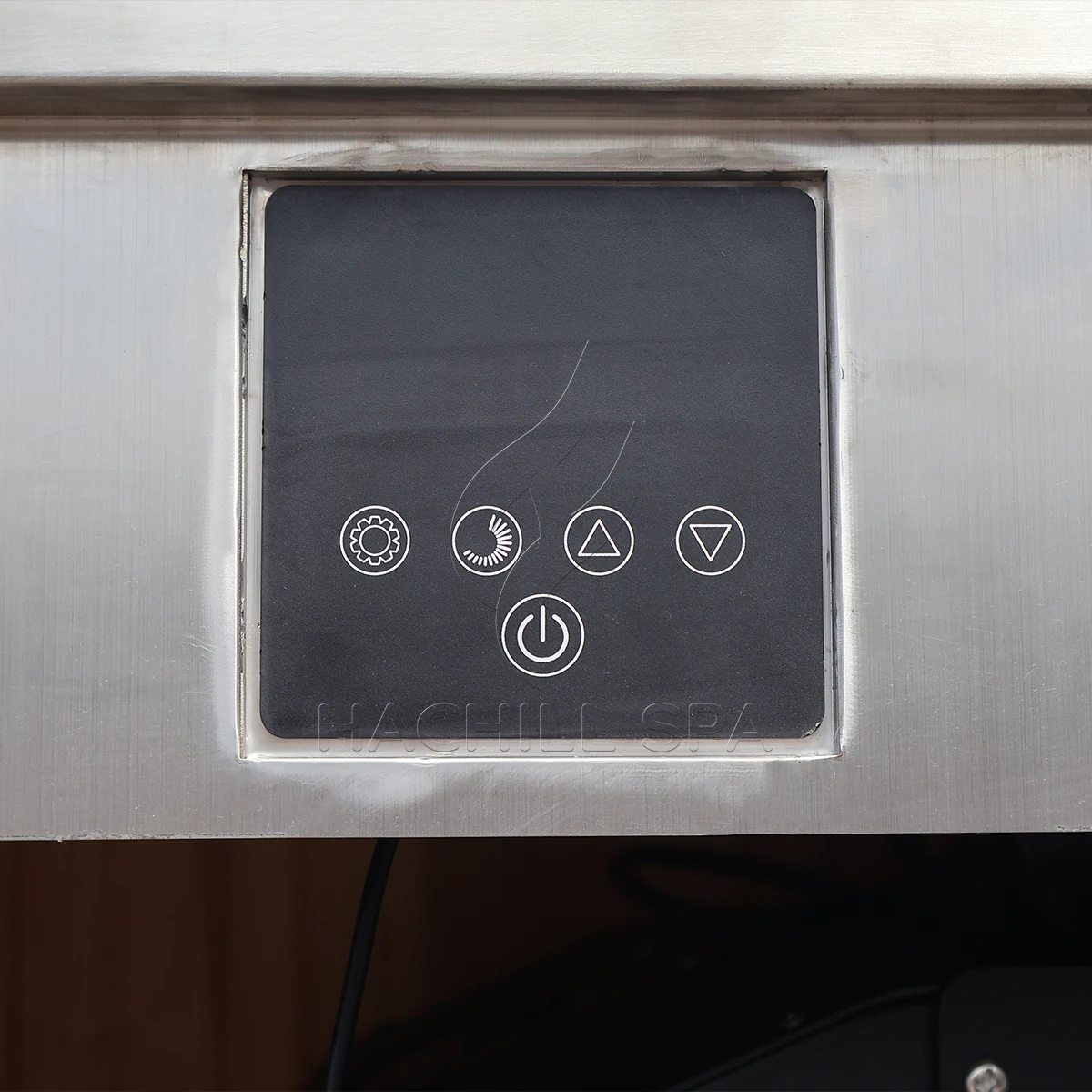
- ميّز بين نقطة الضبط المختارة من درجة الحرارة المقاسة المعروضة.
- حدّد أين يقيس مستشعر وحدة التحكم الماء.
- عندما تكون درجة حرارة منطقة المستخدم مهمة، تحقق من حالة الماء عند موقع قياس تمثيلي في ظل حالة تشغيل محددة.
- سجّل موقع القياس وحالة النظام عند مقارنة القراءات.
- إذا كان المشروع يتطلب تحققاً مستقلاً، فحدد الجهاز، وموقع القياس، والتوقيت، وسماحية القبول قبل مقارنة القراءات.
- لا تفترض أن أدنى نقطة ضبط قابلة للاختيار في وحدة تحكم’ ما تُثبت أن النظام الكامل يمكنه الوصول إلى حالة الماء تلك والحفاظ عليها في كل موقع.
التمييز الرئيسي للمعدات: قدرة وحدة التحكم ≠ درجة حرارة مياه تمثيلية ≠ إرشادات التعرض الشخصية.
لأسئلة سعة التبريد، والتبريد السريع، والحفاظ على البرودة، والاسترداد، تابع إلى دليل تحجيم مبرد الغمر البارد .
ما معلومات درجة الحرارة التي ينبغي أن يحددها المشترون والمرافق؟
يحتاج الموجز المفيد للمعدات إلى أكثر من: «يجب أن ينخفض المبرد إلى 5°C».
يحتاج المشتري أولاً إلى تحديد حالة الماء التي يتطلبها المشروع، وأين تُقاس تلك الحرارة، وتحت أي ظروف تشغيل يجب الحفاظ عليها.
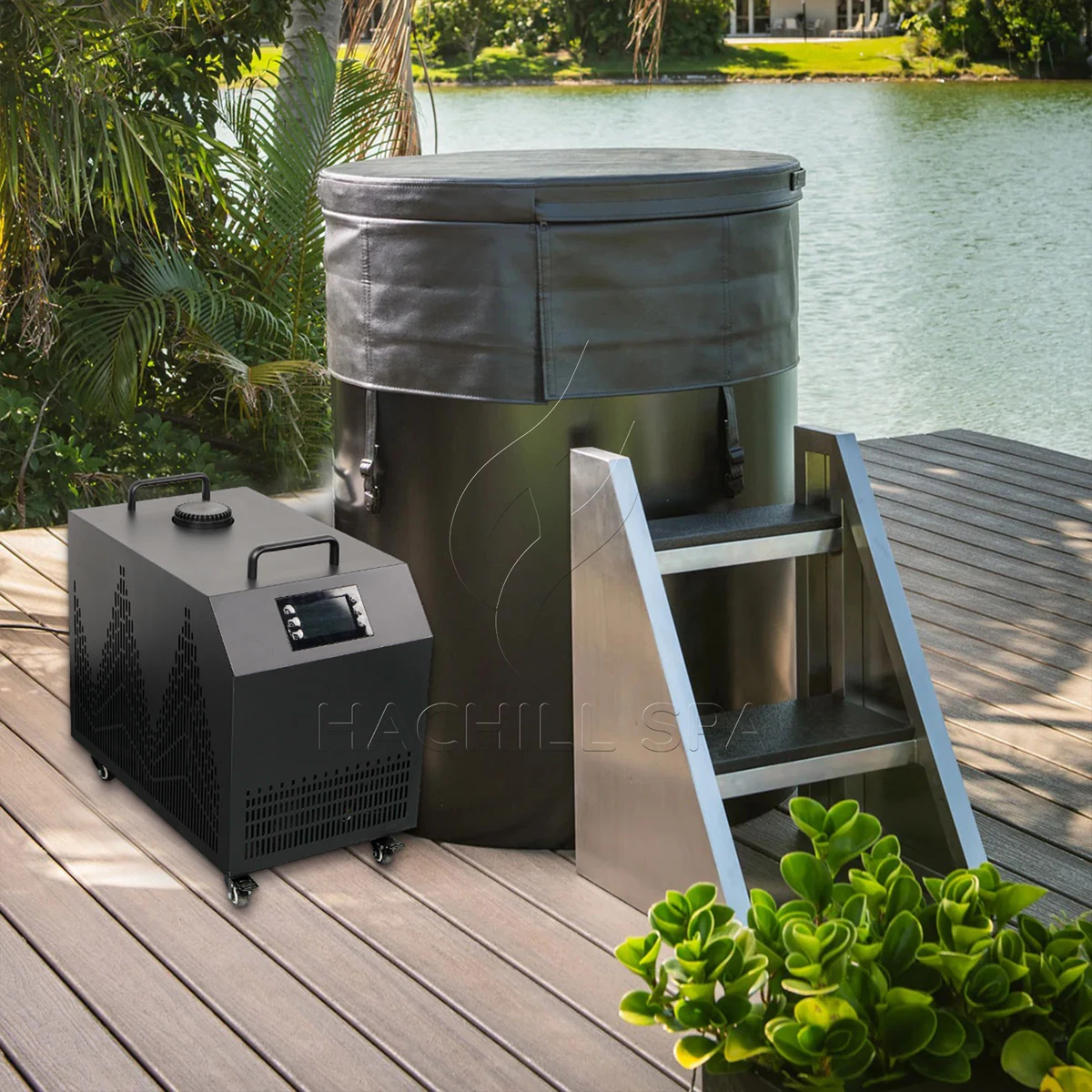
- درجة حرارة التشغيل المستهدفة أو نطاق التشغيل: حالة المياه المقصودة، وليس مجرد أقل رقم يظهر على وحدة التحكم.
- أساس القياس: أين ستُقاس درجة الحرارة الحاكمة وأي قراءة ستُستخدم للتشغيل الروتيني أو التحقق من المشروع.
- حجم الماء وحالة البداية: المدخلات التي تؤثر على حمل التبريد المطلوب للوصول إلى الهدف.
- جدول الاستخدام: يؤدي الاستخدام العَرَضي، والجلسات المتكررة، والمعدل التجاري إلى متطلبات تشغيل مختلفة.
- تعريف حالة التشغيل: حدد ما إذا كان متطلب درجة الحرارة ينطبق بعد الاستقرار، أثناء الاستخدام العادي، بعد التبديل المتوقع أو عند حالة نظام محددة أخرى.
- طريقة التحقق: حدّد الأداة وموقع القياس والتوقيت وسماحية القبول الخاصة بالمشروع المستخدمة للتشغيل التجريبي أو الفحوصات الروتينية.
- بيئة الموقع: تؤثر الظروف المحيطة وظروف التركيب في الحمل الحراري الذي يجب أن يديره نظام التبريد.
- الحوض المختار وتكوين التبريد: يجب التحقق من الملاءمة للمعدات المحددة وظروف المشروع المذكورة.
تفصل هذه المدخلات أيضًا المسؤوليات. الـ المشتري أو المنشأة يحدد حالة المياه المقصودة وحالة الاستخدام التشغيلي. الـ مورّد المعدات يتحقق مما يمكن أن يدعمه التكوين المعروض بدقة في ظل ظروف المشروع تلك. و المشغّل يملك سياسة التشغيل والقياس الروتينية الخاصة بالموقع’. تبقى الإرشادات الفردية المتعلقة بالصحة أو التعرض منفصلة عن مواصفات المعدات.
إذا كان الحوض أو الطراز لا يزال مفتوحًا، فتابع إلى فئة أحواض الغمر البارد HACHILL لتضييق مسار المنتج.
إذا كانت حالة التشغيل المستهدفة محددة بالفعل والسؤال هو ما إذا كان نظام التبريد يمكنه تلبية متطلبات التبريد السريع، والحفظ، والاستعادة المطلوبة، فانتقل إلى دليل تحجيم مبرد الغمر البارد .
الأسئلة الشائعة
ما هي درجة الحرارة المثالية لحوض الغطس البارد؟
يُعد نطاق 10–15°C (50–59°F) نطاقًا مرجعيًا شائعًا في الدراسات، لكن لا ينبغي معاملته كهدف شخصي عالمي. تستخدم الأبحاث أيضًا ظروفًا أكثر برودة، ولم تُثبت درجة حرارة واحدة كدرجة مثالية لكل مستخدم أو نتيجة.
هل 10°C باردة جدًا للغطس البارد؟
لا يمكن لرقم درجة الحرارة وحده أن يحدد ما إذا كان التعرض مناسبًا لشخص معين. يظهر عشر درجات مئوية في أبحاث الغمر في الماء البارد، لكن بروتوكولات البحث ليست وصفات عالمية للسلامة الشخصية.
هل الغمر البارد الأكثر برودة أفضل؟
ليس تلقائيًا. لم يثبت البحث الحالي الخاص بالتعافي المرتبط بدرجة الحرارة أن أبرد حالة ماء تنتج باستمرار أفضل نتيجة. ولا ينبغي اعتبار شدة البرودة الأكبر دليلاً على فعالية أكبر.
هل نقطة ضبط المبرد هي نفسها درجة حرارة الماء الفعلية؟
ليس بالضرورة. نقطة الضبط هي هدف تحكم، أما درجة الحرارة المعروضة فتأتي من مستشعر وموقع قياس محددين. فسّر القراءة وفقًا لوحدة التحكم الفعلية وموضع المستشعر وظرف التشغيل.
هل تغيّر مدة الغطس البارد كيفية تفسير درجة الحرارة؟
نعم. درجة الحرارة وزمن التعرّض متغيّران منفصلان في البروتوكول وينبغي اعتبارهما معًا. لا تحدد درجة حرارة الماء التعرّض الكامل ولا تنشئ مدة جلسة عالمية واحدة.
أساس المرجع
- مراجعة منهجية وتحليل تلوي لعام 2025 حول الغمر في الماء البارد لدى البالغين الأصحاء — سياق درجة الحرارة، وتغاير البروتوكول، وحدود الأدلة حول تحديد بروتوكول CWI أمثل.
- مراجعة منهجية وتحليل تلوي لعام 2026 حول CWI المعتمد على درجة الحرارة — أدلة الاستشفاء بعد التمرين الخاصة بدرجة حرارة معينة وغياب مجموعة فرعية مؤكدة بدرجة حرارة متفوقة.
- مراجعة منهجية وتحليل تلوي وتحليل انحدار تلوي لـ CWI لعام 2022 — حدود الأدلة الخاصة بدرجة الحرارة والمدة والتعافي بعد التمرين.
- مراجعة عام 2025 للتكيف البشري مع البرد واستجابات الصدمة الباردة — سياق استجابة الصدمة الباردة التنفسية والقلبية الوعائية.
- تعليمات وحدة التحكم Aqua Logic من سلسلة DC — مثال على التمييز بين نقطة ضبط وحدة تحكم مختارة ودرجة حرارة الماء التي يقيسها مستشعرها؛ وليس ادعاءً بشأن مكوّن HACHILL.
- كتيب ASHRAE — أساسيات التحكم — سياق قياس عام لتحديد موضع عناصر الاستشعار حيث يكون الظرف المقاس ممثلًا للمتغير المتحكَّم به.
النطاق: تشرح هذه المقالة أدلة درجة حرارة الغمر في الماء البارد، وقياسها، وحدود مواصفات المعدات. وهي لا تقدم مشورة طبية فردية ولا تدّعي أن درجة حرارة واحدة مثالية أو آمنة عالمياً.
حدّد حالة المياه قبل تحديد سعة النظام
لأي استفسار تجاري أو مشروع، قدّم درجة حرارة التشغيل المستهدفة أو نطاقها، وأساس القياس، والحوض أو حجم الماء المختار، وظروف الموقع، وجدول الاستخدام، وحالة نظام التبريد. حدّد حالة التشغيل وطريقة التحقق عندما تكون مقبولية درجة الحرارة مهمة. فذلك يفصل اختيار المنتج ومراجعة الحمل الحراري عن إرشادات التعرض الفردي.
طلب مراجعة المشروع