簡単な回答: サウナと冷水の研究を組み合わせた場合、どちらの順序がより直接的に表されるかという質問であれば、次のように答えます。 サウナに続いて冷水に浸かる、または冷水で冷却する休憩 は、より明確に研究と一致する配列です。 2016年、2020年、2025年、2026年に発表された研究はすべて、急性心血管反応または熱反応を調べる際に、冷やす前に熱を使用しました。 引用された研究では、普遍的に優れた順序を決定するために、サウナファーストとコールドファーストを直接比較したものはありません。 健康、回復、睡眠、または一般的な健康のために。 したがって、擁護可能な結論は狭いです。サウナ→寒さは、利用可能な組み合わせプロトコルでよりよく表現されますが、すべての人にとって最良であるとは証明されていません。 あなたの目標、医学的適合性、暑さや寒さへの反応、被ばく線量、安全に停止する能力は、1 つの実験を真似することよりも重要です。 ワークアウトのタイミング、プランジ温度、期間、商業施設の流れは個別に決定されます。
コールドプランジの前後にサウナ? 研究で実際に検証されたこと
このページがサポートできる最も強力な答えは、 実際に研究された組み合わせ順序はどれですか、どの順序が普遍的に最適であるかではありません。 以下にレビューする人体研究では、サウナへの曝露は、冷水に浸かる前、または冷水を含む冷却休憩の前に行われました。
| 勉強する | プロトコルでテストされた内容 | 確定しない内容 |
|---|---|---|
| ラドケ他、2016 心不全、冠動脈疾患、またはその両方を患っている男性 37 名 | フィンランド式サウナに浸かり、最後に冷水に浸かります。 血行力学的反応と自律神経反応が測定されました。 パブメッドの記録 | コールドファースト比較はありません。 一般大衆向けの命令裁判ではありません。 |
| ポドスタウスキーら、2020 55人の座りがちな若い男性 | サウナに続いて冷水に浸かる場合と、サウナに続いて短時間のシャワー/休憩の冷却条件を比較しました。 雑誌抄録 | サウナファーストとコールドファーストの比較はありません。 |
| ザフラニエツら、2025 28人の正常血圧の女性 | フィンランド式サウナの加熱段階を繰り返した後、冷水への浸漬を含む冷却期間が続きました。 心血管反応を追跡した。 Scientific Reports の研究 | 逆順序アームはなく、1 つの順序がすべての結果に最適であるという主張もありません。 |
| オーウェンら、2026 健康な成人16名 | クロスオーバー設計では、空冷式のサウナと、短時間の冷水浸漬を含むサウナ式冷却が比較されました。 実験生理学研究 | サウナファーストプロトコル内で冷却方法の影響を分離します。 コールドファーストとサウナファーストを比較するものではありません。 |
これらの研究により、 サウナ→寒い 誰かが調査された順序を反映したい場合の、防御可能な研究に一致するシーケンス。 これらは、逆の順序が効果的でない、安全でない、または劣っていることを証明するものではなく、普遍的な仕上げルールを確立するものでもありません。
この区別がこの記事の核心です。研究計画を個人的な処方箋に変換することなく、研究結果を使用してテストされた内容を説明します。
一般的なシーケンスは証明された最良のシーケンスを意味するわけではない
サウナと冷えに関するアドバイスには、次の 3 つの異なるアイデアが組み合わされていることがよくあります。 伝統的な実践、研究で使用されたプロトコル、および 1 つのプロトコルがより良い結果を生み出すという比較証拠。 それらは同じレベルの証拠ではありません。
研究では配列を比較せずに 1 つの配列を調べることができます
研究者は、参加者にサウナを使用してから冷水に入るよう指示すると、そのプロトコル中に何が起こったかを測定できます。 この研究で逆の順序を適切なデザインと比較しない限り、サウナファーストがコールドファーストよりも全体的な結果が優れていることを示すことはできません。
研究されたシーケンス≠優れたシーケンス。
ソーベルグ 2021 は、誰もがコールドでフィニッシュすべきであることを証明するものではない
2021 年のソーベルグ研究は、造影剤のセッションは常に冷曝露で終了するべきであるという考えを支持するものとして、オンラインで頻繁に引用されています。 オリジナルの研究では、冬季水泳経験のある男性を調査し、体温調節、寒冷適応、褐色脂肪組織関連の反応に焦点を当てました。 そうでした ではない 参加者をサウナファーストとコールドファーストにランダムに割り当て、競合する消費者ルーチンとして冷たく仕上げる場合と温めて仕上げる場合のテストは行わなかった。 オリジナルの学習記録 実際の母集団と研究課題を示します。
ソーベルグ 2021 は、「常にコールドで終わる」試練ではありませんでした。
メカニズムと結果は同じではない
暑さと寒さは実際に急性の生理学的反応を引き起こします。 それは、すべての考えられるメカニズムが消費者の利益を証明するという意味ではありません。
| 証拠レベル | 分かること |
|---|---|
| 急性の生理学的反応 | 曝露中または曝露直後に起こる変化 |
| 研究プロトコル | 研究者が実際にテストした条件 |
| 比較結果の証拠 | 定義された結果に関して、ある介入が別の介入を上回ったかどうか |
| 個人使用の推奨事項 | 個々の質問に一致する証拠と安全境界が必要です |
生理学的反応≠証明された結果。
開始順序、終了順序、移行時間、ラウンド数は別の問題です
どの治療法が最初に行われるかを知っていても、完全な造影剤治療ルーチンが得られるわけではありません。
| プロトコル変数 | 実際の質問 |
|---|---|
| スタートオーダー | サウナが先ですか、それとも冷たい水に浸かるのが先ですか? |
| 注文を完了する | どの露出が最後になりますか? |
| 移行時間 | どのくらい早く切り替えますか? |
| サイクル数 | 何回交互にやるの? |
| 温度 | それぞれの暴露の暑さ、寒さはどのくらいですか? |
| 期間 | それぞれの露出時間はどれくらいですか? |
公表されているサウナと冷水の研究では、さまざまな加熱時間、冷却構造、浸漬条件、サイクル設計が使用されています。 たとえば、 2025 年のサウナと CWI の繰り返し研究 そして 2026 年のサウナ冷却休憩中の CWI のクロスオーバー研究 彼らはさまざまなプロトコルを使用し、さまざまな急性生理学の質問に答えました。 どちらも普遍的なルーチンではなく、競合するシーケンスとしてサウナファーストとコールドファーストを比較するものでもありません。
サウナファーストだからといって、必ず冷えた状態で終了しなければならないわけではありません
熱から始めること自体は、最終的な暴露がどうあるべきかを確立するものではありません。 この記事でレビューした研究は、誰もが常に冷やして終了し、その後必ず再加熱する、または代謝、回復、または睡眠のために特定の最終状態を使用する必要があるという普遍的なルールを正当化するものではありません。
ここでは普遍的な即時移行の期限は定められていない
一部の研究プロトコルでは、構造化された冷却休憩の一部として冷水浸漬を使用します。 追加の冷却や休息が含まれる場合もあります。 それは、あるプロトコルを、特定の分以内に全員が冷水に入らなければならないというルールに変換することを正当化するものではありません。
順序によってラウンド数が決まるわけではありません
研究者は標準化された介入を必要とするため、研究では加熱と冷却を繰り返す場合があります。 そのサイクル数は実験に属するものであり、自動的に一般読者に属するものではありません。
同様に、 コントラストウォーターセラピー温水と冷水を交互に使用することは、サウナとコールドプランジの直接的な証拠として扱われるべきではありません。
コントラストウォーターセラピー≠サウナとコールドプランジの順序の証拠。
正確な暴露に関する質問については、HACHILL の別の所有者を使用してください。 サウナ滞在時間の目安, コールド プランジ期間ガイド、そして コールド プランジ温度ガイド.
注文に対する回答は用量の処方箋ではありません。
次の暑さから寒さへの移行をいつ一時停止、停止、または回避する必要がありますか?
計画された順序が、暑さや寒さに対する実際の反応を決して優先してはいけません。
冷水に浸すと、呼吸や心血管活動の急速な変化を伴う急性コールドショック反応が引き起こされる可能性があります。 あ 2024 年のコールドショック習慣化の系統的レビューとメタ分析 浸漬を繰り返すと、その反応のいくつかの要素が平均して減少する可能性があることを発見しました。 しかし、慣れは個人の安全を証明するものではなく、簡単な退出や症状に基づく停止ルールの必要性がなくなるわけではありません。
サウナは熱と体液損失のストレスを別々に生み出します。 クリーブランドクリニックのサウナ案内 めまい、脱力感、呼吸困難、または重大な不快感が生じた場合はその場を離れることをアドバイスし、関連する状況では医師の指導を推奨します。 それ コールドプランジガイダンス 同様に、立ちくらみや不快感のために退出するようアドバイスし、寒さへの曝露による心臓血管や呼吸のストレスを強調しています。
警告標識がない場合
懸念される症状がないこと自体は、医学的適合性を確立するものではありません。 自分がどのように対応しているかに常に注意し、このセクションを医学的なゴーサインとして使用しないでください。
一時停止または停止
めまい、失神、異常な脱力感、重大な呼吸困難、寒冷地に入ったときの制御不能な呼吸、混乱、調整不良、胸の不快感、または著しい苦痛が生じた場合は、次回の計画された曝露を無理に行わないでください。
汎用プロトコルなし
関連する健康状況、妊娠、投薬、以前の失神、または暑さや寒さを制限するための以前のアドバイスなどの理由で医学的適合性が不確かな場合は、オンラインでの順番よりも個別の医療指導の方が適切です。
慣れたからといってリスクがなくなるわけではない
繰り返し寒冷にさらされると、平均的なコールドショック反応の一部の要素が低下する可能性がありますが、慣れは免疫ではありません。 同様に、慣れ親しんだサウナの使用によって、脱水、過熱、失神、または異常な反応が不可能になることはありません。
慣れ≠ 暑さや寒さのストレスがない。
日常生活を楽にするためにアルコールを使用すべきではありません
サウナの安全に関するガイダンスでは、飲酒後のサウナの使用を避けることが推奨されており、発汗により体液の損失が増加します。 その後のコールドプランジでは、判断力の低下、脱水症状、またはヒートセッションが不適切であったその他の理由が回復することはありません。
目標やワークアウトのコンテキストによって実際に順序が変わりますか?
場合によっては、目標によって決定が変わることもあります。 しかし、それが変わることもよくあります どの証拠ページが必要ですか、新しいサウナ/コールドプランジシーケンスを作成するのではなく。
筋力トレーニングが良い例です
2024年 システマティックレビューとメタアナリシス らは、筋力トレーニングセッションの直後に冷水に浸すと、筋肥大の増加がわずかに減少する可能性があることを発見したが、その一方で、基礎となる研究の質は概ね良好または低品質であると評価された。 著者らはまた、分析された証拠が運動停止後約15分以内に行われたCWIに当てはまることにも注目している。 数時間後に時折急落した場合の影響は確立されていません。
その発見とは、 レジスタンストレーニングに対する寒冷曝露のタイミング。 リフト後にコールドファーストの方が良いということは証明されておらず、プランジ前にサウナに入ってもタイミングの問題が消えるわけではありません。
ワークアウトのタイミング≠一般的なサウナ/コールドプランジのシーケンス。
トレーニング固有の決定を行う読者は、HACHILL の トレーニング前後のコールドプランジ サウナファーストを回避策として扱うのではなく、ガイドとして活用してください。
回収請求にはメカニズムだけでなく結果も必要です
人によっては、冷たさにさらされた後の痛みが軽減されたり、その感覚を好む場合があります。 それによって自動的に、より良い長期的な適応が確立されるわけではありません。 同様に、熱と寒さが異なる急性生理学的反応を引き起こすという事実だけでは、1 つの終了状態が普遍的に優れた回復をもたらすと主張するには十分ではありません。
気分が良くなった≠適応が良くなったことが証明されています。
リラクゼーション、睡眠、注意力は普遍的な秩序ルールではありません
リラックスできるので、温かいまま仕上げることを好む人もいます。 冷たいまま終わる感覚を好む人もいます。 これらは、設定として説明されている場合には有効な設定です。
この記事のために検討された証拠は、科学的に最適な睡眠のために暖かく終えると、優れた覚醒のために冷たく終えると、朝は最初に冷やすのが最善であり、最後にサウナに入ると常に夕方が良いなど、それらを普遍的な主張に変えることを正当化するものではありません。
好みによって関係が崩れることもありますが、好み≠医学的な優位性です。
シーケンスの選択: 研究に一致したパターン、個人の好み、または一般的なプロトコルなし
順序、用量、安全性を分離すると、決定がより明確になります。
| あなたの状況 | 証拠を意識したルート | ルートが意味しないもの |
|---|---|---|
| 現在のサウナと CWI の研究で最も直接的に表される結合順序が必要です。 | 研究に適合した順序 — サウナ→寒さ | 普遍的に最良であることが証明されておらず、個人的な処方箋でもない |
| それ以外の点ではどちらの順序も適切であり、優位性を確立する目的固有の証拠はない | 好み/状況 | 好みは健康上の主張ではありません |
| 医学的適合性が不確かである、または懸念される症状が現れる | 汎用プロトコルなし | インターネットの習慣を強制しないでください |
| あなたの質問は主にトレーニングへの適応または運動からの回復に関するものです | ワークアウトタイミングオーナー | サウナの順番はトレーニングのタイミングの問題を解決しない |
| 質問は分数、水温、ラウンド数です。 | 線量 / 安全管理者 | シーケンスは被ばく線量を確立しない |
研究に適合した配列
あなたの目標が、ここで検討した研究によって表される結合順序を反映することである場合、 サウナに続いて冷水に浸かる の方が研究結果に近いです。 それは優越性や個人的な適性を確立するものではありません。
好み/状況
両方の手段が適切であり、直接的な結果の証拠が目標の勝者を確立しない場合、フィニッシュの好みと実際的な状況によって決着がつかない可能性があります。
汎用プロトコルなし
医学的適合性が未解決である場合、症状が発生している場合、障害が存在する場合、またはルーチンに裏付けのない曝露仮定が必要となる場合には、インターネット手順の代わりに個別のガイダンスを使用してください。
順序は必ずしも解決する必要がある最初の質問であるとは限りません。
証拠と安全性の問題が解決されたら、次のようにします。 意図したセットアップに適合する機器ファミリーを検討します。 定義された商業施設の場合は、公開シーケンスの記事を運営プロトコルに変えるのではなく、施設計画のルートに進みます。
施設向け: 1 つのユニバーサル プロトコルを規定せずにホット/コールド ユーザー フローを計画する
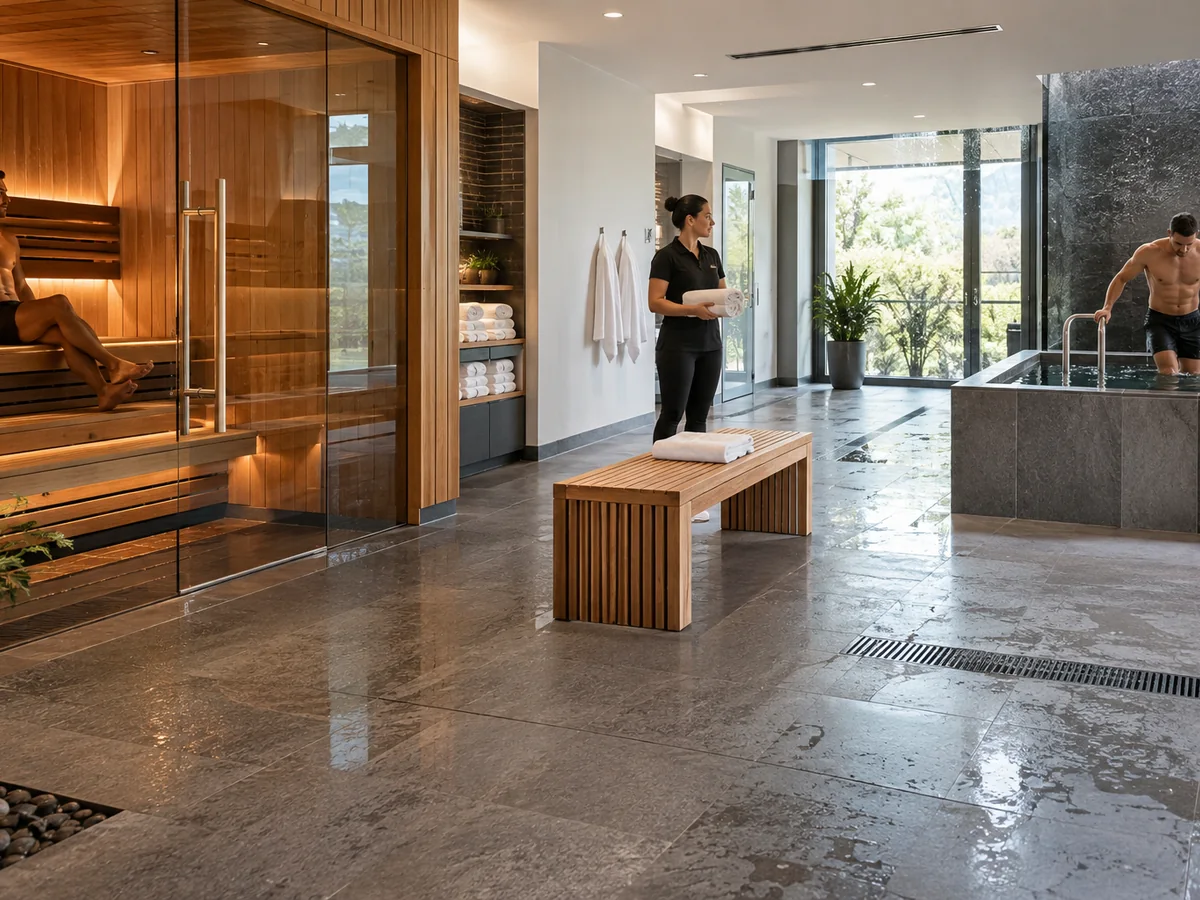
商業用のサウナとコールドプランジの会場には、解決すべき別の問題があります。つまり、施設の見直しの動作行程が高温→低温、低温→高温であるか、または別の回復ステップが含まれているかにかかわらず、人々がその空間を安全に移動できなければなりません。
施設のレイアウトは、運用行程をサポートする必要があります。 すべてのゲストに同じ暴露命令が必要であるという医学的証拠として扱われるべきではありません。
- 濡れたユーザーは、不必要に危険な歩行ルートを通らずに温熱ゾーン間を移動できますか?
- 湿潤循環エリアに沿った信頼できる排水戦略はありますか?
- すぐに移行を強制するのではなく、一時停止または回復できる場所はありますか?
- スタッフの可視性と動線は運営モデルに適合していますか?
- プライバシーとユーザーの移動は共存できるでしょうか?
- ゲストの流れを妨げずに清掃やサービスを行うことができますか?
米国の職場環境については、 OSHA 歩行作業面規則 作業室の床を可能な限り乾燥した状態に保つ必要があり、湿式プロセスが使用される場合は排水が必要です。 これは意図的な湿潤エリア管理をサポートする有用なサポートですが、その範囲は職場の安全であり、普遍的なスパ設計規定ではありません。 建物、アクセシビリティ、公衆衛生、電気、その他の設備要件は引き続き管轄区域およびプロジェクトごとに異なります。
HACHILLさん 造影剤治療スタジオの設備計画 ページは、循環、湿式/乾式インターフェース、スタッフのルート、運用計画など、より深い施設タスクを所有します。
したがって、施設は、アーキテクチャをユニバーサルヘルスプロトコルに変えることなく、明確な旅を設計できます。
よくある質問
サウナは寒さの前後にすべきでしょうか?
ここでレビューした組み合わせ研究で使用された順序を反映したい場合は、サウナに続いて冷水に浸かるのが、より近い研究結果と一致します。 これらの研究は、競合するルーチンとしてサウナから入ることと冷気から入ることを直接比較したわけではないため、普遍的に優れたシーケンスであることを証明するものではありません。
最後はサウナかコールドプランで終わりますか?
ここで検討した証拠は、1 つの普遍的な仕上げ状態を確立するものではありません。 ソーベルグの冬季水泳に関する研究は、誰もが寒い中でフィニッシュしなければならないことを証明しているわけではなく、個人的なフィニッシュの好みを裏付けのない代謝、回復、または睡眠の主張に変換すべきではありません。
サウナから出てすぐに冷水に入る必要がありますか?
ここで検討した証拠によって、普遍的な即時移行の期限が確立されるわけではありません。 研究プロトコルでは異なる冷却構造と移行タイミングが使用されるため、1 つの研究のタイミングをすべてのユーザーのルールとして扱うべきではありません。
順序を選択すると、何ラウンド行うかがわかりますか?
いいえ。開始順序、終了順序、移行時間、サイクル数、温度、期間は個別に決定されます。 研究のサイクル設計はその研究の一部であり、自動的に個人使用の処方箋になるわけではありません。
一般的なサウナとコールドプランジのシーケンスを避けるべきなのは誰でしょうか?
医学的適合性が不確かな方は、一般的なオンライン手順のみに頼るべきではありません。 関連する心血管疾患、妊娠、暑さや寒さへの耐性に影響を与える可能性のある薬剤や症状、以前の失神、説明のつかない症状、またはセッション中の懸念される症状などは、次回の計画された曝露を強制するのではなく、個別の医療指導を行う理由となります。