Руководство по проектированию холодных купелей
Техническая совместимость купели с чиллером для покупателей, инженеров по продукту, монтажников и дистрибьюторов.
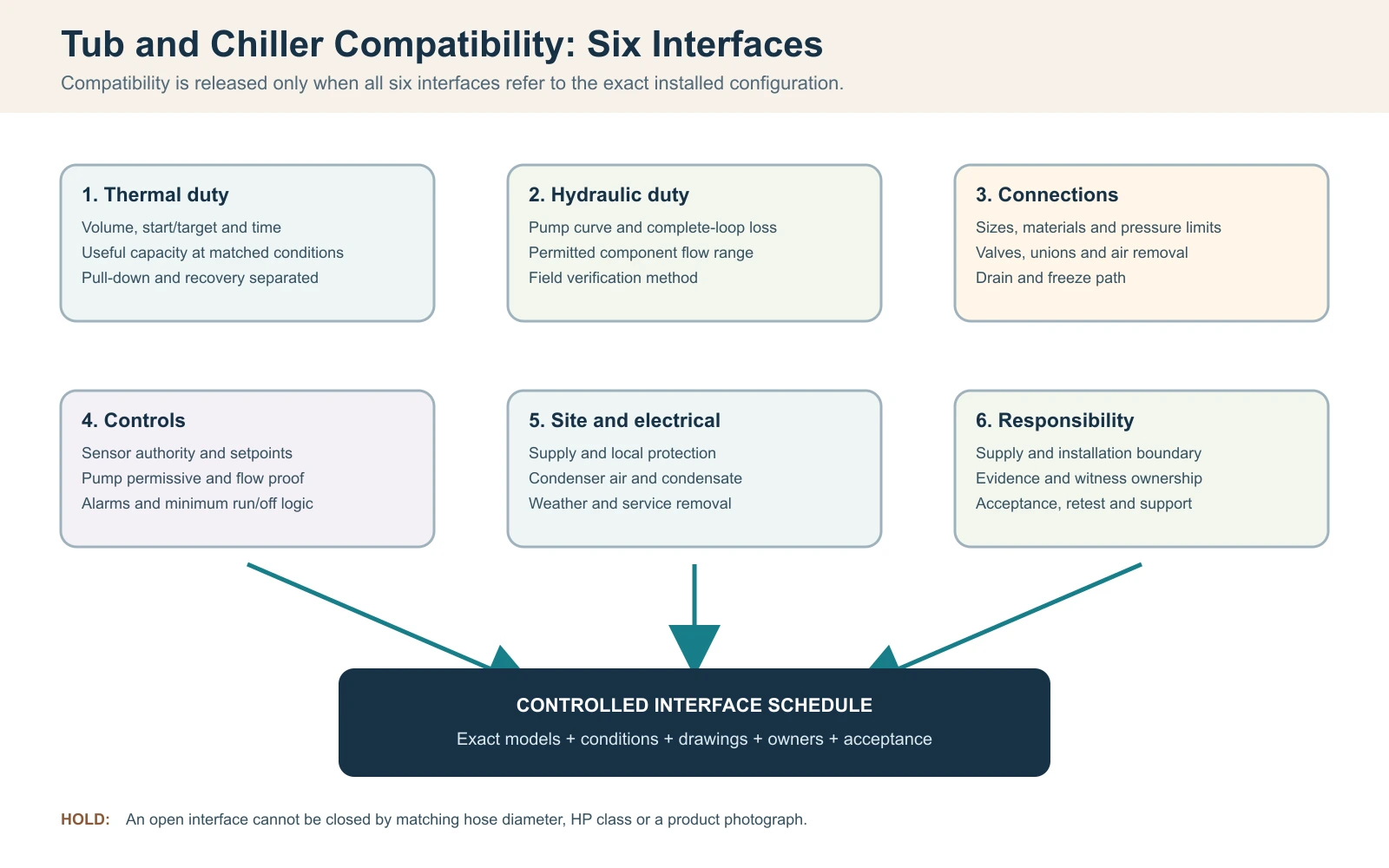
Прямой ответ: Согласуйте купель для холодного погружения с чиллером, закрыв шесть интерфейсов для точной установленной системы: тепловую нагрузку, гидравлическую рабочую точку, физические подключения, логику управления, электрические/площадочные условия и ответственность за монтаж и приёмку. Начните с реального рабочего объёма воды, начальной и целевой температур, требуемых окон снижения температуры и восстановления, температуры воздуха на входе конденсатора и полного водяного контура. Затем проверьте привязанную к условиям холодопроизводительность и рабочую точку насоса, при которой каждый последовательный компонент остаётся в пределах допустимого диапазона расхода.
Размер соединителя, объём ванны и мощность охладителя в л.с. — полезные первичные параметры, но ни один из них сам по себе не доказывает совместимость. Обоснованный протокол допуска определяет точную ванну, охладитель, насос, компоненты фильтрации/обработки, органы управления и допущения по площадке, а затем фиксирует, что было проверено, что остаётся открытым и что остановило бы допуск.
Область применения страницы: эта статья отвечает за согласование интерфейса сосуда и чиллера. Она использует лишь достаточно тепловой и мощностной логики, чтобы проверить этот интерфейс. Полные расчёты холодопроизводительности проекта относятся к Руководство по теплотехнике холодных купелей и подбору охладителя; сопоставление лошадиных сил и полезной холодопроизводительности относится к HP чиллера для холодной купели и холодопроизводительность. Точные подключения модели, рабочие пределы и номинальные характеристики должны браться из утверждённых данных для заказанной конфигурации.
На этой странице
- Закройте шесть интерфейсов, прежде чем считать купель и охладитель совместимыми
- Определите полный контур воды и реальный рабочий объем
- Проверьте тепловую нагрузку перед утверждением соответствия чиллера
- Проверьте полезную холодопроизводительность при одинаковых условиях
- Найдите рабочую точку насоса по всему контуру
- Согласуйте пределы расхода, заливку, удаление воздуха и слив при замерзании
- Согласуйте датчики, уставки, разрешения насоса и логику аварий
- Проверьте воздух конденсатора, погодные условия, конденсат и сервисное пространство
- Собирайте синхронизированные данные перед определением причины неисправности
- Назначьте ответственность за интерфейс и оцените доказательства
- Проведите пусконаладку по письменной границе, затем повторно проверьте причину
- Выпустите контролируемый график интерфейсов и итоговый протокол готовности
Закройте шесть интерфейсов, прежде чем считать купель и охладитель совместимыми
Фитнес-клубы часто ценят ограниченную длину площади и компактную зону восстановления, но их пиковая нагрузка может приходить группами после занятий или тренировок. Фиксируйте пользователей с интервалами, достаточно короткими, чтобы уловить наибольший всплеск после занятия или тренировки, а не полагайтесь на дневной итог. Критический спрос — это пиковый эксплуатационный всплеск, требуемый сброс между пользователями и то, может ли персонал наблюдать вход и выход и реагировать, когда запрашивается помощь или срабатывает процедура прекращения использования объекта.
Начните с однострочного требования к эксплуатации: фактический объем воды, начальная и целевая температуры, допустимое время снижения температуры, ожидаемый режим использования, диапазон температуры воздуха на входе конденсатора и место установки (в помещении или на улице). Затем нарисуйте полный контур и укажите каждый поставляемый и устанавливаемый на объекте компонент. Совместимое предложение должно показывать, что полезная холодопроизводительность доступна при заявленных условиях и что насос может перемещать воду через полное установленное сопротивление, оставаясь в пределах допустимого диапазона расхода каждого компонента.
Запись о совместимости купели и охладителя
| Интерфейс | Вопрос, который должен быть закрыт | Подтверждающие документы |
|---|---|---|
| Тепловой | Может ли полезная мощность соответствовать требованиям по снижению температуры и восстановлению при расчетных условиях? | Данные о мощности в зависимости от условий и ограниченный расчет |
| Гидравлический | Находится ли рабочая точка насоса в пределах допустимых расходов теплообменника и системы обработки воды? | Характеристика насоса, основа потерь давления и метод полевой проверки |
| Соединения | Согласованы ли размеры, материалы, клапаны, муфты, слив и пути удаления воздуха? | Согласованный чертёж контура и подключения |
| Управление | Какое устройство управляет насосом и компрессором, и что предотвращает небезопасную работу? | Последовательность работы, график сигнализации и блокировок |
| Площадка/электрика | Доступны ли электропитание, конденсаторный воздух, погодные условия, дренаж и сервисное извлечение? | План площадки и квалифицированная местная проверка при необходимости |
| Ответственность | Кто поставляет, устанавливает, проверяет и поддерживает каждый интерфейс? | Согласованная матрица ответственности и приёмки |
Правило выпуска: открытый интерфейс остаётся инженерной задержкой, даже если оба продукта работают отдельно. Не используйте неутверждённые адаптеры, обходные элементы управления или несогласованные изменения насоса, чтобы обеспечить подгонку на месте после поставки.
Определите полный контур воды и реальный рабочий объем
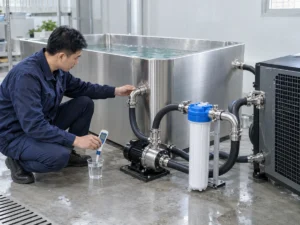
Проследите путь воды от выпускного отверстия купели через фильтры-сетки, насос, фильтр, компоненты обработки воды и теплообменник, а затем обратно в купель. Включите запорные клапаны, обратные клапаны, колена, переходники, гибкие шланги, вертикальные участки и байпас. Порядок компонентов влияет на заливку, удаление воздуха, доступ для обслуживания и на то, что происходит при загрязнении фильтра. Фотография двух концов шлангов не показывает установленную гидравлическую схему.
Используйте рабочий объем воды, а не максимальную геометрическую вместимость емкости. Объем зависит от утвержденной ватерлинии, внутреннего водоизмещения, водоизмещения пользователей и от того, добавляют ли внешние трубопроводы или буферный бак дополнительный объем воды. Если утвержденные данные модели недоступны, измерьте заполнение с помощью подходящего счетчика и запишите метод измерения. Оценка по внешним размерам может завысить или занизить тепловую массу, поскольку сиденья, толщина стенок и надводный борт не являются водой.
Зафиксируйте версию конфигурации вместе с контуром. Дистрибьютор может сочетать купель от одного поставщика с отдельным охладителем, насосом и системой очистки. Каждый компонент может быть по отдельности подходящим, но несовместимым в контуре, если материалы соединений, номинальные давления, требуемые расходы или предположения по управлению различаются. Запишите, что находится в ящике, что поставляет монтажник и какой чертеж определяет окончательную компоновку.
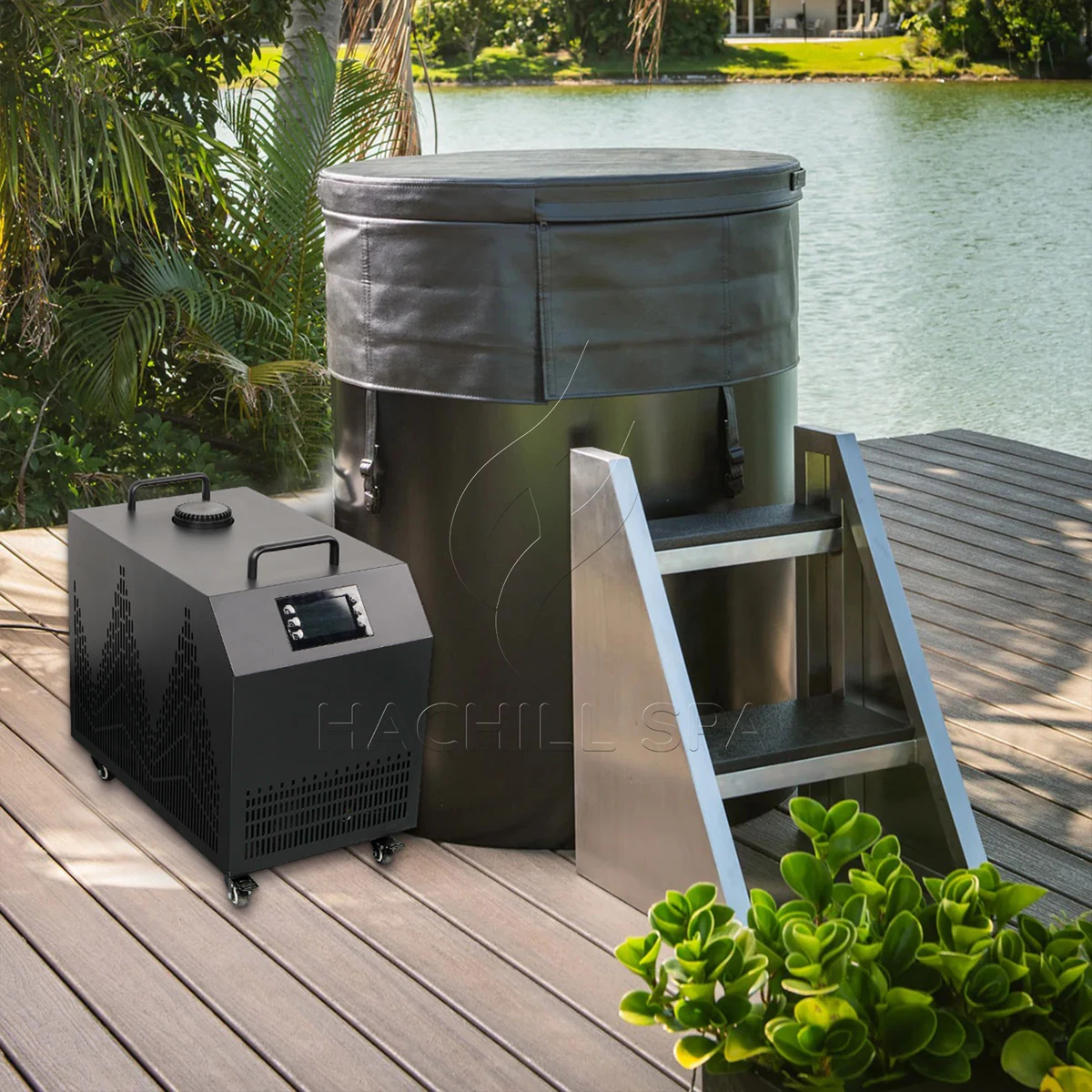
Проверьте тепловую нагрузку перед утверждением соответствия чиллера
Подбор «купель/чиллер» всё ещё требует теплового допуска, но проверка совместимости не должна превращаться во второй полный процесс подбора размеров. Зафиксируйте фактический рабочий объём воды, начальную и целевую температуры, допустимое время охлаждения, ожидаемый интервал восстановления, температуру воздуха на входе конденсатора, состояние крышки и репрезентативный график использования. Совместимость остаётся неподтверждённой, пока для выбранного чиллера не будет полезных доказательств охлаждения, применимых к этим условиям.
Для прозрачной оценки только по воде явную теплоту можно приближённо рассчитать с помощью Q = m x cp x Delta T. В справочнике по термодинамике Министерства энергетики США используется то же соотношение для явного тепла, а теплоёмкость жидкой воды меняется с температурой, а не является одной неизменной константой. Для иллюстративного рабочего объёма 400 L, приближённо равного 400 kg воды, при охлаждении с 22 C до 10 C с cp = 4.186 кДж/кг·К даёт около 5.58 кВт·ч тепловой энергии запасённой энергии воды. Если подтверждённая полезная чистая мощность в среднем составляла 2.4 кВт в соответствующих условиях, идеальное время только для воды составило бы около 2.33 часа.
Этот расчёт — промежуточная оценочная проверка между нагрузкой купели и данными по чиллеру, а не обещание производительности HACHILL. Он исключает теплоприток через резервуар, открытую воду, трубопроводы и помещение; тепло насоса; солнечный нагрев; циклическую работу управления; и изменения доступной мощности при изменении параметров воды и окружающей среды. Не добавляйте общий процентный запас просто чтобы результат выглядел полным. Переносите неразрешённые теплопритоки в отдельный процесс теплового подбора или закрывайте их контролируемыми испытаниями полной системы.
Проверка тепловой совместимости
| Поле | Минимальные доказательства соответствия | Оставляйте сочетание открытым, когда |
|---|---|---|
| Рабочий объём воды | Утверждённая ватерлиния или измеренный объём заполнения с указанием включённого внешнего объёма | Известны только номинальная ёмкость резервуара или внешние габариты |
| Режим снижения температуры (pull-down) | Начальная/целевая температура и допустимое время | В предложении есть только общее утверждение «охлаждает до» |
| Режим восстановления | Типовой сценарий использования/пополнения и необходимое окно восстановления | Результат ночного выхода на режим охлаждения используется как показатель интенсивного использования |
| Состояние среды/крышки | Состояние входа конденсатора и заявленное состояние чехла/открытия | Доказательства производительности были получены в несопоставимых условиях |
| Подтверждение вместимости | Полезный результат для точной модели/конфигурации при соответствующих условиях | Доступны только HP, входная мощность или максимальное значение без уточнения условий |
Проверьте полезную холодопроизводительность при одинаковых условиях
Мощность в лошадиных силах, потребляемая мощность компрессора и полезная холодопроизводительность отвечают на разные вопросы. Для проверки совместимости сравните нагрузку купели с холодопроизводительностью, указанной для точной конфигурации чиллера при соответствующей температуре воды, температуре воздуха на входе конденсатора, расходе и электропитании. Единичная точка для тёплой воды или благоприятной температуры окружающей среды может быть действительным доказательством для этой точки, но всё ещё недостаточна вблизи целевых параметров проекта.
Держите тестовую границу прикрепленной к каждому номеру. Спросите, является ли заявленная емкость только холодильной установкой или полной поставляемой упаковкой, и включены ли насос, вентилятор, теплообменник и поведение управления в заявленную границу. Две цитаты могут показывать одинаковое значение емкости при описании различных условий или различных частей системы.
Более крупный агрегат не обязательно лучше подходит. В зависимости от оборудования и конструкции системы управления избыточная мощность может создать бо́льшую потребность в электричестве и воздухе для конденсатора, изменить требования гидравлики или вызвать короткие циклы, когда активная нагрузка падает ниже регулируемого диапазона агрегата. Правильный выбор должен удовлетворять наиболее требовательному действительному режиму, оставаясь в пределах допустимой рабочей области точной модели.
Подтверждение производительности, необходимое для подбора ванны/чиллера
| Поле поставщика | Используйте для | Не заменять |
|---|---|---|
| Полезная холодопроизводительность | Скорость отвода тепла при заявленных условиях по воде, окружающей среде, расходу и подаче | Класс HP или вход компрессора |
| Результат снижения температуры | Доказательство только при указании объёма, начальной/целевой температуры, температуры окружающей среды, крышки и конфигурации | Утверждение о количестве часов до достижения температуры без уточнений |
| Диапазон рабочих условий | Допустимые границы воды/окружающей среды/потока для заказанной ревизии | Одна контрольная точка из каталога |
| Электрический ввод | Анализ нагрузки на объекте и эффективности в пределах заданной границы | Холодопроизводительность |
| Поведение при управлении/минимальной нагрузке | Сможет ли выбранный агрегат оставаться стабильным при снижении нагрузки | Предположение, что большая мощность всегда безопаснее |
Найдите рабочую точку насоса по всему контуру
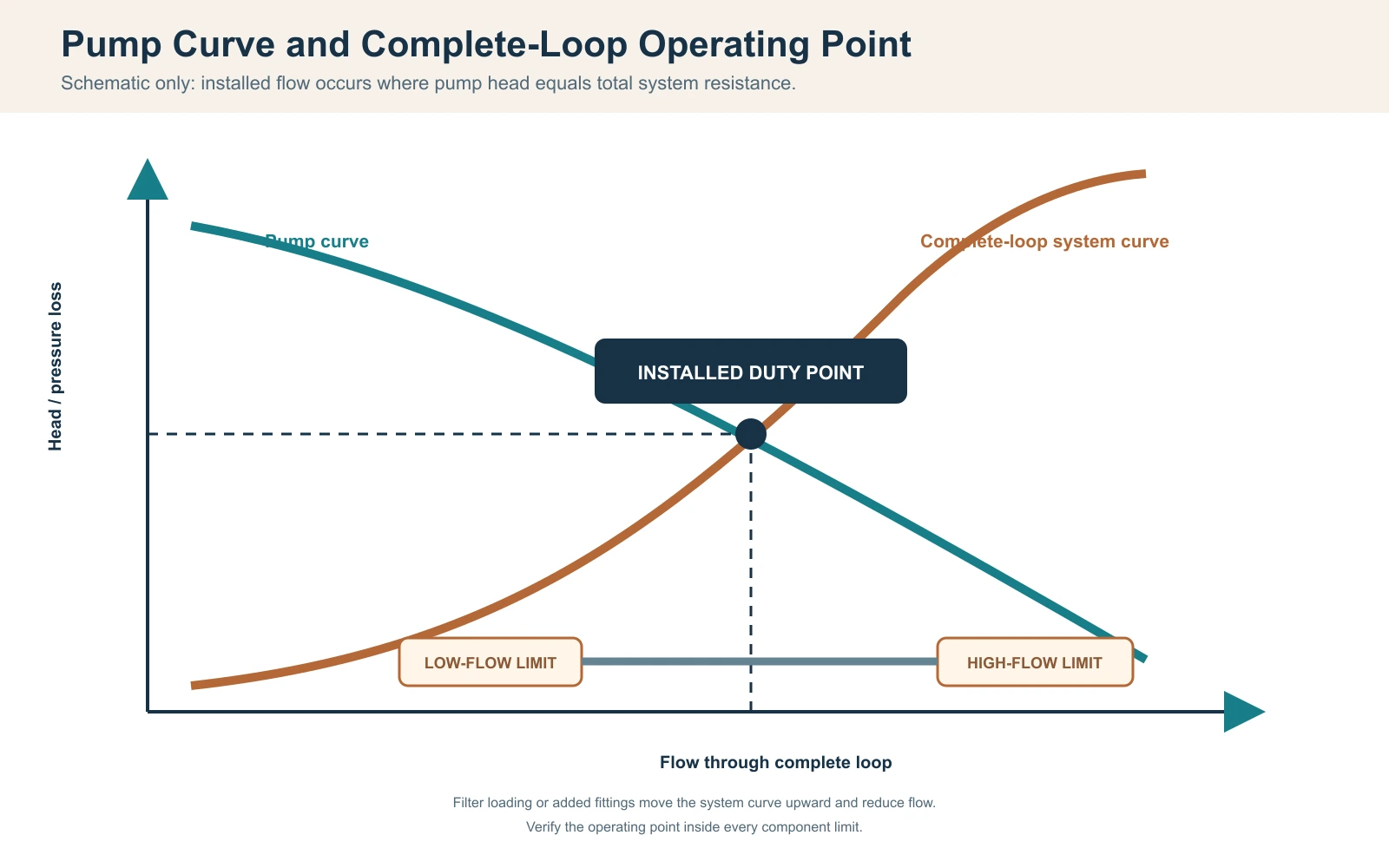
Для насоса с фиксированной скоростью без активного устройства регулирования потока установленная рабочая точка находится там, где кривая насоса пересекает кривую сопротивления системы; Руководство Hydraulic Institute’s по совмещённым кривым насоса и системы документирует эту взаимосвязь. Регулирование с переменной скоростью или активный регулирующий клапан могут смещать или удерживать рабочую точку, но возможности насоса и сопротивление полной системы всё равно необходимо согласовать. Максимальный расход насоса, обычно указываемый при малом напоре или без него, нельзя рассматривать как расход в установленной системе. Суммируйте сопротивление от прямых труб, шланга, фитингов, клапанов, фильтра или сетчатого фильтра, устройств обработки и теплообменника чиллера при расчётном расходе. Учитывайте условие обслуживания: чистый фильтр может пройти пусконаладку, тогда как загруженный фильтр позднее выводит систему за допустимый диапазон расхода чиллера (chiller’s permitted flow range).
Используйте данные о потере давления от производителя для компонентов, когда они доступны. Для трубопроводов квалифицированный проектировщик может рассчитать потери на трение и местные потери, используя утвержденные диаметр, длину, материал и фитинги. Статический подъем в закрытом циркуляционном контуре обрабатывается не так, как открытый подъем, но заполнение и воздушные пробки все равно важны. Не добавляйте и не исключайте члены, связанные с высотой, без определения фактической схемы.
Проверка теплового баланса по воде может поддержать пусконаладку: Qточка = массовый расход x cp x Дельта T. Для иллюстративного проверенного расхода 30 L/min массовый расход воды составляет около 0.5 kg/с. Если стабильная, калиброванная разница температур на входе и выходе составляет 1.0 К, передача тепла по воде составляет приблизительно 0.5 x 4.186 x 1.0 = 2.09 kW. Этот результат чувствителен к точности расхода, погрешности датчиков, смешиванию, синхронизации по времени и переходному накоплению; он недействителен, если показания снимаются в разное время или в разных местах.
Запись гидравлической рабочей точки
| Наименование | Проектные доказательства | Полевые доказательства |
|---|---|---|
| Насос | Кривая для точной модели, скорости и частоты | Режим работы и подтвержденный рабочий цикл |
| Труба и шланг | Внутренний диаметр, длина, материал и трассировка | Установленная ревизия и проверка на перегибы/ограничения |
| Фитинги и клапаны | Количество, тип и расположение | Запись положения клапана по факту установки |
| Фильтр/обработка | Очистка и обслуживание потери давления | Состояние и индикация давления, если предусмотрено |
| Теплообменник | Допустимый диапазон расхода и потери давления | Метод измерения расхода, температура на входе/выходе и сигнализация |
| Неопределённость | Диапазон прибора и требуемая точность | Идентификация, статус проверки, местоположение и отметка времени |
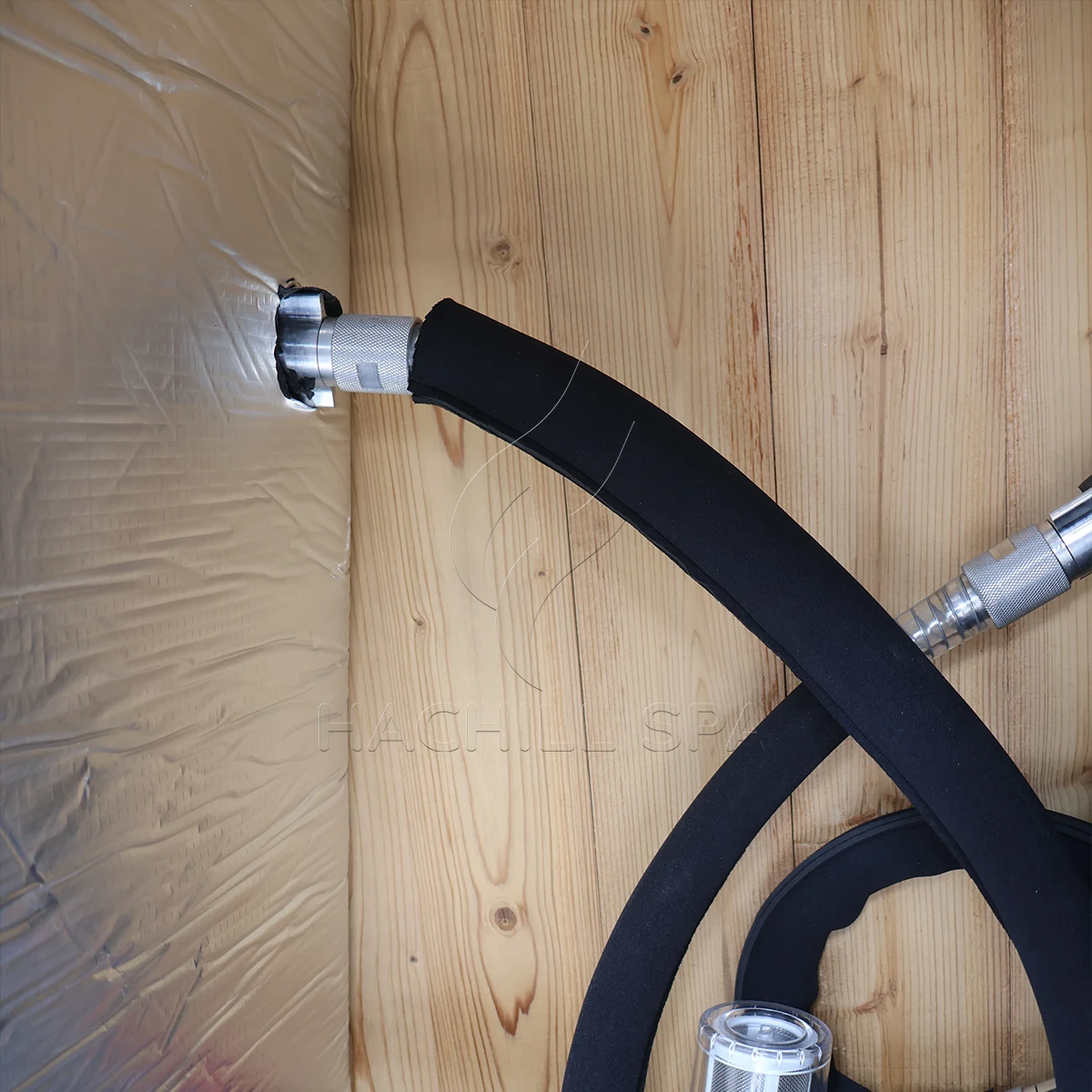
Согласуйте пределы расхода, заливку, удаление воздуха и слив при замерзании
В этом процессе подбора считайте холодную купель и чиллер совместимыми только тогда, когда согласованы шесть интерфейсов: тепловой режим, расход воды и потери давления, физические подключения, логика управления, электрические/площадочные условия и ответственность за обслуживание. Совпадение диаметров шлангов или покупка более высокого класса мощности в л.с. не доказывают совместимость. В решении о выпуске должны быть указаны точная купель, чиллер, насос, фильтр, компоненты обработки и редакция управления, а не два названия категорий.
Разместите насос и клапаны так, чтобы контур можно было заполнить, удалить воздух и запустить утвержденным методом. Частая проблема при запуске возникает, когда в насосе есть воздух: он работает, но не создает циркуляцию, поэтому чиллер сообщает о низком расходе или насос работает всухую. Проверьте уровень воды, положение клапанов, подсос воздуха, воздушные мешки в верхних точках и процедуру запуска из руководства. Никогда не отключайте реле протока для принудительной работы компрессора.
Инженерный сценарий: совпадающие размеры шлангов, но повторяющиеся сигналы о низком расходе
Наблюдаемая проблема: Ванна и чиллер используют одинаковый номинальный размер соединения, но установленная система отключается после добавления фильтра.
Вероятная причина: При выборе сравнивался диаметр соединения, но не учитывались длина шланга, колена, потери давления в фильтре и характеристика насоса.
Как проверить: Заморозьте установленный контур, проверьте состояние клапанов и фильтра, рассчитайте сопротивление и измерьте расход утвержденным методом.
Меры по предотвращению или устранению: Выбирайте насос по рабочей точке полного контура и сохраняйте запас на обслуживание, не превышая пределов компонентов.
Для наружных или неотапливаемых установок необходима определенная стратегия защиты от замерзания. Определите каждую нижнюю точку, застойную зону и компонент, требующий слива или защищенной циркуляции. Сливной фитинг на ванне не гарантирует опорожнение чиллера, теплообменника, насоса или внешнего шланга. Используйте инструкции модели и профессиональное проектирование с учетом климатических условий; повреждение от замерзания нельзя предотвратить общими процедурами из блогов.
Согласуйте датчики, уставки, разрешения насоса и логику аварий
Определите, какой датчик управляет системой и где он измеряет. Датчик внутри чиллера может показывать температуру воды, отличную от средней температуры в ванне, особенно при низком расходе или сразу после входа пользователя. Зафиксируйте расположение датчика, допущения о перемешивании, отображаемое разрешение и процедуру калибровки. Не перемещайте датчик после приемки без пересмотра методики испытаний.
Последовательность работы должна указывать, когда запускается циркуляционный насос, что подтверждает проток, когда разрешена работа компрессора, как применяется гистерезис уставки и что происходит после сигнала тревоги или перерыва в подаче питания. Если контроллер ванны и внешний чиллер оба управляют температурой, конфликтующие уставки могут вызвать нестабильные циклы. Выберите один управляющий орган или задокументируйте согласованную последовательность.
Электрическое согласование включает напряжение, частоту, фазу, номинальный ток, пусковое поведение, отключение и требования к защите для места назначения. Окончательный подбор проводников, защита от сверхтока, отключение, заземление/уравнивание потенциалов и любые требования к GFCI или RCD должны соответствовать данным заказанного оборудования, инструкциям производителя и применимым местным электротехническим правилам, а регулируемые работы должны выполняться квалифицированными местными специалистами. Для рабочих мест в США, OSHA 1910.333 определяет практики безопасной работы и ограничивает работу под напряжением кругом квалифицированных лиц. Переходник для вилки не устраняет несовместимое напряжение или частоту.
Инженерный сценарий: корректная производительность, нестабильная температура
Наблюдаемая проблема: Вода достигает целевой температуры, но компрессор часто запускается и останавливается, а показания температур расходятся.
Вероятная причина: Два контроллера используют разные заданные значения, датчик видит плохо перемешанную обратную воду, или логика минимального времени работы/останова не согласована.
Как проверить: Зафиксируйте показания обоих дисплеев, состояние насоса, состояние компрессора, места установки датчиков и заданные значения контроллеров на одной временной шкале.
Меры по предотвращению или устранению: Согласуйте единую последовательность работы, приоритет датчиков и реакцию на аварийные сигналы до начала производства или монтажа проводки на объекте.
Проверьте воздух конденсатора, погодные условия, конденсат и сервисное пространство
Чиллер с воздушным охлаждением отводит в окружающий воздух тепло чана плюс потребляемую мощность компрессора; Руководство ASHRAE’s по конденсаторам описывает отторжение тепла конденсатора как нагрузку испарителя плюс входную энергию компрессора. Впуск требует воздуха в пределах утвержденного диапазона окружающей среды, и горячий разряд не должен рециркулировать в приемник. Устройство, помещенное внутри плотного шкафа, может иметь достаточный визуальный зазор для шлангов, но недостаточную свободную площадь для воздушного потока, что приводит к снижению выходной мощности или защите от высокого давления.
Измеряйте температуру окружающей среды на входе конденсатора во время испытания производительности, а не по удаленному комнатному термостату. Фиксируйте воздействие солнечного излучения, близость выхлопов, стен, экранов и другого оборудования, которое может изменить условия на входе. Для помещений с оборудованием согласуйте вентиляцию или отвод тепла со строительной командой. Для наружного размещения подтвердите пригодность корпуса, воздействие дождя и мусора, дренаж, влияние ветра и любые ограничения по низкой температуре эксплуатации из точного руководства.
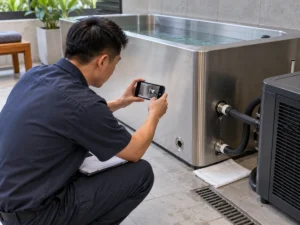
Холодные трубы и компоненты могут вызывать конденсацию. Организуйте отвод конденсата так, чтобы вода не создавала опасности скольжения, не повреждала отделку и не попадала на электрическое оборудование. Обеспечьте доступ к фильтрам, клапанам, панелям и любым компонентам, которые необходимо снимать. Сервисная панель, видимая на изображении продукта, не гарантирует, что она сможет открыться после встраивания устройства в мебель.
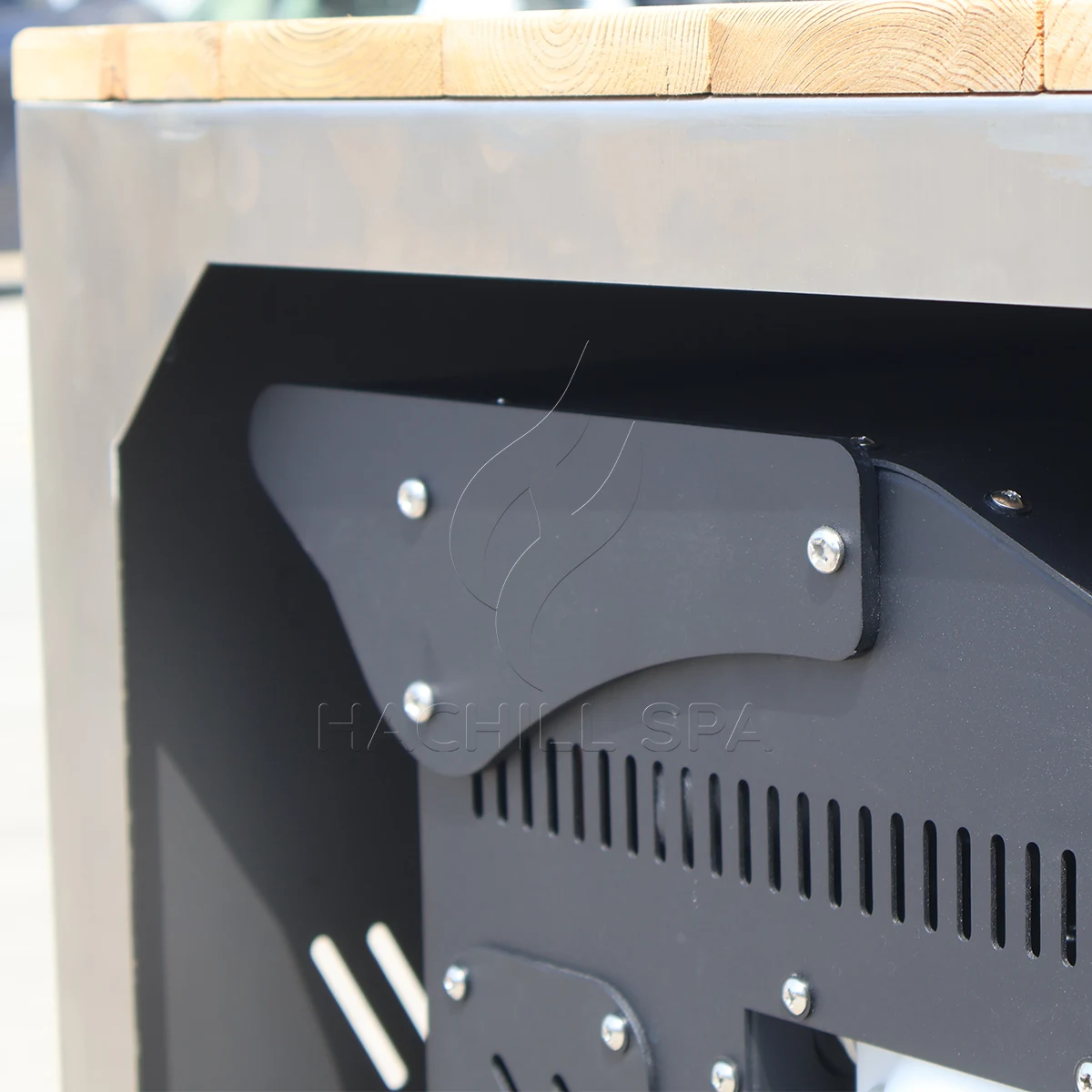
Собирайте синхронизированные данные перед определением причины неисправности
Соберите одну синхронизированную запись для всей системы. Определите точные версии ванны, чиллера, насоса, фильтра и контроллеров; фактический рабочий объем; идентификацию и расположение датчиков; метод проверки расхода; температуру окружающей среды на входе конденсатора; температуры воды на входе, выходе и в смешанном объеме; состояние насоса/компрессора; состояние фильтра; состояние крышки; электрические параметры; временные метки и отклонения. Несинхронизированные показания не могут обеспечить надежный расчет холодопроизводительности по водяной стороне.
Журнал данных пусконаладки ванны и чиллера
| Точка записи | Тепловые/экологические данные | Гидравлические/управляющие данные | Подтверждение конфигурации |
|---|---|---|---|
| Перед наполнением | Температура исходной воды и расчетная температура окружающей среды | Состояние клапанов, дренажа и фильтра | Согласованные чертежи и идентификация компонентов |
| Пуск | Температуры смешанного объема, входа/выхода и входа конденсатора | Проверенный метод расхода, режим насоса и заданное значение | Объем воды, подача и состояние покрытия |
| Фиксированные интервалы | Те же датчики и временные метки | Состояние насоса/компрессора/вентилятора и аварийные сигналы | Открытия, солнечные или другие отклонения |
| Восстановление сеанса | До/после смешанного объема и окружающей среды | Состояние управления и непрерывность циркуляции | Количество пользователей, время и потери воды |
| Конечная точка | Итоговая смешанная температура наружного воздуха и воздуха на входе | Стабильный поток и плавный переход управления | Ссылки на свидетелей, приборы и исключения |
Классифицируйте недостаток до назначения ответственности. Причина, связанная с тепловым подбором, может включать несоответствие условий мощности или упущенную теплоприток. Гидравлическая причина может включать низкий расход, загрязненный фильтр или воздух. Причина, связанная с управлением, может включать положение датчика, блокировки или цикличность. Причина, связанная с площадкой, может включать рециркуляцию воздуха конденсатора, солнечную нагрузку или неправильное электроснабжение. Причина, связанная с данными, может включать непроверенный расход, смещение датчика или отсутствие временных меток.
Остановите испытание и обратитесь к квалифицированному сервису при повторных срабатываниях электрической или манометрической защиты, повреждении проводки, признаках утечки хладагента или масла, задымлении, перегреве, работе насоса без воды, неконтролируемом замерзании или утечке на электрических соединениях. Операторы могут проверять видимые условия, разрешенные руководством; им запрещается открывать электрические или холодильные корпуса или отключать защиту.
Назначьте ответственность за интерфейс и оцените доказательства
Матрица ответственности за интерфейс ванны и чиллера
| Интерфейс | Поставщик оборудования | Покупатель/оператор | Монтажник / местный специалист | Подтверждающие документы по завершении |
|---|---|---|---|---|
| Базис нагрузки | Проверить осуществимость и объявить открытые вопросы | Собственный режим использования и целевая нагрузка | Рассмотреть последствия для площадки | Утвержденный эксплуатационный регламент |
| Тепловой выбор | Предоставить подтверждение модели в зависимости от условий | Утвердить требуемые сроки и условия | Проверить установленную границу | Запись о подборе и базис приемки |
| Гидравлический контур | Предоставить пределы компонентов и подключения | Утвердить объем поставки/работ на площадке | Проектирование/монтаж/проверка контура на площадке | Чертеж контура и запись расхода |
| Управление | Предоставить последовательность, сигналы тревоги и интерфейсы | Утвердить операционные полномочия | Завершить разрешенную интеграцию на объекте | Контроль графика и функциональное испытание |
| Электрика/объект | Предоставить точные данные модели и зазоры | Предоставить данные о месте назначения и объекте | Квалифицированное проектирование и утверждение | Записи о допуске к объекту |
| Ввод в эксплуатацию | Поддержка проверок, специфичных для продукта | Предоставить оператора и свидетеля | Проверка монтажа и регламентированных работ | Подписанный результат, отклонения и статус повторного тестирования |
Оценивайте доказательства по применимости. Заказное испытание при согласованных условиях, проведенное в присутствии свидетелей, является наиболее весомым для договорного приемки. Независимые или аккредитованные доказательства могут подтверждать соответствие или производительность только в рамках заявленной модели и области применения. Данные производителя по конкретной модели с указанием метода и условий поддерживают инженерный выбор. Прозрачные расчеты поддерживают предварительный отбор. Общие брошюры, этикетки HP и фотографии поддерживают только первоначальное ознакомление.
Используйте контрольные точки перед заказом проходов в конструкции, выпуском продукции, отгрузкой системы и вводом ее в эксплуатацию. Ссылка на стандарт или сертификат описывает область применения; она не доказывает, что заказанная модель HACHILL, напряжение или конфигурация имеют такое одобрение. Держите необходимые доказательства для конечного пункта назначения открытыми до тех пор, пока ответственный рецензент не подтвердит точную применимость.
Проведите пусконаладку по письменной границе, затем повторно проверьте причину
Зафиксируйте критерии приемки до полевых испытаний. Укажите конфигурацию, объем воды, начальные и целевые условия, допустимое время или точку производительности по водяной стороне, диапазон температуры окружающей среды на входе конденсатора, диапазон расхода и метод проверки, состояние фильтра, состояние крышки и солнечной панели, электрические границы, расположение датчиков, статус приборов, режим управления, конечную точку и свидетелей. Заранее определите, что делает прогон недействительным и какие отклонения могут быть приняты.
Реестр приемки по совместимости и спорных вопросов
| Наблюдаемый спор | Требуемые подтверждающие документы | Распоряжение |
|---|---|---|
| Медленное снижение температуры | Согласованные объем, температуры, окружающая среда, расход, управление и теплопритоки | Раздельные причины: подбор, гидравлика, управление, площадка и данные |
| Расход оспаривается | Характеристика насоса, установленное сопротивление, состояние фильтра и метод проверки | Исправьте контур или метод; не делайте вывод о расходе по внешнему виду |
| Показания расходятся | Идентификация датчика, положение, смешивание и статус проверки | Исправьте основу измерений и проведите повторное тестирование |
| Чиллер отключается | История аварий, воздушный поток, расход, подача и ручные границы | Остановите опасные работы; квалифицированная диагностика перед сбросом/повторным тестированием |
| Объём неполный | Согласованный график интерфейсов, чертёж и протокол упаковки | Приостановить монтаж или приёмку до закрытия ответственности |
| Условия изменились | Журнал отклонений и согласованный допуск | Аннулировать или определить судьбу прогона до оценки производительности |
Повторное испытание должно изменить только выявленную причину и по возможности сохранить остальные условия. Если расход не был проверен, исправьте метод и повторите; если конденсаторный воздух рециркулировал, исправьте условия на площадке и повторите; если датчики были смещены, проверьте или замените их и повторите. Зафиксируйте, кто разрешает повторное испытание и кто несёт его расходы по каждой категории причин.
Инженерный сценарий: чиллер кажется недостаточно мощным только после установки
Наблюдаемая проблема: Данные поставщика указывали на достаточную производительность, но фактическое снижение температуры происходит медленно.
Вероятная причина: Испытание на площадке проводится при более горячем воздухе на входе конденсатора, меньшем расходе и открытой ванне, тогда как в основе выбора были другие условия.
Как проверить: Согласуйте все входные данные приемки и классифицируйте отклонения по тепловым, гидравлическим, контрольным, площадочным и информационным параметрам.
Меры по предотвращению или устранению: Зафиксируйте доказательства, связанные с условиями эксплуатации, и границу ввода в эксплуатацию до выпуска заказа, затем повторно проводите испытания только после устранения причины.
Выпустите контролируемый график интерфейсов и итоговый протокол готовности
Итоговый протокол совместимости должен соответствовать контролируемому графику: точные модели и ревизии, рабочий объем воды, тепловые нагрузки, подтверждение мощности и условия, рабочая точка насоса, пределы расхода компонентов, размеры и материалы соединений, схема контура, последовательность управления, электроснабжение, граница конденсатора с воздухом, метод защиты от замерзания и слива, эксплуатационные зазоры, ответственные лица и приемочные испытания. Каждый открытый пункт должен иметь ответственного, срок выполнения и влияние на выпуск.
Для запроса котировки укажите объем воды, начальную и целевую температуры, время охлаждения и восстановления, пользователей и график, место установки (внутри/снаружи), диапазон температур окружающей среды, трассу трубопровода, объем фильтрации и водоподготовки, доступную мощность, интеграцию с системой управления, целевой рынок и требуемые подтверждения. Попросите поставщиков указать включения, исключения и допущения в том же формате, чтобы котировки можно было сравнивать без заполнения пробелов маркетинговыми формулировками.
- Зафиксируйте точный объем ванны и полную ревизию водяного контура.
- Разделите нагрузки на охлаждение, поддержание температуры и восстановление после сеанса.
- Сопоставьте полезную мощность охлаждения при соответствующих условиях воды, окружающей среды, расхода и подачи.
- Нанесите на график или задокументируйте рабочую точку насоса относительно полного сопротивления контура.
- Подтвердите диапазоны расхода компонентов, заливку, удаление воздуха и слив при замерзании.
- Согласуйте приоритет датчиков, разрешающие сигналы насоса, аварийные сигналы и логику защиты от коротких циклов.
- Назначьте ответственных за каждый поставляемый и устанавливаемый на объекте интерфейс.
- Зафиксируйте правила приемки, отклонений, остановки, повторных испытаний и разрешения споров до отгрузки.
HACHILL может провести анализ семейства продуктов или пары моделей при предоставлении покупателем указанных данных. Любое непроверенное значение модели, область сертификации или допущение по объекту должны оставаться открытыми до подтверждения данными конкретного заказа; анализ не заменяет лицензированные работы в области электротехники, строительных конструкций, общественного здоровья или холодильной техники.
Часто задаваемые вопросы
Какой охладитель нужен для холодной купели?
По одному только объёму купели нельзя получить надёжный ответ. Для этой страницы подбора требуются следующие исходные данные: рабочий объём, начальная и целевая температуры, периоды выхода на режим и восстановления, температура воздуха на входе конденсатора, график использования, состояние крышки/изоляции и гидравлика. Используйте отдельное руководство по тепловому расчёту, чтобы рассчитать нагрузку проекта, затем вернитесь сюда, чтобы согласовать интерфейсы купели/чиллера с данными модели, привязанными к условиям.
Мощность охладителя в лошадиных силах — это то же самое, что и холодопроизводительность?
№. Мощность в лошадиных силах может описывать компрессор или маркетинговый класс размера, тогда как полезная холодопроизводительность зависит от полной холодильной системы и условий испытаний. Сравнивайте способность отвода тепла при указанных температурах воды и окружающей среды.
Почему холодная купель может медленнее охлаждаться на улице?
Более тёплый воздух на входе конденсатора, солнечный теплоприток, рециркуляция выбрасываемого воздуха, открытые трубопроводы и слабая изоляция или управление укрытием могут увеличить нагрузку на систему или снизить доступную производительность чиллера. Фактическая производительность также зависит от расхода, состояния фильтра и рабочего диапазона конкретного агрегата’
Можно ли подобрать циркуляционный насос по максимальному расходу?
Нет. Максимальный расход или расход при нулевом напоре не показывает установленную рабочую точку. Трубы, фитинги, фильтр и теплообменник создают потери давления, а статическую высоту необходимо учитывать в соответствии с фактической схемой открытого/закрытого контура. Используйте точную кривую насоса, сопротивление всей системы и одобренный для охладителя’ диапазон расхода.
Что должна включать запись о вводе охладителя в эксплуатацию?
Зафиксируйте точную ревизию ванны/чиллера/насоса, рабочий объём воды, синхронизированные температуры воды и входа конденсатора, подтверждённый метод измерения расхода, состояние фильтра, расположение датчиков, уставки управления, состояние насоса/компрессора, границу электропитания, отметки времени, аварийные сигналы и любые отклонения. Сравнивайте прогон только с предварительно согласованной базой приёмки.
Сопутствующие ресурсы HACHILL
Категория продукции: холодные купели
Используйте категорию продукта, чтобы перейти от требований к интерфейсу системы к подходящему семейству продуктов холодной купели.
Работают ли чиллеры для холодных ванн при 24/7?
Используйте руководство по рабочему циклу, когда открытый вопрос состоит в том, должен ли чиллер работать непрерывно или может циклически работать вокруг заданной эксплуатационной нагрузки.
Коммерческие решения для холодного погружения
Используйте страницу коммерческого решения, когда тип покупателя, объект и объём проекта теперь важнее самого интерфейса между купелью и чиллером.
Запросить коммерческое предложение по проекту
Используйте маршрут RFQ, когда график интерфейсов содержит достаточно закрытых исходных данных для рассмотрения поставщиком.
Справочная база
- Министерство энергетики США, DOE-HDBK-1012/1-92: Термодинамика, теплопередача и течение жидкости – Подтверждает соотношения для явного тепла и теплопередачи, используемые для предварительных расчётов; это не стандарт производительности купели с холодной водой.
- NIST Chemistry WebBook: вода – Справочные теплофизические данные, показывающие, что теплоёмкость жидкой воды зависит от температуры; проектные расчёты должны указывать, какое обоснование свойств они используют.
- Hydraulic Institute: совмещенные кривые насоса & системы – Основа рабочей точки насоса/системы; точные характеристики насоса, режим управления и установленное сопротивление по-прежнему определяют фактическую рабочую точку.
- Справочник ASHRAE, глава 39: конденсаторы – Основа для отвода тепла конденсатора холодильной установки; точные руководства по оборудованию определяют ограничения окружающей среды, требования к воздушному потоку и сервисные зазоры.
- OSHA 1910.333 – Справочник по практике электромонтажных работ, связанных с охраной труда в США, где применимо; он не заменяет правила проектирования электроустановок страны назначения или руководство по оборудованию.
Технические и безопасные границы для подбора холодной ванны с чиллером: Руководства по продукту, утвержденные чертежи, применимые местные строительные, электротехнические, санитарные требования и требования доступности, а также квалифицированные специалисты имеют приоритет над общими веб-рекомендациями. Эта статья не заявляет о сертификации или гарантированной производительности на площадке.
Превратите интерфейс в проектное задание
Отправьте HACHILL ванну или шорт-лист, рабочий объём, температурный режим, диапазон окружающей среды, схему контура, объём обработки, мощность, место назначения и требуемые записи. Команда может рассмотреть пару, оставляя неподтверждённые поля открытыми.