Руководство по времени холодного погружения
Краткий ответ: Не существует универсального победителя между «до» и «после». Если приоритет — долгосрочная сила или гипертрофия, повторная холодноводная иммерсия сразу после силовой тренировки требует осторожности, поскольку текущие доказательства предполагают, что она может умеренно ослаблять гипертрофию и в некоторых условиях адаптацию силы. Если вам нужно снова выполнять нагрузку вскоре, CWI после упражнения может иметь иной компромисс по восстановлению. До упражнения наиболее ясные доказательства производительности относятся к предварительному охлаждению для выносливостной активности в жарких условиях — а не к универсальному усилителю результатов в тренажёрном зале.
Решение начинается с результата, который вы пытаетесь сохранить: острое восстановление, долгосрочная адаптация, производительность при коротком интервале или управление жарой. Это разные цели. Отсутствие боли сегодня не доказывает, что сила, мощь или гипертрофия улучшились, и данные о немедленном холодном погружении после подъема тяжестей не следует превращать в универсальное правило для нескольких часов спустя.
Холодное погружение до или после тренировки? Начните с цели тренировки
Время холодного погружения должно следовать цели тренировки, а не общей идее, что холод “полезен для восстановления”. У атлета, стремящегося максимизировать гипертрофию, решение отличается от решения спортсмена, которому нужно скоро снова соревноваться. У спортсмена на выносливость, готовящегося к жаркому событию, другое.
Вот почему простые правила, такие как “всегда погружайся после кардио” или “жди шесть часов после подъема штанги”, слишком широки. Исследования CWI измеряют разные результаты при разных упражнениях, времени и условиях воздействия. Лучше сначала задать вопрос: Какой результат важнее всего от этой тренировки?
Острое восстановление — это не то же самое, что долгосрочная адаптация
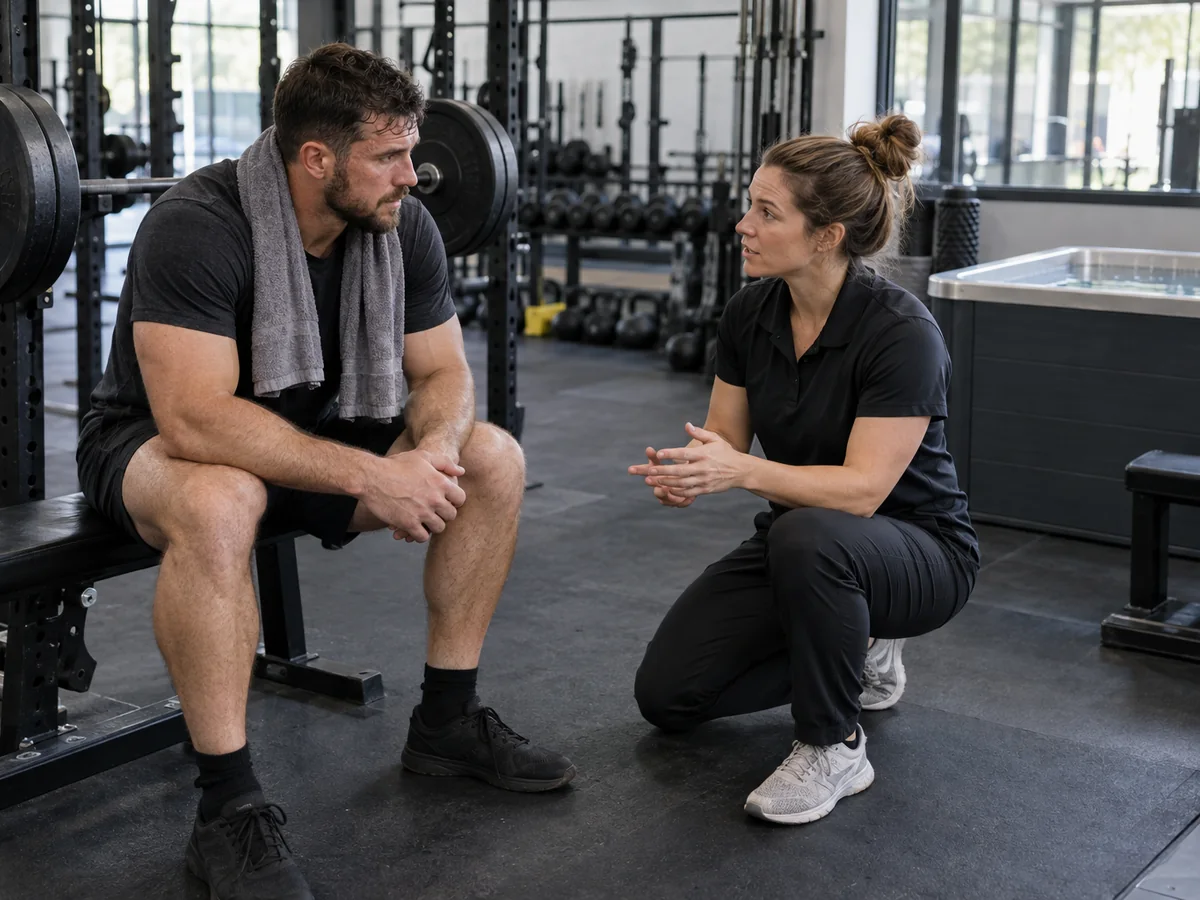
Острое восстановление спрашивает, что происходит в ближайшие часы или дни: болезненность, воспринимаемое восстановление, восстановление силы или мощности, биомаркеры или готовность к следующему выступлению. Долгосрочная адаптация спрашивает, что происходит после повторяющихся тренировок в течение недель или месяцев, влияя на такие результаты, как размер мышц, сила или выносливость.
Эти вопросы могут указывать в разных направлениях. Холодное погружение после тренировки может улучшить отдельные показатели краткосрочного восстановления, в то время как повторное немедленное ХВП после силовой тренировки может противодействовать некоторым адаптациям, которые атлет пытается сохранить.
Это не противоречие. Это различие в результатах.
Меньшая крепатура не означает автоматически лучшую производительность или лучший прогресс
Крепатура — полезная информация, но это не полный показатель восстановления. Крупный систематический обзор ХВП после тренировки показал, что эффекты восстановления варьируются в зависимости от предшествующей тренировки, измеряемого результата и временной точки: восстановление выносливости улучшалось в некоторых точках, тогда как спринтерские и прыжковые показатели могли быть хуже сразу после погружения, а другие показатели силы или мощности улучшались позже. См. систематический обзор восстановления физической работоспособности после ХВП.
Поэтому разделяйте эти вопросы:
- Чувствую ли я меньшую крепатуру?
- Восстановилось ли качество производительности, которое мне нужно в следующий раз?
- Пытаюсь ли я максимизировать долгосрочную адаптацию от этого тренировочного блока?
- Есть ли у меня другое важное выступление достаточно скоро, чтобы краткосрочное восстановление заслуживало большего веса?
Крепатура ≠ полное восстановление производительности ≠ долгосрочная адаптация.
После силовой тренировки: немедленное холодное погружение, рост мышц и пределы правила 4–6 часов
Если приоритетом является сила или гипертрофия, главная причина для осторожности — повторное использование ХВП сразу после силовой тренировки. Текущие данные систематических обзоров позволяют предположить, что такая схема может незначительно ослаблять гипертрофию, при этом отдельные данные также указывают на снижение адаптации к силовым нагрузкам в некоторых условиях.
Важны рамки исследования. Данные не дают оснований утверждать, что одно погружение разрушает мышечный рост, что каждое холодное погружение в день тренировки снижает результаты или что какой-то конкретный более поздний час безопасен.
Что именно показывают данные о немедленном ХВП после тренировки
Систематический обзор и метаанализ 2024 года, посвященный силовым тренировкам и гипертрофии, показал, что ХВП, применяемое сразу после силовой тренировки, может ослаблять гипертрофические изменения. В включенных исследованиях погружение начиналось сразу или в течение примерно 15 минут после тренировки и обычно повторялось на протяжении всей программы тренировок. Авторы обзора также оценили качество доказательств как относительно ограниченное, поэтому к результатам следует относиться с осторожностью. См. систематический обзор и метаанализ по гипертрофии 2024 года.
Это дает четкие границы данным:
| Область доказательств | Что он может подтвердить | Что это не доказывает |
|---|---|---|
| Повторное холодное водное погружение (CWI) начиналось сразу или в течение примерно 15 минут после силовой тренировки | Осторожность при гипертрофии как основной долгосрочной цели | Что каждая холодная купель в тот же день снижает гипертрофию |
| Исследования хронической силовой тренировки | Возможное вмешательство в отдельные адаптации | Что одно изолированное погружение вызывает измеримую потерю прироста |
| Мета-анализ силовой адаптации | Некоторые данные об ослаблении силовой адаптации | Что все методы CWI одинаково снижают силу |
| Отложенное применение через несколько часов после тренировки | Данные остаются неполными | Универсальный “безопасный порог после X часов” |
Для адаптации к силовым воздействиям необходима отдельная формулировка. Мета-анализ 10 исследований показал небольшое общее ослабление в увеличении силы, но результат не был однородным: подгруппа с одной конечностью показала ослабление, в то время как подгруппа CWI всего тела не показала существенной разницы. В общей выборке также было 92% мужчин, что ограничивает то, насколько широко должен быть обобщен результат. Видишь? мета-анализ силовой адаптации.
Таким образом, обоснованный вывод таков:
Повторное немедленное погружение в холодную воду после силовой нагрузки требует осторожности, когда приоритетом является долгосрочная гипертрофия или адаптация силы.
Это не означает:
что любое использование холодной воды после силовой тренировки вредно.
Почему правило “подождать 4–6 часов” не следует считать доказанным универсальным порогом
Популярное правило 4–6 часов звучит точнее, чем позволяют прямые доказательства.
В статье для практикующих специалистов ACSM отмечается, что некоторые спортсмены и практики переносят CWI на четыре-шесть часов от силовой или гипертрофической тренировки, признавая при этом, что лишь несколько исследований напрямую изучали выбор времени после упражнений. См. Обсуждение времени погружения в холодную воду в практических рекомендациях ACSM. Это делает интервал 4–6 часов практической эвристикой для программирования, а не подтвержденным физиологическим пределом.
Что важнее, обзор по гипертрофии 2024 года ограничивает свой вывод именно тем немедленным периодом после нагрузки, который фактически изучался, и указывает, что эффекты погружения в холодную воду, применяемого несколько часов спустя, остаются неизвестными.
Таким образом, остаётся чёткая граница доказательств:
Подтверждено: повторное немедленное погружение в холодную воду после силовой нагрузки может ослаблять гипертрофию.
Не установлено: что одно отсечение с часовой задержкой отделяет вредное использование от безопасного или гарантирует защиту адаптации.
Если приоритет — сохранение адаптации к силовой тренировке, разделение CWI и непосредственного послетренировочного окна после подъёма тяжестей является разумным программным выбором, когда это практично. Доказательства всё ещё не устанавливают конкретный более поздний час, который гарантирует решение вопроса интерференции.
Если вы решаете, сколько должен длиться один сеанс, используйте рекомендации HACHILL руководство по длительности холодного погружения. Если вопрос в том, как часто повторять CWI в течение тренировочной недели, используйте руководство по частоте использования холодной купели.
После тренировки на выносливость или командных видов спорта: когда важна быстрая восстановление между нагрузками
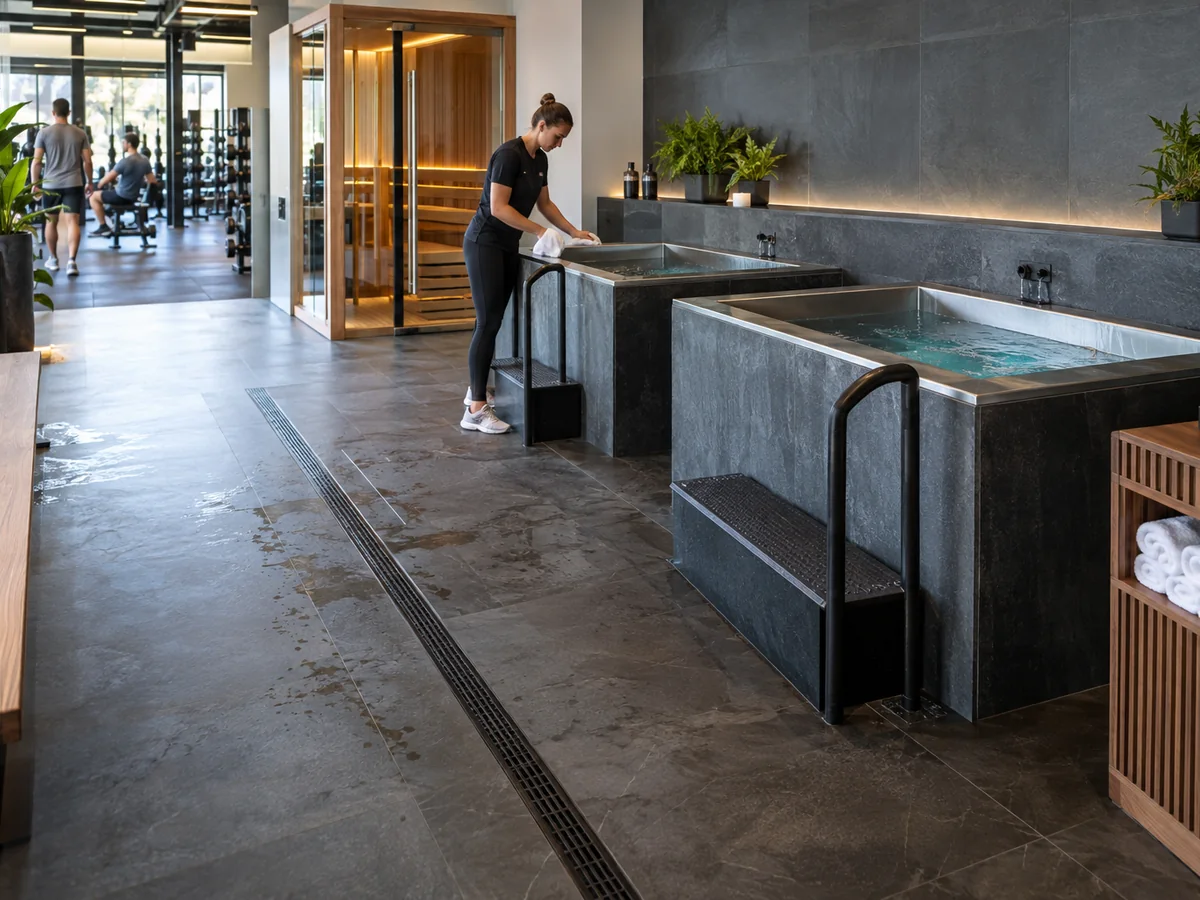
CWI после упражнений может иметь более сильное обоснование, когда непосредственная цель — восстановить отдельные качества перед следующей требовательной нагрузкой. Это не то же самое, что утверждать, будто спортсмены на выносливость или в командных видах спорта всегда должны принимать холодную купель после тренировки.
В ходе систематического обзора, посвященного конкретным модальностям, и сетевого метаанализа, охватывающего приложения для повышения устойчивости, выносливости и командного спорта, в 2026 году было установлено, что эффекты CWI различаются по типу упражнений, результатам и протоколу. В обзор были включены 87 исследований и 2,313 участников, с уверенностью варьирующихся по результатам, и его результаты не поддерживают один универсальный рецепт CWI после тренировки. сетевой метаанализ по конкретным модальностям 2026 года.
Систематический обзор 2026 года, специфичный для футбола, добавляет полезный пример с коротким восстановительным периодом: CWI ассоциировалось с лучшим восстановлением по некоторым показателям, включая максимальное произвольное сокращение и позднюю мышечную болезненность, тогда как спринтерская производительность явно не улучшилась, а интервалы прогноза для объединённых исходов включали нулевой эффект. См. Систематический обзор 2026 года по CWI после матча у тренированных футболистов. Практический смысл не в том, что футбол доказывает универсальный протокол; а в том, что результаты восстановления могут различаться даже в пределах одного вида спорта.
Острое восстановление и готовность к следующему сеансу отличаются от адаптации к выносливости
Срочное восстановление может включать:
- болезненность;
- воспринимаемое восстановление;
- восстановление силы или мощности;
- результаты в спринте или прыжках;
- аэробная производительность;
- биомаркеры повреждения мышц.
Эти результаты не изменяются согласованно.
Долгосрочная адаптация выносливости — это другой вопрос. Систематический обзор с метаанализом регулярного CWI во время тренировок показал, что CWI был связан с худшей адаптацией к силовым тренировкам, но не не показывают чёткий эффект — положительный или отрицательный — на адаптации аэробной производительности, измеренные в исследованиях на выносливость. См. метаанализ хронической адаптации к тренировкам 2021 года.
Это подтверждает два разграничения:
Краткосрочный эффект восстановления ≠ лучшая долгосрочная адаптация выносливости.
и
Не обнаружено явного нарушения адаптации выносливости ≠ улучшение адаптации выносливости.
Сроки восстановления к соревнованиям могут изменить решение
Рассмотрим двух спортсменов после интенсивных тренировок.
Один находится в блоке разработки, где важное выступление вскоре не предвидится. Другой должен снова выступить в течение короткого срока восстановления. Их приоритеты различаются, даже если купель с холодной водой идентична.
Для второго спортсмена отдельные острые результаты восстановления могут заслуживать большего веса. Это не означает, что каждый показатель производительности будет восстанавливаться лучше, и не означает, что одну и ту же процедуру следует автоматически повторять после каждой тренировки в течение блока, ориентированного на адаптацию.
Иллюстративный сценарий — не случай спортсмена HACHILL: Спортсмен в командном виде спорта заканчивает один матч, и вскоре предстоит другое выступление с высокой нагрузкой. Решение о времени основывается на конкретных качествах, необходимых для следующего события, и доступном окне восстановления. Это решение с коротким сроком восстановления, а не доказательство того, что рутинное CWI после тренировки оптимально для долгосрочной адаптации.
Перед тренировкой: предварительное охлаждение в жару — это особый случай, а не универсальное повышение производительности
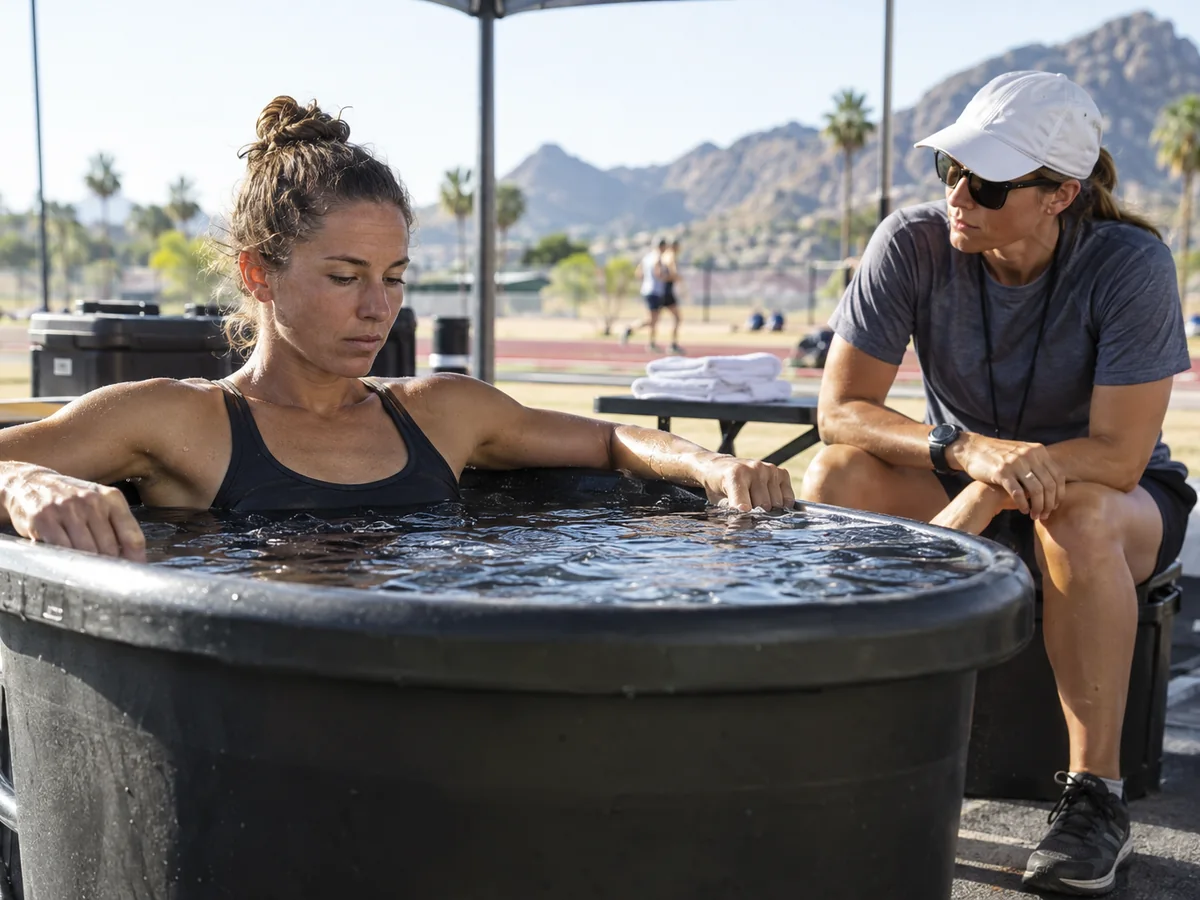
CWI перед тренировкой имеет одну чёткую роль, подкреплённую доказательствами: предварительное охлаждение перед тренировкой на выносливость в жарких условиях.
Это гораздо уже, чем утверждения, что купель с холодной водой перед тренировкой универсально улучшает силу, концентрацию, мотивацию или спортивные результаты.
Когда предварительное охлаждение может иметь значение для упражнений на выносливость в жарких условиях
Мета-анализ предварительного охлаждения, специфичный для CWI, включал упражнения на выносливость продолжительностью более шести минут при температуре окружающей среды не менее 26°C и выявил в целом благоприятный эффект на показатели выносливости. См. Мета-анализ предварительного охлаждения CWI перед тренировкой в жару.
Полезный перевод:
Когда проблема производительности связана с управлением теплом во время упражнений на выносливость, предварительное охлаждение может быть актуальным.
Это стратегия, зависящая от мероприятия и условий. Это не общее правило, будто холодная вода нужна перед каждой тренировкой.
Почему эти данные не применяются автоматически к обычным силовым или тренажёрным занятиям
Самые убедительные доказательства предварительного охлаждения не подтверждают, что холодное погружение перед обычной силовой тренировкой улучшает силу, мощность или качество тренировки.
Правильный объём работ:
Доказательства в наибольшей степени применимы к: показатели долговечности при значительном нагреве.
Это не устанавливает: универсальную пользу перед тренировкой для силовых тренировок, обычных занятий в помещении, умственной концентрации или «дофаминовой» производительности.
Ощущение бодрости после холодового воздействия не то же самое, что демонстрация более высокой спортивной результативности.
Если вопрос в самой температуре воды, оставьте эту задачу в HACHILL’s руководство по температуре холодной купели а не копировать исследовательскую температуру в статью о времени как универсальное потребительское предписание.
Тепловая акклиматизация и смешанные тренировки: когда цель восстановления может конфликтовать с целью адаптации
Тепловая акклиматизация создаёт иной вопрос, чем острая работоспособность в жару. Охлаждение может помочь управлять тепловым напряжением или восстановлением, тогда как тренировка тепловой акклиматизации намеренно использует повторяющееся тепловое воздействие для запуска адаптации.
Соблазнительно заключить, что охлаждение после упражнений должно стирать этот стимул. Текущих доказательств недостаточно для такого универсального утверждения.
Охлаждение для комфорта или производительности — не то же самое, что формирование тепловой адаптации
Обзор 2024 года, специально посвящённый восстановлению во время тепловой акклиматизации при физических нагрузках, пришёл к выводу, что прямых доказательств влияния охлаждения после упражнений на тепловую адаптацию по-прежнему мало. Его общая интерпретация состояла в том, что охлаждение в рамках восстановления не обязательно будет мешать физиологическому стимулу, уже полученному во время теплового воздействия, но авторы прямо описали этот вывод как предварительный из-за отсутствия прямых данных. См. Обзор 2024 года по охлаждению после упражнений и тепловой акклиматизации.
Это делает Известно / всё ещё неопределённо более точное разграничение, чем жёсткое правило.
- Предварительное охлаждение может поддерживать отдельные показатели выносливости в жарких условиях.
- Повторное немедленное CWI после силовой нагрузки требует осторожности при тренировках с акцентом на гипертрофию.
- Отдельные острые показатели восстановления могут улучшиться после CWI.
- В одном контролируемом исследовании тепловой тренировки регулярное предварительное охлаждение по-видимому, не приводило к ослаблению тепловой адаптации.
- Точное влияние охлаждения для восстановления после тренировки на тепловую акклиматизацию при разных протоколах.
- Универсальный отложенный час после силовой нагрузки, который защищает адаптацию.
- Единый график по времени, который одновременно оптимизирует силу, выносливость, краткосрочное восстановление и тепловую адаптацию.
Это исследование не доказывает, что каждый протокол охлаждения до или после физической нагрузки нейтрален для тепловой акклиматизации.
Неопределённость — это результат анализа доказательств, а не пробел, который нужно заполнить уверенным правилом.
Смешанные тренировки на силу, выносливость и дважды в день требуют приоритетного решения
Смешанные тренировки делают универсальные правила по времени ещё менее полезными.
День может сочетать силовую и выносливостную работу, или долгосрочная адаптация может конкурировать с необходимостью скоро снова показывать результат. Тогда CWI следует оценивать с учетом приоритета тренировочного блока или следующей сессии, а не просто обозначать как «восстановление».
Практическая последовательность:
- Определите адаптационный или результативный показатель, который вы стремитесь сохранить.
- Спросите, относятся ли имеющиеся данные CWI именно к этому режиму упражнений, результату и времени.
- Если доказательства охватывают только другую модальность или окно непосредственно после физической нагрузки, не распространяйте их молча.
- Когда цели конфликтуют, используйте мнение тренера, спортивной науки или квалифицированного специалиста в области здравоохранения, а не придумывайте единый универсальный час.
Иллюстративный сценарий — не случай спортсмена HACHILL: Спортсмен находится в блоке с акцентом на силу, но в тот же день позже у него также запланирована тренировка на выносливость. Немедленное CWI после силовой тренировки поднимает иной вопрос адаптации, чем предварительное охлаждение перед тренировкой на выносливость в условиях значительной жары. Эти категории доказательств не следует сводить к одному правилу «день холодной купели».
Используйте этот чек-лист для выбора времени холодного погружения
Хорошее решение о выборе времени не обязано давать единственный универсальный ответ. Оно может давать осторожно, рассмотреть, особый случай или приостановить.
| Вопрос для решения | Направление на основе доказательств | Граница |
|---|---|---|
| Что является приоритетом — долгосрочная сила или гипертрофия? | Повторное немедленное CWI после силовой нагрузки требует осторожности | Данные не определяют единый универсальный безопасный порог через несколько часов |
| Нужно ли вскоре выполнить это снова? | Отдельные показатели острого восстановления могут повышать актуальность CWI после нагрузки | Болезненность или субъективное ощущение восстановления не гарантирует, что каждый показатель работоспособности восстановлен |
| Является ли цель развитием долгосрочной выносливости? | Не предполагайте, что регулярная CWI улучшает адаптацию выносливости | Имеющиеся данные о хроническом воздействии не подтверждают пользу для адаптации |
| Готовитесь ли вы к нагрузкам на выносливость в условиях значительной жары? | Предварительное охлаждение может быть значимым особым случаем | Это не устанавливает универсальную пользу перед тренировкой |
| Является ли тепловая акклиматизация основной целью тренировок? | Сохраняйте неопределённость видимой и принимайте решение на уровне программы | Доказательства не позволяют утверждать, что восстановительное охлаждение определённо разрушает акклиматизацию |
| Конкурируют ли сила, выносливость или две тренировки за приоритет? | Решите, какой результат важнее всего, прежде чем выбирать время | Универсальный график смешанных тренировок не установлен |
| Остается ли медицинская пригодность неясной? | Перед погружением в холодную воду получите индивидуальную консультацию специалиста | Доказательства по таймингу из спортивной науки не являются медицинским допуском |
Погружение в холодную воду также связано с отдельным вопросом физиологической безопасности. Плановое холодное погружение — не тот же контекст, что случайное погружение в открытой воде, но внезапное воздействие холода всё равно может быстро изменить дыхание, частоту сердечных сокращений и кровяное давление; данные о времени относительно тренировки не отменяют индивидуальную пригодность по состоянию здоровья. Следующий Руководство по безопасности в холодной воде Национальной метеорологической службы США описывает реакцию на холодовой шок, тогда как Текущие рекомендации Cleveland Clinic по холодной купели определяет состояния здоровья, при которых уместен осмотр клинициста.
Время не заменяет решения по температуре, продолжительности или частоте
Даже хорошо обоснованный выбор времени не говорит, насколько холодной должна быть вода, сколько должен длиться сеанс или как часто его следует повторять.
Оставьте эти вопросы владельцам соответствующих страниц:
- Как долго? Сколько времени нужно находиться в купели холодного погружения?
- Насколько холодно? Насколько холодна холодная купель?
- Как часто? Как часто можно принимать холодные купели?
Научная статья может объединять конкретную температуру, продолжительность, время проведения и группу участников, поскольку это экспериментальные условия. Это не делает полный протокол универсальной потребительской рекомендацией.
Для планирования коммерческого объекта, а не индивидуального протокола спортсмена, HACHILL’s Страница планирования восстановительного центра охватывает оборудование, доступ, персонал и рабочие интерфейсы, сохраняя отдельно решения о медицинской пригодности и экспозиции.
Главное: выбирайте время холодного погружения исходя из результата, который вы хотите защитить. Если приоритет — адаптация силы или гипертрофии, не рассматривайте немедленную холодноводную иммерсию (CWI) после силовой тренировки как стандартный шаг восстановления. Если приближается другая нагрузочная работа, оценивайте конкретное требуемое качество восстановления, а не только болезненность. Заявления о предварительном охлаждении используйте главным образом для выносливостной нагрузки в жарких условиях, где доказательства существенно сильнее. И не превращайте «4–6 часов» или любой исследовательский протокол в универсальную гарантию.