إجابة مباشرة: لا توجد قاعدة مبنية على الأدلة تنص على أن الجميع يجب أن يقوموا بالغطس البارد عددًا ثابتًا من المرات أسبوعيًا. يجب تفسير التكرار مع التعرض الفعلي: درجة حرارة الماء، والزمن في الماء، وعمق الغمر، والغرض، والسياق الصحي، والإشراف، وكيفية استجابة الشخص أثناء الجلسة وبعدها. لا يثبت أن الغطس البارد اليومي أفضل للعافية العامة، وتستخدم البحوث بروتوكولات مختلفة على نطاق واسع بدلًا من جدول أسبوعي واحد موثوق.
إذا اخترت استخدام غمر الماء البارد، فإن أكثر الطرق دفاعاً لتعديل التكرار هي إبقاء ظروف التعرض ثابتة، والتكرار فقط بعد أن تنقضي الجلسة السابقة دون أعراض مقلقة، وتغيير متغير واحد في كل مرة. لا تجعل الماء أكثر برودة، وابقَ مدة أطول، وأضف جلسات أكثر في الخطوة نفسها. بالنسبة للاستشفاء الرياضي، الهدف مهم: قد يقلل غمر الماء البارد المتكرر المستخدم إلى جانب تدريب المقاومة بعض تكيّفات تدريب القوة، لذا فإن «المزيد من التكرار» ليس أفضل تلقائياً.
- لا يوجد هدف أسبوعي عالمي: لا تُثبت الأبحاث وجود تكرار واحد مناسب للجميع.
- حافظ على ثبات التعرض: يجب مراعاة درجة الحرارة والمدة والعمق قبل إمكانية تفسير التكرار.
- دع الغرض يغيّر الخطة: العافية العامة، والتعافي بعد التمرين، والاستخدام بإشراف طبيب هي سياقات مختلفة.
- الأعراض تتجاوز الجدول الزمني: توقّف عند وجود ضيق شديد أو ارتباك أو دوار أو أعراض صدرية أو تنفّس غير منتظم أو فقدان التناسق أو عدم القدرة على الخروج بأمان.
كم مرة يجب أن تغمر نفسك بالماء البارد؟ ابدأ من حدود الأدلة
لا يثبت البحث المتاح وجود رقم “أفضل” عالمي لجلسات الغمر البارد أسبوعياً. وجدت مراجعة منهجية لعام 2025 حول غمر الماء البارد من أجل الصحة والعافية تبايناً كبيراً في البروتوكولات، وخلصت إلى الحاجة إلى مزيد من البحث لتحديد التأثيرات طويلة المدى والسلامة وعلاقات الجرعة والاستجابة. وبالمثل، وجدت مراجعة Cochrane حول غمر الماء البارد بعد التمرين أن درجة الحرارة والمدة والتكرار تفاوتت بين التجارب، وأن الطريقة المثلى والسلامة لم تكونا واضحتين.
| الغرض | ما الأدلة التي تدعم | ما لا يثبته | تبعات تكرار الاستخدام |
|---|---|---|---|
| العافية العامة | بحثت الأبحاث في مجموعة من التعرضات للماء البارد قصيرة وطويلة الأمد لدى البالغين الأصحاء. | تكرار أسبوعي عالمي مُتحقق منه أو فائدة مضمونة. | لا تتعامل مع رقم أسبوعي شائع كجرعة طبية. |
| آلام ما بعد التمرين | قد يقلل الغمر في الماء البارد من ألم العضلات بعد التمرين مقارنةً بالتعافي السلبي في بعض السياقات. | بروتوكول أمثل واحد لدرجة الحرارة والمدة والتكرار للجميع. | ينبغي مواءمة الاستخدام مع سياق التدريب بدلًا من سلسلة عامة. |
| التكيف مع تدريب المقاومة | ارتبط الغمر المنتظم في الماء البارد المستخدم مع برامج تدريب المقاومة بانخفاض تكيفات القوة في مراجعة منهجية وتحليل تلوي. | أن كل غمر بعد التمرين سيعيق التقدم. | يستحق الاستخدام المتكرر مباشرة حول التدريب الذي يركز على القوة مراجعة خاصة بالهدف. |
| استخدام بقيادة أخصائي إكلينيكي | قد يستخدم مختص مؤهل بروتوكولًا لشخص وهدف محددين. | أنه ينبغي أن ينسخ عامة الناس البروتوكول نفسه. | اتبع الخطة المخصصة بدلًا من هذه المقالة. |
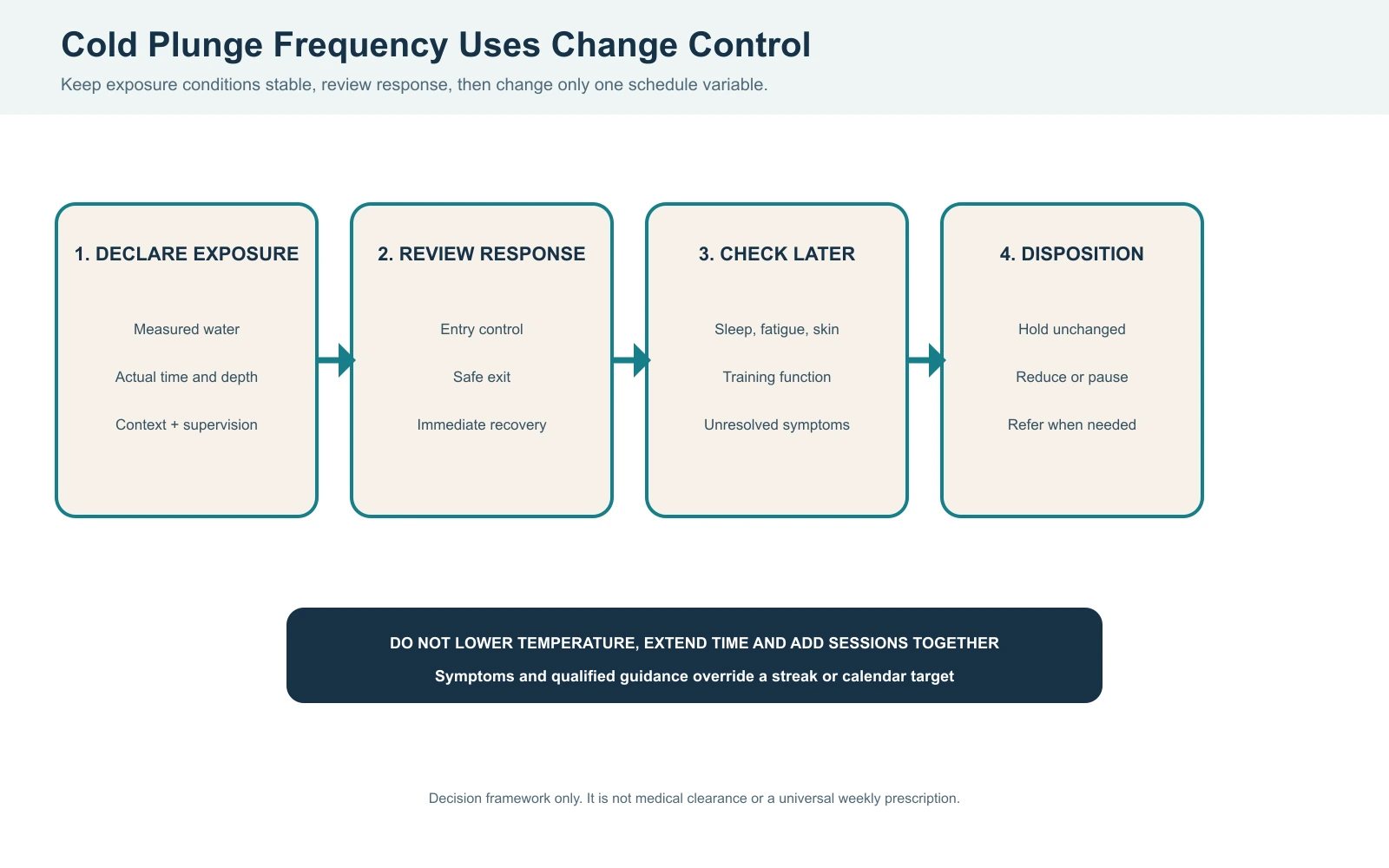
القاعدة العملية بسيطة: أنشئ تعرضاً واحداً مضبوطاً، وراقب الاستجابة، ولا تزد التكرار حتى تتم مراجعة الحالة السابقة. هذه طريقة للتحكم في التغيير، وليست دليلاً على أن أي تعرض بارد معين آمن لشخص محدد.
حافظ على استقرار حالة التعرّض قبل تغيير التكرار
العدد الأسبوعي بحد ذاته معلومة ضعيفة. جلستان عند حالة مقاسة واحدة لا تعادلان جلستين أكثر برودة أو طولًا. سجّل تفاصيل كافية لمعرفة ما يتكرر فعليًا، وتجنب تحويل السجل إلى «درجة جرعة» مبتكرة.
| الحقل | كيفية التقاطه | لماذا يهم | أدلة ضعيفة |
|---|---|---|---|
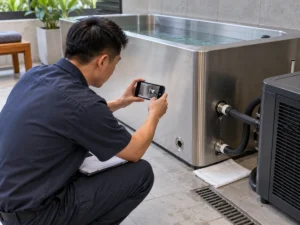
| درجة حرارة الماء | استخدم قراءة ماء مقاسة موثوقة وسجّل الوحدة. | تؤدي درجة الحرارة إلى تغيير التعرض للبرودة الذي يجري تكراره. | نقطة ضبط وحدة التحكم المفترض أنها تساوي حالة الماء الفعلية. |
| مدة التعرض | سجّل وقت الدخول والخروج الفعلي. | قد يختلف الوقت المخطط عن الوقت المنجز. | تسجيل المدة المخطط لها بعد الخروج المبكر. |
| عمق الغمر | استخدم مستوى وصفياً ثابتاً للنص الأساسي. | تغيير مساحة السطح المغمور يغيّر التعرض. | ارتفاع تعبئة الحوض دون موضع المستخدم’. |
| السياق | دوّن التمارين ذات الصلة، أو استخدام الساونا، أو المرض، أو الإرهاق غير المعتاد، أو السفر، أو التغييرات الكبيرة الأخرى. | يصعب تفسير التكرار عندما تتغير ضغوط أخرى في الوقت نفسه. | مراجعة العدّ الأسبوعي بمعزل عن غيره. |
| الاستجابة | لاحظ التحكم في التنفس، واليقظة، والتناسق، والخروج الآمن، والتعافي اللاحق. | لا ينبغي لجدول متكرر أن يتجاهل استجابة تزداد سوءًا. | تم التعامل مع «إكمال المؤقت» باعتباره النتيجة الوحيدة. |
تحقق من الجاهزية قبل كل جلسة
التحمّل السابق ليس تصريحًا دائمًا. يمكن أن تتغير الملاءمة بتغير الحالة الصحية، والأدوية، والمرض، والإجهاد، والبيئة المحيطة بحوض الغمر. الأشخاص المصابون بأمراض القلب أو غيرها من المخاوف الطبية المهمة، أو الذين يتناولون أدوية قد تؤثر على استجابات القلب والأوعية الدموية، ينبغي أن يحصلوا على إرشاد فردي من مختص صحي مؤهل قبل استخدام الغمر بالماء البارد.
- اعرف حالة الماء: لا تبدأ من درجة حرارة غير معروفة أو مُفترضة.
- إمكانية الخروج فورًا: حافظ على المسار مستقرًا وخاليًا من العوائق وقابلاً للاستخدام دون مساعدة من مؤقت أو هاتف.
- لا تستخدم الضعف كاختبار: يمكن أن يجعل الكحول أو المخدرات أو الإرهاق الشديد أو المرض قرار التعرض للبرودة أقل قابلية للتنبؤ.
- استخدم إشرافًا مناسبًا: حيث يتطلب تقييم مخاطر للموقع أو للفرد إشرافًا، يجب أن يكون الشخص المسؤول وإجراء الطوارئ متاحين فعليًا.
- لا تفرض جلسة مجدولة: “ليس اليوم” نتيجة مقبولة عندما لا تكون ظروف الاستخدام المُتحكَّم به متوفرة.
قد يؤدي الغمر المفاجئ في الماء البارد إلى استجابة صدمة البرد التي تشمل زيادة سريعة في التنفس وإجهادًا قلبيًا وعائيًا. قد يقلل التعوّد أجزاءً من تلك الاستجابة بعد تعرضات متكررة، لكن لا ينبغي اعتبار التعوّد مناعة من الخطر أو إذنًا لتصعيد التعرض.
استخدم الاستجابة الفورية والتعافي اللاحق كحلقة تغذية راجعة
لا تنتهي الجلسة عند توقف المؤقت. ينبغي أن تتضمن قرارات التكرار ما حدث أثناء الدخول والغمر والخروج والفترة التي تليه.
أثناء الجلسة وبعدها مباشرة، لاحظ ما إذا بقي التنفس تحت السيطرة، وظل الشخص منتبهًا ومتناسقًا، وحدث الخروج بأمان. لاحقًا، ابحث عن نمط تعافٍ غير معتاد أو متدهور بدلًا من تفسير زيادة الانزعاج كدليل على أن جدولًا أكثر كثافة يعمل.

أعراض الصدر والإغماء والارتباك المفاجئ وصعوبة التنفس الشديدة والارتجاف غير المنضبط وفقدان التناسق أو عدم القدرة على الخروج بأمان أسباب للتوقف عن التعرض واستخدام الاستجابة الطارئة أو الطبية المناسبة. تصف U.S. National Weather Service الصدمة الباردة بأنها تسبب تغيرات كبيرة في التنفس ومعدل ضربات القلب وضغط الدم، بينما تدرج MedlinePlus الارتباك والارتجاف غير المنضبط والضعف وفقدان التناسق ضمن أعراض انخفاض حرارة الجسم.
غيّر متغير تكرار واحدًا في كل مرة
إذا كنت تختبر ما إذا كان ينبغي أن يصبح الجدول أكثر أو أقل تكرارًا، فوضّح خط الأساس والتغيير المقترح.
- ثبّت خط الأساس: سجّل درجة الحرارة المقاسة، والوقت الفعلي، وعمق الغمر، والتكرار الحالي، والسياق ذي الصلة.
- حدّد التغيير: إذا كان التكرار هو المتغير، فلا تجعل الماء أكثر برودة أو تمدد الجلسة في الوقت نفسه.
- حدد الغرض: الروتين العام، والتعافي الرياضي، والاستخدام بإشراف طبيب تحتاج إلى أدلة مختلفة وجهات مختلفة لاتخاذ القرار.
- راجع الرد الكامل: تشمل ضبط الدخول، والأعراض، والخروج، والتعافي اللاحق.
- اختر طريقة التصرف: أبقِ الجدول الزمني، أو قلّصه، أو أوقفه مؤقتاً، أو أحل القرار إلى المختص المؤهل المناسب.
لا ينبغي أن يصبح الاختبار القصير بصمت روتينًا يوميًا دائمًا. كما أن الاستئناف بعد التوقف قرار جديد: ينبغي حل سبب التوقف قبل تكرار النمط نفسه.
طابِق التكرار مع الغرض
أهم سبب لعدم نشر رقم أسبوعي واحد هو أن مستخدمين مختلفين يحاولون حل مشكلات مختلفة. لا يمكن تحويل الأدلة من دراسة استشفاء رياضي تلقائيًا إلى وصفة للعافية العامة، ولا يصبح بروتوكول مستخدم في سياق سريري جدولًا للمستهلك لمجرد أنه يحتوي على رقم واضح.
العافية العامة
لا توجد بعد قاعدة أدلة عالية الجودة تحدد تكرارًا مثاليًا طويل الأمد للغمر البارد لدى البالغين الأصحاء. وجدت المراجعة المنهجية لعام 2025 لنتائج الصحة والعافية بيانات طويلة الأمد محدودة، وبروتوكولات غير متجانسة، وحاجة إلى بحوث أفضل عن العلاقة بين الجرعة والاستجابة. وهذا يجعل الادعاءات القوية مثل «اليومي هو الأفضل» أو «تحتاج إلى عدد ثابت من الدقائق أسبوعيًا» صعبة التبرير كإرشاد عام.
ألم ما بعد التمرين والتعافي قصير المدى
وجد Cochrane بعض الأدلة على أن الغمر في الماء البارد بعد التمرين يمكن أن يقلل آلام العضلات المتأخرة مقارنةً بالتعافي السلبي، لكن البروتوكولات المشمولة تنوعت ولم تكن الطريقة المثلى والسلامة واضحتين. وهذا يدعم قرار تعافٍ خاص بسياق معين، وليس وتيرة أسبوعية عالمية.
تدريب يركز على القوة وضخامة العضلات
يستحق التكرار والتوقيت عناية إضافية عندما يكون الهدف هو التكيف مع تدريب المقاومة. أفادت مراجعة منهجية وتحليل تلوي بأن الغمر المنتظم في الماء البارد المستخدم إلى جانب برامج تدريب المقاومة كان له تأثير ضار على عدة تكيّفات خاصة بالقوة. لا يثبت ذلك أن كل غمر فردي ضار، لكنه سبب لعدم افتراض أن التعرض للبرد المتكرر بعد رفع الأثقال مفيد تلقائيًا.
افصل التكرار الشخصي عن الإنتاجية التجارية
يختلف السؤال “كم مرة ينبغي لشخص واحد أن يستخدم حوض الغمر البارد؟” عن السؤال “كم عدد الجلسات التي يمكن أن تشغلها منشأة؟”. يتعلق التكرار الشخصي بالتعرض الفردي والغرض والاستجابة والسياق الصحي. أما إنتاجية المنشأة فتتعلق بحجم الماء والمعالجة والترشيح والتنظيف واستعادة درجة الحرارة والكوادر والإشراف وسياسة التشغيل.
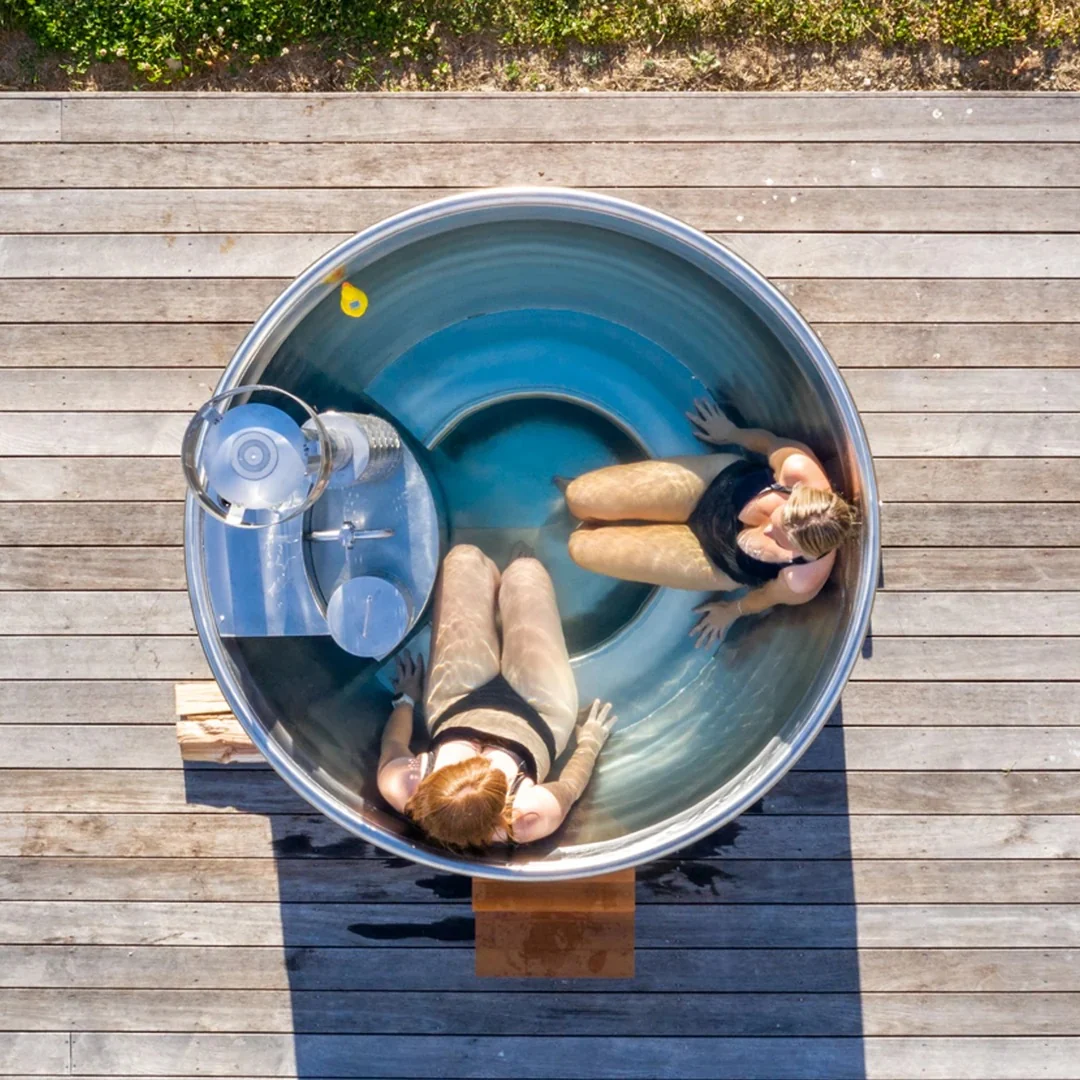
على المشترين التجاريين الذين يحتاجون إلى إرشاد بشأن سعة الجلسات، أو نظام المياه، أو دورة التشغيل أن يستخدموا غطس بارد تجاري مسار المشروع بدلاً من استيراد قاعدة تكرار فردية إلى تخطيط المنشأة.
اعرف متى تتوقف، أو توقف الجدول الزمني مؤقتًا، أو اطلب المساعدة
أوقف الجلسة فورًا عند أعراض الصدر أو الإغماء أو الارتباك المفاجئ أو ضيق التنفس الشديد أو فقدان التناسق أو عدم القدرة على الخروج بأمان أو أي ضيق خطير آخر. يمكن أن تكون الرجفة غير المسيطر عليها والضعف والارتباك أيضًا علامات على انخفاض حرارة الجسم. استخدم الاستجابة الطارئة أو الطبية المحلية المناسبة بدلاً من البقاء في الماء لإرضاء مؤقت أو سلسلة إنجاز.
| الملاحظة | إجراء فوري | ما قرار التكرار الذي يتبع |
|---|---|---|
| أعراض خطيرة أو مخرج غير آمن | توقّف واستخدم الاستجابة الطارئة أو الطبية المناسبة. | لا تستأنف نفس الجدول حتى تتم معالجة المسألة الصحية ذات الصلة. |
| تعافٍ غير معتاد أو متدهور | أوقف التقدم المخطط مؤقتًا. | راجع التعرّض والسياق قبل تكرار أو زيادة التكرار. |
| تم تغيير درجة الحرارة والمدة والتكرار معًا | أوقف التصعيد متعدد المتغيرات. | عد إلى خط أساس تمت مراجعته إذا ظل الاستخدام مناسباً، ثم غيّر عاملاً واحداً في كل مرة. |
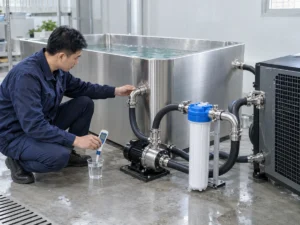
| مشكلة في المنشأة أو نظام المياه | اتبع إجراء الإغلاق والتشغيل الخاص بالموقع’ | لا تعتبر إعادة فتح المعدات بمثابة تصريح طبي شخصي. |
الأسئلة الشائعة
هل يمكنني استخدام حوض الغطس البارد يوميًا؟
لا توجد قاعدة قائمة على الأدلة تقول إن الغمر اليومي في الماء البارد ضروري أو أفضل للعافية العامة. قد لا يناسب الاستخدام اليومي أيضًا حالة صحية محددة أو هدف تدريبي معين. إذا كنت تفكر في الاستخدام المتكرر، فحافظ على ثبات درجة الحرارة والمدة والعمق، وراجع استجابتك وتعافيك، واحصل على إرشاد طبي فردي عندما تثير الحالات الصحية أو الأدوية عدم يقين.
كم مرة في الأسبوع يجب على المبتدئين ممارسة الغطس البارد؟
لا يثبت البحث رقمًا عالميًا للمبتدئين. لا تحدد «مبتدئ» السياق الصحي للشخص’، أو درجة حرارة الماء، أو الوقت، أو عمق الغمر، أو الإشراف. النهج الأكثر أمانًا هو البدء بتحفّظ، والحفاظ على ثبات حالة التعرض، وتجنب زيادة التكرار في الوقت نفسه الذي تُبرّد فيه الماء أكثر أو تبقى مدة أطول.
هل ينبغي أن أمارس الغطس البارد أكثر إذا كانت الجلسات أقصر؟
ليس تلقائيًا. فالتكرار والوقت ودرجة الحرارة وعمق الغمر أجزاء مترابطة من التعرض. ولا تنشئ الجلسة الأقصر سماحًا عالميًا لمزيد من الجلسات الأسبوعية، خاصة عندما يكون الماء أبرد أو تكون صحة الشخص’ أو سياقه التدريبي مختلفًا.
هل يجب أن أغطس في الماء البارد بعد كل تمرين؟
يعتمد ذلك على هدف التدريب. يمكن استخدام الغمر في الماء البارد في بعض سياقات التعافي بعد التمرين، لكن الاستخدام المنتظم إلى جانب تدريب المقاومة ارتبط بتقليل تكيفات القوة في مراجعة منهجية وتحليل تلوي. ينبغي للرياضيين مواءمة استخدام الماء البارد مع هدف التدريب بدلًا من تطبيقه تلقائيًا بعد كل جلسة.
هل يضمن الغطس البارد المتكرر استشفاءً أفضل؟
لا. تعتمد نتائج الأبحاث على الفئة، والتمرين، ودرجة الحرارة، ومدة الغمر، والتوقيت، والنتيجة المقاسة. لا تُثبت الأدلة قاعدة عالمية مفادها أن “زيادة الجلسات تعني تعافيًا أفضل”.
موارد HACHILL ذات الصلة
كم من الوقت للغمر البارد
افصل قرار مدة الجلسة الواحدة عن التكرار الأسبوعي.
ما مدى برودة الغمر البارد؟
راجع أدلة درجة حرارة الماء قبل تغيير متغير تعرض آخر.
الغمر البارد قبل التمرين أو بعده
طابق توقيت الماء البارد مع هدف التدريب بدلًا من التعامل مع كل تمرين بالطريقة نفسها.
تخطيط الغطس البارد التجاري
انقل إنتاجية المنشأة، والمعالجة، والمرافق، ومسؤولية التشغيل إلى مسار المشروع الصحيح.
فئة منتج الغطس البارد
راجع تكوينات المعدات بعد تحديد مدخلات الموقع ونمط التشغيل.
أساس المرجع
- PLOS ONE: تأثيرات الغمر في الماء البارد على الصحة والعافية — مراجعة منهجية وتحليل تلوي (2025) — يدعم الاستنتاج بأن التأثيرات طويلة الأمد والسلامة والاستجابة للجرعة المثلى لا تزال غير محددة بشكل كافٍ.
- Cochrane: الغمر في الماء البارد للوقاية من آلام العضلات بعد التمرين وعلاجها — يدعم حدود أدلة الاستشفاء الرياضي، ويشير إلى تنوع البروتوكول وعدم اليقين بشأن الطريقة المثلى والسلامة.
- الطب الرياضي / PubMed: الغمر المنتظم في الماء البارد والتكيفات التدريبية — يدعم التحذير من أن الغمر المنتظم بالماء البارد (CWI) المستخدم مع تدريب المقاومة قد يقلل من تكيفات القوة.
- مراجعة منهجية وتحليل تلوي: التعوّد على استجابة الصدمة الباردة — يدعم التمييز بين التعوّد الفسيولوجي وادّعاء عام بالسلامة.
- هيئة الأرصاد الجوية الوطنية الأمريكية: مخاطر المياه الباردة والسلامة — يدعم سياق الصدمة الباردة الفورية، بما في ذلك التغيرات المفاجئة في التنفس ومعدل ضربات القلب وضغط الدم.
- MedlinePlus: انخفاض حرارة الجسم — يدعم علامات التحذير بما في ذلك الارتباك، والارتجاف غير المنضبط، والضعف، وفقدان التناسق الحركي.
هل تخطط لحوض غمر بارد تجاري؟
للمشروع التجاري، جهّز حجم الماء، وظرف التشغيل المقصود، وفاصل الذروة بين الجلسات، ونهج المعالجة، والظروف المحيطة، والمرافق، ونموذج الإشراف، والوجهة، والكمية. يمكن لـ HACHILL مراجعة المعدات وواجهات المشروع، بينما تبقى قرارات التعرض الشخصي مسؤولية الفرد وأخصائيي الصحة المؤهلين المناسبين.
طلب مراجعة المشروع