الدليل الهندسي لمواد حوض الغطس البارد
مقارنة المواد للعلامات التجارية والموزعين والمحددين ومشتري المشاريع التجارية.
إجابة مباشرة: لا توجد مادة مثالية عالمياً لحوض الغمر البارد. يمكن أن يوفر الفولاذ المقاوم للصدأ مساراً ملحومًا متيناً لاحتجاز الماء، لكن نوع السبيكة، وتنظيف اللحامات، وهندسة الشقوق، وكيمياء الماء، والعزل تظل جميعها محددات للنتيجة. يمكن لأنظمة الأكريليك والزجاج الليفي/المركبات أن توفر أشكالاً مصبوبة وأسطحاً مبللة غير معدنية، لكن يجب التحقق من الدعم، وبناء الطبقات، والتوافق مع المنظفات، والتعرّض لـ UV، وطريقة الإصلاح. تضيف أحواض البوليمر المشكّلة بالدوران مساراً آخر مصبوباً من قطعة واحدة، حيث تكون الراتنج وبناء الجدران والعزل والتجهيزات خاصة بالمنتج. غالباً ما يكون Thermowood مساراً للتكسية الخارجية أو التشطيب في الأحواض الهجينة، وليس دليلاً على غلاف احتجاز الماء. قارن البناء الكامل مقابل ظروف الماء الفعلية، والتنظيف، والتعرّض الخارجي، والاستخدام التجاري، وخطة الصيانة.
المخرج المفيد للمشتري هو جدول مواد يفصل البطانة المبللة والهيكل والعزل والكسوة والمثبتات والأختام والتشطيب، ثم يربط كل طبقة بالأدلة والتفتيش والصيانة. لا تثبت مادة الغلاف وحدها الأداء الحراري أو مقاومة التآكل أو قابلية الإصلاح أو عمر الخدمة أو تكلفة التشغيل. لذلك يقارن هذا الدليل منطق القرار بدلًا من نشر ادعاءات غير مدعومة عن عمر HACHILL الافتراضي أو معدل التآكل أو السماكة أو الاعتماد.
نطاق الصفحة: تتناول هذه المقالة مقارنة مواد حوض الغمر البارد على مستوى النظام. أما استعلام 304-versus-316 المستقل، والسبيكة أو السماكة الدقيقة للطراز، وحالة اعتماد المنتج، واختيار نظام الغمر البارد الكامل، وخيارات التشطيب الخاصة بالطراز، فتبقى ضمن موادها المخصصة، الشراء التجاري أو سجلات المنتج.
في هذه الصفحة
- قارن مسارات المواد الرئيسية لحوض الغمر البارد
- قارن نظام المواد، وليس مجرد تسمية سطح واحدة
- صنّف بيئة الاستخدام قبل تحديد المادة المفضلة
- تحقق من سبيكة الفولاذ المقاوم للصدأ وأدلة السطح دون الاعتماد على المظهر
- افحص اللحامات، وتغير اللون الحراري، والشقوق، وقابلية التصريف، وسجلات التخميل
- قارن بين أنظمة الأكريليك والألياف الزجاجية والمركّبة والبوليمر المصنّع بالقولبة الدورانية
- تعامل مع خشب Thermowood والكسوات الأخرى كغلاف مُدار للرطوبة
- افحص أدوات التثبيت والمعادن غير المتشابهة والسدادات والفتحات كمواد منفصلة
- اربط كيمياء المياه وسجلات التنظيف بتحقيقات المواد
- وحّد عبء العمل على مدى دورة الحياة دون اختلاق عمر افتراضي أو تكلفة
- وضع خطة فحص للعينات والإنتاج قابلة للتتبع
- التحكم في استبدال المواد وتغييرات المراجعة
- تصنيف أدلة المواد حسب النطاق وقابلية التتبع والاستقلالية
- افصل بين اختلاف المظهر التجميلي وعيب التصنيع والتلف الناتج عن الاستخدام في مرحلة القبول
- أصدر طلب عرض أسعار (RFQ) يجعل افتراضات المواد قابلة للمقارنة
قارن مسارات المواد الرئيسية لحوض الغمر البارد
استخدم المادة المذكورة في العنوان كمرشح أولي فقط. ينبغي أن يقارن قرار الشراء ما تؤديه المادة داخل حوض الاستحمام الكامل، وأي التعرضات قد تغيّر أداءها، وما الأدلة المتاحة للبناء المطلوب بالضبط.
مواد أحواض الغمر البارد: مقارنة سريعة للمشتري
| مسار المواد | ما الذي يمكن أن يقدمه | ما يجب على المشترين التحقق منه | خطأ شائع في المقارنة |
|---|---|---|---|
| الفولاذ المقاوم للصدأ | بطانة أو جسم معدني ملحوم بوصلات قابلة للفحص ومسار محدد للسبيكة/التشطيب | الدرجة الدقيقة، ونطاق المكونات، ومعالجة اللحامات، وحالة السطح، والشقوق، وقابلية التصريف، والعزل، وحدود التركيب الكيميائي | افتراض أن 304 أو 316 وحدهما يتنبآن بمقاومة التآكل أو النظافة أو العمر التشغيلي أو الاحتفاظ بالبرودة |
| أكريليك / مركّب ألياف زجاجية | هندسة مصبوبة بسطح بوليمري مواجه للماء وطبقات تقوية/دعم منفصلة | هوية السطح، والطبقة الخلفية/الرقائق، ودعم الإطار، وحدود المنظفات والأشعة فوق البنفسجية، والاختراقات، وطريقة الإصلاح، والعزل | التعامل مع “الأكريليك” أو “الألياف الزجاجية” كمواصفة إنشائية كاملة |
| بوليمر مصبوب بالقولبة الدورانية | جسم مصبوب من قطعة واحدة يمكنه دمج الشكل أو تجاويف الجدار أو العزل حسب التصميم | درجة البوليمر، وبنية الجدار/الرغوة، وإقرار الأشعة فوق البنفسجية، والتوصيلات، والدعم، وحدود المنظفات، ومسار الإصلاح/الاستبدال | افتراض أن جميع البلاستيكات المشكّلة لها نفس سلوك UV أو الصدمات أو العزل أو المواد الكيميائية |
| هجين مكسو بـ Thermowood | المظهر الخارجي للخشب وملمسه بينما تؤدي بطانة منفصلة وظيفة احتجاز الماء | البطانة الفعلية، ونوع الخشب/تعديله، والتهوية الخلفية، والتصريف، والمثبتات، والتشطيب، وقابلية الاستبدال، وتعليمات الصيانة | التعامل مع الخشب الخارجي كحاجز مائي أو كإنشاء خارجي خالٍ من الصيانة |
قاعدة الاختيار: اختر المسار الذي يكون إنشاؤه الكامل موثقًا لظروف تعرض المشروع، والذي يستطيع المشغل فعليًا دعم مهام تنظيفه وفحصه وإصلاحه. إذا لم يستطع المورد تحديد الطبقات الكامنة خلف تسمية المادة التسويقية، فالمقارنة ما تزال مفتوحة.
قارن نظام المواد، وليس مجرد تسمية سطح واحدة
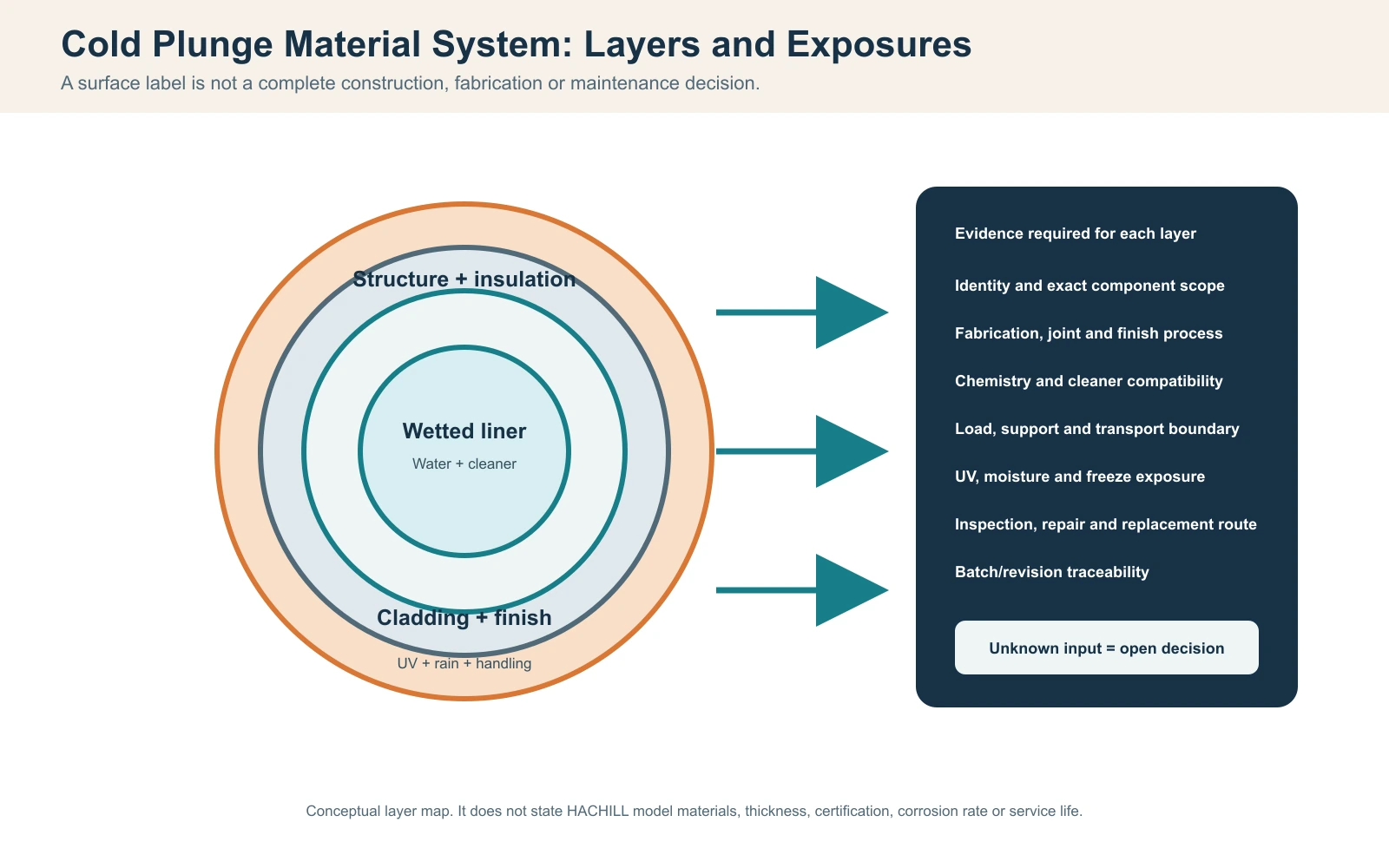
قرار اختيار مادة حوض الغطس البارد يجب أن يفصل بين البطانة الملامسة للماء، والدعم الهيكلي، والعزل، والكسوة الخارجية، والمثبتات، والأختام، والفتحات، والتشطيب. هذه الطبقات تتعرض لظروف مختلفة من الماء والمواد الكيميائية والأشعة فوق البنفسجية ودرجة الحرارة والأحمال والصيانة. الهيكل الذي يبدو كالفولاذ المقاوم للصدأ لا يثبت السبيكة أو السماكة أو معالجة اللحام أو التخميل، بينما وصف Thermowood عادةً يشير إلى المسار الخارجي وليس البنية الحابسة للماء.
ابدأ ببيئة الخدمة وعواقب الفشل، ثم اطلب أدلة على التكوين المطلوب بالضبط. يجب أن يحدد قرار الاختيار الطبقة التي تؤدي كل وظيفة، وما التعرض الذي تواجهه، وكيف تُصنع وتُنظف، وأي مستند يثبت الادعاء، وما الفحص الذي يسمح بالإنتاج والتسليم. الميزة العامة للمادة لا يمكن أن تسد واجهة تظل غير محددة.
خريطة نظام مواد حوض الغطس البارد
| الطبقة | الوظيفة الأساسية | أسئلة التعرض | دليل الإصدار |
|---|---|---|---|
| البطانة الملامسة للماء | احتواء الماء وتوفير سطح قابل للتنظيف | الكيمياء والرواسب والمنظفات ودرجة الحرارة والتفريغ | جدول المادة/التشطيب الدقيق وسجل التصنيع |
| الهيكل/الدعم | تحمّل أوزان المياه والمستخدم والمناولة | الأحمال النقطية والرطوبة والحركة والنقل | مخطط الدعم المعتمد وسجل المواد |
| العزل/الغلاف | الحد من اكتساب الحرارة وإدارة التكثف | دورات الجفاف والرطوبة وسلوك الخلايا المغلقة/المفتوحة والوصول | تفاصيل المقطع والبناء المعتمد |
| الكسوة | التشطيب الخارجي والحماية | الأشعة فوق البنفسجية، المطر، رذاذ الماء، التهوية والتنظيف | النوع/النظام الدقيق، التشطيب وتعليمات الصيانة |
| المثبتات/المانعات للتسرب | وصلات وعزل الأسطح المتلاصقة | الشقوق، التلامس الجلفاني، المواد الكيميائية والاستبدال | قائمة المواد، التوافق ومراقبة الاستبدال |
| اللمسة النهائية | حالة السطح والمظهر | التآكل، الإصلاح، تغير اللون الحراري، الطلاء والتفاوت | العينة المعتمدة بالإضافة إلى معايير القبول القابلة للقياس |
قاعدة الإصدار: هوية المادة وجودة التصنيع وظروف الخدمة بوابات منفصلة. اجتياز إحداها لا يثبت الأخرى.
صنّف بيئة الاستخدام قبل تحديد المادة المفضلة
أنشئ سجل تعرض للجانب المائي والواجهات الخارجية والواجهات البينية. سجل نهج التطهير أو التعقيم، والكيمياء الطبيعية وغير الطبيعية، وكلوريد أو إضافات الملح، وتغير مصدر المياه، ومنتجات التنظيف، وحمل واقي الشمس وزيوت الجسم، وتكرار التصريف/إعادة التعبئة وفترات الخمول. بشكل منفصل، سجل الموقع الداخلي أو الخارجي، والهواء الساحلي، والأشعة فوق البنفسجية المباشرة، والمطر، والتعرض للتجمد والذوبان، والرطوبة، والمياه الراكدة، والتهوية خلف الكسوة.
استخدم أداة فرز تعرّض محددة للمشروع بدلاً من معدلات تآكل أو تنبؤات عمر مختلقة. رتّب الاحتمالية والنتيجة بفئات مسماة بوضوح، وسجّل الأدلة وراء كل تقييم، وحدد مسبقاً النتائج التي تتطلب أدلة من درجة أعلى، أو تغيير تصميم، أو مراجعة متخصص. أداة الفرز هي أداة ترتيب أولويات فقط؛ وهي لا تتنبأ بسنوات الخدمة. يجب أن يضع فريق المشروع العتبات ويقارنها بتعليمات الطراز، وتصميم الكيمياء، والظروف المحلية.
سجل التعرض للمواد التوضيحي
| التعرض | مدخلات المشروع | الطبقات المتأثرة | القرار المطلوب |
|---|---|---|---|
| الكلوريدات/الأملاح | مصدر المياه، الإضافات، اتجاه التركيز والتناثر | البطانة، اللحامات، أدوات التثبيت والتركيبات | توافق السبيكة/التصنيع/الكيمياء |
| المطهر ودرجة الحموضة | النطاق الطبيعي، الاستجابة للاضطراب ونقطة الجرعات | جميع المواد الملامسة للماء والأختام | حدود المورد بالإضافة إلى تحكم المشغل |
| مواد التنظيف الكيميائية | المنتج، التخفيف، التلامس، الشطف والأدوات | السطح، الطلاء، الحشوات والكسوة | المنظف المعتمد والإجراء |
| الساحلي/الأشعة فوق البنفسجية/الطقس | المسافة/التعرض، المأوى، الشمس والمطر | الكسوة، الأجهزة والتشطيب الخارجي | الحماية، الصرف ومسار الصيانة |
| التجمد/الرطب-الجاف | المناخ، الإيقاف وتصريف المياه | البطانة، الوصلات، العزل وواجهات الأنابيب | قواعد الحماية والإيقاف الخاصة بالطراز |
| التعامل التجاري | المستخدمون، دورات التنظيف وتأثيرات التسليم | السطح، الدعم والأجزاء القابلة للاستبدال | خطة التشغيل والفحص والإصلاح |
أبقِ المدخلات غير المعروفة ظاهرة. إذا كان اتجاه الكلوريد أو اختيار المنظف أو المأوى الخارجي غير محسوم، فإن اختيار المادة مشروط وليس معتمداً. لا تصنّف تعرضاً غير معروف بأنه منخفض المخاطر لمجرد عدم توفير بيانات.
تحقق من سبيكة الفولاذ المقاوم للصدأ وأدلة السطح دون الاعتماد على المظهر
304 و316 هما عائلتا سبائك، وليسا بيانين كاملين عن المتانة. قد يكون الخيار الأكثر مقاومة للتآكل مناسبًا لبعض التعرض للكلوريد أو البيئات الساحلية، لكن أياً منهما ليس مضاداً للتآكل عالمياً. يمكن أن تهيمن حالة السطح، وتلوث التصنيع، وهندسة الشقوق، والرواسب، وكيمياء الماء، واستخدام المنظفات، والصيانة على السلوك الموضعي. تتطلب ادعاءات الدرجة الدقيقة دعماً خاصاً بالطلب.
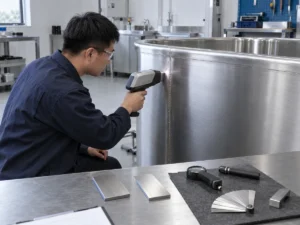
حدد نظام التسمية المستخدم، نطاق المكونات والأدلة المطلوبة. يمكن لشهادة اختبار المطحنة ربط الصبة أو الدفعة بالبيانات الكيميائية والميكانيكية، ولكن فقط إذا كانت قابلية التتبع تربط تلك المادة بالمكون المطلوب. قد يدعم اختبار تحديد المواد الإيجابي المحمول الهوية عند إجرائه بواسطة طرف مختص بطريقة موثقة، لكنه لا يثبت السماكة أو التخميل أو جودة اللحام أو أداء التآكل المستقبلي.
ميّز بين التشطيبات المصقولة والملمعة والمتفجرة والمطلية وغيرها بمعايير قابلة للقياس أو عينات معتمدة. العينة المرئية تثبت المظهر ضمن ظروف الإضاءة والرؤية المعلنة، وليس البناء المخفي. سجل الاتجاه، والتفاوت المسموح، وإزالة الفيلم الواقي، وطريقة إصلاح علامات النقل.
افحص اللحامات، وتغير اللون الحراري، والشقوق، وقابلية التصريف، وسجلات التخميل
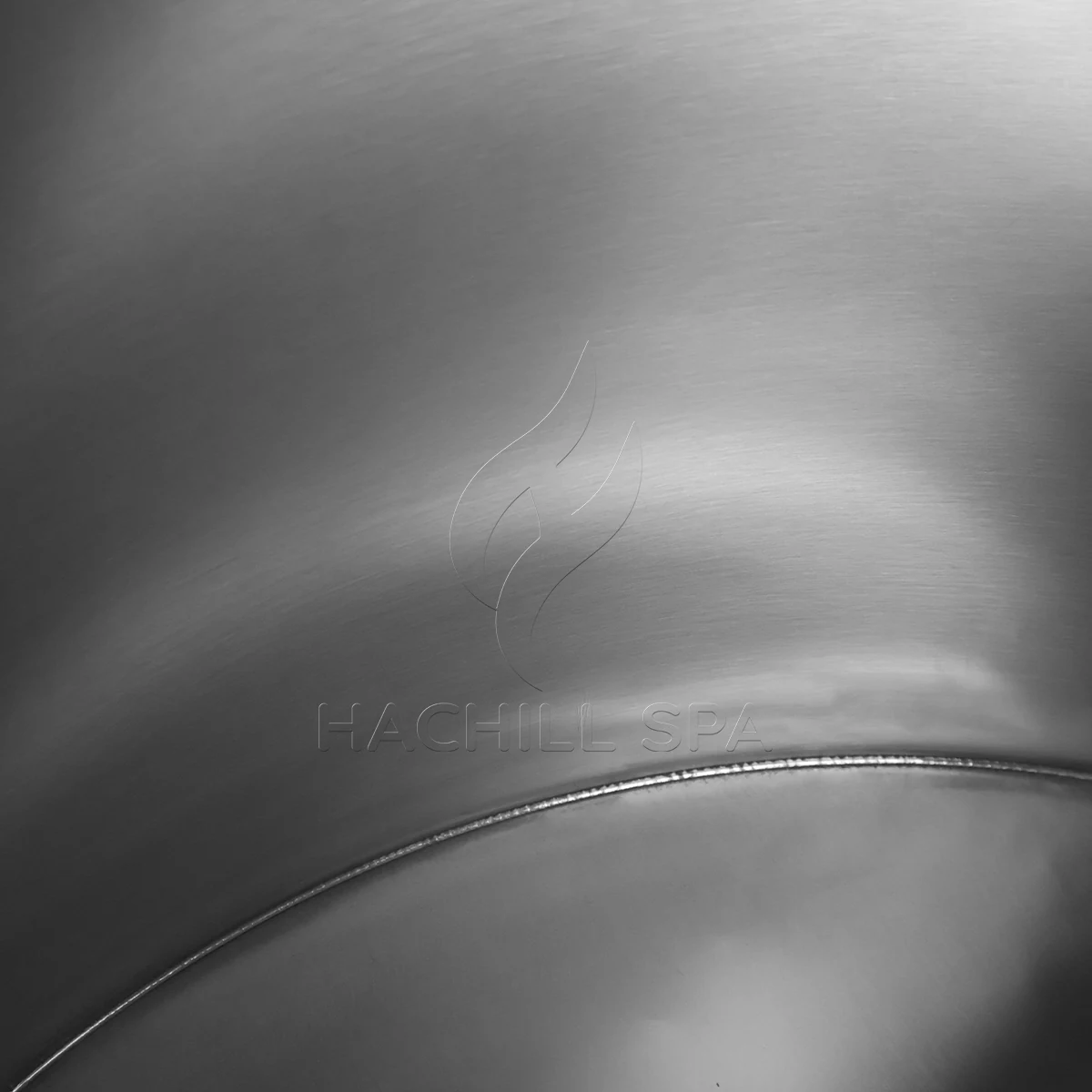
ينشئ إنشاء الفولاذ المقاوم للصدأ الملحوم مناطق متأثرة بالحرارة، وانتقالات هندسية، ونقاط تلوث محتملة. الـ دليل Nickel Institute للتصنيع والتنظيف بعد التصنيع يُعد مصدر خلفية فنية مناسبًا لحد التصنيع هذا. يجب أن تحدد خطة التصنيع إمكانية الوصول إلى الوصلات، وشكل اللحام، وإزالة تلون الحرارة، وتسلسل التجليخ أو التلميع، والتنظيف، والتخليل أو التخميل حيث يُحدد، والشطف، والحماية النهائية. اسم العملية وحده غير كافٍ؛ حدد النطاق ومراجعة الإجراء ودليل القبول.
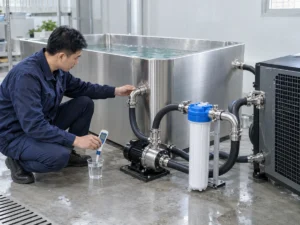
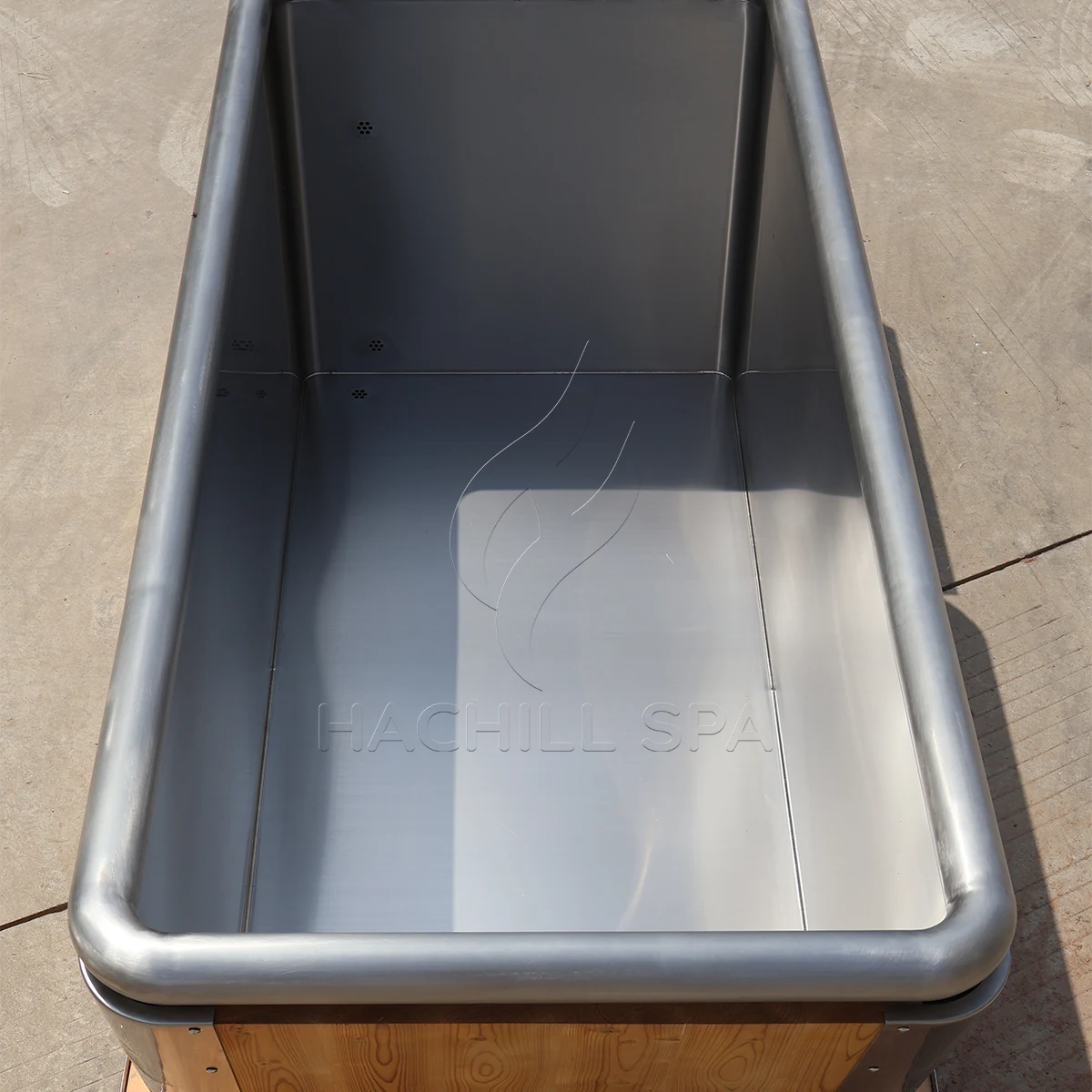
افحص المصارف والاختراقات والزوايا والتجهيزات وتفاصيل خط الماء بحثًا عن الشقوق والسوائل المحتبسة. قابلية التصريف هي خاصية تكوين: املأ وحدة مستوية وفقًا لاختبار معتمد، وصرفها عبر المسار المقصود، ثم سجل المواقع المتبقية وطريقة الإزالة/التجفيف المعتمدة. لا تعد بتصريف كامل من صورة أو تركيبة تصريف واحدة.
يجب أن يربط ملف القبول أي سجل تخليل أو تخميل محدد بفحص تصريف/متبقيات موثق لنفس مراجعة الإنتاج. لا يمكن أن يحل سجل عملية واحد محل الآخر.
جدول أدلة تصنيع الفولاذ المقاوم للصدأ
| الميزة | الأدلة قبل الإنتاج | فحص الاستلام/القبول |
|---|---|---|
| المادة الأساسية | الدرجة ونطاق المكون ومتطلب التتبع | تطابق الهوية والمستندات |
| اللحامات | إجراءات العمل ومعايير التصنيع والتشطيب المتاح | الحالة البصرية وأدلة الفحص غير الإتلافي/التسرب المعتمدة عند الحاجة |
| تلون حراري/أكسيد | طريقة الإزالة ونطاق المنطقة المتأثرة | لا يُقبل أي تلون متبقٍ غير مقبول وفق المعايير المتفق عليها |
| التخليل/التخميل | العملية المحددة، الكيمياء/التحكم والسجل | الشهادة/السجل يطابق المكوّن والمراجعة |
| الشقوق/المصارف | مراجعة الرسم التفصيلي وقابلية التنظيف | فحص المصرف/المتبقي المُشاهد |
| السطح النهائي | العينة المعتمدة، معيار الخشونة/اللمسة النهائية إذا لزم الأمر | الإضاءة، مسافة الرؤية وتصنيف العيوب |
السيناريو الهندسي: عينة مصقولة تنجح، لكن لحامات الإنتاج تظهر بقعًا
المشكلة المرصودة: العينة المسطحة المعتمدة تبدو موحدة، بينما الزوايا المصنّعة تظهر لاحقًا تغيرًا لونيًا أو رواسب محلية.
السبب المحتمل: غطت الموافقة على العينة المظهر فقط وأغفلت تلون اللحام الحراري، وهندسة الشقوق، والتنظيف النهائي، أو كيمياء الموقع.
كيفية التحقق: قارن سجل اللحام/العملية الإنتاجية، وتشطيب المنطقة المتأثرة، وقابلية التصريف، وتاريخ المياه، واستخدام المنظفات بالمعايير المعتمدة.
مسار الوقاية أو التصحيح: وافق على عينة مصنعة ممثلة ومسار العملية، ثم افحص نفس الخصائص في الإنتاج.
قارن أنظمة الأكريليك والألياف الزجاجية والمواد المركبة والبوليمر المصبوب بالدوران من خلال الدعم والإصلاح
يجب تقييم أحواض الأكريليك والألياف الزجاجية/المركبة والبوليمر المشكّل بالدوران كإنشاءات وليس كفئات “بلاستيكية” عامة. اسأل عن أي طبقة تواجه الماء، وما يوفر الصلابة الهيكلية، وأين يُدعم الغلاف، وما إذا كان العزل منفصلًا أو مدمجًا، وكيف تُعزز أو تُحكم المصارف والنفاثات والتجهيزات وغيرها من الاختراقات. لا يثبت لمعان السطح أو المظهر القطعة الواحدة واجبًا تجاريًا أو أداء الصدمات أو مقاومة الأشعة فوق البنفسجية أو قابلية الإصلاح.
اطلب حدود المنظف، والمعقم، والمذيب، والأشعة فوق البنفسجية UV، ودرجة الحرارة للبناء الدقيق. تُظهر البيانات التقنية لمنتجات PMMA، على سبيل المثال، أن المقاومة الكيميائية تتفاوت حسب المادة الكيميائية وظروف التلامس؛ وهذا سبب للتحقق من مادة الحوض الفعلية ودليلها، لا لنقل حدود مورّد أكريليك آخر’ إلى الغلاف المطلوب. يمكن أن تخلق المركّزات، والمذيبات غير المتوافقة، والأدوات الكاشطة، والبحور غير المدعومة، والأحمال النقطية أنماط فشل مختلفة عن ظروف التشغيل المخففة العادية.
تضيف المنتجات المصبوبة بالدوران مسارًا آخر: أكّد تسمية البوليمر وتركيب الجدار وتفاصيل الرغوة أو التجويف وإقرار UV وتعزيز التركيبات وطريقة الاستبدال أو الإصلاح. قد يقلل الجسم المصبوب بعض الوصلات، لكن التركيبات والمصارف والمنافذ والملحقات تبقى واجهات تتطلب الفحص.
حدد فئات الإصلاح قبل الشراء. فالتلميع السطحي، أو إصلاح الأكريليك، أو إصلاح الجيلكويت، أو إصلاح الصفائح، أو استبدال الغلاف المصبوب، لها احتياجات مختلفة من الكفاءة والمواد والتحقق. ينبغي للمشتري أن يعرف أي تلف تجميلي، وأي تلف يتطلب مراجعة إنشائية، وما إذا كانت مطابقة اللون قابلة للتحقيق، وما فحص التسرب أو السلامة الإنشائية المطلوب بعد الإصلاح.
سجل مقارنة البوليمر والمركب
| سؤال | مسار الأكريليك | مسار الألياف الزجاجية/المركب | مسار البوليمر بالقولبة الدورانية | الإثبات |
|---|---|---|---|---|
| الطبقة المواجهة للماء | هوية الصفيحة/السطح وحالة التشكيل | نظام الراتنج أو الجيل كوت أو البطانة | تسمية البوليمر والسطح المشكّل بالقولبة | جدول البناء الدقيق |
| الدعم | الإطار والدعامة والامتدادات غير المدعومة | صلابة الصفائح والأضلاع والإطار | هندسة الجدار، ودعم القاعدة، ومسار الحمل بعد التعبئة | مخطط دعم معتمد أو سجل إنشائي |
| الحدود الكيميائية | قيود المنظفات والمعقمات والمذيبات | توافق الراتينج/اللمسة النهائية والشطف | قيود المنظف والمعقم والتشقق الإجهادي حيثما تم الإعلان عنها | دليل خاص بالطراز أو إقرار المواد |
| الأشعة فوق البنفسجية/الخارجي | حد التعرض والحماية | مسار تعرض الراتينج/اللمسة النهائية للعوامل الجوية | تركيبة UV والغطاء/الحماية وإقرار الاستخدام الخارجي | الاستخدام المعلن بالإضافة إلى تعرض الموقع |
| الإصلاح | تصنيف الخدوش/الشقوق والطريقة المعتمدة | الإصلاح التجميلي مقابل إصلاح الصفائح | مسار معتمد لإصلاح البلاستيك أو استبدال المكونات | تعليمات الإصلاح وفحص القبول |
| الاستلام | التشوه والشقوق وعيوب السطح | الصدمات، علامات التصفيح، والتشطيب | التشوه، وأضرار الصدمات، وأضرار التركيب، وحالة الجدار | معايير الفحص/العيوب المتفق عليها |
تعامل مع خشب Thermowood والكسوات الأخرى كغلاف مُدار للرطوبة
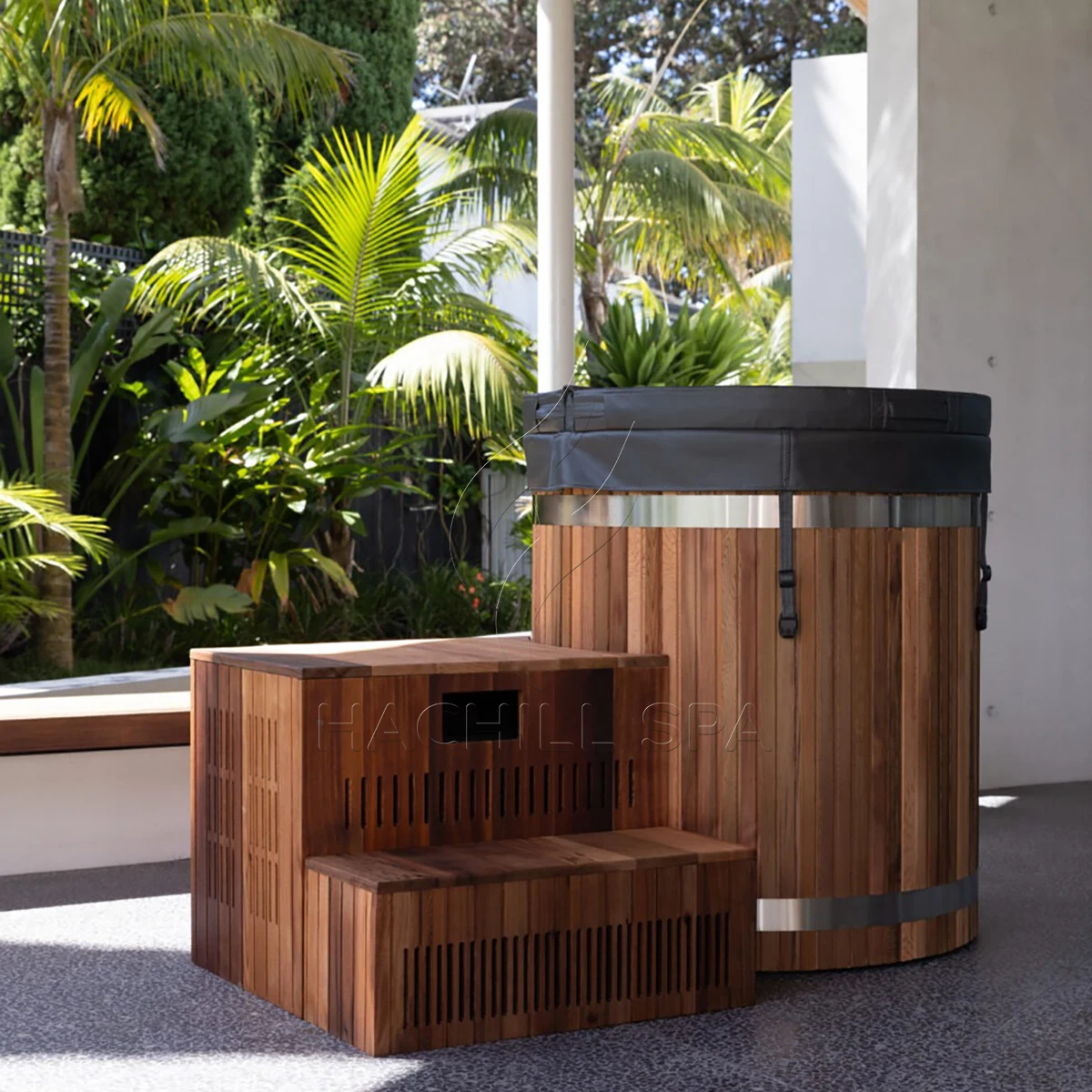
يغير الخشب الخارجي المظهر والملمس وتحديد العلامة التجارية، لكن لا ينبغي الخلط بينه وبين البطانة الملامسة للماء إلا إذا كان التصميم الدقيق ينص على خلاف ذلك. تحقق من نوع الخشب أو طريقة المعالجة، وحالة الرطوبة عند التصنيع، وملف الألواح، ومعالجة نهايات الألواح، والتهوية الخلفية، والخلوص من القاعدة، والمثبتات، والطلاء أو الزيت، وقابلية الاستبدال، والوصول إلى الهيكل خلفه.
يمكن أن يغيّر التعرض للطقس مظهر الخشب الخارجي وحالته الرطوبية، بينما يزيد البلل والتجفيف المتكرران من أهمية التصريف والتهوية وتفصيل الوصلات. الـ International ThermoWood Association يحدد فئات منتجات ThermoWood لظروف تطبيق مختلفة، بما في ذلك التكسية الخارجية، ويوجه المستخدمين إلى إرشادات فنية خاصة بالمنتج. الـ دليل مختبر منتجات الغابات التابع لوزارة الزراعة الأمريكية يوفر خلفية أوسع عن رطوبة الخشب والتغير البُعدي. ولا يزال النوع الدقيق، وفئة التعديل، ونظام التشطيب، وتعليمات المنتج هي الحاكمة. لا تذكر فاصل صيانة عالميًا.
سجّل الكسوة كغلاف مُدار للرطوبة، بما في ذلك التهوية الخلفية، وتصريف القاعدة، وتعرض نهايات الألواح، ومسار الفحص أو استبدال الألواح.
للاطلاع على خيارات عائلة المنتجات الحالية التي تستخدم هذا المسار الخارجي، راجع تشكيلة HACHILL Thermowood لأحواض الغمر البارد؛ لا يزال دليل المواد هذا مسؤولاً عن المقارنة بين المواد.
سيناريو هندسي: ألواح خارجية تتغير ألوانها عند القاعدة
المشكلة المرصودة: الكسوة السفلية داكنة وتبقى رطبة بعد جفاف باقي الحوض.
السبب المحتمل: لم يتم تضمين رذاذ الماء أو المياه الراكدة أو انسداد التهوية الخلفية أو عدم وجود خلوص قاعدي في مراجعة المواد.
كيفية التحقق: افحص جريان المياه، والتجويف الخلفي، ونهايات الألواح، والمثبتات، وسجل الطلاء، ومنتجات التنظيف، وتصريف الموقع.
مسار الوقاية أو التصحيح: صحح مسار الرطوبة، واستبدل أو أعد التشطيب فقط وفقًا للطريقة المعتمدة، وراجع محفزات الفحص.
افحص أدوات التثبيت والمعادن غير المتشابهة والسدادات والفتحات كمواد منفصلة
يمكن أن تفشل التجميعات المختلطة عند الواجهات حتى عندما تكون كل مادة رئيسية مقبولة. قم بحصر كل مثبت، ومفصلة، ومصرف، وتركيبة، وجيب استشعار، ومادة مانعة للتسرب، وحشية، ولاصق، وزخرفة معرضة للرطوبة أو قابلة للبلل. سجل المادة، والطلاء، والعزل، وقابلية الاستبدال، والتعرض للتنظيف. يمكن للمعادن المتشابهة اسميًا أن تخلق شقوقًا، بينما قد تتطلب المعادن المختلفة عزلًا وتصريفًا.
يجب أن تكون المواد المانعة للتسرب والمواد اللاصقة متوافقة مع كيمياء المياه، ومواد التنظيف، ودرجة الحرارة، وحركة المفاصل. إن ذكر أن مادة مانعة للتسرب مقاومة للماء لا يثبت الالتصاق بالركيزة المختارة أو المقاومة للمواد الكيميائية المستخدمة في المنشأة. استخدم بيانات المورد وأدلة المفاصل التمثيلية عندما تكون الواجهة حرجة.
اربط كيمياء المياه وسجلات التنظيف بتحقيقات المواد
يتطلب ضمان المواد ومناقشات السبب الجذري سجل تشغيل. سجل مصدر المياه، وتاريخ التعبئة، وطريقة التعقيم أو المعالجة، ودرجة الحموضة (pH) والحقول الأخرى المطلوبة في النموذج/الدليل، وأحداث الجرعات، والقراءات غير المعتادة، والتصريف/إعادة التعبئة، ومنتج التنظيف، والتخفيف، ووقت التلامس، والأدوات، والمشغل. للاستخدام التجاري، سجل الإغلاق والإجراء التصحيحي عندما تتجاوز ظروف المياه أو التنظيف الحدود المعتمدة.
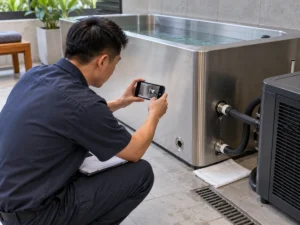
استخدم أدلة متزامنة عند التحقيق في التلطيخ، أو التنقر، أو تغير الطلاء، أو التشقق السطحي، أو التورم، أو تلف الختم. صوّر الموقع والمقياس، وسجل العلاقة بخط الماء، والرواسب، وحالة الجانب السفلي والشقوق، وحدد المكون الدقيق والدفعة، واحتفظ بسجل الكيمياء/التنظيف. لا يمكن للصورة وحدها التمييز بين تلوث التصنيع، أو كيمياء التشغيل، أو التعرض الخارجي، أو الضرر الناتج عن الاستخدام.
يجب أن يحدد سجل التنظيف المنتج، والتخفيف، ووقت التلامس، والشطف، والأداة، والمشغل، وأي انحراف، بدلاً من تسجيل أن الحوض تم تنظيفه فقط.
لممارسات الترشيح والتطهير وصيانة المياه الروتينية، تابع إلى دليل العناية بمياه حوض الغمر البارد؛ يبقى هذا القسم مقتصرًا على أدلة حالة المواد والتحقيق.
سجل التحقيق في حالة المواد
| سجل | الطريقة/المصدر | لماذا يهم |
|---|---|---|
| هوية المكون | الطراز، والرقم التسلسلي، والدفعة، وقائمة المواد (BOM)، ومراجعة الرسم | يربط الحالة بنظام المواد الدقيق |
| الموقع/المظهر | صور بمقياس حقيقي وخط الماء والأسطح المجاورة | يفصل بين الهندسة المحلية والتعرض العام |
| تاريخ المياه | الجهاز والنتيجة والوقت والإجراء التصحيحي | يختبر فرضية كيمياء المياه والامتثال للحدود |
| تاريخ التنظيف | المنتج والتخفيف والتلامس والشطف والأداة والمشغّل | يختبر فرضيات التوافق وسوء الاستخدام |
| التعرض الخارجي | الأشعة فوق البنفسجية، هواء البحر، المطر، التجمد والمأوى | اختبار الأسباب غير المتعلقة بالمياه |
| أدلة التصنيع | سجلات المواد واللحام والتشطيب والإصلاح | اختبار فرضيات عملية الإنتاج |
| عينة محفوظة | عينة/كوبون خاضع للتحكم حيثما تم الاتفاق | يدعم الاختبار المستقل دون إتلاف الأدلة |
وحّد عبء العمل على مدى دورة الحياة دون اختلاق عمر افتراضي أو تكلفة
قارن مسارات المواد على مدى فترة تخطيط معلنة باستخدام نفس المهام المضمنة وحدود العمل. اذكر التفتيش، التنظيف الروتيني، إزالة الرواسب، أعمال التلميع أو التشطيب، استبدال السدادات أو الزخارف، الإصلاح المتخصص، وقت الإغلاق والمواد الاستهلاكية. استخدم معدلات العمالة في الموقع فقط عندما يقدمها المشتري؛ وإلا أبلغ بوحدات عبء العمل وحقول التكلفة المفتوحة.
وحّد العمل حسب المهمة بدلًا من ادعاء مُختلق لعمر الخدمة. إن طريقة تخطيط شفافة هي عبء العمل السنوي = مجموع(تكرار المهمة x مدة المهمة المقاسة أو المعتمدة) + زمن الوصول/الإعداد. اترك التكرار والمدة مفتوحين إلى أن يمكن دعمهما بتعليمات الطراز أو تجارب موقوتة تمثيلية أو سجل المنشأة. لا تحوّل عبء عمل أوليًا أقل إلى تكلفة إجمالية مضمونة أقل على مدى العمر.
ورقة عمل عبء الصيانة على مدى دورة الحياة
| المهمة | أساس التكرار | مصدر الوقت/البيانات | النتيجة التشغيلية |
|---|---|---|---|
| الفحص | النتائج اليدوية ونتائج التعرض والموقع المبكرة | فحص تمثيلي في وقت محدد | يمكنه اكتشاف التآكل أو التشققات أو الرطوبة أو تغير السدادات |
| التنظيف الدوري | إجراءات التشغيل القياسية للاستخدام والعناية بالمياه | تجربة تنظيف/شطف/تجفيف في وقت محدد | نافذة العمل والإغلاق |
| أعمال الدفعة/التشطيب | مشغّل ملاحظ وليس افتراضًا زمنيًا | طريقة معتمدة وتجربة مقاسة | المظهر وحالة السطح |
| معالجة الكسوة | مشغّل التشطيب المعتمد والتعرض للعوامل الجوية | سجل خاص بالموقع | الوصول والتجفيف ونافذة الطقس |
| الإصلاح/الاستبدال | فئة العيب والمسار المعتمد | دليل المورد/الخدمة المحلية | الأجزاء والكفاءة ومدة التوقف |
| التوثيق | المتطلب التجاري/التشغيلي | تسجيل ومراجعة الوقت | يدعم الضمان وضمان الجودة والنزاعات |
وضع خطة فحص للعينات والإنتاج قابلة للتتبع
اعتماد العينات حسب الغرض. عينة اللون/الملمس، عينة اللحام المُصنّعة، عينة الوصلة، عينة الطلاء، والعينة الأولى الكاملة تجيب عن أسئلة مختلفة. ضع علامة على كل عينة بالمنتج والمادة والتشطيب والعملية والتاريخ والمراجعة؛ وسجّل الإضاءة ومسافة المشاهدة للمظهر. الصورة التسويقية ليست مرجعًا مُتحكمًا به.
تحديد فحص المواد الواردة، والفحوصات أثناء التصنيع، واعتماد القطعة الأولى، وأخذ العينات من الدفعات، والفحص النهائي، ومراجعة المستندات. يجب أن تحدد الخطة طريقة الفحص، وحجم العينة أو التكرار، وتصنيف العيوب، وسلطة القبول، والاحتفاظ بالسجلات. إذا كان الفحص التدميري مطلوبًا، فحدد من يوفّر عينات التضحية وكيف تمثل الإنتاج.
عينة المواد وخطة مراقبة الإنتاج
| نقطة المراقبة | سجل | قاعدة الإفراج/الإيقاف |
|---|---|---|
| المواد الواردة | الهوية، ودفعة المورد، والشهادة، وإمكانية التتبع | عدم التطابق أو فقدان الأدلة المطلوبة يوقف الاستخدام |
| التصنيع الأولي | مراجعة اللحام/الوصلات/التشطيب والعملية التمثيلية | موافقة المشتري/المورد قبل استمرار الدفعة |
| أثناء العملية | فحوصات تغير اللون الحراري والتشطيب والتلوث والدعم والواجهات | تصحيح السبب قبل إخفاء العمل المتأثر |
| المظهر النهائي | عينة معتمدة والإضاءة/المسافة وفئة العيوب | فصل الاختلاف التجميلي عن العيب الوظيفي |
| وظيفي | اختبارات التسرب، وقابلية التصريف، والاختبارات الخاصة بالتهيئة | عزل الوحدة/الدفعة المتأثرة بالفشل وفقًا للخطة |
| حزمة المستندات | مراجعة قائمة المواد (BOM)، والشهادات، والانحرافات، والإصلاحات | تعليق الشحن حتى اكتمال السجلات المطلوبة |
التحكم في استبدال المواد وتغييرات المراجعة
تتطلب طلبات العلامة الخاصة والمشاريع عملية استبدال مكتوبة. يجب أن يحدد التغيير المقترح في مصدر السبيكة، أو الخشب، أو الراتنج، أو الطلاء، أو المثبتات، أو مادة السد، أو العزل، أو التشطيب السبب، والطرازات/الدفعات المتأثرة، وأساس التكافؤ، وتأثير التوافق، وتأثير المظهر، وتأثير الاختبار، والمستندات التي تتطلب مراجعة. “المكافئ” هو استنتاج يجب إثباته، وليس تسمية شرائية.
يقترح المورد الأدلة ويقدمها؛ ويعتمد المشتري أو السلطة الفنية المسماة التغيير التعاقدي؛ ويتم إبلاغ القائمين على التركيب والمشغلين المعنيين؛ ويعيد المراجعون المحليون المؤهلون تقييم الواجهات المنظمة عند الحاجة. لا يلغي ضغط توفر الطوارئ هذا التسلسل. الاستبدال غير المعتمد هو عدم مطابقة حتى لو كان المنتج المكتمل يبدو مشابهًا.
مصفوفة مسؤوليات التحكم في تغيير المواد
| القرار | الرئيسي | الإخراج المطلوب |
|---|---|---|
| حدود التعرض والتشغيل | المشتري/المشغل مع معالجين ومتخصصين في الموقع | المدخلات المعتمدة للبيئة والكيمياء والتنظيف |
| اقتراح المواد/الإنشاء | هندسة/تصنيع المورد | الجدول الزمني الدقيق والعملية والأدلة |
| اقتراح الاستبدال | المورد | ملف الأثر/التكافؤ والنطاق المتأثر |
| الموافقة التجارية/الفنية | سلطة المشتري المسمى | مراجعة موقعة أو رفض |
| توافق التركيب | فريق التركيب/التصميم | الواجهات والأساليب المحدثة |
| تحديث التشغيل/الصيانة | المشغّل | إجراءات التشغيل الموحدة المنقحة والتدريب والمواد الاستهلاكية |
| القبول النهائي | الشهود/السلطة المسمون | سجل مغلق للانحراف والتكوين |
تصنيف أدلة المواد حسب النطاق وقابلية التتبع والاستقلالية
تكون الأدلة أقوى عندما تحدد المكون الدقيق، دفعة الإنتاج، التكوين، مراجعة العملية، الحالة، الطريقة والجهة المصدرة المسؤولة. الجدول الزمني المعتمد الخاص بالطلب وسجل الإنتاج القابل للتتبع يفوقان عادةً ورقة البيانات العامة؛ الدليل اليدوي الحالي الخاص بالطراز يفوق التسمية التوضيحية للمبيعات؛ الاختبار المشهود عليه يفوق التأكيد الشفهي غير الموثق.
التسلسل الهرمي للأدلة المادية
| الدرجة | مثال | استخدام القرار |
|---|---|---|
| A | سجل طلب/دفعة قابل للتتبع، أول قطعة معتمدة أو قبول مشهود عليه | الإفراج عن المكون والحالة المذكورين |
| B | جدول زمني حالي خاص بالطراز، دليل أو تقرير طرف ثالث محدد النطاق | التصميم/التحقق ضمن النطاق المعلن |
| C | بيان هندسي خاضع للرقابة من المورد مع الافتراضات | إغلاق سؤال مسمى بعد قبول الافتراضات |
| D | كتيب عام أو صورة فوتوغرافية أو عينة غير معنونة أو ادعاء فئة | للاكتشاف فقط؛ وليس قبولًا للشراء |
| مفتوح | مكوّن أو دفعة أو مراجعة أو حالة أو طريقة مفقودة | تعليق الادعاء أو الاستبدال المتأثر |
تتطلب لغة الشهادات عناية خاصة. تشرح النظرة العامة للمعيار النطاق؛ ولا تثبت أن HACHILL أو طرازًا معينًا معتمد. تحقق من حامل الشهادة وقائمة الطرازات والإصدار والسوق والحالة من السجل الفعلي قبل نشر ادعاء شهادة.
افصل بين اختلاف المظهر التجميلي وعيب التصنيع والتلف الناتج عن الاستخدام في مرحلة القبول
اكتب قواعد القبول قبل الإنتاج. حدد ظروف المشاهدة التجميلية والعينة المرجعية والتباين الطبيعي المسموح به وحدود العيوب القابلة للقياس حيثما كان ذلك مناسبًا والفحوصات الوظيفية ومتطلبات المستندات ومن يمكنه تصنيف النتيجة. لا يمكن أن يشترك التباين الطبيعي للخشب وعلامة عبور سطحية وأكسيد لحام غير مقبول وانقطاع الطلاء وشرخ هيكلي في فئة “جودة” غامضة واحدة.
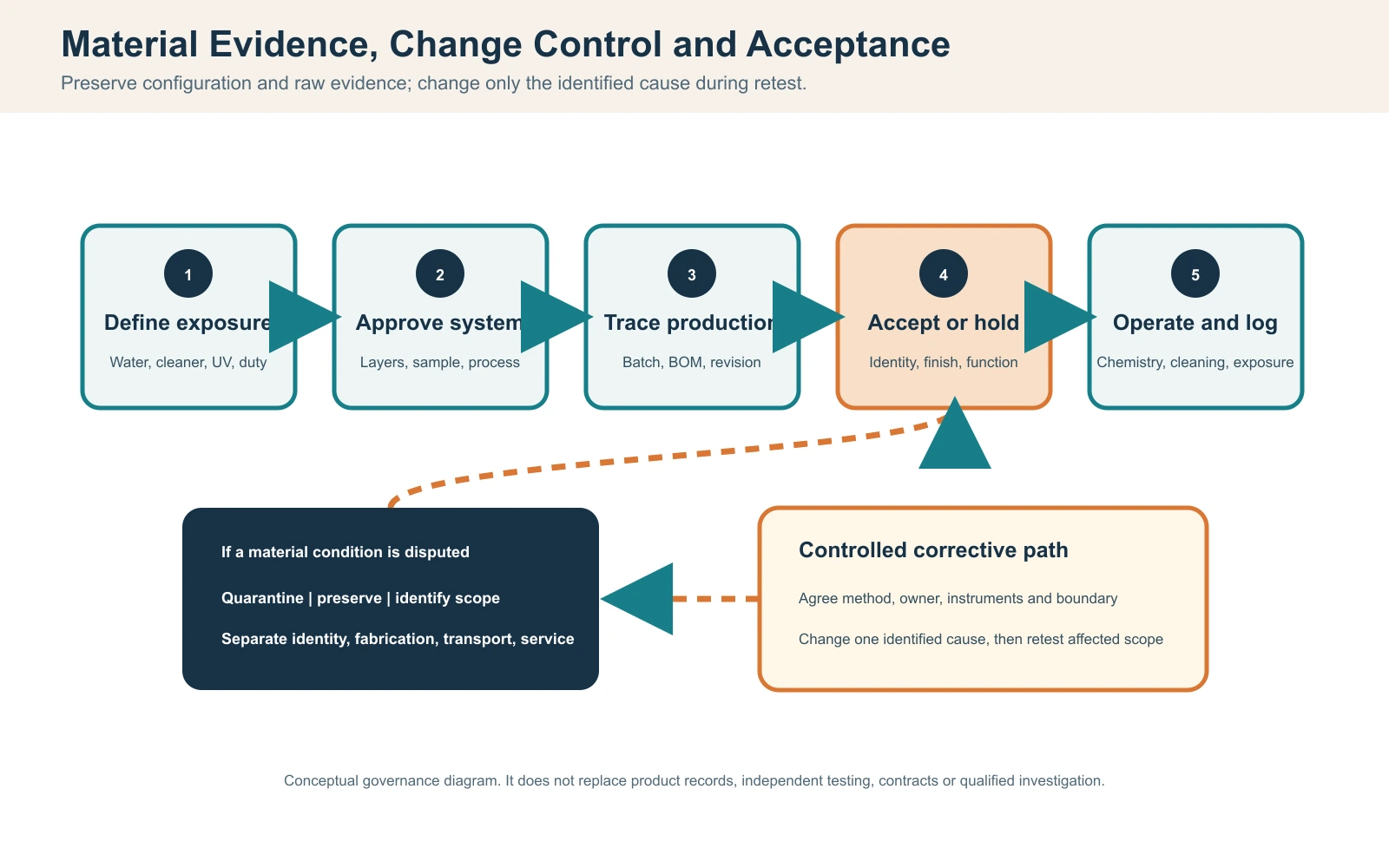
عند حدوث نزاع، اعزل العنصر أو الدفعة المتأثرة، واحفظ التغليف والسجلات الخام، وحدد التكوين ومراجعة العملية، ووثّق تاريخ الماء/المنظف/التعرض، واتفق على ما إذا كان السؤال يتعلق بالهوية أو التصنيع أو المظهر أو النقل أو التركيب أو التشغيل. لا تقم بتلميع الأدلة أو تنظيفها كيميائيًا أو إصلاحها قبل موافقة الطرفين على طريقة التحقيق.
سجل قبول المواد والنزاعات
| تحديد الفئة | الأدلة الأولية | قاعدة الإيقاف/إعادة الاختبار |
|---|---|---|
| الهوية/قابلية التتبع | المكوّن والدفعة والشهادة/الجدول المطلوب | الإيقاف عندما لا يمكن ربط الهوية المطلوبة |
| التباين التجميلي | العينة المعتمدة وظروف الفحص | التصنيف قبل الإصلاح؛ إعادة الفحص بنفس الظروف |
| عيب التصنيع | الرسم/العملية/الفحص وأدلة التسرب/التصريف | إيقاف الإصدار المتأثر؛ تصحيح السبب وإعادة اختبار النطاق المتأثر |
| ضرر النقل/التركيب | سجلات ما قبل الشحن، الصندوق، الاستلام والمناولة | الحفاظ على الأدلة وتعيين سلطة الإصلاح |
| حالة الخدمة | سجل الكيمياء، المنظف، التعرض والصيانة | استعادة الحدود المعتمدة؛ مراجعة متخصصة عند الحاجة |
| الإصلاح | الطريقة والمواد والفني المعتمدون والفحص اللاحق | لا إصدار حتى يتم تسجيل قبول الإصلاح |
يجب أن تُجري إعادة الاختبار تغيير السبب المحدد فقط مع الحفاظ على جميع الشروط الصالحة الأخرى. إذا تغيرت المادة والعملية والمنظف وكيمياء المياه وطريقة الاختبار معًا، فلا يمكن للنتيجة تحديد السبب. أوقف الاستخدام في حالات التسرب النشط أو التشقق الهيكلي أو الضرر الحاد أو الدعم غير المستقر أو الاشتباه في التعرض الكهربائي أو الهجوم الكيميائي غير المنضبط أو أي إصلاح يتطلب تجاوز حماية المنتج؛ واستخدم خدمة مؤهلة والمهنيين المحليين ذوي الصلة.
أصدر طلب عرض أسعار (RFQ) يجعل افتراضات المواد قابلة للمقارنة
أرسل نفس خريطة الطبقات وسجل التعرض وكيمياء المياه وحدود المنظف وظروف الموقع ومتطلبات المظهر وإمكانية التتبع وخطة العينات والفحص والتحكم في الاستبدال والتعبئة والتغليف وطلب بيانات الصيانة إلى كل مورد. اطلب من كل مقدم عرض وضع علامة على الامتثال أو الانحراف أو البديل أو مفتوح مع الأدلة. مقارنة الأسعار قبل محاذاة هذه الحقول تكافئ الاستثناءات المخفية.
ورقة توحيد طلب عرض أسعار مواد الغمر البارد
| حقل طلب عرض الأسعار | مدخلات المشتري | استجابة المورد |
|---|---|---|
| التطبيق/التعرض | داخلي/خارجي، خدمة تجارية، ساحلي/أشعة فوق بنفسجية/تجميد | الملاءمة المعلنة والظروف |
| الماء/التنظيف | المعالجة والتحكم في الكيمياء وإجراءات التشغيل القياسية للمنظف | حدود التوافق والمنتجات المحظورة |
| جدول الطبقات | الوظيفة المطلوبة والمسارات المفضلة | البطانة الدقيقة والهيكل والعزل والكسوة والمثبتات والأختام |
| التصنيع/التشطيب | اللحام والسطح والمفاصل ومتطلبات العينات | العملية والقبول ومسار الإصلاح |
| الإثبات | الشهادات/إمكانية التتبع/السجلات المطلوبة | نطاق المستند، الجهة المصدرة والمراجعة |
| التحكم في التغييرات | سلطة الموافقة وتوقيت الإشعار | إجراء الاستبدال |
| دورة حياة المنتج | كفاءة المشغّل والوصول | الفحص، التنظيف، المواد الاستهلاكية، قطع الغيار والمهام المتخصصة |
الأسئلة الشائعة
هل الفولاذ المقاوم للصدأ 316 مطلوب دائمًا للغطس البارد؟
لا. يعتمد اختيار المادة على كيمياء المياه، والكلوريدات، والتحكم في المطهرات، ومنتجات التنظيف، والتعرض للمناطق الساحلية، وطريقة التصنيع والصيانة. قد يبرر المشروع درجة معينة من الفولاذ، ولكن يجب توثيق القرار بدلاً من استنتاجه من قاعدة عامة.
هل يمكن للمشترين تحديد درجة الفولاذ المقاوم للصدأ من الصورة؟
لا. لا يمكن للمظهر السطحي التمييز بين السبائك بشكل موثوق أو إثبات السماكة أو معالجة اللحام أو التخميل. استخدم جدول المواد المعتمد والأدلة الخاصة بالطلب عندما يكون ادعاء الدرجة مهمًا.
هل خشب Thermowood لا يحتاج إلى صيانة في الأماكن الخارجية؟
لا. لا يزال السلوك الخارجي يعتمد على المادة الدقيقة والتشطيب والتعرض للأشعة فوق البنفسجية والمطر والصرف والتهوية والتثبيت وتعليمات الصيانة. يرجى تأكيد المواصفات المطلوبة ومخطط الموقع.
لماذا تُعد اللحامات والمصارف مهمة في الحوض المصنوع من الفولاذ المقاوم للصدأ؟
مناطق اللحام المتأثرة بالحرارة، والتشطيب الخشن، والشقوق، والرواسب المحتبسة قد تشكل مخاطر تآكل موضعي أو مشاكل في التنظيف. يجب أن تعالج خطة التصنيع والقبول جودة اللحام التي يمكن الوصول إليها، والمعالجة السطحية، وقابلية التصريف.
هل تحدد مادة الهيكل مدى جودة احتفاظ حوض الغمر البارد بالحرارة؟
لا. مادة الغلاف ليست سوى جزء واحد من النظام الحراري. يؤثر سمك العزل واستمراريته، وتصميم الغطاء، وحجم الماء، والأنابيب، والظروف المحيطة، ومعدات التدوير، والمبرّد، جميعها في اكتساب الحرارة والتحكم في درجة الحرارة. قارن البناء الكامل وظروف الاختبار بدلًا من افتراض أن الفولاذ المقاوم للصدأ أو الأكريليك أو البوليمر أكثر كفاءة بطبيعته.
ما هي معلومات المواد التي يجب تضمينها في طلب عرض السعر (RFQ)؟
حدد التعرض، وطريقة معالجة المياه، والمواد المطلوبة للمناطق الملامسة للماء والخارجية، والتشطيب، وتوقعات معالجة الوصلات، وتوافق المنظفات، ومتطلبات الإثبات، وعملية الموافقة على الاستبدال. تجنب قيم السماكة أو الدرجة غير المدعومة.
موارد HACHILL ذات الصلة
فئة منتج الغطس البارد
استخدم فئة الغمر البارد الرئيسية عندما يكون مسار المادة مجرد مدخل واحد في قرار عائلة المنتج الأوسع.
مجموعة الغمر البارد العمودي
استخدم فئة التنسيق هذه بعد أن يتضح اتجاه المادة وتكون الخطوة التالية هي شكل الجسم وقائمة الموديلات المختصرة.
مجموعة الغمر البارد الأفقي
استخدم فئة التنسيق هذه بعد أن يتضح اتجاه المادة وتكون الخطوة التالية هي شكل الجسم وقائمة الموديلات المختصرة.
مجموعة أحواض الغطس البارد من الخشب الحراري
استخدم مسار التشطيب هذا بعد تقرير أن إنشاءً هجينًا مكسوًا بـ Thermowood يناسب المشروع، وأن الخطوة التالية هي مقارنة الطرازات الحالية.
دليل شراء الغطس البارد التجاري
استخدم دليل الشراء التجاري عندما تكون المادة جزءاً واحداً فقط من قرار أوسع يشمل شكل الحوض، والتبريد، والدوران، والصرف الصحي، والمرافق، والتوثيق، ونطاق طلب عرض السعر.
دليل العناية بمياه أحواض الغطس البارد
استخدم دليل العناية بالماء عندما يكون السؤال المطروح هو الترشيح أو التعقيم أو صيانة الماء الروتينية أو سجلات التشغيل بدلاً من اختيار المواد.
اطلب عرض سعر للمشروع
استخدم مسار RFQ بمجرد تحديد التعرّض وطبقات المواد ومتطلبات الأدلة والافتراضات المفتوحة بما يكفي لمراجعة المورّد.
أساس المرجعية
- معهد النيكل: الفولاذ المقاوم للصدأ لمحطات معالجة مياه الشرب – خلفية عن التعرض للكلوريد، وهندسة الشقوق، والظروف الراكدة، وعوامل التآكل المتفاعلة؛ وهي لا تنشئ حدًا عالميًا للكلوريد في أحواض الغمر البارد.
- معهد النيكل: تصنيع الفولاذ المقاوم للصدأ والتنظيف بعد التصنيع – خلفية عن تلون الحرارة، والتلوث، والتجليخ، والتنظيف، والمعالجة بعد التصنيع؛ تبقى متطلبات الإنتاج الدقيقة خاصة بالتكوين.
- الرابطة الدولية ThermoWood: فئات منتجات ThermoWood وتطبيقاتها – خلفية رسمية عن معالجة ThermoWood، وفئات المنتجات، والتطبيقات الخارجية؛ تبقى أنواع HACHILL الدقيقة، والتشطيب، وتعليمات الصيانة خاصة بكل طلب.
- دليل مختبر منتجات الغابات التابع لوزارة الزراعة الأمريكية – خلفية عامة عن رطوبة الخشب والتغير البُعدي.
- بيانات المقاومة الكيميائية لأكريليك ACRYLITE – يوضح أن التوافق الكيميائي لـ PMMA يعتمد على المادة الكيميائية وظروف التعرض؛ وهو ليس شهادة توافق لهيكل حوض مصنّع’ آخر.
الحد الفني والسلامة لكيفية مقارنة مشتري المنتجات لمواد أحواض الغمر البارد: تأخذ أدلة المنتج والرسومات المعتمدة ومتطلبات البناء والكهرباء والصحة العامة وإمكانية الوصول المحلية والحرفيون المرخصون والمهنيون الطبيون أو المهنيون المؤهلون في مجال السلامة الأولوية على الإرشادات العامة على الويب. لا تدعي هذه المقالة الحصول على شهادة أو أداء مضمون للموقع أو فائدة طبية فردية.
حوّل سجل التعرض إلى موجز مواد
أرسل إلى HACHILL واجب المنشأة والمستخدم، وخطة معالجة المياه والمنظفات، والتعرّض الداخلي/الخارجي والساحلي، ومسار المواد المفضل إن عُرف، وطبقات الإنشاء المطلوبة، ومرجع التشطيب، ومتطلبات الأدلة والتفتيش، والكمية، والوجهة، ونطاق العلامة التجارية. يمكن للفريق مراجعة تكوين مع بقاء الحقول غير المدعومة مفتوحة صراحةً.