簡単な答え: 広範な気候ラベルではなく、暴露を特定する
屋外サウナは、高温、低温、湿潤、沿岸などのラベルではなく、製品が実際に直面する条件に基づいて指定する必要があります。 追跡可能な地域の気候情報から始めて、風と雨の方向、雪と霜の危険性、日射量、湿度、塩分またはプールサイドの空気、地面の湿気、排水、基礎の状態、公共施設の配線、メンテナンスへのアクセスなど、正確な敷地の暴露状況を文書化します。 モデルを確認する前に、これらの入力を製品とサイトの質問に変換します。
「寒冷気候」を一般的な暖房倍率に変えたり、「沿岸地域」を普遍的な物質ルールに変えたりしないでください。 選択されたサウナ、ヒーターの文書、現場の設計、および地域の要件が、熱、構造、電気、天候保護に関する最終的な決定を左右します。
役立つシーケンスは次のとおりです。 地域の気候データ → 正確な現場暴露 → 製品と現場の要件 → 熱および電気の再チェック → RFQ の準備.
追跡可能な気候データから始める
温度範囲、降雨量、雪、風、湿度、日射量、およびそれらの条件が関連する海岸の状況に関するプロジェクトの位置データを使用します。 国、州、または広範な気候ラベルは、最終製品やサイトの決定には大まかすぎます。 同じ市場内の 2 つのサイトは、流出、風当たり、日陰、アクセス、メンテナンス条件が異なる場合があります。
その 世界気象機関の気候正常度ガイダンス は、その場所で経験される可能性のある条件の基準として、長期の気候平均がどのように使用されるかを説明します。 プロジェクト仕様の場合、これらの法線は完全な設計条件ではなくベースラインです。実際の場所については、責任のある地元の気象情報源またはプロジェクト情報源を使用し、プロジェクトに影響を与える可能性のあるサイト固有の暴露要件や極限状態の要件を個別に特定します。
一般的な建物エンベロープ ガイダンスは、同じ露出優先ロジックをサポートしています。 の 建物全体の設計ガイド 湿気管理ガイダンス 雨水が重力、毛細管現象、表面張力、気圧差、風による荷重によってどのように移動するかを説明しており、開口部、接合部、屋根のライン、壁の基礎が重要な湿気の境界面として機能します。 このガイダンスは HACHILL 製品仕様ではありません。 これは、水源、経路、排水が重要であるという工学的原則を裏付けています。
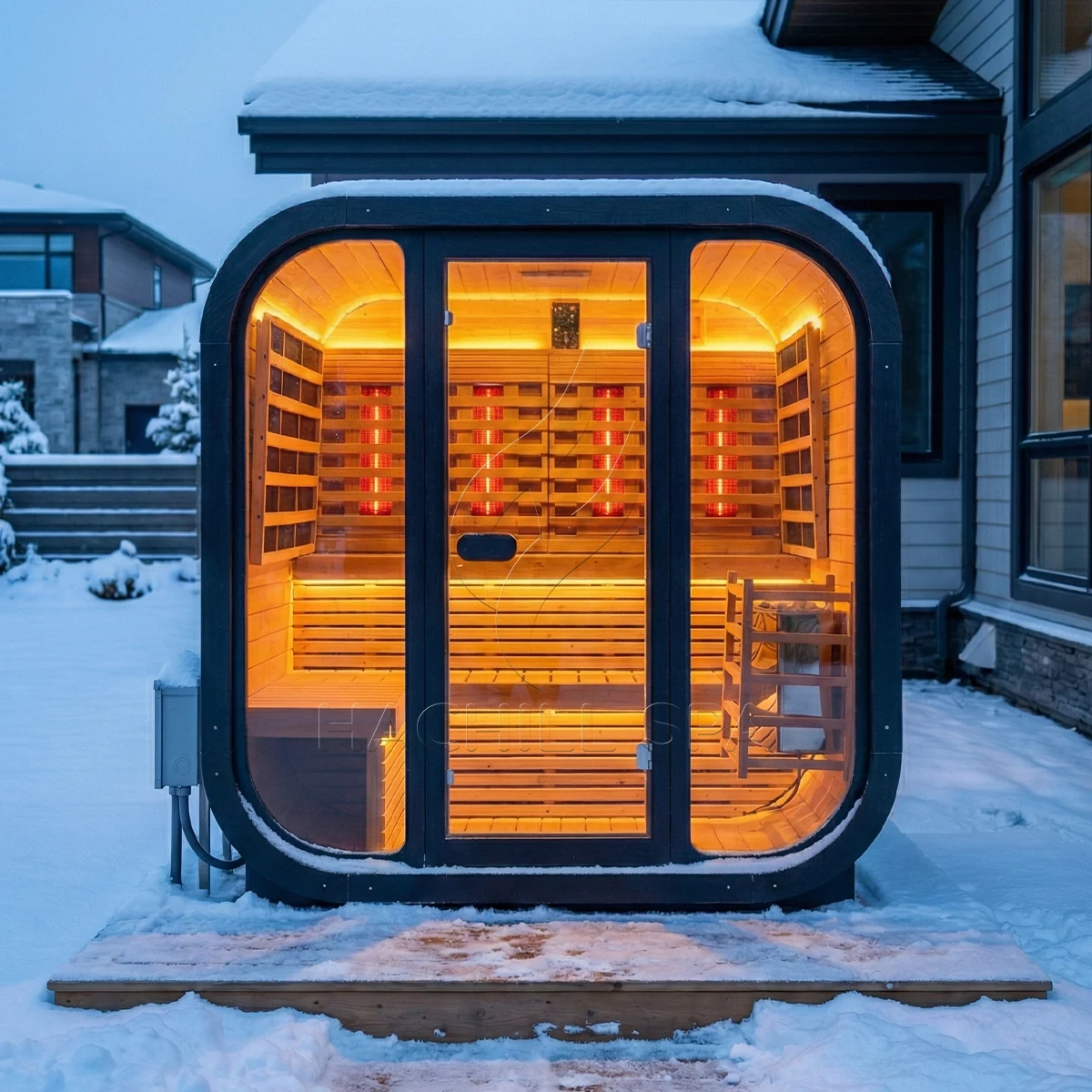
正確なサウナ設置場所の調査
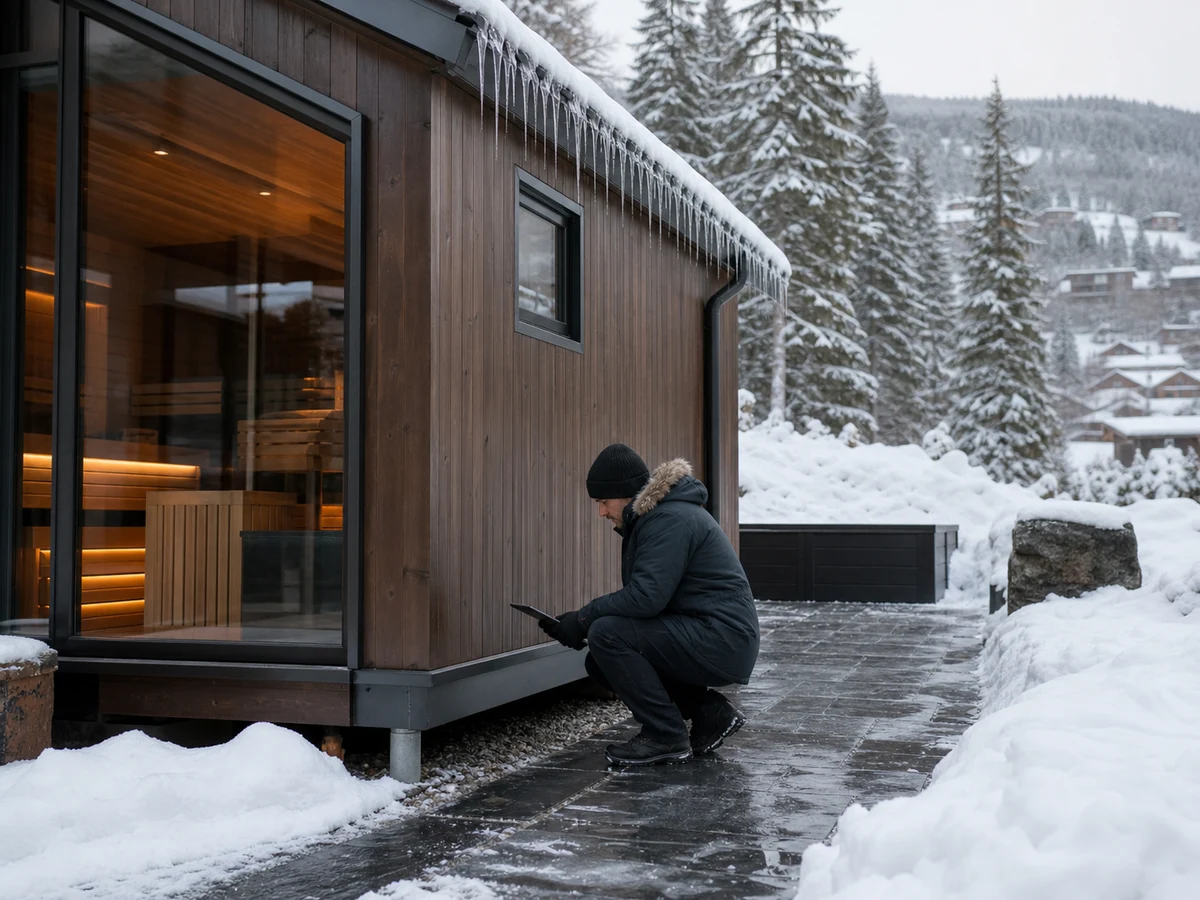
たとえ地域の気候が同じであっても、サウナ周辺の微気候によってプロジェクトが変わる可能性があります。 製品が木の下、水辺、プールの近く、屋根の排水口の下、壁際、斜面、深い日陰、または風が当たる通路に設置されているかどうかを確認してください。 これらの状況により、流出、飛沫、乾燥、洗浄、基礎、およびサービスアクセスの要件が変化する可能性があります。
マイクロ判断の例:同一地域でも立地が異なる場合
同じ都市にある 2 つのプロジェクトを考えてみましょう。 1 つのサウナは、アクセスが明確なオープンな排水パッド上に設置されています。 もう一つはプールの横の屋根の端の下に座っています。 地域の気象データは同一である可能性がありますが、2 番目のサイトでは、屋根の流出、飛沫、化学物質を含む湿気、およびメンテナンス インターフェイスが追加されています。 気候ラベルは変更されていません。 仕様入力は持っています。
天候だけでなく水路も調査してください。 屋根の流出、融雪、灌漑、プールの飛沫、洗浄水、および表面排水がエンクロージャまたはベースに到達する可能性がある場所を特定し、その水が支柱、敷居、貫通部、またはサービスゾーンの周囲に閉じ込められることなく流出できる場所を確認します。
露出を定義したら、 屋外サウナの耐候性チェックリスト 屋根や上部シェル、開口部、貫通部、基礎、排水路全体で水がどのように管理されているかを確認します。 この気候ガイドは暴露入力を所有しています。 耐候性ガイドは水管理インターフェースを所有しています。
暴露条件を製品・設置要件に変換する
気候データは、仕様の問題を変更する場合にのみ役立ちます。 関連する各暴露を記録し、影響を受ける可能性のあるインターフェイスを特定し、その質問を製品ドキュメント、サイト設計者、設置者、または責任のある地元の専門家に適宜伝えます。
| 露出 | 仕様に関する質問 | レビューすべき典型的なプロジェクトへの影響 |
|---|---|---|
| 雨、湿気、乾燥が遅い | 水はどこに到着し、排水され、乾燥するのか、またどの界面が最も長く濡れたままになるのでしょうか? | 屋根と開口部の詳細、接合部と貫通部、基礎排水、乾燥経路、メンテナンスアクセス |
| 凍結、雪、氷 | サポート、屋根の排出および入口での霜、雪、氷、融雪および流出の状態はどのようなものですか? | 基礎の状況、安全なアクセス、屋根と排水の調整、凍結/解凍への曝露、およびサービス計画 |
| 風と露出した地形 | どの面が卓越風または風による雨を受けますか?また、その場所は異常に露出していますか? | エンベロープインターフェイス、ドアと開口部、必要に応じて固定または構造の見直し、および雨の侵入のリスク |
| 太陽、熱、強い日差しへの曝露 | どの表面が長時間の直射日光や毎日の大きな温度変化にさらされますか? | 外装仕上げのケア、素材の動き、グレージングとユーザーの快適性のレビュー、色合いの戦略とメンテナンスの頻度 |
| 海岸、塩、またはプールサイドの空気 | ファスナー、フィッティング、電気インターフェースはどのような腐食、堆積、洗浄にさらされるでしょうか? | 材質と仕上げのレビュー、互換性のあるハードウェア、洗浄計画、検査アクセスおよび交換計画 |
| 地面の湿気と排水不良 | 水が溜まったり、支柱、低い壁、敷居、公共施設の貫通部の周りに水がはねたり、染み込んだりする可能性はありますか? | 仕上げ勾配、サポートインターフェース、排水ルート、検査アクセス、および持続的な濡れからの保護 |
これらはレビューのカテゴリーであり、普遍的な処方箋ではありません。 たとえば、 材料保護とパフォーマンス協会 は、腐食挙動は湿度や塩水への曝露などの環境条件、および材料やサービスの状況に依存すると指摘しています。 これは、海岸またはプールサイドの現場の腐食レビューをサポートします。 すべての屋外サウナに 1 つの汎用ファスナーや仕上げ仕様を正当化するものではありません。
暴露ラベルを根拠のない製品主張に変換しない
「冬対応」、「全天候型」、または「海岸に適した」などの用語は、サプライヤーが正確なモデルと供給範囲についてその意味を示すことができる場合にのみ役立ちます。 どの屋根やシェルのコンポーネントが含まれているか、どの外装材と仕上げが使用されているか、どのハードウェアが露出しているか、どのようなメンテナンスが必要か、どの現場作業が製品パッケージの外に残っているかを尋ねます。
現場の条件が構造抵抗、定着、雪や風の設計、基礎工事、電気設備、または地元の承認に影響を与える可能性がある場合は、製品パンフレットをプロジェクト エンジニアリングの代わりとして扱うのではなく、その条件を責任のあるプロジェクト分野に伝えてください。
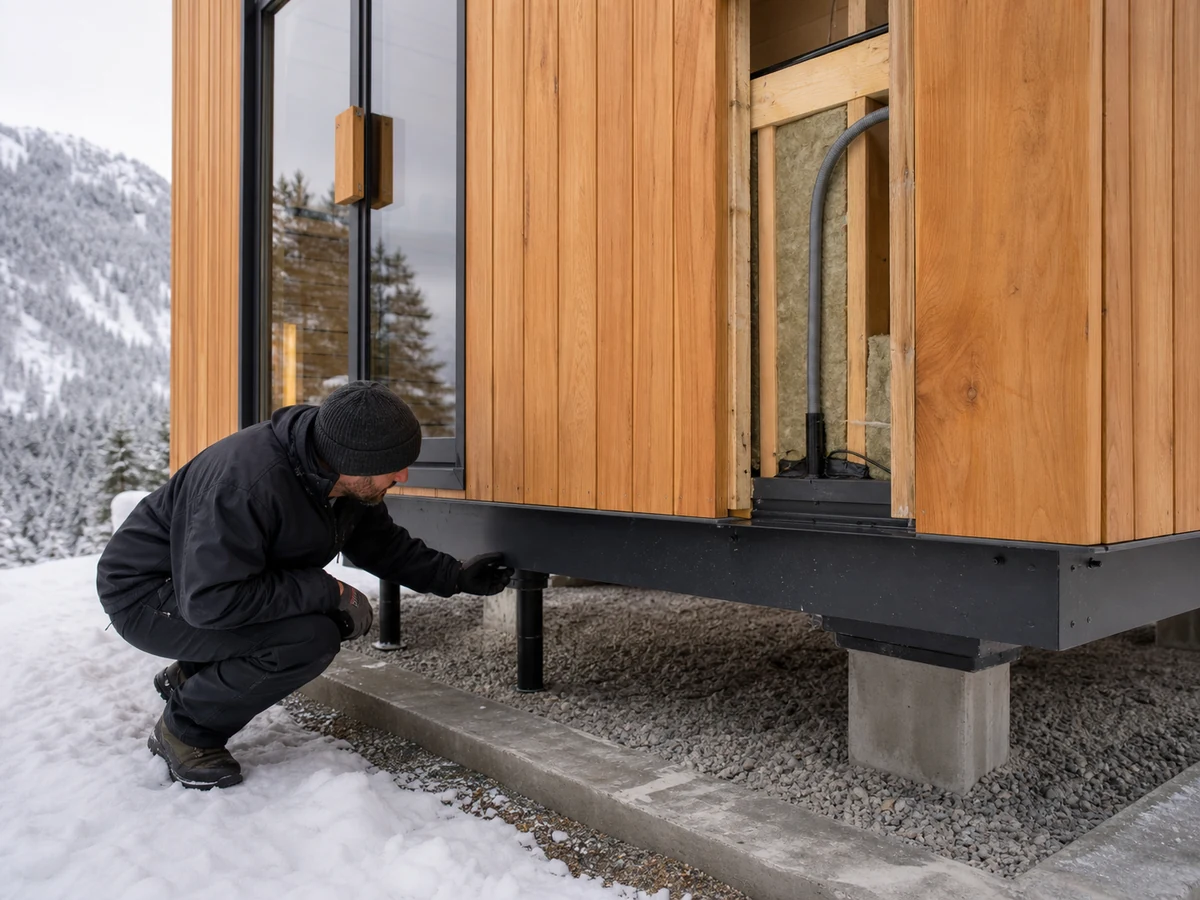
熱的・電気的想定の再確認
屋外条件によって、選択したサウナ周辺の熱環境や動作環境が変化する可能性がありますが、気候ラベルはヒーターのサイズを決める公式ではありません。 完成した加熱室の寸法、ガラスやその他の露出面、筐体の構造、予想される動作負荷、および異常な周囲条件を記録し、評価対象の正確な加熱システムに対して公開されているサイジング方法を適用します。
より詳細なサイジング ロジックについては、 サウナの熱設計とヒーターのサイジングガイド。 このガイドでは、幾何学的な部屋の体積、メーカー固有の表面調整、運用義務のレビュー、および最終的な電気的検証が分離されています。
寒冷気候は検討トリガーであり、万能な乗数ではない
寒いまたは風の強い屋外サイトでは、エンクロージャ、ウォームアップの期待、ドアの使用、および候補となるヒーターの文書化された部屋の範囲を詳しく検討する必要がある場合があります。 選択したメーカーが公表していないヒーター許容率を発明することは正当化されません。
電気要件は機器および管轄区域ごとに異なる
屋外配線では、天候への暴露、切断、筐体、ケーブル配線、またはローカル設置に関する考慮事項が追加される可能性がありますが、正確な要件は、選択した機器と管轄区域によって異なります。 最終的な導体のサイジング、過電流保護、切断、制御、センサー、および固定接続は、機器のマニュアル、該当するプロジェクトおよび地域の電気要件に従う必要があります。 気候やヒーターの kW だけから普遍的なブレーカーや導線の規則を導き出さないでください。
範囲を分けてください。このページでは、レビューが必要な可能性のある気候とサイトの入力情報を特定します。 熱設計ガイドはヒーターのサイジング ロジックを所有し、選択された機器の文書と責任あるプロジェクトの電気的レビューは最終的な電気的基礎を所有します。
気候仕様データシートの作成
最終的な製品の推奨をリクエストする前に、決定を変える可能性のあるサイト情報を収集してください。 各フィールドに次のマークを付けます 確認された, 推定 または まだプロジェクトのレビューが必要です.
- プロジェクトの場所: 都市/地域と正確なインストール設定(可能な場合)。
- 地域の気候インプット: 関連する温度範囲、雨、雪、風、湿度、太陽への曝露。
- 微気候: 近くの水、プールの水しぶき、樹木、屋根の流出物、壁、斜面、日陰、露出した風の通り道。
- 接地とサポート: 基礎の状態、仕上げ勾配、排水路、プロジェクトのレビューが必要な霜や沈下の問題。
- 製品の露出: 屋根/シェル、ドア、窓ガラス、貫通部、下部エンクロージャー、露出したハードウェア。
- ユーティリティ: 利用可能な電気コンテキスト、サウナへのルート、およびすでに定義されている屋外サービス インターフェイス。
- 操作: 予想される使用パターン、ドアの開閉頻度、および関連する商業的または集中的な使用の状況。
- メンテナンス: 点検、洗浄、仕上げ手入れ、保守可能なコンポーネントの交換のためのアクセス。
- ローカルプロジェクトの要件: 責任者が調整する必要がある既知の承認、構造、電気、または現場の要件。
気候仕様リリースゲート
| 確認する事項 | 見積もり依頼に進める条件 | 保留・要確認となる条件 |
|---|---|---|
| プロジェクトの場所は決まっていますか? | 実際の現場は、関連する気候と暴露情報を収集できるほどよく知られています。 | 国または広い地域のみが利用可能です |
| 正確な微気候は理解されていますか? | 近くの流出、水、構造物、斜面、日陰、風、アクセス条件が見直されました。 | 現地の状況によっては、エクスポージャーやサービスへのアクセスが大幅に変化する可能性があります |
| 主要な暴露カテゴリーは記録されていますか? | 雨、風、雪/霜、太陽、湿度、地面の湿気、海岸またはプールサイドの状況が関連するものとして扱われます。 | 物質的暴露は依然として不明であるか、一般的な気候ラベルに置き換えられつつあります |
| 製品とサイトの境界は明確ですか? | 含まれる気象部品、敷地排水、基礎、ユーティリティルート、メンテナンスアクセスが特定されています | 現場での作業により、製品の適合性、水路、または設置の前提条件が変更される可能性があります |
| 熱および電気に関する質問は正しく送信されていますか? | モデル固有のサイジングと電気的レビューのフラグが立てられています | 気候データは最終的なヒーターや電気設計の代替として使用されています |
見積依頼の準備ができました プロジェクトには、製品適合性のレビューと見積もりを明確にするために十分な気候と現場の情報があることを意味します。
保留 / 不足情報を確認 これは、未解決の曝露または現場の状況により、製品の選択、現場での作業、技術的レビュー、または責任の境界が依然として変更される可能性があることを意味します。
よくある質問
屋外用サウナの1つの仕様で、あらゆる気候に対応できますか?
いいえ、同じモデルルートでも、実際の場所と露出に応じて、異なる現場作業、気象範囲、構造または電気のレビュー、メンテナンス計画が必要になる場合があります。
寒冷気候はヒーターサイズの問題だけですか?
いいえ、寒冷地プロジェクトでは、霜、雪、氷、基礎の状態、屋根の排水、アクセス、排水、材料、ドアの使用、および運用上の予想の見直しが必要になる場合もあります。 ヒーターのサイジングは、選択したメーカーの方法を使用して、モデルおよびプロジェクト固有の個別のチェックを行います。
沿岸地域では自動的に 1 つの特定の材料が必要になりますか?
いいえ、塩分にさらされると腐食レビューの重要性が高まりますが、適切な材料、コーティング、ファスナー、メンテナンス計画は、実際のコンポーネント、暴露の程度、製品設計、プロジェクトの要件によって異なります。 一般的な「沿岸」ラベルに頼るのではなく、付属の材料スケジュールとメンテナンス手順を確認してください。
見積もりを依頼する前に、購入者は何を送るべきですか?
実際の現場の位置と露出、現場の写真または図面(可能な場合)、排水と基礎の状態、ユーティリティの状況、メンテナンスへのアクセス、予想される運用義務、および既知の現地プロジェクト要件を送信してください。
なぜ微気候は地域気候と異なるのでしょうか?
地域の気候は広範な気象条件を表します。 微気候は、近くの水、屋根の流出、壁、斜面、日陰、風口、プールの水しぶき、アクセス条件など、サウナがその場所で実際に経験することを表します。
気候仕様を保留すべき場合は?
未解決の暴露、排水、基礎、ユーティリティ、構造、アクセス、または責任の問題が製品ルート、現場作業、または技術レビューを変更する可能性がある場合は、保留してください。
気候固有のRFQを準備する
気候と正確な敷地露出、基礎、排水設備、公共設備、優先サウナルート、プロジェクトの制約を共有することで、HACHILL は確認済みのインプットを製品、敷地、または技術的なレビューがまだ必要な項目から分離できます。