Build an OEM supply programme around an existing HACHILL sauna, cold plunge or wood-fired hot tub. Tell us which product you want to use and what needs to change, from its finish and components to its documents and packaging.
We review the requested changes against the selected product before the order is agreed. Branding-focused work and new-product development have separate review paths, so you can start with the level of support your project needs.
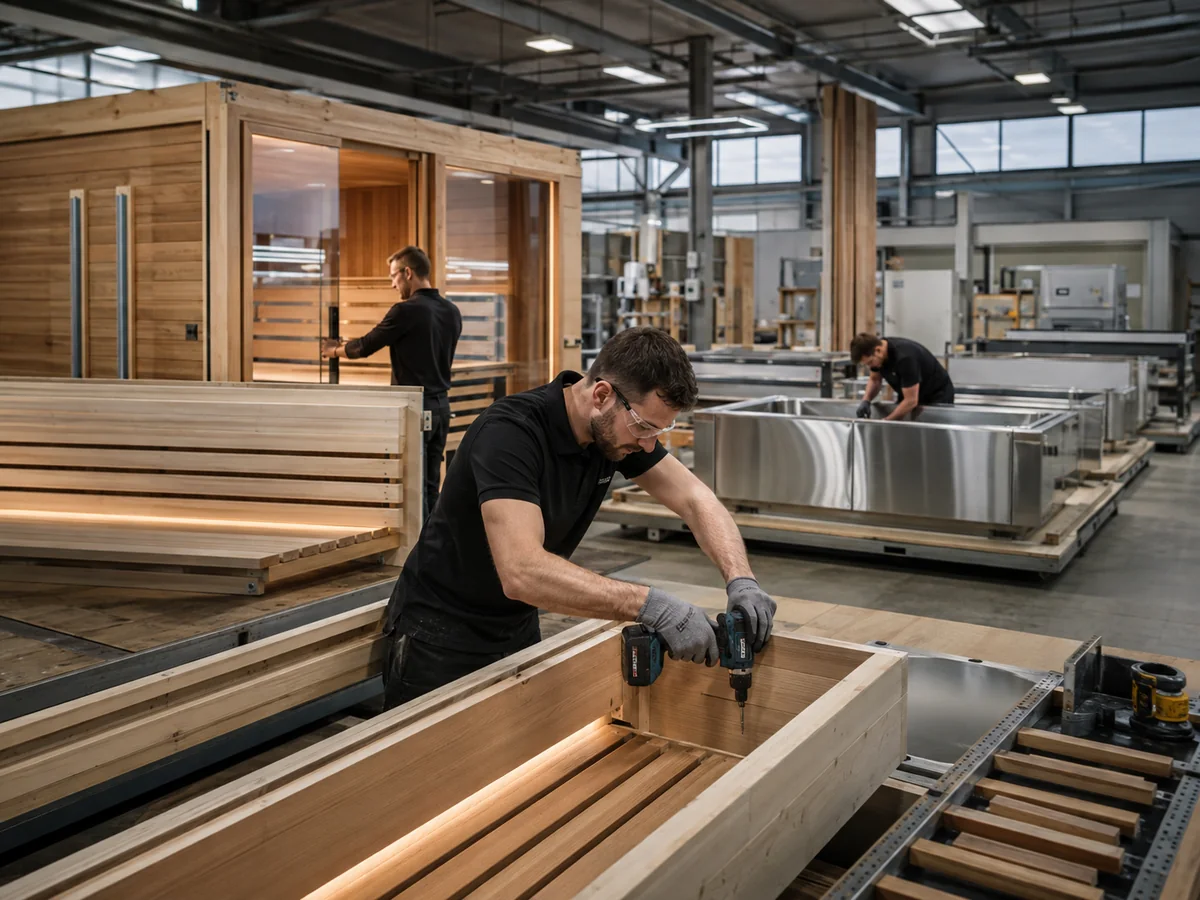
Representative manufacturing context. The actual OEM scope depends on the selected base product and requested changes.
The starting point is the product you have and the work it needs. Use these HACHILL service options to distinguish a change to an existing model, a branding programme and a new design.
Start with a defined HACHILL product and describe the finish, component, document or packaging changes you need. Review feasibility and the supply scope before treating a requested change as an available option.
Choose Private Label when the product remains the same and the main work is its branding, labels, manuals, packaging artwork or launch presentation. Confirm the files and permissions for the agreed programme.
Discuss ODM when your concept needs a materially new product or an unresolved design. Feasibility, drawings, sample needs and validation are scoped for the project rather than assumed to be included in an OEM order.
Sauna and cold plunge projects need different product details, even when they share the same purchasing process. Identify the current model or reference, separate requested changes from its confirmed specification, and use the relevant questions below to prepare your enquiry.
Start with a sauna model, drawing or room concept and explain the changes you need. For an established model, keep its confirmed specification separate from your preferences.
These are review inputs, not options offered on every model. A new room structure or unresolved heating arrangement needs development review before the supply scope is agreed.
Identify the cold plunge tub and any chiller, pump, filtration or controls proposed for the order. Explain which items you want supplied and which will come from another supplier.
Review changes to the tub and cooling arrangement together. Component availability, compatibility and new design work must be confirmed for the selected system; they are not assumed from the tub name alone.
For either product family, include the target market, sales channel, estimated quantity, required documents and preferred delivery timing. Identify branding and packaging requests separately from changes to the product.
For a wood-fired hot tub enquiry, name the existing tub and heater combination and the changes you want reviewed. Product-specific options, sample needs, prices and timing are confirmed for each enquiry.
A different finish and a new component do not require the same review. Check what each change affects, record the agreed specification and resolve any remaining responsibilities before production is confirmed.
Review dimensions, connections, component fit and sourcing for the selected product. Identify any buyer-supplied equipment and agree who checks its interfaces. A component change should not be treated as a direct replacement until the relevant product requirements have been reviewed.
List the manuals, labels, product information, accessory references and packing details affected by the change. Confirm the document versions, languages and destination requirements needed for the actual order rather than relying on files for a similar-looking model.
Keep the approved product configuration, documents and packaging references with the order. When a sample or drawing is used, record what it confirms. Review later changes before the next batch so a repeat order does not rely on an outdated reference.
Use the selected product and change list to discuss the drawings, interfaces and packing information the order needs. The images below show representative working contexts; they are not specifications or acceptance records for your project.
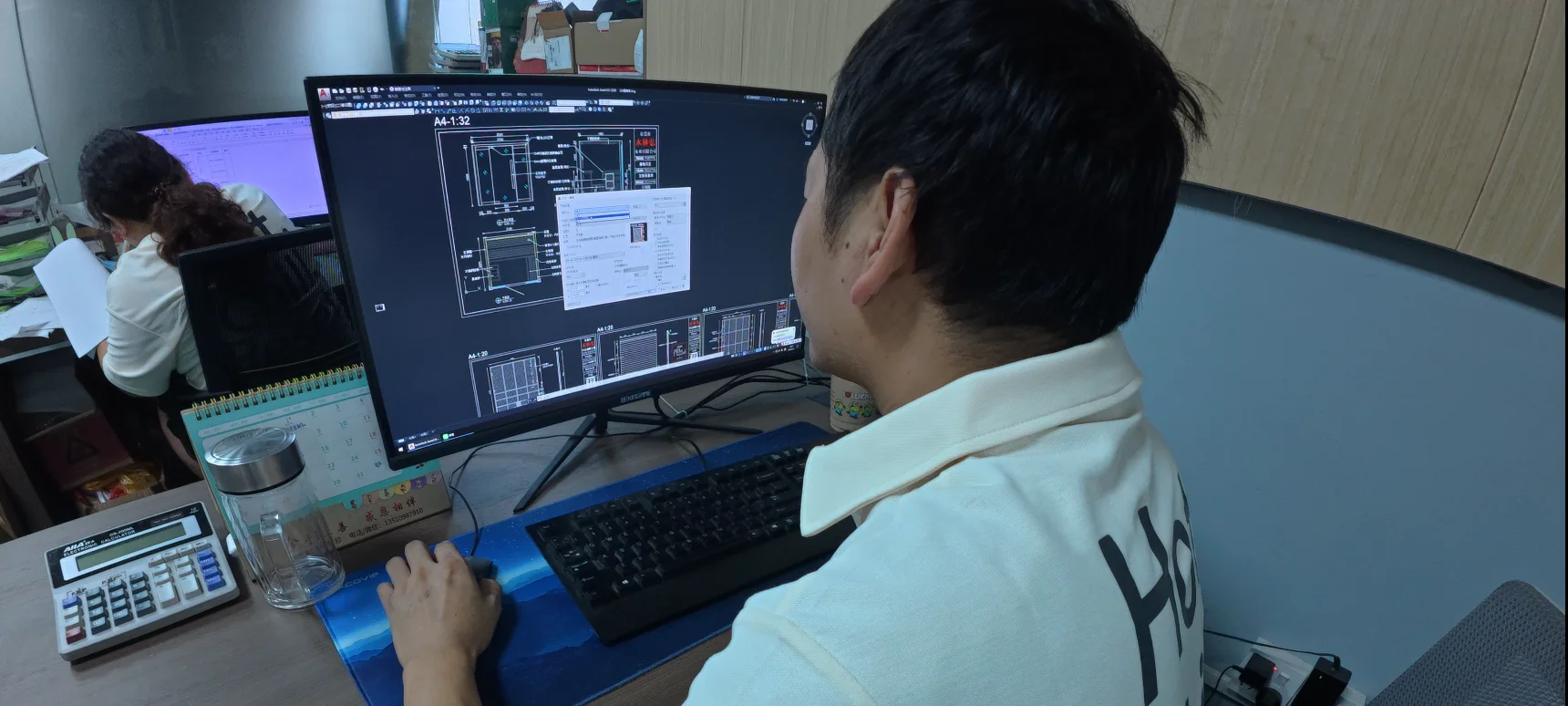
Representative engineering review context. Project drawings depend on the selected base product and the requested changes.
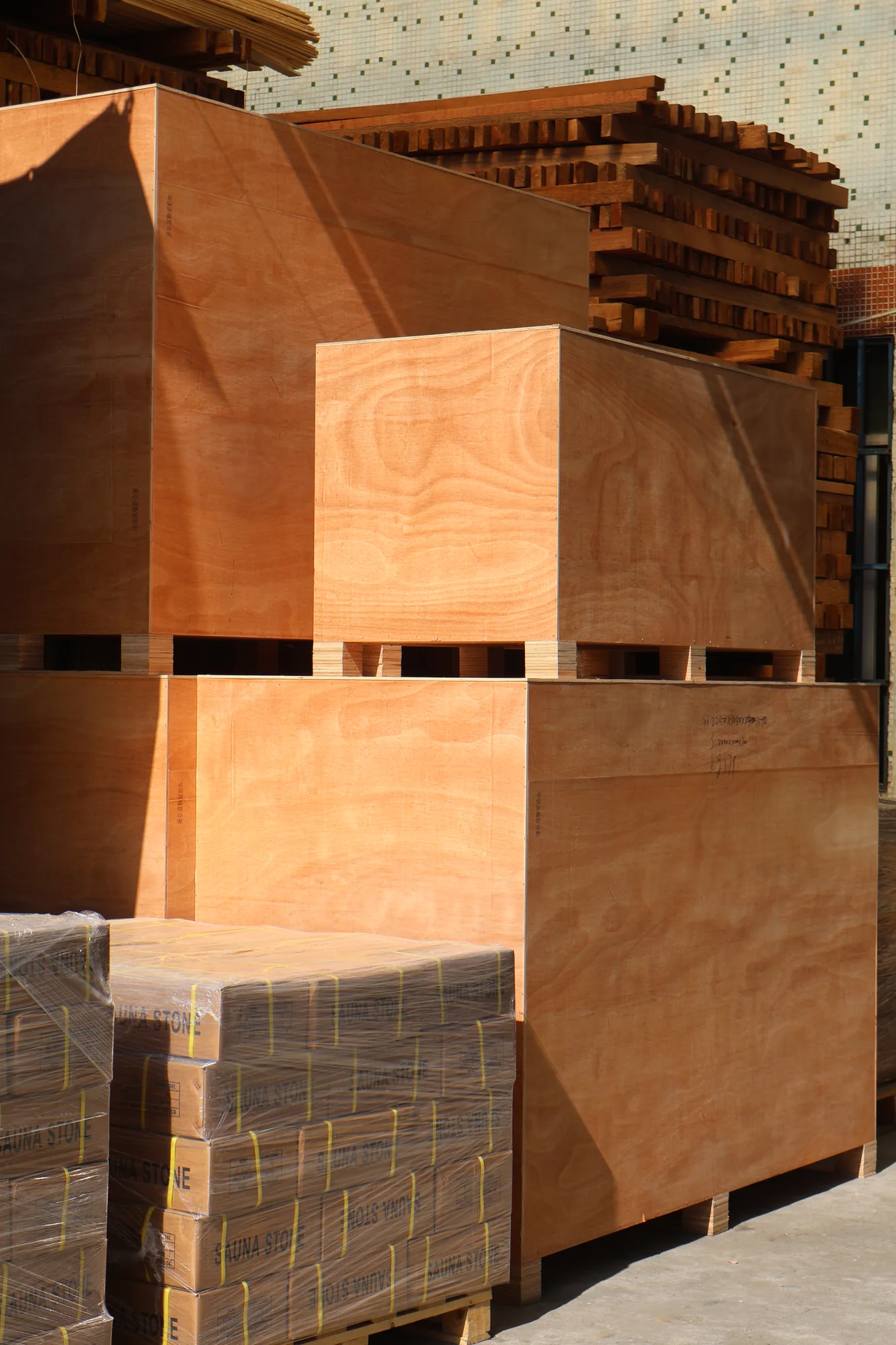
Representative packing example. Final packaging, marks, accessory identification and shipment details are defined for the actual OEM order.
For a new product concept, start with ODM development. For branding on a current model, review Private Label. Product Engineering and Packaging & Logistics can help you frame the technical and shipping questions relevant to the selected service.
Share the current product or model, your target market and quantity, and the changes you want reviewed. Reference photos or drawings can help distinguish an appearance preference from a functional requirement.
Include what you already know and identify anything still undecided. The enquiry starts a scope review; it does not turn every preference into a confirmed product option.