HACHILL quality review can cover materials and components, in-process assembly, product-specific interfaces, functional checks where applicable, appearance and final inspection depending on the selected product and order requirements.
The inspection scope should match the actual product. There is no single universal checklist that applies to every sauna, cold plunge or wood-fired hot tub.
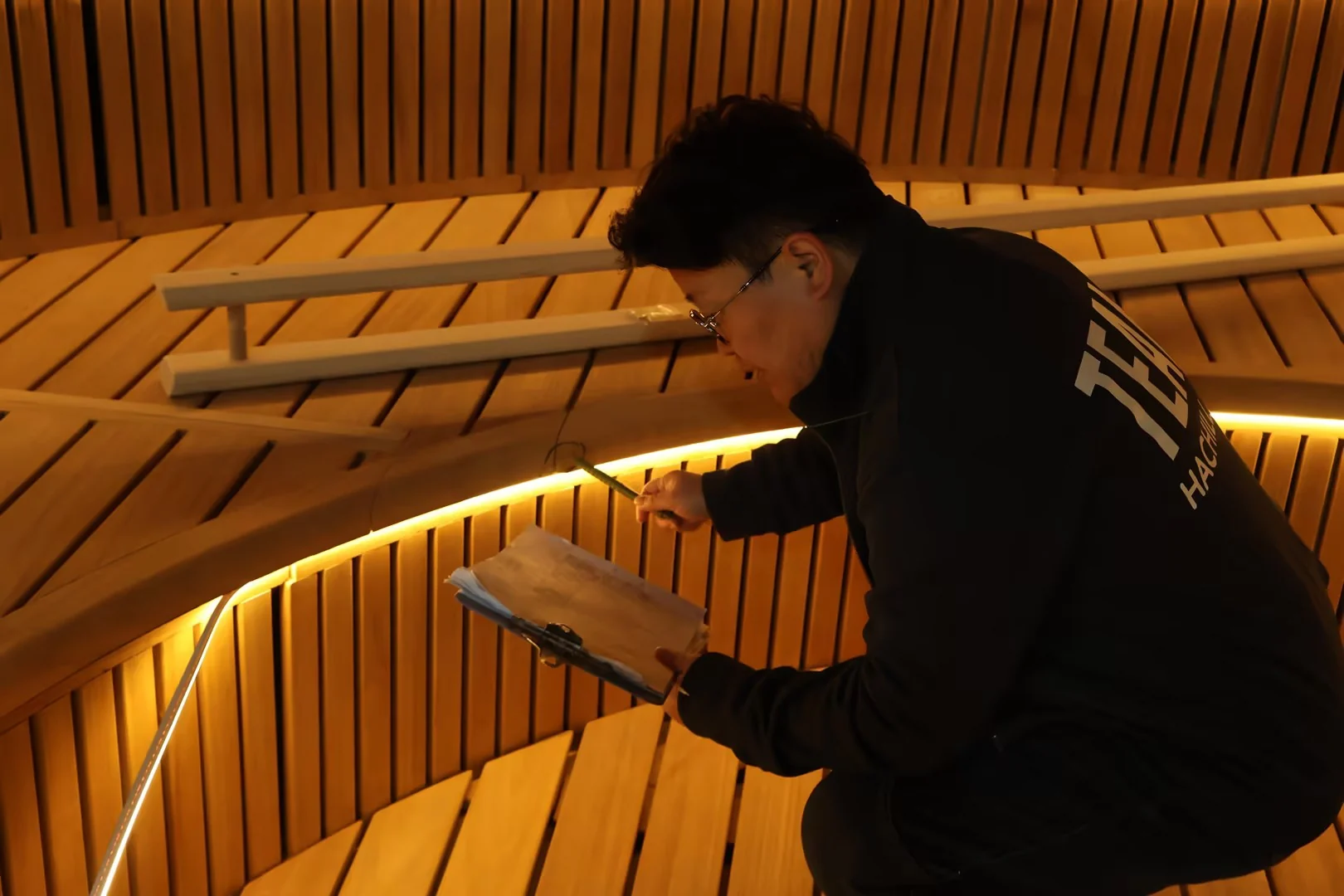
Representative production and inspection context. Actual checks depend on the selected product and order requirements.
Quality control is most useful when the inspection scope is tied to the actual product and the requirements that matter for the order. The goal is to check the right things, not to apply the longest possible generic checklist.
Start with the product family, model or project configuration, including the relevant revision or options when they affect what should be inspected.
Use the applicable specification, drawing, order requirement or agreed quality criteria to define what should be checked. Do not assume one checklist for every product.
Identify any order-specific inspection, documentation or destination requirements that affect the review. Unknown items should remain open rather than being guessed.
Inspection categories vary by product family and configuration. These examples show the kinds of checks that may be relevant; they are not a promise that every product uses the same inspection sequence.
Where relevant, inspection may review material or component identification, specification, appearance, quantity or other order-specific requirements.
Depending on the product, in-process checks may cover dimensions, fit, timber appearance, assembly condition, water-system interfaces or other product-specific features.
Where subsystem integration applies, review the actual configuration, relevant interfaces and assembly condition against the selected product requirements.
Where electrical or functional checks apply, use the relevant product requirement and an appropriate safe method. The exact coverage varies by product.
Inspection is only useful when the result is clear. When a check finds a problem, the issue should remain visible until the appropriate action or decision has been completed.
Keep the relevant inspection or test result connected to the product or order being reviewed, with enough context to understand what was checked.
Record the issue, review the affected requirement, complete the appropriate correction or decision, and confirm the result before treating the item as accepted.
Before shipment, confirm that the required checks are complete for the agreed scope and that unresolved quality issues have not been treated as closed by assumption.
Use Manufacturing for preparation, assembly, finishing and packing context. Use Quality Control when the question is what should be inspected and whether the selected product meets the relevant requirements.
These images show production and final-inspection context. They support understanding of the quality process but do not replace the specific requirements and records for an individual order.
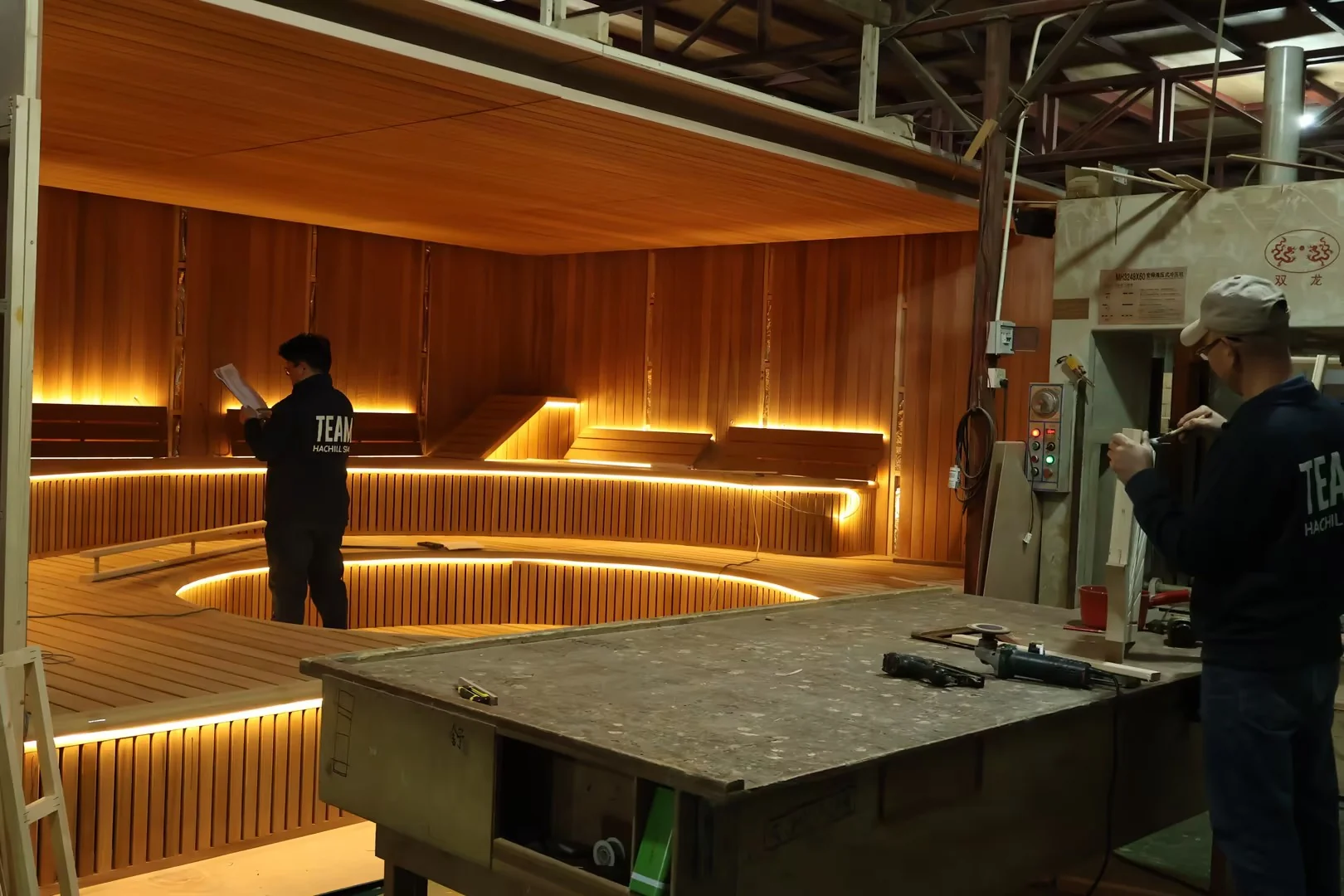
Representative final-assembly inspection context. The actual checklist and records depend on the selected product and order requirements.
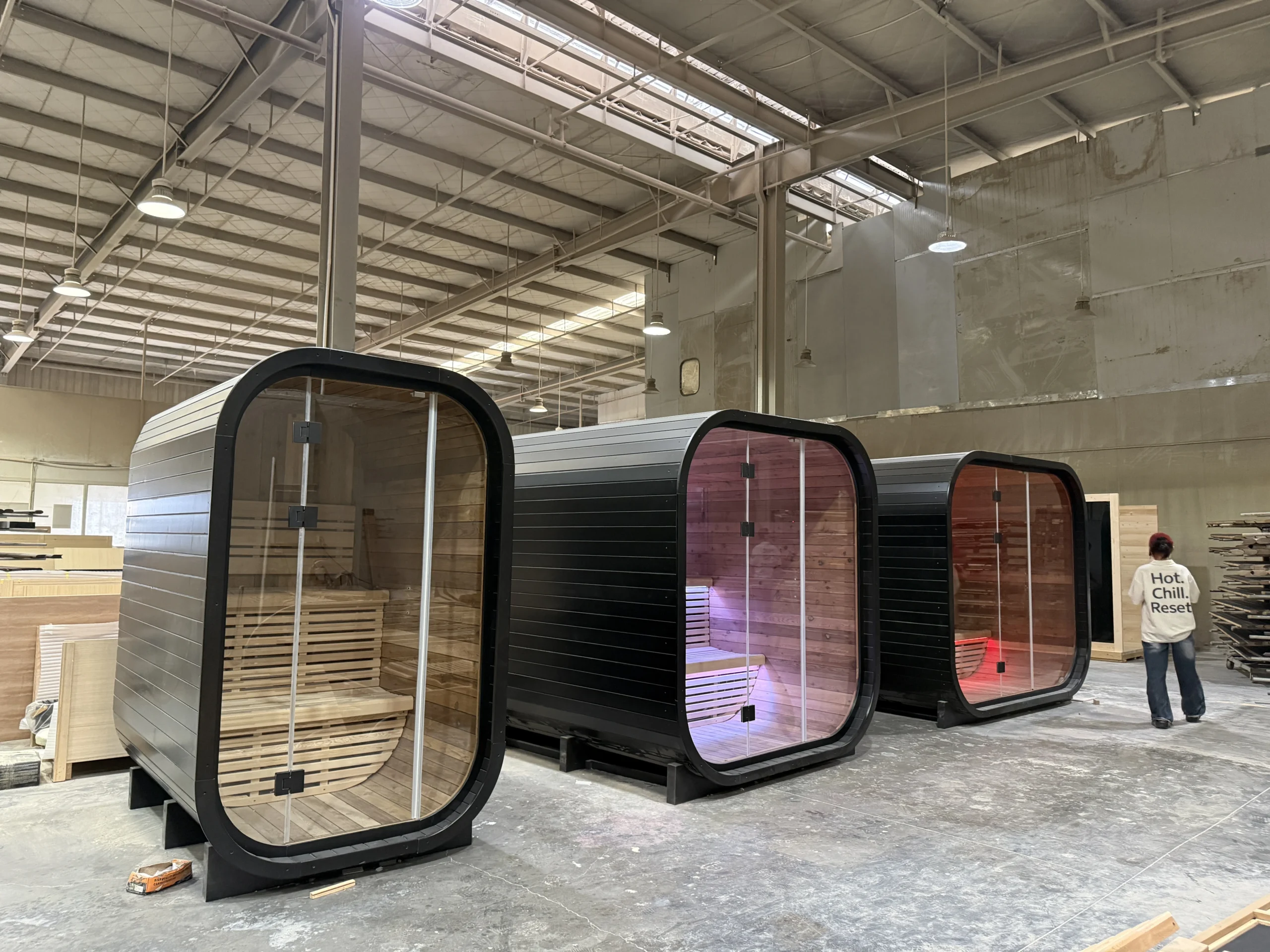
Representative completed-unit context. Final acceptance should follow the applicable product and order requirements rather than appearance alone.
Use Product Engineering for technical requirements and revisions, Manufacturing for production-process context, and Factory Tour for facility and workshop information.
Share the product or model, configuration, market or destination, order stage, current specification or revision if known, the checks you need reviewed, and any known quality issue or documentation requirement.