Plan packaging, labels, shipment information and destination receiving around the actual HACHILL product and order.
The packing method should reflect product size, fragile components, surface protection, moisture exposure, stacking, handling conditions, destination and whether accessories or assemblies ship separately. Freight comparison should use the packed order rather than bare-product dimensions alone.
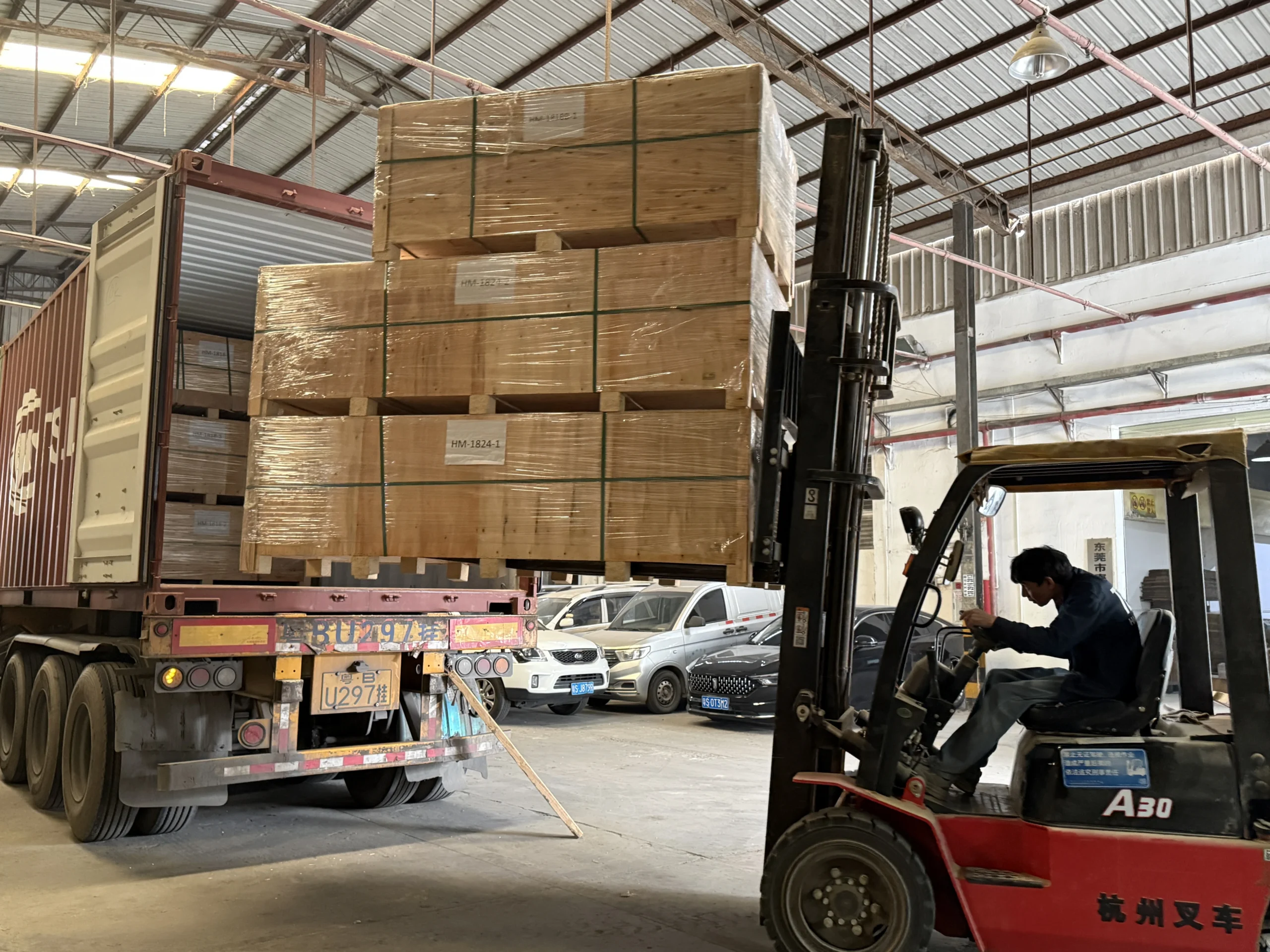
Representative export-packing example. Final packing method, dimensions, weights, marks, contents and shipment responsibilities are order-specific.
For: procurement and supply-chain teams planning export handling, delivery and receiving for a selected product or order.
Use one consistent packing basis for the packing list, package marks, packed dimensions and weights, shipment terms and receiving information.
Identify the selected product or family, configuration, quantity and whether the shipment is assembled, knock-down or includes separately packed accessories.
Record product dimensions, fragile elements, timber or finish protection needs, moisture exposure, stacking assumptions and the handling conditions that may affect package design.
Confirm destination, loading assumptions and the applicable shipping or Incoterm basis where used, including responsibility for transport, unloading and receiving.
Define destination handling, unloading constraints, package or accessory count, receiving checks and how visible damage or shortages should be documented.
Packed dimensions, weights, package count, accessory scope, loading basis and destination handling can materially change freight planning. Confirm those details before treating a transport comparison as final.
Use the applicable packed dimensions and weights for transport comparison. Bare-product dimensions alone are not enough for final freight planning.
Confirm how many crates, cartons or separately identified accessory groups are included and how they will be matched against the packing list.
Confirm loading assumptions, destination, shipping terms or Incoterm basis where applicable, and responsibilities for transport and receiving.
Confirm unloading constraints and the process for checking package count, visible damage and shortages at destination. Any transport-related remedy depends on the applicable shipment and case details.
Packing photographs can help buyers understand protection, package form and accessory identification. Final shipment planning should follow the current order’s packing and shipping information.
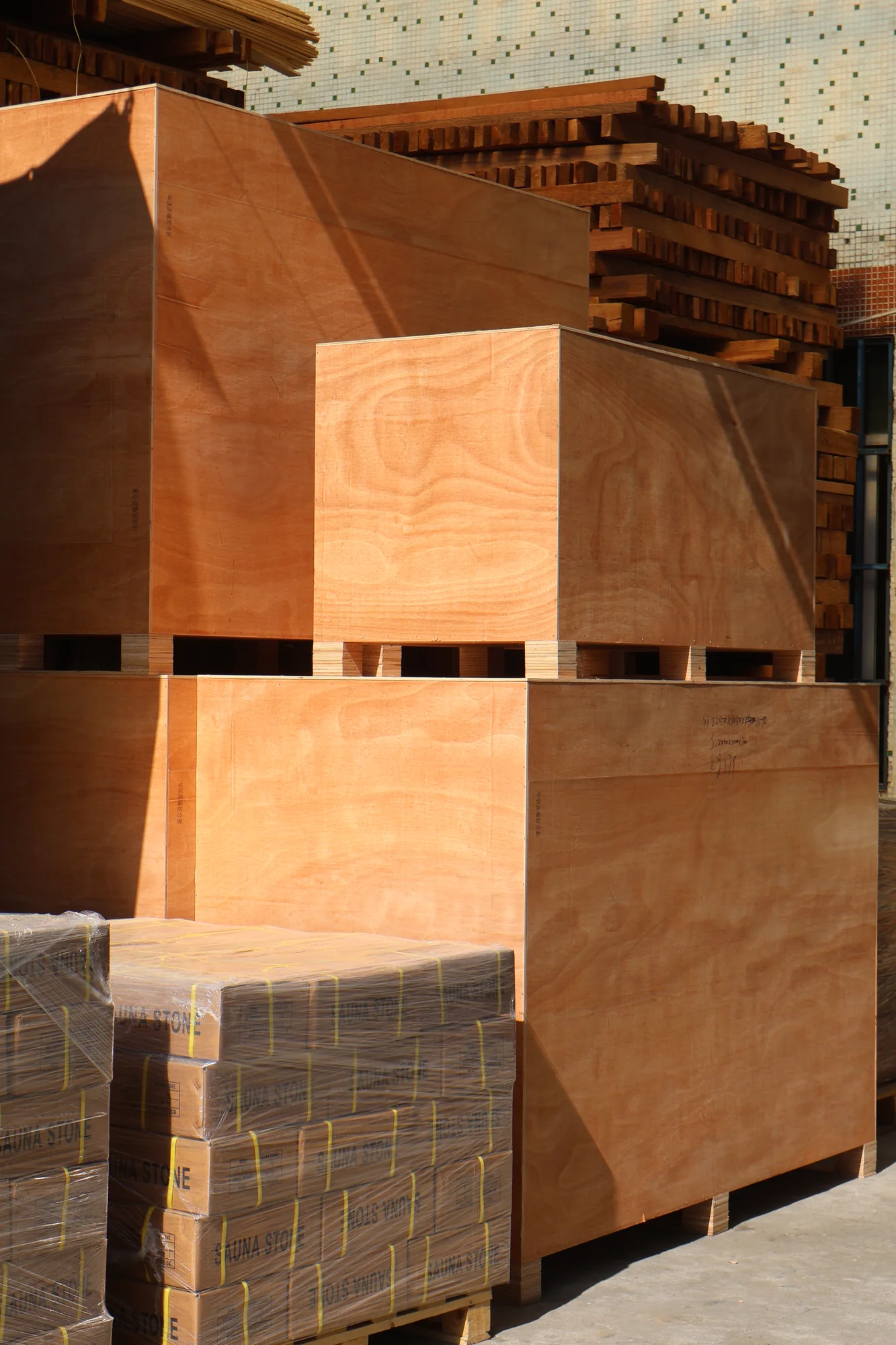
Representative export-packing example. Use it to discuss protection, handling and package form; the current order is defined by its actual packing list, marks, package count, dimensions and weights.
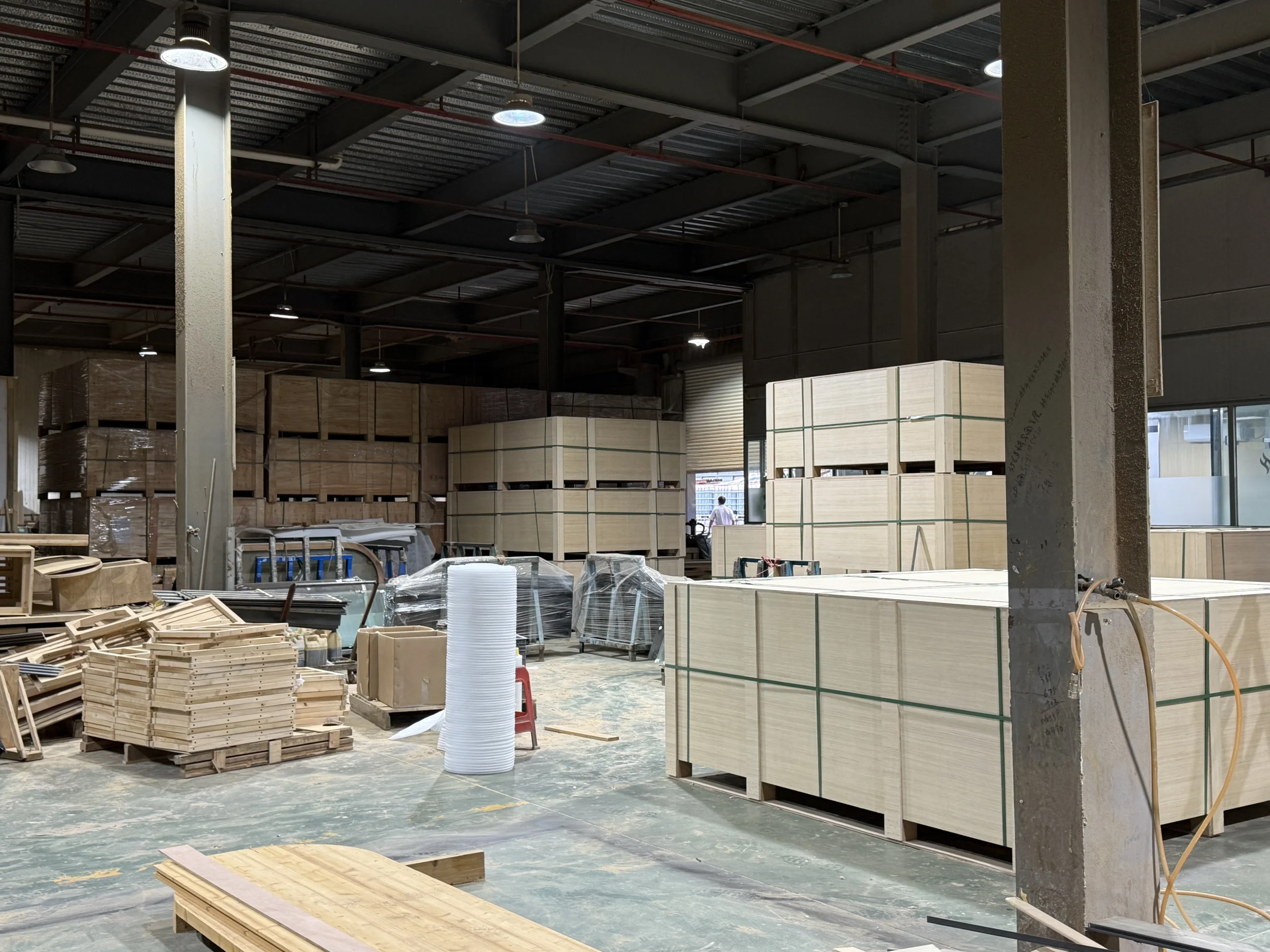
Representative component-staging example. Labels and the packing list should identify the actual loose accessories or separately packed items included with the shipment.
Use these resources when the next question concerns quality documentation, branded packaging, receiving-site installation or post-delivery product support.
Review Quality Control when packing-related inspection information or order-quality documentation is part of the procurement review.
Use Private Label when packaging artwork, brand marks, manuals or labels are part of a branded product program.
Use Installation Support when the receiving site needs clarification on access, storage, placement, assembly or local installation conditions.
After receiving is complete, use After-Sales for product, parts or service cases that require order-specific follow-up.
Send the selected product or family, quantity, packing form, destination, fragile or separately packed items, label or document requirements, packed-dimension questions, loading basis, shipping terms and receiving constraints.
If your enquiry includes packing lists, drawings, labels or logistics documents, describe them in Project Requirements so the relevant files can be reviewed with the order.