Build a branded sauna or cold-plunge program from a current HACHILL product, then align the brand assets, labels, manuals, packaging and market requirements around that product.
Private Label is best suited to brand presentation around an existing product. Broader product or component changes belong in OEM, while materially new product requirements belong in ODM.

Representative product-review context. Final branding, labels, documents and packaging depend on the selected product and agreed private-label program.
Keep the base product clear. Branding-focused work belongs in Private Label; broader changes to an existing product belong in OEM; materially new product requirements belong in ODM.
Use Private Label when the current sauna or cold-plunge product remains the base and the main work is branding, labels, manuals, packaging and market presentation.
Use OEM when the established product needs broader reviewed changes to finishes, components, configuration, documentation or packaging.
Use ODM when the requirement cannot be met through an existing product configuration and needs feasibility, design, sample or prototype and validation work.
Use the Private Label Brands solution page when you are still defining target market, brand position and product-family direction. Use this service page once a current product direction is clear and the work is the branded product implementation.
A useful private-label quotation starts from the same product, market, quantity basis and brand requirements. Confirm any unresolved commercial or market-document questions for the actual program before relying on them.
Identify the current sauna or cold-plunge family or preferred model, target market, intended sales channel, relevant electrical-market inputs and quantity or repeat-order context.
Provide authorized logos, brand colors, label or nameplate copy, barcode data, claim wording and the buyer-owned files needed for the branded product.
Confirm required manual languages, warnings, model references and destination-document questions for the selected product and target market.
Repeatable private-label supply depends on using the right product with the right branding, labels, manuals and packaging. Representative project images can help frame the discussion, while the actual program is defined by the selected product and confirmed brand requirements.

Use market context to discuss presentation and buyer fit. The private-label program should still remain tied to the selected product and its confirmed brand assets.
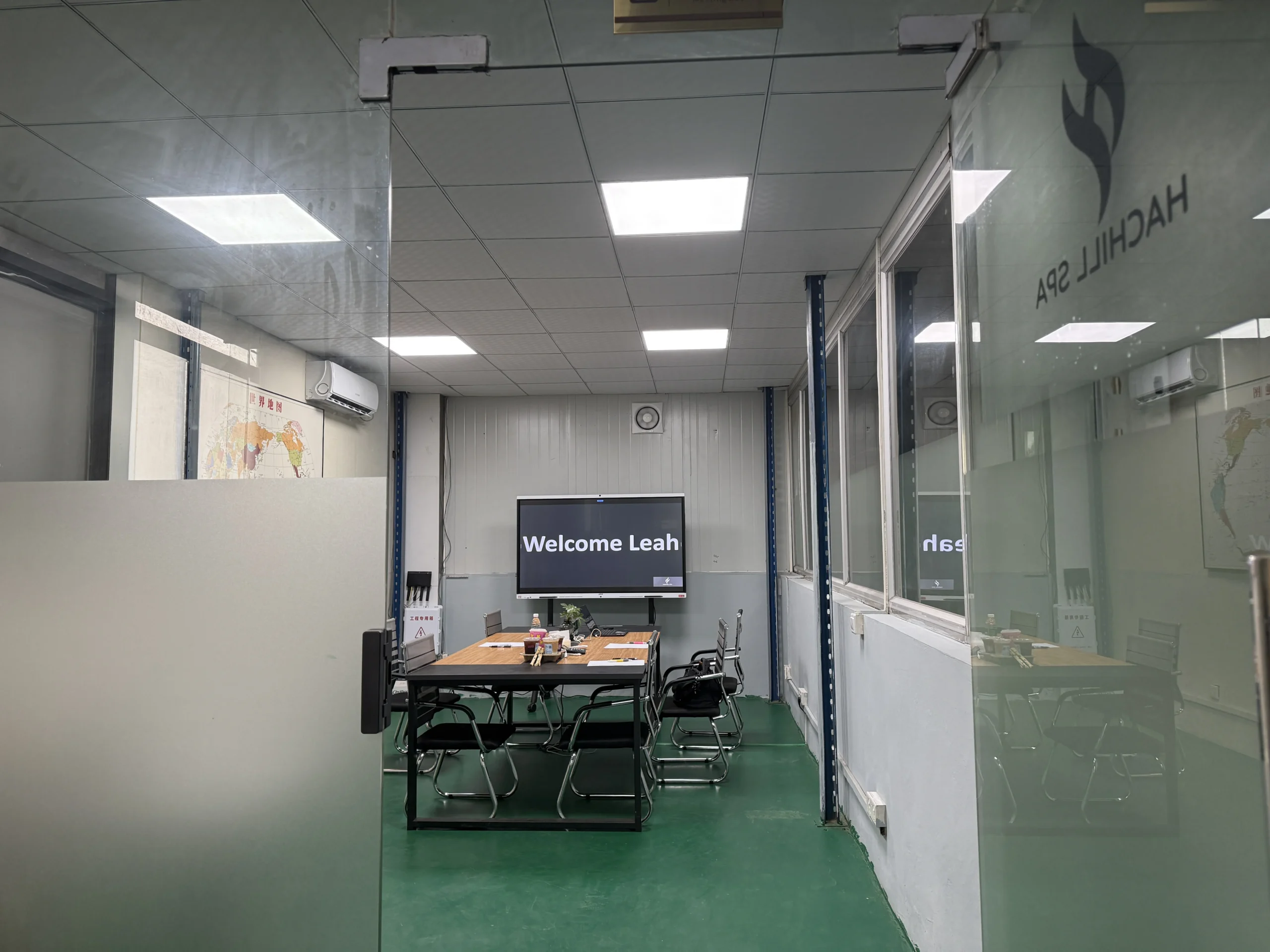
Inspection and quality records depend on the selected product and agreed order requirements. Use the appropriate quality review when deeper inspection questions need to be resolved.
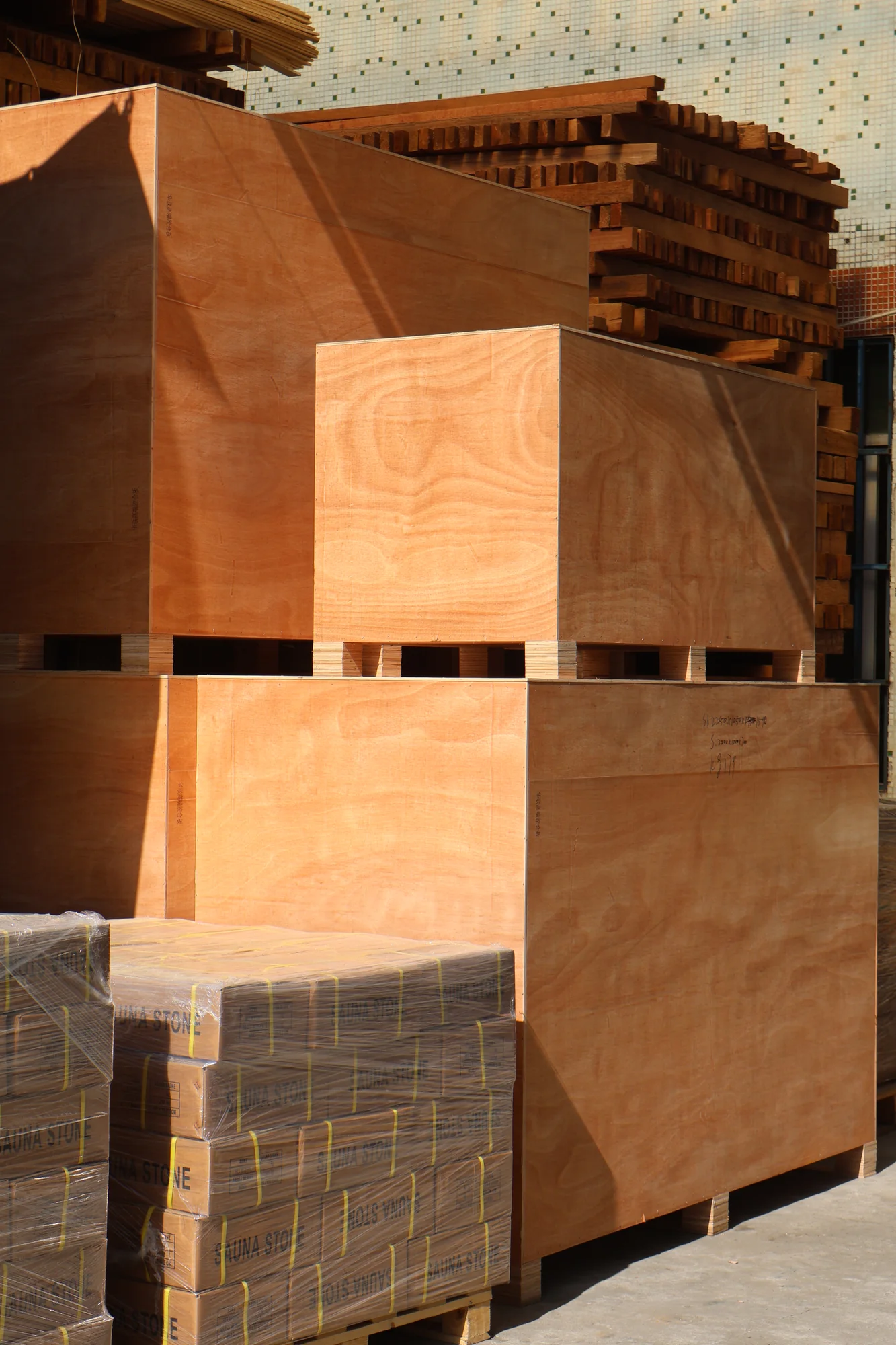
Packaging artwork, marks, accessory identification and protection should match the selected product and the current branded program.
Define packaging artwork, marks, accessory identification, destination, delivery constraints, target timing and commercial questions. MOQ, sample timing, batch timing and availability remain program-specific until confirmed.
Private-label repeatability comes from keeping product identity, artwork, labels, manuals and packaging aligned from one order to the next. Timing and quantity remain specific to the selected product and current program.
Start repeat orders from the current product model and the same agreed brand scope rather than relying on an older assumption or a visually similar product.
If materials, components, artwork, labels, manuals or packaging change, confirm those changes before the next order so the branded product remains consistent.
Use OEM Manufacturing for broader reviewed product modifications and ODM Product Development when the requirement becomes a materially new product. Use the Private Label Brands solution page if brand and product-range planning is still the main question.
Send the target market, current product family or preferred model, quantity basis, relevant electrical-market requirements, branding files, labels, manuals, packaging requirements, destination-document questions and target timing.