Choose between HACHILL’s two Upright cold plunge models by comparing their circular footprint, material combination and entry arrangement.
CT12 is the smaller-diameter stainless Upright at Ø850 mm externally. CT15 increases the external diameter to Ø960 mm, combines Thermo Spruce + 304 stainless steel, and includes a Step in its listed setup.
Both models are designed for use with an external cooling system, allowing the tub, cooling equipment and project configuration to be planned together.
For: distributors, recovery brands, gyms, wellness facilities and commercial projects evaluating an Upright tub format.
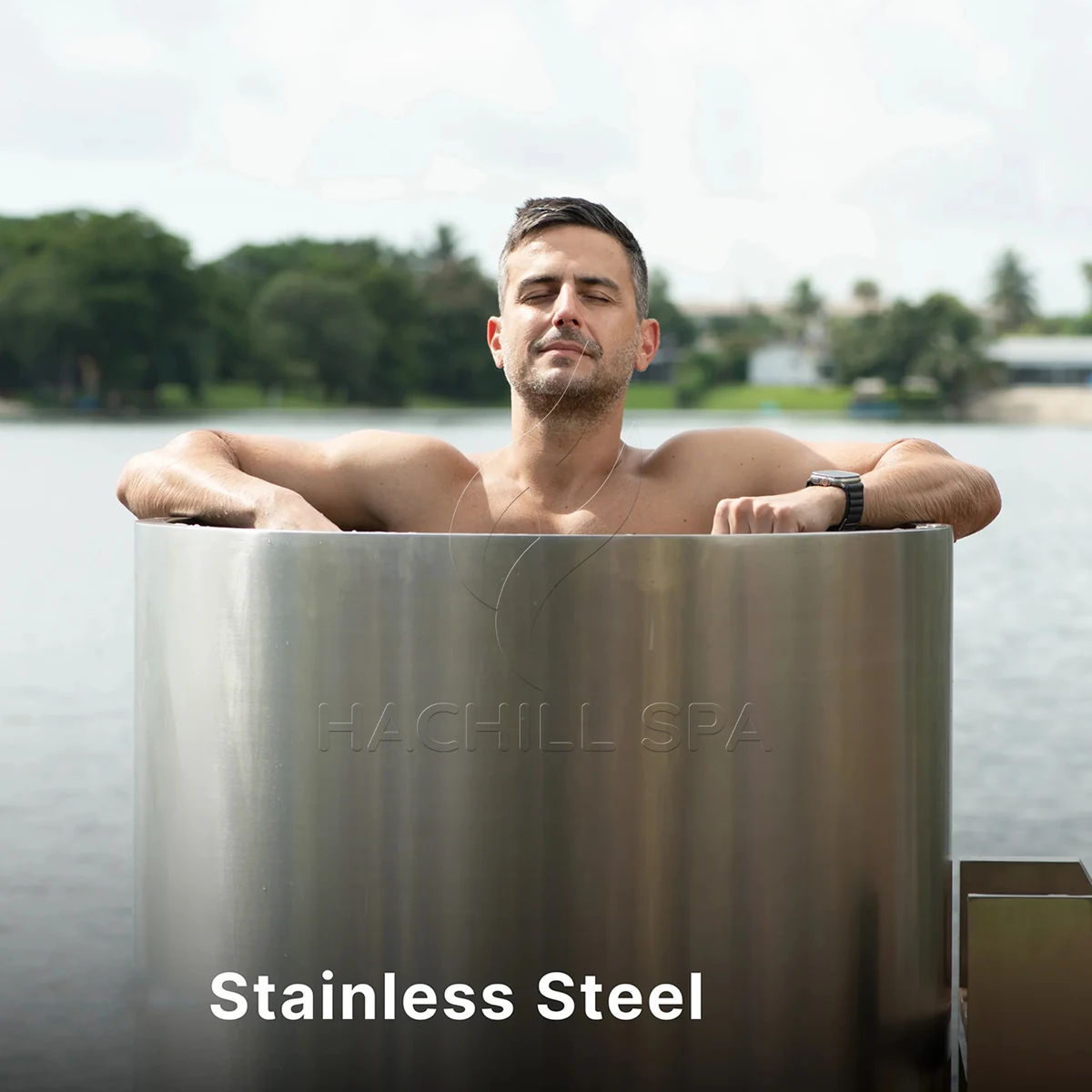
CT12 and CT15 are HACHILL’s two Upright cold plunge models. Start with footprint and material: CT12 is the smaller Ø850 stainless option, while CT15 uses a larger Ø960 body with Thermo Spruce + 304SS and a listed Step.
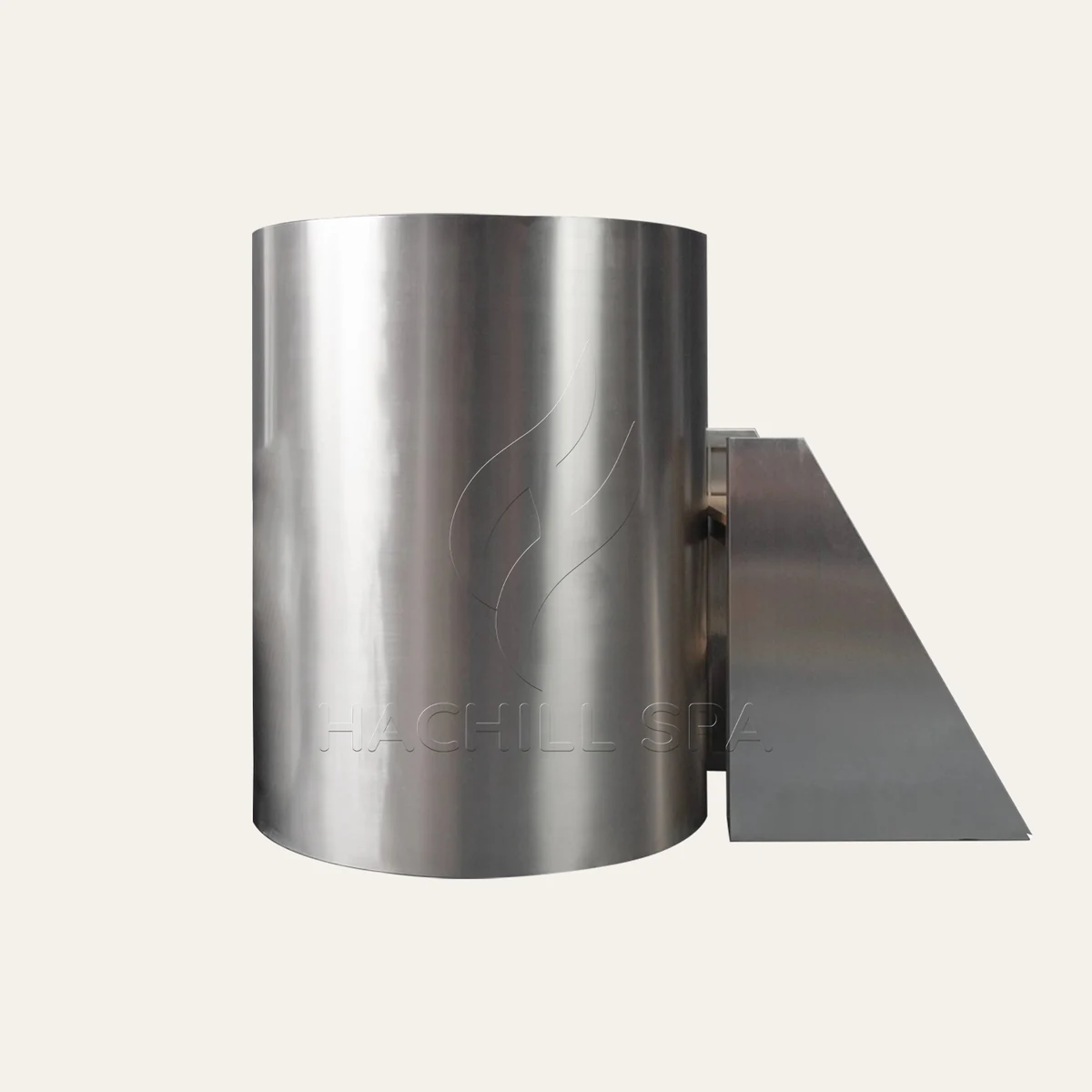
Ø850 × H1100 mm · 304 Stainless Steel · Internal Seat
Smaller-diameter Upright for projects that prefer a compact circular footprint and stainless construction.
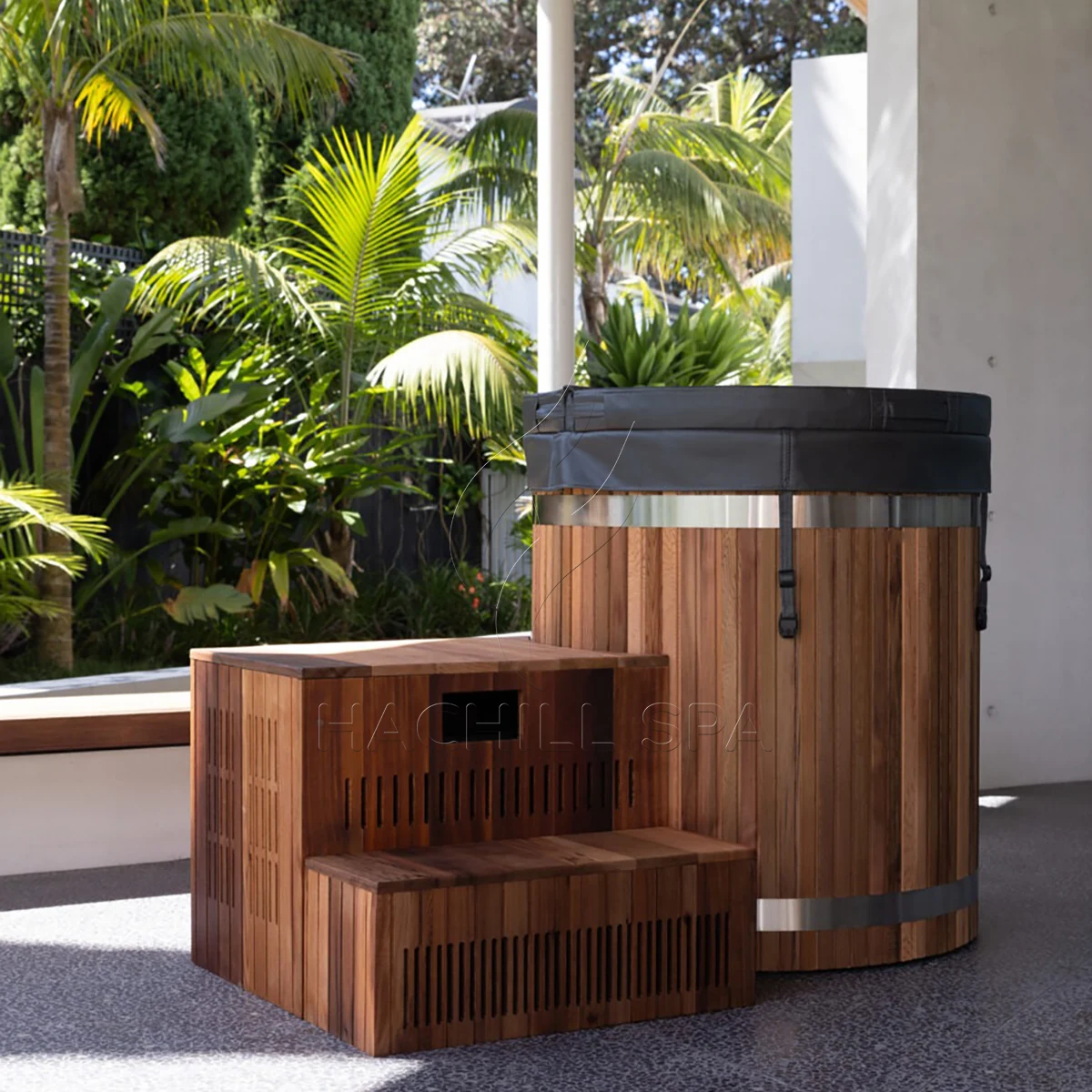
Ø960 × H1030 mm · Thermo Spruce + 304SS · Step + Internal Seat
Larger-diameter Upright for projects that prefer a Thermowood exterior direction and a listed Step.
Both models use an Upright body format, but their dimensions, materials and entry arrangements create different site-planning choices.
| Comparison | CT12 | CT15 |
|---|---|---|
| Format | Upright | Upright |
| External Dimensions | Ø850 × H1100 mm | Ø960 × H1030 mm |
| Internal Dimensions | Ø780 × H935 mm | Ø900 × H920 mm |
| Material | 304 Stainless Steel | Thermo Spruce + 304SS |
| Internal Seat | Listed | Listed |
| Step | Not listed in setup | Listed |
| Cooling | External cooling system | External cooling system |
Start with CT12 when the project favors the smaller Ø850 mm circular footprint and stainless construction. Start with CT15 when the Ø960 mm footprint fits and Thermo Spruce + 304SS with a listed Step better matches the project.
After choosing the Upright format, review how CT12 or CT15 will sit within the surrounding space rather than looking only at tub diameter.
Check user approach, entry side, surrounding circulation, cover movement, nearby walls or fixed equipment, and the water and drainage connections around the selected tub.
CT12 uses the smaller Ø850 mm body and includes an internal seat. Use its exact dimensions and product views when deciding where the tub will sit and how the user will approach it. A Step is not listed in the CT12 setup; plan any entry accessory separately if the project needs one.
CT15 includes a Step in its listed setup. Plan the Step together with the Ø960 mm tub body, intended entry side, surrounding walking space and nearby permanent construction.
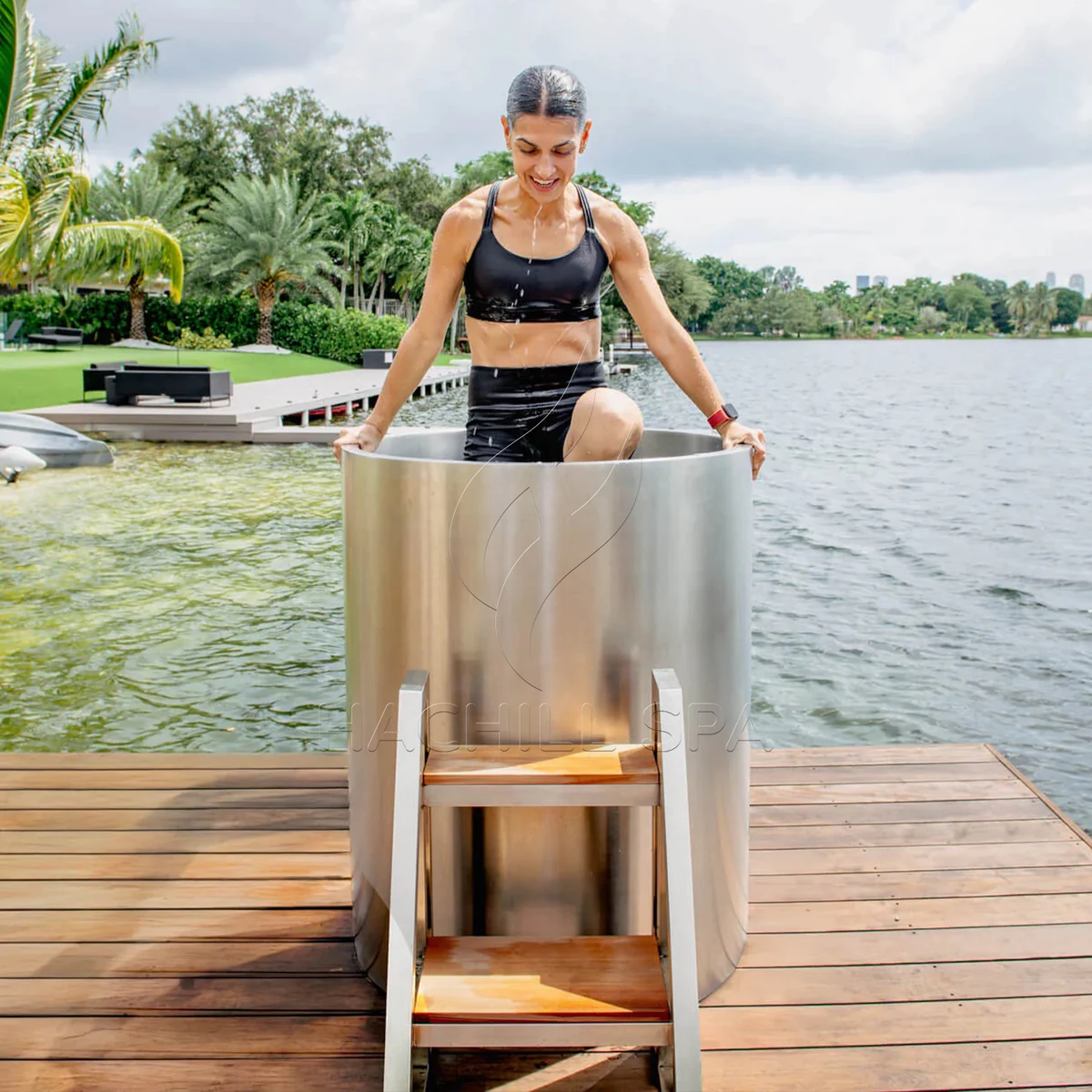
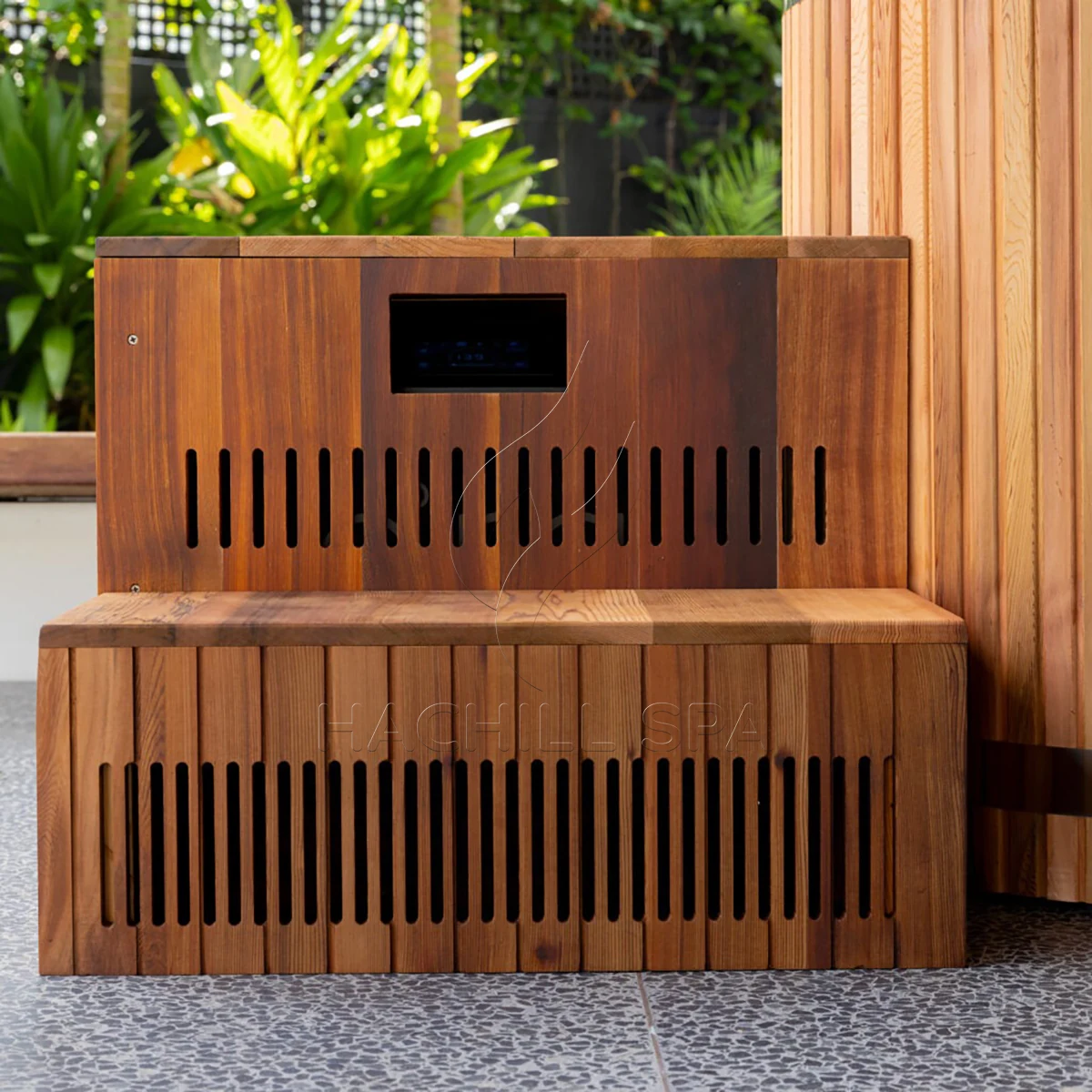
CT12 and CT15 both provide inlet, outlet and drain connections and are designed for use with an external cooling system. Plan the tub position, drainage and external equipment as parts of one installation layout.
Coordinate the selected tub position with inlet and outlet connections, drainage, nearby walls and the proposed location of the external cooling equipment.
Include the drain connection in the site layout and keep the drainage path practical for the selected wet-area arrangement.
The external cooling equipment needs its own suitable location in addition to the CT12 or CT15 footprint. Cooling temperature and performance depend on the external cooling and water-system configuration selected for the project.
Start with CT12 when a smaller Ø850 mm circular footprint, 304 Stainless Steel and an Upright tub with an internal seat best match the project.
Start with CT15 when the Ø960 mm footprint fits, Thermo Spruce + 304SS is preferred and the listed Step suits the intended entry arrangement.
If body format is not settled yet, return to the main Cold Plunges range. You can also review Laydown Cold Plunges or Thermowood Cold Plunges from there.
Send the project information needed to compare CT12 and CT15 or prepare a quotation for the selected model.
For OEM or order-specific requirements, you can also review OEM Manufacturing and Quality Control & Inspection.
Use these resources after narrowing the tub choice when the project needs more detail on cooling-system matching, operating settings or installed-system cost.
Review how the selected tub and external cooling equipment need to work together as one project configuration.
Review the operating factors that affect the selected cooling-system configuration and measured water conditions.
Review the main tub, cooling-equipment and installation areas that can affect total project cost.