Start with the product, order reference if available, and the issue you are seeing. HACHILL can then review the relevant product information, operating context and replacement-part requirements to identify an appropriate support next step.
Warranty, replacement, refund, free-parts and other commercial outcomes depend on the specific case and applicable sales terms; submitting a request does not confirm any of those outcomes.
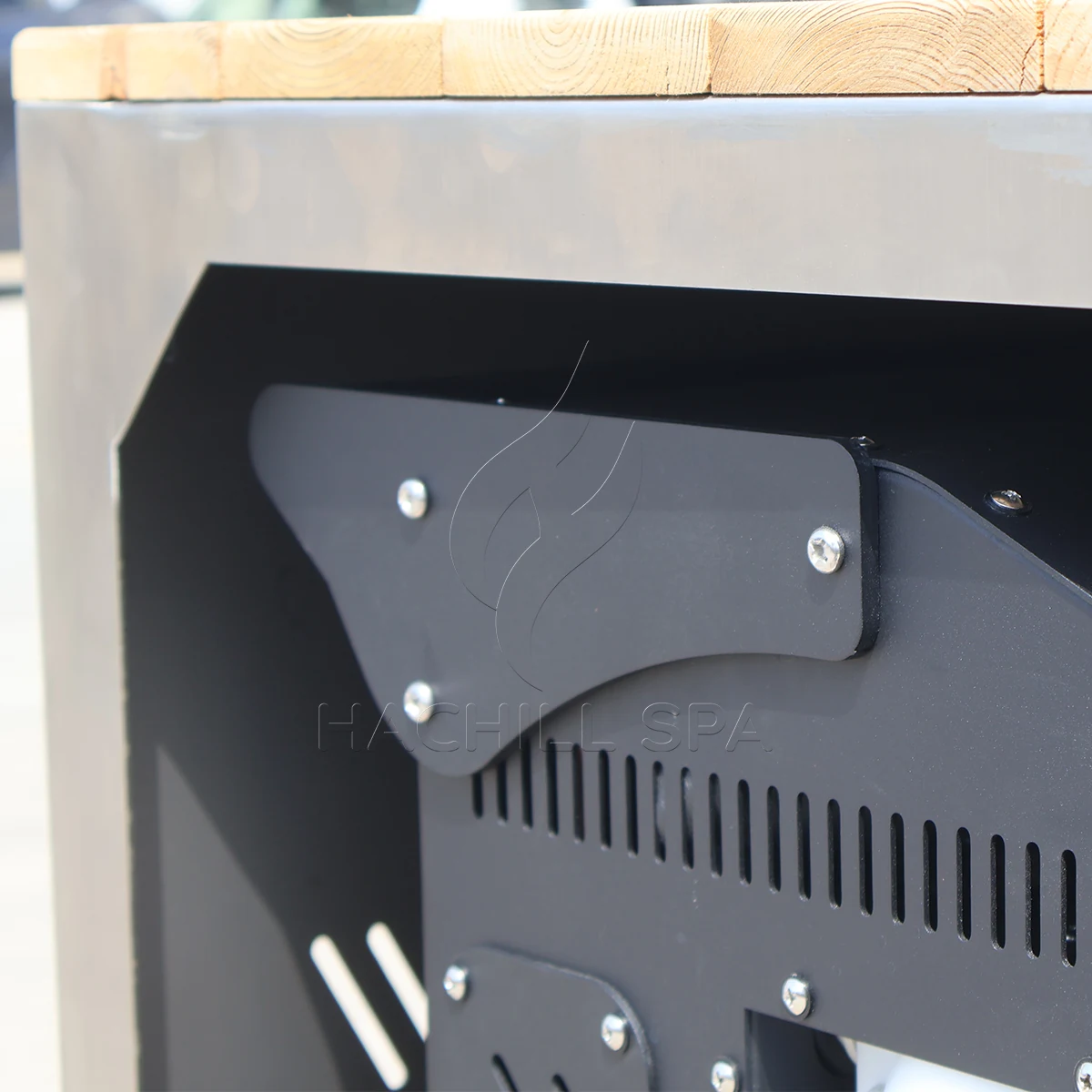
Representative service context. Actual diagnosis and replacement-part requirements depend on the specific product and reported issue.
A useful support request starts with the supplied or installed product identity and a factual description of the issue. Photos or videos can help when they can be gathered safely.
Provide the order reference where available, product model, relevant revision or configuration, market/version and the affected assembly before parts or corrective-action review.
Describe what you observe, when it occurs, frequency or duty context, displayed alarms where applicable, and any operating conditions that help explain the situation.
Share installation context, operating history, recent interventions and maintenance information that may be relevant. Unknown history can simply remain unknown.
State whether you need issue review, part identification, compatibility confirmation, corrective-action guidance, document clarification or another case-specific support decision.
Start with what the product is doing rather than what you think has failed. The same symptom can have different causes depending on product configuration, installation, operation, maintenance and recent changes.
Record visible symptoms, alarms, sounds, leaks, temperature behavior, timing and frequency without converting those observations into an assumed diagnosis.
Share recent installation work, cleaning, maintenance, component changes, unusual duty conditions or other events that may help narrow the review.
Replacement-part selection should be tied to the actual product and affected assembly. A visually similar part is not enough to establish compatibility.
Check the product model, configuration or revision, affected assembly and any available part identifier before selecting a replacement.
Once the issue and part requirements are better understood, the next step may be information review, compatible-part confirmation, qualified local service or another case-specific action.
Support information can help structure the review, but it does not replace case-specific product information or qualified technical work. Keep the identified issue, confirmed part or corrective action and relevant checks available for future reference.
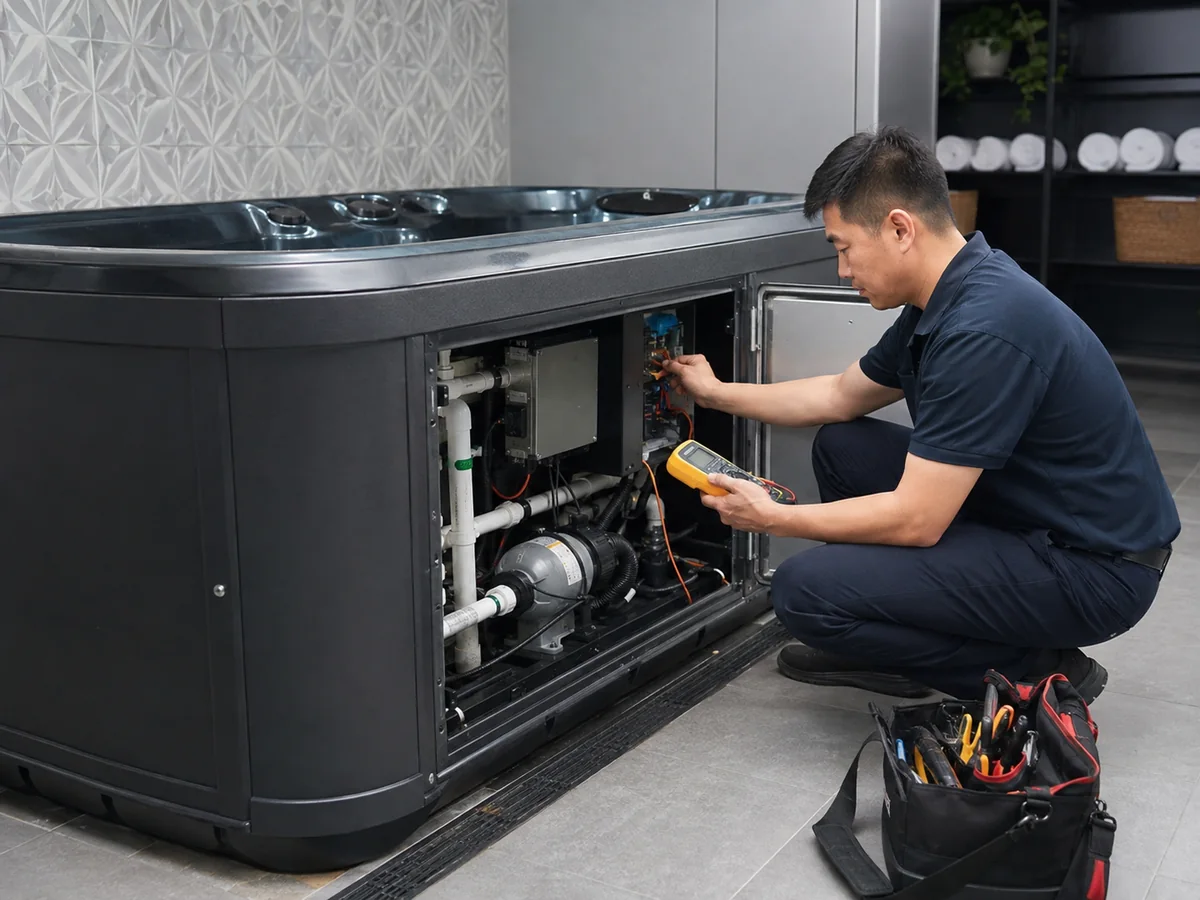
Actual diagnosis depends on the product, symptoms, available measurements and qualified service boundaries. Do not perform hazardous disassembly only to collect evidence.
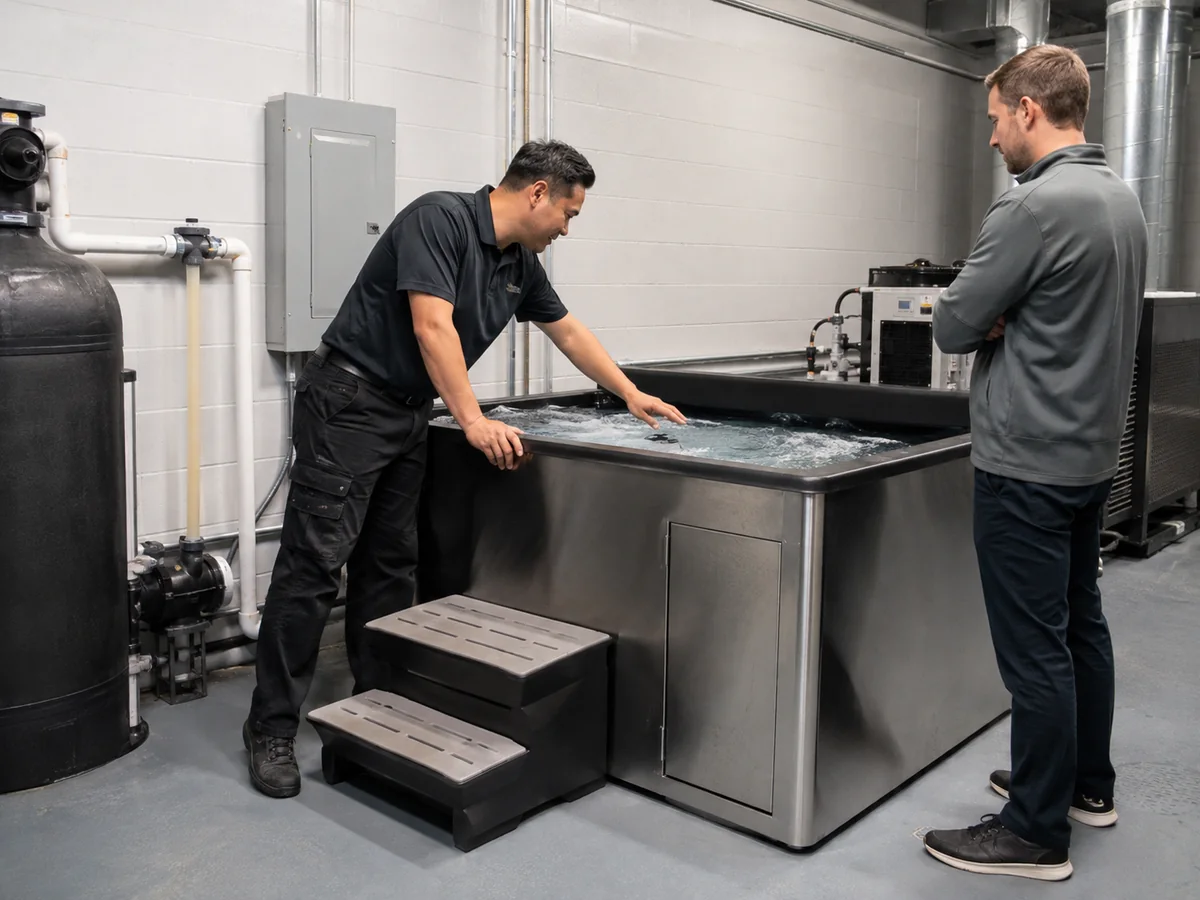
If continued operation may be unsafe, stop use and seek the appropriate qualified professional. Electrical, refrigeration or other protected work should be handled by suitably qualified personnel where required.
Use Product Support for general product information, the Spare Parts Library for component identification, Installation Support for site or installation questions, and Packaging & Logistics for visible freight damage, shortages or receiving issues.
Send the order or serial reference if available, product model, installed configuration if known, observed issue, safe photos or videos where available, affected part information, operating and maintenance history, and the support outcome you need reviewed.