
How Wood-Burning Hot Tubs Work
Use this when the open question is how the tub, heat source, water system and chimney work together.
Read GuideHACHILL’s current wood-fired hot tub range is organized around two product options: Round and Rectangular. Start with the geometry that works with the real site, then continue to the current model for exact product information and quotation requirements.
Round creates a circular planning problem around seating, entry and the surrounding perimeter. Rectangular creates a more linear planning problem around orientation, entry and the available footprint.
For: distributors, outdoor-living brands, hospitality buyers, wellness projects and defined commercial programs.
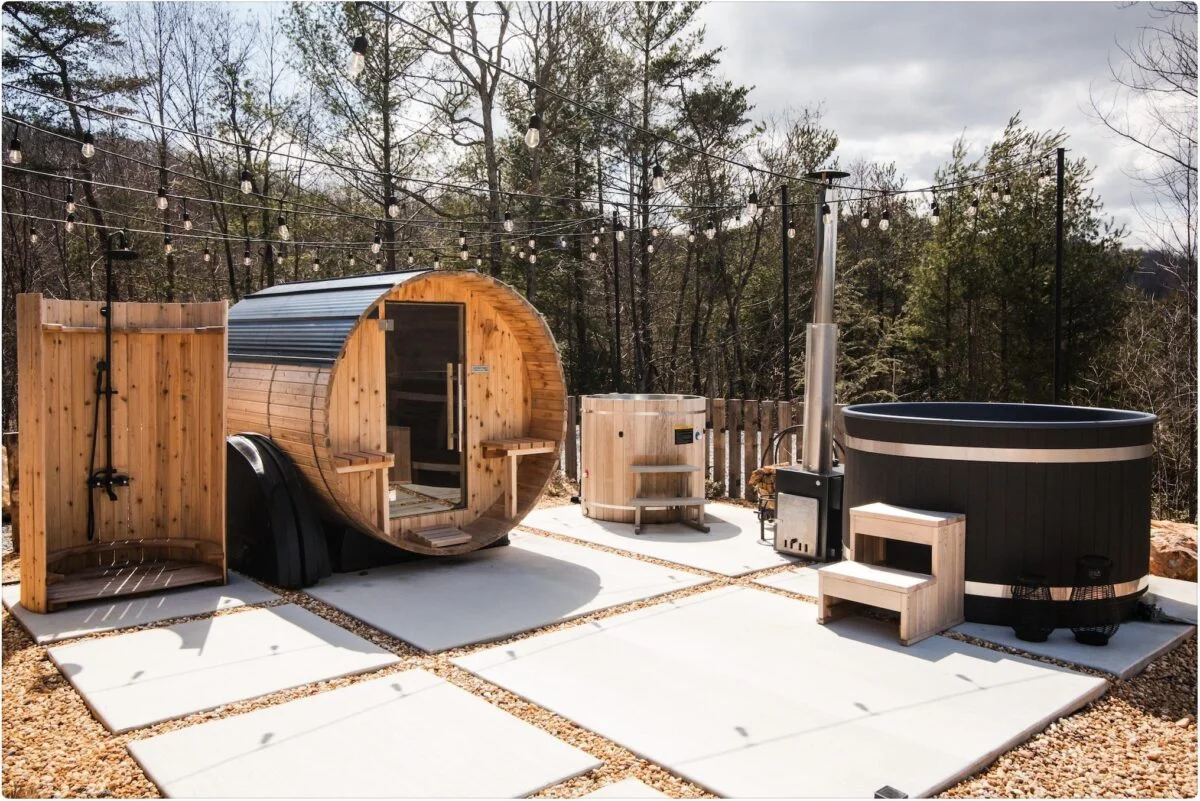
Start with the product geometry that best fits the site. Compare the available footprint, entry approach, surrounding access, delivery conditions and the space needed around the wood-fired system before moving to the exact model.
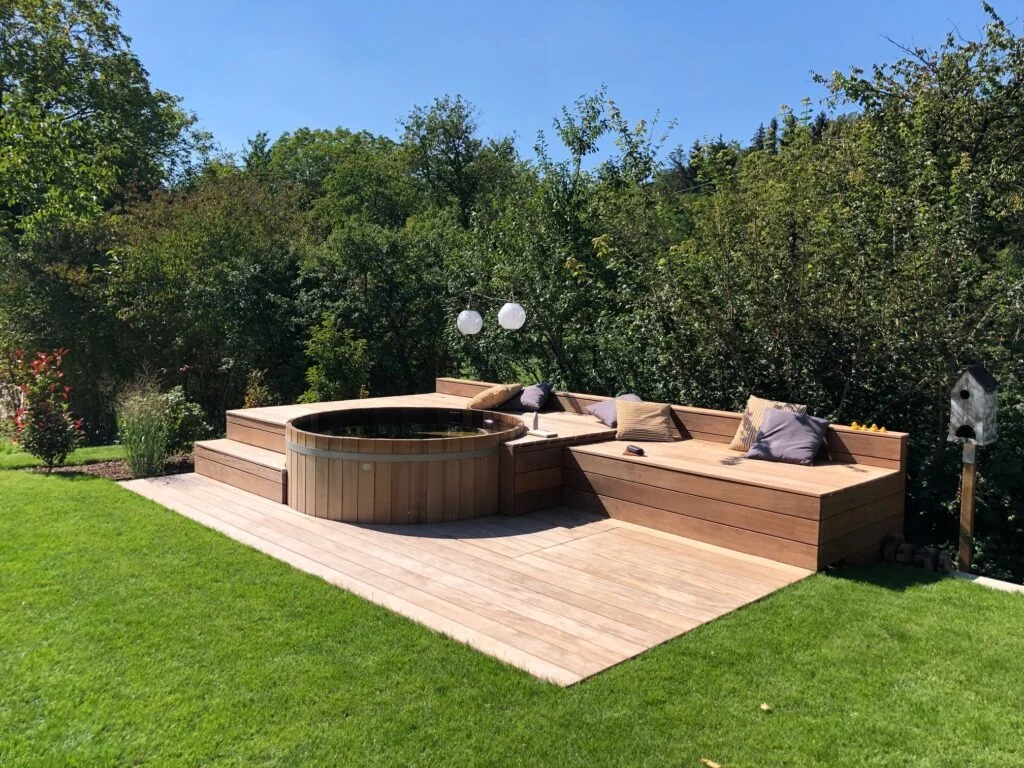
Circular footprint · perimeter-based planning
Start here when a circular arrangement is the stronger site candidate. Review seating and entry, surrounding user access, stove and guard position, chimney route, water interfaces and service reach.
Current model: HT19 Round Wood-Fired Hot Tub
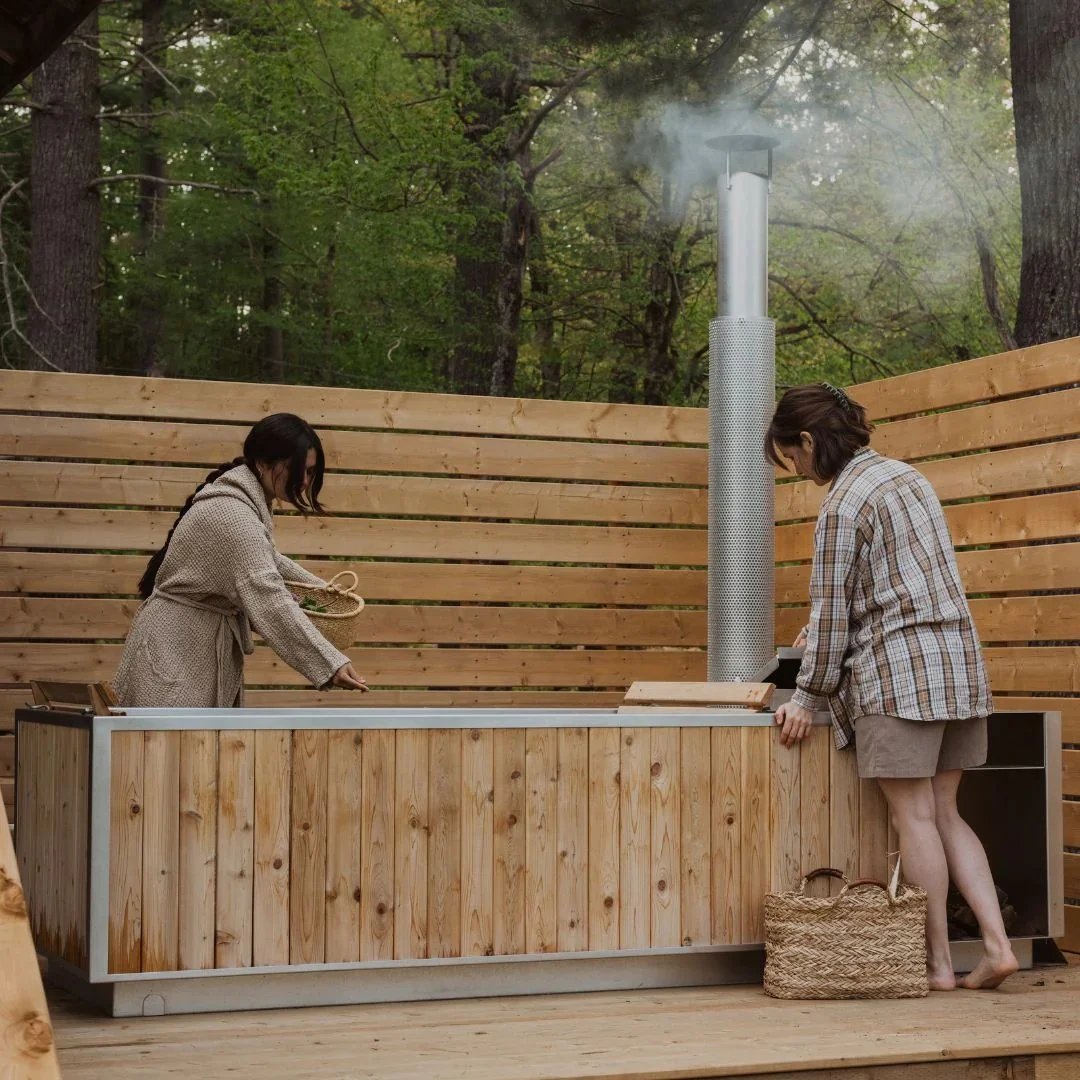
Linear footprint · orientation-based planning
Start here when a linear product layout is the stronger site candidate. Review long-side and short-side orientation, entry, surrounding circulation, stove/chimney relationship, drainage and delivery access.
Current model: HT18 Rectangular Wood-Fired Hot Tub
Round and Rectangular belong to the same broad product family, but geometry changes the planning problem. Use this as a route-selection comparison; exact model specifications remain on the model pages and quotation.
| Decision | Round | Rectangular |
|---|---|---|
| Product Geometry | Circular | Rectangular |
| Site Logic | Arrange access and interfaces around the perimeter | Establish a linear orientation |
| Entry Planning | Coordinate entry with the circular layout | Coordinate entry with the selected side and orientation |
| Current Model | HT19 | HT18 |
| Best Next Step | Review the Round route | Review the Rectangular route |
Shape is the starting route, not the full specification. Heating, water-volume and installation requirements remain specific to the selected model and project configuration.
Once the preferred geometry is clear, continue to HT19 or HT18 for exact model dimensions, product layout, interfaces and quotation details.
Round model for projects starting from a circular footprint. Review the HT19 model page for the round interior, seating and entry relationship, visible stove and water interfaces, dimensions and quotation details.
Rectangular model for projects starting from a linear footprint. Review the HT18 model page for site orientation, interior layout, stove/chimney relationship, drainage details, dimensions and quotation details.
You only need a few practical inputs to choose a useful starting route. These four points help narrow the geometry and current model before the quotation discussion.
Share the approximate installation area, important boundaries, entry approach, gates or restricted access and major delivery constraints. The goal is to decide whether a circular or linear geometry deserves closer review.
Describe intended users, seating expectations, private or project use, and the basic fill and drainage context. Use the selected model page for exact dimensions and supplied configuration.
Identify where the stove side could be located, whether a chimney route can be accommodated and any obvious site constraint near the heating area. Final stove and chimney details can then be reviewed with the selected model and project.
For wholesale, OEM or project supply, include destination market, quantity, branding/private-label needs, packaging requirements and required drawings or documents.
If geometry is decided, continue to the relevant Round or Rectangular route or directly to HT19 / HT18. If the open question concerns system operation, heating variables or documentation, use the corresponding technical guide. Manufacturing and OEM resources remain secondary when the question is factory capability, repeat supply, branding or packaging.
Use this when the open question is how the tub, heat source, water system and chimney work together.
Read GuideUse this when heating conditions or universal heat-up claims need closer review.
Read Heating GuideUse this for installation-responsibility, product-documentation or commercial documentation questions.
Read Documentation GuideFactory / program questions: Manufacturing · Quality Control · OEM Manufacturing
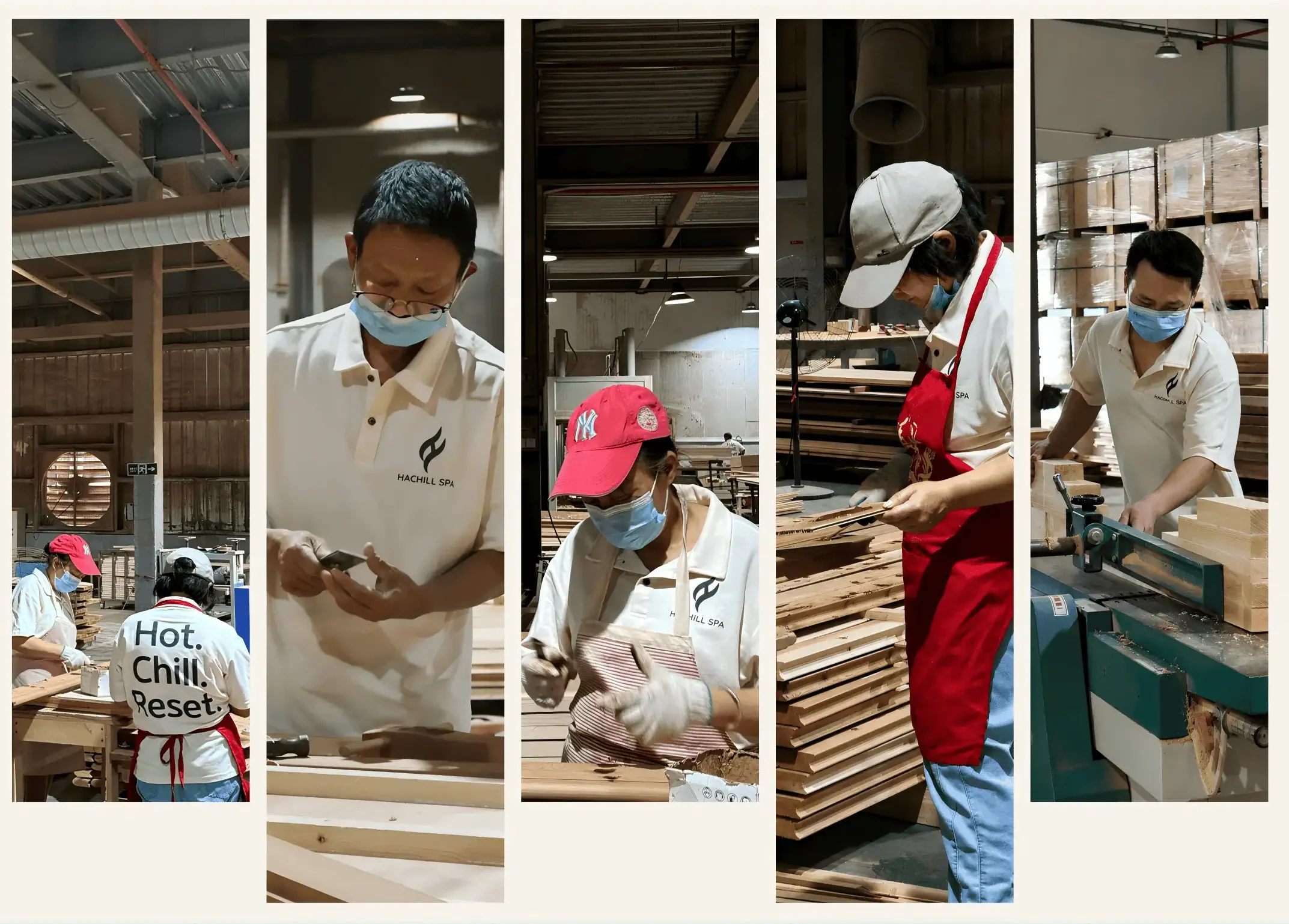
If you want help narrowing the Round or Rectangular route, or choosing between HT19 and HT18, send the information below. HACHILL can use it to identify the most relevant current model for the next quotation and project discussion.